
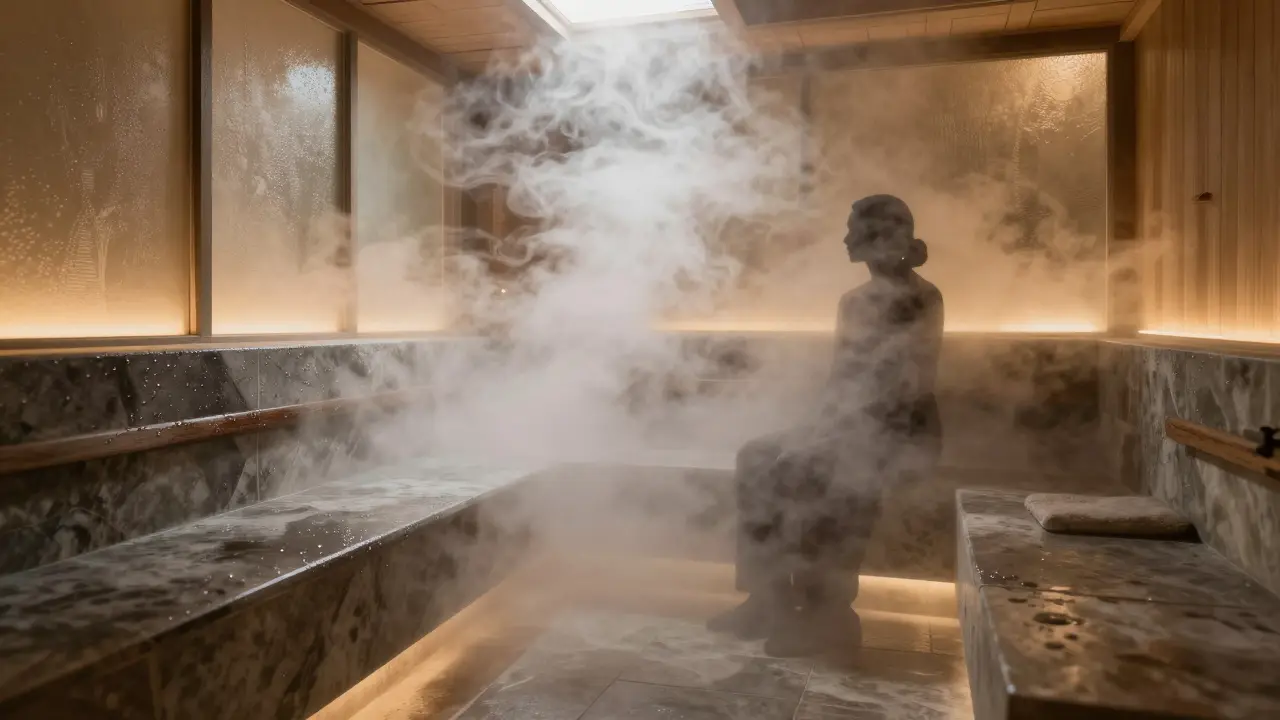
Are Steam Rooms Good For Your Lungs?
Have you ever walked out of a Steam Rooman enclosed space filled with humid, hot air designed for relaxation and detoxification feeling like you can finally breathe through your nose? It happens to a lot of us. We step in to relax our muscles, but the clear-headed sensation afterward often leaves us wondering about the effects on our breathing system specifically. Does that thick, warm fog help or harm our airways? The short answer is yes, it usually helps, but there are important details you need to understand before hopping in.
In today’s busy world, we look for quick ways to maintain our health. In places like Dubai, where outdoor heat can be intense, indoor steam rooms offer controlled environments for recovery. While many people associate steam with beauty treatments, the impact on your respiratory tract is significant. Understanding this relationship helps you decide if adding a steam session to your routine is right for your body type.
Understanding How Steam Works
To understand the benefits, we first need to look at what happens to your body when exposed to high humidity. Water vapor enters your airways and changes the environment inside your nasal passages. Unlike dry heat, which can sometimes irritate tissues, moist heat adds water directly to the mucus membranes.
The Science Behind Moist Heat
When you sit in a Steam Rooman enclosure designed to produce steam for therapeutic purposes, the temperature typically ranges between 40°C to 50°C with near 100% humidity. This moisture interacts with the The biological system responsible for breathing, including the nose, throat, and lungsrespiratory system. Research suggests that warm, humid air increases blood flow to these tissues. This improved circulation helps reduce inflammation. Think of it like softening dough before baking; the moisture makes the lining of your airways more flexible and less congested.
Difference Between Steam and Sauna
It is common to confuse steam rooms with saunas. They look similar but function differently. Saunas use dry heat, often reaching higher temperatures without moisture. Steam rooms provide wet heat. For lung health specifically, the added moisture is the key variable. Dry heat might feel good for circulation, but wet heat targets congestion. Knowing this distinction helps you choose the right therapy for your specific day-to-day needs.
| Feature | Steam Room | Dry Sauna |
|---|---|---|
| Humidity | 100% (Wet Heat) | Low (Dry Heat) |
| Temperature | 40°C - 50°C | 70°C - 90°C |
| Primary Focus | Congestion Relief | Muscle Relaxation |
| Best For Breathing | Yes | Less Effective |
Key Respiratory Benefits
So, does sitting in a cloud of steam actually improve lung function? There are several ways it supports your breathing mechanics, particularly during cold season or allergy flare-ups.
Loosening Mucus Buildup
One of the most immediate effects is thinning out phlegm. When you have a chest cold, mucus becomes thick and sticky. It traps bacteria and blocks airflow. Hot steam acts as a natural expectorant. By adding water molecules to the mucus, it becomes lighter. This allows you to cough it up more easily. Clearing this pathway reduces the strain on your diaphragm and improves overall oxygen intake.
Opening Up Air Passages
Bronchodilation occurs when air passages expand. Warm air encourages the smooth muscles around the bronchi to relax slightly. This effect isn’t permanent or a replacement for medication, but it provides temporary relief from tightness. Many swimmers and athletes use breathing techniques in steam tents before training to condition their lungs for performance. It primes the system to handle exertion.
Reducing Sinus Pressure
Your sinuses connect to your nasal cavity. When those pathways get blocked, pressure builds up behind your eyes and cheeks. Moist heat penetrates deep into these sinus cavities. The warmth soothes the swollen tissue lining them. Regular exposure can decrease the frequency of sinus headaches associated with seasonal allergies.

Who Should Avoid the Steam Room?
While beneficial for many, steam isn’t universally safe. Certain pre-existing conditions require caution or avoidance. Ignoring these risks could turn a wellness practice into a health emergency.
Asthma Triggers
Individuals with asthma face a complex situation. While some find steam soothing, others experience worsening symptoms due to the heat and high humidity levels. The moisture itself isn’t always the culprit; sometimes the heat load stresses the body too much. If you rely on inhalers, always keep one nearby. Consult your doctor before making steam sessions a habit.
Uncontrolled Blood Pressure
Heat causes blood vessels to dilate. This drops blood pressure temporarily. If you have low blood pressure naturally, you might feel dizzy when standing up after a session. Conversely, extremely high pressure needs monitoring because the heart works harder in hot environments to cool the body.
Pregnancy Considerations
Doctors generally advise pregnant individuals to limit time in extreme heat. Core body temperature should not rise significantly above normal. Excessive heat during pregnancy can pose risks to fetal development. Short durations with medical approval are sometimes okay, but avoiding long sessions is the safest route.
How to Use Steam Safely
Getting the most benefit while minimizing risk comes down to how you manage your time and preparation.
Hydration is Non-Negotiable
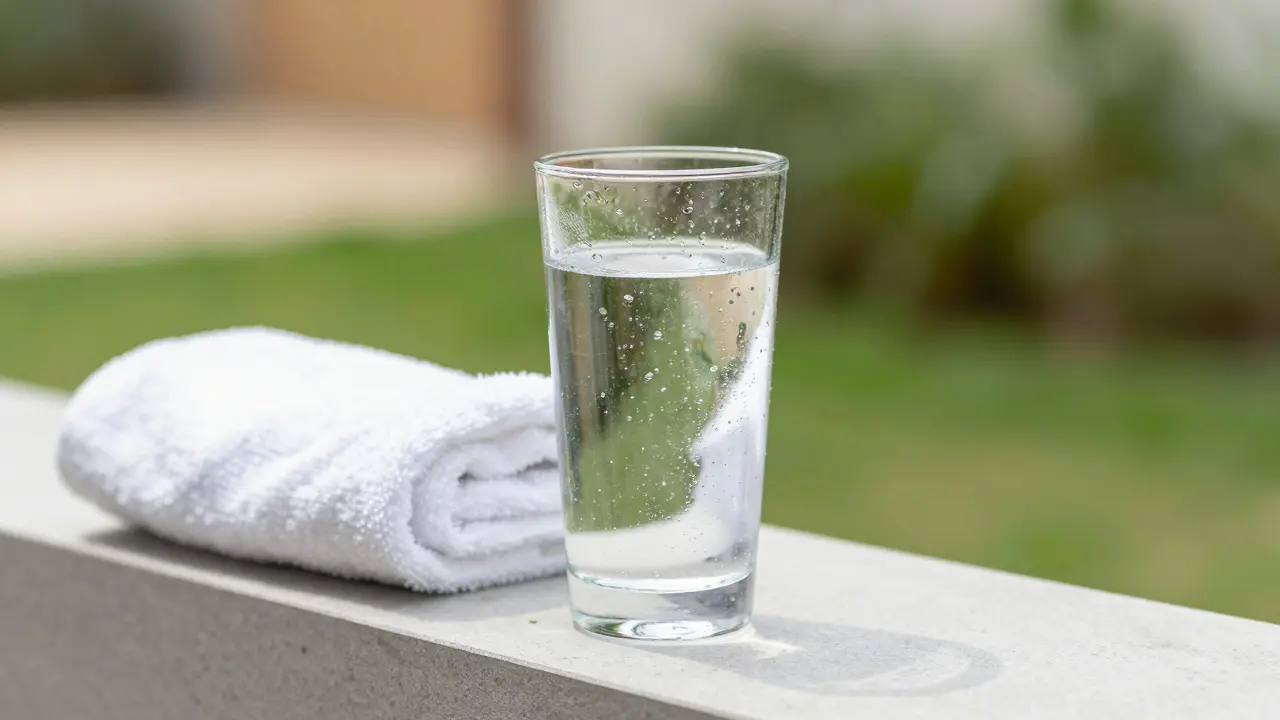
You lose water through sweat, even in steam where you feel damp everywhere. Dehydration affects mucous membranes. Drink a glass of water before entering and another immediately after. This keeps the lubrication in your throat intact and prevents dizziness.
Time Limits Matter
Quality beats quantity. Staying in for 15 minutes is usually sufficient to trigger the physiological responses mentioned earlier. Going beyond 20 minutes offers diminishing returns and increases the risk of overheating. Listen to your body. If your heart rate spikes too fast, leave.
Post-Session Care
Don’t jump straight into a freezing shower. Let your temperature regulate slowly. Cooling down gradually protects your cardiovascular system. A lukewarm rinse is better than a shock-cold plunge. Pat yourself dry and dress warmly to prevent catching a chill.
Frequently Asked Questions
Can steam rooms help with bronchitis?
Steam rooms can provide relief from symptoms of bronchitis by loosening mucus and reducing inflammation. However, they do not cure the infection itself. Always consult a physician before using heat therapy for active respiratory infections.
Is daily steam usage safe?
Daily use is generally safe for healthy adults, provided you stay hydrated and limit sessions to 15-20 minutes. Over-exposure can strip natural oils from your skin and tire out your cardiovascular system. Listen to your body.
What is the best time to visit a steam room?
Many people prefer evenings after exercise to cool down, or mornings to open airways. Avoid visiting immediately after heavy meals, as digestion competes with thermoregulation.
Does steam remove toxins from lungs?
While sweating expels small amounts of heavy metals, steam primarily cleans the airways by removing mucus and pathogens trapped there. It does not filter toxins from the bloodstream directly.
Why do I cough more after leaving the steam?
Increased coughing often indicates that loose mucus is being expelled. It’s a sign the steam worked to mobilize secretions. Just ensure you hydrate to replace lost fluids.
Wrapping Up Your Wellness Journey
Steam rooms hold significant potential for supporting respiratory health, especially when dealing with congestion or environmental irritants. The key lies in moderation and self-awareness. If you feel your breathing deepen and your head clear, that is a positive sign. If you feel light-headed or wheezy, exit immediately.
Treating your lungs with care means respecting both the tools available and your body’s limits. Whether you are exploring a luxury spa in Dubai or setting up a personal wellness corner, prioritize safety over intensity. Share your experiences in the comments below if you have found steam helpful for your breathing routines!

Rebecca Putman
March 29, 2026 AT 22:46I love steam rooms so much! :D It really helps me breathe better when i have allergies. My mom uses it too and says she feels great afterwards. We go to the spa every weekend now. It is super relaxing and warm. You just sit there and listen to your breath slow down. I hope everyone tries it sometime! 😊
Fred Lucas
March 31, 2026 AT 14:03One must approach this subject with due diligence; the implications for pulmonary function are profound, indeed. It is quite apparent that modern society neglects the finer nuances of therapeutic heat exposure. While the masses may enjoy the sensation of humidity, only the educated understand the physiological intricacies involved. Steam, dry air, temperature variance-these are variables that demand respect from the discerning individual. Ignoring proper hydration protocols is simply negligent behavior.
Jasmine Hill
April 1, 2026 AT 21:59Oh my gosh you sound like such a snob fred lol. But like seriously does anyone else think we are obsessed with control? Steam is natural energy and trying to measure it kills the magic. I feel like my whole life is just data points now which is sad actually. Maybe its just me being tired lately though?? Who knows whats real anymore!!! The lungs dont care about our charts they just want to survive.
Aubrie Froisland
April 2, 2026 AT 09:20Interesting perspective. I have been going since last year and noticed fewer colds. Just make sure to keep it short and sweet. Don't overdo it or you get dizzy fast. Water is key before and after. Some people say 15 mins is enough for most folks. It really depends on your tolerance level though.
Anil Sharma
April 2, 2026 AT 21:00That is so true! I went once and felt amazing afterwards. Sometimes I wonder if the water purity matters more than time spent inside. My docter said humidity is good for asthmas generally. Just be careful with high temps if you are pregnant or sick. It makes me smile that people find wellness this way. Hope everyone stays safey!
Shayla O'Neil
April 2, 2026 AT 22:23We often forget how much our environment shapes our physical existence.
Sitting in a room filled with water vapor reminds us of nature's healing properties.
It creates a sense of calm that is rare in our busy lives.
When the fog clears around us, we feel lighter inside too.
This connection between breath and heat is something ancient.
People worry too much about measurements instead of feelings.
Trust your body when it tells you to stop or stay.
Listening to these signals builds better self care habits.
The steam washes away stress physically and mentally.
It is important to share these benefits with loved ones.
Health is about balance not perfection in every metric.
We should encourage others gently rather than fearmongering risks.
Everyone deserves access to relaxation methods safely.
The cost of spas shouldn't be a barrier to breathing well.
Community spaces often offer these amenities for low prices too.
Please prioritize your own well-being above everything else today.
Small changes lead to big improvements over time.
Erin Carroll
April 3, 2026 AT 18:51People ignore the dangers completely and encouraging risky behavior without medical clearance is irresponsible.
Margaret Berlin
April 5, 2026 AT 15:44I totally get where you come from Erin but lets not scare everyone off. Balance is what matters here and most people know when to step out. We want to support healthy choices not cause panic. There is plenty of joy in these practices if done correctly. Lets focus on the positive outcomes shared here instead. Kindness goes a long way in wellness discussions.
jasmine grover
April 5, 2026 AT 23:43There are several technical details regarding respiratory response to hyperthermal environments that deserve elaboration.
Firstly the viscosity of mucus decreases significantly within humid atmospheres.
Secondly the vascular dilation assists in flushing metabolic waste products efficiently.
Thirdly the warming effect stabilizes bronchial constriction triggers commonly found in cold weather scenarios.
Many individuals mistake the immediate coughing response for irritation rather than expulsion.
Fourthly hydration levels prior to entry dictate the efficacy of mucosal lubrication during the session.
Fifthly duration correlates directly with diminishing returns on cardiovascular strain metrics.
Sixthly pre existing conditions require specific physician clearance before engaging regularly.
Seventhly post cooling protocols prevent sudden blood pressure fluctuations upon exiting the chamber.
Eighthly hygiene practices within communal facilities reduce pathogen transmission risks notably.
Ninthly monitoring pulse rates during exposure ensures safety margins remain intact consistently.
Tenthly education regarding emergency exits prevents entrapment scenarios entirely effectively.
Eleventhly regular maintenance of the steam generator prevents mold spore inhalation issues.
Twelfthly understanding personal thermal limits prevents fainting incidents frequently observed.
Thirteenthly alternating with cool showers aids thermoregulation mechanisms substantially well.
Fourteenthly tracking symptom journals reveals individual variances in tolerance levels accurately.
Fifteenthly consulting specialists provides tailored advice superior to general internet guidance always.
Sixteenthly overall wellness goals benefit from this practice when integrated thoughtfully into routine schedules.