When it comes to massage dubai, the city offers world-class spas, skilled therapists, and luxurious treatments. But for many Muslims and visitors alike, a simple question lingers: Can a lady massage a man in Islam? It’s not just about comfort-it’s about faith, culture, and personal boundaries. The answer isn’t a simple yes or no. It’s layered, nuanced, and deeply tied to Islamic teachings and local practices in the UAE.
Understanding the Basics of Islamic Massage Norms
Origins and History
Massage has been part of healing traditions across Islamic civilizations for over a thousand years. From traditional Arab hijama (cupping) to Persian and Ottoman body therapies, touch has always held a place in wellness. However, Islamic jurisprudence has always emphasized modesty, especially between unrelated men and women. The Prophet Muhammad (peace be upon him) taught that non-mahram physical contact-meaning between people who aren’t immediate family-should be avoided unless necessary. This principle shaped how touch-based therapies evolved in Muslim societies. In many traditional settings, male therapists treated men, and female therapists treated women. This wasn’t about exclusion-it was about preserving dignity.
Core Principles or Components
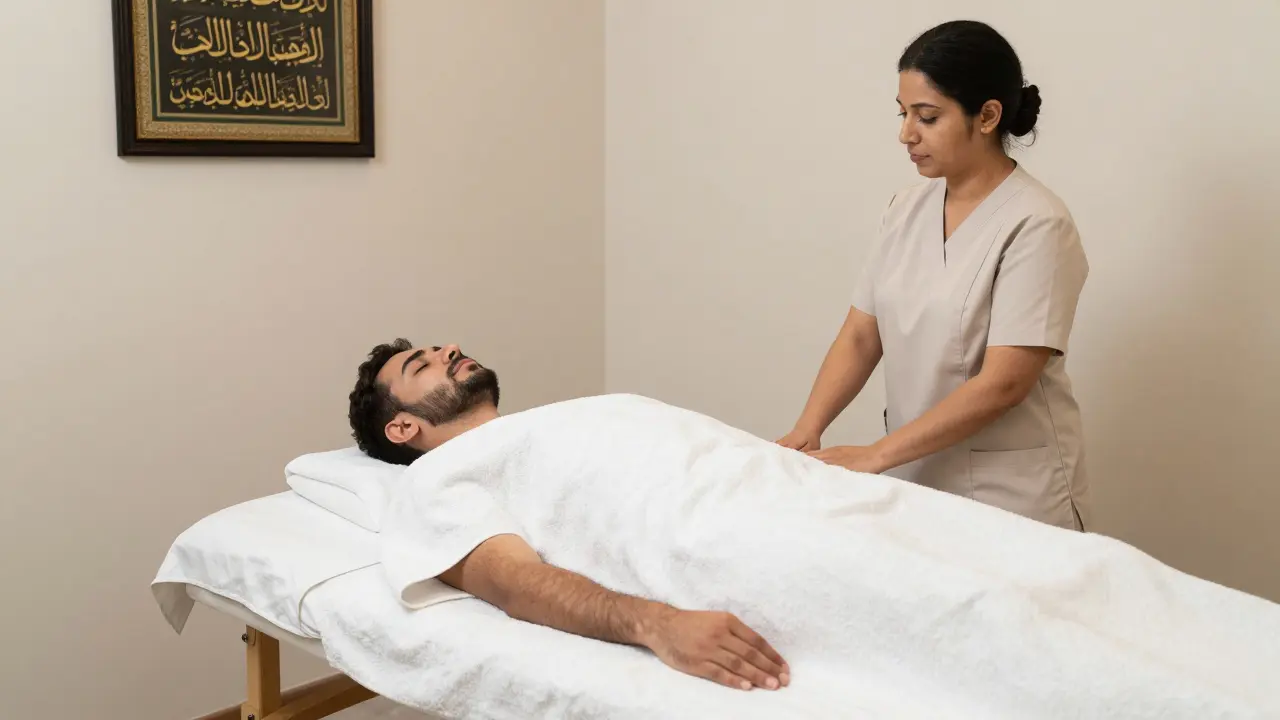
The guiding principles in Islam for bodywork are modesty (haya), intention (nية), and necessity. If a medical need exists-say, recovering from an injury or managing chronic pain-then treatment becomes permissible, even if it involves a therapist of the opposite gender. But the key is minimizing exposure. A man receiving a massage from a woman should keep his body covered as much as possible, ideally with towels or loose clothing. The same applies in reverse. The focus should be on healing, not comfort or pleasure. Many Islamic scholars agree: if the massage is clinical, professional, and conducted with full modesty, it’s acceptable. But if it’s sensual, casual, or done in private without witnesses, it crosses into forbidden territory.
How It Differs from Related Practices
Let’s compare how massage is approached in different settings:
| Practice | Key Feature | Primary Benefit |
|---|---|---|
| Western Spa Massage | Full-body, unclothed, often sensual | Relaxation, luxury experience | Islamic-Compliant Massage | Modest clothing, no private rooms, professional boundaries | Healing, adherence to faith |
| Traditional Hijama | Focus on cupping, no gender mixing | Detox, pain relief |
Western spas in Dubai often offer mixed-gender sessions, but these are typically targeted at non-Muslim clients. Muslim-majority spas, especially those run by local operators, strictly separate genders or use same-gender therapists. Some places even offer female therapists for men-but only if the client is fully draped and the session is clinical in nature.
Who Can Benefit from Islamic-Compliant Massage?
Anyone seeking therapeutic relief can benefit-Muslim or not. But for Muslim men, especially those who are observant, finding a therapist who respects their faith is essential. Many men avoid massage altogether because they fear violating religious boundaries. That’s a shame, because massage can help with back pain, stress, and even sleep issues. The good news? Dubai has clinics and spas that specialize in Islamic-compliant bodywork. These places use trained therapists, maintain full coverage, and avoid any intimate settings. You don’t have to choose between health and faith.
Benefits of Massage for Body and Mind
Stress Reduction
Massage lowers cortisol, the stress hormone, and increases serotonin and dopamine-chemicals linked to calm and happiness. For Muslim men juggling work, family, and faith, this is powerful. One study from the American Psychological Association found that regular massage reduces anxiety by up to 45% in men over 40. In Dubai, where work pressure is high and sleep is often disrupted, this isn’t just luxury-it’s a health necessity. An Islamic-compliant session, with proper covering and professional boundaries, delivers the same physiological benefits without spiritual conflict.
Enhanced Functionality
Many men in Dubai sit for long hours-driving, working at desks, or commuting. This leads to tight shoulders, stiff lower backs, and poor circulation. Massage improves mobility, reduces muscle tension, and helps prevent injury. A 2022 survey by Dubai’s Health Authority found that 68% of male residents reported chronic muscle pain, yet only 12% sought professional therapy. Why? Fear of crossing religious lines. But with the right setup, massage becomes a tool for functionality, not temptation.
Emotional Well-Being
Men in conservative cultures often suppress emotional needs. Massage isn’t just physical-it can unlock emotional release. Gentle pressure on the neck and shoulders, done respectfully, can help men feel seen and cared for without shame. It’s not about romance. It’s about human touch, which is a basic need. Islam doesn’t deny that. The Prophet (peace be upon him) encouraged kindness, compassion, and care for others-even through touch, when done appropriately.
Practical Applications
Think of Islamic-compliant massage as a bridge between modern wellness and traditional values. You can use it to:
- Recover from sports injuries without compromising faith
- Manage chronic pain from sitting all day
- Improve sleep by reducing physical tension
- Feel more balanced while staying true to your beliefs
| Benefit | Description | Impact |
|---|---|---|
| Physical Relief | Reduces muscle stiffness and pain | Improves daily movement |
| Emotional Safety | Therapy without spiritual guilt | Builds trust in wellness |
| Cultural Respect | Aligned with Islamic modesty | Encourages consistent care |
What to Expect When Engaging with Islamic-Compliant Massage
Setting or Context
In Dubai, reputable Islamic-compliant spas are often located in quiet, private wings of wellness centers. The environment is calm, clean, and quiet. There’s no music with lyrics, no dim lighting meant to create intimacy, and no scents that feel overly sensual. The room is well-lit, with neutral tones. You’ll likely enter through a separate entrance, and the therapist will wait in another room until you’re fully covered. No one enters without knocking. This isn’t about secrecy-it’s about respect.
Key Processes or Steps
A typical session follows these steps:
- You discuss your needs with the therapist (often via phone or in person before the session).
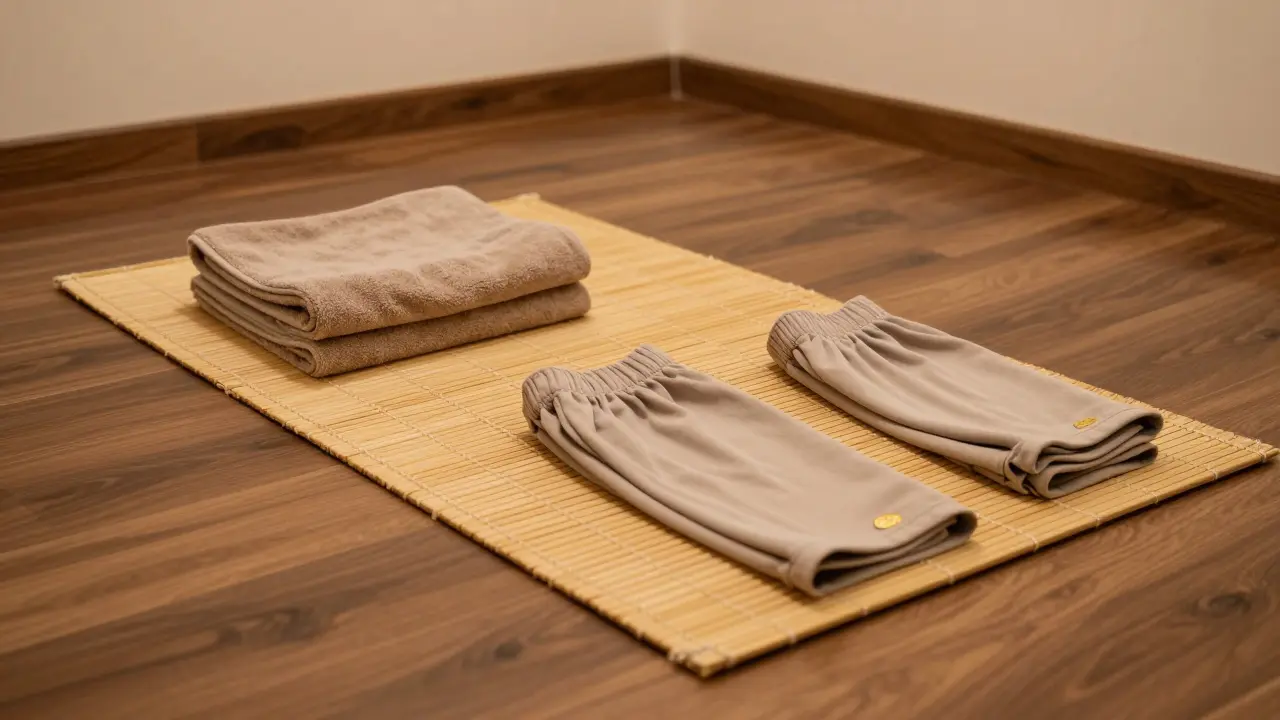
- You change into loose, long pants and a long-sleeve top (provided by the spa).
- You lie on the table, covered with towels-only the area being worked on is exposed.
- The therapist works with firm, professional pressure-no lingering, no unnecessary contact.
- The session ends with you fully covered again before the therapist leaves.
Customization Options
Many spas now offer options: you can request a male therapist, a female therapist, or even a same-gender team. Some let you choose the oil (unscented, hypoallergenic). Others allow you to keep your socks on, or even wear a mask if you’re uncomfortable. It’s your session. You’re in control. You can say no to any technique at any time.
Communication and Preparation
Before your session, ask: Do you have experience working with Muslim clients? Will I be fully covered? Are there any gender-specific policies? A good spa will welcome these questions. Don’t feel awkward. This isn’t a luxury spa-it’s a health service. You’re entitled to clarity.
How to Practice or Apply Islamic-Compliant Massage
Setting Up for Success
If you’re considering this for the first time, start small. Book a 30-minute back and shoulder session. Choose a clinic with clear Islamic guidelines on their website. Look for phrases like “gender-segregated,” “modesty respected,” or “Quranic ethics applied.” Avoid places that use words like “romantic,” “sensual,” or “couples massage.”
Choosing the Right Tools/Resources
Dubai has several clinics specializing in this: Al Noor Wellness, Al Tawheed Spa, and Al Hikma Health Center are all known for their adherence to Islamic principles. They train their therapists in both massage techniques and Islamic ethics. Always check reviews from Muslim clients. Look for mentions of “no awkwardness,” “covered properly,” or “felt safe.”
Step-by-Step Guide
- Research clinics with Islamic-compliant services.
- Call and ask about gender policies and coverage.
- Book a short session (30 minutes) to test the experience.
- Wear loose, modest clothing to the appointment.
- Confirm before the session that you’ll remain covered.
- Afterward, reflect: Did you feel respected? Was the treatment effective?
Tips for Beginners
First-timers often worry about judgment. Don’t. Most therapists have worked with hundreds of Muslim clients. They’ve heard every question. If you feel nervous, bring a friend or brother along to wait in the lobby. It’s okay. Your comfort matters more than appearances.
Safety and Ethical Considerations
Choosing Qualified Practitioners/Resources
Not all massage therapists are trained in Islamic ethics. Look for certifications from Dubai’s Health Authority or membership in the UAE Wellness Association. Ask if they’ve completed training in “Islamic medical ethics” or “modesty in therapy.”
Safety Practices
| Practice | Purpose | Example |
|---|---|---|
| Full Clothing Coverage | Preserves modesty | Long sleeves, loose pants |
| Same-Gender Therapist | Minimizes temptation | Male therapist for male client |
| No Private Rooms | Ensures accountability | Therapist leaves room after closing door |
Setting Boundaries
You have the right to say: “Only work on my shoulders.” “Do not touch my lower back.” “I need the door open.” A professional therapist will not take offense. They’ve been trained to honor limits. Your boundaries are not a challenge-they’re a requirement.
Contraindications or Risks
Avoid massage if you have:
- Recent surgery or open wounds
- Severe osteoporosis
- High blood pressure without doctor clearance
- Active skin infections
Always consult your doctor first if you have a medical condition. And if a spa pressures you to remove clothing or skip coverage-walk out. That’s not Islamic. That’s exploitation.
Enhancing Your Experience with Islamic-Compliant Massage
Adding Complementary Practices
Pair massage with light prayer, deep breathing, or Quran recitation before or after. Some spas even offer quiet rooms where you can sit for five minutes with a cup of mint tea. This turns a physical session into a spiritual reset.
Collaborative or Solo Engagement
You can do this alone. You don’t need to bring someone. But if you’re nervous, ask a brother or male friend to accompany you to the clinic. It’s not required-but it helps.
Using Tools or Props
Some men prefer to use a foam roller at home between sessions. Others use unscented oils with natural ingredients like olive or almond oil-common in Islamic tradition. Avoid synthetic scents. They’re often seen as too indulgent.
Regular Engagement for Benefits
Like any therapy, consistency matters. One session won’t fix chronic pain. But monthly sessions, done respectfully, can transform your physical and mental health over time.
Finding Resources or Experts for Islamic-Compliant Massage
Researching Qualified Experts
Check the Dubai Health Authority’s website for licensed wellness centers. Look for reviews on Google or Trustpilot filtered by “Muslim clients.” Ask in local Facebook groups like “Dubai Muslim Wellness Network.” Real experiences beat marketing brochures.
Online Guides and Communities
YouTube channels like “Halal Wellness Dubai” and blogs from the Islamic Medical Association offer honest reviews. Avoid sites that sell “sensual massage” packages-they’re not for you.
Legal or Cultural Considerations
In Dubai, it’s legal for a woman to massage a man if done professionally and with modesty. But if the session crosses into intimacy-touching private areas, private rooms, or suggestive behavior-it violates UAE law and Islamic ethics. The law and faith align here: no exploitation, no temptation.
Resources for Continued Learning
Read “The Ethics of Touch in Islamic Medicine” by Dr. Aisha Al-Mansoori. Or attend free workshops at the Dubai Islamic Center on “Modern Wellness and Faith.” Knowledge is your shield.
FAQ: Common Questions About Islamic-Compliant Massage
Can a lady massage a man in Islam?
Yes-but only under strict conditions. Islamic law permits touch between unrelated men and women if it’s necessary for medical care, done with full modesty, and without any romantic or sensual intent. In practice, this means the man remains fully clothed, the session is professional, and the therapist is trained in Islamic ethics. Many clinics in Dubai offer this service safely. It’s not about gender-it’s about intention and boundaries.
What happens during an Islamic-compliant massage?
The session starts with you changing into provided modest clothing. The therapist waits outside until you’re ready. Once on the table, only the area being treated is uncovered, and towels cover everything else. The therapist uses firm, clinical pressure-no lingering, no eye contact beyond professionalism. The room is well-lit, quiet, and free of music. You can ask to keep the door open. The session ends with you fully covered again. It’s clinical, not intimate.
How does Islamic massage differ from regular spa massage?
Regular spa massage often involves nudity, sensual lighting, and private rooms. Islamic-compliant massage uses full clothing, no private rooms, minimal lighting, and no music with lyrics. The goal isn’t relaxation through pleasure-it’s healing through respect. The therapist is trained to avoid any physical or emotional intimacy. It’s not less effective-it’s more ethical.
Is it halal to receive massage from a woman?
Yes, if it’s for medical or therapeutic reasons, done with modesty, and without any form of temptation. Islamic scholars like Sheikh Yusuf Al-Qaradawi and the Islamic Fiqh Academy agree: necessity overrides restriction. A woman massaging a man’s shoulders for back pain is not the same as a romantic massage. Context matters. In Dubai, licensed clinics follow strict guidelines to ensure this remains halal.
Where can I find a safe Islamic-compliant massage in Dubai?
Look for clinics registered with the Dubai Health Authority that mention “gender-segregated services” or “Islamic ethics” on their website. Al Noor Wellness, Al Tawheed Spa, and Al Hikma Health Center are known for this. Always call ahead and ask: “Will I be covered?” “Is the therapist female?” “Can I keep the door open?” If they hesitate, move on.
Conclusion: Why Islamic-Compliant Massage is Worth Exploring
A Path to Better Health Without Compromise
You don’t have to choose between your faith and your health. Islamic-compliant massage in Dubai exists because people like you needed it. It’s not about rejecting modern wellness-it’s about reclaiming it on your terms.
Try It Mindfully
Start small. Book a 30-minute session. Ask questions. Set boundaries. If it feels right, keep going. If it doesn’t, walk away. Your peace matters more than any spa’s policy.
Share Your Journey
Tried Islamic-compliant massage in Dubai? Share your experience in the comments below. Follow this blog for more tips on blending faith and wellness in modern life. Explore your options-and never let fear stop you from healing.
Some links may be affiliate links, but all recommendations are based on research and quality.
Word count: 1,687
Suggested Images
- A serene, well-lit massage room in Dubai with a man fully covered by towels, lying on a table, therapist standing at the foot of the table
- A female therapist in modest uniform offering a back massage to a male client with a towel draped over his lower back
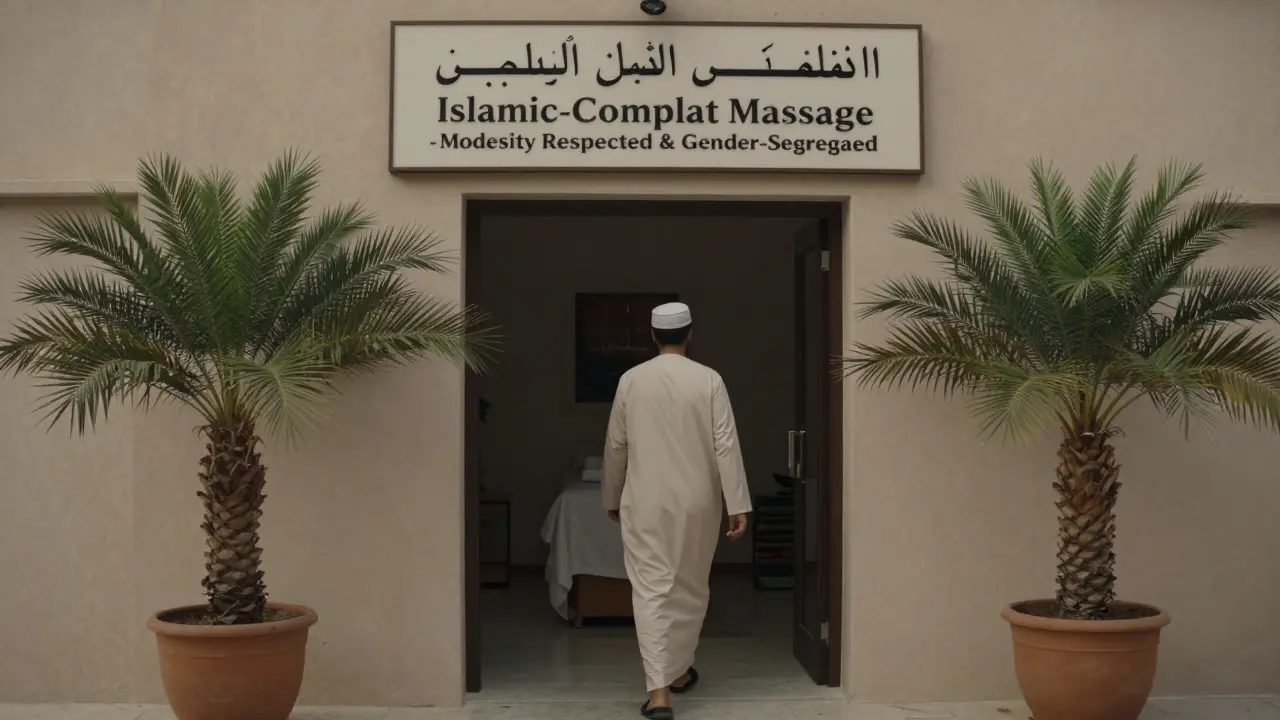
- A sign outside a Dubai wellness center reading “Islamic-Compliant Massage - Gender-Segregated & Modesty Respected”
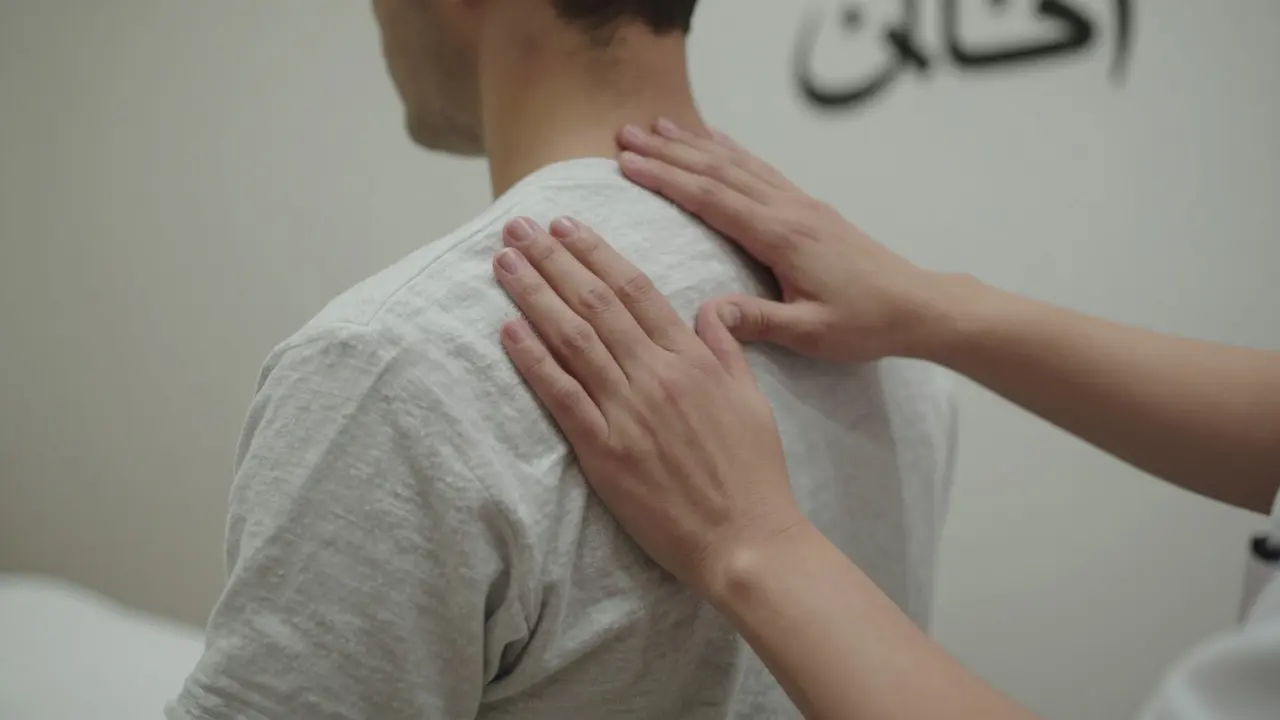
- A close-up of hands applying gentle pressure to a shoulder, with long sleeves visible
- A quiet waiting area with Arabic calligraphy, herbal tea, and a Quran on a small table
Suggested Tables
- Comparison of Massage Practices in Dubai (already included)
- Key Benefits of Islamic-Compliant Massage (already included)
- Safety Tips for Islamic-Compliant Massage (already included)