Massage Therapy Safety: What You Need to Know Before Your Next Session
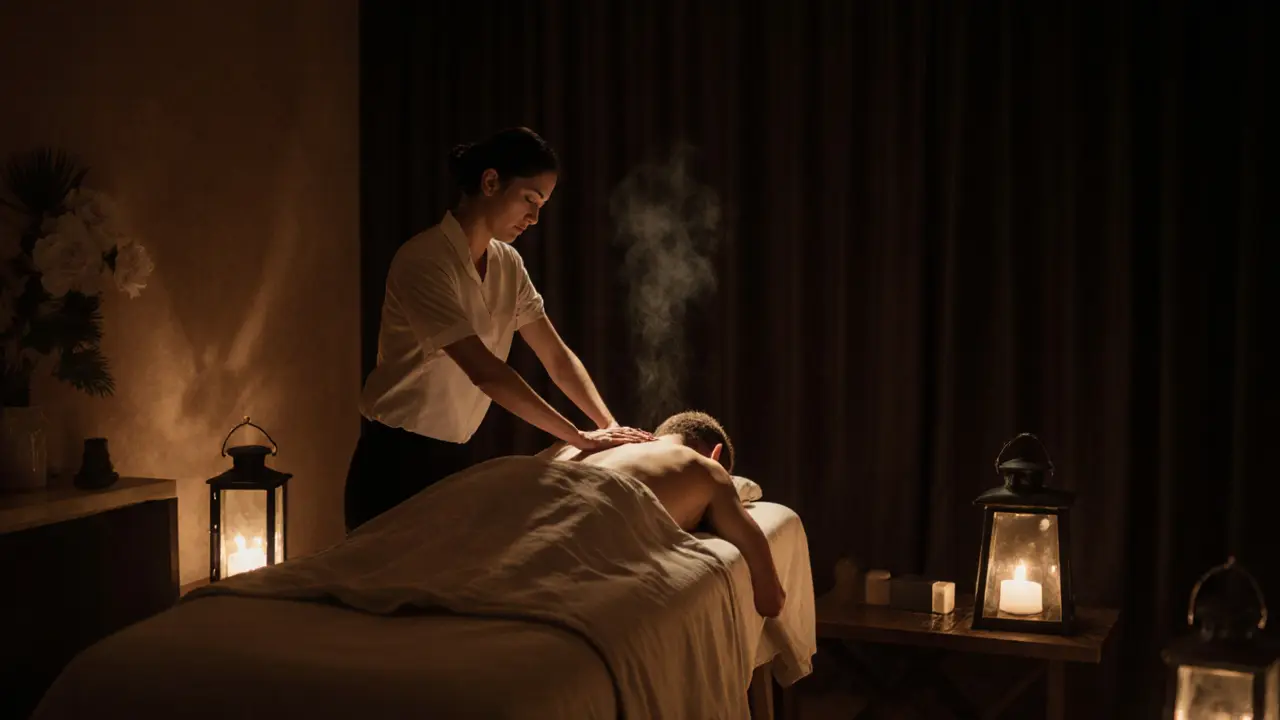
When you lie down for a massage therapy, a hands-on treatment designed to relieve muscle tension, improve circulation, and reduce stress. Also known as therapeutic massage, it’s one of the most trusted ways to recover from daily strain in Dubai’s fast-paced lifestyle. But safety isn’t automatic—it depends on your choices, the therapist’s training, and knowing what boundaries to expect. Too many people assume all massages are the same, but a deep tissue session carries different risks than a gentle Swedish rub. And when it comes to techniques like cupping therapy, a traditional method using glass or silicone cups to create suction on the skin, mistakes can leave marks, bruises, or even nerve irritation if done wrong.
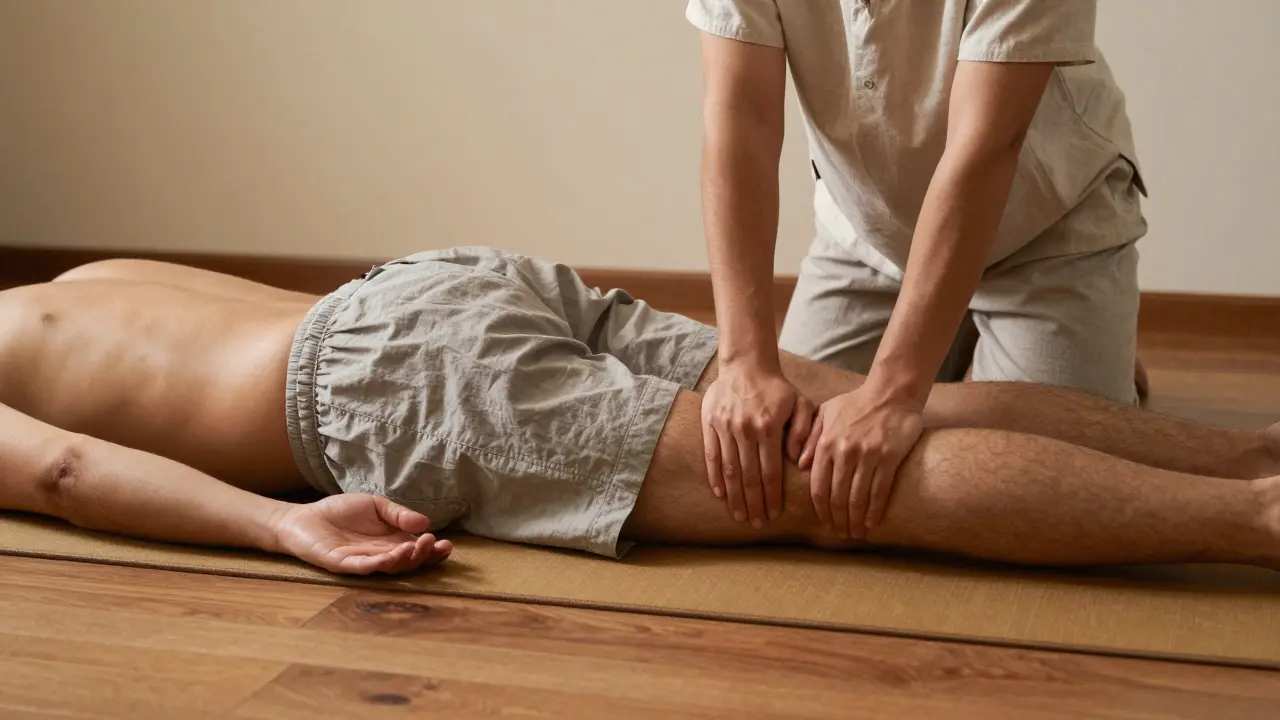
Massage therapy safety isn’t just about the pressure applied—it’s about consent, hygiene, and clear communication. You have the right to say no to any touch, no matter how "professional" it sounds. A therapist who works on your groin area without asking? That’s not skilled—it’s a violation. A spa that doesn’t clean the table between clients? That’s a health risk. And if you’re told you must undress completely to get results, that’s a myth. Many effective sessions happen with you fully clothed or covered by a towel. What matters is the therapist’s technique, not how much skin is exposed. deep tissue massage, a focused form of massage that targets deeper layers of muscle and connective tissue can be intense, but it shouldn’t hurt. If you’re screaming, you’re not healing—you’re getting injured. And if your therapist doesn’t check in with you during the session, walk out. Good massage therapy adjusts to you, not the other way around.
Even the simplest treatments need caution. A body scrub might feel luxurious, but if it’s too gritty or used on sensitive skin, it can cause micro-tears. A sauna after a massage? Fine—unless you’re dehydrated. Coffee after a steam room? Might help alertness, but it can spike your blood pressure if you’re not careful. These aren’t just spa trends—they’re health decisions. The posts below cover exactly what you need to know: how to spot unsafe practices, what questions to ask before a session, how to handle discomfort, and why some techniques like cupping or Thai massage require extra care. You’ll find real advice from people who’ve been there—whether it’s about tipping, clothing, gender boundaries, or what to do if something feels off. No fluff. No guesses. Just clear, practical safety tips you can use the next time you book a session in Dubai.