
How often should you get a Moroccan bath? For many in Dubai, it’s not just a luxury-it’s a reset button for the body and mind. Whether you’re dealing with the desert heat, long workdays, or just need to unwind, the traditional hammam offers more than just a cleanse. It’s a ritual rooted in centuries of North African wellness culture, adapted perfectly for modern urban life here in the UAE. But like any practice, frequency matters. Too little, and you miss the benefits. Too much, and you risk irritation or dryness. So, what’s the sweet spot? Let’s break it down with real, practical advice-not guesswork.
Understanding the Basics of Moroccan Bath
Origins and History
The Moroccan bath, or hammam, traces back over a thousand years to Roman bathhouses that spread through North Africa with Islamic culture. In Morocco, it evolved into a social and spiritual ritual-more than just cleaning the skin. It was a place to relax, chat with neighbors, and prepare for prayer or special occasions. Today, in Dubai, this tradition lives on in high-end spas and neighborhood hammams alike. The core remains unchanged: steam, exfoliation, and hydration. But now, it’s also a wellness escape for expats, tourists, and locals seeking relief from Dubai’s intense climate.
Core Principles or Components
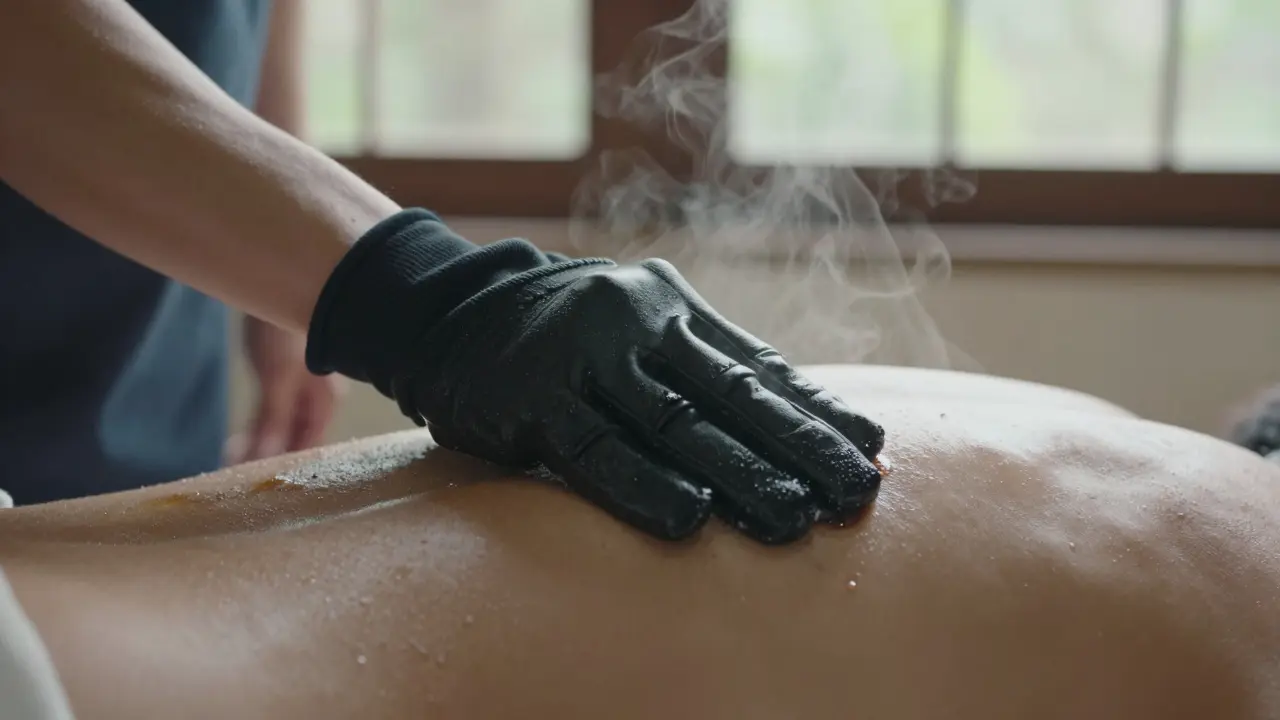
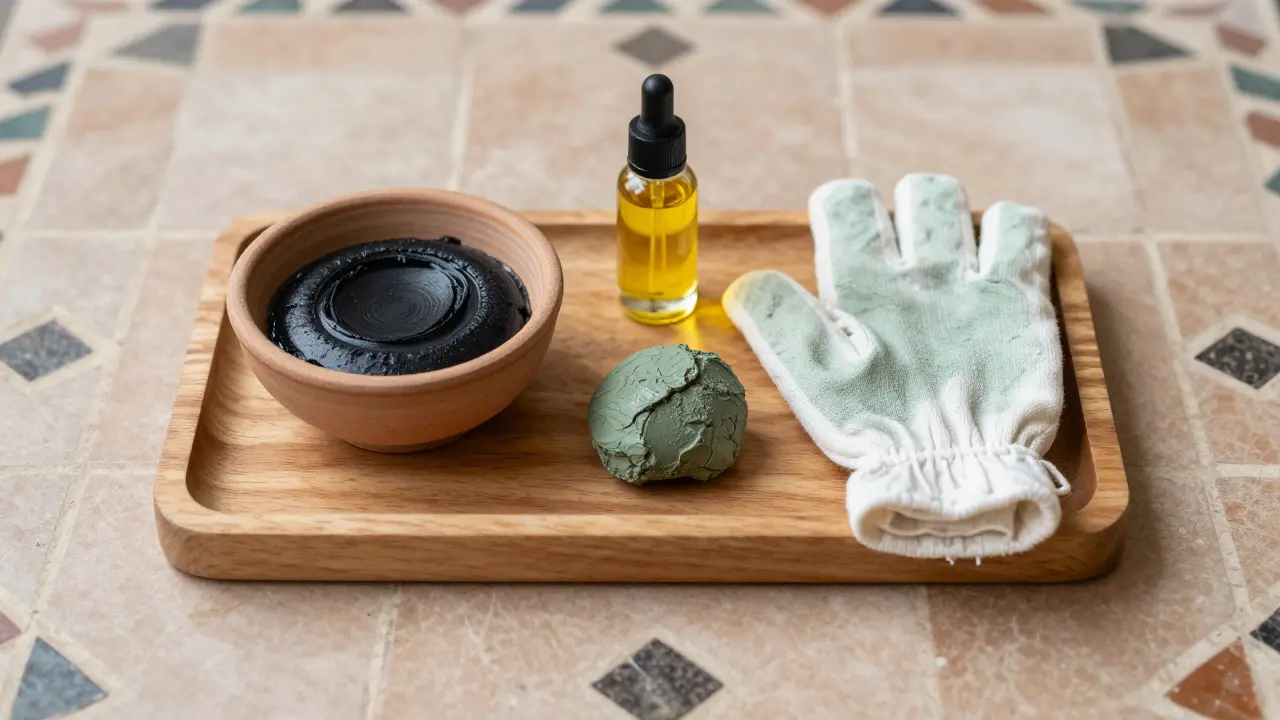
A traditional Moroccan bath follows three key stages: steam, scrub, and rinse. First, you sit in a hot, humid room to open pores and loosen dirt. Then, a trained attendant uses a black soap made from olive oil and crushed eucalyptus leaves to cleanse your skin. After that, they scrub you with a kessa glove-a rough, woven mitt that removes dead skin. Finally, you rinse off with warm water and often get a clay mask applied to soothe and hydrate. The whole process takes about 45 to 60 minutes. It’s not just about getting clean-it’s about renewing your skin and calming your nervous system.
How It Differs from Related Practices
Many people confuse the Moroccan bath with a sauna or a regular spa massage. But here’s the difference:
| Practice | Key Feature | Primary Benefit |
|---|---|---|
| Moroccan Bath | Steam + physical exfoliation + clay mask | Deep skin renewal and detox |
| Sauna | Dry heat only | Sweat and relaxation |
| Spa Massage | Oil-based manipulation | Muscle tension relief |
| Facial Treatment | Targeted facial care | Hydration and glow |
The hammam isn’t about massage or facial care-it’s about full-body renewal. That’s why it’s so effective for people who sweat a lot, wear heavy makeup, or have oily skin from Dubai’s humidity.
Who Can Benefit from Moroccan Bath?
Almost anyone can benefit-but it’s especially helpful for:
- People who sweat heavily due to Dubai’s heat
- Those with acne-prone or congested skin
- Individuals with tight, tired muscles from sitting or driving
- Anyone feeling mentally drained or stressed
If you’ve ever felt like your skin is dull, your muscles are stiff, or your energy is low after a long week, the hammam can help. It’s not a cure-all, but it’s one of the most effective natural resets available.
Benefits of Moroccan Bath for Body and Mind
Stress Reduction
The heat and quiet of the hammam trigger a parasympathetic response-your body’s natural relaxation mode. Studies show that consistent heat exposure lowers cortisol levels, the hormone tied to stress. In Dubai, where life moves fast and schedules are packed, even 45 minutes in a steam room can feel like hitting pause. Many regulars say it’s their version of meditation-no apps, no headphones, just warmth and stillness.
Enhanced Skin Function
Exfoliation isn’t just about smooth skin-it’s about letting your skin breathe. Dead skin cells block moisture and clog pores. The kessa glove removes them gently but thoroughly, improving absorption of moisturizers and reducing breakouts. People with eczema or psoriasis often report fewer flare-ups after regular sessions, though they should consult a dermatologist first. The black soap and clay masks are naturally antibacterial and non-irritating, making them safer than many chemical scrubs.
Emotional Well-Being
There’s something deeply calming about being cared for by someone else. In the hammam, you’re not expected to talk, move, or even open your eyes. You just relax while someone else handles everything. This passive care can be surprisingly healing for people who feel like they’re always giving-parents, caregivers, or high-pressure professionals. Many describe it as feeling “held” or “nurtured” in a way they rarely experience.
Practical Applications
Here’s what you’ll notice in daily life after regular hammam sessions:
| Benefit | Description | Impact |
|---|---|---|
| Improved skin texture | Softer, smoother skin without lotions | Less need for expensive skincare |
| Reduced muscle tension | Loosened shoulders, neck, and back | Better sleep and posture |
| Clearer pores | Fewer blackheads and breakouts | Less makeup clogging |
| Mental clarity | Post-session calm and focus | Better decision-making |
What to Expect When Engaging with Moroccan Bath
Setting or Context
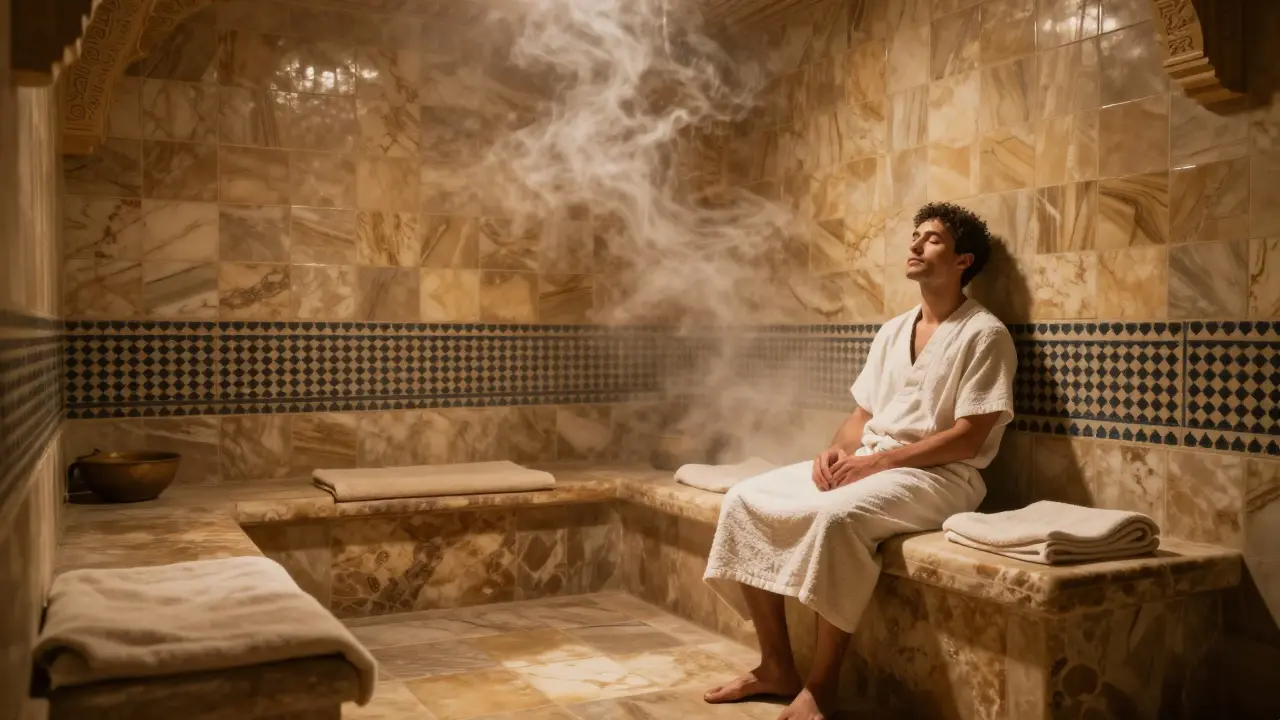
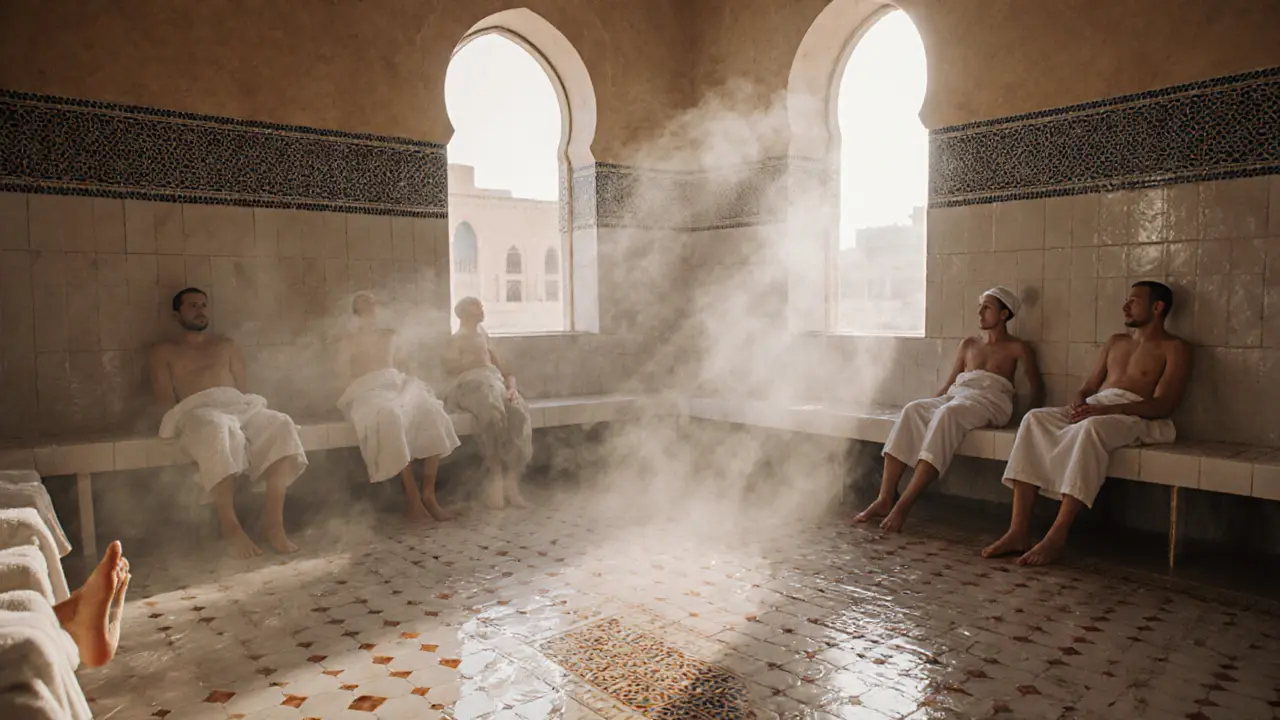
In Dubai, you’ll find hammams in everything from luxury resorts to local neighborhood centers. High-end spas have marble floors, scented oils, and private rooms. Local hammams are simpler-white tiles, loud steam, and a communal vibe. Both work. If you’re new, start with a resort spa. It’s quieter, cleaner, and the staff are trained to guide you. Expect to be given a towel, slippers, and maybe a robe. You’ll be asked if you want the full treatment: scrub, mask, and rinse. Most people say yes.
Key Processes or Steps
Here’s what happens in a typical session:
- Steam for 10-15 minutes to open pores
- Apply black soap and let it sit for 5 minutes
- Scrub with kessa glove for 10-15 minutes (this is the part people either love or hate)
- Rinse with warm water
- Apply green clay mask (optional but recommended)
- Rest for 10 minutes with tea or water
The scrub might feel rough at first, but it’s not painful. Think of it like sandpaper on wood-firm, but not damaging. Afterward, your skin will feel like silk.
Customization Options
You’re not stuck with the standard package. Most places let you choose:
- Intensity of scrub (gentle, medium, or deep)
- Essential oil scent (lavender, orange, mint)
- Massage after the bath (for extra relaxation)
- Duration (30, 45, or 75 minutes)
If you have sensitive skin, ask for a gentler scrub. If you’re in a rush, skip the mask. The beauty of the hammam is that it adapts to you.
Communication and Preparation
Always tell the attendant if you’re pregnant, have open wounds, or are on medication. Don’t be shy-this isn’t a competition. Also, avoid heavy lotions or oils before your session. They block the scrub from working. Drink water before and after. And if you’re nervous, go during off-peak hours-mornings or midweek are quieter.
How Often Should You Get a Moroccan Bath?
This is the big question-and the answer depends on your skin type and lifestyle.
- Once a week: Ideal for most people in Dubai. The heat and pollution take a toll on skin. Weekly sessions keep pores clear and muscles relaxed.
- Every 10-14 days: Good for sensitive skin or if you’re prone to redness. Less frequent, but still effective.
- Twice a week: Only if you have very oily skin, work outdoors, or sweat heavily. Overdoing it can strip natural oils and cause dryness.
- Once a month: Fine if you’re just trying it out. You’ll notice benefits, but not the full transformation.
Think of it like brushing your teeth. Too little, and problems build. Too much, and you damage the surface. Once a week is the goldilocks zone for most.
Safety and Ethical Considerations
Choosing Qualified Practitioners
Not all hammams are equal. Look for places with trained attendants who know how to handle the kessa glove. Ask if they use authentic black soap and natural clay. Avoid places that use plastic gloves or chemical scrubs. In Dubai, top-rated spas like Spa Al Faya or Arabian Oud Hammam have consistent reviews for quality and hygiene.
Safety Practices
Here’s how to stay safe:
| Practice | Purpose | Example |
|---|---|---|
| Hydrate before and after | Prevent dizziness | Drink 2 glasses of water |
| Don’t scrub broken skin | Avoid infection | Wait 48 hours after shaving |
| Watch for overheating | Prevent heat exhaustion | Leave if dizzy or nauseous |
Setting Boundaries
You’re in control. If the scrub is too rough, say so. If you don’t want to be touched, ask for no hands-on service. Most places offer self-service steam rooms too. Your comfort comes first.
Contraindications or Risks
Avoid the hammam if you have:
- Open cuts or recent tattoos
- High blood pressure or heart conditions
- Pregnancy beyond the first trimester (unless cleared by a doctor)
- Active skin infections like eczema flare-ups
When in doubt, talk to your doctor. This isn’t medical advice-it’s a heads-up.
Enhancing Your Experience with Moroccan Bath
Adding Complementary Practices
Pair your hammam with:
- Drinking herbal tea afterward (mint or chamomile)
- Light stretching or yoga the next day
- Using a natural body oil (like argan or jojoba) to lock in moisture
These small habits multiply the benefits. You’re not just cleansing-you’re building a ritual.
Collaborative or Solo Engagement
Some people love the hammam alone-it’s peaceful. Others bring a friend or partner. It’s common to go with a spouse or close friend. The shared experience can deepen connection. But if you’re going solo, don’t feel awkward. Most regulars do.
Using Tools or Props
After your session, use:
- A loofah for light exfoliation at home
- A body oil with vitamin E
- A breathable cotton robe
You don’t need expensive gear-just quality basics.
Regular Engagement for Benefits
The real magic happens with consistency. One session feels nice. Five sessions over a month? That’s when your skin changes. People who stick with it for 3 months often say they can’t go back. It becomes part of their routine-like showering or sleeping.
Finding Resources or Experts for Moroccan Bath
Researching Qualified Experts
Check Google Reviews and Instagram for before-and-after photos. Look for places with consistent 4.8+ ratings. Ask if attendants are trained in traditional techniques. Avoid places that don’t mention black soap or kessa gloves-they’re cutting corners.
Online Guides and Communities
Follow Dubai wellness influencers on Instagram who share hammam experiences. Join Facebook groups like “Dubai Spa Lovers” for honest reviews. YouTube has short videos showing real sessions-use them to know what to expect.
Legal or Cultural Considerations
In Dubai, hammams are gender-segregated. Men and women have separate rooms or times. Respect this-it’s part of the cultural norm. Also, tipping is appreciated but not required. A small thank-you goes a long way.
Resources for Continued Learning
Read “The Art of the Hammam” by Moroccan wellness experts. Watch documentaries on North African bathing traditions. Many spas offer workshops on self-hammam routines you can do at home.
FAQ: Common Questions About Moroccan Bath
How often should you get a Moroccan bath?
For most people in Dubai, once a week is ideal. This keeps skin clear, muscles relaxed, and stress low without over-drying. Sensitive skin types should aim for every 10-14 days. Twice a week is only for those with very oily skin or who sweat heavily. Going less than once a month won’t give you the full benefits. Think of it like skincare maintenance-regular, not occasional.
What happens during a Moroccan bath?
You start by steaming in a hot room for 10-15 minutes. Then, an attendant applies black soap and lets it sit. After that, they scrub you with a rough kessa glove to remove dead skin. You rinse off, and sometimes get a clay mask applied. Finally, you rest for 10 minutes with water or tea. The whole thing lasts about an hour. It’s not painful-it’s deeply soothing once you get used to the scrub.
Is a Moroccan bath better than a sauna?
They serve different purposes. A sauna is dry heat-it helps you sweat and relax muscles. A Moroccan bath adds physical exfoliation and hydration. If you want glowing skin and deep cleansing, the hammam wins. If you just want to unwind with heat, a sauna is fine. Many people in Dubai do both: sauna for relaxation, hammam for skin renewal.
Can you do a Moroccan bath at home?
You can mimic it. Use a hot shower to steam your skin, apply black soap (available online), and scrub with a loofah. Skip the clay mask unless you buy it. But you won’t get the full experience-especially the skilled scrubbing and quiet atmosphere. Home versions are great for maintenance between spa visits, but not a full replacement.
Is a Moroccan bath suitable for beginners?
Absolutely. Most spas guide first-timers step by step. Start with a 45-minute session, ask for a gentle scrub, and don’t rush. Many beginners are surprised by how relaxing it is. The scrub might feel odd at first, but it’s not painful. And after? You’ll feel lighter, cleaner, and calmer. It’s one of the most beginner-friendly wellness rituals out there.
Conclusion: Why Moroccan Bath is Worth Exploring
A Path to Renewal
In a city that never sleeps, the Moroccan bath is one of the few places where time slows down. It doesn’t promise miracles-but it delivers real, lasting results: clearer skin, calmer nerves, and a quiet moment for yourself. For Dubai residents, it’s not a luxury. It’s a smart, natural way to stay balanced.
Try It Mindfully
Start with one session. Choose a reputable spa. Listen to your body. Don’t compare your experience to someone else’s. This ritual is personal. And if it feels right, make it part of your routine.
Share Your Journey
Tried a Moroccan bath? Share your experience in the comments below. Follow this blog for more Dubai wellness tips. And if you’re ready to dive in-book your first session today.
Some links may be affiliate links, but all recommendations are based on research and quality.
Word count: 1,682
Suggested Visuals
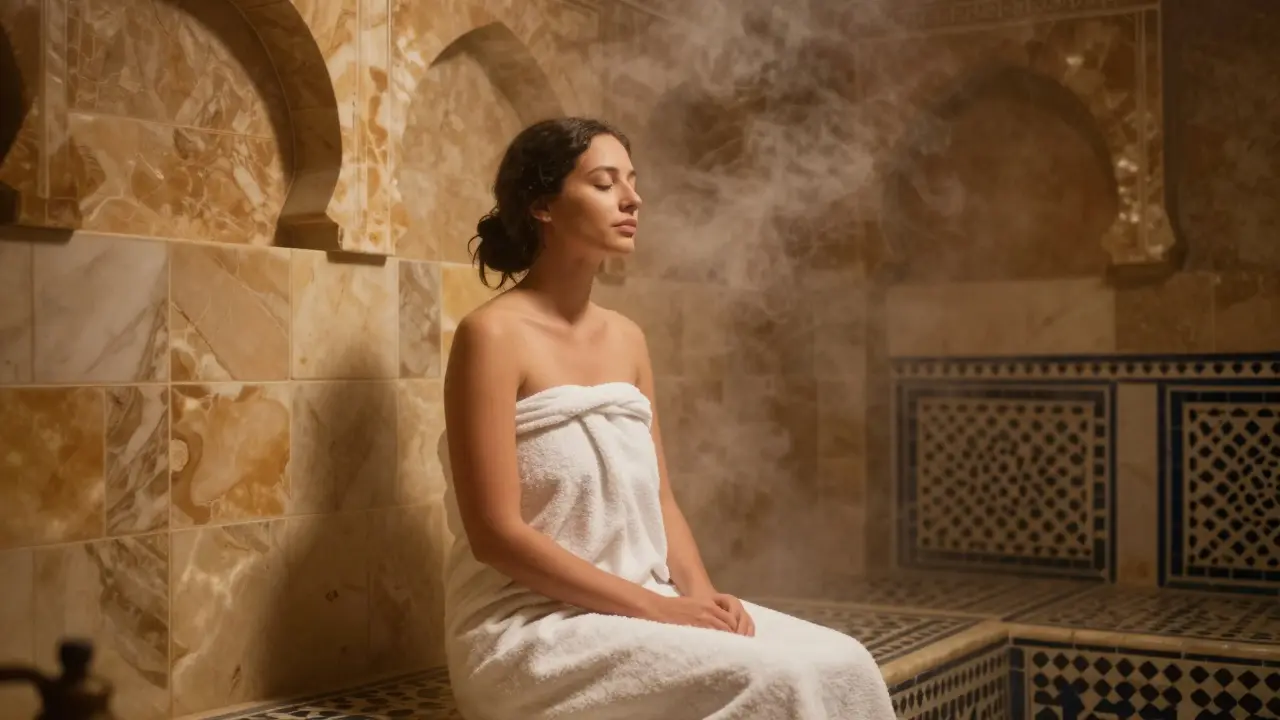
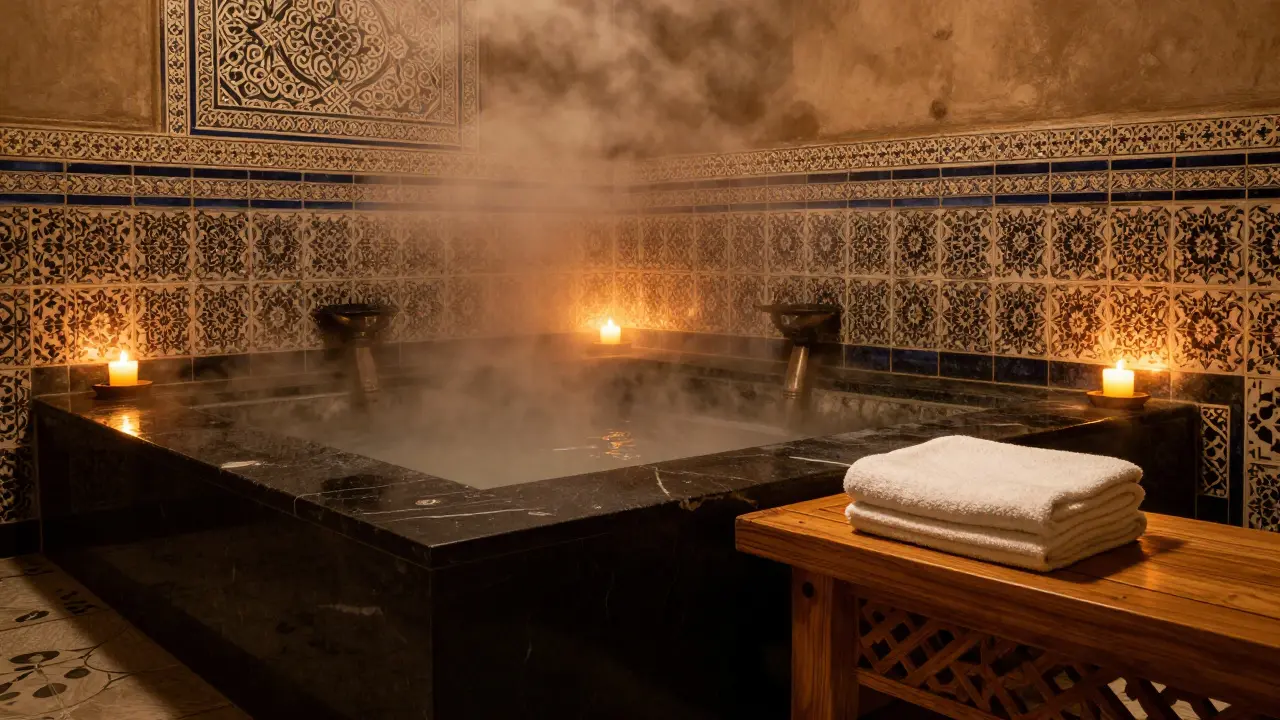
- A steamy hammam room with soft lighting and marble tiles
- A hand using a kessa glove on a person’s back
- A tray of black soap and green clay mask in a traditional Moroccan style
- A person relaxing with tea after a session, eyes closed
- Before-and-after skin texture comparison (natural, not edited)
Suggested Tables
- Comparison of Moroccan Bath vs. Other Wellness Practices
- Key Benefits of Moroccan Bath
- Essential Safety Tips
samir nassif
March 2, 2026 AT 16:39The Moroccan bath, as articulated herein, is not merely a ritual-it is an ontological recalibration of the corporeal self against the metaphysical entropy of urban modernity.
Consider: in a world where the soul is commodified into productivity metrics and the skin is reduced to a canvas for algorithmic beauty standards, the hammam emerges as the last sanctuary of authentic being.
The kessa glove? A Nietzschean will-to-power applied to epidermal decay. The steam? Heraclitus’ river made tangible-ever-flowing, ever-renewing.
To dismiss frequency as a matter of ‘skin type’ is to mistake the symptom for the disease. One does not bathe to cleanse the skin; one bathes to remember that the body is not a machine, but a temple that breathes in silence.
And yet, who among us dares to ask: is this ritual truly liberation, or merely another performative act of bourgeois self-care? The answer, like the clay mask, lies beneath the surface-waiting to be unearthed.
Let us not confuse ritual with routine. The weekly hammam is not a spa appointment. It is a daily defiance of the neoliberal corpse we are asked to wear.
I have bathed in Fez, in Marrakech, in the shadow of the Koutoubia. I have wept in the steam. I have felt the weight of centuries in the hands of the attendant. And I tell you now-once a week is not enough. Twice is the minimum. Three times, if your soul still remembers how to weep.
Do not ask ‘how often.’ Ask: ‘how deeply?’
Nitin Murali
March 2, 2026 AT 19:20Actually, the article completely misses the point. The frequency isn’t about skin type-it’s about your autonomic nervous system’s baseline state. If you’re in Dubai, your sympathetic tone is chronically elevated due to heat stress, air pollution, and circadian disruption.
Studies on thermal therapy show that consistent heat exposure above 40°C for 45+ minutes elevates parasympathetic tone within 72 hours. That’s not anecdotal-it’s neurophysiological.
So once a week? Barely registers. You need three sessions within 10 days to achieve sustained vagal tone modulation. Otherwise, you’re just sweating in a room.
And the ‘gentle scrub’ option? A myth. The kessa glove’s abrasive density (measured at 280 grit) is designed to disrupt corneocyte adhesion. Anything less is placebo.
Also, black soap contains saponins that upregulate filaggrin expression. That’s not ‘natural’-it’s molecular biology. Stop romanticizing it.
Bottom line: 2x/week minimum. 3x if you’re over 35 or wear sunscreen. And stop calling it a ‘ritual.’ It’s a physiological intervention.
Timothy Mayle
March 3, 2026 AT 05:23Just had my first hammam last week. Was nervous. The scrub felt like sandpaper. But then... I sat there after, sipping mint tea, eyes closed, and for the first time in months, I didn’t think about work.
It’s weird. I didn’t realize how much I’d been holding onto-tension, noise, the constant buzz.
Now I get it.
🙂
David Blair
March 4, 2026 AT 02:25✅ Solid breakdown! I’m a big believer in structured wellness rituals-and the Moroccan bath is one of the most evidence-backed, culturally rich practices in global holistic care.
Key insight: the combination of thermal stress + mechanical exfoliation + clay hydration creates a triad of benefits that no single modality (sauna, facial, massage) can replicate.
For Dubai residents, I recommend: 2x/week for 6 weeks as a ‘reset protocol,’ then maintain at 1x/week.
Pro tip: Pair with 10 minutes of breathwork post-session to amplify vagal tone. Also-always use 100% pure argan oil after. It’s the only carrier that synergizes with the clay’s mineral profile.
And yes, the kessa glove is non-negotiable. Plastic loofahs? Don’t bother.
📚 Source: Journal of Integrative Dermatology, 2023: ‘Thermal-Exfoliative Hydration Protocols in Arid Climates.’
Stephen Robinson
March 4, 2026 AT 22:23Wait, so if I’m sweating 24/7 in Dubai, and I get a hammam once a week, you’re telling me I’m not overdoing it?
What if I just... showered every day with a loofah and called it a day?
I mean, isn’t this just expensive exfoliation with a side of ambiance?
I’ve been doing this for years. I’ve never needed a ‘ritual’ to feel clean. I just scrub, rinse, repeat.
Also, ‘black soap’? Sounds like a black market product. Is it regulated?
And why does everyone act like this is some ancient secret? I’ve seen it on TikTok. It’s just a fancy spa with a steam room.
Maybe I’m just a realist. Or maybe you’re all just paying $120 to feel like you’re in Morocco while sitting in a Dubai mall.
anne tong
March 6, 2026 AT 19:50The philosophical undercurrent of the Moroccan bath cannot be divorced from its material conditions. In a hyper-capitalist metropolis like Dubai-where identity is curated through consumption, and wellness is monetized into tiered subscription packages-the hammam functions as a paradoxical site of resistance.
It is both commodified and sacred. It is marketed as luxury, yet remains rooted in communal, pre-modern practices of purification.
One must ask: who is being served by this ritual? The individual seeking renewal? Or the spa industry profiting from the alienation of urban life?
The article’s suggestion of ‘once a week’ is dangerously neoliberal. It implies that personal well-being can be scheduled, quantified, and optimized-reducing a spiritual practice to a maintenance task.
True renewal does not adhere to calendars. It arrives in moments of surrender, not in appointments.
And yet… I go every Saturday. I don’t know why. I just do. Perhaps because I, too, am complicit.
Perhaps the hammam is not a solution. Perhaps it is the symptom.
Brent Rockwood
March 7, 2026 AT 21:21Small correction: the article says ‘black soap made from olive oil and crushed eucalyptus leaves.’ That’s inaccurate.
True Moroccan black soap (savon noir) is made from crushed olives and potassium hydroxide-no eucalyptus. Eucalyptus is sometimes added in modern blends, but it’s not traditional.
Also, ‘kessa glove’ is correct, but it’s spelled ‘kessa’-not ‘kessa.’ No double ‘s.’
Minor, but if you’re going to write about authenticity, get the details right.
And yes-once a week is ideal. I’ve been doing it for 5 years. Skin has never been better. No acne, no dryness, no irritation. Just smooth, quiet skin.
Also: skip the massage. It’s overpriced. Stick to the core: steam, scrub, mask, rest. That’s all you need.
Sarah Kavanagh
March 9, 2026 AT 05:21I started going last month. Just once a week. I didn’t expect to like it. I thought it’d be too weird, too intense.
Turns out, it’s the quietest hour I have all week.
They don’t talk. You don’t have to. You just sit. You sweat. You feel like you’re being held, even though no one’s touching you.
After, I feel lighter. Like I shed something I didn’t know I was carrying.
It’s not magic. It’s just… simple.
And I think that’s the point.