Muslim Spa Etiquette: What You Need to Know Before Your Visit
When you step into a spa in Dubai, especially one that follows Muslim spa etiquette, a set of cultural and religious guidelines for wellness spaces that prioritize modesty, respect, and privacy in line with Islamic values. This isn’t just about rules—it’s about honoring the way many locals and visitors experience relaxation with dignity. Whether you’re visiting a traditional hammam, a luxury spa, or a hotel wellness center, understanding these norms helps you feel comfortable and avoid unintentional disrespect.
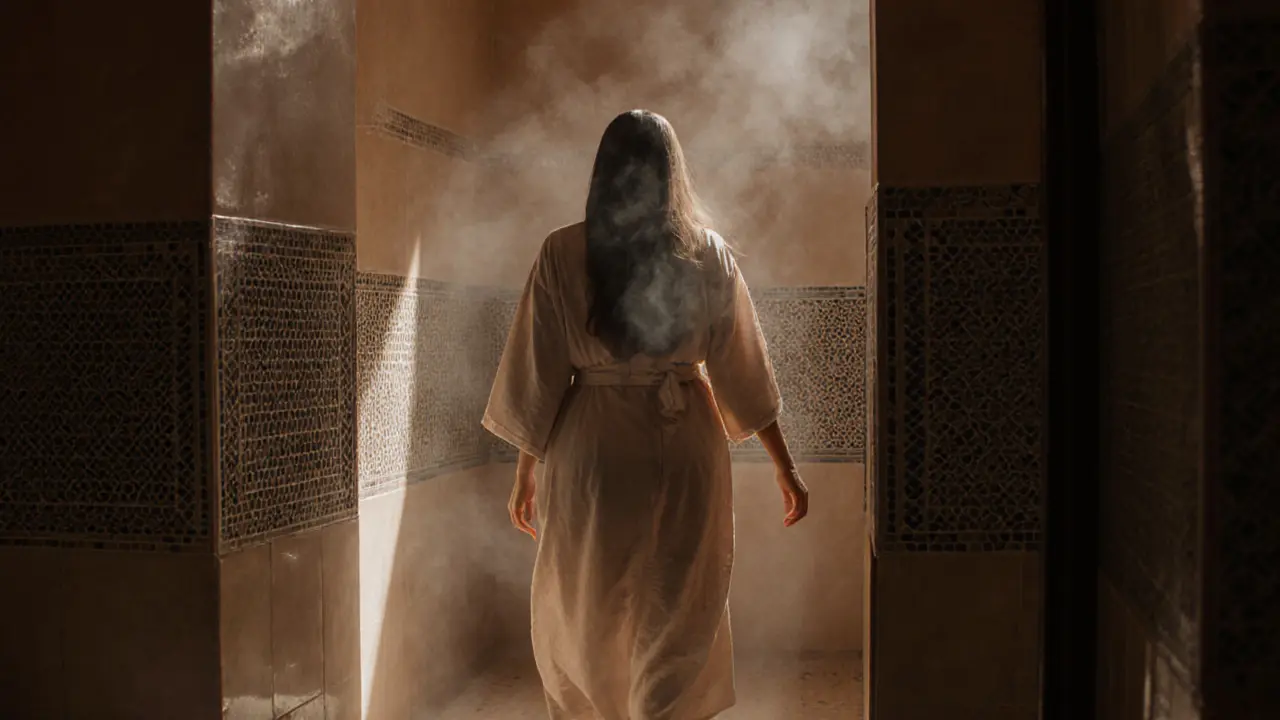
One of the most important aspects of gender separation in hammam, the practice of scheduling or physically separating male and female clients during spa rituals to maintain privacy and modesty. This isn’t optional—it’s standard in most authentic spas across Dubai. Many places offer women-only hours, private rooms, or entirely separate wings. Even in mixed-gender spas, changing areas and steam rooms are often divided. You’ll see this clearly in places offering Moroccan bath Dubai, a traditional steam and scrub ritual rooted in North African culture and widely practiced in Dubai with strict adherence to modesty norms. If you’re unsure, ask when booking: "Is this session for women only?" or "Are there separate times for men and women?" It’s a normal question, and they’ll appreciate you asking.
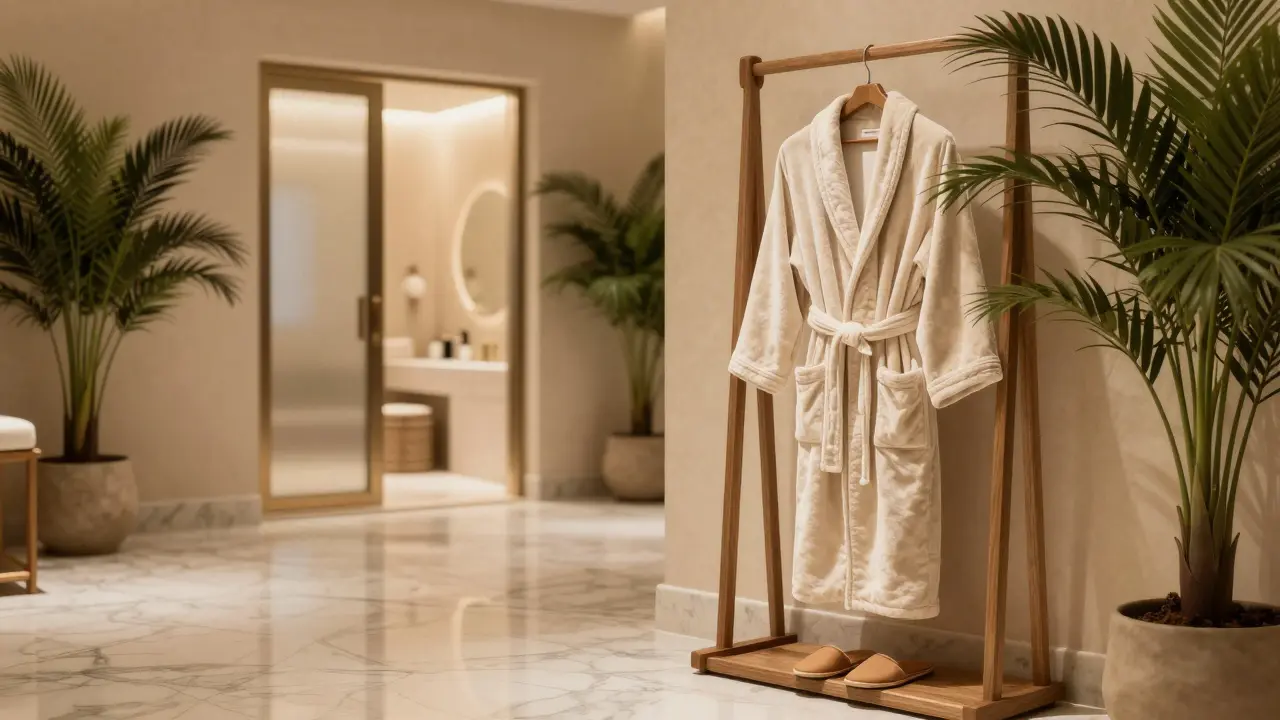
What you wear matters too. Unlike Western spas where robes are common, many Muslim spa settings require modest swimwear or disposable undergarments. In hammams, you might be given a wrap or towel, but you’ll still need to cover your body appropriately. Showing shoulders, midriffs, or legs is generally avoided. This isn’t about restriction—it’s about creating a space where everyone, regardless of background, can relax without discomfort. And yes, this applies to everyone—even tourists. You don’t need to wear a full hijab, but you do need to respect the dress code. Many spas provide modest attire, so don’t assume you need to bring your own unless they say so.
There’s also the matter of behavior. Talking loudly, using your phone in changing areas, or making physical contact with staff or other guests—even a handshake—is often frowned upon. In many cases, spa staff will be the same gender as you, and that’s by design. It’s not about exclusion; it’s about comfort. And if you’re visiting with a partner, remember: even married couples are often separated during treatments unless you book a private couple’s suite. Don’t assume intimacy is allowed in shared spaces. Islamic spa rules, the cultural and religious principles guiding wellness practices in Muslim-majority regions, emphasizing modesty, privacy, and respectful interaction. These rules aren’t outdated—they’re the foundation of a spa experience that feels safe and serene for millions.
You’ll find all of this reflected in the posts below. From what to wear in a jacuzzi to whether you can hug someone after a massage, these guides break down the real, day-to-day expectations you’ll face. Whether you’re new to Dubai or just new to Islamic spa culture, you’ll walk away knowing exactly what to expect—and what to avoid. No guesswork. No awkwardness. Just clear, practical advice that helps you relax the right way.