
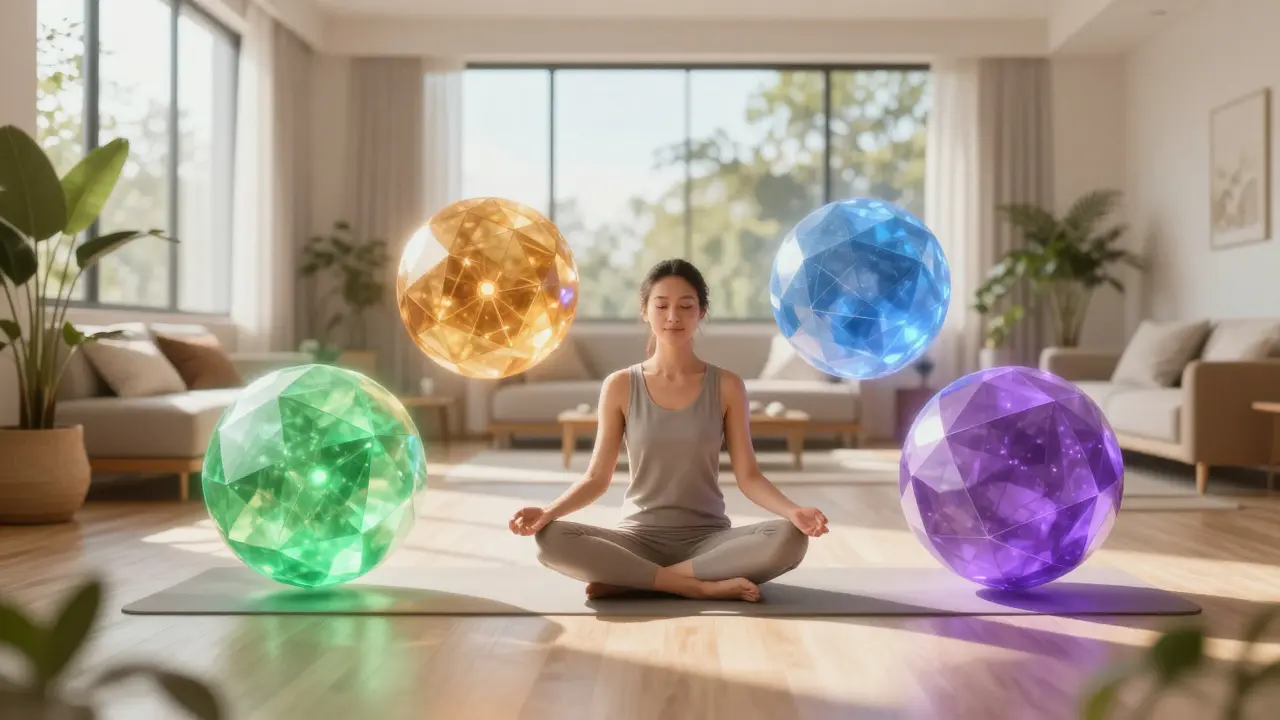
The Shift: Redefining Wellness for a New Era
If you asked someone what wellness means five years ago, they would probably tell you it was about going to the gym or visiting a spa. Today, that view feels outdated, almost incomplete. In 2026, wellness has expanded into a complex, interconnected ecosystem of health that goes far beyond physical fitness.
Think of the old definition as a single brick and the new one as the entire building. We are seeing a massive shift toward viewing health as a dynamic balance between body, mind, environment, and community. This isn't just a buzzword change; it is a fundamental move toward sustainability. People aren't just trying to "get fit" anymore; they are seeking longevity, resilience, and genuine happiness. The core outcome promised here is clarity on how to navigate this broader landscape without feeling overwhelmed.
We will explore how this definition has evolved, why the changes matter now more than ever, and how you can apply these principles practically. You'll learn what the data says, where the pitfalls lie, and exactly what steps to take to integrate this into your daily life.
Understanding the Basics of Modern Wellness
Origins and Evolution
The roots of wellness stretch back thousands of years to ancient philosophies that viewed health as a state of harmony. However, the industrial revolution shifted the focus toward fixing problems rather than preventing them. Fast forward to 2026, and we have come full circle but with modern tools. The new definition rejects the medical model that waits for illness. Instead, it embraces a proactive stance.
Core Principles and Components
At its heart, modern wellness rests on four pillars:
- Physical Health: Nutrition and movement tailored to individual biology, not generic rules.
- Mental Well-being: Cognitive flexibility and emotional regulation techniques.
- Social Connection: Recognizing that isolation harms health as much as poor diet.
- Environmental Harmony: Understanding how our spaces affect our nervous systems.
How It Differs from Traditional Approaches
Traditional approaches often treated symptoms in isolation-a headache gets a pill. The new holistic approach asks, "Why does the head hurt?" Is it sleep, diet, posture, or stress? This distinction is crucial. One focuses on suppression, the other on root causes.
| Model Type | Focus Area | Primary Goal |
|---|---|---|
| Traditional Medical | Treatment of Symptoms | Cure Disease |
| Modern Holistic | Lifestyle Optimization | Prevent Decline |
Who Can Benefit?
This applies to everyone, regardless of age or background. Whether you are a busy professional in Dubai navigating high-stress deadlines or a parent managing household rhythms, the principles adjust to fit your specific context. It is not exclusive; it is adaptive.
Benefits of the New Wellness Paradigm
Stress Reduction and Nervous System Balance
In a world that never turns off, managing the nervous system is priority number one. Chronic stress keeps cortisol levels elevated, leading to long-term inflammation. By focusing on restorative practices, you help your body switch from "fight or flight" to "rest and digest" mode. Research consistently suggests that prioritizing nervous system regulation reduces the risk of burnout significantly.
Enhanced Cognitive Function
When your body is well-fueled and rested, your brain works differently. Clear thinking, better decision-making, and improved memory become natural outcomes. Many individuals report feeling sharper and more creative simply by addressing the basics of their daily routine.
Emotional Resilience
This is perhaps the most underrated benefit. True wellness equips you to handle life's inevitable ups and downs without crumbling. It builds a buffer that allows you to recover faster from setbacks.
| Benefit | Description | Impact |
|---|---|---|
| Resilience | Better coping mechanisms | Reduced anxiety |
| Energy | Optimized mitochondrial function | Sustained stamina |
Practical Applications
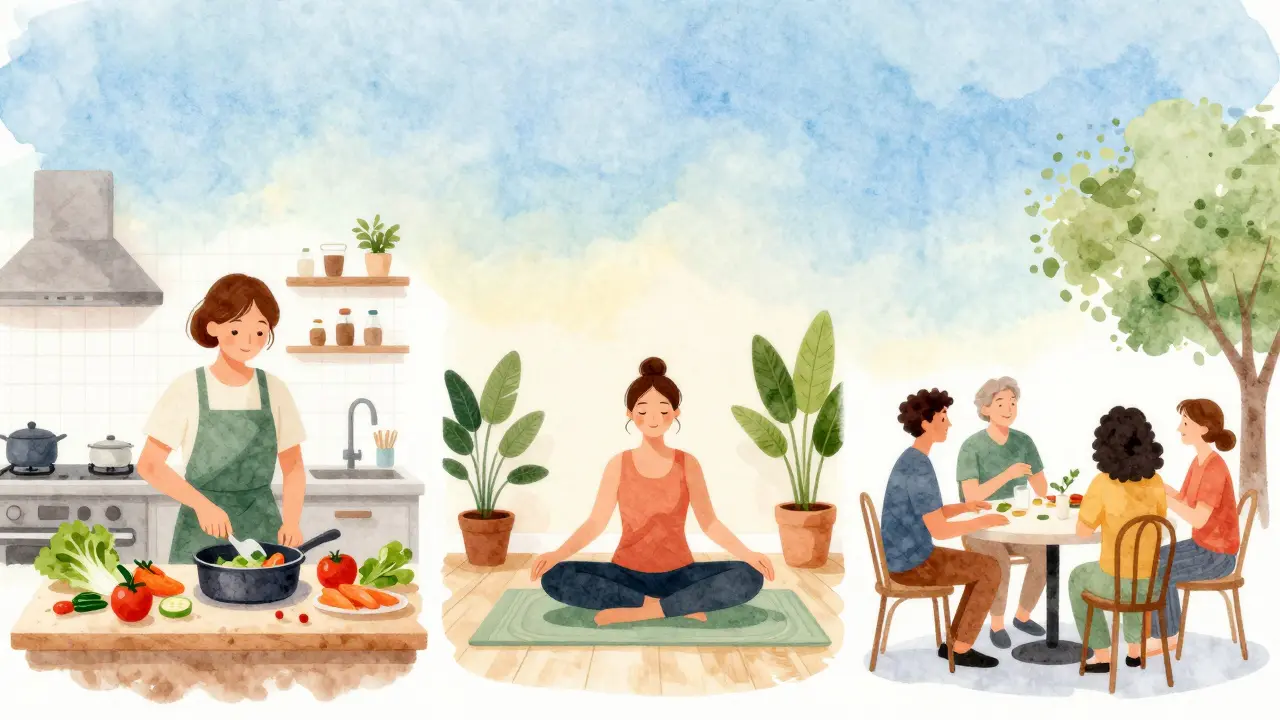
This isn't theoretical. You see it when you cook meals that nourish, when you disconnect from screens before bed, or when you spend time in nature. These small shifts compound over time.
What to Expect When Engaging with Modern Wellness
Setting the Context
You don't need a luxury retreat to start. Your home office, your local park, or even a quiet corner of your living room works. The environment should feel safe and conducive to your practice.
Key Processes and Steps
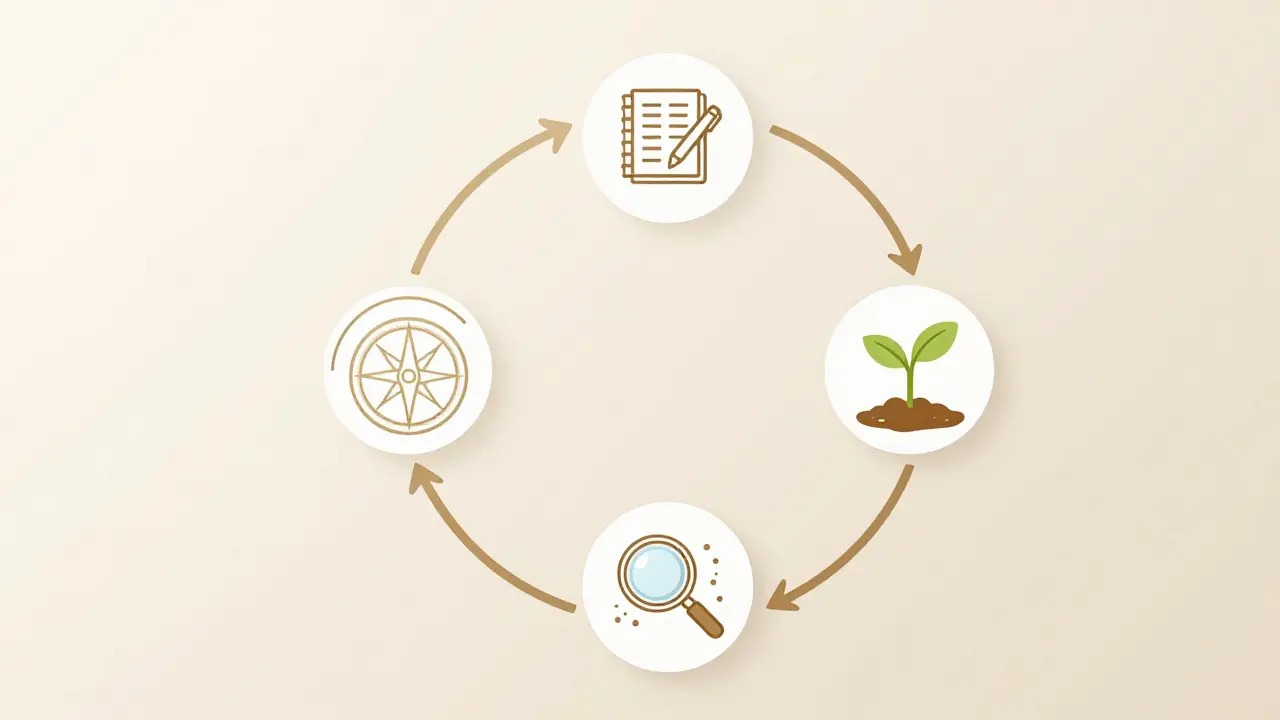
The process is cyclical, not linear. It involves assessing your baseline, making small adjustments, monitoring results, and iterating. You might try a dietary change for a week, notice how you feel, and then refine the approach based on feedback.
Customization Options
No two bodies are identical. What works for your neighbor might not work for you. The new definition heavily emphasizes personalization, utilizing data or intuition to tailor strategies.
Communication and Preparation
If working with coaches or practitioners, clear communication is vital. Be open about your history, your limitations, and your goals so they can guide you effectively.
How to Practice and Apply
Setting Up for Success
Create cues in your environment. If you want to drink more water, keep a bottle visible. If you want to read more, place a book on your pillow. Make the healthy choice the easy choice.
Choosing the Right Tools
Tools range from wearables that track sleep to simple journals for reflection. Don't get bogged down in expensive tech unless you know you need it. Often, a notebook and a timer are enough.
Step-by-Step Guide
- Identify one area of concern (e.g., sleep quality).
- Research evidence-based strategies for that area.
- Implement one small change for two weeks.
- Review progress and adjust.
Tips for Beginners
Start slow. Trying to overhaul your entire life overnight usually leads to burnout. Pick one habit, master it, then add the next. Consistency beats intensity.
Safety and Ethical Considerations
Choosing Qualified Resources
The wellness industry is vast, which means misinformation is rampant. Always verify credentials. Look for certifications from recognized bodies like the National Board for Health & Wellness Coaching (NBHWC) or licensed healthcare providers.
Safety Practices
| Practice | Purpose | Example |
|---|---|---|
| Hydration Check | Monitor intake | Daily urine color tracking |
| Body Listening | Prevent injury | Stop exercise when pain signals appear |
Listen to your body. Pain is a signal, not a badge of honor. Pushing through sharp pain is dangerous.
Setting Boundaries
If you are working with others, define your comfort zones early. You should never feel pressured into treatments or supplements you are unsure about.
Contraindications
Certain practices may not be suitable for everyone, especially those with pre-existing conditions like heart issues or pregnancy complications. Always consult a physician before starting new intense regimens.
Enhancing Your Experience
Adding Complementary Practices
Combine your main focus with supportive habits. If you meditate, pair it with deep breathing exercises. Synergy makes the difference between okay and great results.
Collaborative vs. Solo Engagement
Solo practice builds self-reliance, but group settings offer accountability. Find the mix that keeps you motivated without adding unnecessary pressure.
Using Tools or Props
Yoga mats, foam rollers, or even good lighting can enhance the quality of your practice. They are investments in your environment.
Regular Engagement
Habit stacking helps. Attach your new habit to an existing one (like brushing teeth). Over time, the behavior becomes automatic.
Finding Resources and Experts
Researching Qualified Experts
Use professional directories. Check reviews carefully and look for specialists who align with your specific needs (e.g., nutritionists vs. fitness trainers).
Online Guides and Communities
Digital communities can provide support, but vet their information. Scientific literacy is a valuable tool to filter out fads.
Legal or Cultural Considerations
In places like Dubai, cultural norms around gender separation or public displays of certain activities should be respected. Adhere to local laws regarding health products and services.
Continued Learning
Health science evolves. Stay curious and willing to update your methods as new research becomes available.
Conclusion: Why This Matters Now
We stand at a crossroads where we can choose passive consumption or active participation in our own health. The new definition of wellness is an invitation to live intentionally.
A Path to Vitality
This journey leads to more energy, less sickness, and a deeper sense of purpose. It is worth the effort because the payoff is every single day of your life.
Try It Mindfully
Approach these changes with curiosity rather than judgment. If something doesn't work, tweak it. Perfection is the enemy of progress.
Share Your Journey
Have you tried adjusting your routine based on these insights? Share your experience in the comments below! Following my blog for more wellness tips keeps you updated on the latest trends.
What is the difference between wellness and health?
Health generally refers to the absence of disease, while wellness is the active process of making choices toward a healthy and fulfilling life. Wellness encompasses physical, mental, and social aspects, whereas health is often used as a static status.
Is the new definition of wellness expensive?
Not necessarily. While some tools like biofeedback trackers cost money, the core principles-such as prioritizing sleep, eating whole foods, and managing stress-are accessible to everyone without significant financial burden.
How do I start a wellness plan today?
Pick one area to improve, such as drinking more water or sleeping earlier. Set a specific goal for that single area for two weeks, then evaluate how you feel before adding more changes.
Does wellness require daily meditation?
No, while meditation is helpful for many, wellness is highly personalized. Some people find equal benefit in walking in nature, creative writing, or spending time with loved ones. Do what fits your lifestyle best.
Can wellness help with chronic stress?
Yes. By focusing on nervous system regulation and lifestyle factors, wellness strategies directly target the root causes of stress. However, severe chronic stress often benefits from professional therapeutic support alongside self-care.


Zakaria SANKARA
April 2, 2026 AT 14:53Sometimes it feels like wellness is just another way to make sure you work harder while feeling guilty about resting.
Summer Perkins
April 3, 2026 AT 13:38Most of us skip the nervous system regulation step entirely until we crash hard.
Reading through the guide really highlights how much we focus on output over maintenance.
It is nice to see people prioritizing the nervous system instead of just burning calories.
Most of us forget that our bodies have been alive for millennia before modern gym equipment existed.
Stress management seems to be the biggest factor that people overlook in daily planning.
If we do not manage cortisol levels then no amount of vitamins will fix the fatigue.
The article mentions sleep and environment which are often neglected by busy professionals.
I find that my productivity drops significantly when I ignore my basic biological needs.
There is a fine line between self-care and excessive commercialization of well-being though.
We must be careful not to buy into every trend that claims to offer longevity solutions.
Personalization is indeed the key because biology varies so wildly from person to person.
What works for a young athlete might destroy an older adult recovery cycle completely.
Listening to the body requires patience which is a rare commodity in today fast pace.
Small adjustments compound faster than radical overhauls usually fail after a few weeks.
Consistency is clearly stated as being more important than intensity here.
I think the environmental harmony section is particularly interesting regarding living spaces.
Cluttered rooms definitely mess with cognitive function more than people admit.
It is worth investing time to organize your surroundings even before changing your diet.
Social connection remains the foundation that technology cannot replace easily.
We spend too much time isolated in front of screens expecting virtual friends to help.
mahendra kushwaha
April 4, 2026 AT 03:52This publication presents a compelling argument for the evolution of health paradigms within the current socio-economic context.
The integration of environmental factors signifies a necessary maturation in public discourse regarding individual vitality.
It is encouraging to observe such comprehensive documentation available for general consumption.
jasper watervoort
April 4, 2026 AT 20:14i guess i get what the author is saying about listening to your body instead of pushing pain away because ignoring signals never helped anyone actually recover properly so i try to stop when things hurt too much
Ankit Chamaria
April 5, 2026 AT 19:40You wrote a massive essay just to say take a nap so maybe the wellness thing is simpler than you want to admit.
Sometimes overanalyzing prevents people from just doing the thing.
Rest is easy when you stop thinking about why you are tired.
Travis Reeser
April 6, 2026 AT 18:28It is quite amusing to watch someone write about harmony while sounding like a stiff legal contract.
Wellness requires flexibility and not reading like a government document.
People need warmth not bureaucracy.
John Francis Grasso
April 7, 2026 AT 23:59People have different ways of expressing themselves and dismissing formal speech does not show respect.
We need to allow space for varying communication styles within the community.
Maintaining decorum is part of the wellness equation itself.
Harshad Hisham
April 8, 2026 AT 23:28we should all just chill and accept that different people communicate differently its okay to be formal or loose as long as the info helps
stress comes from fighting small battles like style choices instead of focusing on the actual content shared here