Spa Origins: Where Modern Relaxation Began and How It Evolved
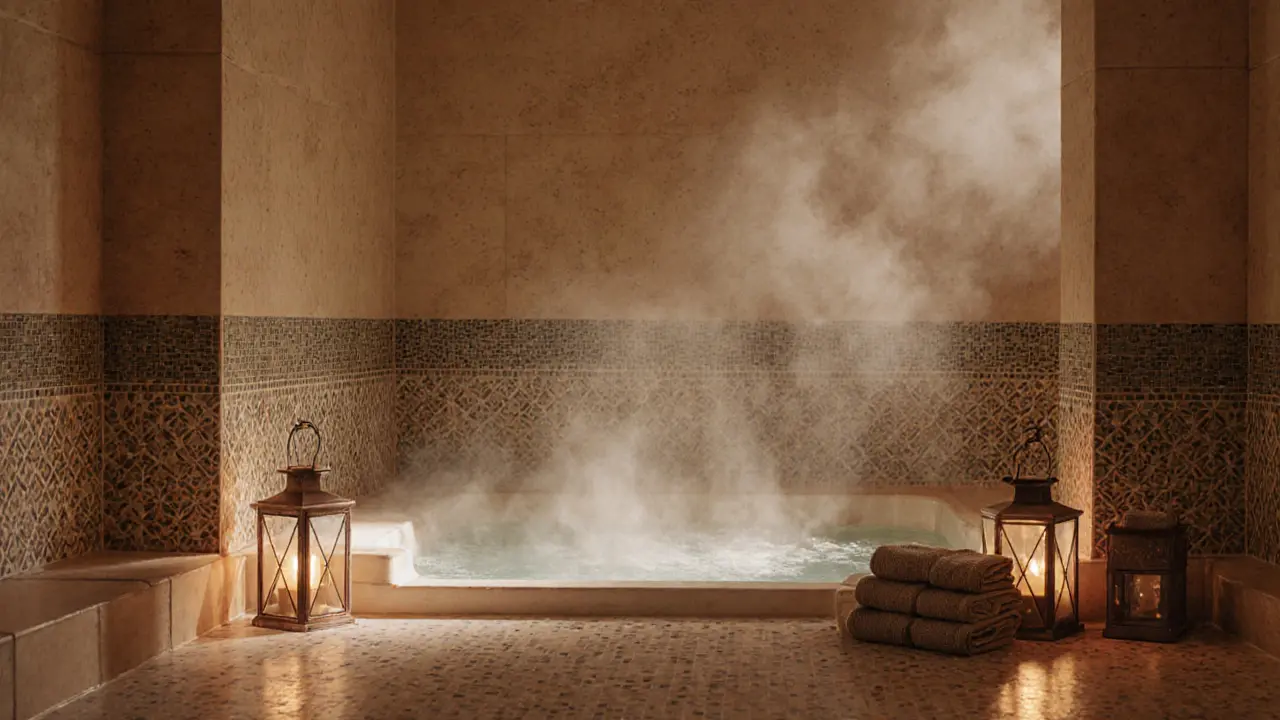
When we talk about spa origins, the ancient traditions of cleansing, steam, and touch that shaped today’s wellness rituals. Also known as thermal bathing traditions, these practices didn’t start in luxury resorts—they began in hot springs, desert baths, and temple courtyards thousands of years ago. The word "spa" itself comes from the Belgian town of Spa, famous for its healing mineral waters, but the real heartbeat of modern spa culture beats in the steam of a Moroccan bath, a ritual using black soap and exfoliation to purify body and mind. This tradition, passed down through generations in North Africa, was never about luxury—it was about survival, cleanliness, and community. In Dubai, where desert heat demands constant renewal, the hammam, a steam bath rooted in Islamic hygiene practices and Ottoman influence. Also known as Turkish bath, it’s not just a place to sweat—it’s a social and spiritual reset. The Turkish hammam, a more structured version of the hammam with marble floors and domed ceilings, evolved from Roman baths and spread across the Ottoman Empire, bringing with it a strict sequence: heat, scrub, rinse, rest. These weren’t just cleaning routines—they were sacred acts of preparation for prayer and purity. Meanwhile, in Asia, massage techniques like Thai bodywork and Chinese acupressure developed independently, using pressure points and stretching to restore balance. These traditions didn’t just survive—they merged. Today’s Dubai spas blend Moroccan scrubbing, Turkish steam, Thai stretching, and aromatherapy into one seamless experience.
What ties all these together? The core idea: heat opens the body, touch releases tension, and ritual brings calm. You don’t need a five-star resort to feel it—you just need to understand where it came from. The black soap used in a Dubai hammam? It’s made from olive oil and potassium carbonate, unchanged for centuries. The deep pressure in a Thai massage? It mirrors ancient monk healing practices. Even the way you’re draped during a massage today? That’s a modern answer to centuries of modesty rules in Muslim and Middle Eastern cultures. These aren’t just trends—they’re living traditions, adapted for today’s pace but still rooted in ancient wisdom.
What you’ll find below are real, practical guides that connect those ancient roots to your next spa visit. Whether you’re wondering if you need to shower before a Moroccan bath, whether a hammam is allowed in Islam, or why a Turkish bath feels so different from a steam room—you’ll find answers grounded in history, culture, and what actually works. No fluff. Just clear, honest context so you know exactly what you’re experiencing—and why it matters.