Tokyo Spa Culture
When you think of Tokyo spa culture, a deeply rooted system of healing through water, silence, and ritual that prioritizes mindfulness over luxury. Also known as Japanese wellness traditions, it’s not about expensive oils or loud music—it’s about stillness, discipline, and respect for the body’s natural rhythms. Unlike Dubai’s high-end resorts with gold leaf facials and VIP lounges, Tokyo’s spas are quiet, intentional, and often tied to nature. The most famous example? The onsen, natural hot spring baths that have been used in Japan for over 1,000 years to soothe muscles, improve circulation, and calm the mind. These aren’t just pools—they’re sacred spaces where you wash thoroughly before entering, never wear swimsuits, and sit quietly to let the mineral-rich water do its work.
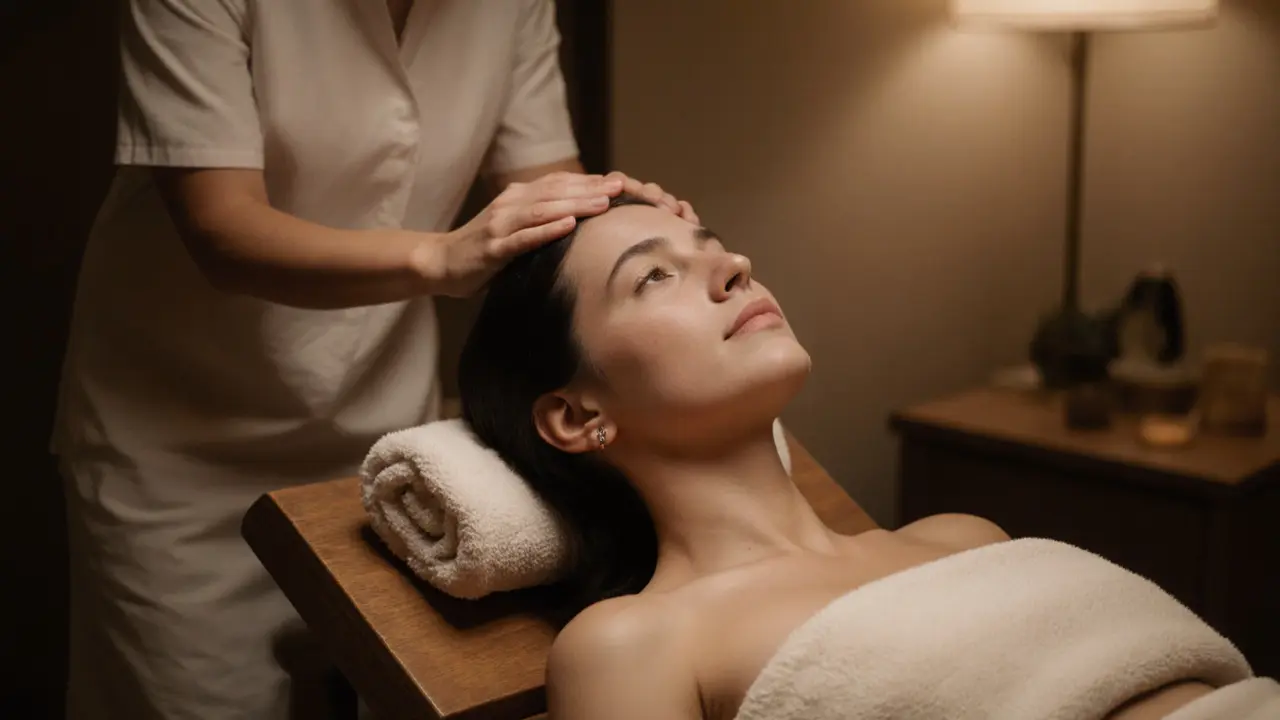
Tokyo’s approach to healing also includes shiatsu, a form of therapeutic massage that uses finger pressure along energy pathways, not deep tissue force. It’s not about kneading away knots—it’s about restoring balance. You stay fully clothed, lie on a mat, and the therapist works with your body’s flow, not against it. This contrasts sharply with Dubai’s body-to-body or VIP massages, where touch is often more physical and less spiritual. In Tokyo, the space itself is part of the treatment: wooden floors, paper lanterns, and the sound of water are all designed to pull you out of your head and into your body.
There’s also the ritual of temple bathing, where visitors cleanse not just their skin but their thoughts before prayer or meditation. This isn’t about hygiene—it’s about letting go. You won’t find a checklist of services or a menu of add-ons. You’ll find a schedule: arrive early, wait your turn, soak for 15 minutes, rinse, repeat. No tipping. No small talk. Just presence. This cultural difference matters because it shows that wellness isn’t one-size-fits-all. What works in Dubai—luxury, speed, customization—isn’t what works in Tokyo. But you don’t need to fly to Japan to borrow the mindset. You can start by turning off your phone before your next massage. You can skip the post-spa smoothie and sit quietly for five minutes. You can wash your body before stepping into the steam room, not after.
The posts below dive into the real questions people ask about spa etiquette, comfort, and cultural norms—from whether you strip at a spa to how long to sit in a sauna. They’re all rooted in the same truth: a good spa experience isn’t about what’s offered, but how you show up. Whether you’re in Dubai, Tokyo, or your own bathroom, the best spa is the one where you feel safe, respected, and truly still.