
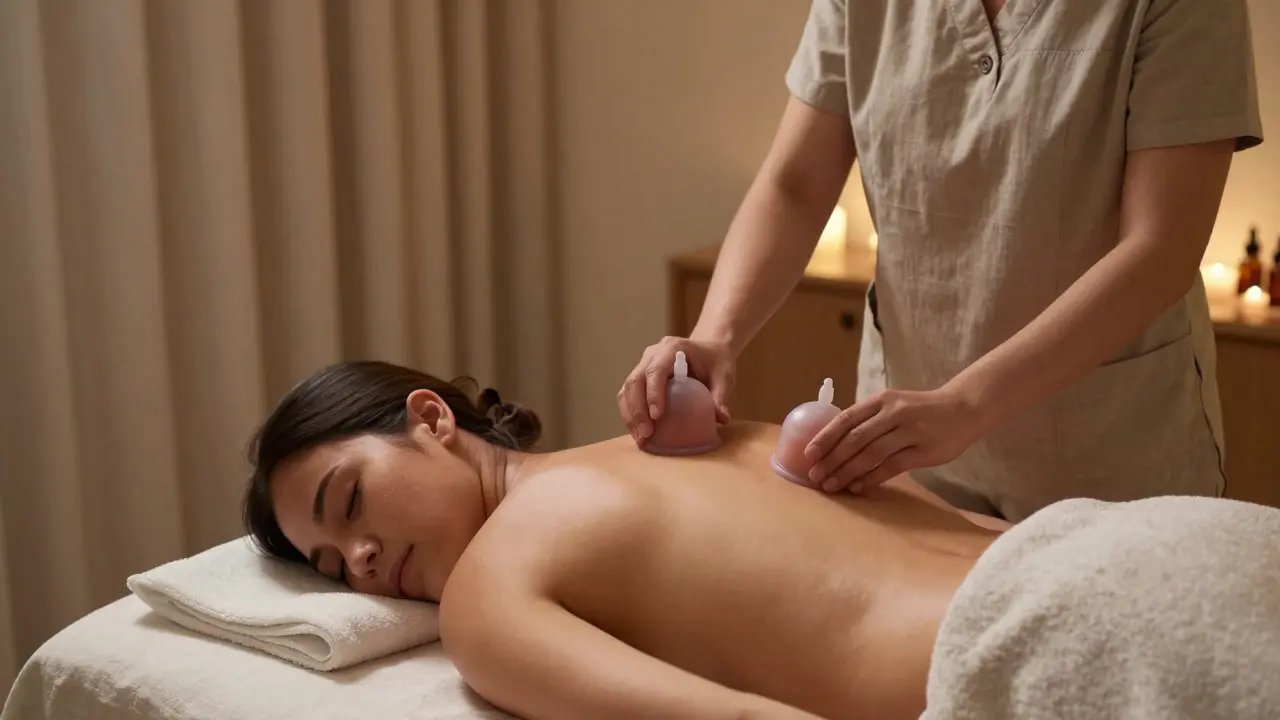
What areas should you avoid cupping? This isn’t just a technical question-it’s a safety question. Cupping therapy has been used for thousands of years across cultures, from ancient Egypt to traditional Chinese medicine, and today it’s popular in spas across Dubai, from Jumeirah to Downtown. But even though it feels relaxing and many swear by its benefits, cupping isn’t risk-free. Applying suction to the wrong areas can cause harm, not healing. If you’re considering cupping, whether at a spa or at home, knowing where NOT to apply the cups is just as important as knowing how to do it right.
Understanding the Basics of Cupping Therapy
Origins and History
Cupping isn’t new. Ancient Egyptian papyri from 1550 BCE mention cupping as a way to draw out "bad humors." In China, it became a core part of Traditional Chinese Medicine (TCM), used to balance Qi energy and relieve muscle tension. In the Middle East, especially in Gulf countries like the UAE, it’s known as "Hijama," often combined with bloodletting. Today, modern cupping usually means dry cupping-no incisions, just suction. But even without blood, the pressure on the skin and underlying tissue can affect circulation, nerves, and even organs if applied carelessly.
Core Principles or Components
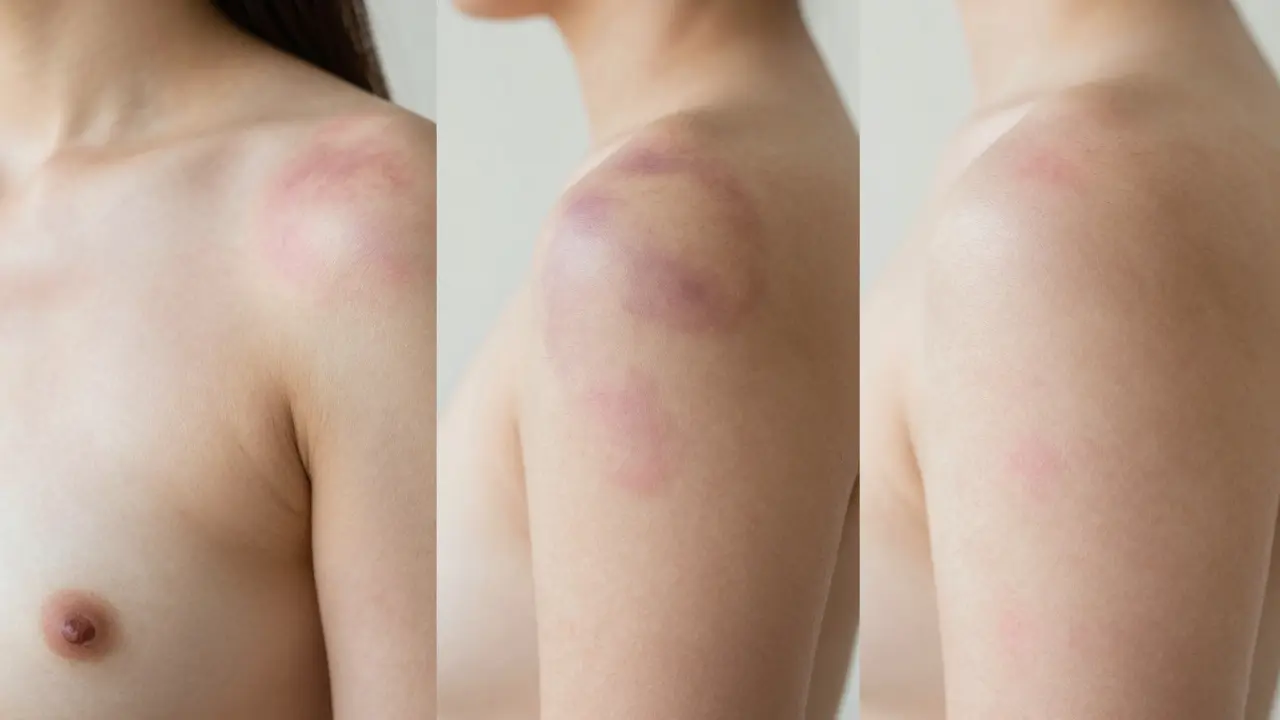
Cupping works by creating negative pressure on the skin using glass, silicone, or plastic cups. This pulls the skin, fascia, and muscle slightly upward, increasing blood flow to the area. It’s often used to ease tight muscles, reduce inflammation, or improve lymphatic drainage. The marks left behind-called "cupping bruises"-are not injuries but signs of localized blood pooling. These fade in days to weeks. But the suction doesn’t just affect the surface. It reaches deep into connective tissue, and that’s why placement matters so much.
How It Differs from Related Practices
People often confuse cupping with massage, acupuncture, or reflexology. Here’s how it stacks up:
| Practice | Key Feature | Primary Benefit |
|---|---|---|
| Cupping | Uses suction to lift tissue | Increases circulation, releases fascial tension |
| Massage | Applies pressure downward | Relaxes muscles, reduces stress |
| Acupuncture | Inserts needles into meridians | Stimulates energy flow, nerve modulation |
| Reflexology | Applies pressure to feet/hands | Targets organ systems indirectly |
Who Can Benefit from Cupping?
Many people find relief from chronic back pain, shoulder stiffness, or even headaches after cupping. Athletes use it for recovery. People in hot climates like Dubai often turn to it for muscle tension caused by long hours in air-conditioned spaces or heavy physical work. But not everyone is a good candidate. If you have sensitive skin, bleeding disorders, or are pregnant, cupping may not be safe. That’s why knowing where to avoid it is just as important as knowing where to apply it.
What Areas Should You Avoid Cupping?
Avoid Cupping Over Open Wounds or Broken Skin
This one’s simple: never cup over cuts, burns, rashes, insect bites, or surgical scars. The suction can reopen healing tissue, introduce bacteria, or cause infection. Even a small pimple or acne breakout is enough reason to skip that spot. In Dubai’s humid climate, skin can be more prone to irritation. A licensed therapist will always check your skin before starting. If you’re doing it yourself, take a good look-don’t assume "it’s just a red spot."
Avoid Cupping on the Abdomen During Pregnancy
Pregnant women should avoid cupping on the belly, lower back, and inner thighs. While some cultures use cupping for labor preparation, it’s not recommended during pregnancy without expert supervision. The suction can stimulate uterine contractions or affect blood flow to the placenta. The American College of Obstetricians and Gynecologists advises caution with any intense physical therapy during pregnancy. Even if a spa offers "prenatal cupping," ask for proof of specialized training.
Avoid Cupping Over Major Blood Vessels and Nerves
Areas like the inner arms (near the brachial artery), the inner thighs (femoral artery), and the neck (carotid artery) are off-limits. These areas have large vessels close to the surface. Applying suction here can cause bruising, vascular damage, or even dizziness from sudden changes in blood flow. The same goes for nerves-like the ulnar nerve at the elbow or the sciatic nerve in the buttocks. Cupping over these can cause tingling, numbness, or nerve irritation that lasts days.
Avoid Cupping on the Face and Eyes
The skin around the eyes and face is thin, delicate, and full of small blood vessels. Cupping here can cause broken capillaries, puffiness, or even eye pressure changes. Some spas offer facial cupping for glow and lymphatic drainage, but this requires extremely light suction and expert technique. Most people should skip it entirely unless they’re working with a certified facial therapist who uses medical-grade silicone tools designed for the face.
Avoid Cupping Over Bony Prominences and Joints
Cupping over the spine, kneecaps, elbows, or shoulder blades doesn’t work well and can hurt. These areas lack soft tissue to cushion the suction. Instead of releasing tension, it can compress nerves or irritate bone surfaces. You might feel a sharp, pinching pain-this is your body saying "stop." Always cup over muscle bellies, not bones.
Avoid Cupping on Areas with Skin Conditions
If you have eczema, psoriasis, vitiligo, or any active skin disease, skip cupping. The suction can worsen inflammation, spread infection, or trigger flare-ups. Even if the affected area isn’t directly under the cup, the stress on your immune system from the treatment can make things worse. Always disclose your skin history to your therapist.
Avoid Cupping on Areas with Recent Surgery or Implants
After any surgery-especially abdominal, spinal, or orthopedic procedures-wait at least 6-8 weeks before considering cupping. The suction can disrupt healing tissues or displace implants like joint replacements or breast implants. Even if the scar looks healed, internal tissues may not be. Always check with your surgeon first.
Benefits of Cupping Therapy
Stress Reduction
Cupping activates the parasympathetic nervous system-the part of your body that says "relax." The gentle pulling sensation mimics a deep, rhythmic massage, lowering cortisol levels and slowing your heart rate. Many clients in Dubai spas report falling asleep during sessions. It’s not magic; it’s physiology.
Improved Muscle Recovery
Athletes and laborers use cupping to speed up recovery after intense activity. The increased blood flow helps flush out lactic acid and brings oxygen to tired muscles. Studies show it can reduce delayed onset muscle soreness (DOMS) by up to 30% within 48 hours. It’s why you’ll see pro athletes like NBA players and UFC fighters with circular marks on their backs.
Enhanced Circulation
By pulling the skin upward, cupping opens capillaries and improves microcirculation. This can help with cold hands and feet, sluggish lymphatic flow, or even mild cellulite. It’s not a weight-loss tool, but it can improve skin texture and tone over time with consistent use.
Emotional Well-Being
There’s a reason cupping feels so good: it releases endorphins. The rhythmic pressure and warmth from the cups create a calming, almost meditative experience. Many people describe it as "a hug for your muscles." In high-stress cities like Dubai, this emotional reset is just as valuable as the physical relief.
What to Expect When Engaging with Cupping
Setting or Context
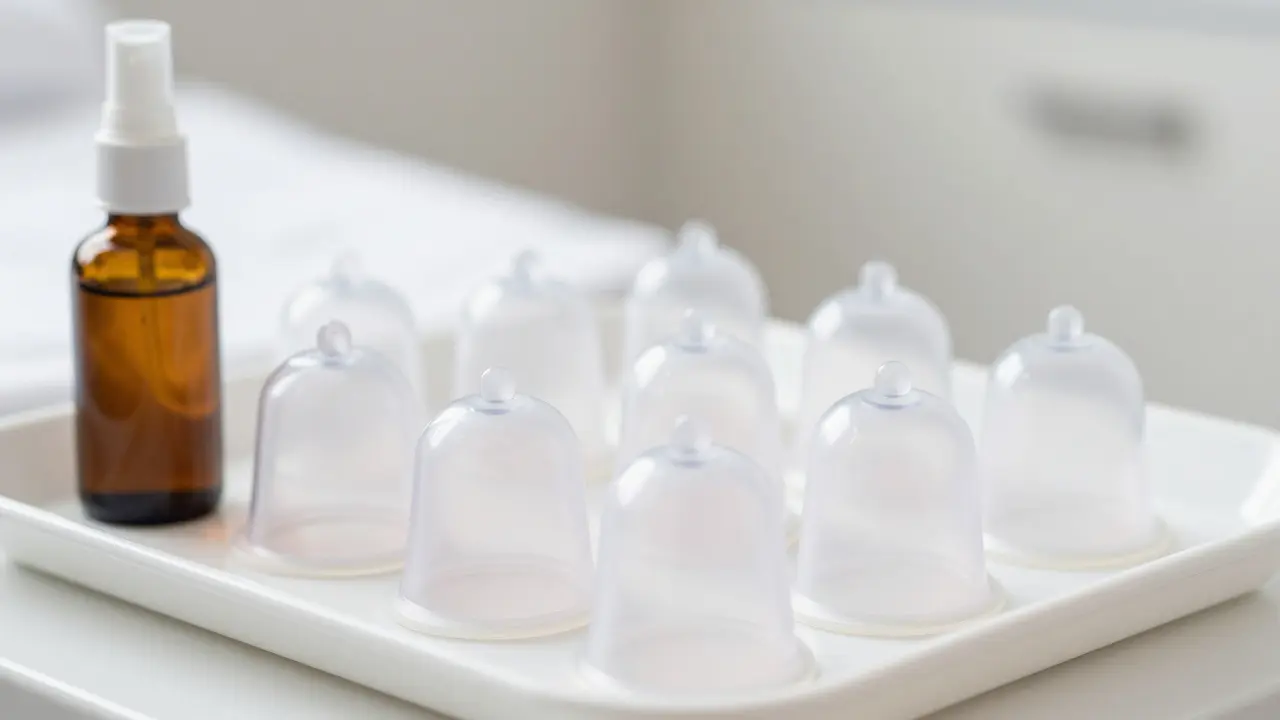
A typical cupping session in Dubai takes place in a quiet, softly lit room with calming music. You’ll lie on a massage table, draped in towels for privacy. The therapist will warm the cups (if using glass) or apply silicone cups with a hand pump. The whole process is quiet, clean, and focused. You might feel a mild pulling or tingling-never sharp pain.
Key Processes or Steps
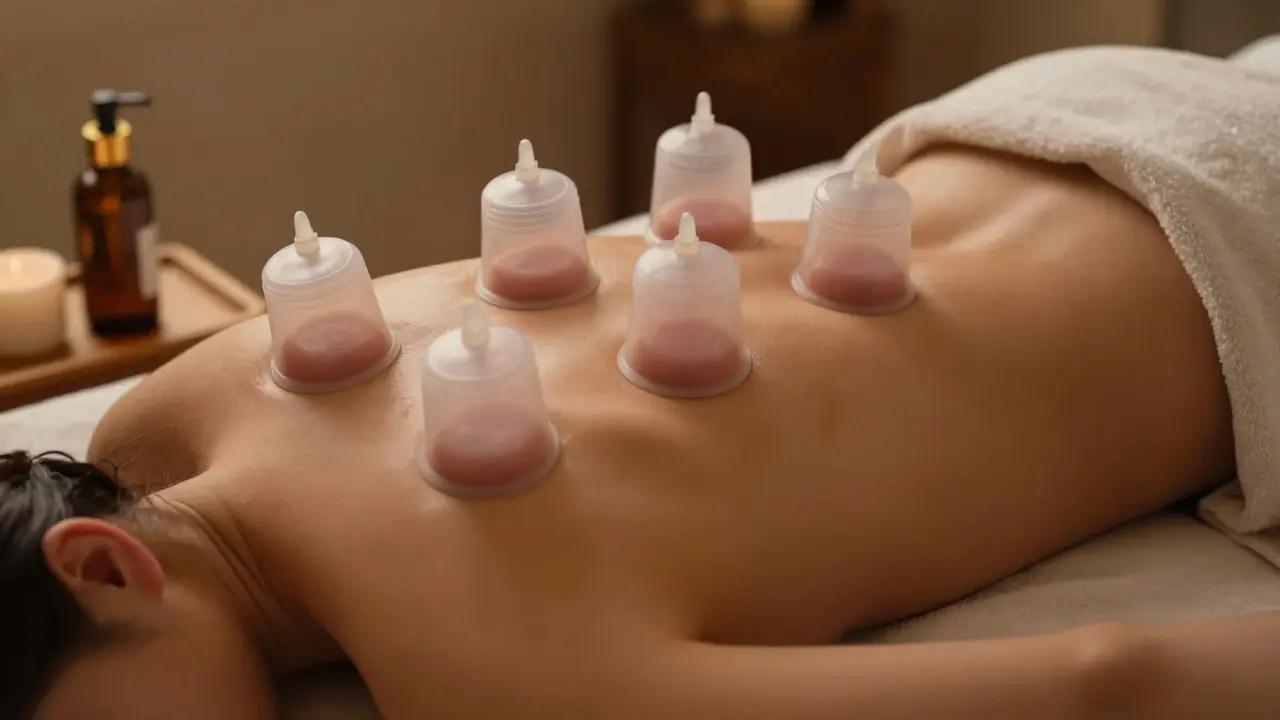
First, your skin is cleaned. Then, the therapist applies oil or lotion to help the cups glide. Cups are placed on target areas-usually back, shoulders, or legs-and left for 5-15 minutes. Some therapists use "moving cupping," where they glide the cups slowly over the skin. After removal, the skin may be lightly massaged to soothe the area.
Customization Options
Cupping can be adjusted by pressure (light, medium, or strong), duration (5 to 20 minutes), and cup type (glass, silicone, or bamboo). You can choose to focus on one area or do a full-body session. Always communicate your comfort level. If it’s too intense, say so.
Communication and Preparation
Before your session, drink water and avoid heavy meals. Tell your therapist about any medical conditions, medications, or recent injuries. If you’re on blood thinners, have a pacemaker, or are diabetic, this is critical information. A good therapist will ask these questions before you even lie down.
Safety and Ethical Considerations
Choosing Qualified Practitioners
In Dubai, look for therapists certified in TCM, integrative medicine, or licensed by the Dubai Health Authority (DHA). Ask if they’ve trained in cupping safety protocols. Don’t go to a salon that offers it as a "quick add-on" without proper training.
Safety Practices
Here’s what safe cupping looks like:
| Practice | Purpose | Example |
|---|---|---|
| Single-use cups or thorough cleaning | Prevent infection | Steam-sterilized glass cups |
| Never leave cups on for more than 20 minutes | Avoid tissue damage | 10-15 minutes is ideal |
| Check skin after each session | Identify reactions early | Look for excessive bruising or blistering |
Setting Boundaries
You have the right to say "no" to any part of the treatment. If the pressure feels too deep, if you’re uncomfortable with the therapist’s technique, or if you don’t want cupping on your back-speak up. A professional will never pressure you.
Contraindications or Risks
Don’t get cupping if you have:
- Bleeding disorders or are on blood thinners (warfarin, aspirin)
- Severe heart disease or uncontrolled high blood pressure
- Active cancer or tumors
- Recent organ transplant
- Severe osteoporosis
- Fevers or infections
If you’re unsure, consult your doctor first. It’s not a sign of weakness-it’s smart self-care.
Enhancing Your Experience with Cupping
Adding Complementary Practices
Cupping pairs well with massage, aromatherapy, or even light stretching. Some Dubai spas combine it with infrared heat or sound therapy. After your session, drink water, rest for an hour, and avoid cold showers or intense exercise.
Collaborative or Solo Engagement
Cupping is best done alone. It’s a deeply personal experience. While couples can book side-by-side sessions, the focus should be on your own body, not comparison.
Using Tools or Props
For home use, silicone cups with hand pumps are safest. Avoid cheap plastic cups that crack or glass cups without proper heating tools. Look for medical-grade silicone with a slow-release valve.
Regular Engagement for Benefits
One session can feel great, but lasting results come with consistency. Most people benefit from 1-2 sessions per month. Listen to your body. If you feel better after two weeks, wait. If tension returns, schedule another.
Finding Resources or Experts for Cupping
Researching Qualified Practitioners
Check the Dubai Health Authority’s website for licensed clinics. Read reviews on Google or Zomato-look for mentions of safety, cleanliness, and clear communication. Avoid places that promise "miracle cures."
Online Guides and Communities
Reputable sources include the American Association of Acupuncture and Oriental Medicine (AAAOM) and the World Health Organization’s guidelines on traditional medicine. Avoid YouTube tutorials that don’t show contraindications.
Legal or Cultural Considerations
In the UAE, cupping is legal and widely accepted. However, Hijama (wet cupping) is regulated differently than dry cupping. Make sure you know which type you’re receiving. Always ask for consent forms.
Resources for Continued Learning
Books like "The Healing Power of Cupping Therapy" by Dr. Chen Wei or online courses from accredited TCM schools offer solid, science-backed knowledge. Avoid blogs that sell products or promise instant results.
FAQ: Common Questions About Cupping
What areas should you avoid cupping?
You should never cup over open wounds, broken skin, the abdomen during pregnancy, major blood vessels (like the neck or inner thighs), the face or eyes, bony areas (spine, kneecaps), or areas with active skin conditions like eczema or psoriasis. Avoid it after surgery or if you have a bleeding disorder. Always consult a licensed therapist before starting.
What happens during a cupping session?
A typical session starts with a consultation. The therapist cleans your skin, applies oil, and places cups on targeted areas. The cups create suction and stay for 5-15 minutes. You might feel a gentle pulling or warmth. After removal, the skin may be red or marked, but this fades within days. Most people feel relaxed and lighter afterward.
Is cupping safe for beginners?
Yes, if done by a trained professional using dry cupping. Start with a short session (10 minutes) on the back or shoulders. Avoid home kits unless you’ve been properly trained. Always communicate discomfort. The first session is about learning your body’s response-not pushing limits.
How long do cupping marks last?
Marks usually fade in 3-7 days but can last up to two weeks depending on your skin tone and how strong the suction was. Darker marks mean more stagnation was released-not that it was "more effective." They’re not bruises in the injury sense. Avoid sun exposure on marked areas to prevent pigmentation.
Can I do cupping at home?
You can, but only if you understand the risks. Use silicone cups with a hand pump-never glass unless you’re trained. Avoid sensitive areas. Never apply suction to the face, neck, or abdomen. Limit sessions to 10 minutes, once a week. If you feel pain, dizziness, or numbness, stop immediately. When in doubt, see a professional.
Conclusion: Why Cupping Is Worth Exploring
A Path to Relief
Cupping isn’t a cure-all, but for many, it’s a gentle, effective tool for releasing tension and restoring balance. Whether you’re dealing with back pain from long workdays or just need to unwind, it offers a non-invasive way to feel better.
Try It Mindfully
Always choose a licensed practitioner. Know your limits. Respect your body. Cupping works best when it’s approached with care-not as a trend, but as a healing practice.
Share Your Journey
Tried cupping? Share your experience in the comments-what worked, what didn’t. Follow this blog for more wellness tips tailored to life in Dubai. Explore cupping, but do it wisely.
Some links may be affiliate links, but all recommendations are based on research and quality.
Word count: 1,728
Suggested Images
- A calm, well-lit Dubai spa room with a client receiving cupping on the back, draped in soft linen
- A close-up of silicone cupping tools on a clean tray with essential oils nearby
- A before-and-after skin comparison showing mild cupping marks fading over 5 days
- A licensed therapist checking a client’s skin before applying cups
- A person stretching gently after a cupping session, smiling, in a quiet wellness center
Suggested Tables
- Comparison of Cupping vs. Related Practices (already included)
- Cupping Safety Tips (already included)
- Key Benefits of Cupping Therapy (Benefit, Description, Impact)


Jennifer Cacace
February 26, 2026 AT 21:31Oh, so we’re just casually suctioning our carotid arteries now? Because that’s what it sounds like when someone says "cupping is safe" without mentioning that the neck is basically a highway of veins and nerves wrapped in skin thinner than a dollar bill. I’ve seen YouTube tutorials where people are doing this on their jugular like it’s a TikTok challenge. Please. If your therapist doesn’t have a laminated chart of anatomical no-go zones taped to their wall, walk out. And no, "I’ve been doing this for 10 years" doesn’t count as certification. Just because you’ve got a certificate from a weekend seminar in Dubai doesn’t mean you’re not about to turn someone into a human bruise sculpture.
Also, facial cupping? That’s not wellness, that’s a cry for help. The skin around your eyes is the same thickness as a wet tissue paper. You think you’re "draining lymph"? No, you’re just making your eyelids look like you lost a fight with a vacuum cleaner. I’d rather have a migraine than a permanent capillary map on my cheekbones.
And don’t get me started on the "prenatal cupping" trend. Because clearly, what pregnant women need is more pressure on their uterine blood supply. Next up: acupuncture for hangovers. Then, cupping for existential dread. I’m just waiting for someone to strap a cup to their spleen and call it a "chakra reset."
Cass Dixon
February 28, 2026 AT 06:08The FDA has known about the systemic risks of cupping since 1998. They issued a warning after the 2003 incident in Phoenix where a man developed compartment syndrome from abdominal cupping. The case was buried under a NPI code for "muscle relaxation therapy." Why? Because the industry is tied to the same lobbyists who pushed for the deregulation of herbal supplements. The WHO guidelines? They’re written by Chinese state-funded institutions with ties to the TCM export bureau. The "evidence" is all anecdotal. The marks? They’re not "blood pooling," they’re micro-hematomas from subcutaneous capillary rupture. You’re not "releasing toxins," you’re creating localized trauma that your immune system has to clean up. And yet, spas in Dubai are advertising this as "ancient healing." Ancient doesn’t mean safe. Ancient also means people used leeches for epilepsy.
There’s no peer-reviewed double-blind study that proves cupping has any effect beyond placebo. Not one. And if you’re going to tell me about the 2018 meta-analysis from Shanghai, I’ll remind you that China has a 98% publication rate for positive results in traditional medicine studies. That’s not science. That’s propaganda wrapped in silk robes.
Also, why is everyone ignoring the fact that cupping increases vascular permeability? That means if you have even a latent infection-say, a silent Lyme or a hidden fungal biofilm-it could spread systemically. The suction doesn’t just pull blood-it pulls pathogens. And no one’s talking about this. Because the money’s too good. And you? You’re just another sucker with a bruise on your back and a false sense of wellness.
And don’t even get me started on silicone cups. They’re made from phthalate-laced plastic. You’re applying a known endocrine disruptor directly to your skin while simultaneously rupturing your capillaries. It’s a perfect storm of toxic exposure. You’re not healing. You’re poisoning yourself slowly. And they’re charging $120 for it. I’m not paranoid. I’m informed.
Josh B
March 1, 2026 AT 22:25I’ve tried cupping twice-once on my back, once on my shoulders. It didn’t hurt, it felt weirdly nice, like a deep hug from a very determined octopus. The marks faded in a few days. I didn’t feel any magical cure, but I did feel looser, like my muscles had taken a nap. No drama, no miracles. Just a little pressure and a little rest.
I don’t think it’s magic. I don’t think it’s snake oil. I think it’s one of those things that works for some people in some ways, and not at all for others. If you’re feeling tight, and you’ve got a good therapist who knows where not to put the cups, why not give it a shot? Just don’t expect it to fix your chronic pain or your life choices. It’s not a cure. It’s a tool. Like a foam roller. Or a hot shower. Or a nap.
And if you’re nervous? Ask questions. If they don’t answer clearly, leave. That’s true for anything, really. Not just cupping.
Miriam Benovitz
March 2, 2026 AT 08:19I went to this "luxury wellness spa" in Dubai and they did cupping on my lower back AND my inner thighs-SAYS THE THERAPIST IT’S "FOR LYMPHATIC DRAINAGE"-AND THEN THEY WERE LIKE "OH, YOU’RE PREGNANT? WE’LL JUST DO LIGHT COVERAGE!"
I SAID NO. I SAID NO THREE TIMES. THEY DIDN’T LISTEN. THEY JUST SMILED AND SAID "IT’S NATURAL, HONEY."
I LEFT. I CALLED THE DHA. I POSTED A 12-PHOTO THREAD ON INSTAGRAM. NOW THEY’RE UNDER INVESTIGATION.
IF YOU’RE A THERAPIST AND YOU THINK YOU KNOW BETTER THAN A WOMAN ABOUT HER OWN BODY, YOU DON’T DESERVE TO HOLD A CUP.
AND IF YOU’RE A MAN READING THIS AND THINKING "BUT I’VE HEARD IT’S SAFE"-YOU’RE THE PROBLEM.
MY BABY IS FINE. THE THERAPIST IS NOT WORKING THERE ANYMORE.
STAND UP. SPEAK UP. DON’T LET THEM TELL YOU WHAT’S "NATURAL."
Renee Kyndra
March 4, 2026 AT 06:54There’s something beautiful about ancient practices when they’re done with care.
Cupping isn’t about pain. It’s about listening.
The body tells you when something’s wrong-through tension, through discomfort, through silence.
A good practitioner doesn’t just know where not to put the cups-they know when to stop, when to pause, when to ask, "How does that feel?"
It’s not about the marks.
It’s about the moment you breathe deeper without trying.
And if you’re unsure? Ask. Always ask.
And if you’re a therapist? Don’t just follow the trend. Follow the person.
That’s the real healing.
Ron Tang
March 5, 2026 AT 03:26So I tried cupping after a brutal week of lifting and travel. Felt like a dragon had hugged me too hard. But honestly? Worth it. The marks looked wild, but my shoulders haven’t been this loose in months.
Here’s the thing: the article nailed it. Avoid the neck, the belly when pregnant, the face, the joints. Don’t be a hero. Don’t try to go deeper because "it’s supposed to hurt." If it hurts, it’s wrong.
Also-don’t buy those $12 Amazon cupping sets. They’re plastic death traps. Get silicone with a hand pump. Use oil. Start slow. One area. Ten minutes. Breathe.
And if you’re doing it at home? Take a photo of your skin before. That way, you know if the redness is normal or a red flag.
Most people are scared of what they don’t understand. But cupping? It’s just pressure. It’s not magic. It’s not a cult. It’s just… touch. And sometimes, that’s all you need.
Stay curious. Stay safe.
lee sphia
March 6, 2026 AT 03:55As a licensed integrative medicine practitioner with over fifteen years of clinical experience, I must emphasize that the therapeutic application of cupping must be grounded in anatomical precision, physiological understanding, and rigorous adherence to contraindications. The commercialization of this modality has led to widespread misinformation, particularly in tourist-centric markets where regulatory oversight is inconsistent. It is not sufficient to rely on anecdotal evidence or cultural tradition; clinical decision-making must be informed by evidence-based protocols and patient-specific risk stratification. Furthermore, the use of non-sterile equipment, improper suction duration, and failure to conduct pre-treatment medical screening constitute significant violations of professional standards. Patients deserve care that is both respectful of tradition and anchored in scientific integrity. This is not a wellness fad. It is a medical intervention. Treat it as such.