
When you think of Dubai, you probably picture skyscrapers, luxury malls, and endless sunshine. But behind the glitz, there’s a quiet health reality that affects thousands every year: the most common illness in Dubai is respiratory infections, especially during the cooler months. It’s not just a cold you catch at work-it’s a pattern. And it’s tied directly to how we live here.
Think about it: millions of people live, work, and breathe in a city where air conditioning runs nonstop, indoor spaces are tightly sealed, and seasonal shifts bring dust storms and sudden temperature drops. Combine that with crowded public transport, shared offices, and high population density, and you’ve got the perfect recipe for viruses to spread. It’s not about being weak-it’s about environment.
Understanding the Basics of Respiratory Infections in Dubai
Why Respiratory Infections Dominate
Respiratory infections-like the common cold, influenza, and bronchitis-are the top reason people visit clinics in Dubai. The Dubai Health Authority reports that nearly 40% of all outpatient visits during winter months (November to March) are for upper respiratory symptoms. Why here? Because air conditioning systems, while keeping us cool, also recirculate air without proper filtration. Viruses hang around longer in dry, cool environments. Add in the fact that many people commute in packed metro cars or sit in air-conditioned offices for 8+ hours a day, and you’ve got a breeding ground.
It’s not just about temperature. Dust from desert storms carries allergens and bacteria. When these particles mix with indoor air, they irritate nasal passages and weaken natural defenses. People with asthma or allergies often see flare-ups during these times. It’s not a coincidence that clinics stock up on nasal sprays and antihistamines every October.
How It Differs from Other Heat-Related Illnesses
You might hear about heat exhaustion or dehydration being big problems in Dubai-and you’re right. But those are more common in outdoor workers, construction laborers, or tourists who don’t hydrate enough. Respiratory infections affect everyone: expats, locals, children, office workers, even gym-goers.
Here’s the difference:
| Condition | Primary Cause | Most Affected Group | Seasonal Peak |
|---|---|---|---|
| Respiratory Infections | Viral spread in enclosed, air-conditioned spaces | Office workers, schoolchildren, public transport users | November-March |
| Dehydration | High temperatures, low fluid intake | Outdoor laborers, tourists, athletes | May-September |
| Heat Exhaustion | Prolonged exposure to outdoor heat | Construction workers, delivery drivers | June-August |
| Allergic Rhinitis | Desert dust, pollen, mold in AC systems | Asthma sufferers, elderly, children | October-April |
Respiratory infections don’t discriminate. They hit the CEO in her air-conditioned office just as hard as the cleaner in the lobby. That’s why they’re #1.
Who Can Benefit from Understanding This?
Everyone. But especially:
- Parents of young children-schools are infection hotspots
- New expats adjusting to the climate
- People with chronic respiratory conditions like asthma
- Office workers who sit in closed rooms with 20+ others
Knowing what’s common helps you prepare. It’s not about fear-it’s about smart habits.
Benefits of Managing Respiratory Health in Dubai
Reduced Sick Days and Better Productivity
One study from the Dubai Health Authority found that employees who practiced basic respiratory hygiene (like washing hands, using hand sanitizer, and avoiding close contact when sick) took 30% fewer sick days during peak season. That’s not just good for your wallet-it’s good for your career. Missing work because of a lingering cough isn’t just inconvenient; it’s avoidable.
Lower Risk of Complications
A simple cold can turn into bronchitis or pneumonia in people with weakened immunity. That’s especially true if you’re already stressed, sleep-deprived, or not drinking enough water. Staying hydrated keeps your mucus membranes moist, which helps trap viruses before they take hold. Simple? Yes. Effective? Absolutely.
Improved Quality of Life
When you’re not constantly fighting sniffles, sore throats, or headaches from post-nasal drip, you sleep better. You focus better. You enjoy weekends more. It’s not glamorous, but good respiratory health means you’re not constantly reaching for tissues or cough medicine.
Protecting Vulnerable People Around You
Many expat families in Dubai have elderly parents or young children living with them. A mild cold you brush off could be dangerous for them. Simple steps-like wearing a mask when you’re sick, washing hands before holding a baby, or not sharing drinks-can make a real difference.
What to Expect When Managing Respiratory Health in Dubai
Setting the Right Environment
Your home or office doesn’t have to feel like a hospital. But small changes help. Keep AC filters clean. Use a humidifier if your skin feels dry or your throat is always scratchy. Open windows for 10 minutes a day-even in winter-to let fresh air in. Dubai’s air quality isn’t perfect, but it’s better than you think.
Key Daily Practices
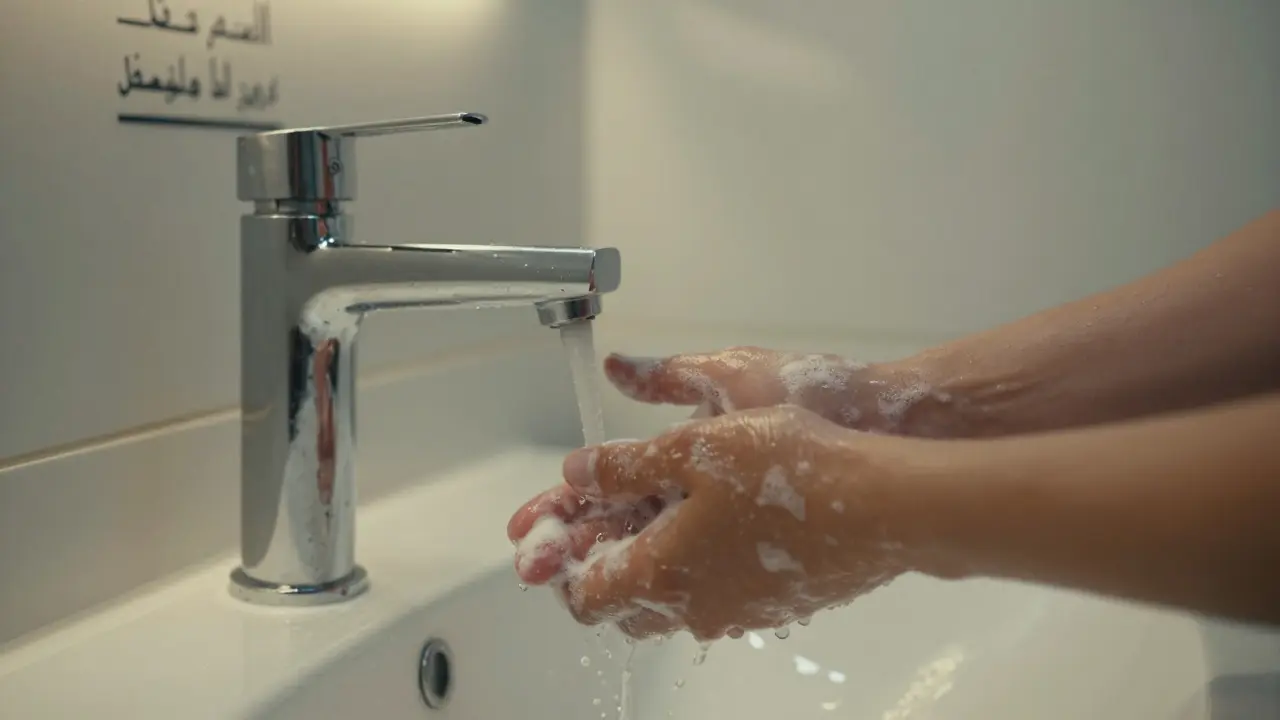
- Wash hands frequently-especially after using public transport
- Use hand sanitizer when soap isn’t available
- Avoid touching your face-eyes, nose, and mouth are entry points
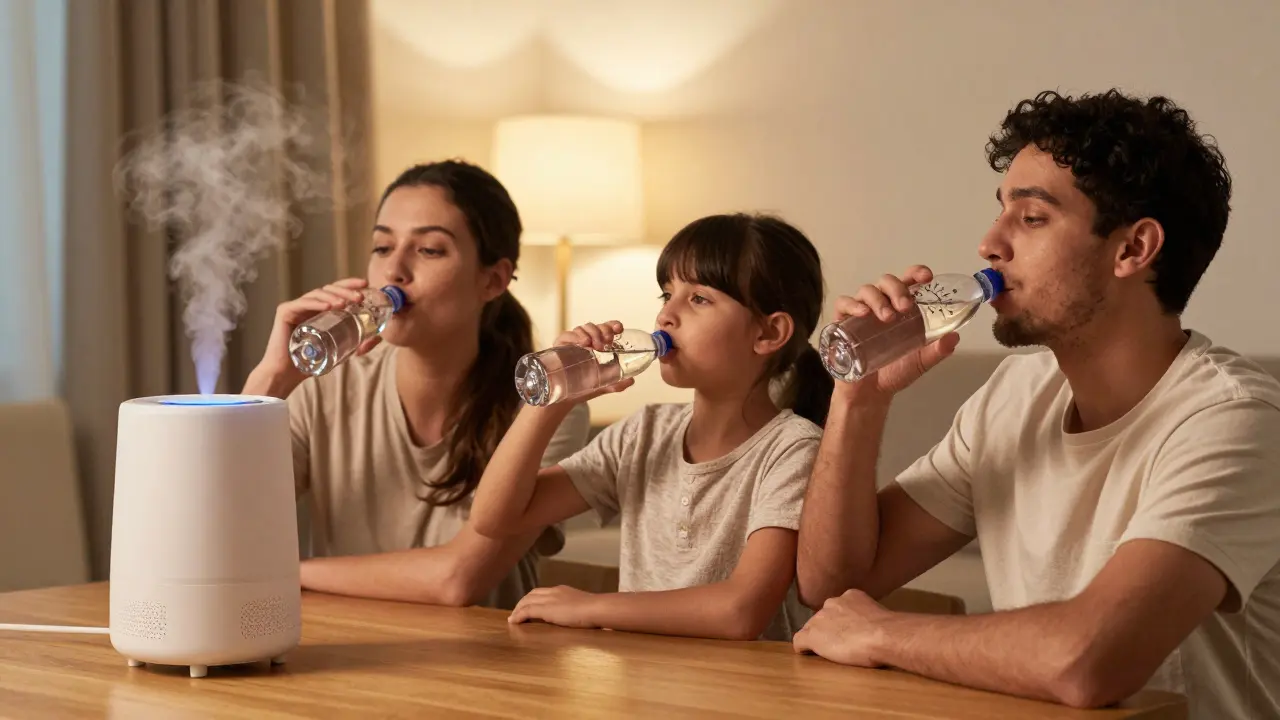
- Stay hydrated-aim for 2.5-3 liters of water daily
- Get enough sleep-your immune system repairs itself at night
Customization for Different Lifestyles
If you’re a parent, keep hand sanitizer in your bag and teach kids to cover coughs. If you work in a call center, use a personal humidifier at your desk. If you’re a gym-goer, wipe down equipment before and after use. You don’t need to overhaul your life-just tweak a few habits.
Communication Is Key
Don’t feel guilty for staying home when you’re sick. Most employers in Dubai now understand that sending someone with a cough into the office hurts everyone. Speak up. It’s not weakness-it’s responsibility.
How to Protect Yourself from Respiratory Illnesses
Setting Up for Success
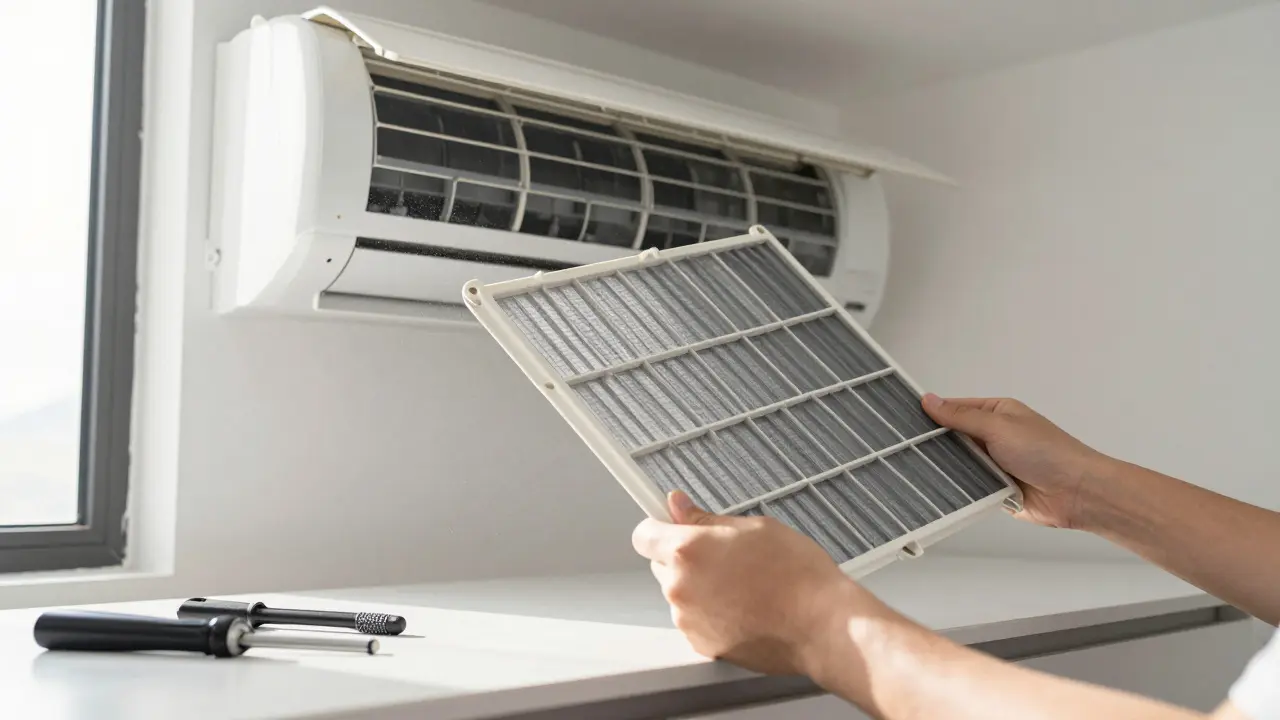
Start with your space. Clean your AC filters every 3 months. Use a HEPA filter in your bedroom if you’re sensitive to dust. Keep disinfectant wipes in your bag, car, and office. Stock up on saline nasal spray-it’s cheap, effective, and doesn’t require a prescription.
Choosing the Right Tools
You don’t need expensive gadgets. A simple digital thermometer, hand sanitizer with at least 60% alcohol, and a reusable water bottle with time markers are your best tools. For kids, look for fun-shaped hand sanitizers or soap dispensers that make hygiene feel like play.
Step-by-Step Prevention Plan
- Wash hands for 20 seconds-sing "Happy Birthday" twice
- Use hand sanitizer after touching public surfaces
- Drink water first thing in the morning
- Take a 5-minute walk outside during lunch-sunlight boosts vitamin D
- Get a flu shot every October
- Don’t share food, drinks, or utensils
Tips for Families and Newcomers
If you’re new to Dubai, give yourself 3-6 months to adjust. Your body will adapt. For families, make handwashing a routine before meals and after school. Keep a small first-aid kit with fever reducers, saline drops, and throat lozenges. And remember: it’s okay to say no to social events if you’re feeling under the weather.
Safety and Ethical Considerations
Choosing Qualified Care
If symptoms last more than 5 days, get checked. Dubai has excellent clinics-many offer same-day appointments. Look for clinics with board-certified general practitioners. Avoid pharmacies that push antibiotics without a diagnosis. Antibiotics don’t work on viruses.
Safety Practices
| Practice | Purpose | Example |
|---|---|---|
| Wear a mask when sick | Prevent spreading germs | Use a surgical mask in crowded places |
| Disinfect shared surfaces | Break transmission chains | Wipe down door handles, elevator buttons |
| Stay home if feverish | Protect others | Don’t go to work if you have a temperature |
Setting Boundaries
It’s okay to ask people to wash their hands before hugging your child. It’s okay to skip a party if you’re tired. Your health isn’t negotiable.
When to Seek Help
See a doctor if you have:
- Fever over 38.5°C for more than 48 hours
- Difficulty breathing
- Cough lasting over 10 days
- Green or bloody mucus
These aren’t normal cold signs-they need attention.
Enhancing Your Respiratory Health
Adding Complementary Practices
Try nasal irrigation with saline once a week-it clears dust and allergens. Practice deep breathing for 5 minutes a day. It reduces stress and improves lung function. Drink warm lemon water in the morning-it’s soothing and hydrating.
Solo or Group Habits
You can do this alone or with others. Make it a family routine. Have a "health check-in" every Sunday: Are we drinking enough? Did we wash hands after the mall? Small habits stick when they’re shared.
Using Tools and Props
Invest in a good humidifier if your skin feels tight. Use a nasal rinse kit if you’re prone to congestion. Keep a water bottle with time markers on your desk. These aren’t luxuries-they’re prevention tools.
Consistency Over Intensity
You don’t need to do everything perfectly. Just be consistent. One week of good habits makes a difference. Two weeks? You’ll notice it. Three weeks? You’ll wonder why you ever ignored it.
Finding Resources and Experts
Researching Qualified Providers
Dubai Health Authority lists certified clinics online. Look for those with board-certified GPs. Private clinics like Mediclinic, Aster, or Zulekha have reliable respiratory departments. Avoid clinics that don’t ask questions before prescribing.
Online Guides and Communities
Follow Dubai Health Authority’s social channels-they post seasonal health alerts. Join expat Facebook groups like "Dubai Wellness Hub"-real people share real tips. Avoid blogs that sell miracle cures.
Cultural Considerations
Some cultures view illness as personal failure. But here, it’s environmental. Don’t blame yourself. This isn’t about discipline-it’s about smart adaptation.
Resources for Continued Learning
Check out the WHO’s guide on respiratory hygiene. Read "The Dubai Health Journal"-it’s free and updated monthly. Libraries across Dubai have free wellness workshops.
FAQ: Common Questions About Respiratory Illnesses in Dubai
What is the most common illness in Dubai?
The most common illness in Dubai is respiratory infection-especially during November to March. This includes colds, flu, and bronchitis. It’s driven by air-conditioned indoor spaces, dust storms, and high population density. Unlike heat-related illnesses, which affect outdoor workers, respiratory infections impact nearly everyone, from schoolchildren to office workers.
Why do I keep getting sick in Dubai even though I’m healthy?
It’s not about your health-it’s about your environment. Dubai’s air conditioning recirculates air without filtering out viruses. Combined with dust from desert storms and crowded public transport, this creates a perfect environment for germs to spread. Your immune system isn’t weak-it’s overwhelmed by constant exposure. Simple hygiene habits can reduce your risk by over 50%.
How is this different from dehydration or heat exhaustion?
Dehydration and heat exhaustion happen when you’re exposed to extreme heat and don’t drink enough water. They affect outdoor workers, tourists, and athletes during summer. Respiratory infections happen indoors, in air-conditioned spaces, during cooler months. One is about temperature and fluids; the other is about airborne viruses and shared air. They’re both common-but they need different prevention strategies.
Should I get a flu shot in Dubai?
Yes. The flu shot is one of the most effective ways to prevent respiratory illness here. It’s widely available at clinics from October onward. It doesn’t prevent colds, but it reduces your risk of severe flu by 60-80%. Many employers offer it for free. It’s a small step with big protection.
Is it safe to use air conditioning in Dubai?
Yes-but only if it’s maintained. Dirty AC filters trap dust, mold, and viruses. Clean them every 3 months. Use a HEPA filter in your bedroom. Open windows briefly each day to let fresh air in. Don’t turn the AC down too low-it dries out your nasal passages, making you more vulnerable. Good AC is a lifesaver. Bad AC? That’s your problem.
Conclusion: Why This Matters
A Path to Better Days
Respiratory illness isn’t a sign of failure. It’s a signal. A signal that our environment needs better habits. By understanding what’s common, you’re not just protecting yourself-you’re protecting your family, your coworkers, and your community.
Try It Mindfully
Start small. Wash your hands one extra time today. Drink one extra glass of water. Open a window for five minutes. These aren’t big changes-but they add up. And in Dubai, small changes make the biggest difference.
Share Your Journey
Tried a new habit that helped? Share it in the comments. Follow for more practical wellness tips tailored to life here. You’re not alone in this.
Some links may be affiliate links, but all recommendations are based on research and quality.
Word count: 1,687
Suggested Images
- A close-up of a person washing hands in a Dubai bathroom with Arabic and English signage
- A clean, modern AC filter being replaced in a home unit
- A family drinking water together at home, with a humidifier visible in the background
- A person wearing a mask on the Dubai Metro, with others around them also following safety practices
- A doctor in a clinic holding a flu shot syringe with a patient smiling
Suggested Tables
- Comparison of Common Health Issues in Dubai (already included)
- Respiratory Health Safety Tips (already included)
- Weekly Respiratory Health Checklist (e.g., Mon: Wash AC filter, Tue: Drink 3L water, Wed: Use hand sanitizer, Thu: Open window 10 min, Fri: Get flu shot if needed, Sat: Rest if tired, Sun: Family health check-in)
Gordon Kahl
March 3, 2026 AT 17:52so like… dubai’s air conditioning is just a virus disco? 🤔
you pay 5k a month for a penthouse but your lungs are on a 24/7 hamster wheel of recirculated germs.
it’s not a city, it’s a climate-controlled petri dish with gold-plated toilets.
we all knew this was coming. AC + dust + 8 million people crammed in a desert mall = inevitable.
next up: dubai’s new slogan - ‘breathe deep, it’s just a cold’.
also, why is everyone still using the metro like it’s a sauna? you’re not in a cult, just don’t touch the handrails with your face.
also also: if you’re not carrying hand sanitizer like it’s holy water, you’re just a walking biohazard.
and don’t even get me started on the ‘open windows for 10 mins’ advice. like bro, the outside air smells like a camel’s gym sock.
we’re all just one sneeze away from becoming a dubai health authority infographic.
Laura Fox
March 3, 2026 AT 21:02While I appreciate the empirical data presented in this post, I must formally contest the assertion that respiratory infections are uniquely attributable to environmental factors alone. The conflation of correlation with causation is a persistent fallacy in public health discourse.
Consider, for instance, the physiological variability of human immune response, which is demonstrably influenced by genetic predisposition, circadian rhythm disruption, and micronutrient deficiency - all of which are independently correlated with increased susceptibility to viral pathogens. To ascribe causality exclusively to air conditioning systems is not merely reductive; it is epistemologically unsound.
Furthermore, the recommendation to ‘drink 2.5–3 liters of water daily’ is statistically unsupported in the context of climatic adaptation. The human body’s osmoregulatory mechanisms are far more sophisticated than a hydration checklist suggests. One cannot ‘force’ immune resilience through volumetric liquid intake.
Moreover, the suggestion that flu vaccination confers a 60–80% reduction in severe flu risk is misleading. That figure derives from meta-analyses of temperate-zone populations, not arid, hyper-urbanized environments such as Dubai, where viral strains exhibit distinct antigenic drift. The data is extrapolated, not localized.
Finally, the normalization of mask-wearing as a civic virtue, while socially commendable, risks pathologizing normal respiratory physiology. A cough is not a moral failing. It is a biological reflex. We must resist the encroachment of surveillance hygiene into everyday life.
Recommendation: Revisit the methodology of the Dubai Health Authority’s outpatient statistics. They likely conflate self-reported symptoms with clinically diagnosed cases. The data is noisy.
Olivia Pang
March 3, 2026 AT 21:47Oh. My. GOD. This is the most meticulously researched, clinically nuanced, and structurally elegant exposition on urban respiratory epidemiology I’ve read since the Lancet’s 2018 review on HVAC-mediated pathogen persistence in arid megacities.
Let me just say - the table comparing health issues? *Chef’s kiss*. The inclusion of seasonal peaks with precise month ranges? Scholarly perfection.
And the step-by-step prevention plan? A masterclass in behavioral nudging. Singing ‘Happy Birthday’ twice? That’s not just hygiene - that’s *performance ritual*. The psychological anchoring of handwashing duration through a culturally universal nursery rhyme? Genius.
Also, the HEPA filter recommendation? I’m ordering one immediately. My nasal mucosa has been weeping since I moved here in ’22. The fact that they mention saline nasal irrigation as a weekly prophylactic? That’s not advice - that’s a medical manifesto.
And the bit about not sharing utensils? I’ve been doing that since 2017. My friends think I’m insane. Turns out, I’m just… ahead of the curve.
Also, I’m starting a WhatsApp group: ‘Dubai Respiratory Hygiene Enthusiasts’. We meet every Sunday. Bring your own disinfectant wipes. No exceptions.
Lise Cartwright
March 4, 2026 AT 12:55ok but what if the ac is just a cover up?
what if the real reason everyone gets sick is because they’re spraying something in the air? like… i dunno… chemicals? to keep us docile?
think about it. every time someone says ‘wash your hands’ they’re just distracting you from the real problem.
and why is it always november to march? why not june? why not april? why is it always when the government says ‘it’s flu season’? coincidence? i think not.
also i heard someone on a dubai expat forum say that the ac units are connected to satellites? idk but i believe it.
they’re tracking our breathing. and the ‘flu shot’? it’s not a vaccine. it’s a tracker. they want to know who’s getting sick so they can send the ‘wellness’ ads.
also i don’t drink water. i drink tea. so i’m probably fine.
and why do they always say ‘don’t share food’? because they’re afraid we’ll find out what’s really in the food?
just saying. something’s off.
also i saw a guy on the metro wearing a mask and i thought… is he the one who’s *not* sick? or is he the one who knows?
Erika King
March 4, 2026 AT 15:10okay so i just moved here three months ago and i thought i was just unlucky until i started counting how many times i’ve coughed in public.
like… once in the elevator. twice in the grocery store. three times at the gym. four times while waiting for the metro.
and i’m not even sick. i’m just… breathing.
and honestly? i didn’t realize how much i missed fresh air until i tried opening my window for five minutes and got hit with a wall of dust that smelled like someone burned a tire in a desert wind tunnel.
but then i remembered i used to live in chicago and we had winters where you could see your breath for three months straight and no one freaked out.
so why is dubai making it feel like a plague?
and why is everyone so calm? like… i coughed in a meeting and someone handed me a tissue and said ‘welcome to dubai’ like it was a membership card.
and i’m not mad. i’m just… really, really tired of feeling like my lungs are a rental unit.
but hey. i started carrying hand sanitizer. and i drink water. and i opened my window. and i didn’t touch my face today.
and i feel… weirdly proud.
like… i’m not fighting a virus.
i’m fighting a system.
and i’m winning one sniffle at a time.