
What Is the Most Hygienic Thing to Wash Your Body With?
When it comes to keeping your skin clean and healthy, the most hygienic thing to wash your body with isn’t just about suds or scent-it’s about how well it removes dirt, oil, and bacteria without damaging your skin’s natural barrier. In Dubai’s hot, dusty climate, where sweat and sand cling to skin daily, choosing the right cleanser isn’t a luxury-it’s a necessity. Many people assume that bar soap is outdated, or that fancy body washes are inherently cleaner. But hygiene isn’t about price tags or packaging. It’s about science, skin type, and usage habits.
Understanding the Basics of Body Cleansing
Origins and History
Humans have been washing their bodies for thousands of years. Ancient Egyptians used natron, a natural salt mixture, to cleanse and preserve skin. Romans bathed daily in public baths with oils and scrapers called strigils. Soap as we know it emerged around 2800 BCE in Mesopotamia, made from animal fats and wood ash. Bar soap dominated for centuries until the 1900s, when liquid body washes hit the market with promises of "gentler" formulas. But here’s the twist: the oldest method-bar soap-is still one of the most effective at removing microbes when used correctly.
Core Principles or Components
Hygienic cleansing relies on three key elements: surfactants (cleaning agents), pH balance, and rinseability. Surfactants lift dirt and oils from the skin. A good cleanser should have a pH close to your skin’s natural level-around 5.5. Too alkaline (like traditional soap bars at pH 9-10), and you strip away protective lipids. Too acidic, and it may not clean well. The best products balance cleaning power with skin protection. Also, rinseability matters: if residue stays on your skin, it can trap bacteria and irritants.
How It Differs from Related Practices
Not all body cleansers are created equal. Here’s how common options stack up:
| Option | Hygiene Strength | Best For | Risk Factor |
|---|---|---|---|
| Bar Soap | High | Normal to oily skin | Deteriorates if left wet |
| Liquid Body Wash | Medium-High | Dry or sensitive skin | Bottle contamination |
| Body Scrub | Medium | Exfoliation needs | Overuse causes microtears |
| Antibacterial Soap | High (short-term) | High-risk environments | Disrupts skin microbiome |
Who Can Benefit from Proper Body Cleansing?
Everyone benefits-but differently. Athletes in Dubai’s heat need fast-rinsing, sweat-wicking formulas. People with eczema or psoriasis need fragrance-free, ceramide-rich cleansers. Seniors with dry skin do better with creamy body washes. Even those with oily skin can over-cleanse and trigger more oil production. The key isn’t finding the "best" product for everyone, but the best for you.
Benefits of Proper Body Cleansing
Reduces Skin Infections
Regular, proper cleansing removes bacteria, fungi, and dead skin cells that can lead to folliculitis, fungal infections, or acne. In humid climates like Dubai, trapped moisture in skin folds (armpits, groin, under breasts) becomes a breeding ground. Studies show that daily washing with a mild cleanser reduces skin infection rates by up to 40% in active populations. The goal isn’t sterilization-it’s balance.
Maintains Skin Barrier Function
Your skin has a protective lipid layer that locks in moisture and blocks irritants. Harsh soaps strip this away. Gentle, pH-balanced cleansers preserve it. When your barrier stays intact, you’re less prone to itching, redness, and dryness. This is especially important in Dubai, where air conditioning and desert winds can dry skin quickly. A strong barrier also means fewer flare-ups for conditions like dermatitis.
Improves Overall Skin Health
Consistent hygiene supports a healthy skin microbiome-the community of good bacteria living on your skin. Overuse of antibacterial products kills off these beneficial microbes, leaving room for harmful ones to take over. Using a mild cleanser daily allows your skin’s natural defenses to thrive. Many dermatologists recommend washing once a day with a gentle formula, especially if you’re not sweating heavily.
Enhances Comfort and Confidence
Let’s be real: feeling clean boosts your mood. After a long day in the Dubai sun, stepping into a cool shower with a refreshing cleanser isn’t just hygiene-it’s self-care. A clean, odor-free body improves social comfort and even sleep quality. People who maintain consistent routines report higher levels of daily well-being.
What to Expect When Washing Your Body
Setting or Context
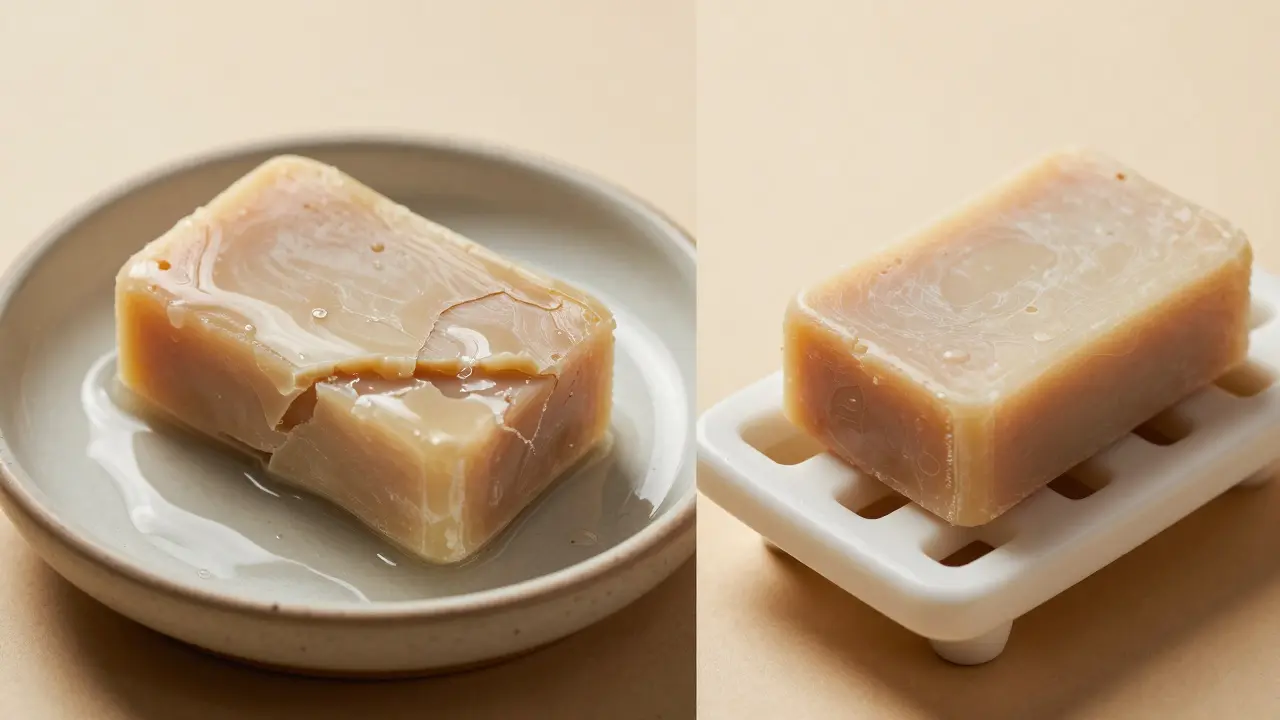
In Dubai, hygiene is tied to climate. You’ll need a shower that drains quickly, good ventilation to prevent mold, and a soap dish that drains. Avoid leaving soap bars in puddles. Use a hanging loofah or mesh bag that dries between uses. If you use body scrubs, do them in the shower, not the bath, so rinse-off is immediate.
Key Processes or Steps
Start with lukewarm water-hot water strips oils. Apply cleanser to damp skin, not dry. Lather gently, focusing on high-sweat areas: armpits, groin, feet. Rinse thoroughly for at least 20 seconds. Pat dry with a clean towel. Don’t rub. Moisturize within 3 minutes after showering to seal in hydration.
Customization Options
Choose based on your skin type:
- Oily skin: Gel-based washes with salicylic acid
- Dry skin: Cream or oil-infused body washes
- Sensitive skin: Fragrance-free, hypoallergenic formulas
- Active lifestyle: Sweat-activated cleansers with cooling ingredients
Communication and Preparation
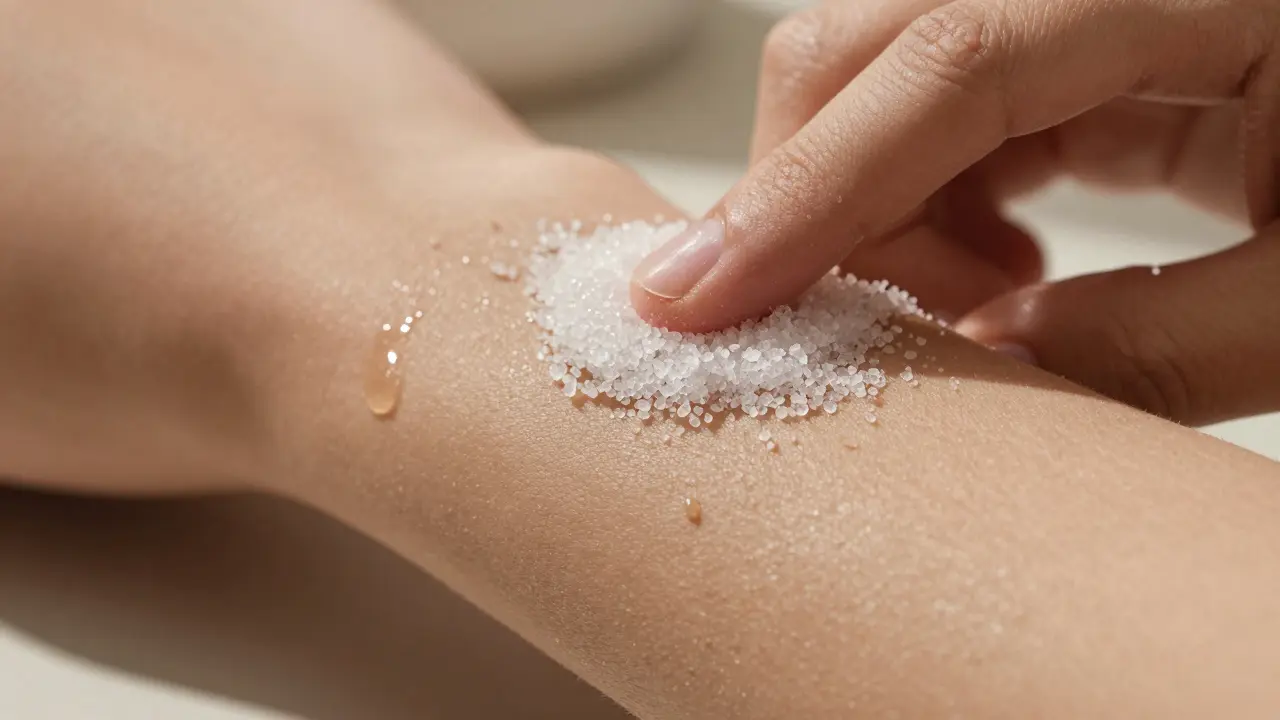
If you’re using a body scrub, don’t overdo it. Twice a week max. If you have open cuts, avoid scrubs entirely. Always patch-test new products on your inner forearm. If it stings or turns red, stop. Your skin isn’t a lab experiment.
How to Practice or Apply Proper Body Cleansing
Setting Up for Success
Keep your shower area clean. Wipe down the soap dish daily. Replace loofahs every 3 weeks. Use a clean towel each time-don’t reuse damp ones. Store cleansers in a dry, cool place. Avoid leaving bottles open in humid bathrooms.
Choosing the Right Tools
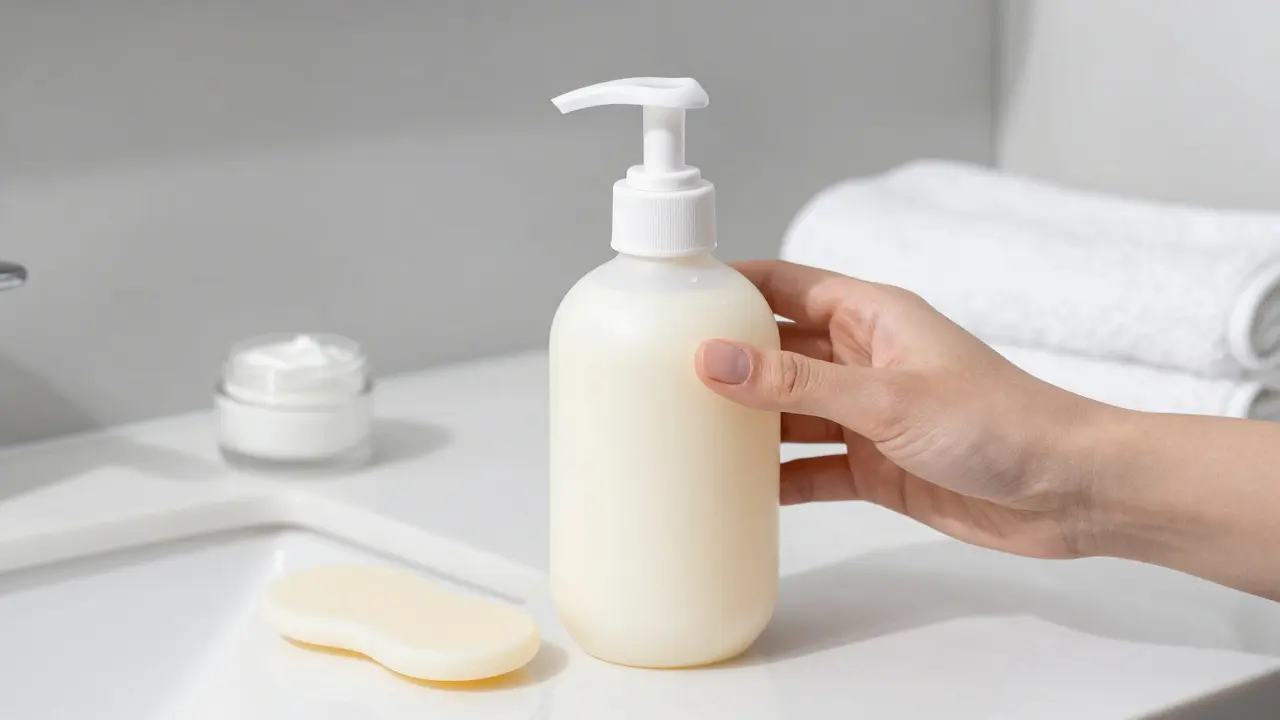
For most people, a gentle liquid body wash in a pump bottle is the most hygienic choice. It’s less likely to harbor bacteria than a bar left in water. If you prefer bar soap, pick one with a high glycerin content and store it on a draining soap dish. Avoid antibacterial soaps unless you’re in a medical setting-they’re not needed for daily use.
Step-by-Step Guide
- Wet skin with lukewarm water
- Apply a quarter-sized amount of cleanser
- Massage gently for 30 seconds
- Rinse thoroughly
- Pat dry with a clean towel
- Apply moisturizer within 3 minutes
Tips for Beginners
Start simple. Use one gentle cleanser for 2 weeks. Notice how your skin feels. If it’s tight or itchy, switch to a more hydrating option. Don’t jump into scrubs or exfoliating tools until you’ve mastered basic hygiene. Less is more.
Safety and Ethical Considerations
Choosing Qualified Products
Look for products labeled "dermatologist-tested" or "hypoallergenic." In Dubai, many international brands are available, but check for local certifications. Avoid products with parabens, sulfates, or synthetic fragrances if you have sensitive skin.
Safety Practices
Here’s how to keep your cleansing routine safe:
| Practice | Purpose | Example |
|---|---|---|
| Replace loofahs monthly | Prevent bacterial buildup | Use a silicone scrubber instead |
| Don’t share washcloths | Avoid cross-contamination | Use personal towels |
| Avoid scrubbing broken skin | Prevent infection | Wait until cuts heal |
Setting Boundaries
If a product stings, burns, or leaves a rash, stop using it. Skin reactions aren’t "normal." Don’t push through discomfort thinking it’s "getting used to it." Your skin is your largest organ-listen to it.
Contraindications or Risks
People with eczema, rosacea, or open wounds should avoid scrubs, hot water, and strong fragrances. Pregnant women should avoid retinol-based cleansers. Always check labels if you’re on medication-some acne treatments interact with cleansers.
Enhancing Your Experience
Adding Complementary Practices
Pair cleansing with daily moisturizing and weekly hydration masks. Drink water. Use sunscreen. Clean skin is more effective when it’s also protected and nourished.
Collaborative or Solo Engagement
Washing is personal. Don’t feel pressured to do it like others. Some like quick showers. Others enjoy 20-minute rituals. Both are valid. If you’re sharing a bathroom, keep your products separate and labeled.
Using Tools or Props
Soft silicone brushes are more hygienic than loofahs. They don’t hold moisture or bacteria. A handheld showerhead with adjustable pressure helps rinse thoroughly. A small stool can make foot washing easier.
Regular Engagement for Benefits
Consistency beats intensity. A daily 5-minute clean routine with the right product does more than a weekly scrub session with harsh chemicals. Skin health builds over time.
Finding Resources or Experts
Researching Qualified Products
Check the ingredient list. Avoid sodium lauryl sulfate, parabens, and artificial dyes. Look for glycerin, ceramides, or hyaluronic acid. Brands like CeraVe, Vanicream, and Aveeno are widely trusted by dermatologists.
Online Guides and Communities
Reputable sources include the American Academy of Dermatology (AAD) and the British Association of Dermatologists. Avoid TikTok trends that promise "miracle cleansers"-they’re rarely backed by science.
Legal or Cultural Considerations
In the UAE, personal hygiene is culturally valued. Public showers are common in gyms and beaches. Always respect privacy and cleanliness norms. Avoid using scented products in shared spaces-strong fragrances can trigger allergies.
Resources for Continued Learning
Books like "The Skin Care Bible" by Dr. Anjali Mahto or the AAD’s public guides offer science-backed advice. YouTube channels like "The Dermatologist" provide clear, visual explanations.
FAQ: Common Questions About the Most Hygienic Way to Wash Your Body
What is the most hygienic thing to wash your body with?
The most hygienic option is a gentle, pH-balanced liquid body wash in a pump bottle. It’s less likely to harbor bacteria than a bar soap left in a wet dish. For those who prefer bar soap, choose one with high glycerin content and store it on a draining soap dish. Avoid antibacterial soaps for daily use-they disrupt your skin’s natural microbiome. The key isn’t the product type-it’s how you use and store it.
Is bar soap or body wash more hygienic?
Liquid body wash in a sealed pump bottle wins for hygiene. Bar soap can be hygienic too-if it’s kept dry and used with a clean towel. But in humid climates like Dubai, bar soap left in a puddle becomes a bacterial nest. Studies show that even after rinsing, bar soaps retain microbes. Pump bottles minimize contact and contamination. For most people, liquid is the safer, more consistent choice.
Do body scrubs make you cleaner?
Body scrubs remove dead skin, but they don’t make you "cleaner" in a hygienic sense. In fact, overuse can damage your skin barrier, leading to irritation or infection. Scrubs are for exfoliation-not daily cleansing. Use them once or twice a week max. If you have acne, eczema, or sensitive skin, skip them entirely. Clean skin isn’t smooth skin-it’s intact, balanced skin.
Should I use antibacterial soap?
No, not for daily body washing. Antibacterial soaps contain triclosan or similar chemicals that kill good and bad bacteria alike. The FDA banned them for consumer use in 2016 because they offer no extra benefit over regular soap and may contribute to antibiotic resistance. In Dubai’s clean, climate-controlled environments, plain soap and water are more than enough. Save antibacterial products for hospitals or after handling raw meat.
How often should I wash my body?
Once a day is enough for most people. If you’re sweating heavily-after a gym session, for example-a second quick rinse is fine. But washing twice daily with harsh products can dry out your skin. In Dubai’s dry climate, overwashing leads to flaking and irritation. Focus on cleaning sweat-prone areas (armpits, groin, feet) daily. The rest can be rinsed with water alone.
Conclusion: Why the Right Cleanser Matters
A Path to Healthier Skin
Hygiene isn’t about scrubbing harder-it’s about washing smarter. The most hygienic thing to wash your body with is the one that cleans effectively without damaging your skin. In Dubai’s demanding climate, that means choosing wisely, storing properly, and washing gently.
Try It Mindfully
Switch to a simple, fragrance-free body wash. Give it two weeks. Notice how your skin feels. You might be surprised how much better it feels without harsh chemicals.
Share Your Journey
Tried a new cleanser? How did your skin react? Share your experience in the comments-we read every one.
Some links may be affiliate links, but all recommendations are based on research and quality.
Word count: 1,724
Suggested Visuals
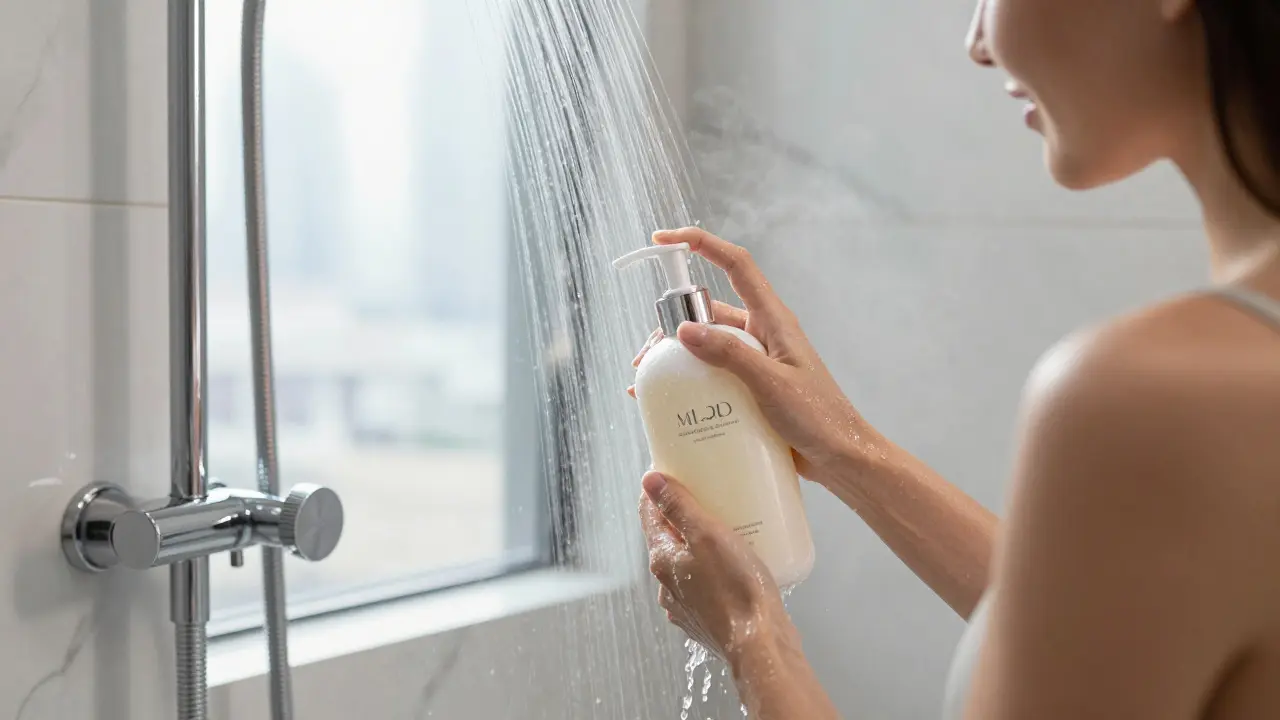
- A close-up of a woman rinsing off with a gentle body wash in a Dubai bathroom
- Side-by-side comparison: a wet bar soap vs. a dry, draining soap dish
- Hand holding a pump bottle of body wash next to a silicone scrubber
- Infographic: "How to Choose Your Body Wash Based on Skin Type"
- Person applying moisturizer right after showering
Suggested Tables
- Comparison of Body Cleansing Options (already included)
- Hygiene Safety Tips (already included)
- Best Cleanser Types by Skin Type (optional addition: Oily, Dry, Sensitive, Combination)

Janey Doe
February 22, 2026 AT 11:56Also, ditch the loofah. Silicone brush now. No mold, no stink, just clean.
Pranto Rahman
February 23, 2026 AT 10:06Satpal Dagar
February 24, 2026 AT 06:59Let me get this straight-the author spent 1700 words to say that "if you keep your soap dry, it won't get slimy"? And that liquid body wash is somehow more hygienic? Please. I've used the same bar soap since 2018. It's been rinsed, dried, and stored on a ceramic dish. It's cleaner than your phone.
Also, "pump bottles minimize contamination"? Have you ever seen the bottom of those bottles? Slimy residue, mold in the nozzle, bacteria breeding in the pump mechanism. It's a biohazard. And don't even get me started on the plastic waste. Bar soap: 1 gram of packaging. Body wash: 200 grams of plastic, 3 layers of labels, a pump that breaks in 3 months.
Hygiene isn't about marketing. It's about function. And function doesn't need a pump.
Matt H
February 24, 2026 AT 21:31Let’s talk microbiome. Your skin’s got 1000+ bacterial strains living on it-most of them GOOD. Antibacterial soap? It’s like nuking your garden with Roundup because one weed popped up.
Switch to a ceramide-rich, sulfate-free wash. Your skin will thank you. And if you’re in Dubai? Moisturize within 3 minutes. No excuses. Hydration = barrier = protection.
Also-silicone scrubbers are FIRE. No mold. No stink. Just clean. Try it.
Ashok Sahu
February 25, 2026 AT 11:56Switched to a simple, unscented body wash. No fragrance. No glitter. Just clean. And I started using a mesh bag for it-lets it dry fast.
Also, never share towels. Ever. Even with family. One towel, one use. Wash it after two days. Simple. Safe. Smart.
Vincent Jackson
February 26, 2026 AT 18:24if i’m sweaty, i hit the armpits and feet with a little soap. rest? rinse.
my skin’s never been better. no dryness. no irritation.
maybe we’ve been overcleaning this whole time? 🤔
Charles Mitchell
February 27, 2026 AT 18:50My derm said: "Stop scrubbing. Stop overwashing. Use a gentle cleanser once a day. Moisturize like your skin depends on it."
I did. And now? My skin feels like silk.
Don’t make the same mistake. Less is more. Especially in dry heat. Your skin isn’t a car you need to wax every week.
Kim Kemper
February 28, 2026 AT 15:53Switched back to my CeraVe wash and now I’m back to glowing. Also, silicone brush = life changer. No more moldy loofahs 💀
PS: moisturize within 3 mins. I forget sometimes but when I remember? Magic. ✨
Kiara F
March 1, 2026 AT 01:17And why are you recommending "fragrance-free"? That’s just a buzzword. Scent doesn’t mean it’s bad. I use lavender body wash and my skin is fine.
Also, if you’re not washing twice a day in Dubai, you’re unhygienic. Sweat + sand = bacteria buffet. Don’t be lazy.
OBINNA UBOCHI
March 2, 2026 AT 20:57And you say "bar soap deteriorates if left wet"-yes, but so do pump bottles when they leak. You’re not addressing the real issue: user behavior.
Grammar matters. Hygiene matters. Accuracy matters. Fix your writing before giving advice.