
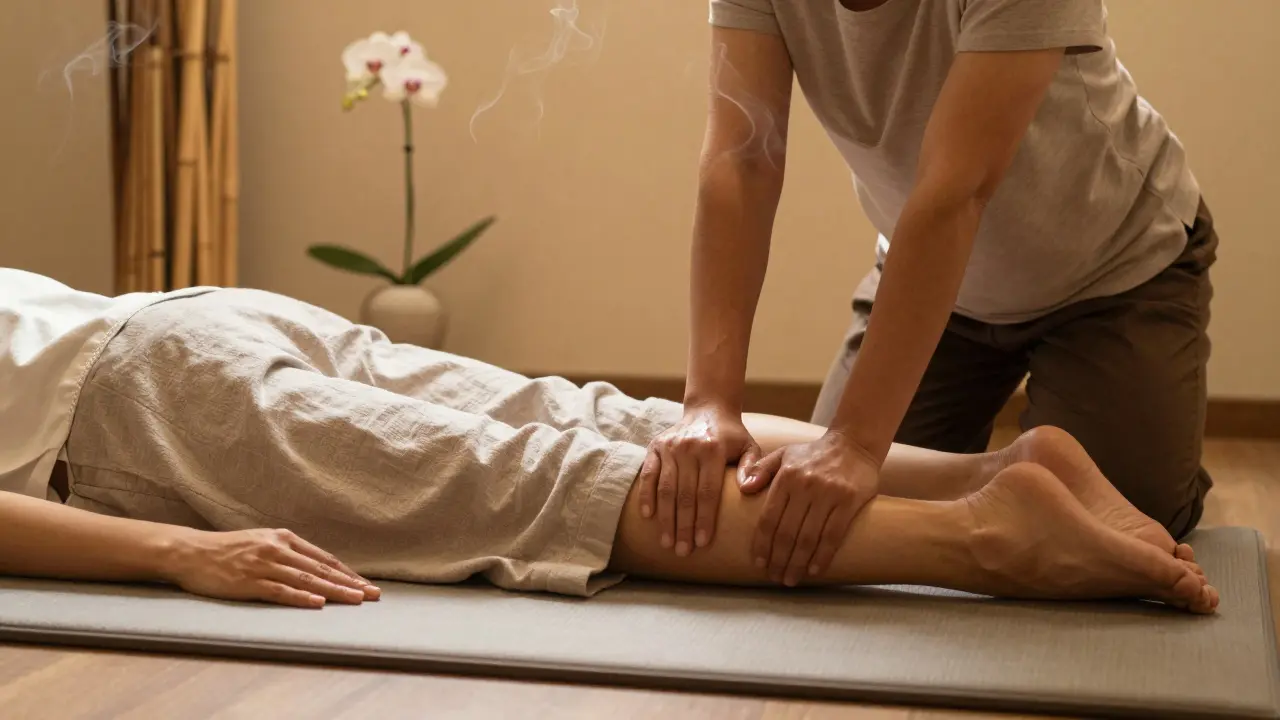
When you're planning a Thai massage in Dubai, one of the first questions that pops up isn’t about pressure points or essential oils-it’s what to wear. It’s a simple thing, but it can make or break your comfort level. You’ve heard the whispers: "Just wear underwear," or "They’ll cover you with towels," or worse-"Wear nothing." Let’s cut through the confusion. What you wear to a Thai massage isn’t about fashion. It’s about freedom. Mobility. Respect. And yes, a little cultural awareness.
Understanding the Basics of Thai Massage
Origins and History
Thai massage didn’t start in a luxury spa in Downtown Dubai. It began over 2,500 years ago in Thailand, rooted in ancient Buddhist healing traditions. It blends acupressure, yoga-like stretches, and assisted meditation. Monks developed it as a way to heal the body and mind, using their hands, elbows, knees, and feet to guide the recipient into deep relaxation. Unlike Swedish or deep tissue massage, Thai massage happens on a mat on the floor-not a table. You’re fully clothed. And that’s not an accident. It’s intentional.
Core Principles or Components
Thai massage works on energy lines called "sen"-similar to meridians in Traditional Chinese Medicine. The therapist applies pressure along these lines while guiding your body through stretches. It’s not just about muscle release. It’s about restoring balance in your body’s energy flow. That’s why clothing matters. Loose, breathable fabric lets the therapist move you without restriction. Tight jeans? They’ll get in the way. A bulky hoodie? It’ll trap heat and make you sweat. The goal is to feel like you’re floating, not stuck.
How It Differs from Related Practices
Think of Thai massage as yoga done to you. You don’t move-you relax while someone else stretches you. Compare that to Swedish massage, where you lie on a table, draped in towels, and the therapist works on isolated muscle groups. Or deep tissue, which focuses on knots and uses oil. Thai massage is dynamic. It’s active. And yes, you stay dressed.
| Practice | Attire | Setting | Primary Benefit |
|---|---|---|---|
| Thai Massage | Loose clothing (no oil) | Mat on floor | Flexibility + energy flow |
| Swedish Massage | Undressed (towel-draped) | Massage table | Relaxation + circulation |
| Deep Tissue | Undressed (towel-draped) | Massage table | Chronic tension release |
| Ayurvedic Massage | Loose clothing or draped | Table or mat | Detox + dosha balance |
Who Can Benefit from Thai Massage?
Anyone who sits at a desk all day, drives a car, or spends hours on their phone. If your shoulders feel like they’re climbing into your ears, or your hips are stiff from sitting too long, Thai massage is a game-changer. It’s especially popular in Dubai among expats, athletes, and busy professionals who need more than a quick rubdown. It’s not just relaxation-it’s structural repair. You’ll feel taller afterward. Your spine will thank you.
What to Wear to a Thai Massage in Dubai
What’s Expected: The Golden Rules
Here’s the truth: you wear loose, comfortable clothing. No exceptions. No exceptions. No exceptions. (Yes, we’re serious.) Most spas in Dubai-whether in the Mall of the Emirates or a quiet villa in Jumeirah-will provide you with a set of cotton pants and a top. But if you’re bringing your own, here’s what works:
- Soft, stretchy pants-like yoga pants or drawstring cotton trousers. Avoid denim, leggings with seams, or anything tight around the hips.
- A loose-fitting top-a tank top or short-sleeve cotton tee. No bras with underwire. They’ll dig into your back during stretches.
- No socks-feet need to grip the mat. Barefoot is standard.
- No jewelry-rings, watches, necklaces. They’ll get in the way. And yes, your therapist will ask you to remove them.
What NOT to Wear
Let’s be blunt. Here’s what you should leave at home:
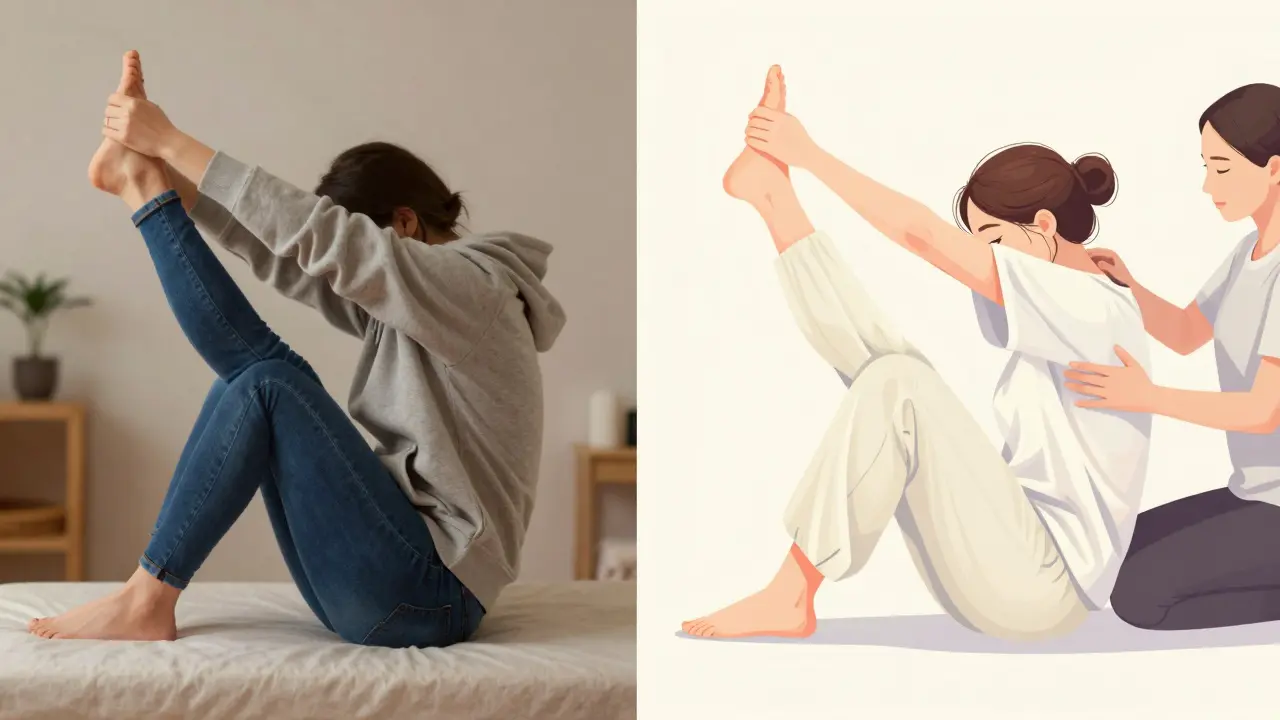
- Jeans-rigid, heavy, and impossible to stretch in. Your therapist will sigh.
- Leggings-even if they’re "yoga" leggings, the seams and tight fit can restrict movement and cause discomfort.
- High heels or flip-flops-you’ll be barefoot on the mat. Bring slippers if you want, but you’ll take them off.
- Shirts with buttons or zippers-they’ll press into your skin during poses. Simple is best.
- Undergarments with metal-bras with underwire or steel clasps can cause pressure points. A soft, wire-free sports bra is okay, but many women opt for just a top.
What About Modesty? Cultural Sensitivity in Dubai
Dubai is cosmopolitan, but it’s also deeply respectful of cultural norms. Thai massage therapists are trained professionals who’ve worked with clients from all over the world. They’re not judging your clothing choices-they’re focused on your mobility. That said, most women in Dubai choose to wear a loose t-shirt and long, stretchy pants. Men often wear shorts and a tank top. There’s no pressure to be bare. The therapist will use draping techniques to keep you covered at all times. You’ll never feel exposed.
Pro Tip: Bring a Change of Clothes
Thai massage can leave you sweaty. Not from heat, but from release. Your body is moving in ways it hasn’t in months. Afterward, you might feel a little sticky. Bring a light, breathable change of clothes. A cotton tee and shorts are perfect. Most spas have changing rooms, but not always showers. If you’re going straight to work or a meeting, plan ahead.
Benefits of Thai Massage for Your Body and Mind
Stress Reduction
Think of Thai massage as a reset button for your nervous system. The rhythmic pressure and stretching trigger your parasympathetic response-the "rest and digest" mode. Your heart rate slows. Your breathing deepens. Stress hormones like cortisol drop. In Dubai, where life moves fast, this isn’t a luxury-it’s a necessity.
Enhanced Flexibility and Mobility
You don’t need to be flexible to try Thai massage. In fact, if you’re stiff, it’s even more helpful. The therapist uses your body’s natural movement to gently open joints and lengthen muscles. After one session, you might notice you can turn your head more easily in the car. Or bend down to tie your shoes without groaning.
Emotional Well-Being
There’s a reason people cry during Thai massage. It’s not just physical. It’s emotional. Holding tension in your body often means holding onto stress, grief, or anxiety. The deep stretches and pressure can unlock stored emotions. Many clients report feeling lighter, calmer, even tearfully relieved after a session.
Practical Applications
Imagine this: You’ve been sitting in meetings all day. Your back is screaming. You go for a Thai massage. Two hours later, you’re walking out with better posture, less neck pain, and a clearer head. You sleep better that night. You’re more focused the next morning. That’s not magic. That’s biomechanics. Thai massage helps your body return to its natural alignment.
| Benefit | Description | Impact |
|---|---|---|
| Improved Posture | Releases tension in spine and shoulders | Reduces headaches and neck strain |
| Reduced Muscle Stiffness | Stretches connective tissue and fascia | Increases range of motion |
| Enhanced Circulation | Pressure improves blood and lymph flow | Faster recovery from workouts |
| Lower Stress Levels | Activates parasympathetic nervous system | Improves sleep and focus |
What to Expect When Engaging with Thai Massage
Setting or Context
In Dubai, Thai massage studios range from high-end spa resorts to quiet, minimalist rooms tucked away in residential areas. The setting is always calm-low lighting, soft music, maybe a hint of lemongrass or sandalwood. You’ll be led to a padded mat on the floor. No table. No oil. Just you, the therapist, and a quiet space.
Key Processes or Steps
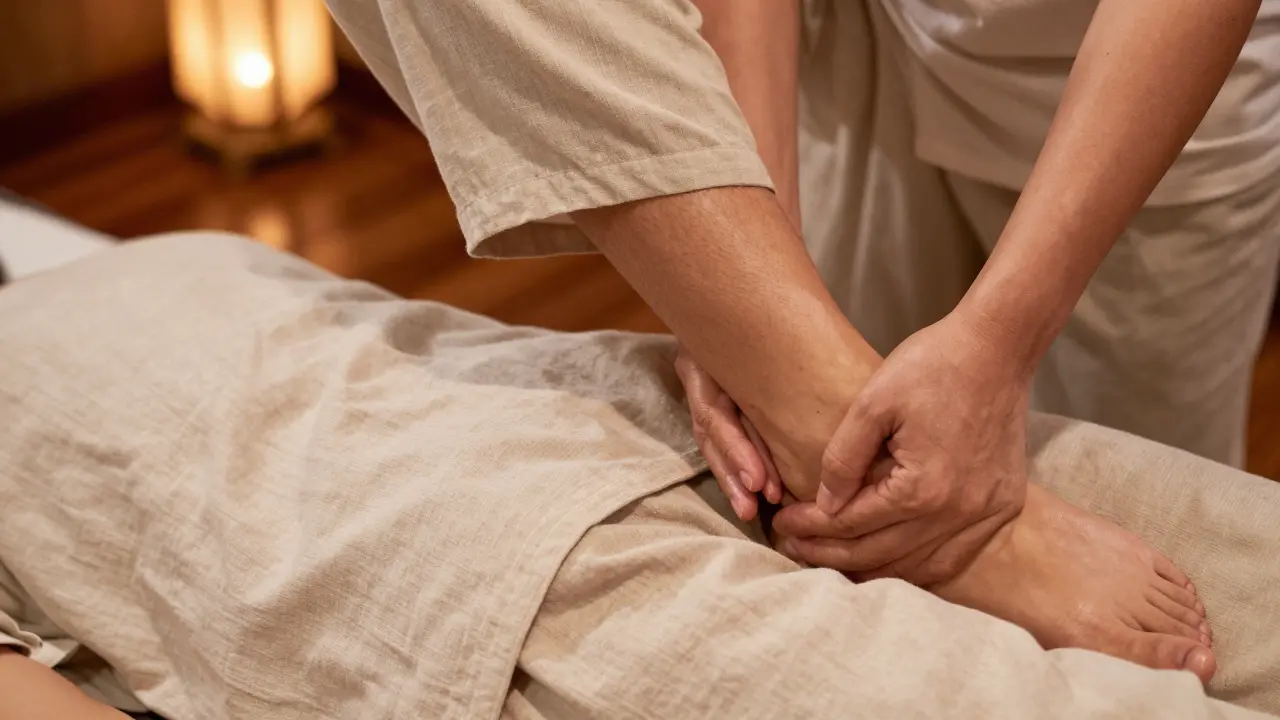
A typical session lasts 60-90 minutes. It starts with a brief chat-where you’re tense, any injuries, preferences. Then, you lie on your back. The therapist begins with gentle pressure along your legs, moving up to your back, arms, and head. You’ll be guided into stretches-knees to chest, arm circles, leg lifts-all done with your clothes on. You won’t be asked to do anything. Just breathe. Let go.
Customization Options
Good therapists adjust pressure based on your comfort. If you’re sensitive, say so. If you want deeper work on your hips, ask. Some spas offer add-ons-like hot herbal compresses or aromatherapy-but the core technique stays the same. Don’t be afraid to speak up. This is your body.
Communication and Preparation
Before your session, drink water. Avoid heavy meals. Arrive 10 minutes early. Tell your therapist if you’re pregnant, have a recent injury, or are on medication. No judgment. Just honesty. The more they know, the better they can help you.
How to Prepare for Your Thai Massage
Setting Up for Success
Don’t rush. If you’re coming from work, give yourself 30 minutes to decompress before your appointment. Leave your phone in your locker. Turn off notifications. This isn’t just a massage-it’s a ritual.
Choosing the Right Practitioners
In Dubai, look for spas that train their therapists in Thailand. Ask if they’re certified by the Thai Traditional Medicine Society or have studied at Wat Po in Bangkok. Reputable places display credentials. If they can’t tell you where their therapist trained, keep looking.
Step-by-Step Guide
- Book your session in advance-popular spots fill up fast.
- Wear loose, cotton clothing. No tight fabrics.
- Arrive 10 minutes early. Hydrate.
- Communicate your needs: pressure, areas of tension, injuries.
- Relax. Breathe. Let your body be guided.
- Afterward, drink water. Avoid caffeine or alcohol for a few hours.
Tips for Beginners
First-timers often feel awkward. "What if I can’t stretch?" "What if I fall asleep?" Don’t worry. You’ll be moved gently. If you do fall asleep, that’s a win. Your body is healing. Many people say their first session felt like a workout. The second felt like a vacation. The third? Like coming home.
Safety and Ethical Considerations
Choosing Qualified Practitioners
Not all "Thai massages" are authentic. Some places mix Thai with Swedish and call it "Thai." Ask about training. Look for therapists who’ve studied in Thailand. In Dubai, spas like Wat Po Thai Massage a reputable spa chain with therapists trained in Bangkok are known for authenticity. Check reviews. Ask for credentials. Trust matters.
Safety Practices
| Practice | Purpose | Example |
|---|---|---|
| Hygiene | Prevent infection | Therapist washes hands and uses clean mats |
| Consent | Respect boundaries | Therapist asks before each stretch |
| Temperature Control | Comfort | Room kept at 22-24°C (72-75°F) |
Setting Boundaries
You own your body. If a stretch hurts, say "stop." If you’re uncomfortable with a position, say so. A good therapist will pause, adjust, or skip it. There’s no "push through the pain" in Thai massage. It’s about ease, not effort.
Contraindications or Risks
Thai massage isn’t for everyone. Avoid it if you have:
- Recent surgery or fractures
- Severe osteoporosis
- Deep vein thrombosis
- Uncontrolled high blood pressure
- Pregnancy (unless with a prenatal-certified therapist)
Always consult your doctor if you’re unsure.
Enhancing Your Experience
Adding Complementary Practices
Pair Thai massage with mindfulness. Breathe deeply during the session. Afterward, sit quietly for 5 minutes. No phone. Just stillness. It doubles the effect. Some people add yoga, meditation, or even a quiet walk afterward.
Collaborative or Solo Engagement
Thai massage is deeply personal. Most people prefer to go alone. But if you and your partner want to unwind together, some spas offer side-by-side sessions. It’s peaceful. Not romantic. Just quiet, shared calm.
Using Tools or Props
After your session, a foam roller or yoga block can help maintain the release. But don’t rush. Let your body settle first. Tools help, but they’re not the point.
Regular Engagement for Benefits
One session feels amazing. Two sessions a month? That’s when you start noticing real change. Your posture improves. Your sleep deepens. Your stress melts. Think of it like brushing your teeth-except for your whole body.
Finding Resources or Experts for Thai Massage in Dubai
Researching Qualified Practitioners
Look for spas that mention "traditional Thai massage" and "Wat Po training" on their website. Avoid places that say "Thai-style" without details. Read reviews. Look for mentions of "authentic," "therapist trained in Thailand," or "no oil used."
Online Guides and Communities
Join Facebook groups like "Thai Massage Enthusiasts Dubai" or follow Instagram accounts like @thaimassagedubai. Real clients share tips, photos, and honest reviews.
Legal or Cultural Considerations
Dubai has strict wellness regulations. Licensed spas follow hygiene codes. Always choose a registered business. Unlicensed home services may seem cheaper-but they’re not safe.
Resources for Continued Learning
Books like "The Art of Thai Massage" by Somchai Thongthai offer insight into the philosophy behind the practice. YouTube channels like "Thai Massage Basics" show simple stretches you can do at home.
FAQ: Common Questions About Thai Massage in Dubai
What should I wear to a Thai massage in Dubai?
Wear loose, comfortable clothing like cotton pants and a tank top or short-sleeve tee. Avoid jeans, leggings, or tight fabrics. Most spas provide clothing, but bringing your own ensures comfort. No jewelry, no underwire bras, and definitely no shoes on the mat. You’ll be barefoot.
Do I need to be naked during a Thai massage?
No. Unlike Swedish or deep tissue massage, Thai massage is done fully clothed. You’ll be covered with light drapes during stretches, but your clothes stay on. This is intentional-it allows movement, preserves modesty, and aligns with traditional Thai healing practices. You’ll never be exposed.
How is Thai massage different from a regular massage?
Regular massages (like Swedish) use oil and focus on muscles while you lie still on a table. Thai massage is done on a mat, without oil, with you fully clothed. The therapist uses their body to guide you into stretches-like yoga, but done to you. It’s more dynamic, more active, and leaves you feeling lengthened, not just relaxed.
Is Thai massage painful?
It can be intense, but it shouldn’t hurt. You might feel a deep stretch or pressure, especially in tight areas like your hips or shoulders. But if it’s sharp, burning, or unbearable, speak up. A good therapist will adjust. Pain isn’t progress here-comfort is.
Can I get a Thai massage if I’m pregnant?
Yes-but only with a therapist trained in prenatal Thai massage. Standard Thai massage uses deep pressure and stretches that aren’t safe during pregnancy. Look for specialists who use modified techniques and avoid abdominal pressure. Always consult your doctor first.
Conclusion: Why Thai Massage is Worth Exploring
A Path to Better Movement
Thai massage isn’t just another spa treatment. It’s a way to reconnect with your body’s natural rhythm. In Dubai’s fast-paced world, it’s one of the few practices that asks you to slow down-and then helps you move better.
Try It Mindfully
Don’t go in expecting a spa day. Go in expecting a reset. Wear the right clothes. Communicate clearly. Breathe. Let yourself be guided. It’s not about perfection. It’s about presence.
Share Your Journey
Tried Thai massage in Dubai? Share your experience in the comments-what you wore, how you felt afterward, whether you’d go back. Follow this blog for more wellness tips tailored to life in the UAE.
Some links may be affiliate links, but all recommendations are based on research and quality.
Word count: 1,728
Suggested Visuals
- A serene Thai massage session on a mat in a Dubai spa, with soft lighting and a client in loose cotton clothing
- Close-up of hands applying pressure along a leg during a Thai massage
- Side-by-side comparison: a person in jeans vs. someone in loose pants during a stretch
- Therapist using their foot to gently stretch a client’s back (with proper draping)
- A post-massage client smiling, drinking water, and stretching slowly in a spa changing room
Suggested Tables
- Comparison of Massage Types (already included)
- Key Benefits of Thai Massage (already included)
- Safety Tips for Thai Massage (already included)
Darshan R
March 5, 2026 AT 12:10Just had my first Thai massage in Dubai last week 🙌 Wore my favorite cotton joggers and a loose tank-no underwire, no socks, no regrets. Felt like my spine finally remembered how to breathe. The therapist didn’t touch me once without asking. Just pure respect. If you’re nervous, just show up as you are. You’ll be fine. 🌿
Leanne McNally
March 7, 2026 AT 07:10So let me get this straight… you’re telling me I don’t have to strip down like a spa zombie to get my back un-kinked? 😍 I thought Thai massage was just Swedish with extra steps. Turns out it’s yoga for people who hate yoga. Also, no jewelry? My ring’s been on my finger since 2017. I’m not letting go. 🤷♀️
Tony Giny
March 7, 2026 AT 08:12Loose clothes. Bare feet. No oil. That’s it.
rohit patel
March 8, 2026 AT 09:54Ugh I tried this once. The therapist kept pulling my leg like I was a ragdoll. Felt like a human pretzel. Also, why are these places always so cold? I froze. And don’t even get me started on the ‘energy lines’ thing. That’s just new age nonsense. I’d rather just get a good ol’ deep tissue.
martha urquizu
March 10, 2026 AT 01:47While I appreciate the cultural context, I must emphasize: the normalization of full-body manipulation by strangers-even clothed-is a slippery slope. In Dubai, where conservative norms still exist, this practice risks blurring boundaries under the guise of ‘wellness.’ Are there safeguards? Who certifies these therapists? What happens if someone misinterprets ‘stretching’ as inappropriate contact? This isn’t healing-it’s a vulnerability exploit wrapped in incense.
william de simone
March 11, 2026 AT 05:17Wore shorts and a tee. Felt amazing. No oil. No pressure to undress. Just movement. The mat on the floor made all the difference. You don’t lie still-you flow. It’s not a massage. It’s a reset.
Christopher DeReinzi
March 11, 2026 AT 07:22You say ‘no underwire’ like it’s gospel. But what about the 30% of women who need support? You’re not helping, you’re gaslighting. And ‘loose pants’? That’s not a guideline-that’s a suggestion for people who don’t have hips. I wore compression leggings. My therapist didn’t care. Neither should you. Also, ‘no socks’? My feet are sweaty. I wore socks. Got a side-eye. So much for ‘no judgment.’
CIaran Vaudequin
March 12, 2026 AT 16:09Interesting how this article frames Thai massage as ‘authentic’ while ignoring the fact that most Dubai spas are run by expat Thai therapists who trained in Bangkok-but are now working 60-hour weeks for $12/hour. The ‘cultural awareness’ here is just marketing. The real story? Capitalism repackaging ancient healing as a luxury service for expats who want to feel enlightened without leaving their air-conditioned bubble.
Fernando M
March 14, 2026 AT 14:02So you’re telling me I can’t wear my ‘I ❤️ Dubai’ tank top? The one with the glitter? C’mon. That’s my power outfit. Also, why is everyone so scared of a little skin? You think the therapist cares if you’re in yoga pants or a tux? Nah. They care if you’re breathing. Chill out.
adam chance
March 16, 2026 AT 08:55Let me tell you something-this isn’t just about clothing. This is about *vibration*. Thai massage works because it aligns your chakras with the earth’s energy field. You think it’s coincidence that you feel taller afterward? No. It’s because your root chakra finally stopped screaming. I’ve done this in Bangkok, Bali, and now Dubai. The energy is the same. But here’s the kicker: if you wear synthetic fabrics, you block the flow. Cotton is sacred. Silk is sacred. Denim? That’s a spiritual crime. I cried after my first session. Not because it hurt. Because my soul remembered how to stretch. You need this. Not because it’s trendy. Because you’re not alive until you’ve been stretched by a Thai master on a bamboo mat at 3 a.m. with jasmine in the air. Go. Now. Bring your own cotton. And your courage.