
You might have heard claims that a simple foot massage is a powerful way to flush toxins out of your body. While the idea sounds appealing, the reality involves a bit more complexity regarding how our physiology works. Many people seek out reflexology treatments hoping to reset their health, believing pressure points trigger deep cleansing. The truth is nuanced, blending traditional beliefs with modern medical understanding.
The Science Behind Toxin Removal
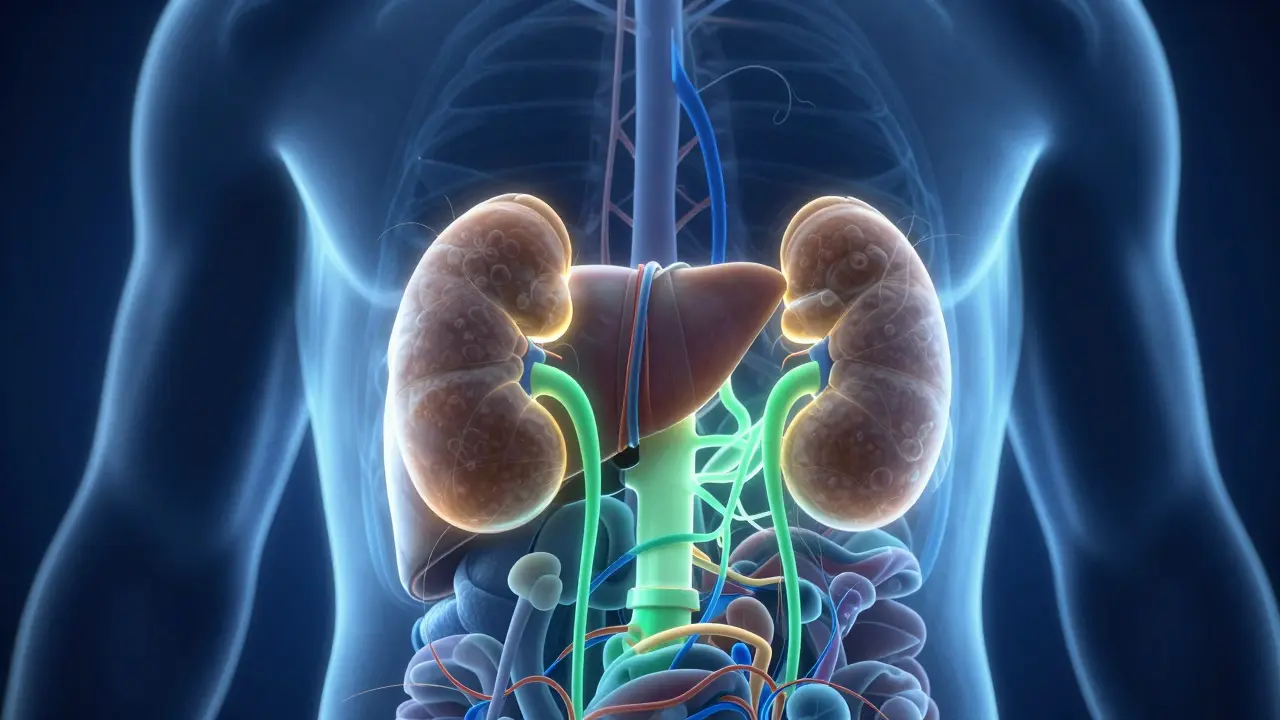
To understand if a foot massage releases toxins, we must define what those toxins are and how the body handles them naturally. Detoxification processes primarily occur in the liver and kidneys, which filter blood and remove waste products through urine and bile. These organs work continuously without external assistance from hand movements on the feet.
Reflexology operates on the premise that specific zones on the feet correspond to organs and systems elsewhere in the body. Traditional practitioners suggest stimulating these zones improves function. However, scientific consensus indicates that massage influences the nervous system rather than chemical filtration directly. Think of your circulatory system like a river; massage helps move the water, but it does not magically purify the source.
| Function | Role of Feet | Primary Organ |
|---|---|---|
| Filtration | No direct role | Kidney |
| Movement | Pumps fluid | Heart |
| Waste Processing | None | Liver |
Understanding Reflexology Principles
Many individuals confuse standard rubbing with therapeutic techniques. Acupressure is an ancient healing art based on Chinese medicine theory involving energy pathways called meridians. When applied to the feet, this becomes reflexology. The goal is balance rather than chemical extraction. Research often highlights its impact on the autonomic nervous system, helping shift the body from 'fight or flight' to 'rest and digest' mode.
This distinction matters significantly for expectations. If you book a session expecting a biological cleanse, you might feel let down. However, if you view it as a tool for relaxation, the experience changes completely. The reduction in stress levels can indirectly support the immune system, allowing the liver and kidneys to perform their natural jobs more efficiently. Lower cortisol levels mean less strain on metabolic processes, creating a healthier environment for recovery.
Tangible Benefits of Foot Therapy
Even if toxin removal isn't literal, other advantages are well-documented. Improved circulation is one immediate outcome. Mechanical pressure helps move stagnant fluid back toward the heart, reducing swelling in the lower extremities. For someone standing all day at work, this physical drainage offers real comfort similar to taking off tight shoes.
Stress reduction is perhaps the most universally felt benefit. Cortisol levels are often lowered during gentle touch therapy. High stress inhibits digestion and sleep, so lowering tension creates space for the body to heal itself. Additionally, many users report better sleep patterns after regular sessions. Deep rest is when cellular repair happens, which is arguably more important than any mythical flushing effect.
There is also the psychological component. Touch releases oxytocin, a hormone linked to bonding and calmness. This neurochemical reaction contributes to mood stabilization. Imagine carrying heavy weights on your mind; lightening that burden allows mental clarity to return. Regular sessions can become a scheduled pause button in a chaotic schedule, signaling safety to the brain.

Safety Precautions and Considerations
While generally safe, certain conditions require caution. Individuals with diabetes often have reduced sensation in their feet, making them vulnerable to injury during vigorous massage. Venous thrombosis or deep vein clot issues mean manipulating the legs could dislodge clots, leading to dangerous complications. Always disclose medical history to a practitioner before beginning.
Pregnant women sometimes seek foot therapy for swelling relief. Certain pressure points are believed to stimulate uterine contractions in Traditional Chinese Medicine. While Western studies debate this, it is prudent to consult a healthcare provider before receiving intensive treatments during pregnancy. Hygiene is another layer of safety; ensuring a therapist uses clean tools prevents fungal or bacterial infections from entering open skin cracks.
| Condition | Risk Factor | Recommendation |
|---|---|---|
| Diabetes | Low sensation | Check skin integrity |
| Clots | Blood flow | Avoid leg manipulation |
| Infection | Open wounds | Skip until healed |
Practical Steps for Home Care
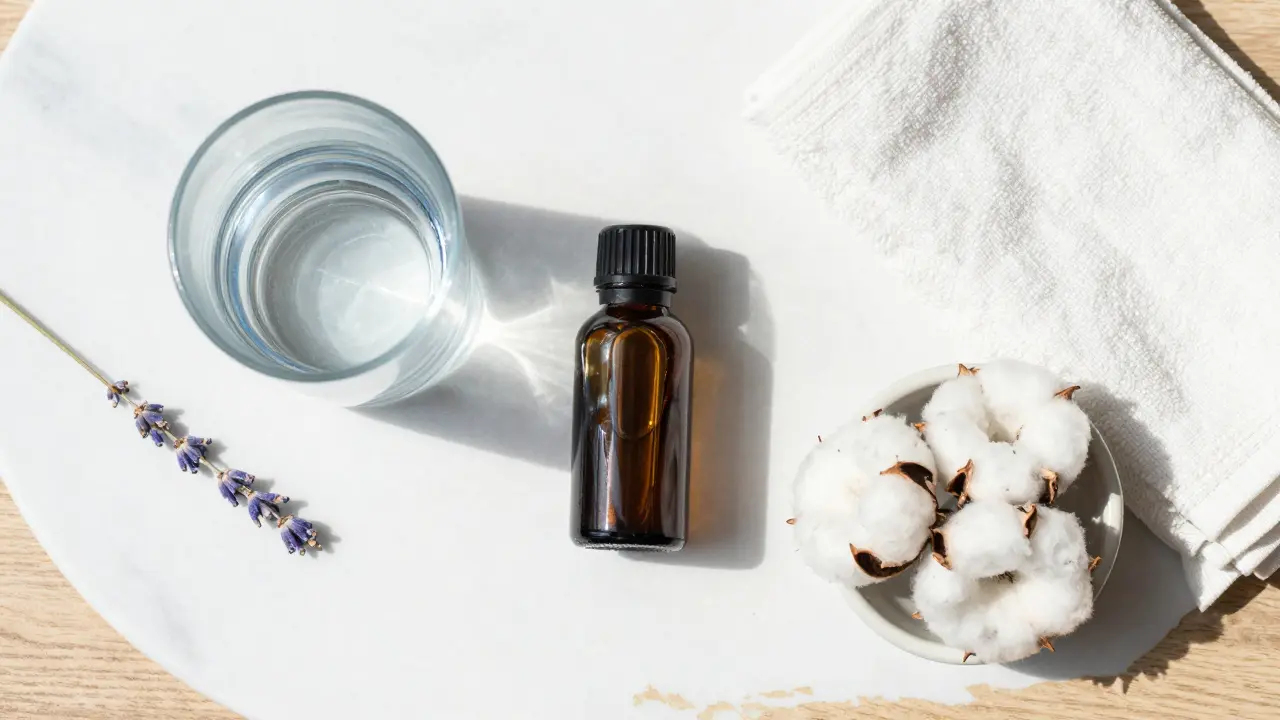
You do not need a professional appointment to enjoy the relaxing aspects. Start by warming your hands and using a lotion containing soothing ingredients like lavender or peppermint oil. Place your feet flat on a stable surface to prevent rolling. Apply firm but comfortable pressure using thumbs or knuckles along the arch.
Create a routine where you dedicate ten minutes nightly to this self-care ritual. Pair it with hydration; drinking water supports the kidney function that actual detox relies upon. This combination ensures you get the relaxation benefits while supporting the physiological work happening internally. Remember that consistency builds results over time rather than seeking instant miracles from a single session.
Expert Recommendations for Better Outcomes
If seeking professional help, verify credentials. Look for certifications from recognized bodies governing manual therapies. Ask about their training regarding anatomy and safety protocols rather than focusing solely on mystical claims. A trustworthy practitioner prioritizes communication and consent, explaining exactly what they will do and asking for feedback on pressure levels throughout the process.
Integrating other wellness habits maximizes the value. Combining foot care with adequate sleep, balanced nutrition, and moderate exercise supports the body's natural clearance mechanisms. Treat massage as part of a holistic strategy rather than a standalone cure-all. When combined with healthy lifestyle choices, the cumulative effect on overall wellbeing can be profound.
Exploring Frequently Asked Questions
Does foot massage actually remove toxins?
Scientific evidence shows that detoxification is managed by the liver and kidneys, not directly by foot massage. While massage improves circulation and reduces stress, it does not chemically pull waste products out through the skin. Think of it as supporting the system rather than replacing it.
How often should I get a foot treatment?
Frequency depends on individual needs. Some find weekly sessions helpful for chronic stress or pain, while others benefit from monthly maintenance. Listen to your body; if you notice lasting tension relief extending days into the week, you have found a sustainable rhythm.
Is it safe for everyone to receive foot therapy?
Most people can enjoy safe treatments, but caution is required for conditions like diabetes, venous disease, or pregnancy. Always inform your therapist about underlying health issues so they can adjust techniques accordingly to prevent harm or discomfort.
What is the difference between reflexology and a standard massage?
A standard massage focuses on muscle relaxation and circulation broadly. Reflexology targets specific pressure points mapped to organ systems, aiming for systemic balance. Both are relaxing, but reflexology follows a more structured theoretical framework based on energy lines.
Can I practice this technique at home safely?
Yes, self-massage is a safe option for most people. Use oils to reduce friction and apply gentle pressure. Avoid aggressive kneading on sensitive areas. Focus on feeling relaxed rather than trying to force a deep tissue breakdown yourself without training.
Moving Forward With Confidence
Deciding whether to invest time in foot care comes down to valuing relaxation and comfort. While the marketing hype about magic detox cures might not hold up under scrutiny, the stress-reducing and comforting effects are very real. Prioritizing self-care through methods like massage helps maintain mental clarity and physical ease in busy lives.
Consider trying a session to see how it makes you feel personally. Your own experience will tell you more than general claims ever could. Whether it provides deep rest or simply a moment of peace, finding joy in small rituals is part of a healthy lifestyle. Share your thoughts on wellness practices with friends or leave a comment below to join the conversation about staying balanced.


Emily S Hurricane
March 28, 2026 AT 17:02The liver handles filtration exclusively while kidneys manage excretion processes.
lindsay chipman
March 29, 2026 AT 13:51The assertion that manual manipulation facilitates metabolic clearance is biologically unfounded.
Hepatic function relies on enzymatic pathways not accessible through dermal pressure points.
Renal clearance rates remain unaffected by cutaneous stimulation regardless of intensity.
Proponents often conflate lymphatic drainage with toxicological elimination.
Lymph transport requires hydrostatic pressure generated by muscle pump mechanisms rather than external friction.
Cortisol reduction during relaxation therapy is a secondary effect of parasympathetic activation.
This state does not equate to biochemical purging of xenobiotics from systemic circulation.
Claims regarding energy meridians lack reproducible data in controlled clinical settings.
Placebo responses frequently mimic subjective feelings of cleanliness without objective markers.
Blood urea nitrogen levels do not shift following standard reflexology protocols.
Creatinine clearance remains the gold standard for assessing renal sufficiency objectively.
Urinalysis would reveal no significant changes in toxin burden after treatment sessions.
Marketing narratives capitalize on consumer anxiety surrounding environmental exposure risks.
Skepticism toward these wellness trends prevents unnecessary expenditure on ineffective therapies.
Medical literature prioritizes evidence-based interventions over anecdotal traditional practices.
Understanding anatomical reality protects patients from pseudoscientific misinformation effectively.
Roberto Lopez
March 29, 2026 AT 16:08You probably spend too much time sitting down considering the swelling description earlier.
Your diet clearly lacks hydration needed for kidney flushing anyway.
Gopal Ram
March 31, 2026 AT 05:14its sad u rely on myth instead of science 😔 u r missing the real point of healing
i read teh article carefully and its full of good info about liver funtions 🤓
people shud stop selling poison cures to unsuspecting victims 🛑
Mitchel Geisel
March 31, 2026 AT 11:23While the sentiment is understandable, orthographic precision aids clarity significantly.
Perhaps consider utilizing apostrophes where contractions appear necessary.
Sarcasm aside, the distinction between medical fact and wishful thinking remains vital.
Praveen Lingareddy
April 1, 2026 AT 16:45This situation represents a catastrophic failure of modern wellness marketing ethics completely.
We witness daily disasters when individuals ignore biological truths for fleeting comfort.
The deception inherent in such practices undermines public trust in legitimate therapy.
Someone must address this before further harm occurs due to misplaced hope.
My outrage stems from genuine concern for vulnerable populations seeking relief.
True health cannot be purchased through pressure points alone unfortunately.
We demand accountability from influencers promoting these unverified claims aggressively.
The stakes involve patient safety above all else in this context always.
I refuse to remain silent regarding such dangerous misinformation spreading widely.
Actionable change begins with education rather than passive acceptance of myths.