
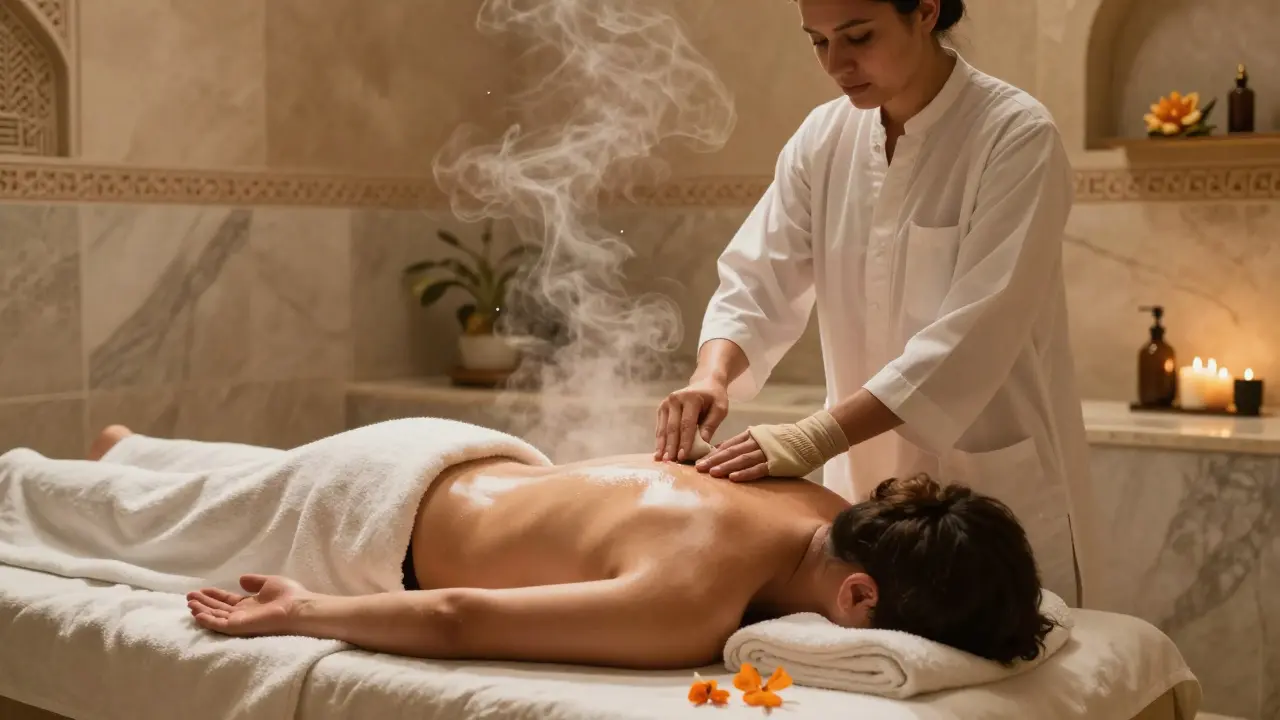
Do I have to shave before a Moroccan bath? This is one of the most common questions people ask before booking a Moroccan bath experience in Dubai - and for good reason. You’ve seen photos of steamy, marble-lined rooms, silky exfoliation, and soothing black soap massages. But now you’re wondering: Do I need to get rid of all my body hair first? The short answer? No, you don’t. But there’s more to it than a simple yes or no.
Understanding the Basics of Moroccan Bath
Origins and History
The Moroccan bath, or hammam, traces its roots back over a thousand years to North Africa, blending Roman bath traditions with Islamic hygiene practices. It wasn’t just about cleanliness - it was a social ritual, a weekly reset for body and soul. In Morocco, families would go together, scrubbing each other’s backs, sharing stories, and relaxing in the heat. Today, in Dubai, this tradition has been refined into a luxury wellness experience, but the core remains the same: deep cleansing, exfoliation, and relaxation.
Core Principles or Components
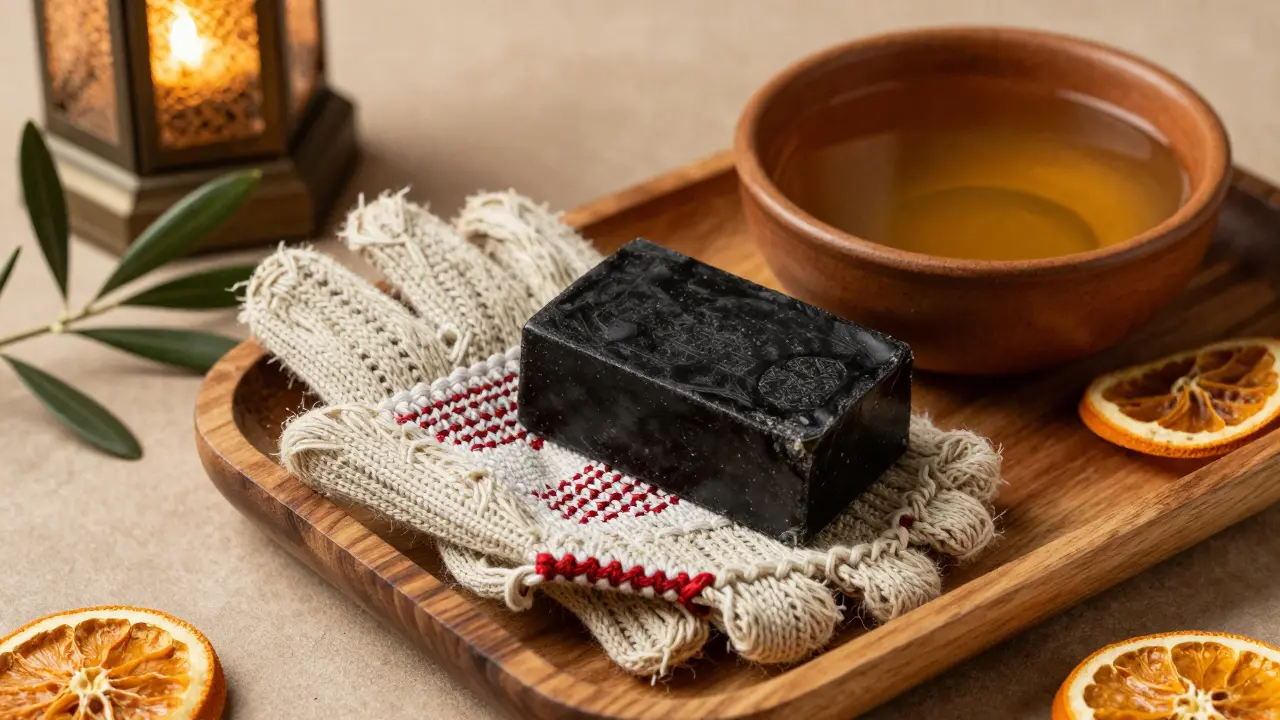
A traditional Moroccan bath has three key stages: steam, scrub, and rinse. First, you relax in a hot, humid room to open your pores. Then, a trained attendant (often called a ghassal) uses a traditional black soap made from olive paste and eucalyptus, followed by a vigorous exfoliation with a kessa glove - a rough, woven glove that removes dead skin. Finally, you’re rinsed with warm water, sometimes followed by a cool pour to close your pores. The result? Skin so smooth it feels like silk.
How It Differs from Related Practices
Many people confuse the Moroccan bath with saunas, Turkish baths, or even laser hair removal. But they’re not the same.
| Practice | Key Feature | Primary Benefit |
|---|---|---|
| Moroccan Bath | Exfoliation with kessa glove + black soap | Deep skin renewal |
| Turkish Bath | Longer steam, less scrubbing | Relaxation and detox |
| Spa Waxing | Removes hair at root | Smooth skin for days |
| Sauna | Dry heat, no scrubbing | Sweating out toxins |
Who Can Benefit from Moroccan Bath?
Almost everyone. Whether you’re a busy professional, a new mom, someone with dry skin, or just looking to unwind, the Moroccan bath helps. It’s especially popular in Dubai because of the heat and dust - your skin gets clogged fast. The exfoliation clears out impurities that regular showers can’t touch. You don’t need to be fit, young, or hair-free to benefit. The process works on all skin types and body hair levels.
Benefits of Moroccan Bath for Skin and Well-Being
Deep Skin Renewal
Your skin renews itself every 28 days, but in Dubai’s dry, air-conditioned environment, dead cells pile up. The Moroccan bath strips them away in minutes. This isn’t just about looking smooth - it helps your skin absorb moisturizers better, reduces ingrown hairs, and even minimizes the appearance of cellulite over time. Regular users often say their skin feels younger, brighter, and more responsive to lotions.
Stress Reduction
The heat, the quiet, the rhythmic scrubbing - it all triggers a parasympathetic response. Your heart rate slows. Your breathing deepens. Your mind lets go. Many people leave feeling like they’ve had a mini-vacation from reality. In a city that never sleeps, this is more than a luxury - it’s a necessity.
Improved Circulation
The heat dilates blood vessels, and the scrubbing stimulates circulation. This helps deliver oxygen and nutrients to your skin, speeds up healing, and even reduces muscle stiffness. Athletes and desk workers alike report feeling looser and more energized after a session.
Emotional Well-Being
There’s something deeply calming about being cared for in this way. In many cultures, the hammam is a space for healing - not just physically, but emotionally. It’s rare to be touched gently and respectfully in our daily lives. The Moroccan bath offers that. Many clients say it’s the one hour a week they truly feel like they’re being nurtured.
| Benefit | Description | Impact |
|---|---|---|
| Exfoliation | Removes dead skin, unclogs pores | Clearer, smoother skin |
| Hydration boost | Black soap nourishes while cleansing | Less dryness, fewer flakes |
| Relaxation | Heat and touch calm the nervous system | Lower stress, better sleep |
| Prep for other treatments | Smooth skin absorbs oils and masks better | Better results from facials or body wraps |
What to Expect When Engaging with Moroccan Bath
Setting or Context
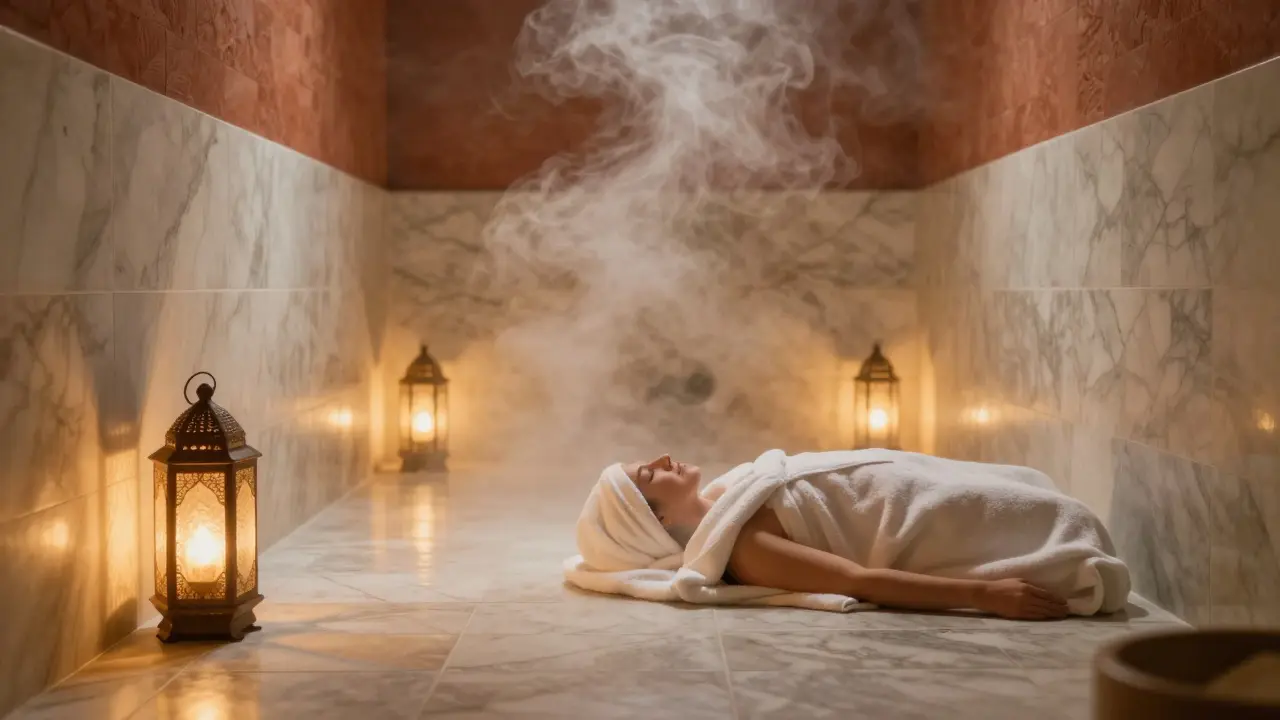
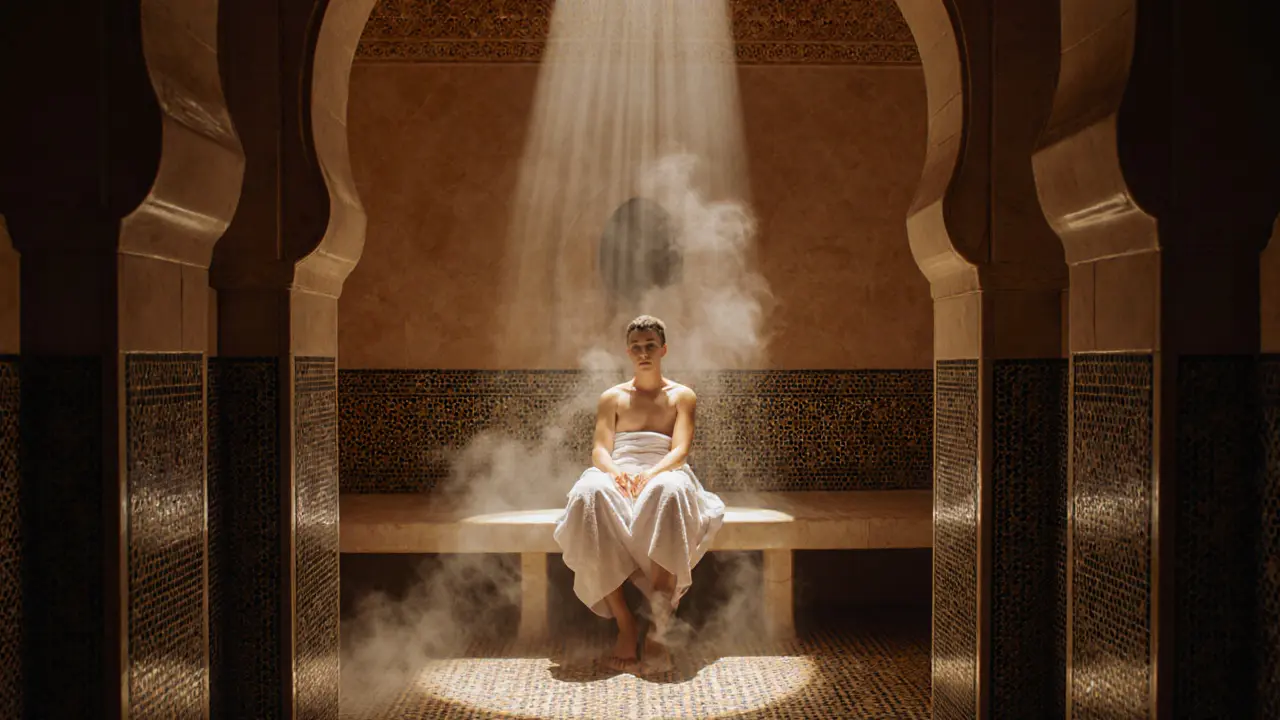
Most high-end hammams in Dubai are designed like spa sanctuaries - dim lighting, warm stone, gentle music, and the scent of eucalyptus and orange blossom. You’ll be given a private changing area, a towel, and sometimes a robe. The steam room is usually separate from the scrubbing area. It’s quiet, clean, and respectful. No loud music. No crowds. Just you and the therapist.
Key Processes or Steps
Here’s what typically happens:
- You enter the steam room for 10-15 minutes to soften your skin.
- You’re guided to the scrubbing area, where you lie on a warm marble slab.
- The therapist applies black soap, then uses the kessa glove in circular motions to scrub your entire body - arms, legs, back, feet, even your scalp.
- You’re rinsed with warm water, sometimes followed by a cold splash.
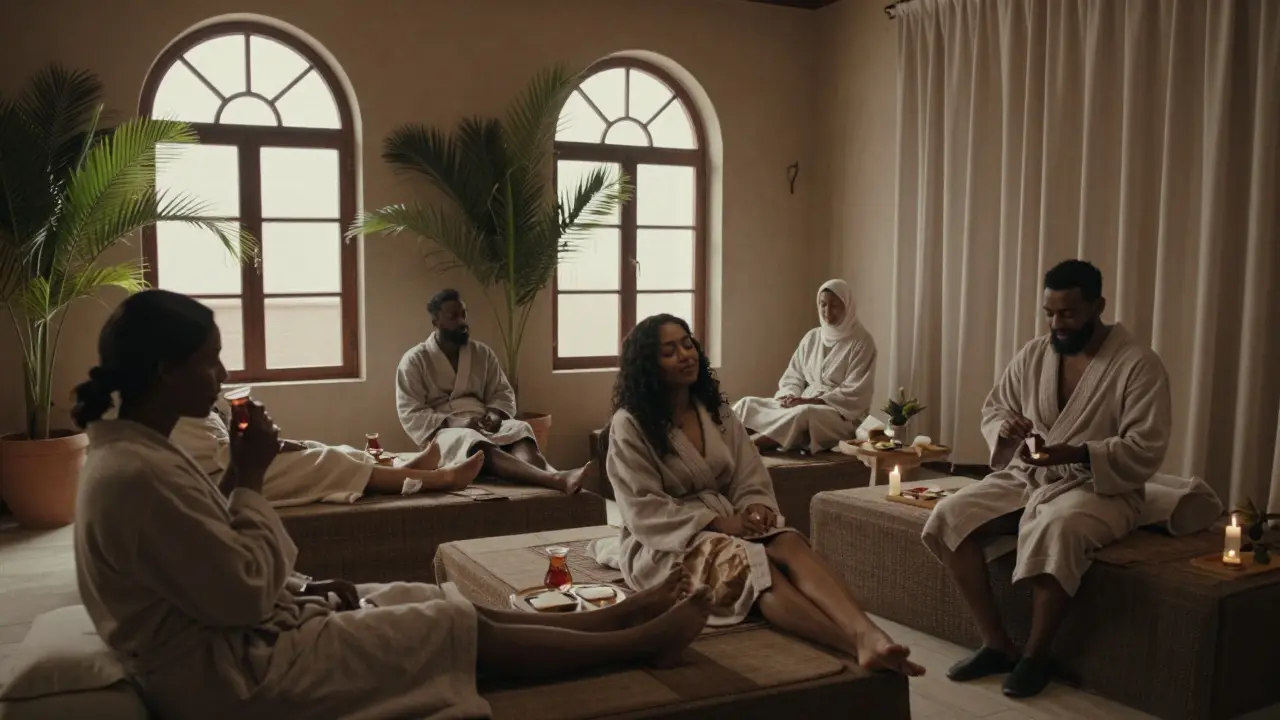
- You’re offered a herbal tea and a moment to relax before leaving.
Customization Options
Most places let you choose your scrub intensity - gentle, medium, or deep. You can also add aromatherapy oils, honey masks, or clay wraps. Some spas offer private sessions with female therapists for women who prefer it. If you’re uncomfortable with full-body scrubbing, you can ask for a partial session. No one will judge you.
Communication and Preparation
Speak up. If you feel too hot, too cold, or if the scrubbing hurts, say so. The therapist is trained to adjust. You don’t need to arrive naked - you can wear a swimsuit or underwear if you prefer. Most people do. And yes, you can go in with body hair. No one will ask you to shave.
Do You Have to Shave Before a Moroccan Bath?
Let’s get to the heart of it: Do you have to shave before a Moroccan bath? The answer is no - not at all. In fact, many people choose not to.
The kessa glove works on dead skin cells, not hair. It doesn’t pull hair out or cause irritation when hair is present. If you’ve recently waxed or shaved, your skin might be extra sensitive, and the scrub could feel too rough. Some people actually wait a few days after hair removal before a hammam to avoid discomfort.
Here’s the truth: The Moroccan bath is designed to be inclusive. It’s not about appearance - it’s about renewal. Whether you have thick leg hair, a full chest, or smooth skin, the process is the same. Your therapist has seen it all. They’re not there to judge - they’re there to help you feel better.
One woman in Dubai told me: "I went in with unshaven legs after a long trip. I was nervous. The therapist smiled and said, ‘This is why we’re here - to make you feel good, not perfect.’ I left glowing."
How to Practice or Apply Moroccan Bath
Setting Up for Success
Book your session in the afternoon or early evening - not right after a meal. Drink water before and after. Avoid caffeine or alcohol 2 hours before. Wear loose clothes to your appointment. Bring a change of clothes, a towel, and maybe a small bottle of body oil to use afterward.
Choosing the Right Tools or Professionals
Look for places that use natural black soap and cotton kessa gloves. Avoid places that use plastic scrubbers or synthetic soaps - they’re harsher and less effective. Check reviews for phrases like "gentle," "respectful," or "clean." In Dubai, top-rated hammams include Spa at the Burj Al Arab, Al Mahara Spa, and The Ritz-Carlton Hammam.
Step-by-Step Guide
- Book a 60-90 minute session (avoid 30-minute "express" versions - they skip the steam).
- Arrive 15 minutes early to relax and hydrate.
- Use the steam room fully - don’t rush out.
- Communicate your comfort level during scrubbing.
- Ask for a moisturizing oil or honey mask if offered.
- Wait at least 24 hours before waxing, shaving, or using strong skincare products.
Tips for Beginners
First-timers often worry about modesty. Remember: The therapist is trained in professional boundaries. They’ll cover you with towels at all times. If you’re nervous, request a same-gender therapist - most spas offer this. Bring a friend. It makes the experience feel less intimidating.
Safety and Ethical Considerations
Choosing Qualified Practitioners
Look for spas with certified attendants. In Dubai, many hammam therapists are trained in Morocco or have formal spa certifications. Ask if they use single-use gloves and clean the kessa after each client. Reputable places sanitize everything between sessions.
Safety Practices
| Practice | Purpose | Example |
|---|---|---|
| Hydrate before and after | Prevent dizziness | Drink water 30 mins before |
| Don’t shave 24 hours before | Avoid irritation | Wait until after your session |
| Use natural products | Prevent allergic reactions | Ask for eucalyptus soap, not fragrance |
Setting Boundaries
You’re in control. If you don’t want your back scrubbed, say so. If you want lighter pressure, ask. The therapist will adjust. This is your space.
Contraindications or Risks
Avoid the hammam if you have: open wounds, recent sunburn, active skin infections, or are pregnant without doctor approval. People with heart conditions or low blood pressure should skip the steam room or ask for a cooler session. Always tell your therapist about medical conditions - it’s not embarrassing, it’s essential.
Enhancing Your Experience with Moroccan Bath
Adding Complementary Practices
After your bath, try a gentle yoga session, a short meditation, or a warm herbal tea. These help extend the calm. Some people pair it with a facial or body oil massage for deeper relaxation.
Collaborative or Solo Engagement
You can go alone - and you should. It’s rare to have an hour of uninterrupted self-care. But if you’re with a partner or friend, many spas offer double rooms. It’s a beautiful way to bond - quietly, respectfully.
Using Tools or Props
After your session, use a natural body oil or shea butter. Avoid alcohol-based lotions - they’ll dry your newly exposed skin. A loofah is fine for home use, but never replace the kessa glove - it’s designed for this specific ritual.
Regular Engagement for Benefits
Once a month is ideal. Twice a month if you’re in a dry climate or have rough skin. Regular users say their skin looks and feels better year-round. It’s not a one-time fix - it’s a habit that changes how you feel in your own skin.
Finding Resources or Experts for Moroccan Bath
Researching Qualified Practitioners
Check Google reviews for keywords like "gentle," "professional," and "clean." Look for places that mention Moroccan-trained staff. Avoid places with too many "discount" offers - quality matters more than price.
Online Guides and Communities
Follow Dubai wellness influencers on Instagram who post real hammam experiences - not staged photos. Join Facebook groups like "Dubai Spa Lovers" or "Moroccan Hammam Enthusiasts" for honest tips.
Legal or Cultural Considerations
Dubai respects cultural traditions, and the hammam is one of them. Dress modestly in public areas. No swimsuits in the steam room - towels only. Always ask before taking photos. Respect the quiet, sacred space.
Resources for Continued Learning
Read "The Art of the Hammam" by Moroccan spa experts. Watch documentaries on North African bathing rituals. Try making your own black soap at home with olive oil and eucalyptus - it’s easier than you think.
FAQ: Common Questions About Moroccan Bath
Do I have to shave before a Moroccan bath?
No, you don’t need to shave. The kessa glove exfoliates dead skin - it doesn’t remove hair. In fact, shaving right before can make your skin more sensitive. Many people go in with body hair and have no issues. The focus is on cleansing and renewal, not appearance. Your therapist will treat you with respect regardless of your hair.
What happens during a Moroccan bath?
You start in a steam room for 10-15 minutes to open pores. Then, you lie on a warm marble slab while a therapist applies black soap and scrubs your entire body with a kessa glove - a rough cotton glove that removes dead skin. You’re rinsed with warm water, sometimes followed by a cool rinse. Finally, you’re offered tea and time to relax. The whole process takes about 60-90 minutes.
How is a Moroccan bath different from a Turkish bath?
Both involve steam and heat, but the Moroccan bath includes a vigorous exfoliation with a kessa glove and black soap - something Turkish baths typically don’t do. Turkish baths focus more on slow, prolonged steam and relaxation. The Moroccan version is more about skin renewal, while the Turkish one is more about slow detox.
Can I go to a Moroccan bath after waxing?
It’s best to wait 48 hours after waxing. Your skin is sensitive and inflamed right after, and the scrubbing could cause irritation or redness. If you’ve had laser hair removal, wait at least a week. Always tell your therapist about recent treatments - they’ll adjust the pressure or skip certain areas.
Is a Moroccan bath suitable for beginners?
Absolutely. Most spas cater to first-timers. You’ll be guided step-by-step, and therapists are trained to make you feel comfortable. Start with a 60-minute session, ask for gentle scrubbing, and don’t be afraid to speak up. Many people find it so relaxing they return weekly.
Conclusion: Why Moroccan Bath is Worth Exploring
A Path to Skin Renewal
The Moroccan bath isn’t just a spa treatment - it’s a ritual that brings your skin back to life. In Dubai’s harsh climate, it’s one of the most effective ways to keep your skin healthy, soft, and glowing.
Try It Mindfully
Don’t go in expecting perfection. Go in expecting peace. Let go of the idea that you need to look a certain way to enjoy it. You’re already worthy of this care.
Share Your Journey
Tried a Moroccan bath in Dubai? Share your experience in the comments - we’d love to hear how it changed your skin, your mood, or your week. Follow this blog for more honest guides to wellness in the city.
Some links may be affiliate links, but all recommendations are based on research and quality.
Frank PIOBLI
March 4, 2026 AT 19:50Let me get this straight - you’re telling me I don’t need to shave before a Moroccan bath? Like, I can just waltz in with my full-on chest forest and leg jungle and nobody bats an eye? This is the most liberating thing I’ve heard since they stopped requiring suits for airport security. I’m going in with zero prep. Let the scrubbing begin.
Also, if the therapist tries to give me side-eye, I’m telling her I’m a ‘naturalist.’ That’s a thing now. Look it up.
OBINNA UBOCHI
March 6, 2026 AT 13:09Actually, the sentence 'you don’t need to shave' is grammatically correct, but the phrase 'body hair levels' is a weird anthropological term. It’s not 'levels' - it’s 'density' or 'growth pattern.' And 'kessa glove' should be hyphenated as 'kessa-glove' in formal usage. Just saying. I’m not trying to be annoying. I’m just… precise.
Dan Sprague
March 6, 2026 AT 22:23omg yes!! i was so nervous to go in with my unshaven legs after my last road trip - like, what if they thought i was lazy??
but the girl at the hammam just smiled and said 'you look like you’ve been fighting the desert' and went to town on my calves. best. skin. ever.
also, black soap is a game changer. my dry patches vanished. i’m hooked.
Andrew Chen
March 6, 2026 AT 23:13The Moroccan bath is an effective method of skin renewal and deserves consideration as part of a holistic wellness routine. The absence of a requirement for prior hair removal aligns with inclusive practices in personal care. The process is both hygienic and therapeutic.
Farrah Kennedy
March 7, 2026 AT 07:11Oh sweet mercy, another wellness article that pretends it’s revolutionary when it’s just… common sense wrapped in lavender-scented silk.
You don’t need to be hairless to be clean. Who decided that? A shampoo commercial? A man who’s never seen a real human body? The fact that this even needs explaining is the real tragedy.
My therapist once scrubbed a guy with a full back beard and said, 'You’re not a lawn, you’re a person.' I cried. Then I booked another session.
Also, if you’re worried about what your skin looks like in a steam room - honey, you’ve got bigger problems.
Alek Mercer
March 7, 2026 AT 09:40It is truly heartening to see a wellness practice that prioritizes comfort over conformity. The Moroccan bath, in its authentic form, serves as a gentle reminder that self-care does not require perfection. One need not alter their natural state to be worthy of care. This is not merely a spa ritual - it is a philosophy of acceptance.
William Dean
March 7, 2026 AT 16:53lol so you’re telling me i can just roll in like a hairy caveperson and no one’s gonna scream? cool cool cool.
also - if you shaved right before? bad idea. i did that once. felt like sandpaper got married to my skin. the therapist had to use a feather. i was embarrassed. she wasn’t.
tip: go in hairy. leave silky. life hack unlocked.
Mark Sullivan
March 9, 2026 AT 14:28Let me ask you something - why is this even a question? Who benefits from you NOT shaving? The spa? The government? The black soap industry?
Think about it. They’re selling you a ‘ritual’ that requires you to pay $180 to have someone scrub your body… but they won’t tell you the real reason you’re being told not to shave?
Because if you shaved, you’d go away satisfied. And then you wouldn’t come back next month. This isn’t about skin renewal - it’s about recurring revenue.
And don’t get me started on ‘natural black soap.’ That’s just olive oil with a fancy label and a Moroccan accent.
Dan Thornton
March 9, 2026 AT 14:29Good info. No need to shave. Just go. Relax. Let them do their thing. Drink water. You’ll feel better. Simple.