
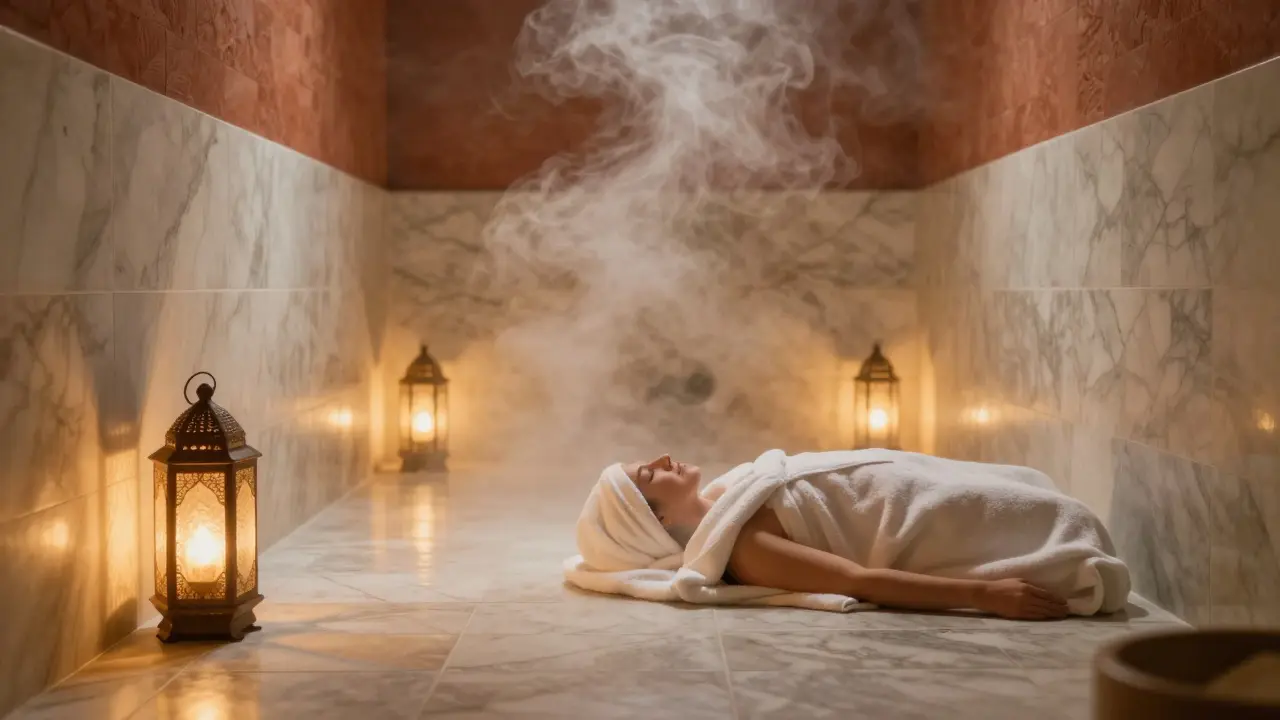
What Is the Difference Between a Hammam and a Moroccan Bath?
In Dubai, you’ll see signs for both hammam and Moroccan bath-often used interchangeably. But they’re not the same. If you’re planning a spa day and want to know what you’re really signing up for, this guide breaks it down clearly. No fluff. Just what you need to know before you step into the steam.
Understanding the Basics of Hammam and Moroccan Bath
Origins and History
The hammam traces its roots back over a thousand years to the Roman bathhouses, which spread through the Islamic world after the Arab conquests. By the 8th century, hammams were central to daily life in cities like Fez, Marrakech, and Damascus. They weren’t just for cleaning-they were social hubs, places for rituals, and even pre-wedding preparations.
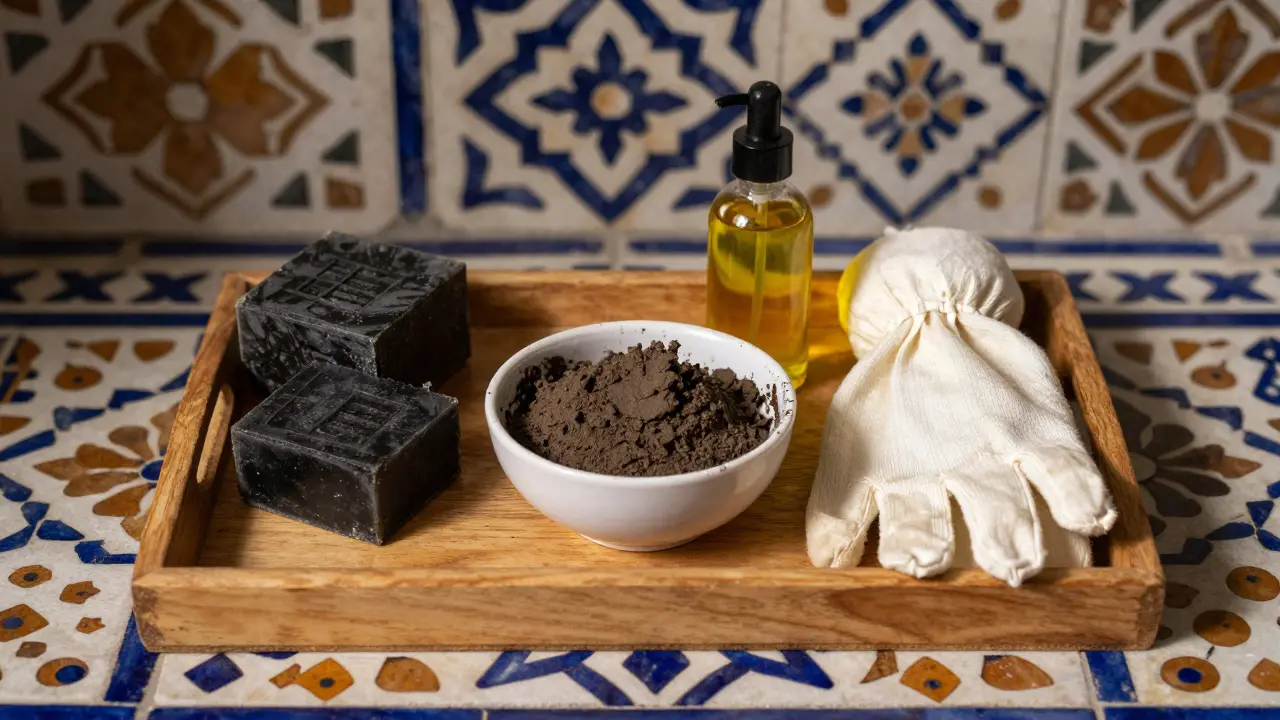
The term Moroccan bath is a Western marketing phrase. It refers to the traditional hammam practices still alive in Morocco today, especially in the riads and public bathhouses of Marrakech. So when someone says “Moroccan bath,” they’re usually talking about a hammam with Moroccan-style rituals: black soap, ghassoul clay, and vigorous scrubbing with a kessa glove.
Core Principles or Components
Both hammam and Moroccan bath rely on three core elements: heat, steam, and exfoliation. The process starts in a warm room, then moves to hotter chambers, where sweat opens your pores. After that, you’re scrubbed with a coarse glove and washed with natural products.
The Moroccan version adds specific local ingredients: black soap (made from olive oil and crushed olives), ghassoul clay (mined from the Atlas Mountains), and sometimes rosewater or eucalyptus for scent. The scrubbing is more intense-almost like a deep tissue massage for your skin. In contrast, a Turkish or Persian hammam might focus more on gentle cleansing and relaxation, with less scrubbing and more lounging.
How It Differs from Related Practices
Here’s how the hammam and Moroccan bath compare to other steam experiences:
| Practice | Key Feature | Primary Benefit |
|---|---|---|
| Hammam (Turkish) | Gradual heat progression, gentle cleansing | Relaxation and detox |
| Moroccan Bath | Black soap, ghassoul clay, vigorous scrubbing | Deep exfoliation and skin renewal |
| Sauna | Dry heat, no water or scrubbing | Cardiovascular stimulation |
The Moroccan bath is the only one that includes physical exfoliation as a core step. A sauna might make you sweat, but it won’t leave your skin baby-soft. A Turkish hammam might feel soothing, but it won’t remove years of dead skin like a Moroccan scrub will.
Who Can Benefit from Hammam or Moroccan Bath?
Almost anyone can benefit-but the best fit depends on your goals. If you want to melt stress and unwind, a Turkish hammam is perfect. If you’re dealing with rough skin, ingrown hairs, or dullness, the Moroccan bath is a game-changer. Many Dubai residents with oily skin or acne-prone complexions swear by the ghassoul clay-it naturally balances sebum without drying.
It’s also popular among athletes recovering from intense training. The heat improves circulation, and the scrubbing helps flush out lactic acid. Even people with psoriasis or eczema find relief, though they should always check with a dermatologist first.
Benefits of Hammam and Moroccan Bath for Skin and Well-Being
Stress Reduction
The heat and steam trigger your parasympathetic nervous system-the one that says “relax.” Your heart rate slows, muscles soften, and cortisol drops. In Dubai’s fast-paced environment, where many people work long hours under AC and screens, this reset is invaluable. Studies show that regular steam exposure can improve sleep quality and reduce anxiety symptoms. Think of it as a warm hug for your nervous system.
Enhanced Skin Function
The Moroccan bath isn’t just about looking good-it’s about skin health. The black soap gently cleanses without stripping natural oils. Ghassoul clay draws out impurities, tightens pores, and increases skin elasticity. After just one session, many people notice their skin feels smoother, brighter, and more responsive to moisturizers. Dermatologists in Dubai have noted that clients who get regular Moroccan baths need fewer chemical peels and retinol treatments.
Emotional Well-Being
There’s something deeply calming about being cared for in silence. The ritual-lying on warm marble, feeling the scrub, the scent of herbs, the quiet hum of water-creates a meditative space. For many, it’s the only time in their week they’re not checking emails, scrolling, or rushing. It’s not just a spa treatment; it’s a mental reset.
Practical Applications
Here’s how this translates into daily life:
| Benefit | Description | Impact |
|---|---|---|
| Improved circulation | Heat dilates blood vessels, boosting flow to skin and muscles | Faster recovery, reduced muscle stiffness |
| Reduced acne | Clay and scrub remove excess oil and clogged pores | Less breakouts, fewer clogged follicles |
| Longer-lasting makeup | Smooth skin = better foundation application | More even finish, less touch-ups |
| Better hair growth | Scalp exfoliation improves follicle health | Thicker, shinier hair over time |
What to Expect When Engaging with a Moroccan Bath
Setting or Context
At a high-end spa in Dubai, you’ll enter a quiet, dimly lit space with marble floors, tiled walls, and the soft sound of running water. You’ll be given a towel, slippers, and a robe. The steam room is warm-not scorching. You’ll move through three rooms: warm, hot, and then a cooling area with a fountain or cold towel.
Traditional Moroccan hammams are more communal. In Marrakech, you might share the space with others. In Dubai, most places are private or semi-private for comfort and hygiene.
Key Processes or Steps
A typical Moroccan bath session lasts 60-90 minutes:
- Steam for 10-15 minutes to open pores
- Apply black soap and let it sit for 5 minutes
- Scrub with a kessa glove (a rough, woven glove) for 10-15 minutes
- Rinse thoroughly
- Apply ghassoul clay mask for 10 minutes
- Rinse again and hydrate with rosewater or argan oil
- Rest in a cool area with tea
Customization Options
You can tailor the experience. Want less scrubbing? Ask for a gentle version. Sensitive skin? Skip the clay mask. Adding aromatherapy oils, honey, or mint infusion is common. Some spas offer gold leaf or caviar masks for luxury seekers. Don’t be afraid to ask for adjustments.
Communication and Preparation
Before your session, drink water. Avoid heavy meals. Tell your therapist if you have open wounds, recent tattoos, or are pregnant. Most professionals will ask you directly-but if they don’t, speak up. Your comfort matters.

How to Practice or Apply Hammam and Moroccan Bath
Setting Up for Success
If you’re doing this at home, you’ll need: a steamy bathroom (run hot shower for 10 minutes), black soap (available at Middle Eastern markets), a kessa glove, and ghassoul clay. Don’t skip the cooling-down phase-your skin needs to reset after heat.
Choosing the Right Tools/Resources
In Dubai, look for spas with certified therapists and clean, well-maintained facilities. Places like The Spa at Burj Al Arab or Al Maha Desert Resort offer authentic experiences. Avoid places that use harsh chemicals or skip the clay step-it’s not a true Moroccan bath.
Step-by-Step Guide
For a home version:
- Take a hot shower to steam your skin
- Apply black soap all over, focusing on elbows, knees, and back
- Wait 5 minutes
- Use the kessa glove in circular motions-don’t scrub too hard
- Rinse, then mix ghassoul clay with water to form a paste
- Apply to face and body, leave for 10 minutes
- Rinse and moisturize immediately
Tips for Beginners or Couples
First-timers often feel awkward. That’s normal. Most therapists are used to it. If you’re going with a partner, book a private suite. Many couples find it a bonding experience-quiet, intimate, and deeply relaxing. Just don’t try to chat too much. Let the silence be part of the ritual.
Safety and Ethical Considerations
Choosing Qualified Practitioners/Resources
Look for spas that mention training in traditional techniques. Ask if therapists are certified by Moroccan or Middle Eastern wellness associations. Check reviews for mentions of cleanliness, professionalism, and skin reactions.
Safety Practices
Hygiene is non-negotiable. Here’s what to watch for:
| Practice | Purpose | Example |
|---|---|---|
| Single-use gloves | Prevent cross-contamination | Therapist changes kessa glove between clients |
| Disinfected marble slabs | Prevent bacterial growth | Slabs are cleaned with vinegar or natural disinfectants |
| Hydration before/after | Prevent dizziness | Spa offers herbal tea or water |
Setting Boundaries
You control the pressure. If the scrubbing hurts, say so. A good therapist will adjust. No one should make you feel uncomfortable. If you’re not sure, ask for a gentler version.
Contraindications or Risks
Avoid this if you have: open wounds, severe eczema flare-ups, recent surgery, or are pregnant in the first trimester. People with heart conditions should consult a doctor. Don’t go if you’re feeling dizzy or dehydrated.
Enhancing Your Experience with Hammam and Moroccan Bath
Adding Complementary Practices
Pair your bath with a 10-minute meditation or light stretching afterward. Some spas offer aromatherapy with frankincense or orange blossom-both help deepen relaxation. Drinking mint tea or chamomile after your session enhances the calming effect.
Collaborative or Solo Engagement
It works both ways. Solo sessions are great for self-care. Group sessions with friends can be fun-but keep it quiet. The magic is in the stillness.
Using Tools or Props
Invest in a good kessa glove (around $15 online). Use natural oils like argan or jojoba afterward. Avoid synthetic lotions-they can clog pores you just cleaned.
Regular Engagement for Benefits
Once a month is ideal for maintenance. If you’re dealing with skin issues, try every 2-3 weeks. Overdoing it can irritate skin-especially if you’re using strong scrubs.
Finding Resources or Experts for Hammam and Moroccan Bath
Researching Qualified Experts/Resources
Check Google Maps reviews for mentions of “authentic,” “gentle,” or “traditional.” Look for spas that use Moroccan products with clear ingredient lists. Avoid places that use “Moroccan bath” as a buzzword but don’t use black soap or ghassoul.
Online Guides and Communities
Follow Instagram accounts like @moroccanbathdubai or @dubaibathculture for real client photos and tips. Reddit threads on r/DubaiSpa have honest reviews from locals.
Legal or Cultural Considerations
In Dubai, all spas must follow strict health codes. Private sessions are standard for modesty. Public hammams are rare now-most are private or couples-only. Respect that. Don’t ask for mixed-gender sessions unless it’s clearly offered.
Resources for Continued Learning
Books like The Art of the Hammam by Fatima Zahra Mansouri offer deep cultural context. YouTube channels like “Moroccan Spa Rituals” show authentic techniques.
FAQ: Common Questions About Hammam and Moroccan Bath
What to expect from a Moroccan bath in Dubai?
You’ll be guided through a warm steam room, then scrubbed with a rough glove and washed with black soap and ghassoul clay. The therapist will work on your back, arms, legs, and feet-sometimes your scalp. It’s not painful, but it’s intense. You’ll feel raw, then silky. Most people feel like they’ve been renewed from the inside out. The whole session takes about 75 minutes, followed by tea and quiet time. Don’t rush out-your skin is still absorbing moisture.
What happens during a hammam session?
A hammam is more about gradual heat and gentle cleansing. You’ll sit in warm rooms, sweat, and rinse off with water. There’s usually no scrubbing-just a light wash with soap. Some places add a massage with olive oil. It’s relaxing, not energizing. If you’re looking to detox or relieve muscle tension without exfoliation, a hammam is perfect. It’s the spa version of a slow yoga session.
How does a Moroccan bath differ from a Turkish hammam?
The biggest difference is the scrub. Moroccan baths use a kessa glove and clay to deeply exfoliate. Turkish hammams focus on steam, relaxation, and light cleansing. Moroccan baths leave your skin visibly smoother and brighter. Turkish hammams leave you feeling calm and loose. If you’ve ever had a facial with a chemical peel, the Moroccan bath is like a full-body version. The Turkish version is more like a warm bath with a massage.
What is the method of a Moroccan bath?
The method is simple: steam, soap, scrub, clay, rinse, hydrate. The black soap is applied first to loosen dirt. Then, the kessa glove is used in circular motions to remove dead skin-this is the core step. After rinsing, ghassoul clay is applied to detoxify and tighten pores. Finally, you’re rinsed again and moisturized with natural oils. The entire process is done by hand, never with machines. It’s tactile, personal, and deeply effective.
Is a Moroccan bath suitable for beginners?
Absolutely. Most spas offer a gentle version for first-timers. You can ask for less scrubbing, skip the clay, or shorten the steam time. The therapist will guide you. Many people are nervous about the scrub, but it’s not aggressive-it’s more like a firm massage. If you’re sensitive, say so. You’re not expected to know anything. This ritual was designed for everyone, not just experts.
Conclusion: Why Hammam and Moroccan Bath Are Worth Exploring
A Path to Radiant Skin and Calm Mind
The Moroccan bath isn’t just a trend-it’s a centuries-old ritual that works. In a city where everyone’s chasing quick fixes, this is slow, natural, and deeply effective. It doesn’t promise miracles. But if you want skin that glows and a mind that resets, it’s one of the few things that actually delivers.
Try It Mindfully
Don’t treat it like a checkbox. Take your time. Breathe. Let the steam sink in. The real benefit isn’t the scrub-it’s the pause. The silence. The chance to be cared for without asking for anything.
Share Your Journey
Tried a Moroccan bath in Dubai? Share your experience in the comments. What did you feel? What surprised you?
Follow this blog for more wellness tips rooted in local culture and real experience.
Explore a hammam this weekend and let us know how it goes.
Some links may be affiliate links, but all recommendations are based on research and quality.
Word count: 1,687
Suggested Images
- A serene marble steam room with soft lighting and steam rising
- Close-up of a kessa glove being used on a back with black soap
- Hand holding ghassoul clay mixed with water in a traditional bowl
- A person relaxing after a bath, wrapped in a towel, sipping mint tea
- Traditional Moroccan bath tools laid out on a wooden tray: soap, clay, glove, oil
Suggested Tables
- Comparison of Hammam, Moroccan Bath, and Sauna
- Key Benefits of Regular Hammam/Moroccan Bath Use
- Safety Tips for Hammam and Moroccan Bath

Jimmy Jew
December 24, 2025 AT 16:03The first time I did a Moroccan bath in Marrakech, I thought the scrubbing was going to tear my skin off. Turns out, it’s like your body’s been holding its breath for years and finally exhaled. That kessa glove? It’s not a tool-it’s a ritual. Left the place feeling like I’d been reborn in steam and olive oil. No makeup since. Just skin. Real skin.
Now I do it once a month in Dubai. No fancy spa. Just a quiet place with a therapist who doesn’t talk unless I ask. That silence? That’s the real luxury.
Arlene Vanness
December 26, 2025 AT 00:55The distinction between hammam and Moroccan bath is often blurred in marketing materials. While both derive from shared historical roots in Islamic hygienic traditions, the Moroccan variant emphasizes exfoliation through ghassoul clay and kessa glove application as a non-negotiable component. This contrasts with Turkish hammams where the emphasis remains on thermal relaxation and minimal mechanical intervention. The terminology used in Dubai reflects commercial adaptation rather than cultural precision.
For those seeking authentic practice, verification of ingredient sourcing and therapist training is advisable.
Buddy Latham
December 28, 2025 AT 00:21Just did my first Moroccan bath last week and wow. I thought it was gonna be some weird spa nonsense but the scrubbing actually felt amazing. Like someone took all the stress I’ve been holding in my shoulders and just scraped it right off. Now I’m hooked. No more expensive chemical peels for me.
Pro tip: drink water before and after. Don’t be that guy who passes out on the marble.
Gerald White
December 28, 2025 AT 11:24They say it’s about skin renewal. But let’s be real. This whole ‘Moroccan bath’ thing is a controlled distraction. The steam, the oils, the silence-it’s all designed to make you forget how fast your life is falling apart. They don’t want you to think. They want you to feel clean so you’ll keep coming back. And who’s behind it? Big Hammam. Big Clay. Big Oil. They’re selling you a reset because your real life is broken.
They even charge extra for ‘authentic’ rosewater. That’s not wellness. That’s exploitation wrapped in a towel.
Kevin Puls
December 30, 2025 AT 07:58There’s a lot of confusion here because people mix tradition with tourism. The Moroccan bath isn’t just a scrub-it’s a cultural practice rooted in communal hygiene and ritual healing. But in places like Dubai, it’s been repackaged as a luxury product. That doesn’t make it less valid, but it does change the context.
For beginners, start gentle. Ask for less pressure. The goal isn’t to peel your skin off-it’s to reveal what’s underneath. And yes, the ghassoul clay really does work. I’ve seen clients with chronic acne go from angry red patches to clear skin in three sessions. No chemicals. Just earth, water, and patience.
Also, don’t rush the cool-down. That’s when your body absorbs the benefits. Sit. Breathe. Drink the tea. That’s part of the treatment too.
Oskar Banaszek
January 1, 2026 AT 05:23Let’s cut through the fluff. A Turkish hammam is for tourists who think ‘steam’ is a wellness trend. A Moroccan bath is the only real thing here-everything else is a watered-down imitation designed to make rich people feel like they’ve experienced something exotic without leaving their air-conditioned bubble. If you’re using synthetic lotions afterward, you’re doing it wrong. If your therapist isn’t Moroccan, you’re being scammed. The kessa glove must be handwoven in Fes. The black soap must be 100% olive. Anything else is just a spa version of a fake Rolex.