
Do I Wear a Bra to a Thai Massage? Your Honest Guide for Dubai Visitors
When you’re booking a Thai massage Dubai session, one of the most common questions floating in your head isn’t about pressure points or aromatherapy-it’s: Do I wear a bra? It’s a simple question, but it carries a lot of weight. You want to feel comfortable, respectful, and not awkward. You’re not just getting a massage-you’re stepping into a cultural tradition that’s been practiced for centuries. And in a city like Dubai, where global expectations meet local norms, getting this right matters.
The short answer? No, you don’t need to wear a bra during a Thai massage. But there’s more to it than that.
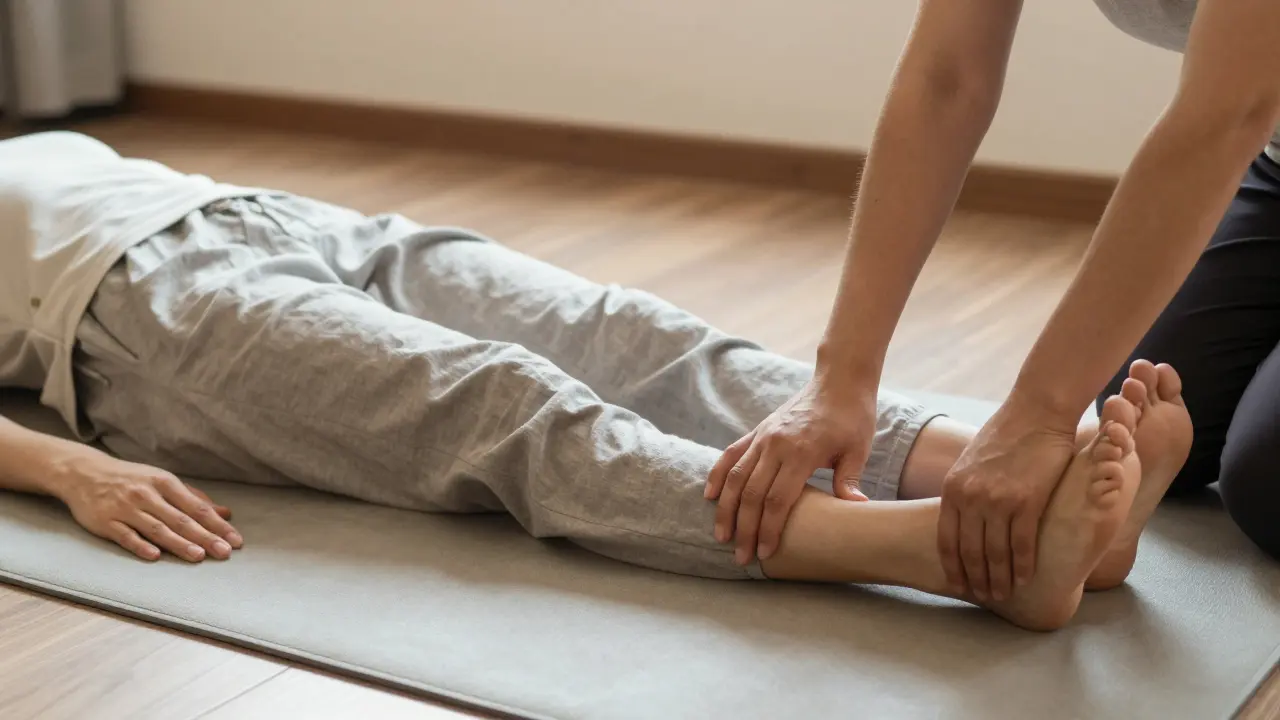
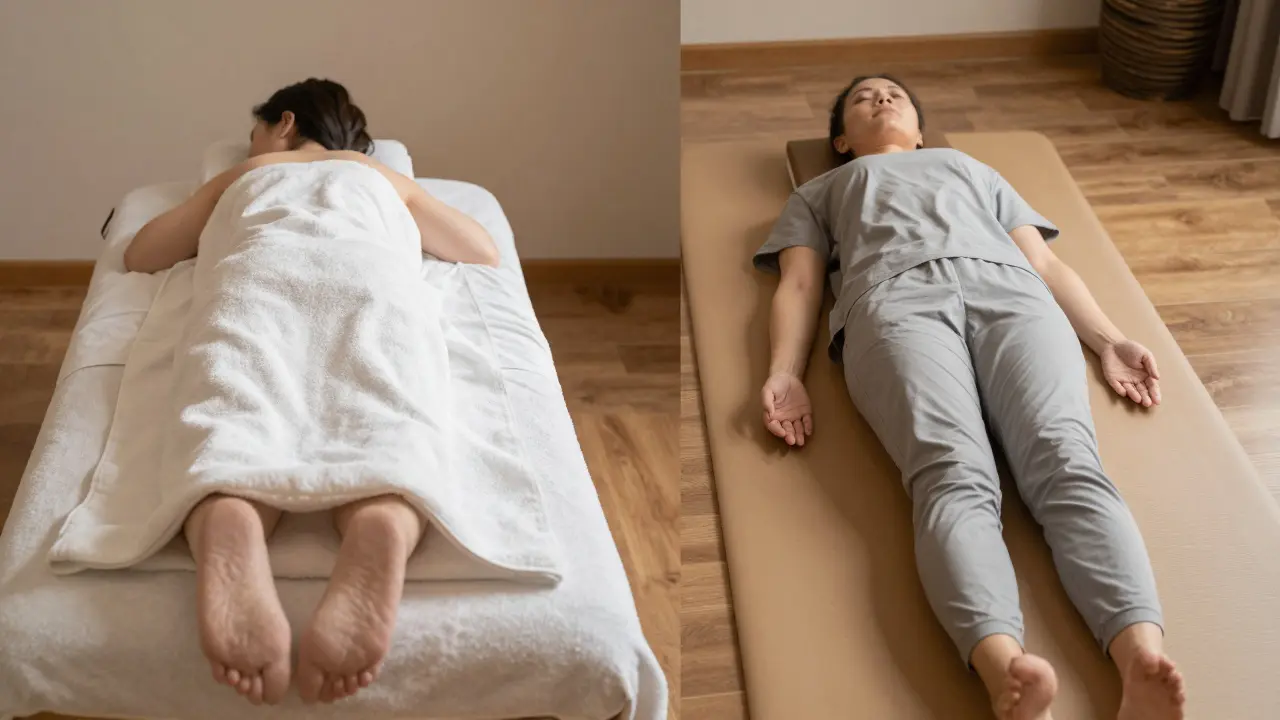
Thai massage is not like a Swedish or deep tissue session where you lie on a table in a towel. It’s done on a mat on the floor. You’re fully clothed. The therapist uses their hands, elbows, knees, and feet to apply pressure and stretch your body. There’s no oil, no nudity, and no lingerie involved. But if you’re coming from a Western massage background, it’s easy to assume you need to undress. You don’t. And that’s exactly why this guide exists.
Understanding the Basics of Thai Massage
Origins and History
Thai massage, or Nuad Boran, dates back over 2,500 years. It’s rooted in ancient Indian Ayurvedic medicine and traditional Chinese medicine, blended with local Thai healing practices. Legend says it was developed by Shivago Komarpaj, the personal physician to the Buddha. Unlike modern spa massages that focus on relaxation, Thai massage is about energy flow-called Sen lines-and restoring balance in the body. It’s more like yoga than a spa treatment. You’re moved, stretched, and compressed in ways that feel intense but deeply grounding.
In Thailand, it’s common to see people getting Thai massages in street-side shops, temples, and hospitals. It’s not a luxury-it’s healthcare.
Core Principles or Components
Thai massage works on four main principles:
- Energy Lines (Sen): Think of them like meridians in acupuncture. There are 10 primary Sen lines running through the body, and pressure is applied along them to release blockages.
- Passive Stretching: The therapist moves your limbs into yoga-like poses. You don’t do the work-you relax and let them guide you.
- Compression: Using palms, thumbs, elbows, and feet, they apply rhythmic pressure to muscles and joints.
- Full-Body Engagement: Unlike massages that focus on the back or shoulders, Thai massage covers your feet, legs, arms, neck, and even your head.
The goal isn’t just to feel good-it’s to reset your body’s natural alignment and energy flow.
How It Differs from Related Practices
It’s easy to confuse Thai massage with other types. Here’s how it stacks up:
| Practice | Key Feature | Primary Benefit |
|---|---|---|
| Thai Massage | Fully clothed, floor-based, passive stretching | Improves flexibility, energy flow, and posture |
| Swedish Massage | Oil-based, table-based, light to medium pressure | Relaxes muscles, reduces stress |
| Deep Tissue | Intense pressure on deep muscle layers | Relieves chronic tension, knots |
| Shiatsu | Finger pressure on acupressure points | Balances energy, calms nervous system |
Thai massage is the only one where you stay fully dressed. That’s intentional. It’s about respect, tradition, and practicality.
Who Can Benefit from Thai Massage?
Almost everyone. If you sit at a desk all day, Thai massage can undo the hunch in your shoulders. If you’re an athlete, it helps with mobility and recovery. If you’re stressed, the rhythmic pressure and stretching calm your nervous system. It’s especially helpful for people in Dubai who spend hours commuting, standing on their feet, or dealing with high-pressure jobs.
It’s also great for travelers. After a long flight, your body needs to reset. Thai massage doesn’t just relax you-it realigns you.
Benefits of Thai Massage for Your Body and Mind
Stress Reduction
Thai massage activates your parasympathetic nervous system-the part of your body that says, “It’s safe to relax.” The slow, rhythmic pressure and deep stretches lower cortisol levels. Many people report feeling calmer within minutes, even before the session ends. Research suggests that regular massage therapy can reduce anxiety symptoms by up to 50% over time (Web source (https://www.ncbi.nlm.nih.gov/pmc/articles/PMC3954385/)).
In Dubai’s fast-paced environment, where work and social pressure are constant, this isn’t a luxury-it’s a necessity.
Enhanced Flexibility and Mobility
Most of us don’t stretch after sitting in a car or at a desk. Thai massage forces your body into positions you wouldn’t normally take. Over time, this improves your range of motion. One client in Dubai, a 45-year-old accountant, said after six sessions: “I could finally tie my shoes without groaning.” That’s not hype-it’s real.
Emotional Well-Being
There’s a reason Thai massage feels so grounding. It’s not just physical. The combination of deep pressure, rhythmic breathing, and being gently guided through movement creates a meditative state. People often cry during sessions-not from pain, but from release. Emotions tied to stress, grief, or burnout can surface when your body finally relaxes.
Practical Applications
Think of Thai massage as a maintenance tune-up for your body. If you’re:
- Working long hours in Dubai’s heat
- Dealing with back pain from carrying bags or kids
- Recovering from a minor injury
- Just feeling “off” but can’t pinpoint why
Then Thai massage isn’t just a treat-it’s a tool.
| Benefit | Description | Impact |
|---|---|---|
| Improved Posture | Stretches tight chest and hip muscles that pull you forward | Reduces neck and lower back strain |
| Reduced Muscle Stiffness | Compression breaks up adhesions in connective tissue | More comfortable movement, less pain |
| Better Sleep | Calms the nervous system and lowers heart rate | Deeper, more restful sleep within days |
| Increased Energy | Clears blocked energy lines, boosts circulation | Feeling refreshed, not just relaxed |
What to Expect When Engaging with Thai Massage
Setting or Context
In Dubai, you’ll find Thai massage in high-end spas, boutique wellness centers, and even quiet rooms tucked away in shopping malls. The setting is usually calm: soft lighting, minimal noise, and a clean mat on the floor. No music with lyrics-just nature sounds or silence. The room is warm, not hot. You won’t smell lavender or eucalyptus. Thai massage doesn’t rely on scent. It’s about the body, not the ambiance.
Key Processes or Steps
A typical 60-minute session goes like this:
- You lie on the floor in loose clothing.
- The therapist starts at your feet, working upward with pressure and stretches.
- You’ll be guided into positions like a seated forward bend, a gentle backbend, or a leg stretch that feels like yoga.
- They use their body weight to apply pressure-no tools, no machines.
- The session ends with gentle rocking and a few moments of stillness.
You’re never alone. The therapist stays in constant contact, guiding you through each movement.
Customization Options
Thai massage isn’t one-size-fits-all. If you have knee pain, they’ll avoid deep pressure there. If you’re pregnant, they’ll modify stretches. If you’re stiff, they’ll go slower. Most places in Dubai will ask you to fill out a quick intake form. Tell them about injuries, pain, or discomfort. No judgment. They’ve seen it all.
Communication and Preparation
Before the session, drink water. Don’t eat a heavy meal. Wear something loose and stretchy-like yoga pants and a tank top. No jewelry. No tight belts. And yes, you can wear a sports bra if you feel more comfortable. But you don’t have to. The therapist sees bodies every day. They’re not judging. They’re helping.
How to Practice or Apply Thai Massage
Setting Up for Success
If you’re planning your first Thai massage in Dubai:
- Book with a licensed therapist-check reviews on Google or TripAdvisor.
- Arrive 10 minutes early to relax and fill out forms.
- Wear clothes you can move in-cotton, stretch fabric, no denim.
- Turn off your phone. This isn’t a photo op-it’s a reset.
Choosing the Right Tools/Resources
Look for places with certifications from the Thai Traditional Medicine Society or therapists trained in Chiang Mai or Bangkok. Avoid places that offer “Thai massage” with oil and music-that’s usually a hybrid, not the real thing.
Step-by-Step Guide
Here’s what to do on your first visit:
- Wear loose, comfortable clothing (no bra required).
- Communicate your comfort level-“lighter,” “slower,” “stop here.”
- Relax and breathe. Don’t fight the stretches.
- After the session, drink water and avoid caffeine or alcohol for a few hours.
- Wait 24 hours before doing intense exercise.
Tips for Beginners or Couples
First-timers often feel nervous. That’s normal. Remember: you’re not being judged. You’re being cared for. If you’re coming with a partner, you can both get massages in the same room-some places offer side-by-side mats. It’s peaceful, not awkward.
Safety and Ethical Considerations
Choosing Qualified Practitioners/Resources
In Dubai, anyone can call themselves a “massage therapist.” But Thai massage requires specific training. Look for therapists who’ve trained in Thailand or are certified by the Thai Healing Alliance. Ask: “Where did you train?” If they say “online course,” walk away.
Safety Practices
Here’s what to expect from a professional:
| Practice | Purpose | Example |
|---|---|---|
| Handwashing | Prevents infection | Therapist washes hands before and after |
| Mat cleaning | Hygiene | Mat wiped down with disinfectant between clients |
| Consent checks | Respect and safety | “Is this pressure okay?” or “Can I move your leg?” |
Setting Boundaries
You are in control. If something hurts, say so. If you’re uncomfortable with a stretch, say so. If you want to keep your bra on-do it. No therapist will push you. They’re there to serve you, not impress you.
Contraindications or Risks
Thai massage isn’t for everyone. Avoid it if you have:
- Recent fractures or bone injuries
- Severe osteoporosis
- Deep vein thrombosis
- Active infections or fever
- Advanced pregnancy (without clearance from your doctor)
If you’re unsure, talk to your doctor first.
Enhancing Your Experience with Thai Massage
Adding Complementary Practices
Pair your Thai massage with:
- Drinking warm lemon water afterward
- 5 minutes of deep breathing
- Walking barefoot on grass or sand
These small habits help your body absorb the benefits longer.
Collaborative or Solo Engagement
Thai massage is best done alone. It’s a personal reset. But if you’re with a partner, you can both book sessions at the same time. Some centers even offer couple’s packages with a shared relaxation area afterward.
Using Tools or Props
You don’t need tools for Thai massage. But if you want to replicate it at home, try:
- A foam roller for calves and back
- A yoga strap for gentle stretches
- A warm towel to soothe sore muscles
Regular Engagement for Benefits
One session helps. Two sessions a month transforms. Think of it like brushing your teeth. You don’t do it once and expect perfect teeth-you do it consistently. Same here. Try a session every 2-4 weeks to maintain mobility and reduce stress buildup.
Finding Resources or Experts for Thai Massage
Researching Qualified Practitioners/Resources
In Dubai, top-rated Thai massage places include:
- Spa at The Ritz-Carlton, DIFC
- Therapy House (Jumeirah)
- Thai Spa Dubai (Al Barsha)
Check Google reviews. Look for comments like “authentic,” “trained in Thailand,” or “didn’t feel rushed.”
Online Guides and Communities
For learning more, explore:
- Thai Healing Alliance (Web source (https://www.thaihealingalliance.org))
- YouTube channels like “Thai Massage Techniques” with real practitioners
Legal or Cultural Considerations
Dubai respects cultural traditions. Thai massage is not sexual. It’s therapeutic. Don’t expect romantic vibes or suggestive behavior. Reputable centers have strict codes of conduct. If something feels off, leave. Report it.
Resources for Continued Learning
Want to go deeper? Try:
- “The Thai Massage Bible” by Pichai Jirawan
- Workshops at Dubai Yoga Studio
- Online courses from certified Thai schools
FAQ: Common Questions About Thai Massage
Do I need to take off my bra for a Thai massage?
No, you don’t need to remove your bra. Thai massage is done fully clothed. You’ll wear loose, comfortable clothing-like yoga pants and a tank top. A sports bra is fine if you feel more secure, but it’s not required. Therapists are trained professionals who focus on your body’s alignment, not your clothing. Your comfort matters most.
What should I wear to a Thai massage in Dubai?
Wear something stretchy and breathable-cotton or spandex. Avoid jeans, tight shirts, or anything with zippers or buttons. Most people choose yoga pants and a simple tank top. You’ll be asked to remove shoes and jewelry. The therapist will provide a clean mat. No towels or sheets are used because the massage is done through clothing.
Is Thai massage painful?
It can feel intense, but it shouldn’t hurt. You might feel a deep ache in tight muscles-that’s normal. But sharp pain, burning, or numbness means you need to speak up. A good therapist will adjust pressure based on your feedback. Think of it like stretching after a long day: uncomfortable at first, then deeply relieving.
How is Thai massage different from a regular spa massage?
Regular spa massages use oil and are done on a table-you’re usually uncovered. Thai massage is done on a mat, fully clothed, with no oil. It’s more like a guided yoga session with pressure. You’re stretched, compressed, and moved. It’s active, not passive. The goal isn’t just relaxation-it’s structural alignment and energy flow.
Can I get Thai massage if I’m not flexible?
Absolutely. In fact, that’s why most people come. Thai massage is designed for stiff bodies. The therapist moves you gently into stretches you can’t reach on your own. You don’t need to be flexible. You just need to relax and let them guide you. Many clients say their flexibility improved after just a few sessions.
Conclusion: Why Thai Massage is Worth Exploring
A Path to Better Movement
Thai massage isn’t just about feeling good for an hour. It’s about reclaiming your body’s natural movement. In a city where we’re always on the go, it’s one of the few things that actually slows you down-and in the best way.
Try It Mindfully
Book your first session. Wear what makes you feel safe. Speak up if something doesn’t feel right. Let go of the idea that you need to look a certain way. This is about you, your body, and your well-being.
Share Your Journey
Tried Thai massage in Dubai? Share your experience in the comments. Did you leave feeling lighter? More flexible? Less stressed? Your story helps someone else take the leap.
Follow this blog for more honest guides on wellness in Dubai-from desert yoga to hidden spa gems.
Some links may be affiliate links, but all recommendations are based on research and quality.
Word count: 1,682
Suggested Images
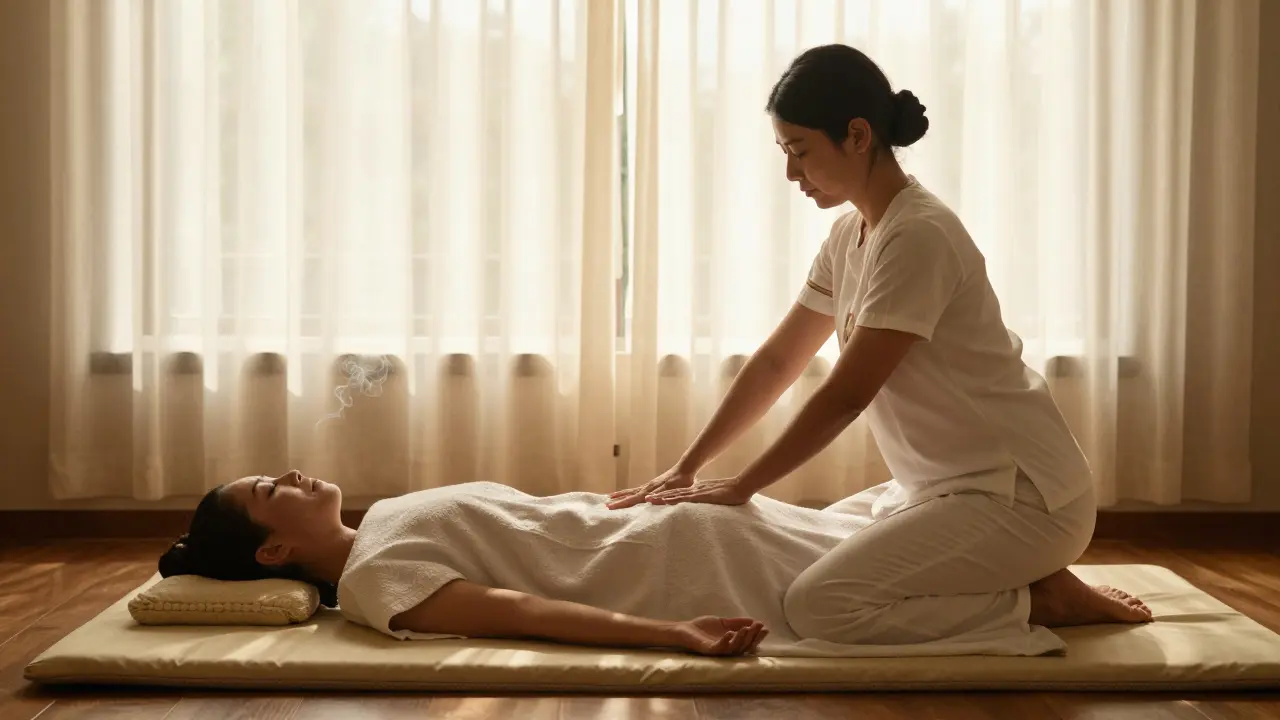
- A person lying on a clean mat in a quiet, softly lit room, wearing loose yoga clothes, therapist’s hands gently stretching their leg.
- Side-by-side photo: one person in a spa robe after a Swedish massage, another in casual clothes after Thai massage-caption: “Different styles, same goal: relief.”
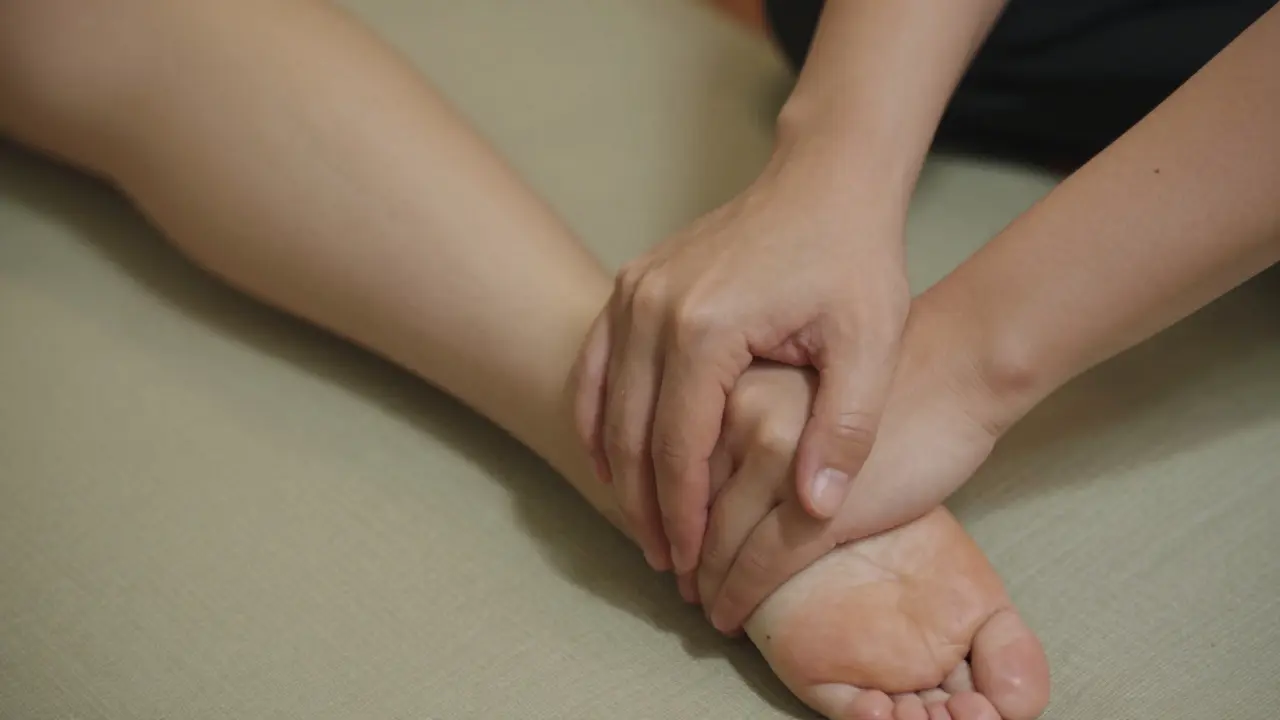
- Close-up of hands applying pressure to a foot during Thai massage, showing technique without skin exposure.
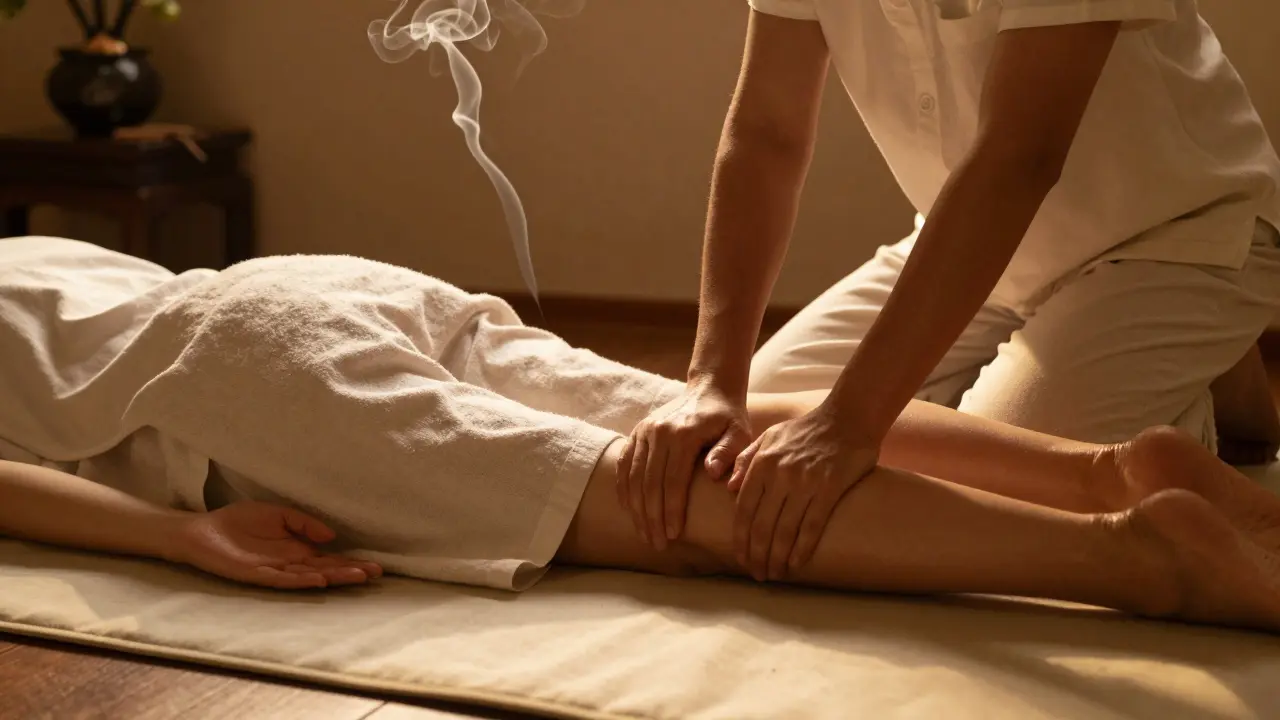
- Therapist kneeling beside a mat, using their knee to gently stretch a client’s back-demonstrating body mechanics.
- Before-and-after contrast: someone hunched over a desk vs. standing tall after a Thai massage session.
Suggested Tables
- Comparison of Massage Types (already included in article)
- Key Benefits of Thai Massage (already included in article)
- Safety Tips for Thai Massage (already included in article)
Annah Hill
December 9, 2025 AT 04:41Let’s be real - if you’re wearing a bra, you’re doing it wrong. Thai massage isn’t about modesty, it’s about freedom. You’re not at a beach, you’re on a mat. The therapist has seen more bodies than a medical school cadaver lab. Stop overthinking it. Just breathe.
Lynn Ma
December 10, 2025 AT 23:58Bro, I went in wearing a sports bra and a tank top and the therapist literally paused, looked at me like I’d just brought a toaster to a sushi bar, and said, ‘Honey, you’re not in a yoga class.’ I took it off. Felt like a newborn. Felt like I’d shed a second skin. Now I don’t wear underwear to my sessions. It’s not sexy - it’s sacred.
Jess Felty
December 11, 2025 AT 07:21They’re watching you. Always. Every move. Every breath. That ‘therapist’? Probably on a government payroll. They train people in Thailand to subtly map your body’s energy lines - then sell that data to Dubai’s surveillance contractors. This isn’t wellness. It’s biometric harvesting disguised as stretching. You think you’re relaxing? You’re being cataloged. Next thing you know, your Fitbit will ping: ‘Your sacral chakra is flagged for review.’
Kathy ROBLIN
December 12, 2025 AT 15:48I cried during my Thai massage. Not because it hurt - because the therapist, this quiet woman with silver hair, gently moved my leg like I was a child and whispered, ‘You’ve been holding on too long.’ And I just lost it. I didn’t even know I was holding on to anything. Now I go every two weeks. My husband thinks I’m having an affair. I told him it’s just my soul getting a haircut.
LeeAnne Brandt
December 13, 2025 AT 14:15Wore my favorite cotton tank and leggings. No bra. Felt weird at first. Then felt amazing. The therapist didn’t even glance at me funny. Just smiled and said, ‘Good. You’re ready.’ No judgment. Just pressure. Just movement. Just peace. If you’re nervous - just go. You’ll thank yourself later. 😌
siva kumar
December 14, 2025 AT 00:59As someone from India where Ayurveda and traditional healing are woven into daily life, I find this article refreshingly accurate. Thai massage is not a spa gimmick - it’s a living lineage. The Sen lines? They’re the same as Nadis in yoga. The compression? Similar to Ayurvedic Abhyanga, but with dynamic movement. In Kerala, we do this on wooden tables, but the essence is identical. What’s missing here is the spiritual context - this isn’t just physical therapy, it’s a ritual. The therapist is not a masseuse, they’re a healer trained in a gurukul system. And yes, clothing? You wear what lets your body breathe - nothing more, nothing less. The bra? Irrelevant. The intention? Everything.
satish gottikere shivaraju
December 14, 2025 AT 01:00First time I tried Thai massage in Bangkok, I was nervous too. But after the third session, I realized - this is what my body has been screaming for. No oils, no music, no fancy candles. Just hands, knees, and truth. I used to think massage was about relaxation. Turns out, it’s about repair. I’ve got sciatica from sitting at a desk for 15 years. After six sessions, I walked without wincing for the first time since 2018. If you’re skeptical, go. If you’re scared, go harder. Your spine will thank you.
Abraham Pisico
December 15, 2025 AT 13:40Oh, so now we’re telling women they don’t need a bra to get stretched like a pretzel by a stranger? Brilliant. Next, we’ll tell them to take off their pants because ‘it’s cultural.’ Look, I get it - it’s not sexual. But it’s still intimate. And intimacy should be consensual, not coerced by cultural guilt. Why can’t we just say, ‘Wear what makes you comfortable’ without turning it into a moral crusade? You don’t need to strip to be spiritual. You just need to breathe. And maybe, just maybe, the therapist doesn’t care what you’re wearing - but you should care about your own boundaries. Not everyone’s ready to be a human yoga mat.
Tarapada Jana
December 17, 2025 AT 03:31How quaint. A Westerner writing a guide to Thai massage, as if authenticity can be distilled into a blog post with affiliate links. The real practitioners in Chiang Mai don’t advertise on TripAdvisor. They work in temples, under mango trees, charging 200 baht. This commodification of tradition - the ‘authentic’ spas in DIFC, the ‘certified’ therapists with Instagram reels - is cultural tourism at its most predatory. You don’t need to remove your bra. You need to remove your arrogance. The tradition doesn’t need your validation. It’s been breathing long before you booked your first session.
Lippard Babette
December 18, 2025 AT 05:06I just went for my first session and honestly? I wore a sports bra and felt fine. The therapist didn’t say a word. We just got to work. I was nervous I’d be judged, but she was so calm and professional it put me at ease. Honestly, the whole thing felt more like a hug from your wise grandma than a massage. If you’re unsure - go anyway. You’ll figure it out once you’re there. And hey - if you’re still nervous, just say so. They’ve heard it all before. 💛