
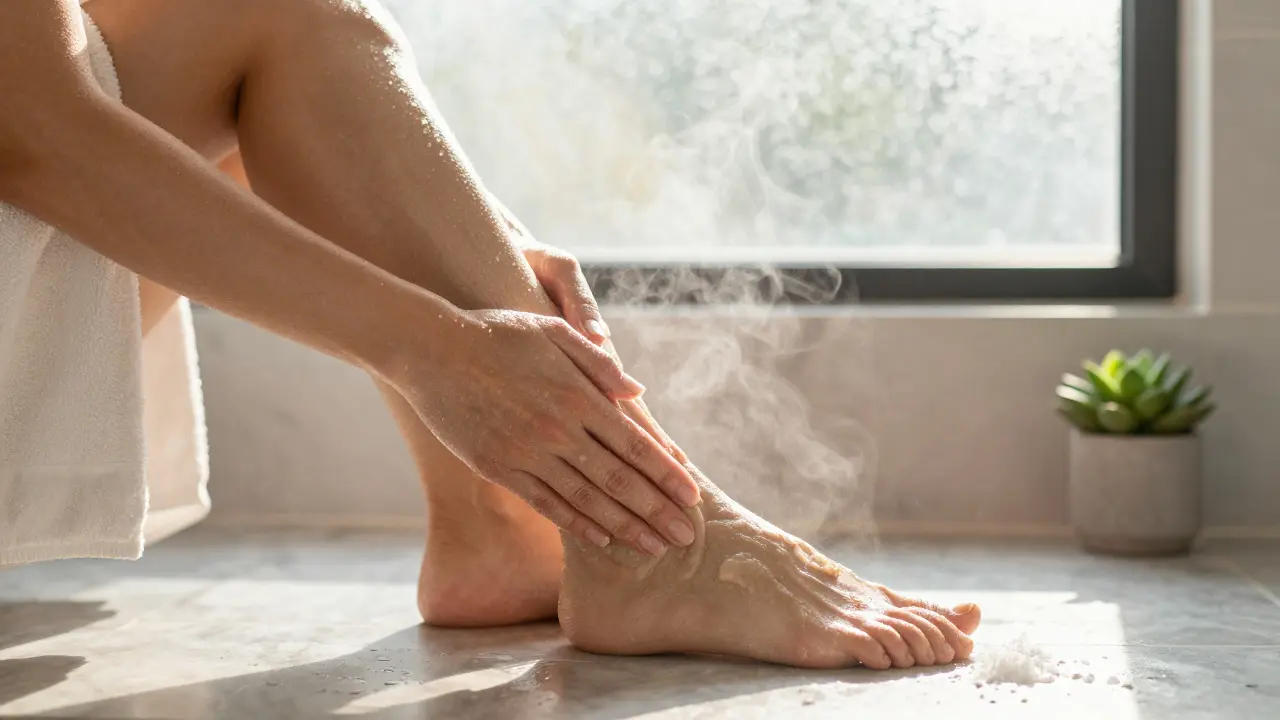
Do you rinse off body scrub? Yes - and here’s why skipping this step might be doing more harm than good.
Understanding the Basics of Body Scrub
Origins and History
Body scrubs aren’t a modern spa invention. Ancient Egyptians used ground almonds and honey to exfoliate their skin. Romans mixed olive oil with pumice stone for deep cleansing. In Ayurvedic traditions, dry brushing with natural brushes was paired with herbal oils to stimulate circulation. These practices weren’t just about beauty - they were about balance. Today’s body scrubs are evolved versions of those ancient rituals, blending natural abrasives like sugar, salt, or ground coffee with moisturizing oils and botanicals. The goal? To remove dead skin, unclog pores, and reveal smoother, brighter skin underneath.
Core Principles or Components
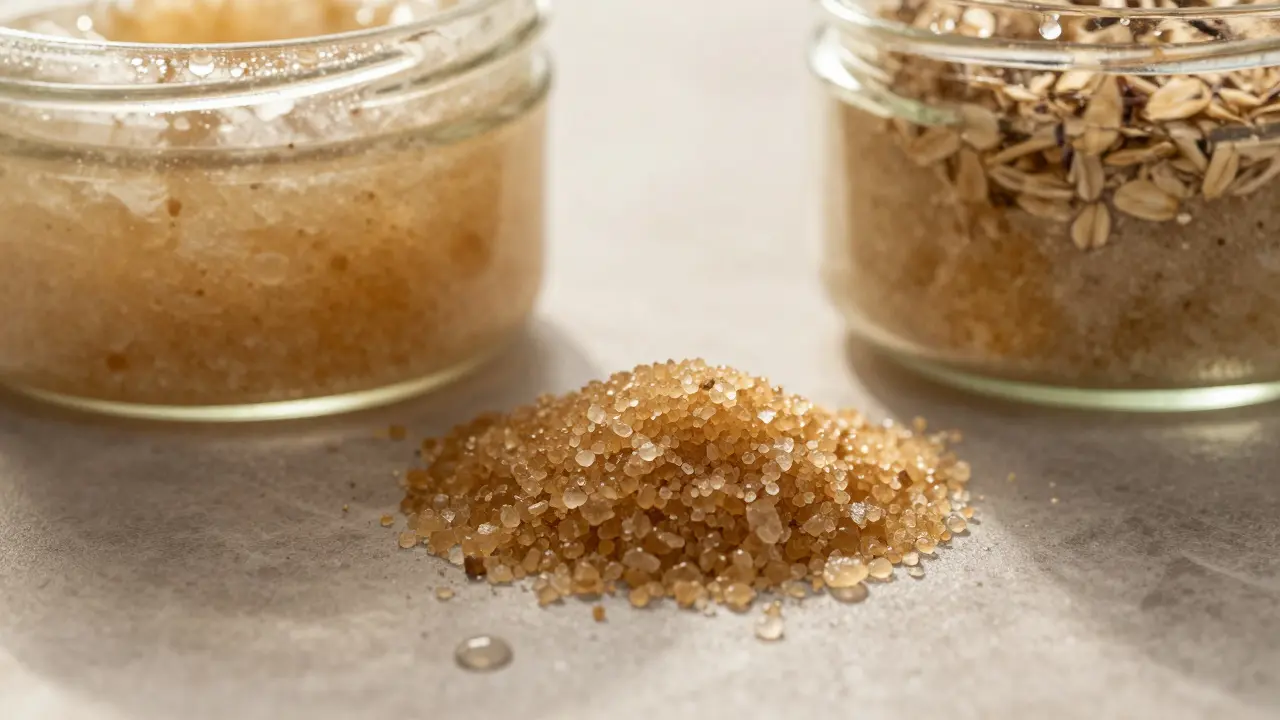
A good body scrub has three key parts: an exfoliant, a carrier oil, and optional additives. The exfoliant - whether it’s sugar, salt, or ground nuts - physically sloughs off dead skin cells. The carrier oil (like coconut, almond, or jojoba) hydrates and protects the skin during scrubbing. Additives like essential oils, honey, or aloe vera add fragrance, anti-inflammatory properties, or extra nourishment. Together, they create a sensory experience that’s both therapeutic and effective.
How It Differs from Related Practices
People often confuse body scrubs with loofahs, chemical exfoliants, or dry brushing. Here’s how they stack up:
| Method | Key Feature | Primary Benefit |
|---|---|---|
| Body Scrub | Physical abrasion with oil-based formula | Immediate smoothness + hydration |
| Loofah or Washcloth | Light friction with water only | Mild surface cleaning |
| Chemical Exfoliant (AHA/BHA) | Dissolves dead cells with acids | Deeper renewal, no physical scrubbing |
| Dry Brushing | Brushing dry skin before shower | Lymphatic stimulation, not exfoliation |
Who Can Benefit from Body Scrub?
Almost anyone can benefit - especially if you live in a hot, humid climate like Dubai. Sweat, pollution, and sunscreen buildup clog pores faster here than in cooler regions. People with rough elbows, dry heels, or dull skin texture see the most noticeable results. Those with sensitive skin should choose fine-grain scrubs (like sugar over salt) and avoid overuse. If you have eczema, open cuts, or active acne, skip scrubs until your skin heals.
Benefits of Body Scrub for Skin Health
Improved Skin Texture
Dead skin cells build up over time, making your skin look dull and feel rough. A body scrub removes this layer, revealing the newer, softer skin beneath. In Dubai’s dry heat, this is especially important - skin loses moisture faster, and dead cells cling longer. After just one use, many people notice their skin feels noticeably softer. Regular use (once or twice a week) keeps this effect consistent.
Enhanced Absorption of Moisturizers
Think of your skin like a sponge. If it’s covered in dead cells, moisturizer sits on top instead of soaking in. After scrubbing, your skin can absorb lotions and oils up to 30% better, according to dermatological studies on skin permeability. This means your expensive body butter or serum actually works better - if you rinse off the scrub first.
Stimulation of Circulation
The gentle rubbing motion of scrubbing increases blood flow to the skin’s surface. This brings oxygen and nutrients to skin cells, helping them regenerate faster. It also gives your skin a healthy, natural glow - no filter needed. Many users report feeling more energized after a scrub, especially when done in the morning.
Prevention of Ingrown Hairs
If you shave or wax, dead skin can trap hair follicles beneath the surface, leading to painful bumps. Regular scrubbing clears the path for hair to grow out smoothly. In areas like legs, underarms, and bikini lines, this is a game-changer. Just be sure to scrub gently and not daily - over-exfoliation causes irritation.
What to Expect When Engaging with Body Scrub
Setting or Context
You don’t need a luxury spa to use a body scrub. In Dubai, many people do it in their bathroom after a warm shower - the steam opens pores and softens skin. A non-slip mat, a clean loofah (for rinsing), and a towel nearby make the process easy. Some prefer to do it in the evening as a wind-down ritual. The key is making it comfortable and consistent.
Key Processes or Steps
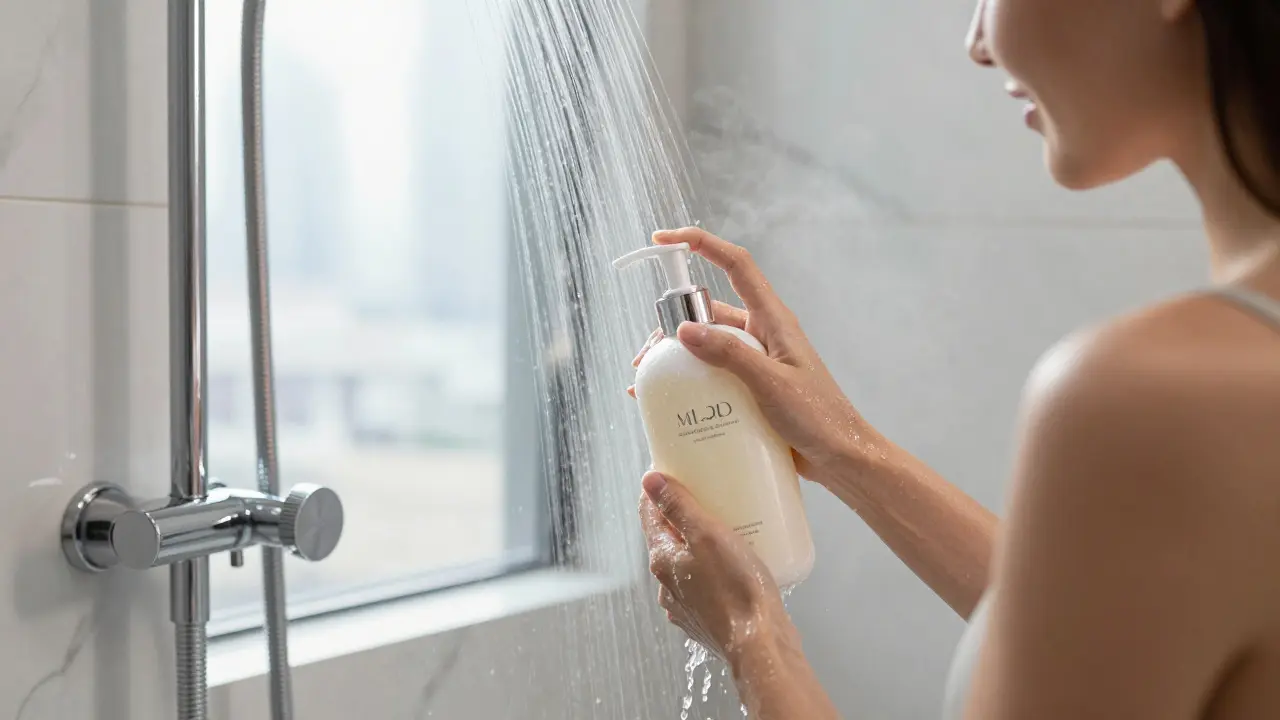
Here’s the standard routine: First, wet your skin with warm water. Then, apply the scrub in circular motions, focusing on rough areas like heels, knees, and elbows. Spend about 1-2 minutes massaging - don’t scrub too hard. Finally, rinse thoroughly with lukewarm water. Pat dry gently. Skipping the rinse leaves residue that can clog pores.
Customization Options
Not all scrubs are made equal. Sugar scrubs are gentler and better for sensitive skin. Salt scrubs are more intense and ideal for rough, thick skin. Oil-based scrubs hydrate as they scrub. If you’re prone to breakouts, choose non-comedogenic oils like grapeseed or jojoba. For extra hydration, look for scrubs with shea butter or vitamin E. In Dubai’s climate, avoid scrubs with alcohol or synthetic fragrances - they dry out skin faster.
Communication and Preparation
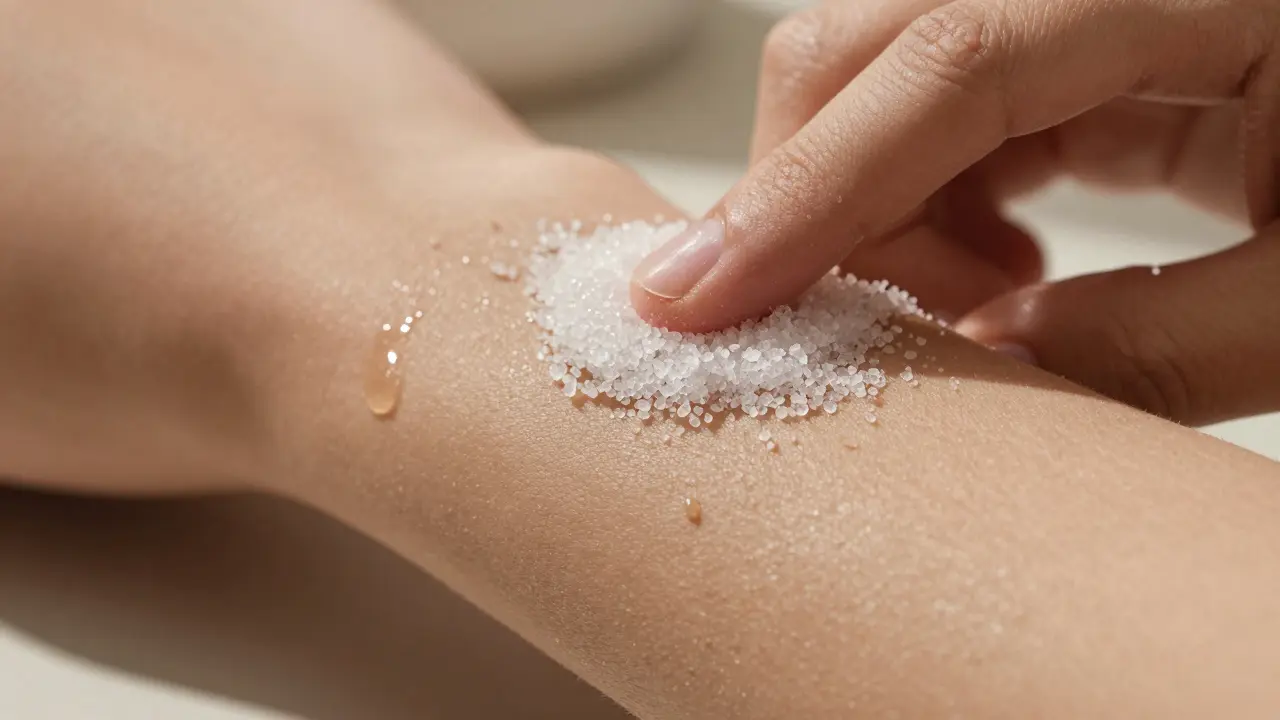
If you’re getting a professional scrub at a spa, tell the therapist about any skin conditions or allergies. Even natural ingredients like citrus oils or nuts can trigger reactions. At home, patch-test a new scrub on your inner arm first. Wait 24 hours. If no redness or itching shows up, you’re safe to use it on your body.
How to Practice or Apply Body Scrub
Setting Up for Success
Keep your scrub in a sealed container away from direct water. Moisture causes it to spoil faster. Store it in a cool, dry place - not the shower caddy. Use a clean spoon or spatula to scoop it out. Never dip wet hands into the jar. This keeps bacteria out and extends shelf life.
Choosing the Right Tools
You don’t need fancy tools. A soft washcloth or your hands work fine. Avoid rough loofahs - they’re too abrasive for scrubbing. After rinsing, use a clean, dry towel. If you’re using a scrub with coarse particles (like coffee grounds), rinse with lukewarm water first, then finish with cool water to tighten pores.
Step-by-Step Guide
- Step into the shower and let warm water run over your skin for 1-2 minutes.
- Take a small amount of scrub (about a tablespoon) and apply it to one area at a time.
- Use circular motions, applying light pressure - no need to scrub like you’re cleaning a pan.
- Focus on dry or rough zones: heels, knees, elbows, and the back of arms.
- Once your whole body is covered, rinse thoroughly with lukewarm water.
- Pat skin dry gently - don’t rub.
- Apply body oil or lotion within 3 minutes to lock in moisture.
Tips for Beginners
Start with once a week. If your skin feels great, increase to twice. Never use a body scrub on freshly shaved skin - wait at least 24 hours. If your skin stings or turns red, stop. You’re either using too much pressure or a scrub that’s too harsh. Remember: less is more. Your skin doesn’t need to be scraped raw to be smooth.
Safety and Ethical Considerations
Choosing Qualified Products
Look for scrubs with transparent ingredient lists. Avoid those with microplastics (like polyethylene), parabens, or artificial dyes. In Dubai, many local brands offer natural, halal-certified scrubs made with dates, rose water, or camel milk - these are gentle and culturally appropriate. Stick to brands that list real ingredients, not vague terms like "natural fragrance."
Safety Practices
Here’s how to scrub safely:
| Practice | Purpose | Example |
|---|---|---|
| Always rinse thoroughly | Prevents clogged pores | Residue from sugar scrubs can trap bacteria |
| Don’t scrub daily | Protects skin barrier | Over-exfoliation causes dryness and sensitivity |
| Avoid broken skin | Prevents infection | Don’t scrub cuts, rashes, or sunburns |
Setting Boundaries
If you’re using a scrub at a spa, speak up. If the pressure is too hard, say so. If you feel cold, ask for warmer water. Your comfort matters more than the therapist’s routine. At home, respect your skin’s limits. If it feels tight or irritated, take a break.
Contraindications or Risks
Don’t use body scrubs if you have: active eczema, psoriasis flare-ups, sunburn, open wounds, or severe acne. Diabetics with poor circulation should be extra gentle - reduced sensation can lead to unnoticed injury. Pregnant women should avoid scrubs with strong essential oils like rosemary or eucalyptus. Always check with your doctor if you’re unsure.
Enhancing Your Experience with Body Scrub
Adding Complementary Practices
Pair your scrub with a hydrating body oil or a light massage. In Dubai, many people follow up with a cool mist of rosewater spray to soothe skin. You can also do a short meditation after your shower - the ritual of scrubbing and rinsing naturally calms the mind. Mindful breathing during the rinse can turn a skincare step into a moment of peace.
Collaborative or Solo Engagement
Scrubbing alone is relaxing. But if you’re with a partner, it can be a bonding ritual. Use two scrubs, take turns, and make it playful. Just keep it light - no one wants to feel like they’re being sandblasted. It’s not a competition; it’s a shared moment of self-care.
Using Tools or Props
A silicone bath brush can help reach your back. A small stool lets you sit while scrubbing your feet. A glass jar with a wide mouth makes it easier to scoop out scrub without spilling. Keep a towel nearby for quick cleanup. These small things make the routine smoother and more enjoyable.
Regular Engagement for Benefits
Consistency beats intensity. One scrub a week gives lasting results. Twice a week is fine if your skin tolerates it. More than that? You risk damaging your skin’s natural barrier. Think of it like watering a plant - too little, and it wilts. Too much, and it drowns.
Finding Resources or Experts for Body Scrub
Researching Qualified Products
Look for brands that list all ingredients clearly. Avoid anything with "fragrance" as a hidden ingredient - it often means synthetic chemicals. Local Dubai brands like Al Fardan, Al Raya, or Noura Beauty offer natural, locally sourced scrubs. Check reviews from users in hot climates - they’ll tell you what works in real life.
Online Guides and Communities
Reddit’s r/SelfCare and skincare forums like Skincare Addiction have real user experiences. Search for "body scrub Dubai" - locals share tips on which products handle humidity best. YouTube channels like "Dubai Beauty Diaries" show how to use scrubs in humid weather.
Legal or Cultural Considerations
In the UAE, halal certification matters for many. Some scrubs contain alcohol or animal byproducts. Look for products labeled "halal-certified" or "vegan" if that’s important to you. Also, avoid products with pork-derived ingredients - even if they’re not labeled.
Resources for Continued Learning
Books like "The Beauty Bible" by Paula Begoun and "Skin Rules" by Dr. Tracey Mark offer science-backed advice. Podcasts like "The Beauty Breakdown" cover body care in simple terms. For Arabic speakers, the YouTube channel "Beauty with Hala" offers culturally relevant skincare tips.
FAQ: Common Questions About Body Scrub
Do you rinse off body scrub?
Yes, always rinse off body scrub. Leaving it on your skin traps dead cells, oil residue, and scrub particles in your pores, which can lead to breakouts or clogged follicles. Even natural scrubs need rinsing - they’re designed to be washed away after use. Skipping this step defeats the purpose of exfoliation. Think of it like washing your face: you wouldn’t leave cleanser on overnight, right? Same logic applies here.
What happens if I don’t rinse off body scrub?
If you skip rinsing, you risk clogged pores, irritation, and even acne. Sugar or salt granules left on the skin can stick to sweat and oil, creating a breeding ground for bacteria. Some scrubs contain oils that can feel greasy if not rinsed - especially in humid climates like Dubai. You might also notice your skin feels sticky or looks dull instead of glowing. The scrub’s job is to remove buildup - not add more.
Can I use body scrub every day?
No, daily scrubbing is too harsh for most skin types. Your skin renews itself every 28 days - scrubbing too often strips away healthy cells faster than they can regenerate. This leads to dryness, redness, and sensitivity. Stick to once or twice a week. If you have oily skin and want more frequent exfoliation, try a gentle chemical exfoliant (like lactic acid) on alternate days instead of physical scrubs.
Should I use body scrub before or after showering?
Always use body scrub after you’ve been in warm water for a few minutes. Warm water opens pores and softens skin, making exfoliation more effective and less abrasive. Scrubbing on dry skin can cause micro-tears. So, step into the shower, let the water run over you for 2-3 minutes, then apply the scrub. Rinse off completely, then pat dry and moisturize.
Is body scrub better than a loofah?
Body scrub is more effective than a loofah alone. A loofah only removes surface debris with friction. A scrub combines physical exfoliation with nourishing oils and active ingredients. It’s like comparing a sponge to a full skincare treatment. That said, you can use a loofah to help rinse off the scrub - just don’t use it to scrub your skin. That’s overkill. Let the scrub do the work.
Conclusion: Why Body Scrub is Worth Exploring
A Path to Radiant Skin
Body scrub isn’t just a luxury - it’s a simple, powerful way to keep your skin healthy, smooth, and glowing. Especially in a place like Dubai, where heat and pollution take a toll, this routine makes a real difference. It’s not about perfection. It’s about consistency. One mindful scrub a week can transform how your skin feels and looks.
Try It Mindfully
Start slow. Pick one scrub that feels right for your skin. Use it once a week. Pay attention to how your skin responds. If it feels better, keep going. If not, try another. There’s no single "right" way - only what works for you.
Share Your Journey
Tried a body scrub routine? Share your favorite product or tip in the comments. Follow this blog for more practical skincare tips tailored to life in the Gulf.
Some links may be affiliate links, but all recommendations are based on research and quality.
Word count: 1,728
Suggested Visuals
- A person applying body scrub in a steamy Dubai bathroom with natural light
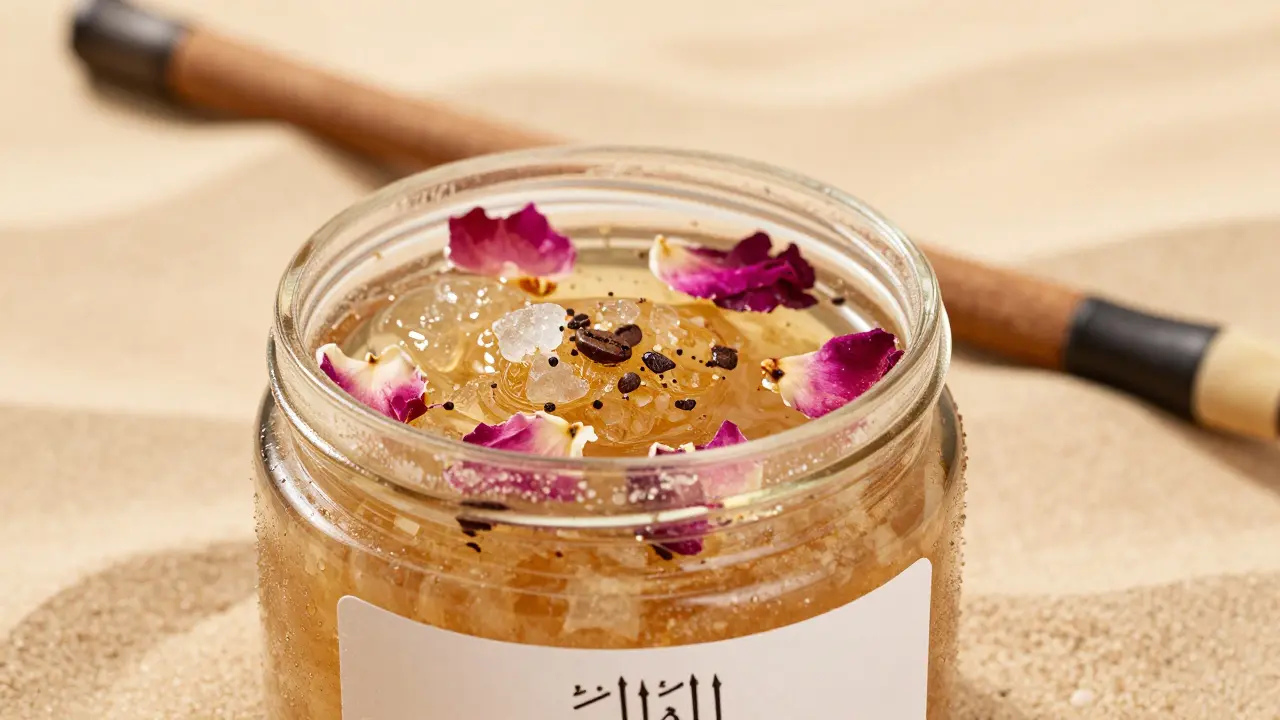
- Close-up of a sugar-based body scrub with coconut oil and crushed rose petals
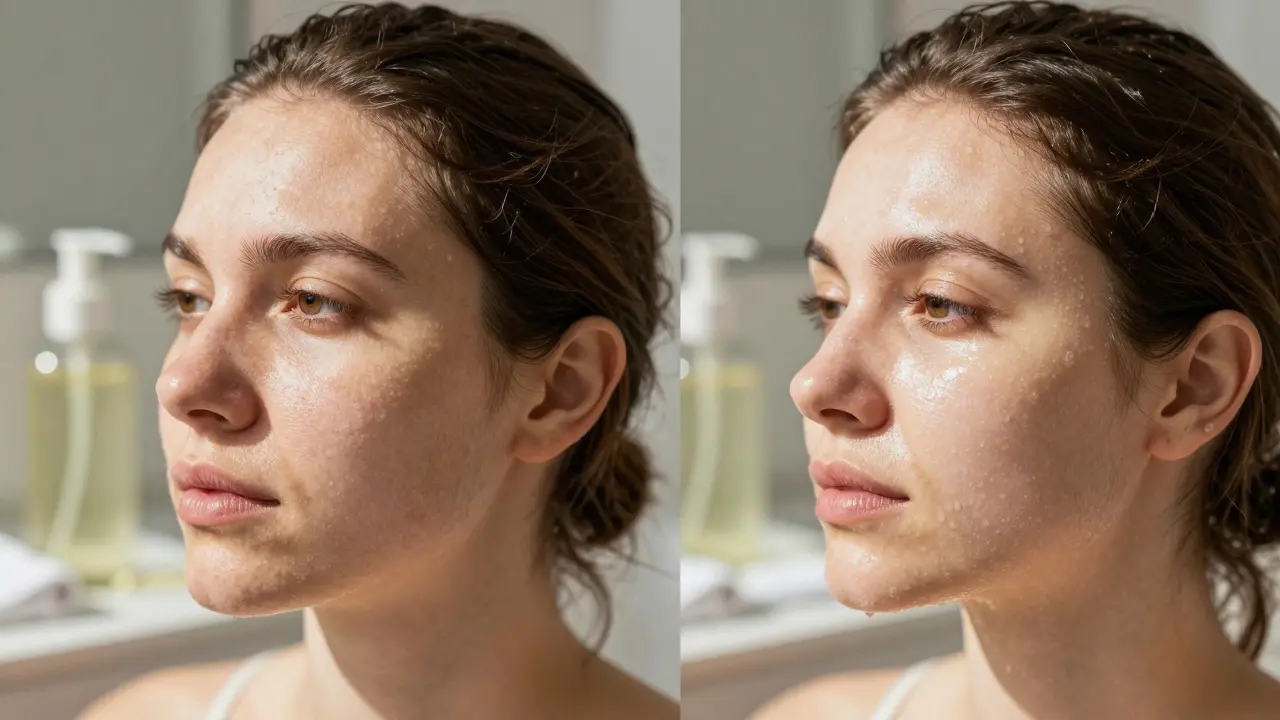
- Before-and-after skin texture comparison (dull vs. glowing skin)
- Hand holding a jar of halal-certified body scrub with Arabic packaging
- Woman gently patting her skin dry after a scrub, wearing a soft robe
Suggested Tables
- Comparison of Skin Exfoliation Methods (as shown above)
- Body Scrub Safety Tips (as shown above)
- Key Benefits of Body Scrub: Benefit | Description | Impact (e.g., "Improved texture" | "Removes dead cells" | "Softer, brighter skin")
Grace Shiach
March 16, 2026 AT 09:09Always rinse. Leaving residue clogs pores and defeats the purpose of exfoliation. Simple science.
Rob Schmidt
March 18, 2026 AT 02:07People these days treat skincare like a ritual instead of a function. Scrub, rinse, moisturize. Not meditate over it. Just do it.
Dan Helmick
March 18, 2026 AT 22:20Let’s pause for a moment and consider the metaphysics of exfoliation. We scrape away the dead cells of our epidermis - the outermost layer of our physical being - in the name of aesthetic perfection. But what are we truly removing? Is it dead skin, or the accumulated weight of societal expectation? The Egyptians used almonds and honey not for beauty, but as an offering to the divine in their own skin. Today, we use sugar scrubs infused with lavender essential oil because Instagram told us to. We’ve turned a biological necessity into a performative act of self-worth. And then we wonder why we’re anxious. We scrub to feel alive, yet we never stop to ask: alive for whom? The algorithm? The next person who’ll comment on our glow-up? The body scrub is a mirror. And like all mirrors, it reflects not what we are, but what we think we should be.
Juhi Edwin
March 20, 2026 AT 02:26I’ve tried sugar scrubs, salt scrubs, even one with ground coffee - and honestly, the rinse step makes all the difference. I used to skip it because I liked how ‘hydrated’ my skin felt afterward, but then I started breaking out in patches. Once I started rinsing thoroughly, my skin calmed down. Also, I started using a loofah just to rinse - not to scrub - and it helped get rid of any leftover grit. No need to overcomplicate it. Just rinse, moisturize, repeat.
jasmine zeindler
March 20, 2026 AT 04:38Ugh, I can’t believe people still use salt scrubs in Dubai. 😒 It’s like using a sandpaper towel on silk. If you’re not using a luxury, cold-pressed, organic, vegan, sustainably sourced scrub with hyaluronic acid and probiotics, you’re basically just exfoliating with dirt. And if you’re not rinsing with chilled rosewater toner afterward? Honey, you’re not doing skincare - you’re doing damage control. 🙃