
Do You Remove All Clothes for Massage in Thailand? A Clear Guide for First-Timers
When you hear Thai massage, you might picture a serene spa in Bangkok, gentle pressure on your back, and the quiet hum of incense. But one question keeps coming up: Do you take off all your clothes? It’s a natural concern-especially if you’re planning your first session in Thailand or even here in Dubai, where Thai-style massages are growing in popularity. The truth? You don’t need to be naked. And you shouldn’t feel pressured to be.
Thai massage is about comfort, respect, and connection-not exposure. It’s a tradition rooted in mindfulness, not nudity. Whether you’re in Chiang Mai or Downtown Dubai, how you dress for your session is entirely up to you-and reputable places will make sure you feel safe, respected, and at ease.
Understanding the Basics of Thai Massage
Origins and History
Thai massage, or Nuat Phaen Boran, traces back over 2,500 years to the teachings of Shivago Komarpaj, a physician believed to have been the Buddha’s personal doctor. It blends elements of Indian Ayurveda, Chinese meridian theory, and traditional Thai healing practices. Unlike Swedish or deep tissue massage, Thai massage is done on a mat on the floor, not a table. The therapist uses hands, elbows, knees, and feet to guide your body through stretches and pressure points-like a passive yoga session.
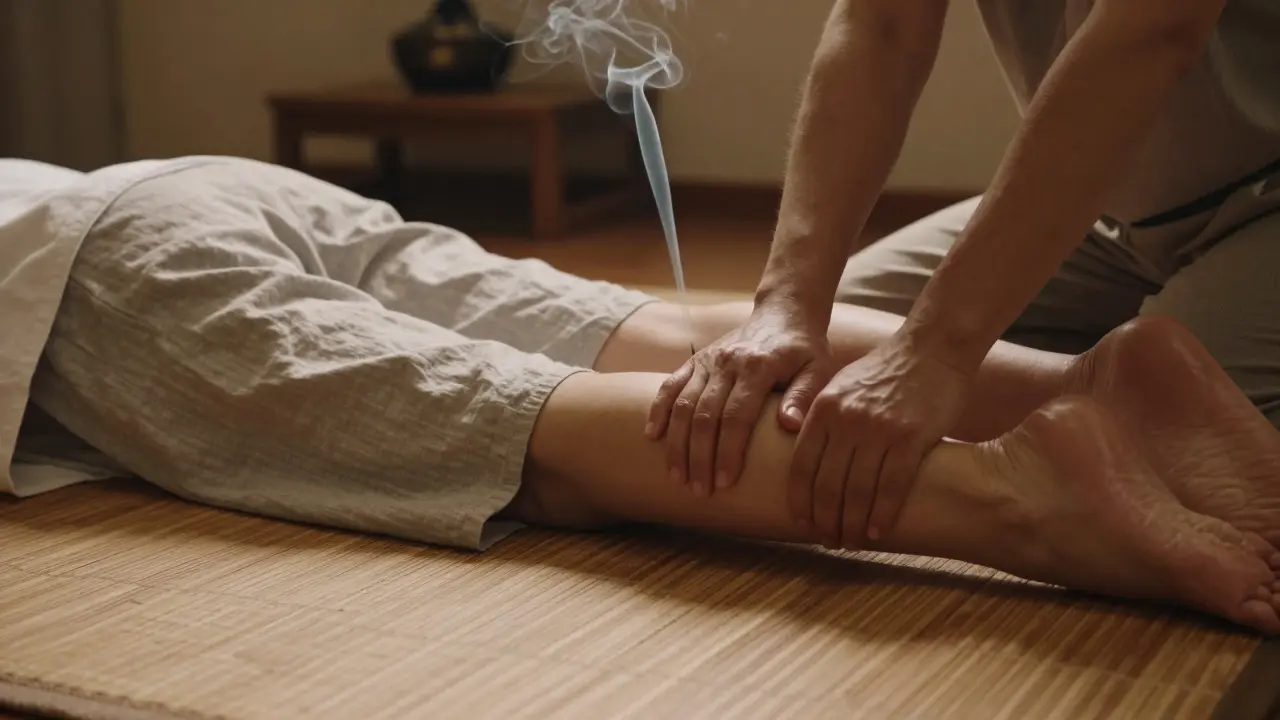
It was never meant to be a nude experience. In fact, traditional Thai healers worked in temples wearing simple clothing, and clients wore loose, modest garments. The focus was always on energy flow, not skin-to-skin contact.
Core Principles or Components
Thai massage works on the body’s energy lines, called Sen lines-similar to acupuncture meridians. The therapist applies rhythmic pressure along these lines while guiding you into gentle stretches. It’s not about oil or lotion. It’s about movement, alignment, and breath. Sessions usually last 60 to 90 minutes, and you remain fully clothed throughout.
Most modern spas still follow this tradition. You’ll typically be given a loose set of cotton pants and top to wear, or you can bring your own comfortable, stretchy clothes. The goal is to allow full range of motion without restriction.
How It Differs from Related Practices
Many people confuse Thai massage with other types, especially Swedish or oil-based massages common in Dubai spas. Here’s how they compare:
| Practice | Key Feature | Primary Benefit |
|---|---|---|
| Thai Massage | Done fully clothed on floor; uses stretches and pressure | Improves flexibility, relieves tension, boosts energy |
| Swedish Massage | Done on table with oil; light to medium pressure | Relaxes muscles, reduces stress |
| Deep Tissue Massage | Targeted deep pressure; often involves nudity | Releases chronic muscle tightness |
| Oil Massage (e.g., Ayurvedic) | Uses warm oils; often involves partial nudity | Detoxifies skin, calms nervous system |
Thai massage stands out because it doesn’t require you to undress. It’s designed to work through clothing, using fabric as a barrier that still allows the therapist to apply effective pressure.
Who Can Benefit from Thai Massage?
Almost everyone. Athletes use it to improve mobility. Office workers find relief from stiff necks and shoulders. Travelers swear by it after long flights. Even people with chronic pain or limited flexibility benefit-because the therapist adjusts pressure and movement to your comfort level.
It’s especially helpful if you’re uncomfortable with nudity, have sensory sensitivities, or come from a culture where modesty matters. You don’t need to be flexible, fit, or fearless. Just show up open-minded.
Benefits of Thai Massage for Your Body and Mind
Stress Reduction
Thai massage activates the parasympathetic nervous system-the part of your body that says, “It’s safe to relax.” The rhythmic pressing and stretching slow your heart rate and lower cortisol levels. Research from the National Institutes of Health suggests that regular massage therapy can reduce anxiety and improve sleep quality Web source (https://www.nih.gov). You won’t feel buzzed or dazed afterward-you’ll feel grounded, calm, and quietly energized.
Enhanced Functionality
Think of Thai massage as a full-body tune-up. The stretches gently realign joints and release tight muscles that you didn’t even know were stuck. Many clients report better posture, easier bending, and less stiffness when walking or sitting. It’s not just about feeling good-it’s about moving better.
Emotional Well-Being
There’s something deeply calming about being gently guided through movement without having to do anything. For people dealing with burnout, anxiety, or emotional fatigue, Thai massage offers a rare kind of non-verbal support. You’re not being asked to talk, analyze, or perform. You’re simply held, pressed, and stretched-like a tree bending in the wind, not breaking.
Practical Applications
Many Dubai residents use Thai massage as part of their weekly self-care routine. After a long week of meetings, travel, or family demands, a 60-minute session can reset your nervous system. It’s cheaper than a therapy session, faster than a yoga class, and more effective than scrolling through calming videos. It’s a practical tool for modern life.
| Benefit | Description | Impact |
|---|---|---|
| Improved Flexibility | Passive stretching opens hips, shoulders, and spine | Reduces risk of injury, improves posture |
| Reduced Muscle Tension | Pressure on key points releases knots | Less headaches, neck pain, lower back discomfort |
| Boosted Circulation | Compression and movement increase blood flow | Faster recovery, clearer skin, more energy |
| Emotional Reset | Non-verbal, non-judgmental touch lowers stress | Better sleep, improved mood, mental clarity |
What to Expect When Engaging with Thai Massage
Setting or Context
In Thailand, you might find Thai massage in a quiet temple compound, a bustling street-side shop, or a luxury resort. In Dubai, it’s usually in upscale spas, wellness centers, or dedicated Thai massage studios. The room is calm-low lighting, soft music, maybe a hint of lemongrass or sandalwood. You’ll be shown to a clean mat on the floor, not a table.
There’s no steam, no oils, no music with lyrics. The environment is designed to help you disconnect-not to impress.
Key Processes or Steps
Here’s what happens in a typical session:
- You change into the provided clothing (or your own loose attire).
- You lie on the mat, face up or down, depending on the therapist’s plan.
- The therapist begins with gentle pressure on your feet and legs, moving upward.
- You’ll be guided into stretches-knees to chest, arm rotations, spinal twists.
- They may use their elbows or knees to apply deeper pressure on tight areas.
- It ends with quiet breathing and a moment of stillness.
You won’t be asked to move or speak unless you want to. The therapist reads your body and adjusts accordingly.
Customization Options
Good therapists will ask you before the session: “How firm do you like it?” “Any areas to avoid?” “Any injuries?”
Want lighter pressure? Say so. Need more focus on your lower back? Tell them. Thai massage is highly adaptable. It’s not a one-size-fits-all routine. It’s a conversation between your body and their hands.
Communication and Preparation
Don’t show up right after a heavy meal. Avoid caffeine 30 minutes before. Drink water afterward. That’s it.
And here’s the most important thing: say what you need. If you feel pain, not pressure-speak up. If you’re cold, ask for a blanket. If you’re uncomfortable with a stretch, stop it. Your comfort is non-negotiable.
How to Practice or Apply Thai Massage
Setting Up for Success
If you’re trying Thai massage for the first time, choose a place with good reviews-especially from travelers or locals who mention respect for boundaries. Look for phrases like “modest attire encouraged” or “no nudity required.” Avoid places that emphasize “full body” or “romantic” massage-that’s not Thai massage. That’s something else entirely.
Choosing the Right Tools/Resources
You don’t need tools for a professional session. But if you want to try simple stretches at home, a yoga mat and a strap (or towel) help. Online videos from certified Thai therapists (like those from the Thai Healing Alliance) can guide you through basic sequences.
Step-by-Step Guide
For your first session:
- Book a 60-minute Thai massage (not a 30-minute one-there’s not enough time to feel the difference).
- Wear loose, stretchy clothing (yoga pants and a t-shirt work great).
- Arrive 10 minutes early to relax and chat with the therapist.
- Confirm you’ll stay clothed-no need to feel awkward asking.
- Let them know if you have any injuries, recent surgeries, or sensitive areas.
- Relax. Breathe. Don’t try to “do” anything.
Tips for Beginners or Couples
First-timers often worry about being “too stiff” or “not flexible enough.” Don’t. Thai massage is for people who can’t touch their toes. It’s for people who sit at desks all day. It’s for people who’ve never done yoga.
Going with a partner? Some spas offer side-by-side sessions. It’s a great way to share calm. But remember-you’re there for yourself. Don’t compare your experience to theirs.
Safety and Ethical Considerations
Choosing Qualified Practitioners
In Dubai, look for therapists trained in Thailand or certified by organizations like the Thai Healing Alliance or the Traditional Thai Massage Association. Ask where they trained. A reputable therapist will be happy to tell you.
Avoid places that don’t list credentials or use vague terms like “expert” or “master.” Real training takes hundreds of hours.
Safety Practices
Hygiene matters. The mat should be clean. The therapist should wash their hands. No oils should be used unless you ask for them (and even then, it’s not traditional Thai massage).
| Practice | Purpose | Example |
|---|---|---|
| Wear clean, loose clothing | Allows movement, prevents slipping | Cotton pants and t-shirt |
| Communicate discomfort | Prevents injury | Say “too much pressure” or “stop here” |
| Stay hydrated | Helps flush toxins | Drink water before and after |
| Check credentials | Ensures trained, ethical care | Ask where they trained in Thailand |
Setting Boundaries
Your body, your rules. No therapist should ever touch your genitals, breasts, or buttocks. Ever. If they do, leave immediately and report it. A good therapist will always ask before adjusting your position or applying pressure to sensitive areas.
If you’re unsure, ask: “Will I be clothed the whole time?” If they hesitate, walk away.
Contraindications or Risks
Thai massage is safe for most people. But avoid it if you have:
- Recent fractures or severe osteoporosis
- Deep vein thrombosis (blood clots)
- Open wounds or infections
- Severe arthritis in the spine
- Are pregnant without prior approval from your doctor
If you’re unsure, check with your doctor first. Better safe than sorry.
Enhancing Your Experience with Thai Massage
Adding Complementary Practices
Pair your massage with mindfulness. Breathe deeply during the session. Afterward, sit quietly for five minutes. No phone. Just stillness. You’ll notice the effects last longer.
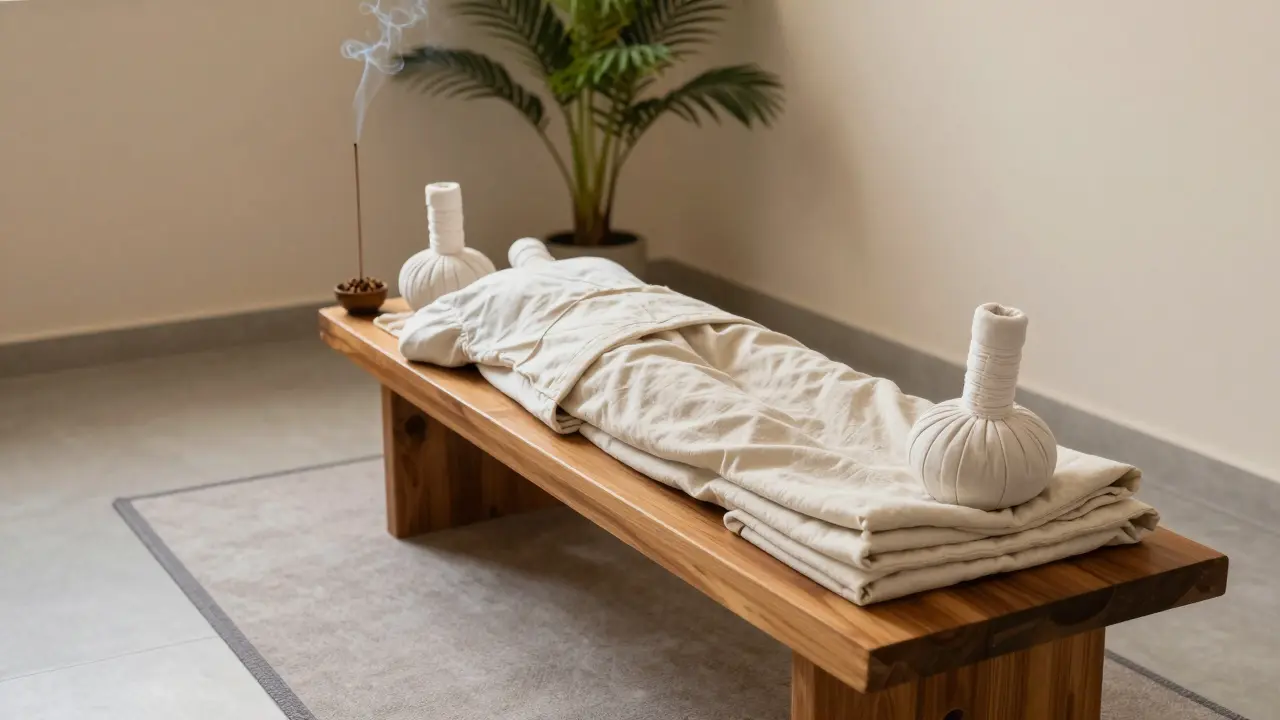
Some people combine it with aromatherapy or herbal compresses-but those are extras. The core Thai massage doesn’t need them.
Collaborative or Solo Engagement
Thai massage is deeply personal. You don’t need a partner to benefit. But if you’re going with someone, use it as a shared ritual-not a competition. Talk about it afterward. What did you feel? What surprised you?
Using Tools or Props
At home, try a foam roller or massage ball for self-care between sessions. Focus on your calves, shoulders, and feet. Even five minutes helps.
Regular Engagement for Benefits
One session feels good. Two a month feels transformative. Like stretching or walking, Thai massage is best as a habit. Many Dubai residents book every 3-4 weeks. It becomes part of their rhythm-like brushing their teeth.
Finding Resources or Experts for Thai Massage
Researching Qualified Practitioners
Look for therapists trained in Chiang Mai or Bangkok. Ask if they studied at Wat Pho (the most famous Thai massage school). Check Google reviews for phrases like “respectful,” “professional,” “no nudity.” Avoid places with overly sexualized language.
Online Guides and Communities
YouTube channels like “Thai Healing Massage” and “The Thai Massage Academy” offer free tutorials. Reddit’s r/ThaiMassage has real stories from travelers. Use these to learn, not to self-treat.
Legal or Cultural Considerations
In Thailand, massage is a respected profession. In Dubai, it’s regulated under wellness services. Always choose licensed centers. Avoid unlicensed street vendors-even if they’re cheaper. You’re paying for skill, not just touch.
Resources for Continued Learning
Books like Thai Massage: The Ancient Art of Healing by P. R. Phoet and The Thai Massage Handbook by K. R. Noppakun offer clear, illustrated guides. Workshops in Dubai are occasionally offered by Thai-certified instructors-ask at your spa.
FAQ: Common Questions About Thai Massage
Do you take off your clothes for Thai massage in Thailand?
No, you do not remove all your clothes for Thai massage. You remain fully clothed throughout the session, typically wearing loose, comfortable clothing provided by the spa. Thai massage is designed to work through fabric, using pressure and stretching-not oil or skin contact. This is true whether you’re in Bangkok, Chiang Mai, or Dubai. Reputable therapists prioritize your comfort and modesty.
What happens during a Thai massage session?
You lie on a mat on the floor while the therapist uses their hands, elbows, knees, and feet to apply pressure along energy lines and guide you through stretches. It feels like a mix of yoga and deep tissue work. There’s no oil, no music with lyrics, and no nudity. The session lasts 60-90 minutes and ends with quiet breathing. You’ll feel relaxed, stretched, and slightly energized-not sleepy.
How is Thai massage different from a Swedish massage?
Swedish massage is done on a table with oil, involves nudity (covered by a towel), and uses long, flowing strokes to relax muscles. Thai massage is done on the floor, fully clothed, and focuses on stretching and acupressure. Thai massage is more active-you’re moved into poses. Swedish is more passive-you’re just lying there. Thai massage improves flexibility; Swedish reduces surface tension.
Is Thai massage suitable for beginners?
Yes, absolutely. Thai massage is one of the most beginner-friendly massage styles because you don’t need to undress, and the therapist adjusts pressure to your comfort. Many first-timers are surprised by how gentle it can be. Start with a 60-minute session and communicate clearly. You don’t need to be flexible or fit-just open-minded.
Can I request to stay fully clothed during a massage in Dubai?
Yes, and you should always feel empowered to do so. In Dubai, reputable spas offer Thai massage as a clothed experience. If a place insists you undress, it’s not Thai massage-it’s likely a different service. Always confirm before your session. Your comfort is not negotiable. A professional therapist will respect your boundaries without question.
Conclusion: Why Thai Massage is Worth Exploring
A Path to Calm and Clarity
Thai massage isn’t about exoticism or indulgence. It’s a quiet, powerful way to reconnect with your body-without the pressure to perform or expose. Whether you’re in Dubai or traveling abroad, it’s a practice that honors your boundaries while delivering real results: less pain, more movement, deeper calm.
Try It Mindfully
Don’t go in expecting magic. Go in with curiosity. Ask questions. Speak up. Choose a therapist who listens. Let the massage do its work-not your fears.
Share Your Journey
Tried Thai massage? Share your experience in the comments. Did it surprise you? Did you feel more relaxed than you expected? Let others know it’s okay to stay clothed-and still feel amazing.
Follow this blog for more honest guides to wellness in Dubai-from spa etiquette to hidden healing spots you won’t find on Instagram.
Some links may be affiliate links, but all recommendations are based on research and quality.
Word count: 1,723
Suggested Images
- A person in loose cotton clothing lying on a bamboo mat during a Thai massage, with hands gently pressing on the leg
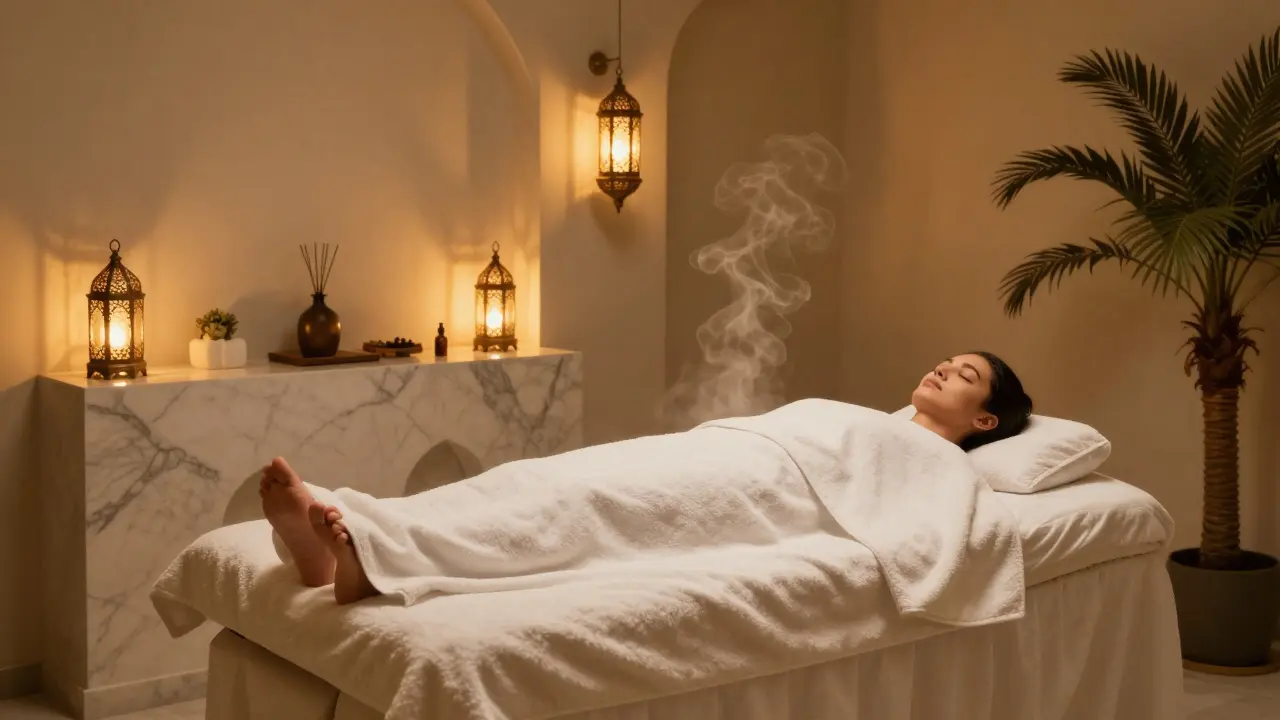
- A serene spa room in Dubai with low lighting, a mat on the floor, and incense smoke rising
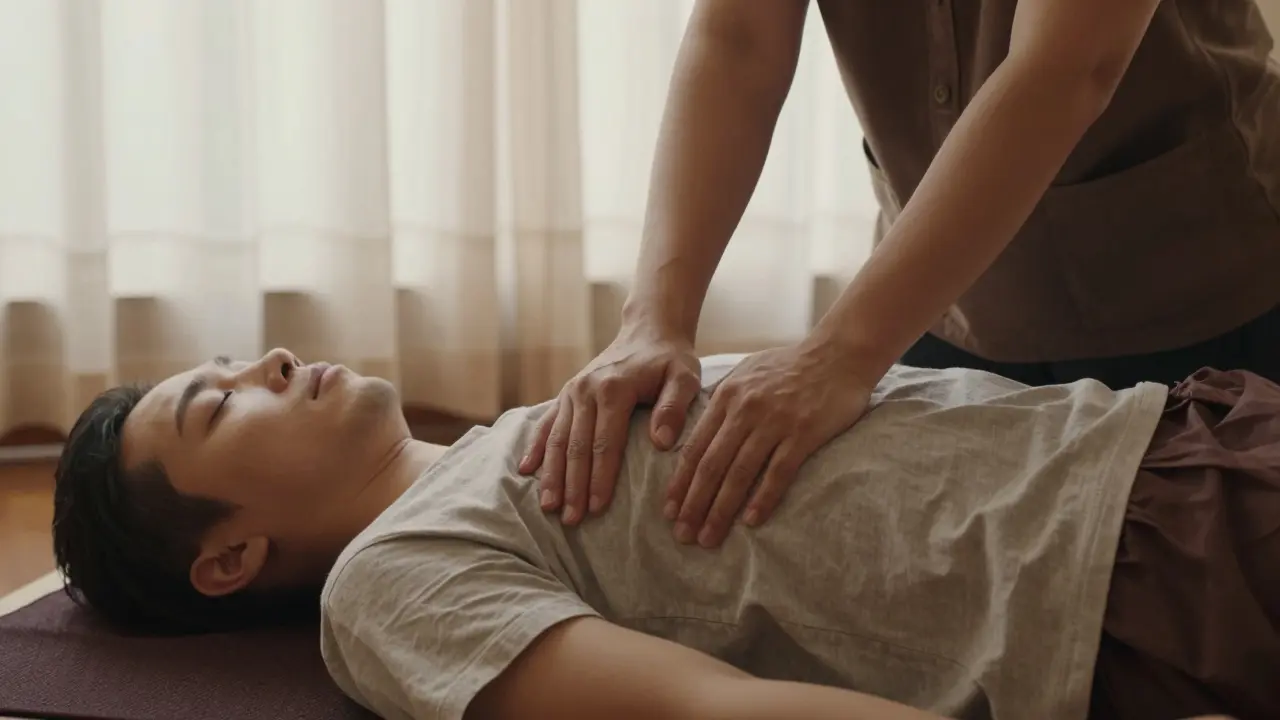
- A Thai massage therapist using their knee to apply gentle pressure on a client’s back, fully clothed
- Side-by-side comparison: one person in yoga clothes receiving Thai massage, another on a table receiving Swedish massage
- A pair of clean, folded cotton massage clothes on a wooden bench
Suggested Tables
- Comparison of Massage Styles (already included)
- Key Benefits of Thai Massage (already included)
- Safety Tips for Thai Massage (already included)
Sana Siddiqi
January 4, 2026 AT 15:37soooo… you mean i don’t have to strip like i’m at a nudist beach just to get my back un-kinked? 🤯 i thought thai massage was just ‘massage’ with extra steps and zero dignity. turns out my cotton pants are officially my new flex. also, therapist using their knee on my back? yeah, that’s not weird. that’s just… yoga with elbows. 10/10 would not undress again.
Maria Biggs
January 5, 2026 AT 08:15okay but if you’re fully clothed, how is this even a ‘massage’? 😒 like, i’ve had swedish where i was basically naked under a towel and it felt like divine intervention. you’re telling me fabric somehow makes pressure more ‘spiritual’? 🤔 also, why do you assume everyone’s uncomfortable with nudity? some people find it liberating. this whole ‘modesty culture’ is just performative trauma. 🙄
Ben Görner
January 5, 2026 AT 19:41Hey Maria, I get where you're coming from - and I totally get that some folks feel more relaxed without clothes. But Thai massage isn't about skin exposure, it's about energy flow and movement. The clothing isn't a barrier - it's part of the tradition. You're not missing out on the experience by staying dressed. In fact, you're honoring the roots of the practice. Plus, if you're someone who's had bad experiences with boundaries, this style is a gift. No pressure. No awkwardness. Just calm. 🙏
Eddie Valdes
January 6, 2026 AT 11:43Actually, you guys are overcomplicating this. Thai massage is 100% clothed - that’s not a suggestion, that’s the definition. If you're getting oil or being asked to strip, you're getting a different massage, probably just called ‘Thai’ to scam tourists. I’ve been to 12 different places in Bangkok - every single one gave me loose pants. Even the street vendors. The only place I saw nudity? A sketchy alley spot in Pattaya. They got shut down two months later. So yeah - if they want you naked, run. Fast.
Vikram Sinha
January 6, 2026 AT 20:10There is something deeply poetic about being touched without being seen. In a world where everything is exposed - photos, opinions, bodies - Thai massage offers a quiet rebellion. The fabric between skin and hand becomes a veil of dignity. Not shame. Not fear. Just respect. The therapist does not need to see your body to feel its tension. They feel it through the weave of cotton, through the breath beneath. It is not less intimate - it is more sacred. I have sat in silence after such a session, not because I was tired, but because I remembered how to be still.
Jenn Davenport
January 8, 2026 AT 07:59OMG I just had my first Thai massage in Dubai and I was SO nervous 😭 I showed up in yoga pants and a tank and the therapist just smiled and said ‘perfect!’ - then she used her FOOT to stretch my hamstrings. I screamed. Not in pain. In joy. Like, I was crying happy tears. I didn’t take off a single thing and I felt better than after a therapy session and a nap and a latte combined. 🙌 Also, the incense? Pure magic. If you’re scared to stay clothed - just do it. Your body will thank you. And your dignity? It’s still there. 😘
Dan Mihai
January 9, 2026 AT 06:51Let’s be real - if you’re not stripping, you’re not getting the full somatic release. This whole ‘clothed Thai massage’ narrative is a Westernized, trauma-informed, performative safety narrative that dilutes the authentic tradition. In Chiang Mai, the masters use direct skin contact to sense chi blockages - fabric is a dampener. You’re not ‘protecting modesty,’ you’re protecting mediocrity. If you want real healing, you gotta go full yin. No compromises. 🧘♂️
gangadhar balina
January 9, 2026 AT 10:42You westerners think you invented boundaries. In India, we’ve had Ayurvedic healing for 5,000 years - and we never stripped for energy work. Thai massage? It’s a bastardized version of our own nadis system. You don’t need nudity to feel energy - you need discipline. And respect. The fact you think clothing is a ‘choice’ shows how disconnected you are from the real roots. This isn’t spa tourism - it’s sacred science. If you can’t handle a little pressure through cotton, maybe you’re not ready for real healing. 🇮🇳🔥