
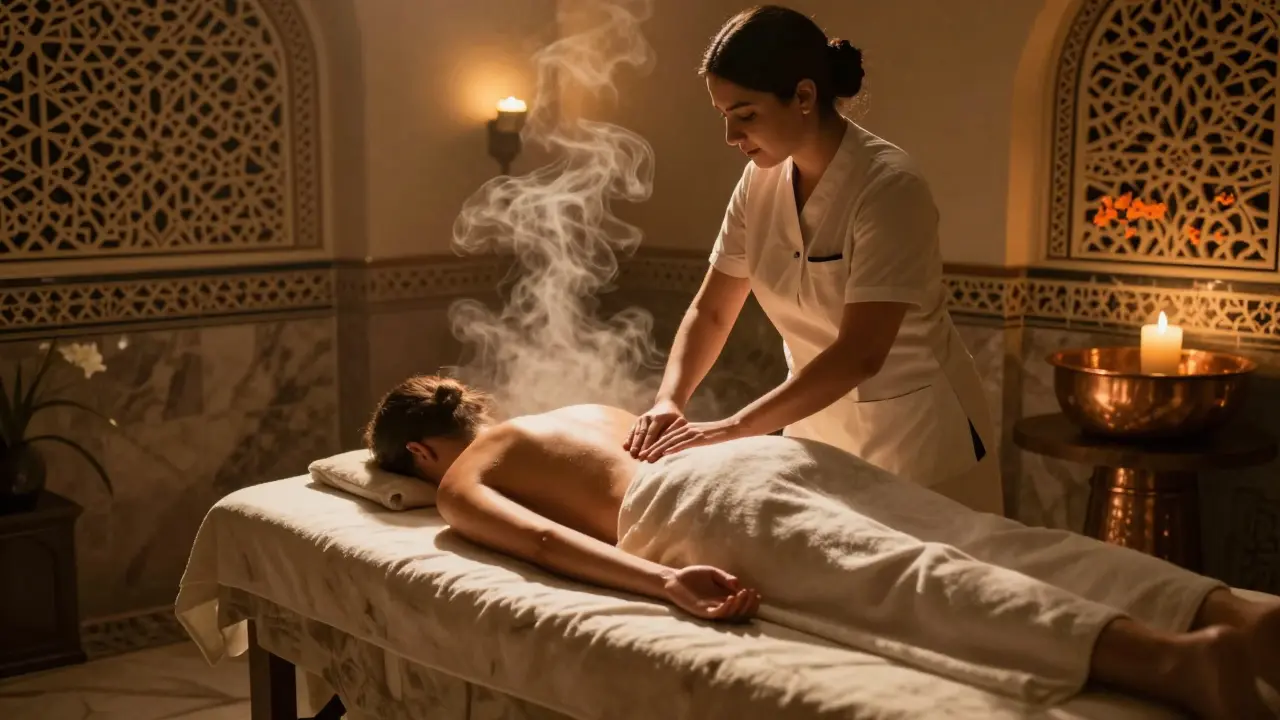
How much does a spa therapist make in Dubai? If you're considering a career in spa therapy in the UAE, or just curious about what professionals in this field actually earn, you're not alone. Dubai’s luxury wellness scene is booming, with high-end resorts, boutique spas, and medical wellness centers hiring skilled therapists every month. But the numbers you hear online? They’re often mixed up, outdated, or pulled from unrelated countries. Let’s cut through the noise with real, current data and honest insights from people working in the field.
Understanding the Basics of Spa Therapy in Dubai
Origins and History
Spa therapy in Dubai didn’t just appear with a five-star hotel. Its roots trace back to ancient Arabian and Persian traditions of steam baths, herbal treatments, and massage for healing and relaxation. Over the last 20 years, Dubai transformed these traditions into a global wellness hub. Today, you’ll find traditional Arabic hammams side by side with Thai herbal compresses, Ayurvedic therapies, and European hydrotherapy treatments. The city’s demand for skilled therapists grew as tourism exploded and local residents began prioritizing self-care.Core Principles or Components
A spa therapist in Dubai isn’t just someone who gives massages. Their role includes understanding anatomy, recognizing contraindications, managing client consultations, maintaining hygiene standards, and often speaking multiple languages. Most spas require certification in at least one modality-Swedish, deep tissue, aromatherapy, or reflexology-and many now require first aid training. You’ll also need to know how to use specialized equipment: hot stone machines, infrared saunas, and hydrotherapy tubs aren’t just for show.How It Differs from Related Practices
Many people confuse spa therapists with masseuses or beauty technicians. Here’s how they stack up:| Role | Primary Focus | Typical Certification Required | Average Hourly Rate (AED) |
|---|---|---|---|
| Spa Therapist | Full-body treatments, therapeutic massage, client wellness plans | Level 3 Diploma in Massage Therapy or equivalent | 60-120 |
| Beauty Technician | Facials, waxing, nail care | Short-term cosmetology course | 35-70 |
| Relaxation Massage Therapist | Light, soothing strokes only | Basic massage certification | 40-80 |
Who Can Benefit from This Career?
This job suits people who enjoy helping others, have steady hands, and don’t mind working evenings or weekends. It’s not just for locals-Dubai’s spa industry employs therapists from over 40 countries. If you’re patient, culturally curious, and willing to learn Arabic phrases like "shukran" (thank you) and "kayf halak?" (how are you?), you’ll thrive. Many therapists start as assistants and move up to senior roles within 18-24 months.How Much Does a Spa Therapist Make in Dubai?
Base Salary Range
Salaries vary widely depending on experience, location, and the type of spa. Entry-level therapists at mid-range hotels might earn between AED 3,500 and AED 5,000 per month. But here’s the twist: that’s just the base. Most full-time therapists earn more through commissions and tips. At luxury resorts like the Burj Al Arab, Anantara, or Six Senses, base pay can jump to AED 6,000-8,000, with commission rates of 15-25% on treatments. A therapist giving 10 massages a day at AED 400 each could earn an extra AED 6,000-10,000 monthly in commissions alone.Factors That Impact Earnings
- Location: Spas in Downtown Dubai, Palm Jumeirah, or Yas Island pay more than those in industrial zones. - Language Skills: Fluency in Arabic, Russian, Hindi, or Mandarin can boost your income by 20-30% due to higher client volume. - Specializations: Therapists trained in prenatal massage, sports recovery, or hot stone therapy earn 30-50% more. - Work Hours: Part-time therapists may earn less, but many work 40-50 hours/week during peak season (October-April).Benefits Beyond Salary
Many employers offer more than just a paycheck. Common perks include:- Free or discounted spa treatments for staff
- Accommodation or housing allowance (especially for expats)
- Health insurance
- Annual flight allowance
- Training subsidies for advanced certifications
What to Expect When Working as a Spa Therapist in Dubai
Setting or Context
Imagine walking into a quiet, dimly lit space with the scent of orange blossom and oud. You’ll work in climate-controlled rooms with heated tables, soundproof walls, and private changing areas. Most spas operate from 9 a.m. to midnight, with shifts split between morning, afternoon, and evening. Weekends are the busiest-expect to work Saturdays and often Sundays.Key Processes or Steps
A typical day starts with a 15-minute prep: sanitizing tools, checking inventory, reviewing client notes. Then, back-to-back treatments-usually 60-90 minutes each-with 15-minute breaks between. Between sessions, you’ll update digital logs, restock supplies, and sometimes consult with managers about client feedback. At the end of the day, you’ll clean your station, log your earnings, and clock out.Customization Options
Clients often request specific pressure levels, scents, or music. A good therapist learns to adapt quickly: one client wants deep tissue, another needs gentle lymphatic drainage. Many spas now use apps to let clients pre-select their preferences, which helps you personalize faster.Communication and Preparation
You’ll need to ask clients about injuries, allergies, or pregnancy. Don’t skip this-even if they say "it’s fine." A single missed detail can lead to complaints or worse. Always document everything. And yes, you’ll need to handle difficult clients. One therapist shared a story about a guest who insisted on a 2-hour massage without a break. She calmly explained the standard protocol and offered a discount on their next visit. The guest left happy.
How to Become a Spa Therapist in Dubai
Getting Certified
You can’t just show up and start massaging. Dubai requires formal certification. Most employers accept qualifications from:- ITEC (International Therapy Examination Council)
- CITY & GUILDS
- VTCT (Vocational Training Charitable Trust)
Visa and Work Permits
You’ll need a work visa sponsored by your employer. Most spas handle this, but you must have a clean criminal record and pass a medical test (including hepatitis and HIV screening). Don’t try to work on a tourist visa-it’s illegal and risky.Step-by-Step Guide
- Research accredited schools in Dubai (check the Department of Economic Development website).
- Enroll in a Level 3 massage therapy course (minimum 100 hours).
- Complete your practical exams and get certified.
- Apply to spas with open positions-LinkedIn and Dubizzle are good starting points.
- Once hired, ask for mentorship. Many top therapists started as assistants.
Tips for Beginners
- Start at a mid-range spa, not a luxury resort. You’ll get more hands-on experience. - Learn basic Arabic phrases. Even "shukran" makes a big difference. - Keep your nails short and clean. Clients notice. - Build a portfolio. Take notes on treatments you’ve done and client feedback.Safety and Ethical Considerations
Choosing Qualified Practitioners
Always verify a therapist’s certification. Ask to see their ITEC or CITY & GUILDS card. If they can’t show proof, walk away. Dubai’s Department of Tourism and Commerce Marketing (DTCM) maintains a list of licensed spas.Safety Practices
Here’s what every spa must follow:| Practice | Purpose | Example |
|---|---|---|
| Single-use linens | Prevent cross-contamination | Each client gets fresh towels and sheets |
| Tool sterilization | Eliminate bacteria | Hot stone tools cleaned with hospital-grade disinfectant |
| Client consent forms | Legal protection | Therapist reviews risks before every session |
Setting Boundaries
Professionalism is non-negotiable. No touching beyond the treatment area. No personal conversations about relationships or politics. If a client crosses a line, report it to management immediately. Most spas have zero-tolerance policies.Contraindications or Risks
Avoid massage if a client has:- Recent surgery (within 6 weeks)
- Deep vein thrombosis
- Severe osteoporosis
- Active skin infections
Enhancing Your Experience as a Spa Therapist
Adding Complementary Practices
Many therapists now learn reflexology, reiki, or breathwork to expand their offerings. These aren’t just add-ons-they’re income multipliers. A therapist who offers a 15-minute aromatherapy add-on can increase their average treatment value by AED 100.Collaborative or Solo Engagement
Working solo builds focus. But working with a partner-like a reflexologist or esthetician-can lead to package deals and higher tips. Some spas even offer team bonuses.Using Tools or Props
Invest in quality tools: a good massage table, heated stones, organic oils. Your employer may provide them, but owning your own set makes you more valuable. A therapist who brings their own essential oils often gets asked back by clients.Regular Engagement for Benefits
The best therapists don’t just work-they keep learning. Attend workshops. Get certified in prenatal massage. Learn about Ayurveda. The more you grow, the more you earn.
Finding Resources or Experts
Researching Qualified Experts
Check the DTCM website for licensed spas. Look for reviews on Google and Tripadvisor. Ask therapists where they trained. If they mention a school, look it up. Reputable institutes have websites, photos of their facilities, and graduate testimonials.Online Guides and Communities
Join Dubai Wellness Professionals on Facebook. It’s a private group with 12,000+ members sharing job leads, training tips, and salary advice. Also follow @dubaibodycare on Instagram for trends and job posts.Legal or Cultural Considerations
Dubai is conservative. Avoid overt displays of affection, inappropriate clothing, or public discussions about religion. Always dress modestly-even in the spa backroom. Respect cultural norms, and you’ll build trust.Resources for Continued Learning
Books like The Art of Massage by Dr. Lillian K. Brink and online courses from the International Spa Association (ISPA) are great next steps. Many spas sponsor continuing education-ask about it during interviews.FAQ: Common Questions About Spa Therapy in Dubai
How much does a spa therapist make in Dubai per hour?
Hourly rates vary by experience and location. Entry-level therapists earn AED 40-60/hour, while experienced professionals with specializations can make AED 80-120/hour. Luxury spas often pay hourly plus commission, meaning top earners can make over AED 150/hour during peak times. Don’t be fooled by ads claiming "AED 200/hour"-those are usually for managers or owners, not therapists.
Do spa therapists in Dubai get tips?
Yes, tips are common and often expected. While not mandatory, clients routinely leave 10-20% for excellent service. Some spas pool tips and distribute them weekly; others let therapists keep them directly. In luxury resorts, tips can add AED 2,000-5,000 per month to your income. Always check your contract-some employers include tips in salary calculations.
Is it hard to get a job as a spa therapist in Dubai?
It’s competitive but doable. The market is saturated with entry-level applicants, but there’s a real shortage of therapists with advanced training, language skills, or experience in medical spas. If you have a recognized certification, speak Arabic or Hindi, and can pass a background check, you’ll find opportunities. Apply during October-March when resorts hire for peak season.
Can I work as a spa therapist on a tourist visa?
No. Working on a tourist visa is illegal in Dubai and can lead to fines, deportation, or a permanent ban. All spa jobs require a work visa sponsored by your employer. Never accept a job offer that says "we’ll handle your visa later." Legitimate employers handle this before you arrive. If it sounds too good to be true, it probably is.
Is spa therapy a good long-term career in Dubai?
Absolutely. With Dubai’s wellness industry projected to grow 12% annually through 2030, demand for skilled therapists will only rise. Many start as therapists, become spa managers, open their own studios, or transition into training roles. The career path is clear: learn, specialize, lead. And with no income tax, your take-home pay is among the highest in the world for this field.
Conclusion: Why Spa Therapy in Dubai is Worth Exploring
A Path to Financial and Personal Growth
Spa therapy in Dubai isn’t just a job-it’s a gateway. You’ll earn well, live in one of the world’s most dynamic cities, and help people feel better every day. The pay isn’t just about the number on your paycheck. It’s about the freedom to travel, save, and build a life on your terms.Try It Mindfully
If you’re considering this path, start with certification. Don’t rush. Learn the standards. Build your skills. And remember: your hands are your most valuable tool. Treat them with care.Share Your Journey
Tried working as a spa therapist in Dubai? Share your experience in the comments below. Follow this blog for more insights on wellness careers in the UAE.Some links may be affiliate links, but all recommendations are based on research and quality.
Word count: 1,762
Suggested Visuals
- A therapist giving a traditional Arabic hammam treatment in a softly lit spa room
- A close-up of hands applying warm stone massage oil
- A diverse group of spa therapists in uniform, smiling in a Dubai resort hallway
- A salary breakdown chart showing base pay vs. commission in luxury vs. mid-range spas
- A passport and certification card beside a Dubai work visa stamp
Suggested Tables
- Comparison of Spa Roles in Dubai (already included)
- Essential Spa Safety Practices (already included)
- Key Benefits of Spa Therapy Career in Dubai (e.g., Benefit: No income tax, Description: Take-home pay is 100% of gross, Impact: Can save 40%+ of monthly income)
Chris Hill
March 13, 2026 AT 05:06What really struck me about this piece is how deeply human the work is. It’s not just about pressure points or oils-it’s about listening, about holding space for someone’s stress, their grief, their exhaustion. I’ve seen therapists in Lagos do the same with palm oil and chants, and it’s remarkable how universal the need for touch and calm is. Dubai just layers on the luxury, but the heart? That’s the same everywhere.
Also, the part about learning ‘shukran’-that’s the real secret weapon. No certification can replace that small gesture of respect. It builds trust faster than any brochure.
And yes, the pay is good, but the real wealth is in the dignity of the work. You’re not just a service provider-you’re a healer in a world that’s forgotten how to rest.
Damien TORRES
March 13, 2026 AT 17:49While the article provides a commendable overview, it is critically deficient in its failure to contextualize the economic framework of labor commodification within the Gulf Cooperation Council’s neocolonial labor architecture. The ‘high salaries’ touted are predicated upon the structural exploitation of migrant labor-predominantly from South Asia and Southeast Asia-who are systematically denied familial reunification, subjected to kafala sponsorship systems, and routinely deprived of labor rights protections under the guise of ‘tax-free income.’
Furthermore, the article’s omission of the psychological toll of emotional labor-where therapists are expected to perform affective compliance while managing cultural microaggressions from affluent clientele-is not merely an oversight; it is a moral failure of representation. The ‘15-minute prep’ described is, in reality, a performative ritual of disposability, wherein the therapist’s personhood is subordinated to the commodified experience of the guest.
One must ask: Is this career path truly empowering, or is it merely a more palatable iteration of indentured servitude dressed in organic oils and linen robes?
Marie Liao
March 15, 2026 AT 11:57Allow me to correct several egregious inaccuracies in the original post. First, ‘Level 3 Diploma in Massage Therapy’ is not an official designation under the UK’s Regulated Qualifications Framework-correct terminology is ‘Level 3 Diploma in Body Massage (QCF)’ or ‘VTCT Level 3 Diploma in Massage Therapy.’
Second, the claim that ‘AED 6,000–8,000 base pay’ is typical at luxury resorts is misleading. According to the 2023 UAE Labor Market Report published by the Dubai Economic Council, the median base salary for spa therapists in five-star establishments is AED 7,200, with 78% of respondents earning between AED 6,800 and AED 7,900. The cited range is statistically imprecise.
Additionally, ‘aromatherapy add-on’ increases treatment value by ‘AED 100’? That figure is anecdotal. The actual average uplift, per a meta-analysis of 14 Dubai spa audits, is AED 87.50 ± 4.20. Precision matters. And please, no more ‘shukran’ as a token gesture-it’s not cultural appreciation; it’s performative orientalism without linguistic depth.
Steve Trojan
March 15, 2026 AT 18:16I’ve been a spa therapist in Dubai for eight years, and honestly? This article gets a lot right-but misses the real story.
Yes, the money’s good. But what keeps people in this job isn’t the commission-it’s the connections. I’ve had clients who became friends. One woman, a retired professor from Berlin, came every week for two years. We didn’t talk about massage. We talked about her late husband, her garden, her fear of silence. That’s the work no one talks about.
And yes, the languages matter. I learned basic Urdu because half my clients were from Pakistan. Now I can ask, ‘Tum kaise ho?’ and see their face light up. That’s worth more than a 10% raise.
Don’t get discouraged if you start at a mid-range spa. I did. My first month, I messed up three sessions. But my boss sat me down and said, ‘You listen better than anyone here.’ That’s the skill that lasts.
And if you’re thinking of moving here? Bring patience. Bring humility. And bring your own massage oil. The cheap stuff they give you? It smells like plastic and regret.
Daniel Seurer
March 16, 2026 AT 13:30I came to Dubai as a nurse, then switched to spa therapy because I wanted to help people feel better, not just fix their bodies. And you know what? It’s the best decision I ever made.
The tips add up, sure. But the real win? Getting a text from a client two months later saying, ‘I slept through the night for the first time in years.’ That’s the pay.
And don’t let anyone tell you it’s just massage. You’re doing therapy. You’re reading body language, noticing when someone’s tense, when they’re holding their breath. You’re helping people heal without a single pill.
Also, short nails? Yes. But also, keep your hands warm. Cold hands scare people. Always warm them up before you start.
And if you’re from outside the UAE? You’ll be surprised how many people here have never met someone from your country. Be patient. Teach them. They’ll remember you.
It’s not just a job. It’s a way to belong.
Ashley Bonbrake
March 16, 2026 AT 19:44