
How Much Is Body to Body Massage in Thailand? Your Full Price Guide 2026
When you hear body to body massage, you might picture something sensual or exotic-and you’re not wrong. In Thailand, this massage style blends deep relaxation, skilled technique, and cultural tradition. But here’s the real question: how much should you actually pay for it? Prices range from $15 to $200, and knowing why makes all the difference. This isn’t just about spending money-it’s about knowing what you’re getting, where to find it safely, and how to avoid scams. Whether you’re planning a trip to Chiang Mai or relaxing in Phuket, this guide breaks down every dollar you’ll spend, what you’ll feel, and how to walk away feeling respected, not ripped off.
Understanding the Basics of Body to Body Massage
Origins and History
Body to body massage in Thailand didn’t come from a spa catalog. It grew from ancient Thai healing traditions, mixed with influences from India’s Ayurveda and Chinese meridian therapy. For centuries, Thai massage was practiced by monks in temples using their hands, feet, elbows, and knees to release tension. The body-to-body variation emerged more recently-mainly in tourist hubs-as a way to offer deeper pressure and smoother motion. Unlike traditional Thai massage, where the therapist uses their limbs and body weight, body to body involves the therapist using their own body (often their arms, legs, or torso) to glide over yours. It’s not religious or ritualistic-it’s a modern adaptation built for comfort and luxury.
Core Principles or Components
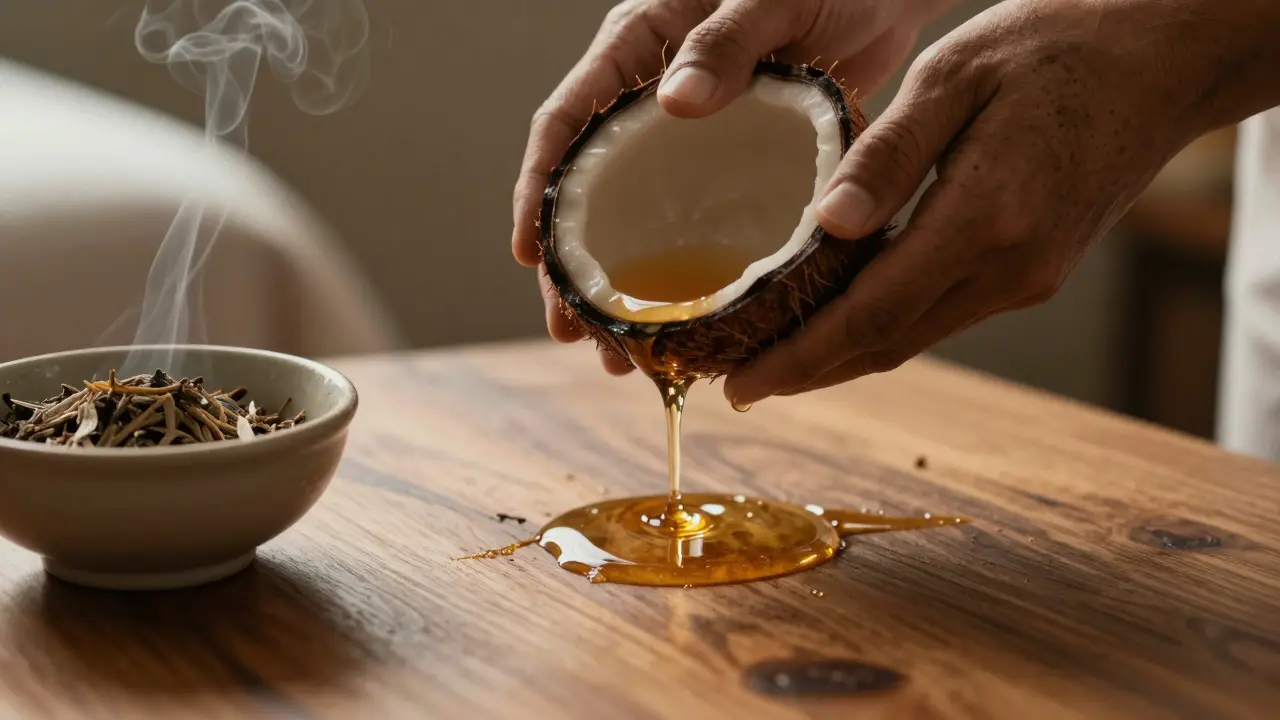
The goal? Deep relaxation through rhythmic, flowing pressure. The therapist typically uses coconut oil or aromatic oils to reduce friction and enhance glide. Movements are slow, wide, and continuous-like waves over sand. Unlike Swedish massage, which focuses on muscle groups, body to body massage works on energy lines and whole-body connection. The therapist doesn’t just press; they move with you. Breathing is synchronized. Silence is common. It’s less about fixing pain and more about dissolving stress. Most sessions last 60 to 90 minutes, and the therapist usually wears a light, breathable garment-no nudity, no nudity ever. The focus is on touch, not exposure.
How It Differs from Related Practices
It’s easy to confuse body to body massage with other Thai styles. Here’s how they stack up:
| Practice | Key Feature | Primary Benefit |
|---|---|---|
| Traditional Thai Massage | Performed on floor mat; therapist uses hands, feet, elbows | Improves flexibility, energy flow |
| Oil Massage (Thai Spa) | Use of oils; focused on strokes and kneading | Relieves muscle tension |
| Body to Body Massage | Therapist uses their body to glide over yours | Deep relaxation, sensory immersion |
Who Can Benefit from Body to Body Massage?
Anyone who’s ever felt overwhelmed by stress. Travelers, business professionals, couples seeking connection, and people recovering from injury all report deep calm after a session. It’s not for those seeking intense pain relief-those should try Thai massage or physiotherapy. But if you want to melt into the table, feel held, and let go mentally? This is it. It’s especially popular with solo female travelers who want a safe, respectful experience. Many spas now offer gender-matched therapists upon request, so you’re never uncomfortable.
Benefits of Body to Body Massage for Mind and Body
Stress Reduction
Research shows that sustained, rhythmic touch lowers cortisol-the stress hormone-by up to 30% within a single session. Body to body massage works because it’s slow, warm, and predictable. Your nervous system doesn’t have to guess what’s coming next. That’s why people say it feels like being hugged by a calm ocean. No loud music. No rushed transitions. Just steady pressure and breathing. Many clients report falling into a meditative state, sometimes even drifting off. It’s not magic-it’s biology.
Enhanced Circulation and Muscle Recovery
The long, gliding motions help move blood and lymph through tight areas, especially the back, shoulders, and legs. This isn’t just about feeling good-it’s about helping your body heal faster. Travelers who’ve been sitting on planes for hours find this massage helps reduce swelling and stiffness. Athletes and dancers in Thailand use it as part of recovery routines. It’s not a replacement for physical therapy, but it’s a powerful support tool.
Emotional Well-Being
Touch is one of the most basic human needs. In a world where we’re constantly scrolling, hugging is rare. Body to body massage offers a rare kind of connection-non-verbal, non-sexual, deeply human. People often cry during or after their first session. Not because something’s wrong, but because they finally allowed themselves to be held. It’s not therapy, but it can feel like a reset button for your emotional state.
Practical Applications
Think of it as your travel luxury. You don’t need to be rich to afford it-many places offer 60-minute sessions for under $40. It’s cheaper than a fancy dinner in Bangkok. You can use it to unwind after a long flight, recover from a hiking trip, or just treat yourself when you need to feel human again. It’s not a cure-all, but it’s one of the most effective tools you can use to reset your energy while abroad.
What to Expect When Engaging with Body to Body Massage
Setting or Context
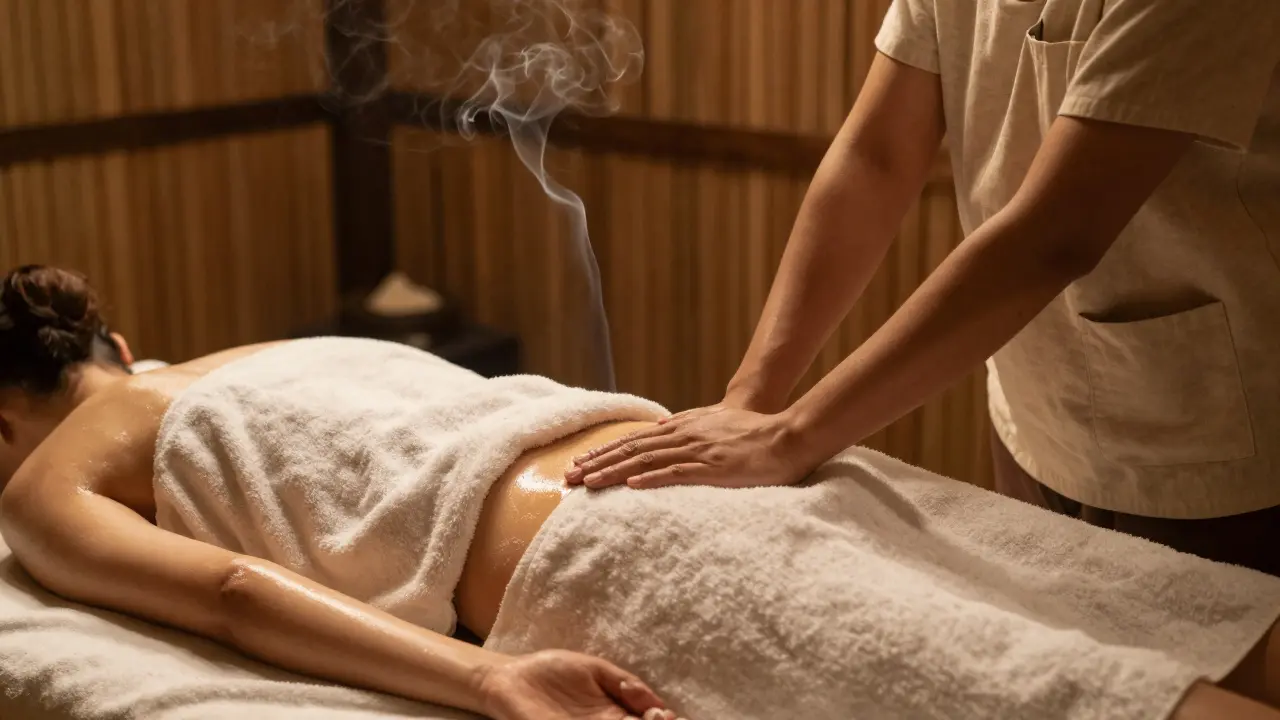
Forget neon lights and loud EDM. The best places are quiet, dimly lit rooms with bamboo floors, incense, and soft Thai music. Many are tucked into garden courtyards or above quiet streets in Chiang Mai or Pai. High-end resorts in Phuket or Koh Samui offer private villas with outdoor tubs. The vibe is always calm, never flashy. If a place feels like a nightclub or has too many mirrors, walk out. Authentic spots don’t need to shout.
Key Processes or Steps
Here’s what usually happens:
- You change into a robe or towel (you’re covered at all times).
- The therapist asks about pressure preferences and any injuries.
- You lie face down while they begin with long strokes along your spine.
- They use their forearms, legs, or body to apply slow, rolling pressure.
- After 30-40 minutes, you turn over, and they work on your front.
- Final moments involve gentle stretching and quiet breathing.
- You’re offered herbal tea and asked to rest for 10 minutes.
There’s no talking. No asking for more oil. Just surrender.
Customization Options
Most places let you choose: light, medium, or firm pressure. You can request no thigh contact if you’re uncomfortable. Some spas offer aromatherapy add-ons-lavender for calm, eucalyptus for energy. Others include hot stone or herbal compresses. You can also ask for a male or female therapist. Always say what you need. No shame. No awkwardness. Good spas expect it.
Communication and Preparation
Before you lie down, speak up. Say: "I have a sore shoulder," or "I don’t like pressure on my neck." If you feel anything that makes you tense-say so. A good therapist will adjust instantly. Don’t worry about being "too sensitive." This isn’t a test. It’s your time. Arrive 15 minutes early. Shower if you can. Skip heavy meals. And leave your phone in your room.
How Much Does Body to Body Massage Cost in Thailand?
Price Ranges by Location
Thailand isn’t one place. Prices vary wildly depending on where you are:
| Location | 60-Minute Session | 90-Minute Session | High-End Resort |
|---|---|---|---|
| Chiang Mai (local spa) | $15-$25 | $25-$40 | $60-$80 |
| Phuket (beachfront) | $30-$50 | $50-$80 | $100-$150 |
| Bangkok (Sukhumvit) | $25-$45 | $45-$70 | $120-$200 |
| Pai (mountain town) | $12-$20 | $20-$35 | $50-$70 |
Local spas in smaller towns? You can get an excellent session for under $20. Luxury resorts? You’re paying for ambiance, privacy, and service-not just the massage. Don’t assume higher price = better. Some of the most memorable sessions I’ve heard about came from a quiet shop in Chiang Mai, not a five-star hotel.
What’s Included?
At a decent place, you’ll get: oil, clean linens, herbal tea, quiet space, and a trained therapist. Tipping isn’t required but appreciated-10% is common. Some places add a foot scrub or head massage for free. Always ask what’s included before you book. Avoid places that charge extra for "premium oils" or "special techniques"-that’s a red flag.
Safety and Ethical Considerations
Choosing Qualified Practitioners
There’s no official license for body to body massage in Thailand, but that doesn’t mean anyone can do it. Look for places that say "certified Thai massage therapist" or have staff with training from the Thai Traditional Medical Department. Check reviews on Google or TripAdvisor. Look for mentions of "professional," "respectful," or "no pressure." Avoid places that advertise "special services" or use suggestive photos. If it sounds too good to be true, it is.
Safety Practices
Here’s what every good spa follows:
| Practice | Purpose | Example |
|---|---|---|
| Disinfect surfaces between clients | Prevent infection | Wiping tables with alcohol-based cleaner |
| Therapist wears clean, loose clothing | Hygiene and professionalism | Light cotton tunic, no underwear |
| Client fully covered with towels | Respect and modesty | Only exposed area being worked on |
Setting Boundaries
You have full control. If you feel uncomfortable at any point-say it. If the therapist tries to touch a private area, sit up and leave. No apology needed. A good therapist will thank you for speaking up. Your comfort isn’t negotiable. It’s the law of the massage room.
Contraindications or Risks
Don’t get this massage if you have: open wounds, recent surgery, severe osteoporosis, or are pregnant without clearance from your doctor. If you have chronic pain, talk to your physiotherapist first. This isn’t a medical treatment. It’s a wellness experience. If you’re unsure, skip it-or opt for a traditional Thai massage instead.
Enhancing Your Experience with Body to Body Massage
Adding Complementary Practices
Pair your massage with a short meditation or a quiet walk in the garden afterward. Some spas offer herbal steam rooms or tea ceremonies. These aren’t gimmicks-they help your body stay in calm mode. Don’t rush back to your phone. Sit. Breathe. Let the peace settle.
Collaborative or Solo Engagement
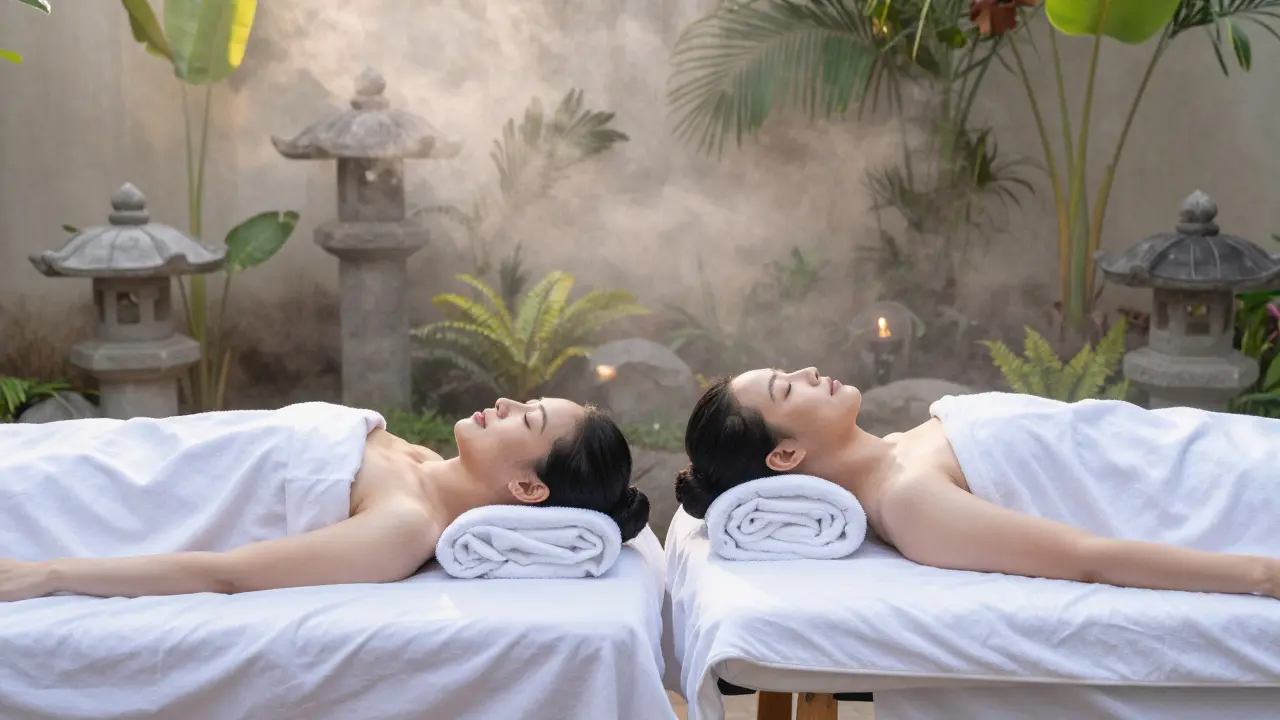
Many couples book side-by-side sessions. It’s a quiet way to connect without talking. Solo travelers often find this the most healing part of their trip. You’re not alone-you’re just alone with yourself, and that’s rare.
Using Tools or Props
Some spas offer heated herbal compresses wrapped in cloth. These help ease deep tension. Others use warm stones. You don’t need to buy anything. Just ask if they’re included. If not, skip it. The massage itself is enough.
Regular Engagement for Benefits
One session feels amazing. Two sessions in a week? Life-changing. Many travelers return for a massage every 3-4 days during their trip. It becomes part of their rhythm. You don’t need to go daily, but even one every other day helps your body reset faster.
Finding Resources or Experts for Body to Body Massage
Researching Qualified Practitioners
Use Google Maps. Filter for places with 4.7+ stars and 100+ reviews. Look for phrases like "professional," "clean," "respectful," and "no pressure." Avoid places with photos of half-dressed therapists. That’s not a sign of quality-it’s a red flag.
Online Guides and Communities
Reddit’s r/Thailand and Facebook groups like "Thailand Travelers - Tips & Advice" are full of honest reviews. Search "body to body massage Thailand" and read the comments-not just the ratings. Real travelers share where they found the best, cheapest, and safest spots.
Legal or Cultural Considerations
Thailand has strict laws against sexual services in spas. Any place offering "extra services" is breaking the law-and putting you at risk. Stick to licensed massage centers. Don’t go to back-alley shops with no sign. They’re not worth the risk.
Resources for Continued Learning
If you love it, look into Thai massage certification courses. Many spas offer 1-week training programs for travelers. You’ll learn the basics and take home a new skill. Books like "The Art of Thai Massage" by Pairoj Pichai are available online. Watch videos from the Thai Traditional Medical Department-they’re in English and free.
FAQ: Common Questions About Body to Body Massage in Thailand
What to expect from a body to body massage in Thailand?
You’ll lie on a warm, soft table in a quiet, dim room. The therapist will use their body to glide over yours with oil, applying slow, rhythmic pressure. You’ll be covered with towels at all times. No nudity. No talking. Just deep relaxation. You might feel sleepy, emotional, or completely calm afterward. Most sessions last 60-90 minutes and end with herbal tea and quiet rest. It’s not sexual-it’s therapeutic.
What happens during a body to body massage?
The therapist starts by working on your back with long, sweeping strokes using their forearms or legs. They move slowly, matching your breathing. After 30-40 minutes, you turn over, and they work on your front-chest, arms, legs. They avoid private areas entirely. Pressure is adjusted based on your feedback. There’s no kneading or cracking. Just smooth, flowing motion. The goal is to calm your nervous system, not fix your muscles.
How does body to body massage differ from Thai massage?
Traditional Thai massage is done on a floor mat, uses the therapist’s hands, elbows, and feet, and involves stretching and pressure on energy lines. It’s more active and can feel intense. Body to body massage is done on a table, uses the therapist’s whole body to glide over yours, and is slower, softer, and more sensual. One is for flexibility and energy; the other is for deep relaxation and emotional release.
What is the method of body to body massage?
The method is based on slow, continuous movement using the therapist’s body weight. They apply pressure with their forearms, thighs, or torso-not fingers or knuckles. Movements are wide and rhythmic, like waves. Oil is used to reduce friction. Breathing is synchronized. The therapist doesn’t fix problems-they create a space for your body to relax deeply. It’s less technique, more presence.
Is body to body massage suitable for beginners?
Absolutely. It’s one of the most beginner-friendly spa experiences in Thailand. No stretching. No discomfort. No pressure to do anything. You just lie there. If you’ve never had a massage before, this is the perfect start. Just communicate your comfort level. Most therapists are trained to work with nervous first-timers. Many say their first session was the most peaceful they’ve ever felt.
Conclusion: Why Body to Body Massage is Worth Exploring
A Path to Deep Calm
Body to body massage isn’t just a luxury. It’s a reset. In a world that never stops, it gives you permission to stop. To be held. To breathe. To feel human again. Whether you’re in Bangkok or Pai, you can find a quiet room, a skilled hand, and a moment of peace.
Try It Mindfully
Don’t go looking for something thrilling. Go looking for stillness. Choose a place with good reviews. Speak up if you’re unsure. And let yourself feel whatever comes up. It’s not about the price-it’s about the peace you carry home.
Share Your Journey
Tried body to body massage in Thailand? Share your experience in the comments. Did you find a hidden gem? Was it more than you expected? Follow this blog for more honest travel wellness tips from around the world.
Some links may be affiliate links, but all recommendations are based on research and quality.
Word count: 1,728
Suggested Images
- A quiet, dimly lit massage room with bamboo walls and a therapist using their forearm in a slow glide motion over a client covered in towels.
- A close-up of hands pouring warm coconut oil onto a wooden table, with soft incense smoke rising.
- A couple lying side-by-side on massage tables in a garden setting, both relaxed and covered in white sheets.
- A Thai therapist in a light cotton tunic smiling gently while offering herbal tea after a session.
- A scenic view of a spa nestled in the hills of Chiang Mai, with mist rising in the morning.
Suggested Tables
- Comparison of Thai Massage Styles (already included)
- Body to Body Massage Prices in Thailand (already included)
- Body to Body Massage Safety Tips (already included)
Brittany Parfait
January 17, 2026 AT 00:06Never going back to regular massages after this.
Renee Bach
January 18, 2026 AT 08:20Natali Kilk
January 20, 2026 AT 06:15Leonard Fusselman
January 20, 2026 AT 08:53Taylor Webster
January 20, 2026 AT 19:17