
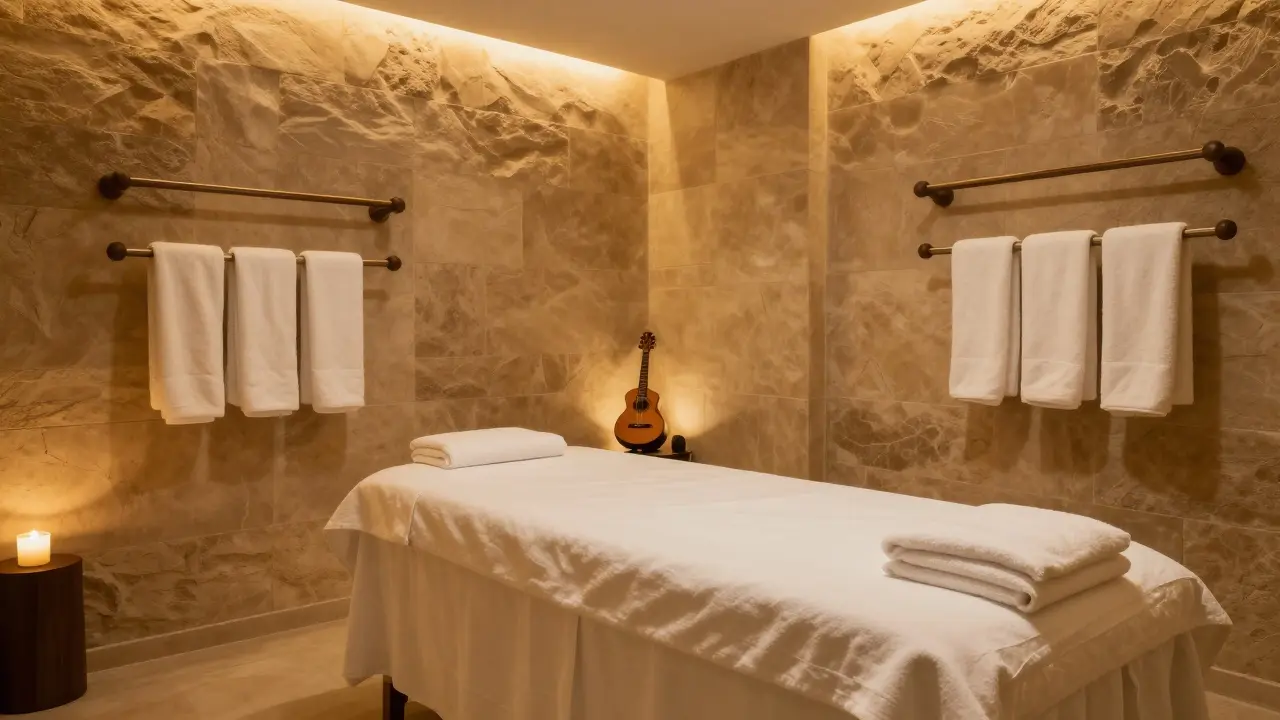
When you’ve just finished a 60-minute massage in Dubai and feel like your body has been gently reset, the next question isn’t about your next meeting-it’s about how much to tip. It’s a simple moment, but one that carries weight. In a city where service is part of the culture, getting the tipping etiquette right matters. You don’t want to overpay and feel used, or underpay and accidentally offend. Let’s cut through the noise and give you clear, real-world guidance based on what actually happens here.
Understanding the Basics of a 60-Minute Massage in Dubai
Origins and History
Massage as a healing practice stretches back thousands of years-from ancient Egypt to traditional Chinese medicine. But in modern Dubai, the spa experience blends global techniques with local expectations. The city’s luxury spa scene exploded in the 2000s, fueled by tourism, expat demand, and a culture that values comfort as a form of wellness. Today, a 60-minute massage isn’t just a treatment; it’s a ritual. Whether it’s Swedish, deep tissue, or aromatherapy, the goal is the same: to restore balance. And in a place where hospitality is sacred, how you acknowledge that service says as much about you as it does about the therapist.
Core Principles or Components
A standard 60-minute massage in Dubai typically includes:
- 10 minutes of consultation and preparation (draping, music, room temperature)
- 45 minutes of hands-on work (back, shoulders, arms, legs, neck, sometimes feet)
- 5 minutes of quiet recovery and water or tea
Therapists are trained to read your body-not just the muscles. They adjust pressure based on subtle cues. A good one will notice if you tense up during a shoulder stroke or sigh deeply during a foot rub. That’s not luck-it’s skill. And that skill deserves recognition.
How It Differs from Related Practices
It’s easy to confuse a spa massage with other wellness services. Here’s how it stacks up:
| Practice | Key Feature | Primary Benefit |
|---|---|---|
| 60-Minute Spa Massage | Full-body, relaxing, structured time | Stress relief, muscle release |
| 30-Minute Express Massage | Focus on neck/shoulders or back only | Quick tension relief |
| Thai Massage | Stretching, pressure points, no oil | Flexibility, energy flow |
| Medical Physiotherapy | Diagnosis-based, clinical setting | Injury recovery |
Who Can Benefit from a 60-Minute Massage?
Almost everyone. Busy professionals who sit at desks all day. New parents running on zero sleep. Travelers recovering from jet lag. Even athletes using it for recovery. In Dubai, where life moves fast, a 60-minute massage is one of the few places where time slows down-on purpose. It’s not a luxury for the rich; it’s a tool for resilience. And if you’re someone who values being treated with care, then you’re already the ideal candidate.
Benefits of a 60-Minute Massage for Your Body and Mind
Stress Reduction
Your nervous system doesn’t lie. When a skilled therapist works on your upper back and neck, your heart rate drops. Cortisol-the stress hormone-decreases. Studies show even one session can shift your body into a calmer state for hours. In Dubai, where the pace is relentless and the heat is constant, this isn’t just nice-it’s necessary. Think of it as hitting the reset button on your anxiety.
Enhanced Physical Function
Tight muscles aren’t just uncomfortable-they limit movement. A 60-minute session improves circulation, reduces stiffness, and helps joints move more freely. Many regular clients say they sleep better, walk taller, and even type more comfortably at work after a consistent massage routine. It’s not magic. It’s physiology.
Emotional Well-Being
Touch, when given with respect, is deeply healing. A good massage therapist doesn’t just manipulate tissue-they create a space where you can let go. Many people cry during their first session, not from pain, but from release. In a culture that often prioritizes performance over presence, this quiet emotional reset is priceless.
Practical Applications
Here’s what this translates to in daily life:
| Benefit | Description | Impact |
|---|---|---|
| Improved Sleep | Reduces muscle tension and mental chatter | Deeper, more restful sleep cycles |
| Lower Blood Pressure | Relaxes blood vessels and calms the nervous system | Long-term cardiovascular support |
| Increased Focus | Reduces mental fog from chronic stress | Better concentration at work |
| Stronger Immune Response | Boosts lymphatic flow and white blood cell activity | Fewer colds and infections |
What to Expect When Engaging with a 60-Minute Massage
Setting or Context
Most high-end spas in Dubai are designed like havens. Think dim lighting, natural materials, soft sounds of water or oud music, and the scent of eucalyptus or sandalwood. The room is warm-never cold. Towels are heated. The therapist knocks before entering. This isn’t just ambiance-it’s part of the treatment. You’re not just lying on a table; you’re entering a space built for peace.
Key Processes or Steps
Here’s what happens in a typical session:
- You arrive 10 minutes early to fill out a brief intake form (health conditions, pain areas).
- You’re shown to a private room and given time to undress and get comfortable under the sheet.
- The therapist enters, greets you quietly, and asks if you’d like pressure adjusted.
- They begin with broad strokes to relax, then move into targeted work.
- Mid-session, they may check in: “Is this pressure okay?”
- At the end, they leave quietly so you can dress in peace.
Customization Options
Most spas let you choose:
- Oil type (aromatherapy, unscented, coconut)
- Pressure level (light, medium, firm)
- Focus areas (back only, full body, feet included)
- Add-ons (hot stones, scalp massage, reflexology)
Don’t be shy. You’re paying for a personalized experience. If you have a stiff shoulder from carrying a baby, say so. If you hate pressure on your lower back, say that too. Good therapists welcome feedback.
Communication and Preparation
Be honest. If you’re pregnant, have high blood pressure, or recently had surgery, tell them. Most spas require this for safety. Also, skip heavy meals or caffeine right before. Drink water afterward. And if you’re nervous? It’s normal. Everyone was a first-timer once.
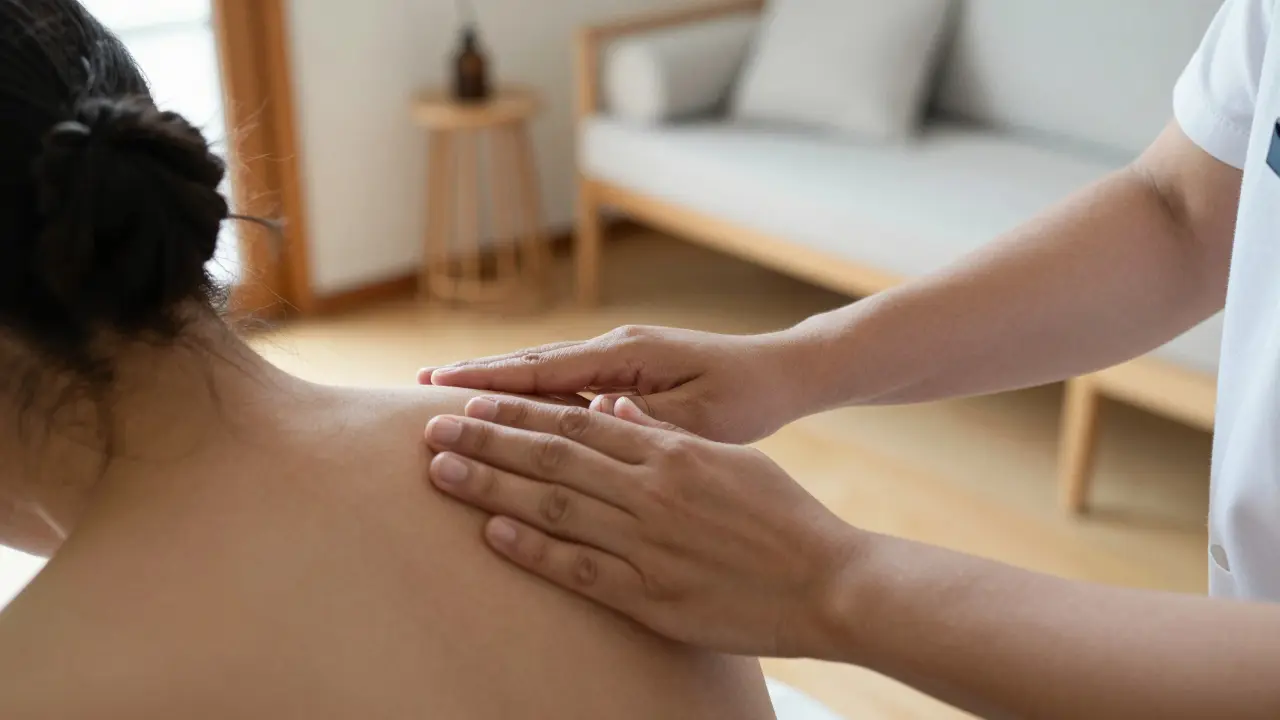
How Much to Tip for a 60-Minute Massage in Dubai?
Let’s get to the point: how much tip for a 60-minute massage? The short answer? Between 10% and 15% of the total cost.
In Dubai, the average price for a 60-minute massage at a mid-to-high-end spa ranges from AED 300 to AED 550. So:
- AED 300 session → Tip AED 30-45
- AED 500 session → Tip AED 50-75
Why this range? Because service here is professional, not transactional. Therapists often work long hours, sometimes 10-12 hours a day, with little break. Many are trained internationally-some from Thailand, India, or Europe-and bring years of experience. They’re not just massaging muscles; they’re managing pain, reading bodies, and offering emotional support.
If the service was exceptional-maybe they noticed your chronic neck pain and worked on it for 10 extra minutes-go higher. AED 100 is not excessive. It’s appreciation.
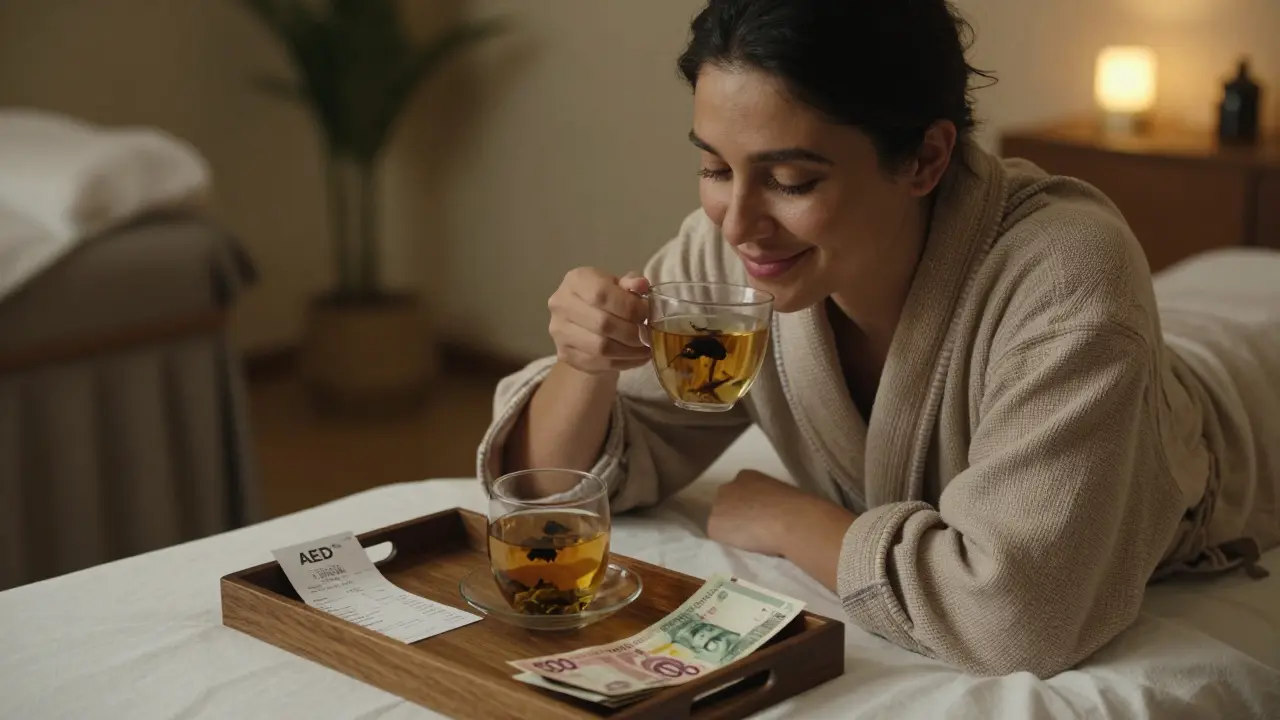
And if you’re unsure? Look around. Most guests leave a tip on the table or hand it directly with a smile. Cash is still king here. Credit card tips aren’t always processed, and some therapists don’t get a cut of card payments. So if you can, bring small bills.
Here’s a simple rule: If you felt better afterward, tip like you meant it.
Safety and Ethical Considerations
Choosing Qualified Practitioners
Not all spas are equal. Look for:
- Certified therapists (ask to see credentials)
- Hygiene standards (clean linens, disposable gloves for foot work)
- Transparent pricing (no hidden fees)
Reputable spas list therapist qualifications on their website or at reception. If they can’t show you, walk away.
Safety Practices
Here’s what to expect from a professional spa:
| Practice | Purpose | Example |
|---|---|---|
| Disinfecting tables | Prevent infection | Surface wiped with hospital-grade cleaner between clients |
| Client consent | Respect boundaries | Therapist asks before adjusting pressure or touching new areas |
| Privacy | Ensure comfort | Therapist leaves room while you undress |
Setting Boundaries
You own your body. Always. If something feels off-too much pressure, inappropriate comments, unwanted touch-say something. Most spas have a manager on-site. You have every right to end the session and ask for a refund. No shame. No guilt.
Contraindications or Risks
Avoid massage if you have:
- Recent surgery or injury (within 7 days)
- Severe osteoporosis
- Open wounds or skin infections
- Active blood clots
If you’re unsure, check with your doctor. Spas won’t treat you if you’re at risk. That’s not refusal-it’s responsibility.
Enhancing Your Experience
Adding Complementary Practices
Pair your massage with:
- A quiet walk after-no phone, just breath
- Drinking warm water or herbal tea
- 5 minutes of deep breathing before bed
These small habits multiply the massage’s effects. It’s not magic-it’s synergy.
Collaborative or Solo Engagement
Many couples come together for side-by-side massages. It’s peaceful, not romantic-more like two people sharing quiet space. Solo visits are just as valid. In fact, they’re often more powerful. You’re not there to impress anyone. You’re there to heal.
Using Tools or Props
Some spas offer:
- Heated jade rollers for legs
- Essential oil diffusers
- Weighted blankets post-session
These aren’t gimmicks. They help your body stay relaxed longer.
Regular Engagement for Benefits
One massage a month is ideal for most people. Twice a month if you’re under stress. Once every six weeks if you’re just maintaining. Consistency beats intensity. Think of it like brushing your teeth-you don’t wait until your gums bleed.
Finding Resources or Experts
Researching Qualified Practitioners
Check Google Reviews, Instagram profiles (look for before/after client posts), or ask expat groups on Facebook. Look for consistent feedback about therapist skill-not just “the room was nice.”
Online Guides and Communities
Try Dubai Wellness Hub or The Spa Guide UAE. These aren’t ads-they’re community-driven lists vetted by locals.
Legal or Cultural Considerations
In Dubai, massage is legal and regulated. Therapists must be licensed by the Dubai Health Authority. Spas must follow strict hygiene codes. This isn’t just bureaucracy-it’s protection. Don’t go to unlicensed places, even if they’re cheaper.
Resources for Continued Learning
Books like The Healing Power of Touch by Dr. Tiffany Field (researcher, University of Miami) offer science-backed insights. YouTube channels like “Dubai Spa Diaries” show real sessions (no editing, no filters).
FAQ: Common Questions About Tipping for a 60-Minute Massage in Dubai
Is tipping mandatory for a 60-minute massage in Dubai?
No, tipping isn’t mandatory, but it’s expected and deeply appreciated. Unlike some places where service charges are added automatically, Dubai spas usually don’t include a tip in the bill. So if you felt well cared for, leaving 10-15% is the norm. It’s not a fee-it’s a thank-you.
What if I can’t afford to tip?
That’s okay. Not everyone can. What matters more than the amount is your gratitude. A simple, sincere “Thank you, that was wonderful” means a lot. Many therapists remember the kind words more than the cash. If you can, consider tipping next time when you’re able. Consistency builds trust.
Should I tip more if the massage was longer than 60 minutes?
Yes. If you booked a 90-minute session, tip based on the total cost. For example, if it was AED 750, aim for AED 75-110. Longer sessions require more energy, focus, and time from the therapist. They’re not just doing more strokes-they’re sustaining quality. Your tip should reflect that effort.
Can I tip with a credit card?
Some high-end spas allow it, but many don’t. Even if the system lets you add a tip, cash is still preferred. Why? Because credit card tips often go to the spa’s revenue pool, not directly to the therapist. If you want your tip to go straight to the person who worked on you, bring cash. AED 50 or 100 notes work fine.
Is it rude not to tip at all?
It’s not rude-it’s just uncommon. Most guests tip. But if you didn’t, the therapist won’t judge you harshly. They understand life is expensive in Dubai. What they notice is how you treated them. A warm smile, eye contact, and saying “I felt so much better” means more than money. Still, if you can, tip. It’s one of the few ways to say “I see you” in a city that moves fast.
Conclusion: Why a 60-Minute Massage is Worth Every Dirham
A Path to Calm in a Chaotic City
In Dubai, where skyscrapers touch the clouds and the desert stretches beyond sight, a 60-minute massage is your quiet rebellion. It’s not about indulgence. It’s about survival. Your body carries the weight of deadlines, commutes, and expectations. Letting someone else hold that weight-even for an hour-isn’t lazy. It’s wise.
Try It Mindfully
Book that session. Choose the therapist. Say what you need. And when it’s over? Leave a tip that matches how you felt. Not because you have to-but because you want to.
Share Your Journey
Tried a 60-minute massage in Dubai? Share your experience in the comments. What did you tip? Did the therapist surprise you? Follow this blog for more honest guides to wellness in this city.
Some links may be affiliate links, but all recommendations are based on research and quality.
Word count: 1,723
Suggested Images
- A serene spa room in Dubai with dim lighting, heated towel rack, and a massage table with soft linen
- A therapist’s hands working gently on a client’s shoulder, with natural light and wooden decor
- A guest smiling after a massage, sipping herbal tea in a quiet lounge
- A close-up of AED 50 and AED 100 notes on a wooden tray next to a spa receipt
- A couple receiving side-by-side massages in a dual-room spa setting
Suggested Tables
- Comparison of Massage Types in Dubai (as shown in article)
- Key Benefits of a Regular 60-Minute Massage (as shown in article)
- Safety Practices in Dubai Spas (as shown in article)

Erika King
March 13, 2026 AT 19:17Okay but let me tell you about the time I got a massage in Dubai and the therapist just... *knew*. Like, I didn’t say a word about my shoulder from carrying my toddler all day, but she went straight to it like she had X-ray vision. I cried. Not because it hurt-because for the first time in months, I felt seen. I tipped her 120 AED. Not because I could afford it. Because I needed her to know I saw her too. She had calluses on her thumbs from 12-hour days and still smiled like it was her first time doing this. I’ll never forget that.
And yeah, I know some people say ‘just tip 10%’-but this isn’t McDonald’s. This is someone who held your pain, your exhaustion, your silent screaming, and turned it into peace. You don’t tip for service. You tip for soul work.
I still think about her every time I pass a spa. I hope she’s still there. I hope she’s getting paid what she’s worth. I hope someone else tipped her like I did. Because in a city that runs on luxury, sometimes the most luxurious thing you can do is see a human being-and pay them like they matter.
Keenan Blake
March 13, 2026 AT 22:55Interesting breakdown. I appreciate the cultural context-Dubai’s service culture is indeed distinct from Western norms where tipping is often expected as part of the wage structure. In many cases, therapists here are paid a base salary with bonuses, so tipping becomes more of a gesture than a necessity.
That said, the 10–15% guideline is still a solid benchmark. What I find noteworthy is the emphasis on cash. Many international visitors assume digital payments include tips, but unless explicitly stated, the therapist rarely sees it. A simple AED 50 bill handed with eye contact carries more weight than a digital tip processed through the spa’s accounting system.
Also, worth noting: some luxury spas in Dubai now include a 10% ‘service fee’ on bills. Always check the receipt before tipping. If it’s already included, an additional tip is still appreciated-but not required.
Sylvain Menard
March 15, 2026 AT 14:10YOOOOO. I JUST GOT BACK FROM A MASSAGE IN DUBAI AND I’M STILL FLOATING. LIKE, SERIOUSLY. I WENT IN TENSE AS A TIGHTROPE WALKER AND CAME OUT LIKE I’D BEEN REBORN.
THE THERAPIST? SHE WAS A LEGEND. 100% WENT ABOVE AND BEYOND. SHE NOTICED I WAS HOLDING MY BREATH DURING THE BACK WORK AND ADJUSTED-NO PROMPT. I TIPPED HER 150 AED. NO REGRETS. ZERO.
IF YOU’RE ON THE FENCE? TIP LIKE YOUR LIFE DEPENDS ON IT. THESE PEOPLE ARE WORKING 12-HOUR DAYS, LIFTING BODIES, SENSES, EMOTIONS. THEY’RE NOT JUST MASSAGING MUSCLES-THEY’RE HEALING SOULS.
AND IF YOU CAN’T TIP? SAY ‘THANK YOU’ LIKE YOU MEAN IT. THEY HEAR THAT TOO. BUT IF YOU CAN? GO HARD. BECAUSE YOU’LL NEVER FORGET IT. AND NEITHER WILL THEY.
Sophia Sterling-Angus
March 17, 2026 AT 01:44While the emotional narrative is compelling, the economic logic here is questionable. The average wage for a massage therapist in Dubai is approximately AED 4,500–6,000 per month, working 6 days a week, 10–12 hours daily. That’s roughly AED 15–20 per hour before overhead. A single 60-minute session priced at AED 500 implies the spa retains 70–80% after commission, marketing, and facility costs. Therefore, tipping 15% (AED 75) on a single session represents over 300% of the therapist’s per-hour earnings.
While sentiment is valid, this creates a distorted incentive structure: clients are encouraged to over-tip to compensate for systemic underpayment. The real issue isn’t the tip-it’s that the spa industry exploits labor under the guise of luxury service. Perhaps we should be advocating for fair wages, not performative generosity.
Madi Edwards
March 18, 2026 AT 00:43I don’t know if you’ve all been to Dubai, but let me tell you-the spa scene here? It’s not just about massage. It’s a whole vibe. Like, imagine this: you walk in, and the air smells like sandalwood and silence. The lights are low, the music is a single oud note that lingers like a sigh, and the therapist? She doesn’t say much. Just nods. Then she touches you-and suddenly, you remember what it feels like to be human.
I tipped 100 AED. Not because I had to. But because I wanted to. Because when she pressed into my lower back and I felt something I’d been holding for three years just… melt… I didn’t just want to pay for service. I wanted to say: I saw you. I felt you. I’m not just another client.
And yeah, I cried. I cried like a baby. And she didn’t flinch. She just handed me tea. And smiled. And left.
That’s not a massage. That’s a miracle. And miracles deserve more than 10%.
Kelly ¯_(ツ)_/¯
March 18, 2026 AT 18:31Tip what you can. But don’t let guilt dictate it. I’ve had therapists in Dubai who refused tips-said they were just doing their job. Others asked for more because they were ‘on commission.’ That’s the problem. Not the tip. The system.
My rule? If the spa is corporate, tip 10%. If it’s a small, family-run place? Tip 20%. If the therapist remembers your name next time? Tip extra. Not because you owe it. Because you want to.
And if you’re American? Stop treating this like a transaction. In Dubai, service isn’t a job-it’s a relationship. Treat it like one.