
What Does Moroccan Bath Include? Your Complete Guide
When you hear Moroccan bath, you might picture steam, scrubbing, and olive oil-but there’s so much more to it. In Dubai, where luxury and tradition blend seamlessly, the Moroccan bath (or hammam) isn’t just a spa treatment-it’s a ritual that cleanses your body, calms your mind, and reconnects you with ancient practices. If you’ve ever wondered what actually happens during a Moroccan bath session, this guide breaks it all down: the steps, the tools, the benefits, and what to expect before, during, and after. No fluff. Just real details from local spas in Dubai that have been doing this right for years.
Understanding the Basics of Moroccan Bath
Origins and History
The Moroccan bath traces back over a thousand years to North African and Islamic traditions. It evolved from Roman baths but was refined by Arab and Berber cultures who saw cleanliness as both physical and spiritual. In Morocco, hammams were community hubs-places where families gathered, socialized, and cared for their skin. Today, in Dubai’s upscale spas, you’ll find this tradition preserved with modern comfort: heated marble floors, aromatic oils, and professional attendants trained in the original techniques. The core idea hasn’t changed: heat opens pores, steam loosens dirt, and scrubbing removes dead skin to reveal a glowing, refreshed body.
Core Principles or Components
A traditional Moroccan bath isn’t just a shower-it’s a multi-stage process built on three pillars: heat, exfoliation, and hydration. First, you’re steamed in a hot room (usually around 40-45°C) for 10-15 minutes. This softens your skin and opens pores. Then, a trained attendant-often called a gommage-scrubs you with a coarse black soap made from olive paste and eucalyptus, followed by a vigorous kessa glove massage. Finally, you’re rinsed and slathered in pure Moroccan argan oil or rosewater. The whole thing takes 60 to 90 minutes. Unlike a regular spa, there’s no floating candles or ambient music-just focused, hands-on care that feels more like a ritual than a treatment.
How It Differs from Related Practices
People often confuse Moroccan baths with Turkish hammams or Finnish saunas. Here’s how they stack up:
| Practice | Key Feature | Primary Benefit |
|---|---|---|
| Moroccan Bath | Black soap + kessa glove scrub | Deep exfoliation and skin renewal |
| Turkish Hammam | Marble slab, gentle scrub, longer steam | Relaxation and circulation |
| Finnish Sauna | Dry heat, no water or scrubbing | Sweating and muscle relief |
The Moroccan bath stands out because of the physical scrubbing. It’s not passive-you’re actively being transformed. Turkish hammams are more about lounging. Saunas are about heat. Only the Moroccan bath combines all three: heat, scrub, and oil in one seamless flow.
Who Can Benefit from Moroccan Bath?
Almost everyone. If you live in Dubai’s dry, dusty climate, your skin gets clogged with pollution and dead cells. Athletes use it to flush out lactic acid. Travelers use it to reset after long flights. People with acne or dry skin find relief from the natural exfoliation. Even if you’re just stressed out from work, the rhythm of the steam and the gentle pressure of the scrubbing can feel like a full-body reset. It’s not just for spa enthusiasts-it’s for anyone who wants to feel lighter, cleaner, and more grounded.
Benefits of Moroccan Bath for Body and Mind
Stress Reduction
The heat and rhythmic scrubbing trigger a parasympathetic response-your body’s natural ‘rest and digest’ mode. Research suggests that sustained heat exposure lowers cortisol levels, the hormone tied to stress. In Dubai, where life moves fast, spending an hour in a quiet, steamy room with someone gently working on your back can be the most peaceful hour of your week. Many regulars say it’s like meditation with benefits.
Enhanced Skin Function
Dead skin cells build up faster in dry climates. The kessa glove-made from natural fibers-removes them without harsh chemicals. This boosts cell turnover, improves product absorption, and reduces ingrown hairs. After a session, your skin feels smoother than after any chemical peel. You’ll notice your moisturizer sinks in better, and your tan looks more even.
Emotional Well-Being
There’s something deeply calming about being cared for physically. In cultures where touch is a form of healing, the Moroccan bath is more than skin-deep. It’s a ritual of self-respect. Many clients report feeling more confident, more present, and even more patient with themselves after a session. It’s not magic-it’s the combination of warmth, touch, and quiet time that does it.
Practical Applications
Think of it as your monthly skin tune-up. Athletes use it pre-event to loosen muscles. Post-surgery patients (with doctor approval) use it for circulation. Women preparing for weddings or photoshoots swear by it for glowing skin. Even men who don’t usually visit spas find themselves hooked after one try. It’s not a luxury-it’s a practical tool for maintaining healthy skin in a harsh environment.
| Benefit | Description | Impact |
|---|---|---|
| Deep Exfoliation | Removes dead skin with natural kessa glove | Softer, brighter skin in one session |
| Improved Circulation | Heat and massage boost blood flow | Faster recovery, reduced puffiness |
| Natural Hydration | Argan oil seals moisture without chemicals | Long-lasting softness, no greasiness |
| Detox Support | Steam opens pores to release impurities | Clearer skin, fewer breakouts |
What to Expect When Engaging with Moroccan Bath
Setting or Context
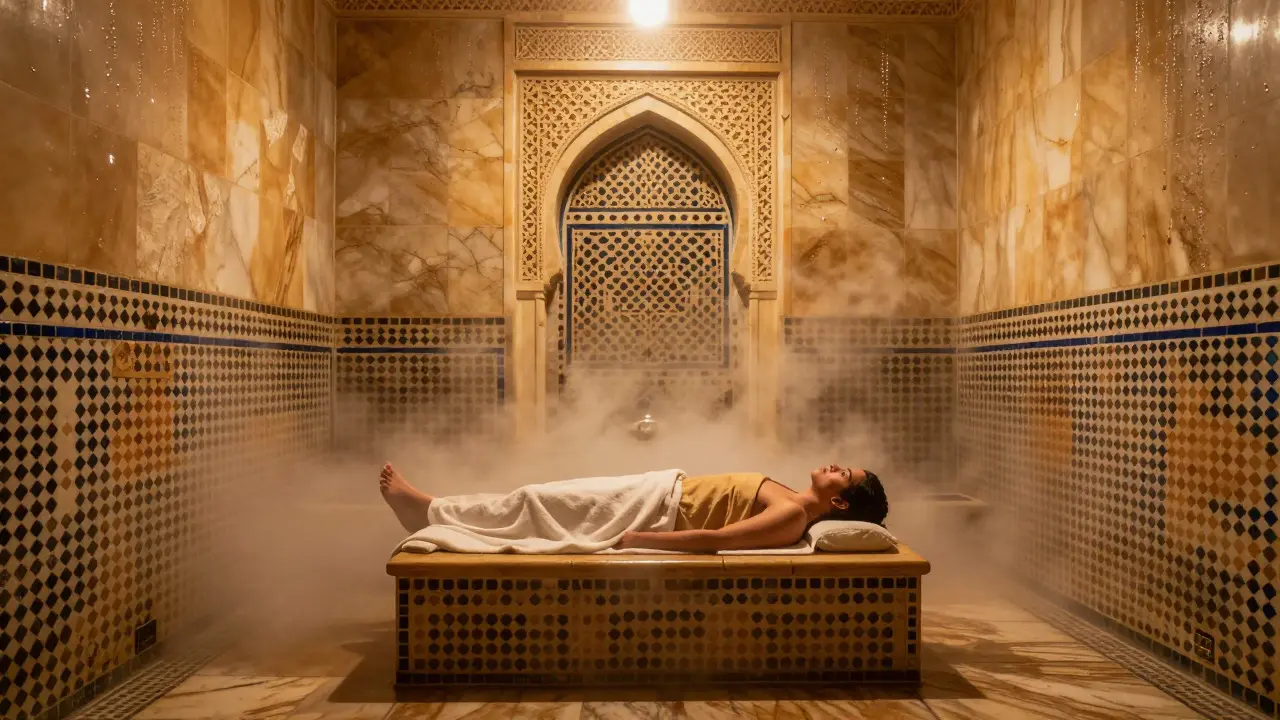
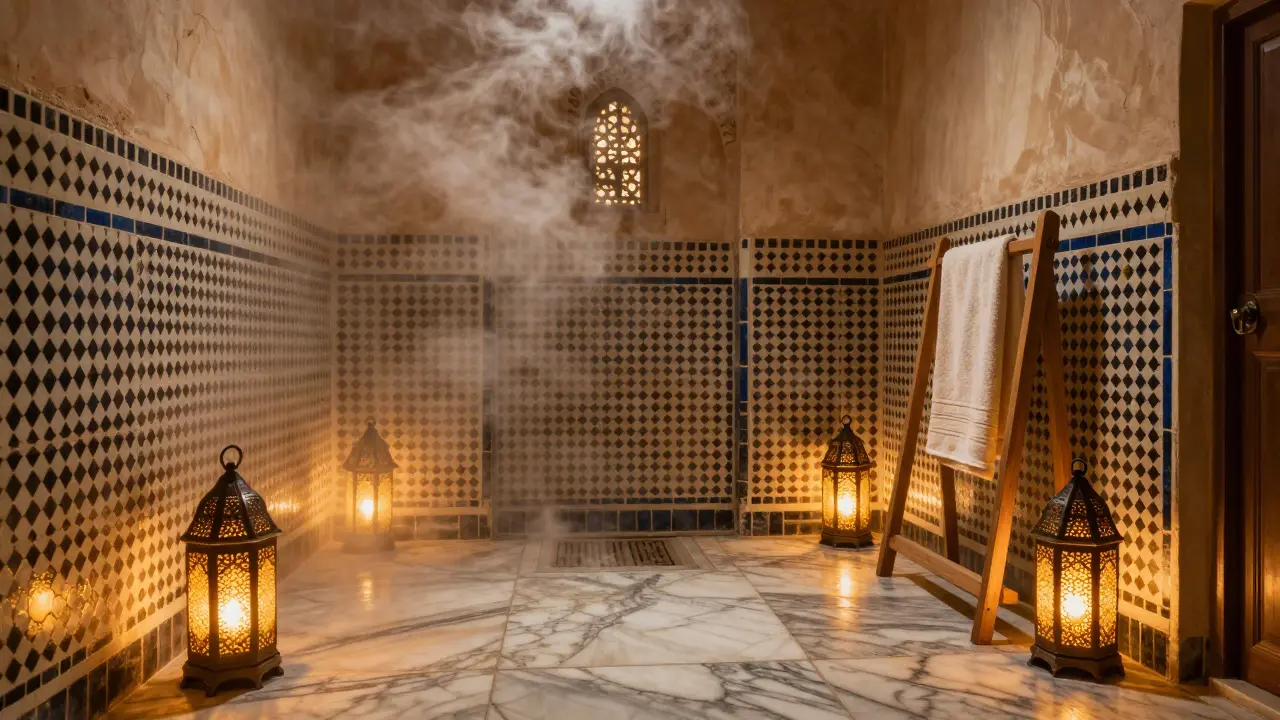
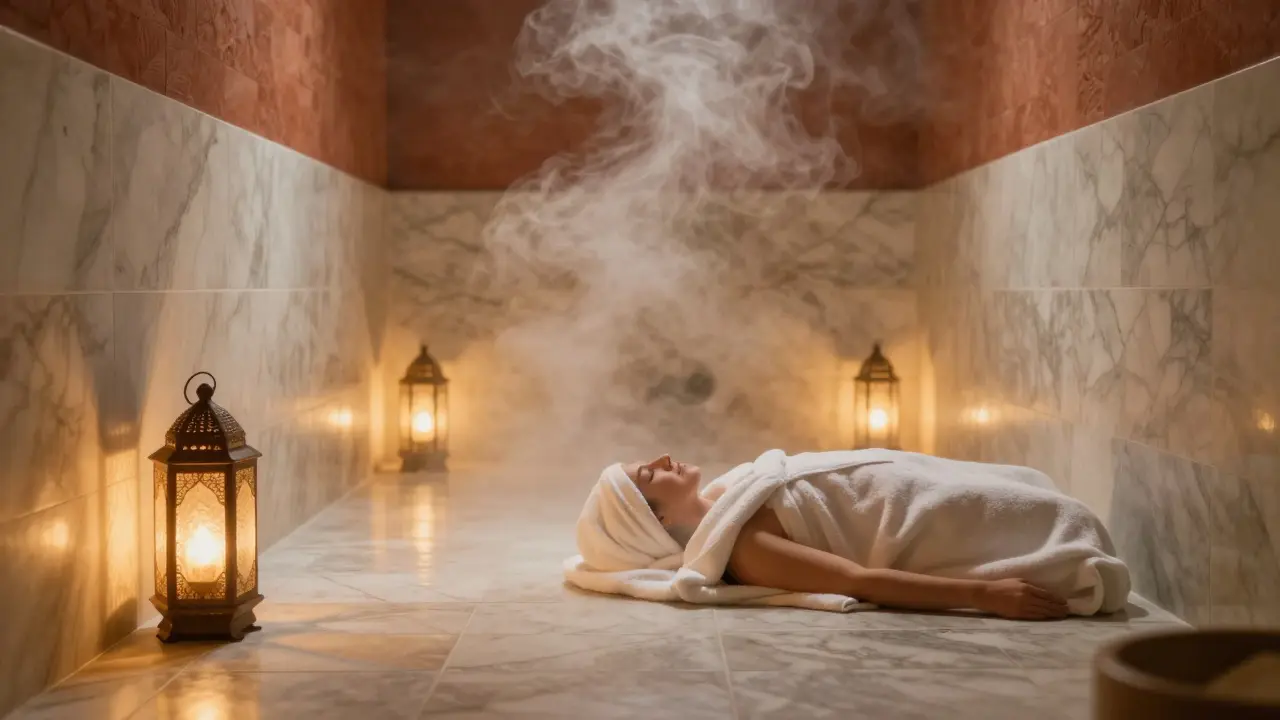
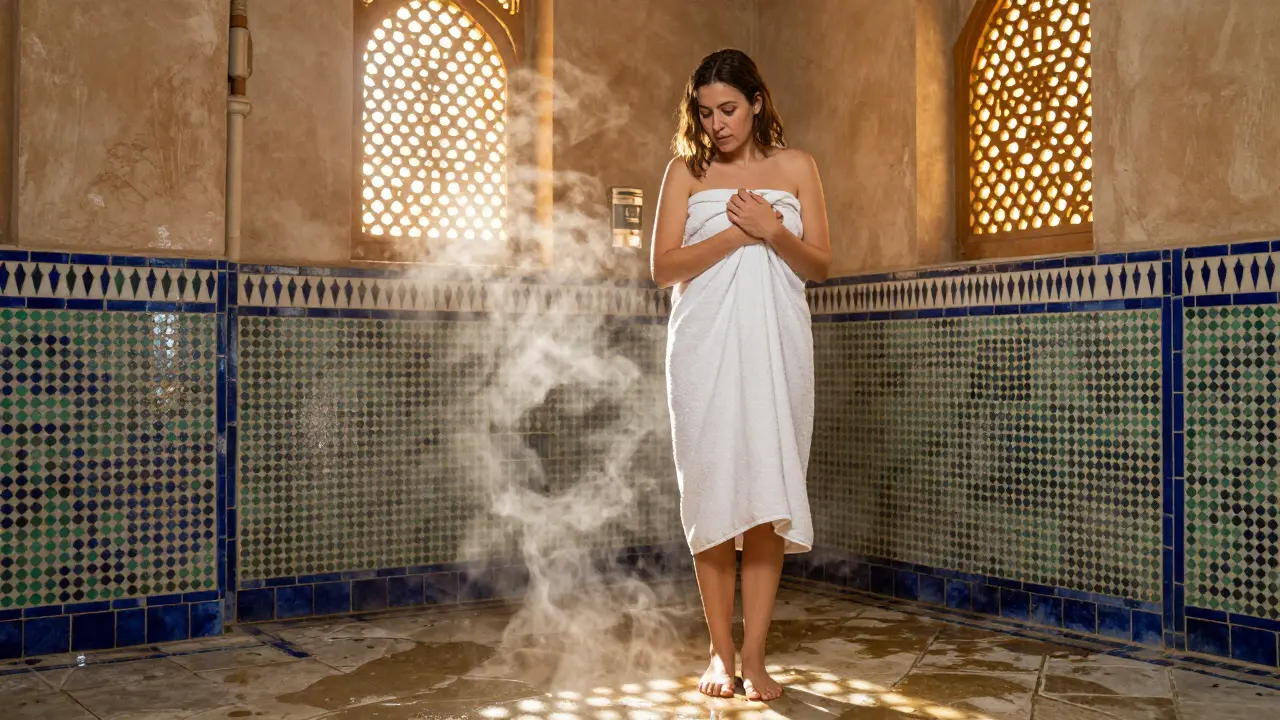
In Dubai, most Moroccan baths are found in luxury resorts, boutique spas, or high-end hotel wellness centers. Expect cool marble floors, warm ambient lighting, and the scent of eucalyptus and orange blossom. The steam room is usually tiled in soft earth tones, with a central raised platform where you’ll lie down. Towels are thick, warm, and always fresh. No loud music. No phones. Just the sound of water dripping and quiet conversation between attendants.
Key Processes or Steps
Here’s what actually happens:
- You’re given a towel and sandals, then led to a changing room.
- You enter the steam room and relax for 10-15 minutes-this is where your skin softens.
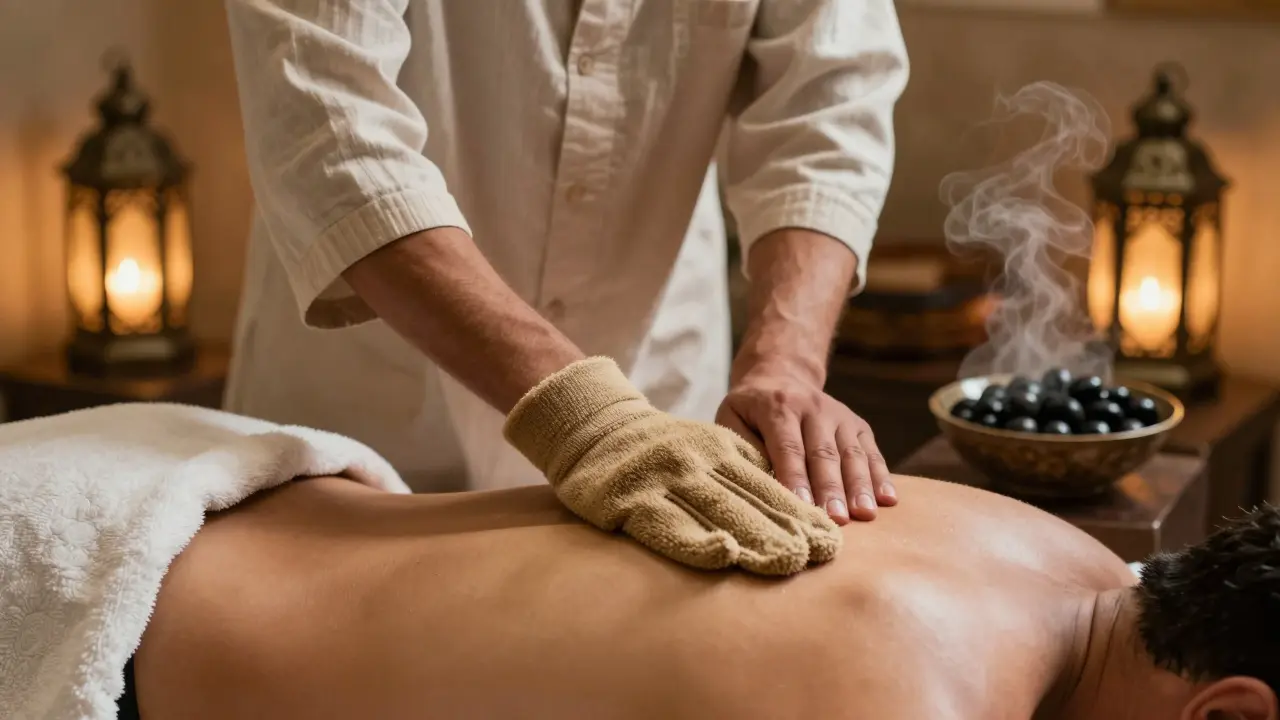
- An attendant calls you over, applies black soap, and scrubs you from head to toe with a kessa glove. This part is firm but never painful.
- You’re rinsed thoroughly under warm water.
- They massage your skin with argan oil or rosewater.
- You’re wrapped in a fresh towel and given tea or water to rehydrate.
It’s not rushed. Each step is deliberate. The scrubbing might feel intense at first, but it’s meant to be therapeutic, not abrasive.
Customization Options
Most spas in Dubai let you choose your oil-argan, rose, or lavender. You can ask for extra scrubbing on elbows or feet. Some offer herbal infusions in the steam room or add honey masks. If you’re sensitive to heat, they can lower the temperature. If you’re pregnant, they’ll adjust pressure and avoid certain areas. It’s not a one-size-fits-all experience.
Communication and Preparation
Before you go, drink water. Don’t eat a heavy meal right before. If you have sensitive skin, mention it. If you’ve never had a scrub before, say so-the attendant will go lighter. You don’t need to bring anything except your swimsuit. Most places provide everything: soap, gloves, towels, slippers, even tea.
How to Practice or Apply Moroccan Bath
Setting Up for Success
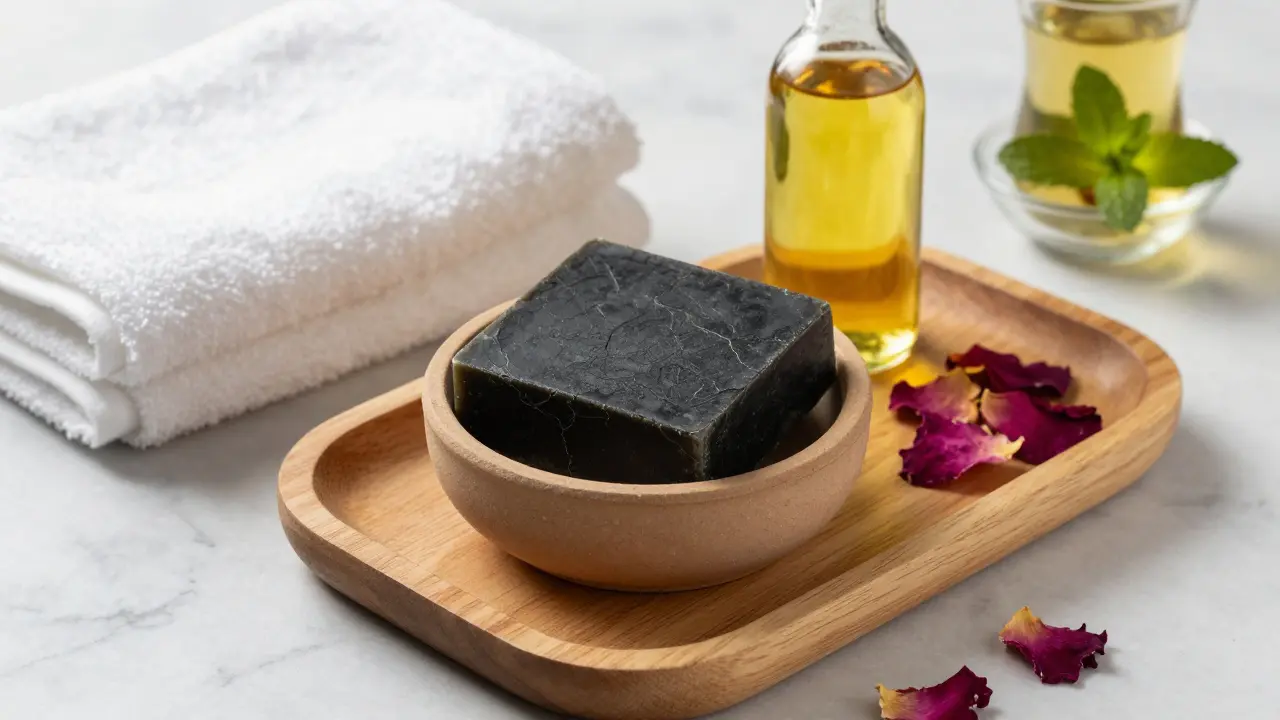
If you’re doing a home version (which many Dubai residents try), you’ll need: a hot shower, black soap (available at Middle Eastern stores), a kessa glove (online or at spas), and argan oil. Heat your bathroom with the shower on hot for 10 minutes. Apply soap, scrub gently in circular motions, rinse, then oil. Don’t skip the oil-it locks in moisture.
Choosing the Right Tools/Resources
For the real experience, go to a spa with trained staff. In Dubai, look for places with certifications from Moroccan spa associations or those staffed by attendants from Morocco. Avoid places that use plastic scrubbers or synthetic soaps. The real deal uses natural materials.
Step-by-Step Guide
1. Book a 75-minute session at a reputable spa.
2. Arrive 15 minutes early to relax.
3. Remove all jewelry.
4. Let the attendant know if you have any skin conditions.
5. Breathe deeply during the steam.
6. Don’t rush out-rest for 10 minutes after with tea.
7. Drink water for the next few hours.
Tips for Beginners or Couples
First-timers often feel awkward. That’s normal. Just relax. Most people are too focused on their own experience to notice you. If you’re going with a partner, you can book a double room. Some couples say it’s the most intimate thing they’ve done together-no talking, just quiet, shared warmth.
Safety and Ethical Considerations
Choosing Qualified Practitioners/Resources
Look for spas with clear hygiene standards. Ask if attendants are trained in Morocco or certified by local wellness bodies. Check reviews for mentions of cleanliness and professionalism. Avoid places that don’t change towels between clients.
Safety Practices
| Practice | Purpose | Example |
|---|---|---|
| Hydrate before and after | Prevent dizziness | Drink 1-2 glasses of water |
| Don’t scrub broken skin | Avoid infection | Wait until cuts heal |
| Use natural products | Reduce irritation | Ask for argan oil, not synthetic lotions |
Setting Boundaries
You’re in control. If the scrubbing is too rough, say so. If you feel dizzy, ask to sit down. No reputable spa will pressure you. This is your body, your time.
Contraindications or Risks
Avoid Moroccan baths if you have open wounds, severe eczema, recent tattoos, or are in early pregnancy. People with heart conditions or low blood pressure should consult a doctor first. If you feel lightheaded at any point, stop immediately.
Enhancing Your Experience with Moroccan Bath
Adding Complementary Practices
Pair your bath with a short meditation or journaling session afterward. Many spas offer herbal tea with mint or chamomile-sip slowly. Some guests combine it with a light yoga class the same day. The key is to extend the calm.
Collaborative or Solo Engagement
It works beautifully alone or with someone. Solo sessions let you fully disconnect. Couples often find it deepens connection without words. Group sessions are rare but available at some wellness retreats.
Using Tools or Props
After your bath, use a soft cotton robe. Avoid tight clothes. Keep argan oil handy for daily use. A loofah at home helps maintain results between sessions.
Regular Engagement for Benefits
Once a month is ideal for most people. If you’re in Dubai’s dusty heat, every 3-4 weeks helps keep skin clear. Overdoing it can dry out skin-stick to monthly or bi-monthly.
Finding Resources or Experts for Moroccan Bath
Researching Qualified Experts/Resources
Look for spas with staff from Morocco or those trained in traditional techniques. Ask about their certification. Read reviews that mention the quality of scrubbing and cleanliness. Word-of-mouth from locals in Dubai is your best guide.
Online Guides and Communities
Instagram has great accounts from Dubai spas showing real sessions. YouTube has tutorials on how to do it at home. Join Dubai wellness Facebook groups for recommendations.
Legal or Cultural Considerations
In Dubai, all spa services must follow strict hygiene codes. Gender-segregated rooms are common, but mixed-gender private rooms are available if requested. Always respect cultural norms-cover up in common areas, and avoid loud behavior.
Resources for Continued Learning
Books like The Moroccan Hammam by Fatima Zahra explain the rituals in depth. Look for workshops at Dubai’s cultural centers. Some spas offer introductory classes on traditional skincare.
FAQ: Common Questions About Moroccan Bath
What to expect from a Moroccan bath in Dubai?
You’ll start in a warm steam room for 10-15 minutes, then be scrubbed with a black soap and kessa glove by a trained attendant. The scrubbing is firm but not painful-it feels like a deep massage. After rinsing, you’ll be massaged with argan oil and wrapped in a warm towel. You’ll leave feeling incredibly smooth, relaxed, and calm. Most sessions last 75-90 minutes. Don’t expect loud music or fancy candles-it’s a quiet, focused ritual.
What happens during a Moroccan bath?
The process has four clear stages: steam, scrub, rinse, and oil. The steam opens your pores and softens dead skin. The scrub removes layers of buildup using a natural glove and plant-based soap. The rinse washes everything away, and the oil seals in moisture without clogging pores. It’s not just cleaning-it’s renewal. You’ll be guided through each step by an attendant who knows exactly how much pressure to use. No self-service here.
How does Moroccan bath differ from Turkish hammam?
Both use steam and heat, but the Moroccan bath focuses on aggressive exfoliation with the kessa glove, while the Turkish hammam is gentler and more about relaxation. In a Turkish hammam, you might lie on a heated marble slab and get a light massage. In a Moroccan bath, you’re actively scrubbed from head to toe. The Moroccan version leaves your skin noticeably smoother. The oil finish is also more prominent in Moroccan traditions.
What is the method of Moroccan bath?
The method is simple but precise: heat to open pores, natural soap to loosen dirt, kessa glove to remove dead skin, rinse to clean, and argan oil to nourish. Everything is done by hand, with attention to rhythm and pressure. The attendant uses their body weight and technique-not just strength. It’s a skill passed down through generations. The key is consistency: the same steps, same tools, same respect for the process.
Is Moroccan bath suitable for beginners?
Absolutely. Most spas in Dubai are used to first-timers. Staff will adjust the heat and scrub pressure to your comfort. You don’t need to know anything beforehand-just show up. Many people are nervous about the scrubbing, but it’s rarely uncomfortable. If you’re unsure, ask for a lighter touch. The first time is always the most surprising, but most people leave hooked.
Conclusion: Why Moroccan Bath is Worth Exploring
A Path to Radiant Skin and Calm
In a city that never stops moving, the Moroccan bath offers something rare: stillness with results. It’s not just about looking good-it’s about feeling grounded, clean, and cared for. The ritual connects you to centuries of tradition while giving you skin that glows like you’ve just returned from a week-long vacation.
Try It Mindfully
Don’t treat it like another appointment. Slow down. Breathe. Let the warmth sink in. If you’re unsure, start with a 60-minute session. Listen to your body. And if it feels right, make it part of your monthly rhythm.
Share Your Journey
Tried a Moroccan bath in Dubai? Share your experience in the comments-what surprised you? What did you love? Follow this blog for more honest guides to wellness in the city.
Some links may be affiliate links, but all recommendations are based on research and quality.
Word count: 1,728
Suggested Images
- A steamy Moroccan bath room with soft lighting and marble walls
- A trained attendant gently scrubbing a client’s back with a kessa glove
- Close-up of black Moroccan soap and argan oil bottles on a wooden tray
- A person wrapped in a white towel, smiling after a session, holding herbal tea
- Side-by-side skin comparison: before (dull, rough) and after (glowing, smooth)
Suggested Tables
- Comparison of Moroccan Bath vs. Turkish Hammam vs. Sauna
- Key Benefits of Moroccan Bath
- Moroccan Bath Safety Tips
ervin andriana taufik
January 7, 2026 AT 11:47Just did this in Jumeirah and WOW 😍 My skin’s been glowing for 3 days straight. That kessa glove? Brutal. In the best way. Like sandpaper made by angels. 🤯
Matt Basler
January 8, 2026 AT 18:51Yo if you're new to this, don't panic at the scrubbing. It feels like your skin’s gonna peel off-but it’s not. It’s like your body’s getting a hug from a very firm yoga instructor. 🙌 Afterward? You’ll forget what dry skin even is. Try it. You’ll thank me later.
Erica Faith
January 10, 2026 AT 15:12This experience is truly wonderful for anyone seeking peace and renewal. I highly recommend it to all who wish to honor their body with gentle, natural care. The warmth, the rhythm, the care-it is sacred. 🌿
Homer Simpson
January 12, 2026 AT 05:28Let’s be real-most people think this is just a fancy scrub. But it’s not. It’s a reset button. I went in stressed, tired, and kinda numb. Came out feeling like I’d slept for 12 hours and drank 3 liters of water. No caffeine. No pills. Just steam, soap, and a woman who knew exactly where to press. Respect.
Also, argan oil on your elbows after? Game changer. I now use it on my dog. She’s softer than my couch.
Ed Malaker
January 13, 2026 AT 01:43I’ve tried Turkish hammams and saunas, and yeah, the Moroccan bath is different. Not better, not worse-just more hands-on. It’s like getting your skin professionally cleaned instead of just washed. If you’ve got rough patches or dull skin, this is the fix. No magic, just mechanics.
Cliff Levert
January 14, 2026 AT 00:50Wait-so you’re telling me that ancient Berbers, who had no access to dermatologists, no FDA, no ‘natural’ marketing campaigns… somehow stumbled upon the one true method of skin renewal? And now, in 2025, we’re paying $180 to be scrubbed by strangers while sipping mint tea like it’s a spiritual awakening? Hmm. I smell commodified tradition. And also, I’m skeptical. What if the real benefit is just hydration? And the scrubbing? Just glorified exfoliation? Why does it need a 90-minute ritual to do what a loofah and coconut oil can do in 10 minutes?!!
Chris Hogan
January 14, 2026 AT 09:47Bro, if you’re doing a Moroccan bath and not getting the full Berber ancestral lineage experience with 7-step ritual, 100% pure argan oil from the Atlas Mountains, and a certified hammam master from Marrakech-you’re being scammed. Most Dubai spas? They use plastic gloves, imported soap from China, and a guy who learned it from a YouTube video. I’ve seen it. I’ve cried. You’re not getting the real thing. You’re getting spa capitalism with a side of exoticism. 🫠
Michael Thompson
January 15, 2026 AT 07:07Just got back from my third session. Honestly? It’s the only thing that makes me feel clean in this dusty city. No drama. No hype. Just warm steam, a quiet room, and someone who knows how to work your back. I go alone. I don’t talk. I just breathe. And yeah, I use the oil every day now. 😌