
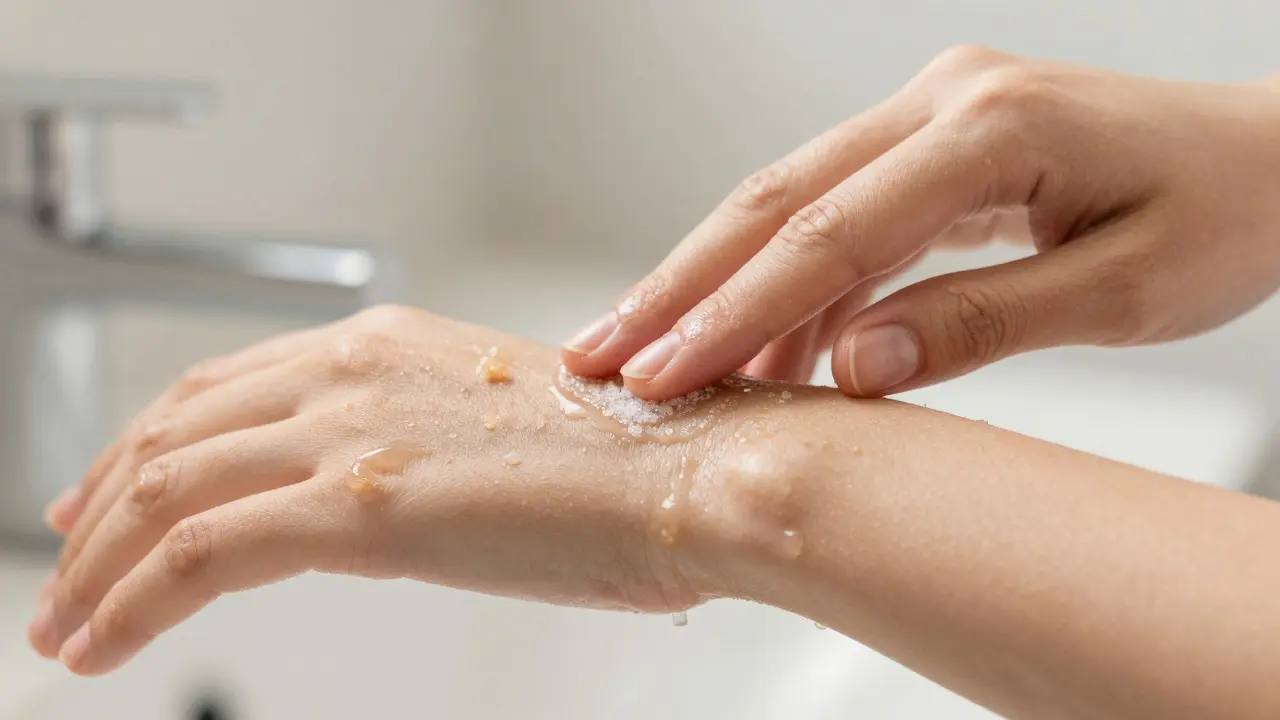
When you’re just starting out with skincare, exfoliate as a beginner might sound overwhelming. But it doesn’t have to be. Think of exfoliation like tidying up your garden-you’re not digging up the whole yard, just removing the dead leaves so the fresh growth can shine. Your skin works the same way. Dead cells build up, dulling your glow, clogging pores, and making moisturizers slide off instead of soaking in. Exfoliating gently removes those cells, letting your skin breathe and absorb what it needs. It’s not about scrubbing hard or making your skin raw. It’s about giving it a soft reset.
Understanding the Basics of Exfoliation
Origins and History
Exfoliation isn’t new. Ancient Egyptians used ground almonds and sea salt to smooth their skin. Romans soaked in mineral-rich baths and scrubbed with pumice stones. Even in traditional Middle Eastern hammams, exfoliation has been part of cleansing rituals for centuries. The core idea? Remove the old to reveal the new. Today, science backs this up: skin renews itself every 28 to 40 days. When that process slows-due to age, pollution, or sun exposure-dead cells stick around. That’s when a gentle exfoliator helps.Core Principles or Components
There are two main ways to exfoliate: physical and chemical. Physical exfoliation uses tiny particles-like sugar, salt, or ground nuts-to slough off dead skin with friction. Chemical exfoliation uses acids (like AHAs or BHAs) to dissolve the glue holding dead cells together. For beginners, physical scrubs are easier to start with because you can feel and control the pressure. But even then, you don’t need harsh granules. Fine, rounded particles are kinder. The goal isn’t to make your skin pink and stinging-it’s to leave it soft, smooth, and calm.How It Differs from Related Practices
Many people confuse exfoliation with deep cleansing or steaming. Cleansing removes dirt and oil. Steaming opens pores. Exfoliation removes dead skin cells. They’re all useful, but they do different jobs. You can steam before exfoliating to soften skin, but you don’t need to. And you never scrub right after a strong chemical peel-that’s overdoing it.| Practice | Key Feature | Primary Benefit |
|---|---|---|
| Cleansing | Removes surface dirt and oil | Prevents breakouts |
| Exfoliation | Removes dead skin cells | Improves texture and glow |
| Steaming | Opens pores with heat | Enhances absorption |
Who Can Benefit from Exfoliation?
Almost everyone can. If your skin feels rough, looks dull, or your moisturizer doesn’t seem to work, you’re a candidate. People with oily or acne-prone skin benefit because exfoliation prevents clogged pores. Dry skin types get smoother, softer texture. Even sensitive skin can join in-with the right product. The key is matching your skin’s needs. No need to wait for a problem to appear. Regular, gentle exfoliation keeps skin healthy, not just fixes it.Benefits of Exfoliation for Your Skin
Improved Skin Texture
Think of your skin like a dusty bookshelf. Over time, layers build up. Exfoliating is like wiping each shelf clean. Within a week or two of gentle weekly exfoliation, you’ll notice your skin feels smoother-not just to you, but to others too. It’s subtle but noticeable. The rough patches on your elbows, knees, or heels soften. Your legs feel silkier after a shower. That’s not magic-it’s removing the buildup that makes skin feel uneven.Better Absorption of Skincare Products
If your serum or moisturizer feels like it’s sitting on top of your skin instead of sinking in, dead cells are probably blocking the way. Exfoliating clears the path. Studies show that skin treated with gentle exfoliants absorbs up to 30% more active ingredients. That means your expensive vitamin C or hyaluronic acid actually works. You’re not wasting money-you’re unlocking its full potential.Reduced Dullness and Brighter Complexion
Dull skin isn’t always about dehydration. Sometimes, it’s just a layer of old cells reflecting light poorly. Exfoliation reveals the fresher, more radiant skin underneath. In Dubai’s sunny climate, where sun exposure can darken surface cells, a weekly scrub helps maintain an even tone. You don’t need to be glowing like a spotlight-just naturally luminous.Prevention of Ingrown Hairs and Clogged Pores
If you shave or wax, exfoliation is your quiet ally. Dead skin can trap hairs beneath the surface, causing bumps. Regular gentle scrubbing keeps those hairs free to grow out naturally. It also prevents blackheads and whiteheads by clearing out pore blockages. You’re not treating acne-you’re preventing it before it starts.| Benefit | Description | Impact |
|---|---|---|
| Texture Improvement | Smooths rough patches on elbows, knees, feet | Feels softer, looks more even |
| Product Absorption | Allows serums and moisturizers to penetrate deeper | Maximizes skincare investment |
| Even Skin Tone | Removes dull, dead cells to reveal brighter skin | More natural glow |
| Ingrown Hair Prevention | Keeps hair follicles clear after shaving or waxing | Reduces bumps and irritation |
What to Expect When Exfoliating
Setting or Context
You don’t need a spa. A quiet bathroom after a warm shower is perfect. Warm water softens skin, making exfoliation more effective and less abrasive. Keep your scrub in a dry spot so it doesn’t get watery and spoil. If you’re using a physical scrub, make sure your hands are clean. No need for candles or music-though if it helps you relax, go for it. The goal is consistency, not ceremony.Key Processes or Steps
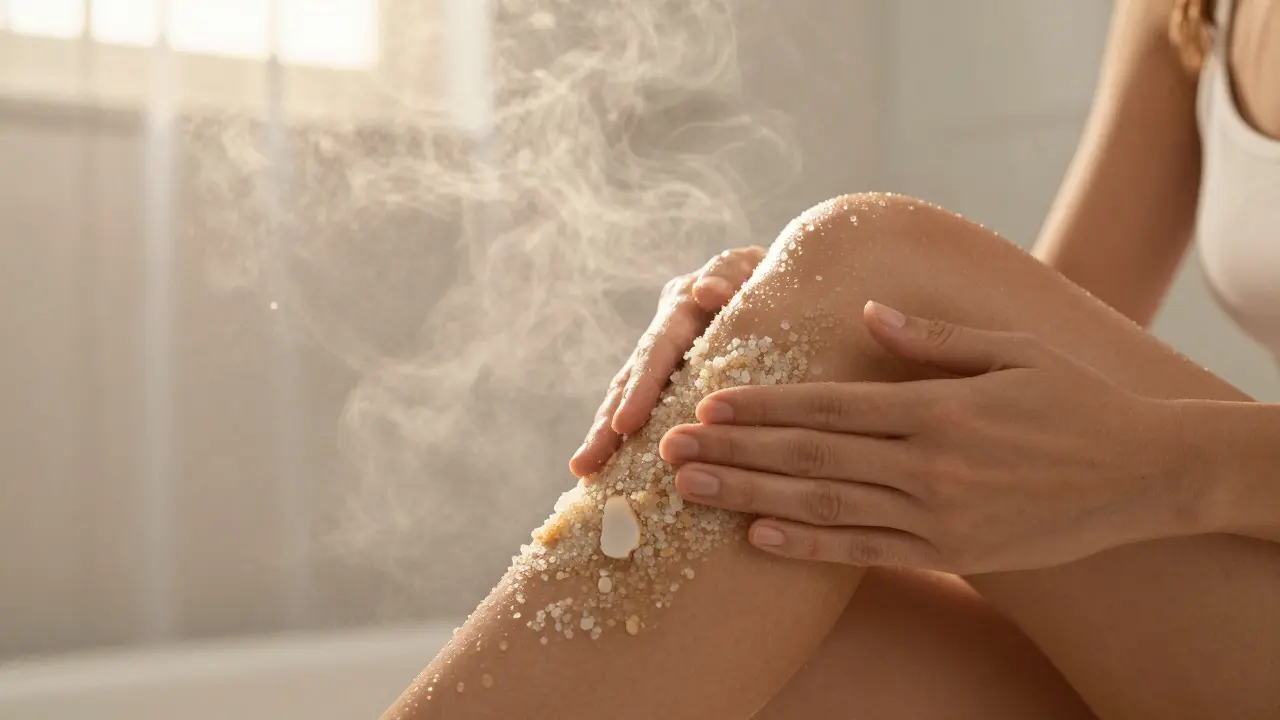
Start with damp skin. Apply a small amount of scrub-about the size of a quarter-to your hands. Gently massage in circular motions, focusing on areas that feel rough: elbows, knees, heels, thighs. Avoid delicate areas like the face unless the product is labeled for it. Rinse thoroughly with lukewarm water. Pat dry. Then, apply moisturizer. That’s it. No scrubbing until your skin stings. No leaving it on like a mask. Five minutes max.Customization Options
Not all scrubs are the same. If your skin is dry, pick one with oils like coconut or almond. If you’re prone to breakouts, look for salicylic acid or non-comedogenic formulas. In Dubai’s heat, avoid heavy, greasy scrubs that might trap sweat. Water-based scrubs with light fragrances work best. You can also switch between physical and chemical exfoliants weekly to keep things balanced.Communication and Preparation
If you’re using a new product, test it on a small patch of skin-like your inner forearm-24 hours before full use. Watch for redness, burning, or itching. If you feel anything sharp or stinging, stop. That’s your skin saying, “Too much.” Always listen to your skin. It’s not about how often you scrub-it’s about how it feels afterward. Smooth? Great. Raw? Too much.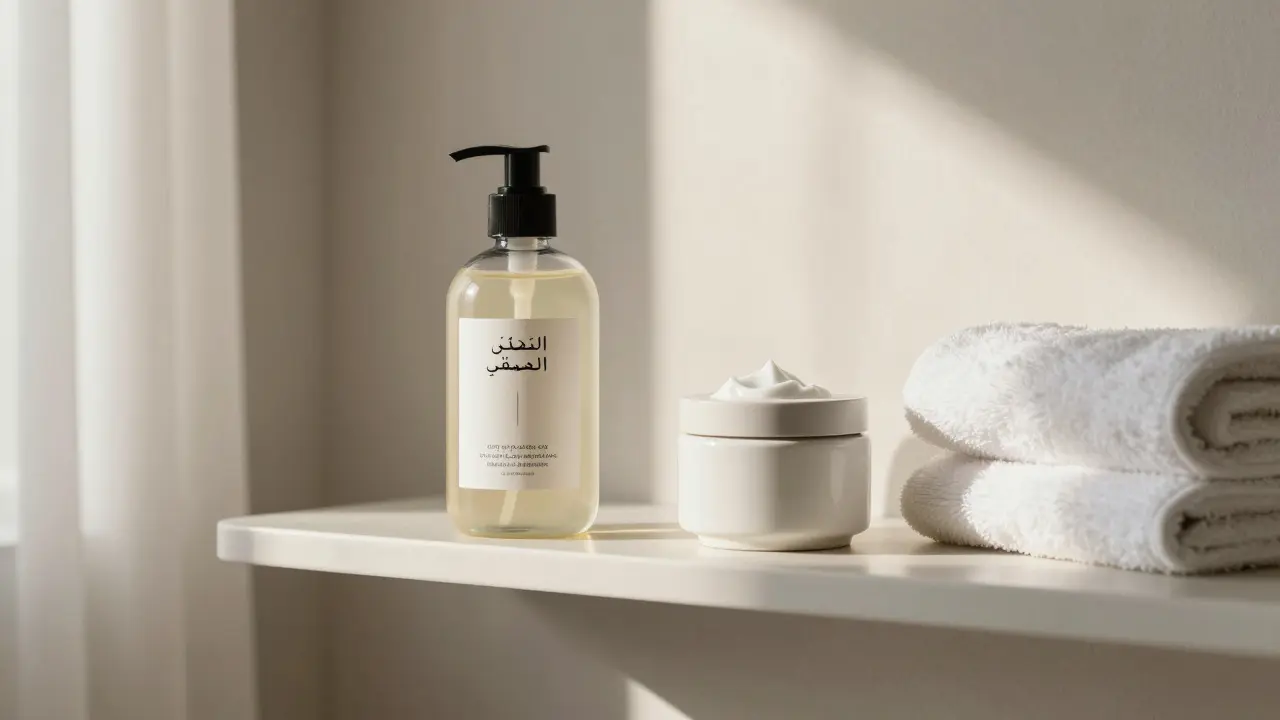
How to Practice or Apply Exfoliation
Setting Up for Success
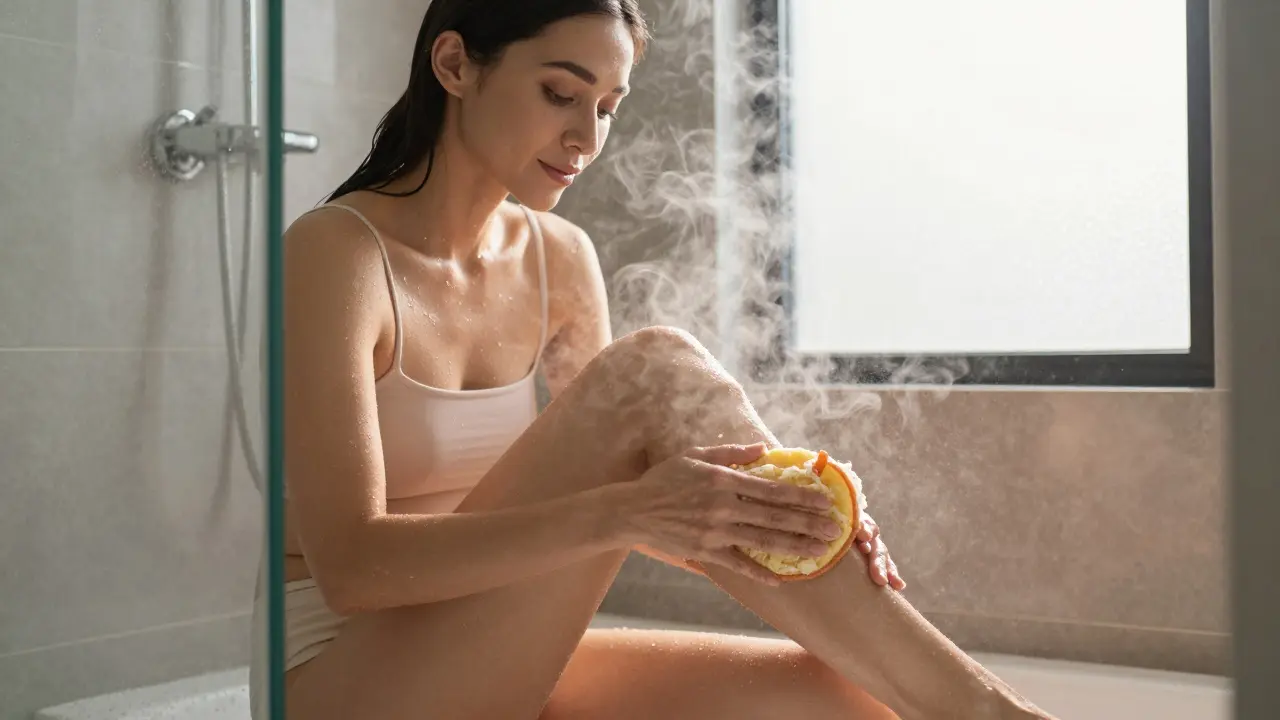
Keep your scrub in a cool, dry place. Humidity makes it grow mold. Use a clean loofah or your hands-never a dirty sponge. Wash your hands before applying. Have a towel ready. Moisturizer on standby. Make it part of your shower routine: scrub after washing, before rinsing. That way, you won’t forget it.Choosing the Right Tools
Avoid scrubs with jagged particles like walnut shells or coffee grounds-they’re too rough. Look for fine sugar, jojoba beads, or rice powder. These are round and gentle. Ingredients matter too. Avoid alcohol-heavy formulas. Look for soothing additives like aloe, chamomile, or oatmeal. In Dubai, products with antioxidants like green tea or vitamin E help fight pollution damage.Step-by-Step Guide for Beginners
- Shower first-let warm water soften your skin for 2-3 minutes.
- Turn off the water. Apply a small amount of scrub to damp skin.
- Use gentle circular motions. Don’t press hard. Think “massage,” not “sandpaper.”
- Focus on rough areas: elbows, knees, heels, arms, thighs. Skip your face unless the product says it’s safe.
- Rinse with lukewarm water until all scrub is gone.
- Pat skin dry with a clean towel.
- Apply a simple moisturizer right away.
- Do this once a week. If your skin feels great, try twice. If it’s sensitive, stick to once.
Tips for Beginners
Start slow. Once a week is enough. Your skin doesn’t need daily punishment. If you’re new to skincare, keep it simple: one scrub, one moisturizer. Don’t jump into serums, toners, and masks right away. And never exfoliate after sunburn, rash, or open cuts. Let your skin heal first. If you’re unsure, ask a dermatologist or skincare pro at a local spa. They’ve seen it all.Safety and Ethical Considerations
Choosing Qualified Products
Stick to brands that list ingredients clearly. Avoid products with “fragrance” as the only scent note-it often means hidden irritants. Look for dermatologist-tested labels. In Dubai, many spas and pharmacies carry trusted regional brands that are formulated for hot, dry climates. Read reviews from people with similar skin types.Safety Practices
| Practice | Purpose | Example |
|---|---|---|
| Use gentle pressure | Prevents micro-tears | Scrub like you’re polishing glass, not scrubbing a pot |
| Don’t overdo frequency | Protects skin barrier | Once or twice a week max |
| Rinse thoroughly | Prevents residue buildup | Run water for 15+ seconds after scrubbing |
Setting Boundaries
If your skin feels tight, red, or stings after exfoliating, you’re doing too much. Stop. Let it rest for a week. Then try again with less product or less pressure. There’s no prize for scrubbing harder. Your skin’s comfort is the goal.Contraindications or Risks
Avoid exfoliation if you have eczema, psoriasis, active acne, sunburn, or open wounds. Also skip if you’re using strong retinoids or chemical peels-your skin is already being renewed. Always patch test new products. And never exfoliate right before a beach day-you’ll be more prone to sun damage.Enhancing Your Experience with Exfoliation
Adding Complementary Practices
After exfoliating, your skin is ready to drink in moisture. Follow up with a hydrating body oil or cream. In Dubai’s dry air, oils with squalane or shea butter lock in hydration. You can also add a light massage with your hands-this boosts circulation and helps absorption. Don’t rush. Take 30 seconds to rub in the cream. It’s a small moment of self-care.Collaborative or Solo Engagement
Exfoliating alone is fine. But if you enjoy rituals, do it with a partner. It’s a quiet, calming way to connect. Just make sure you both use your own scrub-no sharing. Skin is personal. Even if it’s just a shared shower routine, it can feel like a ritual.Using Tools or Props
A soft silicone scrubber can help if your hands are tired. But your fingers work perfectly. Avoid loofahs-they harbor bacteria. If you use one, replace it every 2-3 weeks. A clean towel is your best tool after scrubbing.Regular Engagement for Benefits
Consistency beats intensity. One scrub a week, done right, is better than three harsh ones. Think of it like watering a plant-you don’t flood it. You give it a steady sip. Over time, your skin will thank you with a natural glow, fewer bumps, and better absorption of everything else you use.
Finding Resources or Experts for Exfoliation
Researching Qualified Products
Look for products labeled “dermatologist-tested” or “non-comedogenic.” In Dubai, pharmacies like Boots, Superdrug, or local wellness stores carry trusted brands. Read reviews on platforms like Trustpilot or Sephora. Look for comments like “no irritation,” “left skin soft,” or “perfect for sensitive skin.”Online Guides and Communities
Reputable skincare blogs like the American Academy of Dermatology (AAD) or SkinCare.com offer clear, science-backed advice. Avoid viral TikTok trends that promise overnight results. Real change takes weeks, not days.Legal or Cultural Considerations
In the UAE, skincare products are regulated by the Dubai Health Authority. Always check labels for halal certification if that matters to you. Many local brands are formulated for hot climates and avoid alcohol-heavy formulas-perfect for Dubai residents.Resources for Continued Learning
Books like “The Beauty of Skin” by Dr. Howard Murad or “Skin Rules” by Dr. Tracey Vlahovic offer practical, no-nonsense advice. YouTube channels like Dr. Shereene Idriss break down ingredients in simple terms. Start there.FAQ: Common Questions About Exfoliation
What to expect when I first exfoliate?
When you first exfoliate, your skin might feel slightly tingling or taut-but not burning. It should feel smoother right away. You might notice a slight glow after the first use. Don’t expect dramatic changes overnight. Real results build over weeks: smoother texture, fewer bumps, better moisturizer absorption. If you feel redness or stinging, you used too much pressure or a harsh product. Stop and try again with gentler care.
What happens during a typical exfoliation session?
A typical session takes 5-7 minutes. Start with damp skin after a warm shower. Apply a small amount of scrub to your hands. Gently massage in circular motions over rough areas like elbows, knees, and heels. Avoid the face unless the product is safe for it. Rinse thoroughly with lukewarm water. Pat dry. Then, apply moisturizer. That’s it. No masks, no waiting, no rinsing twice. Keep it simple.
How does exfoliation differ from cleansing?
Cleansing removes dirt, oil, and makeup from the skin’s surface. Exfoliation removes dead skin cells that cling to the surface and clog pores. You can cleanse without exfoliating, but exfoliating without cleansing isn’t as effective. Think of cleansing as wiping your hands before a meal, and exfoliation as peeling off dead skin so your hands feel soft. They’re complementary, not interchangeable.
What is the best method for beginners?
The best method for beginners is a gentle physical scrub with fine, round particles-like sugar or jojoba beads-used once a week. Apply it to damp skin after a warm shower. Use light pressure and circular motions. Rinse well. Then moisturize. Avoid scrubs with large grains, alcohol, or strong fragrances. Stick to one product until you know how your skin reacts. Less is more, especially at first.
Is exfoliation suitable for beginners?
Absolutely. Exfoliation is one of the easiest, most effective steps you can add to your routine. Beginners benefit most from gentle, low-frequency routines. Start with once a week. Use a simple scrub with soothing ingredients. Listen to your skin-if it feels good, continue. If it stings or turns red, pause. There’s no rush. The goal isn’t to transform your skin overnight-it’s to help it stay healthy, naturally.
Conclusion: Why Exfoliation is Worth Exploring
A Path to Naturally Radiant Skin
Exfoliation isn’t a luxury. It’s a simple, smart way to keep your skin looking and feeling its best. You don’t need expensive treatments or complicated routines. Just a gentle scrub, once a week, and you’re already ahead of most people.Try It Mindfully
Start slow. Be patient. Your skin doesn’t need drama-it needs care. If you’re unsure, try a sample size first. Or visit a local Dubai spa for a consultation. Most offer free skin checks.Share Your Journey
Tried exfoliating as a beginner? Share your experience in the comments! Did your skin feel different after the first try? What scrub did you use? Let others learn from you.Some links may be affiliate links, but all recommendations are based on research and quality.
Word count: 1,687
Suggested Images
- A close-up of hands gently massaging a sugar scrub onto a forearm
- A bathroom shelf with a natural body scrub, moisturizer, and towel arranged neatly
- A person stepping out of a shower with glowing, damp skin, smiling softly
- A side-by-side comparison of rough vs. smooth skin after exfoliation (conceptual)
- A small bottle of body scrub with Arabic and English labels, placed on a marble countertop
Suggested Tables
- Comparison of Skin Care Practices (already included)
- Key Benefits of Regular Exfoliation (already included)
- Exfoliation Safety Tips (already included)
BRIAN KING
February 18, 2026 AT 08:57just tried this for the first time last night 😅 used a sugar scrub i bought on sale and holy smokes my legs feel like silk now. i was scared i’d scrub off a layer of skin but it was so gentle. my roommate even asked if i got a massage. nope. just 5 minutes and a lil sugar. thanks for the nudge to try it!
Shawn McGuire
February 18, 2026 AT 19:53Let’s be precise: exfoliation is not ‘tidying up your garden.’ That’s a misleading metaphor. Dead skin cells are not ‘dead leaves’-they’re keratinized corneocytes bound by desmosomes. The process is biochemical, not horticultural. Also, ‘28 to 40 days’ is an average; turnover varies by age, photodamage, and genetics. If you’re 40+, you’re likely at 45+ days. Don’t oversimplify for clicks.
Hallam Bailie
February 20, 2026 AT 13:12omg yes!! i used to think exfoliating meant sandpapering my face 😂 then i tried a jojoba bead scrub and now i’m obsessed. it’s like a mini spa every saturday. my skin looks less tired, even after my 3am zoom calls. also-please stop using walnut scrubs. they’re basically tiny rocks in a jar.
mark roberts
February 21, 2026 AT 08:17I love how this post breaks it down without the fluff. As someone who grew up in a culture where skincare was just soap and water, this was eye-opening. I used to think glowing skin was genetic-turns out it’s just consistency. Started last week with a simple sugar scrub, once a week. My knees don’t look like sandpaper anymore. Small wins matter. Keep it simple, folks.
Shayla O'Neil
February 22, 2026 AT 22:50I think what’s beautiful here is how it reminds us that self-care doesn’t have to be complicated. We’re so conditioned to believe that glowing skin requires ten steps, expensive serums, and hours of ritual. But this? Just a gentle touch, once a week, after a warm shower. It’s not about fixing yourself-it’s about honoring your body’s natural rhythm. I’ve been doing this for three months now, and I don’t feel like I’m ‘treating’ my skin. I just feel… lighter. Like I’m listening instead of forcing.
Anil Sharma
February 24, 2026 AT 07:24i never knew exfoliation was this simple. i was using a coffee scrub my cousin gave me and it felt like i was sanding my skin 😅 switched to a sugar one after reading this and wow. my elbows are not rough anymore. also i live in india where dust is everywhere so this is a game changer. no fancy brands, just plain sugar + coconut oil. works great. thanks for the guide!
Sandie Corr
February 25, 2026 AT 20:28OMG I JUST TRIED IT AND MY CALVES LOOK LIKE THEY’RE LIT FROM WITHIN?? 🤯 I used the one with aloe and now I’m obsessed. Also-why does no one tell you to moisturize RIGHT after? I forgot and my skin felt tight. Lesson learned. 10/10 would scrub again.