
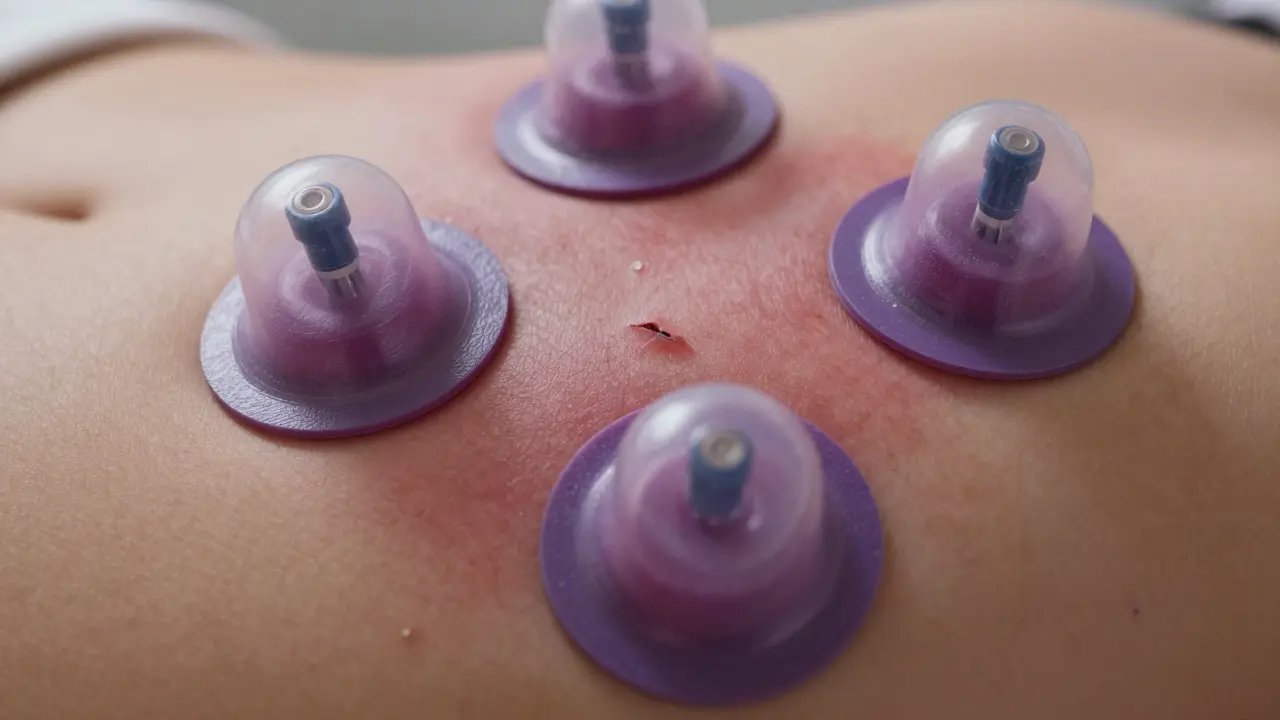
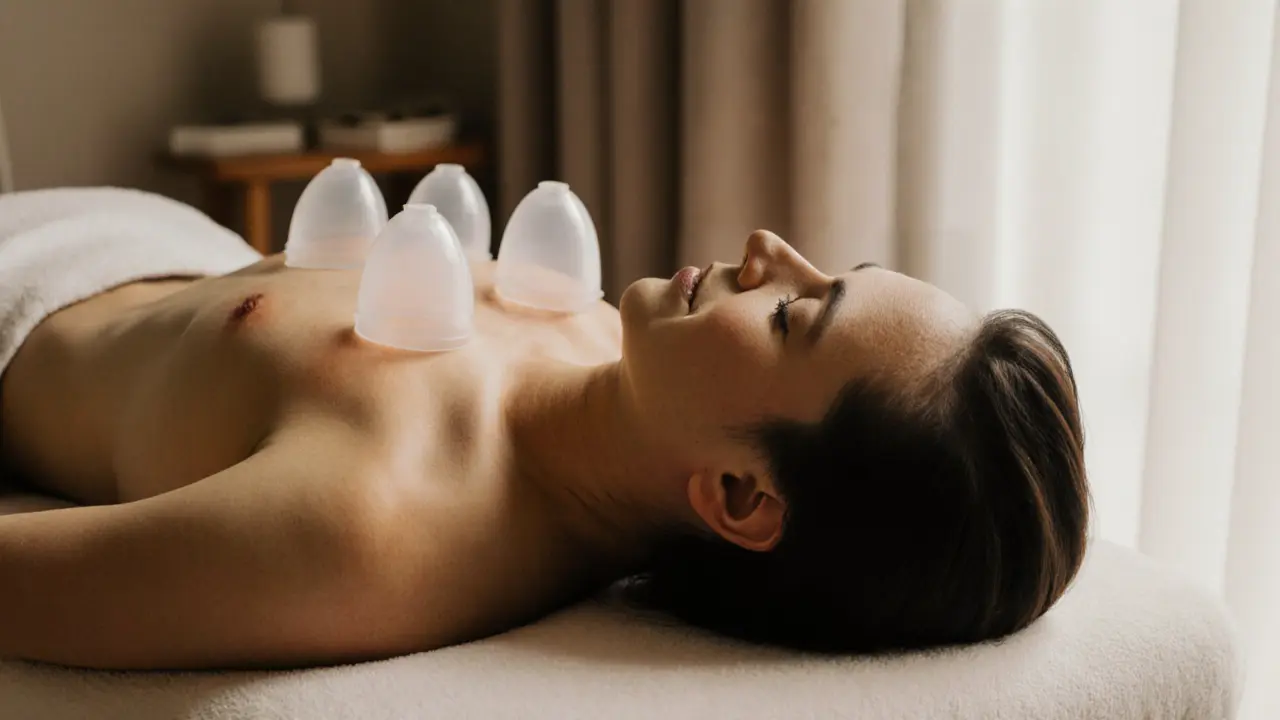
Cupping therapy is an ancient healing practice that uses suction cups on the skin. Despite claims, it has no scientific backing for weight loss and is not designed to target stomach fat. Many people ask where to place cupping for weight loss in the stomach, but this idea is a dangerous misconception. Let's break down what cupping actually does, where it's used safely, and why it doesn't work for shedding pounds.
What Cupping Therapy Is Really For
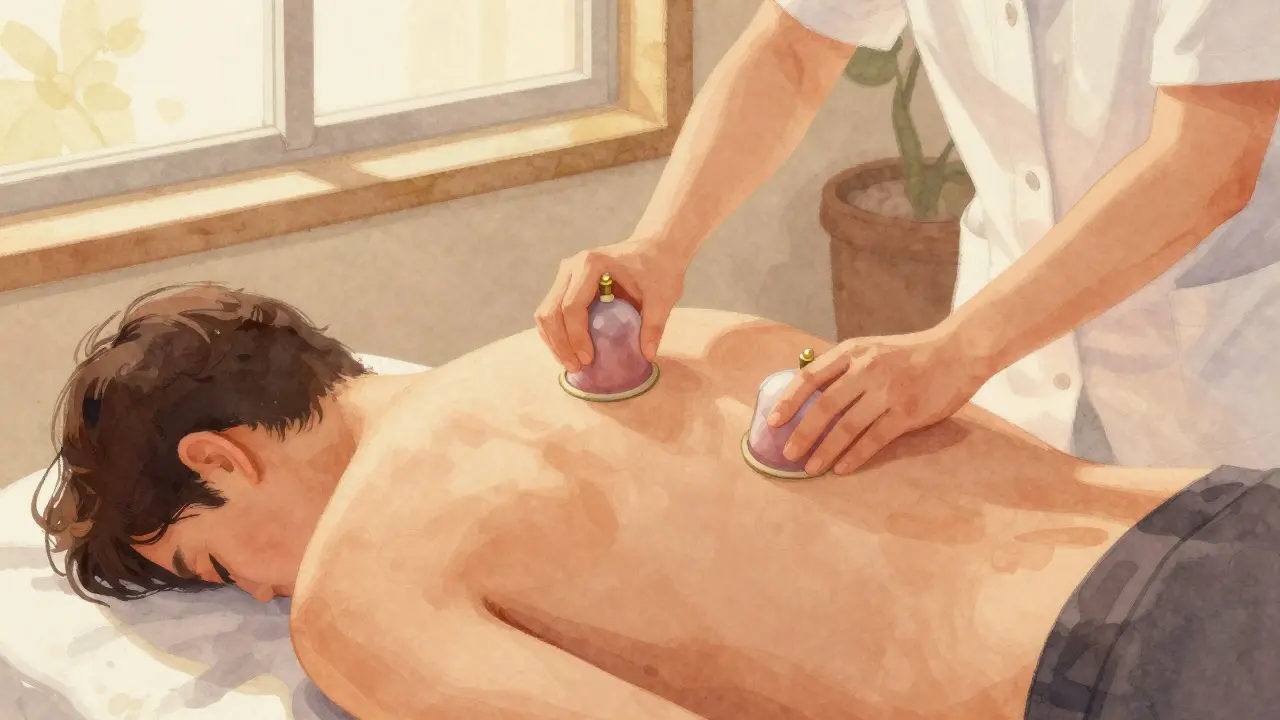
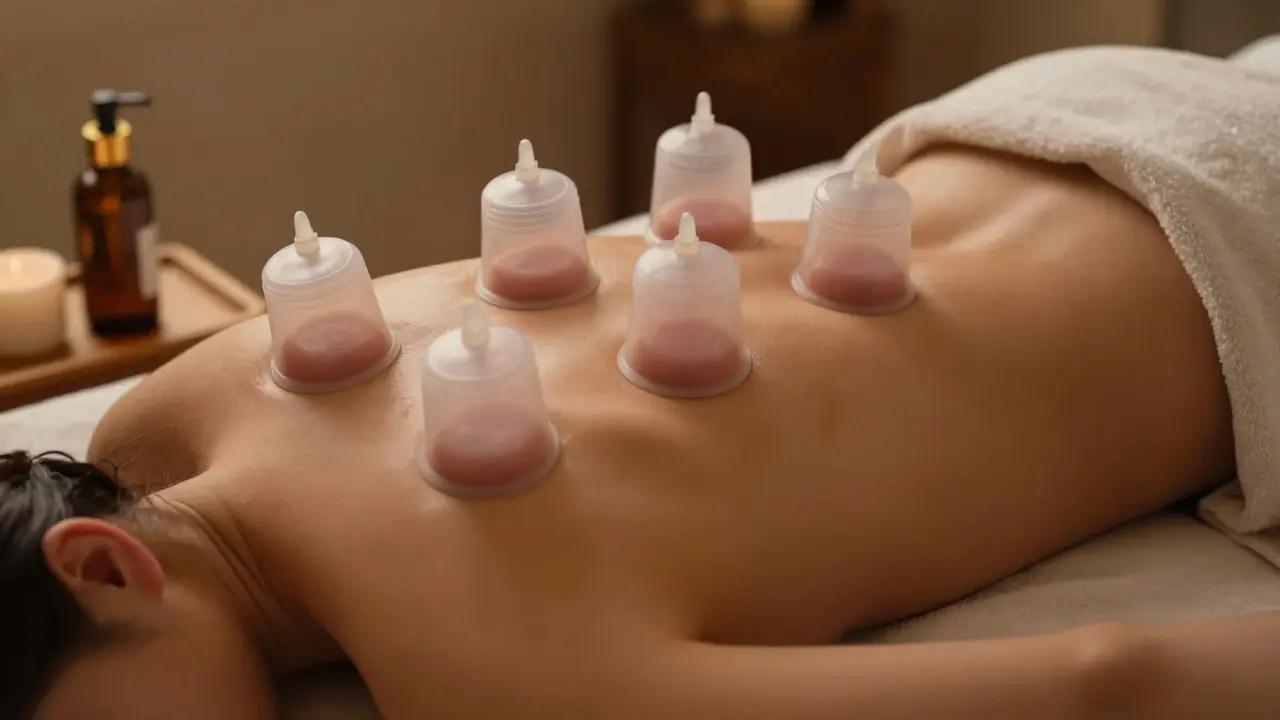
Cupping has been part of traditional Chinese medicine for over 3,000 years. Practitioners place glass or silicone cups on the skin to create suction. This pulls blood to the surface, which may help with muscle recovery or pain relief. It's not a weight loss tool. The National Institutes of Health (NIH) states cupping is used for conditions like back pain, arthritis, and tension headaches-not fat reduction. Think of it like a deep tissue massage: it works on muscles and circulation, not calories or fat cells.
How Cupping Works (And Why It Doesn't Affect Weight Loss)
When cups create suction, they temporarily increase blood flow to the area. This might reduce inflammation or ease muscle tightness. However, it doesn't burn fat or boost metabolism. Fat loss happens through calorie deficit-eating less and moving more. Cupping can't change your body's energy balance. A 2023 review in the Journal of Alternative Medicine found no studies linking cupping to weight loss. Instead, it shows minor benefits for pain management only.
Where Cupping Is Actually Placed
Cupping targets areas with muscle tension or pain, not fat deposits. Common spots include:
- Upper back: For shoulder stiffness or tension headaches
- Lower back: To relieve sciatica or chronic pain
- Legs: After intense workouts to reduce soreness
- Neck: For stress-related tension
The stomach isn't a typical placement area. Skin there is thinner and more sensitive. Placing cups on the abdomen could cause bruising or discomfort without any weight loss benefit. In fact, some practitioners avoid the stomach entirely due to risk of internal organ pressure.
Safety Risks of Using Cupping for Weight Loss
Trying to use cupping for stomach fat is risky. The suction can damage delicate abdominal tissue, leading to:
- Severe bruising or skin tears
- Internal pressure on organs like the intestines
- Infection if cups aren't sterilized properly
The Mayo Clinic warns against using cupping for weight loss, noting it has no proven effect and could cause harm. If you see practitioners offering "stomach cupping for weight loss," they're either misinformed or exploiting myths. Always consult a licensed professional before trying any new treatment.
Evidence-Based Alternatives for Weight Management
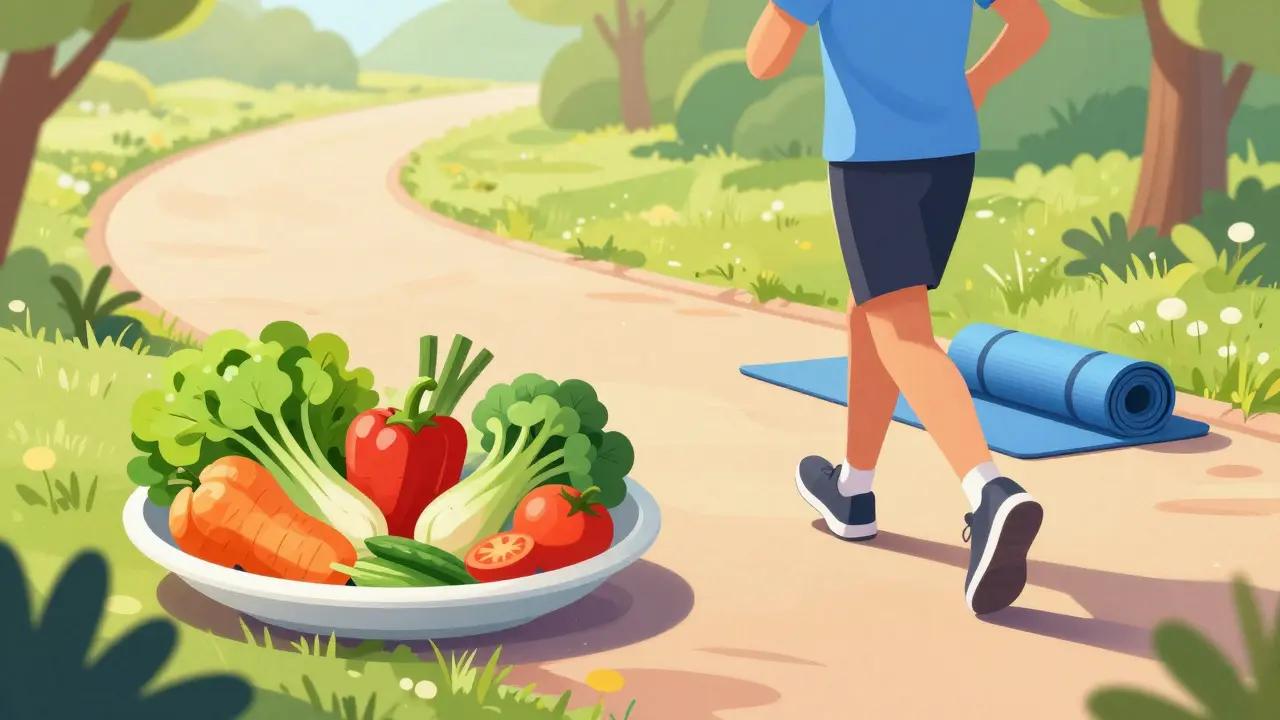
Want to lose weight safely? Focus on proven methods:
- Balanced diet: Prioritize whole foods like vegetables, lean proteins, and healthy fats. Avoid crash diets.
- Regular exercise: Combine cardio (like walking or swimming) with strength training to build muscle and burn calories.
- Professional guidance: Talk to a registered dietitian or doctor. They create personalized plans based on your health needs.
- Stress management: High stress increases cortisol, which can lead to belly fat. Try yoga or meditation.
These strategies work because they address the root causes of weight gain-calorie intake, physical activity, and hormonal balance. Cupping does none of this.
FAQs About Cupping and Weight Loss
Does cupping help with weight loss?
No. There is zero scientific evidence that cupping reduces body fat or aids weight loss. It works on muscles and circulation, not fat cells. Any claims otherwise are myths. The World Health Organization (WHO) recognizes cupping for pain relief only-not metabolic or weight-related issues.
Why do some people say cupping helps with belly fat?
This likely comes from confusion with other treatments. Some spas offer "cupping for cellulite," but cellulite isn't the same as fat. Cellulite is fat pushing through connective tissue under the skin. Even for cellulite, cupping's effects are temporary and unproven. Real fat loss requires lifestyle changes, not suction cups.
Where should cupping be placed for pain relief?
For pain, cupping is applied to muscles or areas of tension. Common spots include the upper back for shoulder pain, lower back for sciatica, or thighs for muscle soreness. A licensed therapist will assess your needs and avoid sensitive areas like the stomach. Always choose a practitioner trained in proper cupping technique.
Can cupping cause harm if used incorrectly?
Yes. Improper cupping can cause burns, skin damage, or internal injuries. Using cups on the stomach risks pressing on organs like the liver or intestines. Never attempt cupping at home without professional training. If you experience pain, swelling, or bruising after a session, seek medical help immediately.
Final Thoughts
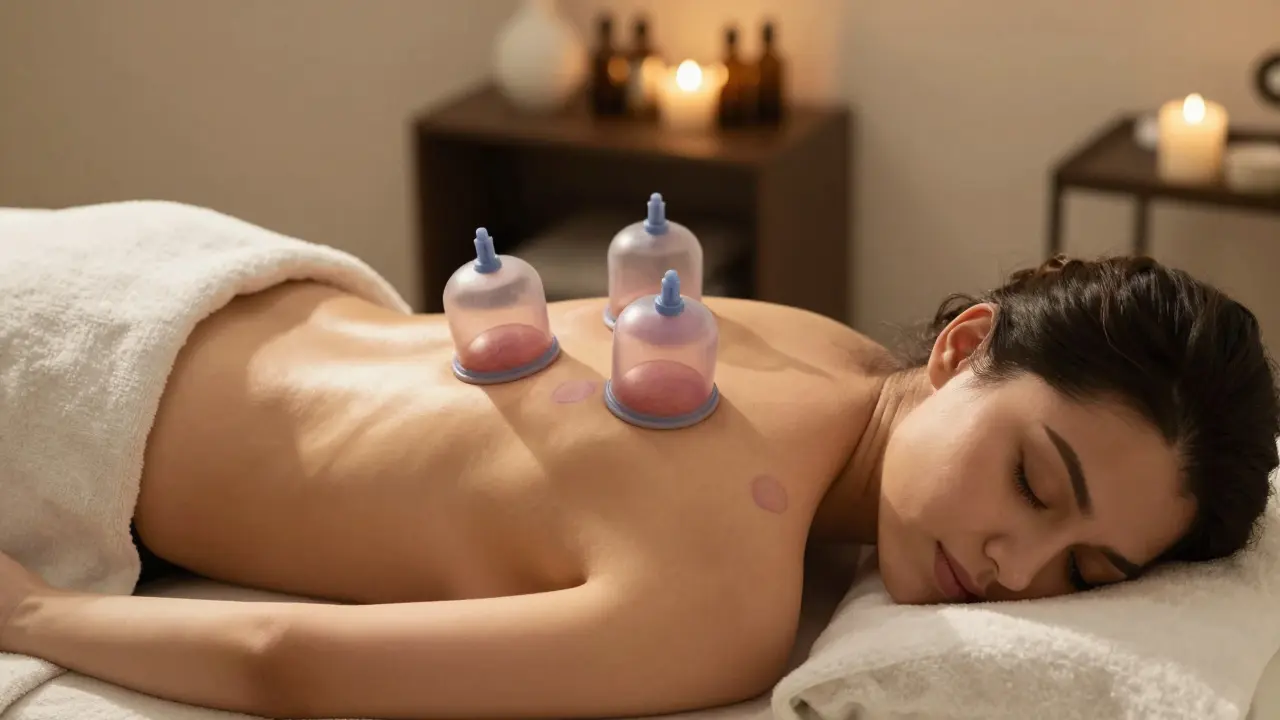
Cupping therapy has real benefits for pain and muscle recovery-but not for weight loss. Focusing on stomach cupping for fat loss is not just ineffective; it's potentially dangerous. Instead, invest in proven strategies like balanced nutrition and regular exercise. If you're struggling with weight, talk to a healthcare provider. They'll help you create a safe, sustainable plan. Remember: real change comes from science-backed habits, not unproven myths.
Heather Conover
February 4, 2026 AT 23:37Cupping therapy has no scientific basis for weight loss. The NIH states it's for pain relief only yet people still insist on using it for stomach fat this is dangerous misinformation it's imperative to clarify this
Lisa Sanders
February 6, 2026 AT 12:19CUPPING FOR WEIGHT LOSS? ABSOLUTELY NOT! IT'S A SCAM! DON'T FALL FOR IT! SCIENTIFIC EVIDENCE SHOWS IT DOESN'T WORK! THE MAYO CLINIC WARNED ABOUT THIS! STOP BEING STUPID AND LISTEN TO THE SCIENCE!
Joe Brown
February 6, 2026 AT 14:27Hey everyone, let's get real here. Cupping therapy is great for muscle recovery and pain relief, but it's not a weight loss tool. There's zero science behind it for fat loss. What people need to focus on is calorie deficit through diet and exercise. For example, eating whole foods, lifting weights, and cardio. It's not about quick fixes but sustainable habits. I've seen so many people try fad methods and fail. Stick to the basics. Trust me, it works. Don't waste time on cupping; invest in real solutions. Remember, small changes add up. Let's do this together! Consistency is key, and there's no shortcut to real health. Stay focused on your goals and don't get distracted by myths.
Suresh Suresh
February 6, 2026 AT 22:45Cupping has benefits for pain but not weight loss.
varun kamat
February 7, 2026 AT 18:58Great point. Let's all work together on healthy habits. Cupping isn't the answer, but we can support each other in making real changes. Small steps matter. You're doing great!
Joe Marquez
February 8, 2026 AT 13:21Oh sure, let's put cups on our stomachs to lose weight. Because that's totally how calories work. What a genius idea. Next up: using a crystal to burn fat. Yeah, that'll work.
Talia Bjornson
February 9, 2026 AT 20:39You got this! Focus on real solutions like healthy eating and exercise. Cupping's not the answer, but you can do it! Stay positive and keep going.
John Francis Grasso
February 10, 2026 AT 00:21Cupping doesn't help with weight loss. Stick to proven methods like diet and exercise.