
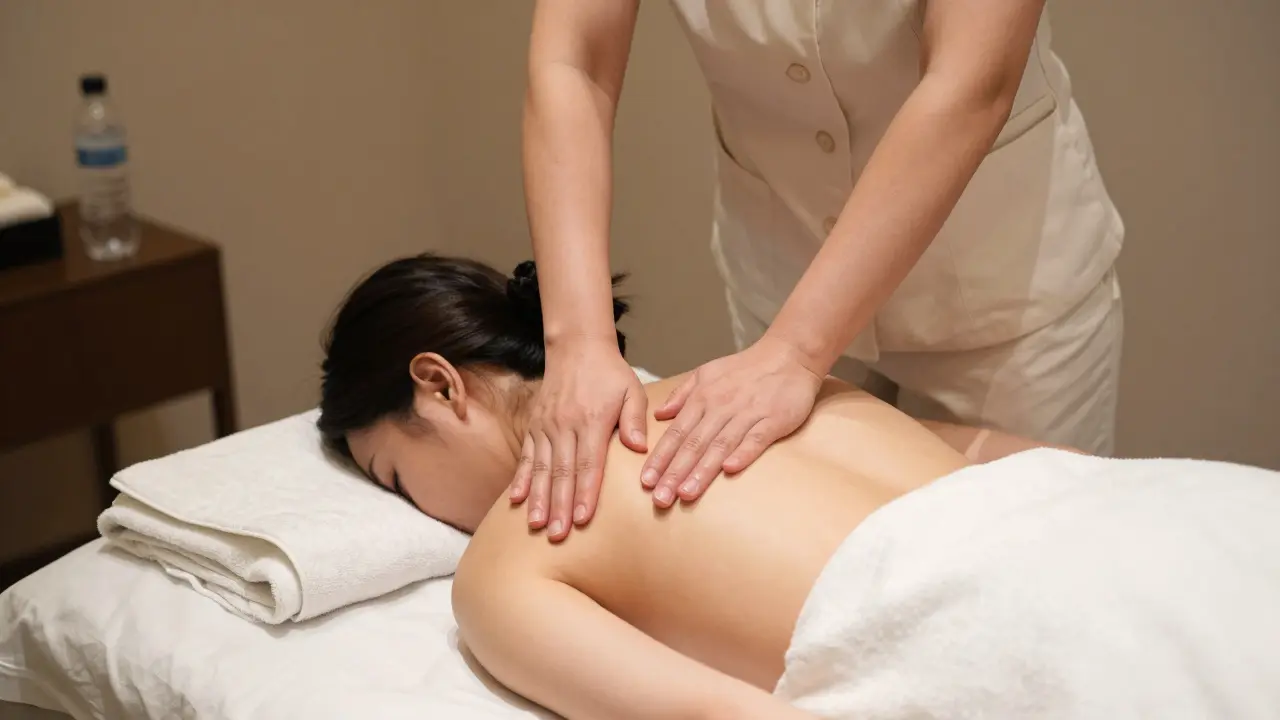
Is deep tissue massage intimate? It’s a question that comes up more often than you’d think-especially in places like Dubai, where cultural norms around touch can vary widely. The short answer? It’s not intimate in the romantic or personal sense, but it can feel deeply personal. That’s because deep tissue massage works on layers of muscle and connective tissue that are often hidden from daily life. It’s not about closeness-it’s about care. And when done right, it’s one of the most respectful, professional, and healing experiences you can have.
Understanding the Basics of Deep Tissue Massage
Origins and History
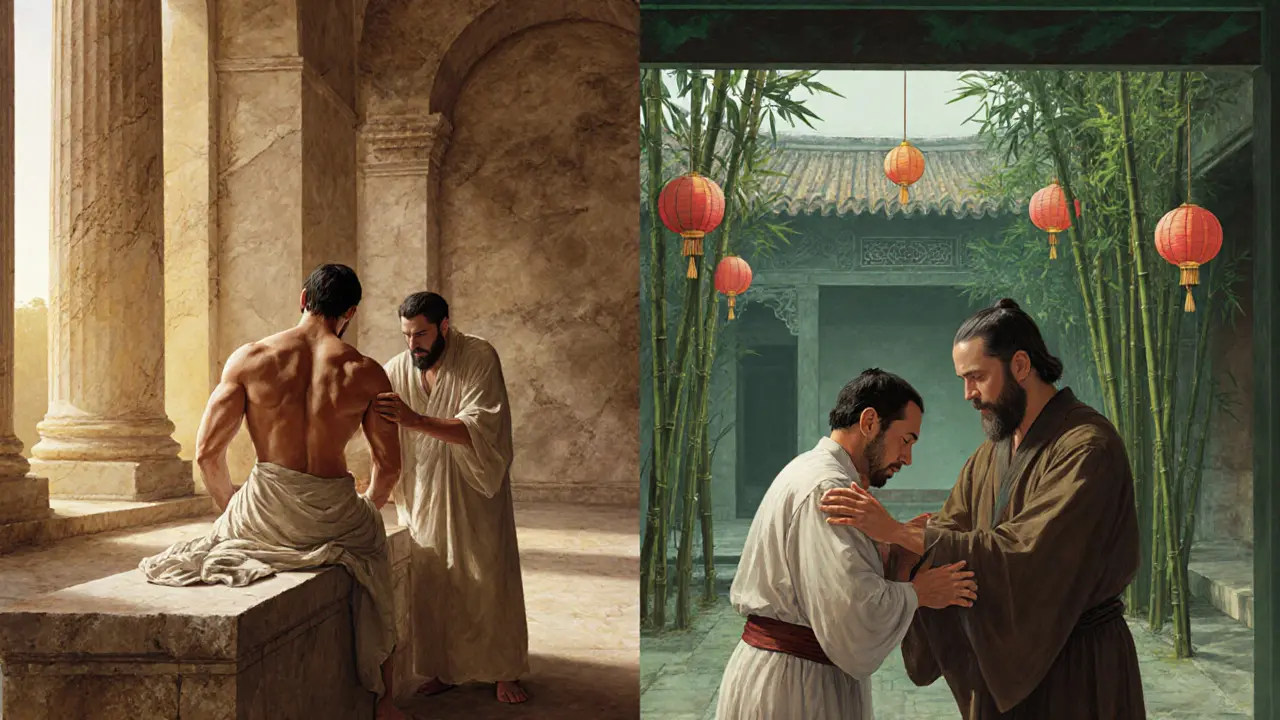
Deep tissue massage didn’t just appear out of nowhere. Its roots trace back to ancient Chinese and Egyptian practices that used pressure to relieve tension. Modern deep tissue massage as we know it began taking shape in the 1970s, influenced by Swedish massage techniques and later refined by physical therapists and sports medicine professionals. Unlike relaxation-focused massages, deep tissue targets chronic muscle tightness, scar tissue, and deep layers of fascia. It’s not meant to be soothing-it’s meant to transform. Think of it as a workout for your muscles, but without the sweat.
Core Principles or Components
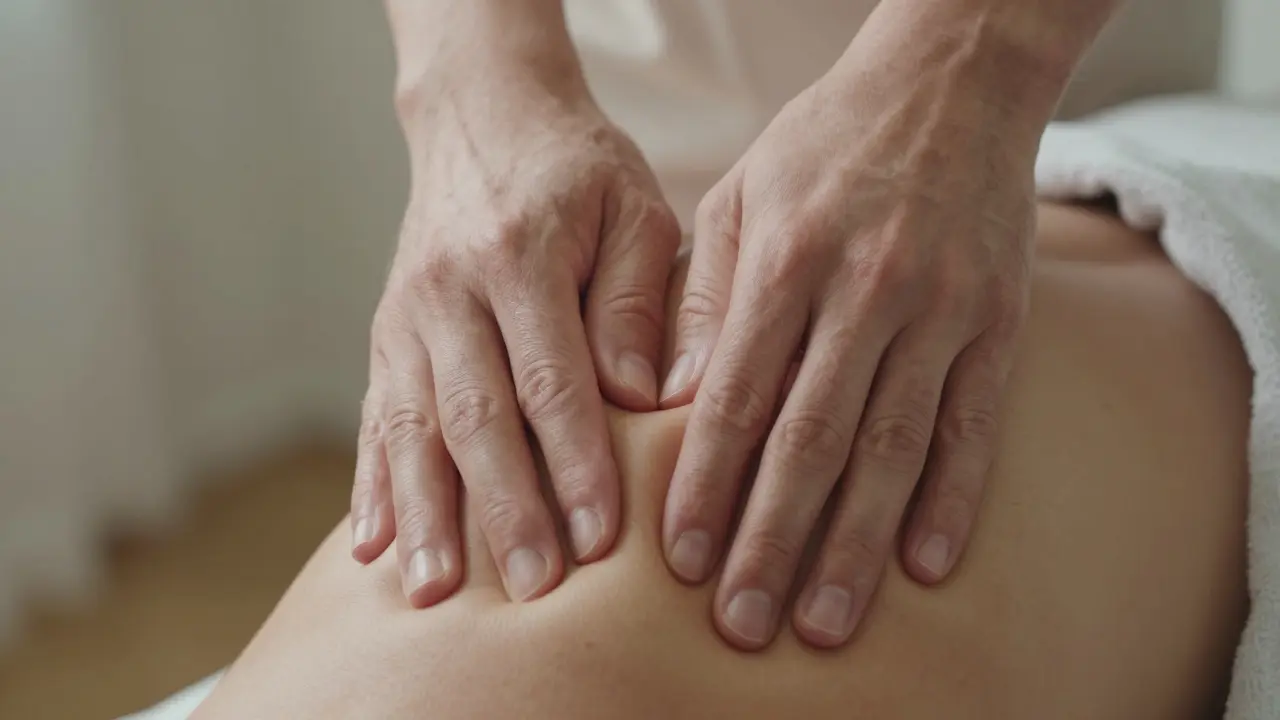
Deep tissue massage works through three main principles: sustained pressure, slow strokes, and targeted manipulation. Practitioners use their elbows, forearms, knuckles, or thumbs to apply firm, focused pressure to areas like the lower back, shoulders, neck, and hips-places where tension builds up over time. The goal isn’t to make you scream (though some discomfort is normal), but to break up adhesions and restore mobility. Sessions usually last 60 to 90 minutes and are often tailored to specific problem areas, not full-body relaxation.
How It Differs from Related Practices
People often confuse deep tissue massage with Swedish massage or sports massage. Here’s how they stack up:
| Practice | Key Feature | Primary Benefit |
|---|---|---|
| Deep Tissue Massage | Firm, slow pressure on deep muscle layers | Relieves chronic pain and stiffness |
| Swedish Massage | Light to medium pressure, flowing strokes | Relaxes the nervous system |
| Sports Massage | Dynamic, movement-based techniques | Prepares or recovers athletes |
Swedish massage is like a warm blanket. Deep tissue is like a mechanic fixing a seized engine. One soothes; the other repairs.
Who Can Benefit from Deep Tissue Massage?
Anyone with persistent muscle tightness, whether from sitting at a desk all day, lifting weights, or recovering from an injury. Athletes use it to prevent injuries. Office workers use it to fight back pain. People with conditions like fibromyalgia or arthritis often find relief-though they should consult their doctor first. It’s not for everyone. If you have osteoporosis, recent surgery, or blood clots, this isn’t the right choice. But for most adults, it’s a powerful tool for reclaiming movement and comfort.
Benefits of Deep Tissue Massage for Your Body
Chronic Pain Relief
One of the biggest reasons people seek deep tissue massage is for long-term pain. Whether it’s lower back pain from years of slouching or tight shoulders from staring at screens, this massage reaches the root. Research from the National Institutes of Health suggests that regular deep tissue sessions can reduce pain intensity and improve function better than medication alone in some cases. It doesn’t just mask pain-it helps your body heal the cause.
Improved Mobility and Flexibility
Tight muscles don’t just hurt-they limit how far you can move. A stiff neck might stop you from turning your head. Tight hamstrings might make it hard to bend over. Deep tissue massage breaks up those restrictions. Over time, clients report better posture, easier stretching, and even improved balance. Think of it as untangling knots inside your body so you can move freely again.
Emotional Well-Being
Here’s something surprising: your muscles store stress. When you’re anxious, your shoulders tense. When you’re overwhelmed, your jaw clenches. Deep tissue massage doesn’t just work on muscle fibers-it helps release stored emotional tension. Many clients describe feeling lighter, calmer, or even tearful after a session-not because it’s emotional, but because their body finally got to let go. It’s not therapy, but it can feel like a weight has been lifted.
Practical Applications in Daily Life
Imagine being able to sleep without waking up stiff. Or carrying groceries without your neck screaming. Or playing with your kids without worrying about your back. That’s what deep tissue massage delivers. It’s not a luxury-it’s a maintenance tool. People who get it regularly say they need fewer painkillers, take fewer sick days, and feel more present in their daily lives.
| Benefit | Description | Impact |
|---|---|---|
| Chronic Pain Relief | Targets deep muscle layers causing persistent discomfort | Reduces reliance on pain medication |
| Improved Mobility | Breaks down scar tissue and adhesions | Restores range of motion |
| Stress Release | Releases tension stored in muscles | Improves sleep and mood |
| Posture Correction | Aligns muscle imbalances | Reduces strain on joints |
What to Expect When Engaging with Deep Tissue Massage
Setting or Context
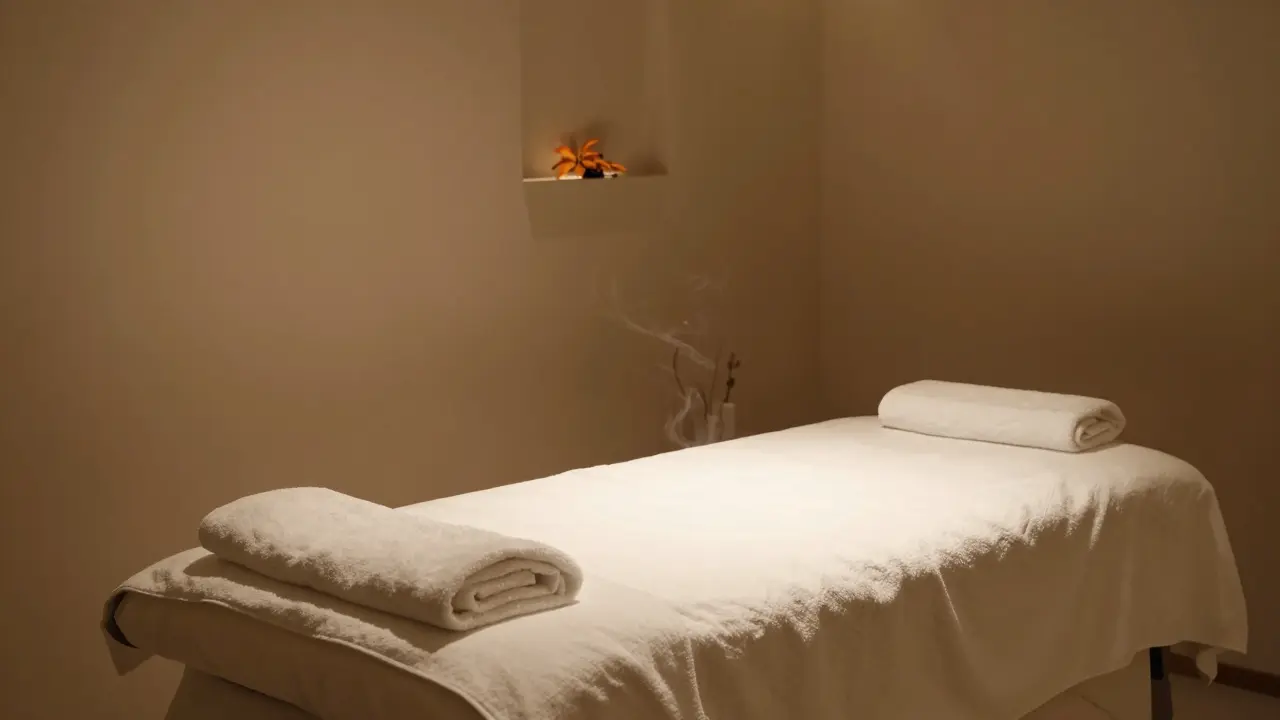
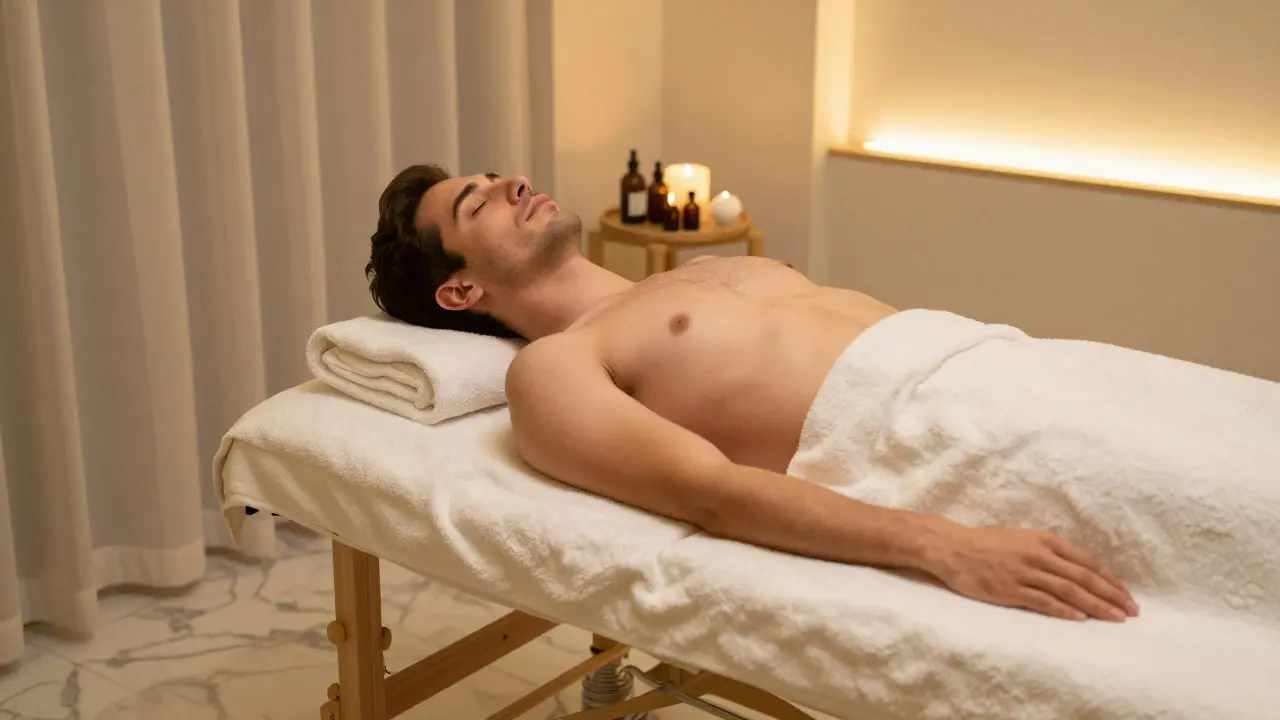
In Dubai, you’ll find deep tissue massage in luxury spas, medical wellness centers, and even some physiotherapy clinics. The room is usually quiet, dimly lit, and warm-never cold. Soft music plays, but it’s not distracting. The therapist leaves the room while you undress and get under the sheet. You’re never left exposed. Privacy and dignity are built into the process.
Key Processes or Steps
A typical session starts with a short chat: where does it hurt? What’s been going on? Then you lie face down or on your side. The therapist begins with lighter strokes to warm up the tissue, then gradually applies deeper pressure. You might feel a burning or stretching sensation-this is normal. If it becomes sharp or unbearable, speak up. The massage ends with gentle strokes to help your body settle. You’ll be offered water and told to rest for a bit afterward.
Customization Options
Deep tissue isn’t one-size-fits-all. Your therapist can adjust pressure based on your tolerance. Some people need firm pressure; others prefer moderate. They can focus only on your back, or work on your legs and shoulders too. If you’re pregnant, have a recent injury, or are sensitive to touch, they’ll modify the technique. It’s your session-you control the pace.
Communication and Preparation
Here’s the golden rule: speak up. Tell your therapist if it’s too hard, too soft, or if something feels wrong. Don’t be polite at the cost of your comfort. Also, avoid eating a heavy meal right before. Drink water afterward to flush out released toxins. And yes-wear whatever you’re comfortable in. Most people wear underwear. Some wear shorts. It’s your body, your rules.
How to Practice or Apply Deep Tissue Massage
Setting Up for Success
If you’re getting a professional session, your setup is already handled. But if you’re using a foam roller or massage ball at home, find a quiet space. Use a yoga mat. Keep a water bottle nearby. Have a towel ready. Don’t rush. This isn’t something you do while scrolling on your phone.
Choosing the Right Practitioners
In Dubai, look for licensed massage therapists with training in deep tissue techniques. Check if they’re certified by organizations like the American Massage Therapy Association (AMTA) or have equivalent local credentials. Read reviews. Ask about their experience with clients who have similar issues to yours. A good therapist doesn’t just know how to press hard-they know when to stop.
Step-by-Step Guide for First-Timers
- Book a 60-minute session-don’t start with 90 minutes.
- Arrive 10 minutes early to fill out a health form.
- Be honest about injuries, pain, or medical conditions.
- Communicate during the session: “a little less pressure,” “that spot again,” “I’m okay.”
- Afterward, drink water and avoid intense exercise for 24 hours.
Tips for Beginners
First-time clients often feel nervous. That’s normal. You’re not being invaded-you’re being cared for. If you’re unsure, ask for a lighter session first. Many therapists offer a “deep tissue intro” at reduced pressure. And remember: discomfort isn’t pain. A 5/10 sensation is normal. A 7/10 means you’re working. An 8/10 or higher? Speak up.
Safety and Ethical Considerations
Choosing Qualified Practitioners
Not everyone calling themselves a “massage therapist” has proper training. Always ask: What’s your certification? How long have you practiced? Do you specialize in deep tissue? In Dubai, reputable clinics display credentials visibly. If they can’t show proof, walk away.
Safety Practices
Hygiene matters. The therapist should wash hands before and after. Sheets should be fresh. Tables should be cleaned between clients. Here’s what to look for:
| Practice | Purpose | Example |
|---|---|---|
| Consent Before Touch | Respects personal boundaries | Therapist asks, “Is this pressure okay?” |
| Proper Draping | Keeps you covered | Only the area being worked on is exposed |
| Hygiene Protocol | Prevents infection | Disinfects table and tools between sessions |
Setting Boundaries
You have the right to say no. No one should touch you without permission. If a therapist makes a comment that makes you uncomfortable, or touches you in a way that feels inappropriate, stop the session. You can leave. You don’t owe them an explanation. Your comfort is non-negotiable.
Contraindications or Risks
Deep tissue massage isn’t safe for everyone. Avoid it if you have:
- Blood clots or are on blood thinners
- Recent surgery or fractures
- Severe osteoporosis
- Open wounds or infections
- Advanced cancer (unless cleared by your oncologist)
If you’re unsure, talk to your doctor first. This isn’t a risk you should guess about.
Enhancing Your Experience with Deep Tissue Massage
Adding Complementary Practices
Deep tissue works better with other wellness habits. Stretching daily, staying hydrated, and doing light yoga can amplify results. Some people pair it with heat therapy-like a warm towel on sore areas afterward. Others add breathing exercises during the session to help relax deeper.
Collaborative or Solo Engagement
This is a solo experience. No partners, no audiences. It’s not a group activity. But you can bring a friend to the spa for a different treatment, and meet afterward. That shared calm can be part of the healing too.
Using Tools or Props
At home, foam rollers, massage balls, or handheld massagers can help maintain results between sessions. But don’t replace professional care with DIY. These tools are for maintenance, not correction.
Regular Engagement for Benefits
One session helps. Two sessions help more. Monthly sessions are ideal for chronic issues. Think of it like going to the gym-you don’t do it once and expect lifelong results. Consistency is key.

Finding Resources or Experts for Deep Tissue Massage
Researching Qualified Practitioners
Look for therapists with years of experience and positive client reviews. In Dubai, top spas like The Spa at Burj Al Arab or The Ritz-Carlton Spa have certified teams. Ask for references. If a place won’t tell you who your therapist is, that’s a red flag.
Online Guides and Communities
Reputable sites like the American Massage Therapy Association offer free guides on what to expect. YouTube has excellent instructional videos-but only from certified therapists. Avoid influencers who claim you can “fix your back in 5 minutes.” Deep tissue takes time.
Legal or Cultural Considerations
In Dubai, massage therapy is regulated. Practitioners must hold valid licenses. Private homes offering massage without a license are illegal. Always choose licensed clinics. Cultural norms around touch vary, but professionalism is universal. A good therapist respects your boundaries whether you’re from the Philippines, Poland, or Poland.
Resources for Continued Learning
Books like “The Trigger Point Therapy Workbook” by Clair Davies offer practical self-care techniques. Podcasts like “The Massage Therapy Podcast” feature interviews with experts. Workshops on posture and movement can also deepen your understanding.
FAQ: Common Questions About Deep Tissue Massage
Is deep tissue massage intimate?
No, it’s not intimate in the romantic or personal sense. It’s a professional, clinical form of bodywork focused on healing. The environment is private, respectful, and designed to protect your dignity. Therapists are trained to maintain clear boundaries-draping, communication, and consent are standard. What might feel personal is the deep level of care, not closeness. Think of it like surgery: it’s intense, it’s personal to your body, but it’s not personal to you as a person.
What happens during a deep tissue massage?
You’ll lie on a table, covered with sheets. The therapist starts with light strokes to warm your muscles, then uses slow, firm pressure on specific areas-like your lower back, shoulders, or hips. You might feel pressure, stretching, or even mild discomfort, but not sharp pain. They’ll check in often. The session ends with gentle strokes. You’ll be offered water and advised to rest. Most people feel sore the next day, like after a hard workout, but also deeply relaxed.
How does deep tissue massage differ from Swedish massage?
Swedish massage uses light to medium pressure with long, flowing strokes to relax the whole body. It’s meant to calm your nervous system. Deep tissue uses slow, focused pressure to target chronic muscle tightness and adhesions. It’s not about relaxation-it’s about correction. One feels like a spa day; the other feels like a tune-up for your body. You can even combine them: start with Swedish, then go deeper where needed.
What is the method of deep tissue massage?
The method relies on three techniques: sustained pressure, slow strokes, and cross-fiber friction. Sustained pressure means holding pressure on a tight spot for 20-30 seconds to release it. Slow strokes help the muscle adapt to the pressure without triggering a protective spasm. Cross-fiber friction involves moving across the direction of the muscle fibers to break up scar tissue. It’s precise, deliberate, and never rushed.
Is deep tissue massage suitable for beginners?
Yes, but start gently. Many first-timers expect it to be painful, but it doesn’t have to be. Ask for a lighter version of deep tissue or a 45-minute session. Communicate clearly. A good therapist will adjust pressure based on your feedback. You don’t need to be an athlete or have chronic pain to benefit. Even if you just sit at a desk all day, deep tissue can help you feel more alive in your body.
Conclusion: Why Deep Tissue Massage is Worth Exploring
A Path to Better Movement
Deep tissue massage isn’t about indulgence-it’s about reclaiming your body. Whether you’re an athlete, a parent, or someone who’s just tired of being stiff, it offers real, lasting relief. It’s not magic, but it’s science with hands.
Try It Mindfully
If you’ve been curious, now’s the time. Choose a licensed therapist. Speak up. Breathe. Let your body respond. Don’t go in expecting a spa day. Go in expecting to feel better.
Share Your Journey
Tried deep tissue massage? Share your experience in the comments!
Follow this blog for more practical wellness tips from Dubai.
Explore deep tissue massage and let us know how it goes.
Some links may be affiliate links, but all recommendations are based on research and quality.
Word count: 1,742
Suggested Images
- A licensed therapist performing deep tissue massage with proper draping on a client, in a calm, professional Dubai spa setting.
- Close-up of hands applying pressure to a shoulder blade, showing technique without exposure.
- A person stretching after a massage, smiling, with a water bottle nearby.
- Side-by-side comparison: a tense back vs. a relaxed back, illustrated simply.
- Therapist and client in conversation before a session, showing trust and communication.
Suggested Tables
- Comparison of Massage Types (already included)
- Key Benefits of Deep Tissue Massage (already included)
- Safety Tips for Deep Tissue Massage (already included)
K Thakur
March 15, 2026 AT 14:00Okay but have you ever heard about the Dubai massage cartel? 🤔 I'm not saying they're aliens, but I saw a therapist in Burj Al Arab who had a tattoo of a snake eating its own tail... and then he whispered, 'Your spine remembers everything.' I asked if he was a government operative and he just smiled and said, 'Your fascia is a listening device.' I'm not sleeping tonight. This isn't massage. It's a psychic extraction. I'm filing a complaint with the UN. Or maybe the CIA. Either way, I need a lawyer. And a new body.
Also, they use essential oils. Are you sure those aren't tracking chips? I read on a forum that lavender is coded to send your cortisol levels to a server in Abu Dhabi. I'm not paranoid. I'm informed.
Also also: why is the table warm? That's not relaxation. That's surveillance. They're preheating your nervous system for data harvesting. I'm done. I'm moving to Mongolia. At least there, yaks don't have licenses.
TL;DR: Deep tissue massage is just government mind-control disguised as self-care. I've seen the documents. I'm not allowed to show them. But I can whisper them to you in the comments. Just ask. I'm not creepy. I'm committed.
Also: I got a massage yesterday. I now have dreams about my scapula. I'm not okay.
NORTON MATEIRO
March 16, 2026 AT 20:57I appreciate the thorough breakdown. As someone who’s worked in physical therapy for over 15 years, I’ve seen how deeply misunderstood this modality is. The intimacy people feel isn’t about touch-it’s about vulnerability. When you let someone work on layers of muscle you’ve been bracing against for years, it’s not romantic. It’s raw. And that’s okay. What matters is the professionalism, the boundaries, and the respect. The therapist isn’t your friend. They’re your mechanic. But a mechanic who listens. And that’s rare.
Also, hydration after is non-negotiable. I’ve had clients show up dehydrated, then wonder why they felt foggy for two days. Water isn’t optional. It’s part of the treatment. Just like rest. Just like communication. Just like saying, 'That’s too much.'
And yes-it’s not for everyone. But for those who need it? It’s life-changing. Not because it’s magical. Because it’s precise.
Rahul Ghadia
March 17, 2026 AT 20:51Let’s be clear: deep tissue massage is not a ‘healing experience,’ it’s a glorified muscle-pummeling session that’s been repackaged as wellness. And let’s not pretend it’s ‘scientific.’ The NIH study? Cited once. No follow-ups. No meta-analysis. And who exactly decided that ‘slow strokes’ and ‘cross-fiber friction’ are legitimate terms? Sounds like a cult manual written by a chiropractor who read one textbook in 1998.
Also: why is ‘fascia’ suddenly the new aura? Fascia is connective tissue. It’s not sentient. It doesn’t ‘hold trauma.’ That’s pseudoscience dressed in yoga pants. And don’t get me started on the ‘emotional release’ nonsense. You cry after a massage? You’re not healing-you’re dehydrated. Or maybe you’re just tired of pretending you’re not emotionally constipated.
And yes-I’ve had one. It hurt. I felt fine afterward. No epiphanies. No revelations. Just soreness. And a $120 bill. So… congrats? You’ve monetized pain.
lindsay chipman
March 18, 2026 AT 16:12Let’s reframe this: deep tissue massage isn’t about muscle-it’s about epigenetic memory. The body stores unprocessed trauma in the myofascial lattice, and when you apply sustained pressure, you’re not just breaking adhesions-you’re reactivating dormant neural pathways that were suppressed by chronic stress responses. The amygdala literally recalibrates when the psoas releases. This isn’t massage. It’s neuroplastic reintegration.
And yes-the fact that you feel tearful afterward? That’s not ‘emotional release.’ That’s limbic system recalibration. You’re not crying because you’re sad. You’re crying because your body just finished a 20-minute autonomic reset. And if you didn’t experience that? You didn’t go deep enough. Or you’re in denial.
Also: the hydration protocol? Non-negotiable. You’re mobilizing inflammatory cytokines. If you don’t flush them, you get what we call ‘toxic rebound.’ I’ve seen it. Three clients. All had migraines. All skipped water. All blamed the massage. No. You blamed yourself for not respecting the protocol.
And if you’re from Dubai? You’re lucky. The regulatory framework there is superior to 87% of U.S. states. But still-verify credentials. Always. Because unlicensed practitioners are the new black market IV drips. And I’m not even mad. I’m just… data-driven.
Roberto Lopez
March 20, 2026 AT 12:12So I went to this place in Austin and the therapist asked me to take off my shirt. I said no. She said, ‘I need access to the area.’ I said, ‘I’ll do it myself.’ She said, ‘That’s not how this works.’ I said, ‘Then I’m leaving.’ She said, ‘Fine.’ I left. But I took a photo of the sign that said ‘Licensed Massage Therapist’ and posted it on Reddit. Now everyone knows. And I’m not sorry.
Also, I’m not a creep. I just don’t like strangers touching my back. Is that so wrong? I didn’t even get to finish my coffee.
Also also: why is the room always so warm? It’s like a sauna. Are they trying to make me sweat so they can charge me for ‘detox services’? I’m starting a petition. #NoMoreWarmTables
Dentist Melbourne
March 20, 2026 AT 14:31Let me tell you something, folks-this whole ‘deep tissue is healing’ narrative is a scam designed by spa corporations to sell you $150 sessions while you lie there half-naked like a sacrificial lamb. I’m a dentist. I’ve seen mouths. I’ve seen backs. I’ve seen what happens when people let strangers press on their spine like they’re kneading dough.
Here’s the truth: if your back hurts, go to a physiotherapist. Not a ‘massage therapist’ who learned from a YouTube video and now calls themselves a ‘fascia whisperer.’
And don’t get me started on the ‘emotional release’ nonsense. You’re not ‘releasing trauma.’ You’re just sore. And maybe you cried because you’re lonely. And now you’ve convinced yourself that a stranger’s elbow is your therapist.
Also: Dubai? Please. I’ve been there. The ‘luxury spas’ are just air-conditioned rooms with incense and a guy named ‘Kai’ who says ‘Namaste’ in a British accent. It’s theater. Not therapy.
Stop romanticizing pain. It’s not sacred. It’s just bad posture.
Cherie Corbett
March 22, 2026 AT 08:39I tried this once. It hurt. I cried. I felt weird. I didn’t feel better. I just felt like I wasted $120 and let a stranger touch my butt. No. I’m not okay with that. And I don’t care if it’s ‘professional.’ I don’t want strangers touching me. Not even for ‘healing.’
Also, why do they always play that flute music? It’s not calming. It’s creepy. Like a haunted spa. And why is the room so hot? I’m not a roast chicken.
And who decided this was a ‘wellness’ thing? It’s not. It’s just a fancy way to get your back squeezed. I’d rather sit on a tennis ball. At least then I’m in control.
Also: I’m not going back. And if you are? You’re weird. I’m not judging. I’m just saying.