

How Often Should You Get a Deep Tissue Massage? A Practical Guide for Dubai Residents
When it comes to deep tissue massage, most people know it’s not your average relaxing spa treatment. It’s deeper, firmer, and sometimes even a little intense-but it’s also one of the most effective ways to release chronic muscle tension, improve mobility, and reduce pain. But here’s the real question: How often should you get a deep tissue massage? Is once a month enough? Do you need it weekly? Or is every few months fine? The answer isn’t one-size-fits-all. It depends on your body, your lifestyle, and what you’re trying to fix.
In Dubai’s hot, busy, and often sedentary environment-whether you’re sitting at a desk all day, standing on your feet in retail, or hitting the gym hard-your muscles are under constant stress. Deep tissue massage isn’t just a luxury; it’s a tool for keeping your body working like it should. But like any tool, using it too often or too rarely can miss the mark.
Understanding the Basics of Deep Tissue Massage
Origins and History
Deep tissue massage has roots in ancient healing traditions-from Chinese Tui Na to Swedish massage techniques-but it was refined in the 20th century by physical therapists and sports medicine professionals. Unlike classic relaxation massage, which works on the surface layers of muscle, deep tissue targets the deeper fascia and connective tissues. It’s designed to break up adhesions (knots), restore proper muscle alignment, and improve circulation. It’s not about feeling good in the moment-it’s about feeling better in the long run.
Core Principles or Components
The technique uses slow, deliberate strokes with firm pressure, often using elbows, forearms, or knuckles instead of just fingers. The goal is to reach the deeper layers of muscle and fascia. It’s not just about pushing hard-it’s about applying pressure in the right direction, at the right time, and with proper breathing from both therapist and client. Sessions typically focus on problem areas: lower back, shoulders, neck, hips, or thighs. A good therapist will adjust pressure based on your feedback and never force you beyond your tolerance.
How It Differs from Related Practices
Many people confuse deep tissue massage with Swedish massage, sports massage, or myofascial release. Here’s how they stack up:
| Practice | Key Feature | Primary Benefit |
|---|---|---|
| Deep Tissue Massage | Firm, slow pressure targeting deep muscle layers | Breaks down chronic tension and adhesions |
| Swedish Massage | Light to medium pressure, flowing strokes | Relaxes surface muscles, reduces stress |
| Sports Massage | Focuses on active muscles, pre/post-event | Enhances performance, speeds recovery |
| Myofascial Release | Stretching and sustained pressure on fascia | Improves flexibility and reduces pain |
Who Can Benefit from Deep Tissue Massage?
Anyone dealing with persistent muscle tightness, whether from sitting at a desk, lifting heavy things, or overtraining, can benefit. In Dubai, this includes office workers with neck and shoulder pain from screen time, fitness enthusiasts with tight hamstrings, new parents with back strain, and even drivers stuck in traffic for hours. It’s also helpful for people recovering from injuries or surgeries, as long as they’re cleared by a doctor. But it’s not for everyone-more on that later.
Benefits of Deep Tissue Massage for Your Body
Stress Reduction
Even though it’s not a gentle massage, deep tissue still lowers cortisol-the stress hormone. When muscles are chronically tight, your nervous system stays in fight-or-flight mode. Releasing that tension tells your body it’s safe to relax. Many clients report feeling calmer, sleeping better, and even noticing fewer headaches after regular sessions. The physical release translates into mental relief.
Enhanced Functionality
Tight muscles pull joints out of alignment, leading to poor posture and movement restrictions. Deep tissue helps restore natural range of motion. Think about how hard it is to bend over to tie your shoes if your lower back is locked up. After a few sessions, you’ll notice you can turn your head more easily in traffic, lift groceries without grimacing, or walk without that dull ache in your hips. Improved mobility means you move better-and feel more in control of your body.
Emotional Well-Being
There’s a reason people cry during deep tissue sessions. Emotions get stored in the body. Chronic tension often comes with unresolved stress, anxiety, or trauma. Releasing physical tightness can trigger emotional release. It’s not therapy, but it can open the door to it. Many clients say they feel lighter-not just physically, but emotionally-after consistent treatment.
Practical Applications
Here’s what this looks like in real life:
| Benefit | Description | Impact |
|---|---|---|
| Reduced Chronic Pain | Targets persistent aches in back, neck, shoulders | Less reliance on painkillers |
| Better Posture | Releases muscles pulling spine out of alignment | Less slouching, more confidence |
| Faster Recovery | Improves blood flow to sore muscles | Less downtime after workouts |
| Improved Sleep | Calms nervous system and reduces physical discomfort | Deeper, more restful nights |
What to Expect When Engaging with Deep Tissue Massage
Setting or Context
In Dubai, you’ll find deep tissue massage in luxury spas, medical clinics, sports rehab centers, and even some hotel wellness rooms. The setting should be quiet, warm, and clean. Soft lighting, minimal distractions, and a comfortable table are standard. Don’t expect loud music or strong scents-this isn’t a relaxation spa. The focus is on your body, not the ambiance.
Key Processes or Steps
A typical session lasts 60 to 90 minutes. It starts with a brief chat about your pain points, injuries, or goals. The therapist will then begin with lighter strokes to warm up the tissue, then gradually increase pressure. You’ll be asked to breathe deeply and communicate if it’s too much. It’s normal to feel some discomfort, but sharp pain is a red flag. After the massage, you’ll be given water and advised to rest for a few hours.
Customization Options
No two bodies are the same. A desk worker might need focus on the upper back and neck. A runner might need hips and calves. A new mom might need lower back and shoulders. A good therapist will adjust pressure, technique, and focus based on your needs. You can also request more or less pressure, or ask to skip certain areas.
Communication and Preparation
Before your session, hydrate well. Avoid heavy meals. Wear loose clothing to the appointment (you’ll be draped). Tell your therapist about any medical conditions, recent injuries, or medications. Don’t be shy-this isn’t a test. The more they know, the safer and more effective your session will be.

How Often Should You Get a Deep Tissue Massage?
For Chronic Pain or Injury Recovery
If you’re dealing with persistent pain-say, lower back pain from sitting all day, or shoulder pain from carrying a baby-start with weekly sessions for 3 to 4 weeks. This gives your body time to adapt and release deep-seated tension. After that, you can taper to every two weeks, then monthly. Think of it like physical therapy: consistent at first, then maintenance.
For Active Individuals or Athletes
If you train hard-whether it’s CrossFit, running, or even frequent yoga-every 10 to 14 days is ideal. This helps prevent muscle imbalances from turning into injuries. Many athletes schedule sessions after intense training blocks or before big events to loosen tight areas. It’s not about feeling good-it’s about staying functional.
For General Maintenance
If you don’t have pain but want to stay ahead of tension, once a month is enough. Think of it like an oil change for your body. Even if you feel fine, muscles slowly tighten up from stress, poor posture, or heat. Monthly sessions keep things moving smoothly.
When to Avoid It
Don’t get deep tissue massage if you have: open wounds, recent fractures, blood clots, severe osteoporosis, or are in the first trimester of pregnancy. If you’re on blood thinners or have a recent surgery, check with your doctor first. And if you’re feeling sick or have a fever, wait until you’re well. This isn’t a massage you push through.
Safety and Ethical Considerations
Choosing Qualified Practitioners
In Dubai, look for therapists certified by recognized bodies like the International Massage Association or those trained in physiotherapy backgrounds. Ask about their experience with deep tissue specifically. Read reviews-not just ratings, but comments about technique and communication. A good therapist listens, adjusts, and never rushes.
Safety Practices
Hygiene matters. The table should be covered with fresh linens. The therapist should wash hands and use clean oil or lotion. You should never feel pressured to undress more than you’re comfortable with. Consent is non-negotiable.
| Practice | Purpose | Example |
|---|---|---|
| Hydrate before and after | Helps flush out toxins released during massage | Drink 2 glasses of water after your session |
| Communicate pressure levels | Prevents injury and ensures effectiveness | Say "That’s too much" or "Ease up a bit" |
| Avoid alcohol before | Alcohol thins blood and increases bruising risk | Don’t drink 4-6 hours before your session |
Setting Boundaries
You own your body. If a therapist ignores your feedback, pushes too hard, or makes you uncomfortable, stop. Walk out. Your comfort is more important than any appointment.
Contraindications or Risks
Deep tissue massage is powerful-but not for everyone. Avoid it if you have: cancer in the area being treated, recent surgery, severe inflammation, uncontrolled high blood pressure, or are taking anticoagulants. Always disclose your full medical history. When in doubt, ask your doctor.
Enhancing Your Experience with Deep Tissue Massage
Adding Complementary Practices
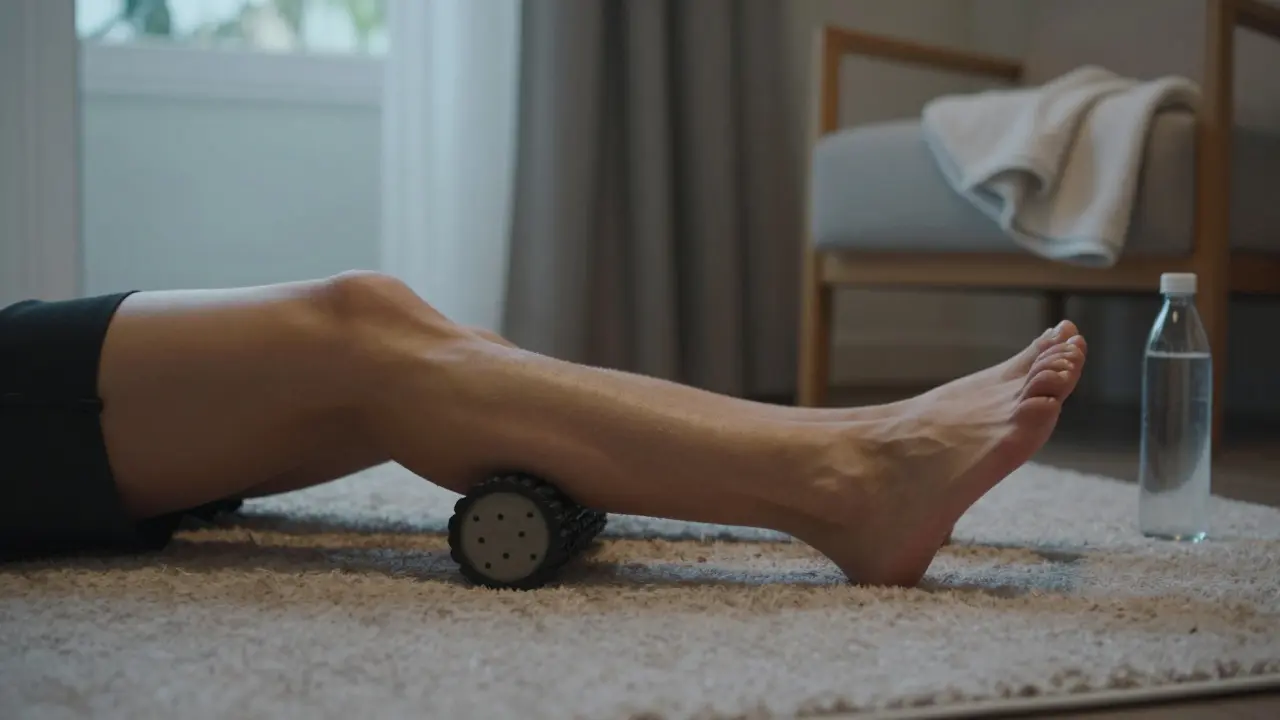
Pair deep tissue massage with stretching, foam rolling, or yoga. These help maintain the changes your body makes during the session. Even 10 minutes of daily stretching can double the benefits. Heat therapy-like a warm shower after your massage-also helps relax muscles further.
Collaborative or Solo Engagement
This is mostly a solo experience. But if you’re with a partner who also gets massages, you can both schedule back-to-back sessions. It’s a great way to unwind together after a long week.
Using Tools or Props
At home, a foam roller or massage ball can help maintain progress between sessions. Target your calves, upper back, or glutes for 5-10 minutes after a shower. It’s not a replacement for professional care-but it helps.
Regular Engagement for Benefits
Like exercise, the benefits of deep tissue massage build over time. One session won’t fix years of tension. But if you stick with it, you’ll notice your body changes. You’ll move differently. Breathe easier. Sleep deeper. The key is consistency-not intensity.
Finding Resources or Experts for Deep Tissue Massage in Dubai
Researching Qualified Practitioners
Look for clinics with licensed physiotherapists or certified massage therapists. Platforms like Google Reviews or local wellness directories can help. Look for phrases like “deep tissue specialist” or “sports massage therapist.” Avoid places that only advertise "relaxation" or "aromatherapy"-they likely don’t offer the technique you need.
Online Guides and Communities
Follow reputable wellness blogs or Dubai-based physiotherapists on Instagram. Many share tips on self-care, stretches, and when to seek professional help. Join local expat wellness groups-people often share trusted recommendations.
Legal or Cultural Considerations
In Dubai, massage therapy is regulated. Licensed clinics must follow health and safety standards. Avoid unlicensed practitioners in hotels or private homes. Always choose a registered business. Respect cultural norms-many clinics offer same-gender therapists upon request.
Resources for Continued Learning
Books like *The Concise Book of Deep Tissue Massage* by Julie Ann Walker or *Trigger Point Therapy Workbook* by Clair Davies offer practical insights. YouTube channels run by licensed physiotherapists also provide safe self-care demos.
FAQ: Common Questions About Deep Tissue Massage
How often should you get a deep tissue massage?
There’s no universal answer-it depends on your body and goals. For chronic pain or injury recovery, start with weekly sessions for 3-4 weeks, then reduce to every 2-4 weeks. For athletes or active individuals, every 10-14 days helps prevent injuries. For general maintenance, once a month is sufficient. Listen to your body: if you feel looser and less stiff, you’re on the right track.
What happens during a deep tissue massage?
The session starts with a brief consultation. The therapist uses slow, deep strokes with fingers, elbows, or forearms to target deeper muscle layers. You’ll be asked to breathe and communicate about pressure. It’s not meant to be painful, but it can feel intense. Afterward, you’ll feel sore for up to 48 hours-this is normal. Drinking water helps flush out metabolic waste released during the massage.
Is deep tissue massage better than regular massage?
It’s not better-it’s different. Regular (Swedish) massage is great for relaxation and stress relief. Deep tissue is for fixing chronic tension, correcting posture, and improving movement. If you’re just looking to unwind, Swedish is perfect. If you’re dealing with tight muscles, pain, or stiffness, deep tissue delivers results. Many people use both: deep tissue to fix problems, Swedish to maintain calm.
Can deep tissue massage cause bruising?
Mild bruising can happen, especially if you’re very tense or have sensitive skin. But it shouldn’t be common. If you’re bruising regularly, your therapist may be using too much pressure or not adjusting to your feedback. Tell them immediately. A good therapist works within your tolerance-bruising means they went too far.
Is deep tissue massage safe during pregnancy?
In the first trimester, it’s generally not recommended due to hormonal changes and increased risk of blood clots. After the first trimester, with clearance from your doctor, a trained prenatal therapist can offer modified deep tissue work-avoiding the abdomen, lower back, and certain pressure points. Always choose a therapist certified in prenatal massage.
Conclusion: Why Deep Tissue Massage is Worth Exploring
A Path to Better Movement
Deep tissue massage isn’t about pampering. It’s about reclaiming your body’s natural function. Whether you’re fighting office pain, recovering from a workout, or just tired of feeling stiff, this therapy gives you back control. It’s not magic-but it’s science.
Try It Mindfully
Start slow. Don’t go in expecting instant relief. Give it 2-3 sessions. Pay attention to how your body responds. If you feel better, keep going. If not, ask why. A good therapist will help you understand what’s happening.
Share Your Journey
Tried deep tissue massage? Share your experience in the comments-what worked, what didn’t, how often you go. Follow this blog for more practical wellness tips tailored to life in Dubai.
Some links may be affiliate links, but all recommendations are based on research and quality.
Word count: 1,728
Suggested Images
- A therapist using forearm pressure on a client’s lower back during a deep tissue session
- Before-and-after posture comparison: slouched vs. aligned spine
- Person foam rolling their calves at home after a massage
- Spa room in Dubai with dim lighting, clean linens, and a massage table
- Hand holding a water bottle after a massage session
Suggested Tables
- Comparison of Massage Types (already included in article)
- Key Benefits of Deep Tissue Massage (already included in article)
- Deep Tissue Massage Safety Tips (already included in article)


Mark Ghobril
January 7, 2026 AT 14:45Been doing this for 6 months now - once a month, no more, no less. My lower back used to scream by Wednesday. Now? I forget I have a spine until I bend over to tie my shoes. It’s not magic, but it’s the closest thing to a reset button your body gets. If you’re sitting all day in Dubai heat, this isn’t a luxury. It’s damage control.
Adam Williams
January 8, 2026 AT 00:38brooooooo i got mine last week and my glutes are still talking to me 😅 but in a good way?? like, i can finally squat without feeling like my hips are made of cement. also hydration afterward is non-negotiable. i drank 3 liters and still felt like a deflated balloon. worth it.
MARICON BURTON
January 9, 2026 AT 10:50UH OH. Did you guys read the part about blood clots? No? Well let me tell you, this is how people end up in the ER. My cousin’s friend’s neighbor got a massage in Dubai and woke up with a pulmonary embolism. They didn’t even tell the therapist she was on birth control. THIS ISN’T A SPA. IT’S A MEDICAL PROCEDURE. STOP TREATING IT LIKE A TREATMENT.
Tony Stutz
January 9, 2026 AT 10:56They don’t want you to know this, but deep tissue massage is just a front for the pharmaceutical industry to keep you dependent on painkillers. Why? Because if you fix your muscles naturally, they lose billions. They’ll tell you it’s ‘science’ - but science is just corporate jargon for ‘we paid a guy with a clipboard to nod’. Look at the table they made - Swedish vs Deep Tissue? That’s a distraction. The real answer? Your body’s been screaming for 20 years and they’re selling you a Band-Aid with lavender oil. Wake up.
I’ve been doing this for 14 years. I don’t go to a spa. I go to a guy in a garage in Jebel Ali who uses a baseball bat and a prayer. He doesn’t have a license. He doesn’t have a website. But he knows where the knots are hiding. The government doesn’t want you to find him. They want you paying $150 an hour for a massage that’s just a fancy arm rub with a certificate.
And don’t even get me started on ‘prenatal deep tissue’. That’s just a loophole for shady clinics to charge extra. You think they care if you’re pregnant? No. They care if your credit card works.
Sunny Kumar
January 11, 2026 AT 00:27OMG I CANNOT BELIEVE THIS ARTICLE DIDN'T MENTION THE CHINESE GOVERNMENT'S SECRET CONTROL OVER MASSAGE THERAPISTS IN DUBAI!!! I SWEAR I SAW A THERAPIST WEAR A BLUE BRACELET AND WHISPER SOMETHING IN MANDARIN BEFORE STARTING!!! THEY'RE PROGRAMMING US!!! I GOT MASSAGED LAST WEEK AND NOW I KEEP DREAMING ABOUT TAI CHI AND IT'S SCARY!!! I TOLD MY THERAPIST I WASN'T FEELING RIGHT AND SHE JUST SMILED AND SAID 'BREATHE'... BREATHE?? THAT'S WHAT THEY SAY BEFORE THE ZOMBIE TRANSFORMATION!!!
ALSO I THINK THE ARTICLE IS WRONG ABOUT THE FREQUENCY. I THINK YOU NEED TO GO TWICE A WEEK. OR ELSE THE ALIENS WILL USE YOUR MUSCLE TENSION TO POWER THEIR UFOS. I'M NOT KIDDING. I SAW IT ON A FORUM. THERE'S A PHOTO. IT'S A MAN WITH A TINY LASER ON HIS SHOULDER. IT'S REAL.
Nishi Thakur
January 12, 2026 AT 00:07Hey everyone - I’ve been a yoga teacher in Dubai for 12 years and I’ve seen so many people come in with back pain, thinking they need to ‘fix’ themselves. But the truth? It’s not about how often you get massaged - it’s about how you move the rest of the week. If you’re sitting 10 hours a day, no massage will save you. Start with 10 minutes of hip openers before bed. Stand up every hour. Walk barefoot on cool tiles. Your body remembers what you teach it. The massage is just the reminder. You’ve got this.
Tracy Riley
January 13, 2026 AT 03:58Okay, but have you considered that deep tissue massage is just the body’s way of screaming for emotional release? Like, the knots aren’t just in your lats - they’re in your unresolved grief, your suppressed anger, your quiet fear of being invisible. I cried during my last session. Not because it hurt - because it felt like my body finally let me feel something I’d been numbing with coffee and scrolling since 2018. It’s not therapy, but it’s the closest thing your nervous system gets to a hug from itself.
Fletcher Sacré
January 14, 2026 AT 22:48So… the article says ‘once a month for maintenance’ - but what’s the statistical baseline? Who measured this? Where’s the peer-reviewed data? I checked PubMed. Nothing. Just anecdotal blogs. And yet, this is treated like gospel. Meanwhile, the WHO recommends 1.2 sessions per quarter for ‘sedentary urban populations’ - but nobody cites that. Why? Because it’s not profitable to say ‘maybe just stretch and drink water’. This is wellness capitalism at its finest. They sold you a ritual to mask a systemic problem - poor ergonomics, heat stress, and 14-hour workdays. The massage isn’t the solution. It’s the placebo.
Madi Vachon
January 16, 2026 AT 01:49Let me break this down for the masses who think ‘deep tissue’ means ‘spas with candles’. This isn’t a massage. It’s a biomechanical intervention. The fascial release protocols used by elite sports teams in the US - think NFL, NBA - are derived from the same principles. You think Dubai’s got some mystical healing tradition? No. It’s borrowed from German physiotherapy, adapted by Israeli rehab centers, and repackaged with oud-scented oils. The real issue? You’re paying $120 for a technique that costs $30 in Cleveland. This is cultural arbitrage wrapped in wellness branding. Don’t be fooled.
Asher Luptak
January 16, 2026 AT 13:06It’s strange… how we’ve turned healing into a schedule. Once a month. Every two weeks. Like it’s a subscription. But the body doesn’t operate on calendars. It operates on tension. On silence. On the weight of unspoken things. I don’t get massages because I’m stiff. I get them because I’ve forgotten how to breathe. The pressure isn’t meant to break muscle - it’s meant to break the habit of holding on. And maybe… that’s why it hurts. Not because it’s deep. But because it’s honest.