
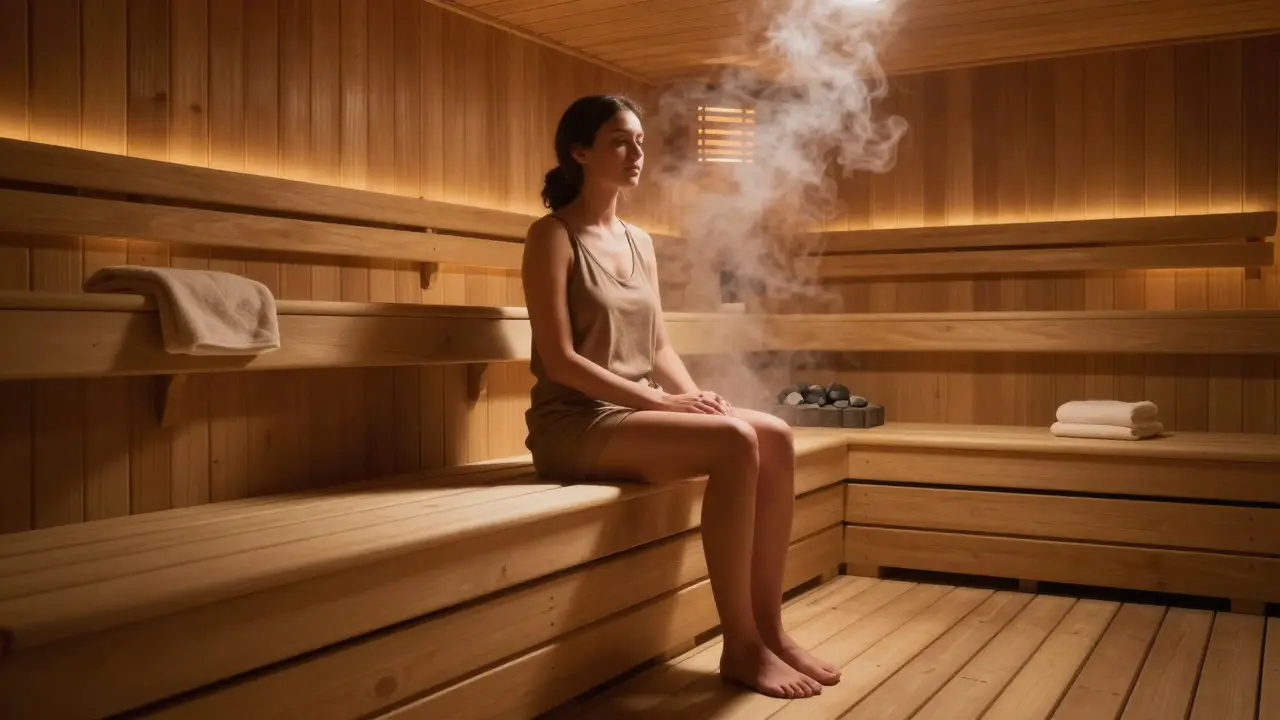
Is sauna actually good for you? If you’ve ever stepped into one of Dubai’s luxurious dry saunas-whether tucked inside a five-star hotel spa or a quiet neighborhood wellness center-you’ve probably wondered if all that heat is doing more than just making you sweat. The short answer? Yes, it can be. But not for everyone, and not without context. In a city where temperatures regularly hit 45°C, the idea of sitting in an even hotter room might sound like madness. Yet, thousands of residents here swear by it. Let’s cut through the hype and look at what science, tradition, and local experience actually say.
Understanding the Basics of Sauna
Origins and History
Saunas didn’t start in Dubai. They began thousands of years ago in Finland, where cold winters made heat a necessity-not just for comfort, but for survival. The traditional Finnish sauna was a stone-lined room heated by wood, where people would sweat, cool off in snow or lakes, and repeat. It wasn’t just hygiene; it was ritual. Social bonding. Healing. Over time, saunas spread across Europe and Asia, evolving into steam rooms, infrared cabins, and the dry heat versions you see today. In Dubai, the sauna became popular not because of tradition, but because it offered a controlled, climate-free zone. While the desert outside bakes you alive, inside the sauna, you choose your heat. That control is part of why it’s so appealing here.
Core Principles or Components
At its simplest, a sauna is a room heated to between 70°C and 100°C with low humidity (10-20%). The heat causes your body to sweat, your heart rate to rise slightly, and your blood vessels to dilate. This isn’t just about getting clean. It’s about triggering a mild stress response that your body learns to recover from. Think of it like a workout for your circulation. Your core temperature rises, your nervous system shifts into a more relaxed state afterward, and your muscles loosen up. No equipment needed. Just heat, time, and breath.
How It Differs from Related Practices
People often confuse saunas with steam rooms, hot yoga, or infrared therapy. Here’s how they stack up:
| Practice | Key Feature | Primary Benefit |
|---|---|---|
| Dry Sauna | High heat, low humidity | Deep tissue relaxation, cardiovascular stimulation |
| Steam Room | Lower heat, 100% humidity | Mucous clearance, skin hydration |
| Infrared Sauna | Heats body directly with light | Deeper penetration, gentler on lungs |
| Hot Yoga | Heat + movement | Flexibility + detox (debated) |
In Dubai, dry saunas dominate because they’re easier to maintain in arid climates. Steam rooms? They’re rare-humidity here is already too high. Infrared saunas are growing in luxury spas, but traditional Finnish-style saunas still lead in popularity.
Who Can Benefit from Sauna?
Sauna isn’t a cure-all, but it’s surprisingly accessible. Athletes use it to speed up muscle recovery. People with chronic stiffness find relief. Those dealing with stress or poor sleep often report deeper rest afterward. Even folks managing mild hypertension (under doctor supervision) benefit from the gentle cardiovascular workout. But here’s the catch: if you’re pregnant, have uncontrolled heart disease, or are prone to dizziness, it’s not for you. In Dubai, where dehydration is a daily risk, anyone using a sauna must be extra careful about hydration and timing.
Benefits of Sauna for Your Body and Mind
Stress Reduction
When your body heats up, your parasympathetic nervous system kicks in afterward. That’s the part responsible for ‘rest and digest.’ Many people describe the post-sauna feeling as ‘mental quiet.’ No phone. No noise. Just stillness. Research suggests regular sauna use can lower cortisol-the stress hormone-over time. In a city that never sleeps, that 15-minute escape can be more valuable than a meditation app.
Enhanced Circulation and Recovery
Your heart works harder in the heat, pumping more blood to your skin. This isn’t dangerous-it’s adaptive. Over time, your blood vessels become more flexible. That’s why athletes, especially those training in Dubai’s heat, use saunas after workouts. It helps flush out lactic acid and reduces muscle soreness. One study found that people who used a sauna twice a week for three months reported less muscle pain after intense training (Web source (https://www.ncbi.nlm.nih.gov/pmc/articles/PMC5473282/)).
Emotional Well-Being
Sauna use isn’t just physical. In cultures where it’s traditional, it’s also social. In Dubai, you might go alone-but you still feel connected. There’s something calming about sharing silence with others in a warm room. Many regular users say they feel more grounded, less anxious, and even more creative after sessions. It’s not magic. It’s rhythm. Heat + stillness + breath = reset.
Practical Applications
Here’s what this looks like in real life:
| Benefit | Description | Impact |
|---|---|---|
| Improved Sleep | Core body temperature drops after sauna, signaling sleep | Deeper, more restful sleep |
| Clearer Skin | Sweating opens pores and flushes toxins | Reduced breakouts, improved glow |
| Immune Support | Heat mimics mild fever, boosting white blood cell activity | Fewer colds, faster recovery |
| Chronic Pain Relief | Heat relaxes tense muscles and joints | Less stiffness, especially in back and neck |
What to Expect When Engaging with Sauna
Setting or Context
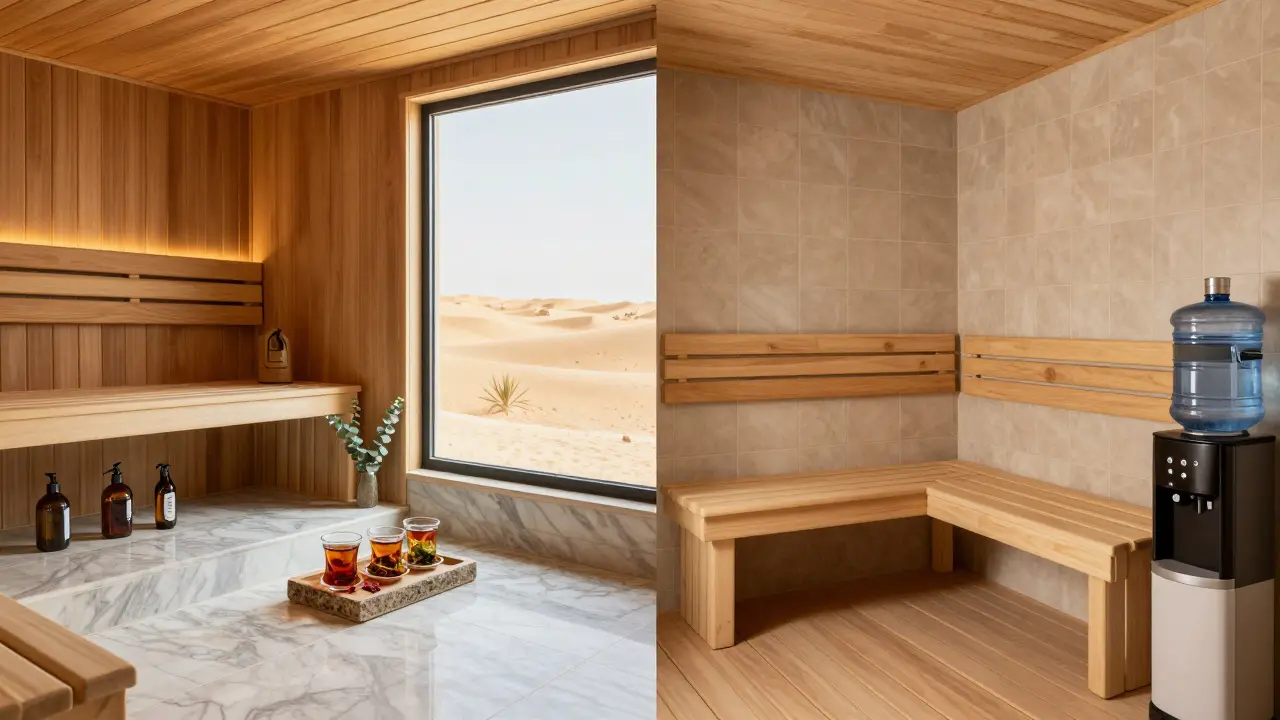
In Dubai, saunas come in two flavors: hotel luxury and community wellness. Hotel saunas are often part of spa packages-think marble floors, aromatic eucalyptus, and chilled herbal tea afterward. Community centers (like those in Al Barsha or Jumeirah) are simpler: tiled rooms, bench seating, and a water cooler. Both work. The key is consistency. Don’t wait for a special occasion. Make it part of your weekly routine.
Key Processes or Steps
There’s no complex ritual. Just:
- Hydrate well before (water, not coffee or alcohol)
- Enter the sauna naked or in a towel-no synthetic fabrics
- Stay 10-20 minutes (listen to your body)
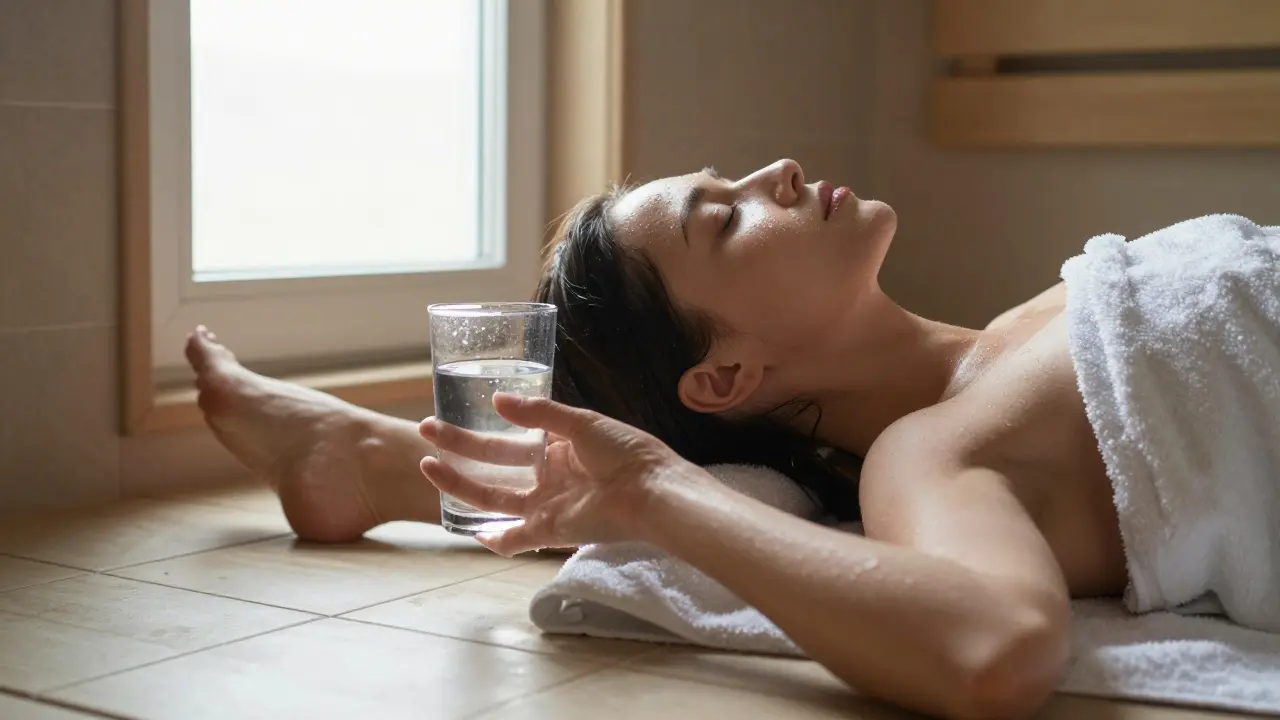
- Cool down slowly: step outside, sip water, maybe rinse off
- Rest for 10 minutes before resuming activity
Repeat once a week, or up to three times if you’re healthy and hydrated.
Customization Options
Want more? Add essential oils to the rocks (lavender for calm, eucalyptus for breathing). Use a wooden bench for better heat distribution. Wear a hat if your head feels too hot. Some people like to alternate between sauna and cold plunge-common in Nordic cultures, now growing in Dubai’s premium spas.
Communication and Preparation
If you’re new, tell the spa attendant. They’ll guide you. Don’t be shy. In Dubai, staff are trained to help, not judge. If you feel dizzy, lightheaded, or nauseous-get out. Immediately. This isn’t a competition. Sauna is about surrender, not endurance.
How to Practice or Apply Sauna
Setting Up for Success
At home? You don’t need a full sauna. A hot shower for 10-15 minutes can mimic some benefits. But if you’re serious, consider a portable infrared cabin. They’re easier to install than traditional saunas and use less power. Just make sure it’s certified for safety and has good ventilation.
Choosing the Right Tools/Resources
For Dubai residents, look for spas with:
- Proper ventilation (no stuffy rooms)
- Temperature controls (not just ‘on’ or ‘off’)
- Hydration stations
- Staff trained in heat safety
Avoid places that don’t offer cool-down areas or water. That’s a red flag.
Step-by-Step Guide
First-time user? Here’s your simple plan:
- Drink 500ml of water an hour before
- Wear a towel or go bare (no jewelry)
- Start with 8 minutes
- Exit if you feel any discomfort
- Wait 15 minutes before showering or going back out
- Repeat weekly for 4 weeks, then adjust
Tips for Beginners or Couples
Bringing a partner? Great. But don’t talk. Let the silence be part of the experience. Sit side by side. Breathe. No phones. Afterward, share a quiet tea. It’s not about the heat-it’s about presence.
Safety and Ethical Considerations
Choosing Qualified Practitioners/Resources
Always pick licensed spas. In Dubai, check if the facility is registered with the Dubai Health Authority (DHA). Staff should know how to respond to heat exhaustion. Ask: ‘Do you have a cooling area?’ If they say ‘no,’ walk out.
Safety Practices
Heat is powerful. Respect it.
| Practice | Purpose | Example |
|---|---|---|
| Hydrate before and after | Prevent dehydration | Drink 1 liter total, spread out |
| Limit sessions to 20 minutes | Avoid overheating | Set a timer |
| Never use alone if new | Emergency help | Go with a friend or staff nearby |
| Avoid alcohol before | Reduce risk of fainting | Wait 6 hours after drinking |
Setting Boundaries
Some people feel exposed in saunas. That’s okay. Use a towel. Sit on the lower bench. Leave if it feels wrong. No one should pressure you. Your comfort comes first.
Contraindications or Risks
Don’t use a sauna if you have:
- Uncontrolled high blood pressure
- Heart disease or pacemaker
- Pregnancy
- Recent surgery or open wounds
- Severe asthma or respiratory issues
If you’re unsure, talk to your doctor. In Dubai, many clinics offer pre-sauna consultations for a small fee. Worth it.
Enhancing Your Experience with Sauna
Adding Complementary Practices
Pair your sauna with deep breathing, light stretching, or journaling afterward. Some people meditate in the cool-down area. Others sip ginger tea. These aren’t required-but they amplify the calm.
Collaborative or Solo Engagement
Alone? Perfect. It’s your time. With someone? Even better. But keep it quiet. Shared silence builds connection without words.
Using Tools or Props
A wooden bench, a wool towel, a cold compress for your neck, or a hat made of natural fibers can make the heat more bearable. Avoid plastic or synthetic materials-they trap heat and sweat.
Regular Engagement for Benefits
One session won’t change your life. But twice a week for a month? That’s when people notice. Better sleep. Less tension. A calmer mind. Consistency beats intensity every time.
Finding Resources or Experts for Sauna
Researching Qualified Practitioners/Resources
Check DHA-licensed spas. Read reviews on Google or Tripadvisor. Look for mentions of ‘cleanliness,’ ‘staff knowledge,’ and ‘cool-down areas.’ Avoid places with no clear rules about time limits or hydration.
Online Guides and Communities
Follow Dubai-based wellness influencers who focus on heat therapy. Join Facebook groups like ‘Dubai Sauna Enthusiasts.’ Many share tips on the best spots, seasonal deals, and how to handle heat in summer.
Legal or Cultural Considerations
In Dubai, modesty matters. Most saunas are gender-segregated. Mixed saunas are rare and usually only in private villas. Respect the rules. Don’t bring outside food or drinks. And never use your phone inside.
Resources for Continued Learning
Books like The Finnish Way by Katja Pantzar explore the cultural depth of sauna. YouTube channels like ‘Thermal Wellness’ offer short, practical videos on safe use. Local spas often host free workshops-ask about them.
FAQ: Common Questions About Sauna
Is sauna actually good for you?
Yes-for most healthy adults. Regular sauna use is linked to better circulation, reduced muscle soreness, improved sleep, and lower stress. But it’s not magic. Benefits come from consistent, mindful use. In Dubai, where dehydration is common, staying hydrated and limiting sessions to 20 minutes is key. Skip it if you have heart conditions, are pregnant, or feel dizzy. Always listen to your body.
What happens during a sauna session?
You enter a heated room (70-100°C), sit quietly, and sweat. Your heart rate rises slightly, your blood vessels expand, and your muscles relax. After 10-20 minutes, you exit, cool down slowly, and hydrate. The real magic happens afterward: your body temperature drops, triggering deep relaxation. Many people fall asleep easily that night. It’s not about burning calories-it’s about resetting your nervous system.
How does sauna differ from steam room?
Saunas use dry heat (10-20% humidity), while steam rooms are wet (100% humidity). Saunas penetrate deeper into muscles and are better for circulation and recovery. Steam rooms are gentler on the lungs and help with congestion. In Dubai’s dry climate, saunas are more common and easier to maintain. Steam rooms can feel overwhelming here-too much moisture in a humid city.
Can I use sauna if I have high blood pressure?
Maybe-but only with doctor approval. Sauna causes temporary spikes in blood pressure during the session, followed by drops afterward. For some, this helps lower resting pressure over time. For others, it’s risky. If your BP is controlled with medication and you’re otherwise healthy, short, cool sessions (10 minutes max) may be safe. Always check first. Never go alone.
Is sauna suitable for beginners?
Absolutely. Start with 5-8 minutes at the lowest temperature setting. Sit on the bottom bench. Drink water before and after. Don’t rush. The goal isn’t to sweat buckets-it’s to feel calm. Most beginners feel amazing after just one session. If you feel lightheaded, leave immediately. Sauna is about comfort, not challenge.
Conclusion: Why Sauna is Worth Exploring
A Path to Calm in a Hot City
In a place where the sun never stops beating down, the sauna offers something rare: control. Control over heat. Control over stillness. Control over your own breath. It’s not a trend. It’s a tool. And in Dubai, it’s become a quiet revolution.
Try It Mindfully
Start small. Stay hydrated. Listen. Don’t force it. If it feels good, keep going. If not, walk away. There’s no shame in that.
Share Your Journey
Tried sauna in Dubai? Share your experience in the comments. What was your first session like? Found your favorite spot? Let us know.
Follow this blog for more honest, local insights into wellness in the desert.
Some links may be affiliate links, but all recommendations are based on research and quality.
Word count: 1,672
Suggested Visuals
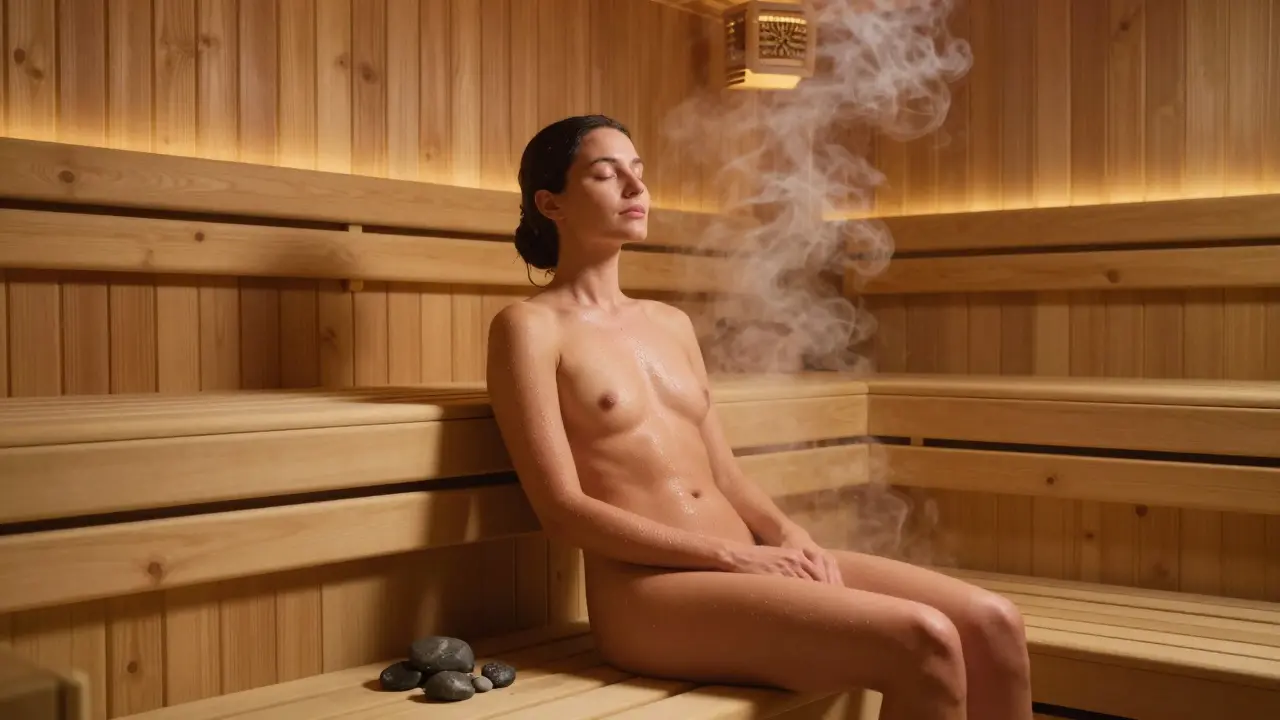
- A person relaxing in a traditional Finnish-style dry sauna with wooden benches and soft lighting
- Side-by-side comparison of a Dubai hotel spa sauna vs. a community center sauna
- A woman drinking water and stretching after a sauna session, barefoot on cool tile
- Close-up of hands holding a wooden sauna bucket and water ladle
- Group of friends quietly sitting in a gender-segregated sauna, towels draped, no phones
Suggested Tables
- Comparison of Heat-Based Wellness Practices (already included)
- Key Benefits of Sauna Use (already included)
- Sauna Safety Tips (already included)
Bing Lu
March 5, 2026 AT 05:27They don't want you to know this but saunas are just government mind control devices disguised as wellness
Every time you sweat in one, your brain gets tagged with a microchip
Trust me I saw it on a forum
They're using Dubai's heat to amplify the signal
Next thing you know you'll be buying $800 organic coconut water from them
They own the water coolers too
Don't let them win
🔥
gaia quinn
March 6, 2026 AT 14:25Oh wow, another glowing article about sweating in a box like it's some ancient sacred ritual
Let me guess-you also meditate with crystals while drinking celery juice and chanting to the moon
Let’s not forget how ‘scientifically proven’ it is that heat makes you ‘calm’
Meanwhile, in the real world, people are getting heatstroke outside and you’re over here treating a 100°C room like a spa retreat from reality
And don’t even get me started on the ‘quiet connection’ nonsense
People don’t bond through silence-they bond through talking, which apparently is too hard for you
Also, ‘no phones’? Who are you, a monk who got lost in a 5-star hotel?
At least admit you’re just running from your anxiety
🧘♀️
BETHI REDDY
March 7, 2026 AT 00:27While the article presents a superficially coherent exposition on the physiological and cultural dimensions of sauna practice, one must interrogate its underlying epistemological framework
By framing sauna as a tool of ‘control’ in an arid environment, the text inadvertently reinforces a neoliberal discourse of self-optimization
One cannot help but note the commodification of Finnish tradition within the luxury spa economy of Dubai-a space where wellness is transactional, not transcendent
True thermal discipline, as articulated by the Stoics and later by the Nordic existentialists, demands austerity, not eucalyptus-infused marble floors
Moreover, the suggestion that one may ‘mimic’ sauna benefits via a hot shower betrays a fundamental misunderstanding of ritual as embodied practice
It is not the heat that heals, but the intentionality-the metaphysical surrender to entropy
One wonders whether the author has ever sat in silence without a hydration station nearby
Perhaps we should return to the original Finnish model: wood-fired, unregulated, and unbranded
Otherwise, we risk reducing the sacred to a wellness influencer’s highlight reel
-B. Reddy
Michaela Bublitz
March 7, 2026 AT 17:00Hey, I just wanted to say I really appreciated this piece-especially the part about hydration and listening to your body
I started doing saunas last winter after my mom had a rough time with chronic pain, and it totally changed things for her
She goes twice a week now, and she says she sleeps like a baby
And honestly? I didn’t believe it until I tried it myself
Now I go after work, sit there with my eyes closed, and just breathe
It’s not about being perfect or doing it right
It’s just about showing up
Also, if you’re new, don’t stress-just start with 5 minutes, drink water, and let yourself feel whatever you feel
You’ve got this 💕
mariepierre beaulieu
March 8, 2026 AT 01:16So glad someone wrote this honestly-Dubai’s heat makes everything feel overwhelming, and the sauna is the only place I feel truly calm
I used to be terrified of it, but now I go with my sister and we just sit there, no talking, just quiet
Afterward, we get herbal tea and talk about anything but work
It’s our thing
Also, if you’re scared to go alone, just ask the staff-they’re super nice here
And yeah, the towel-on-head trick? Game changer 😊