
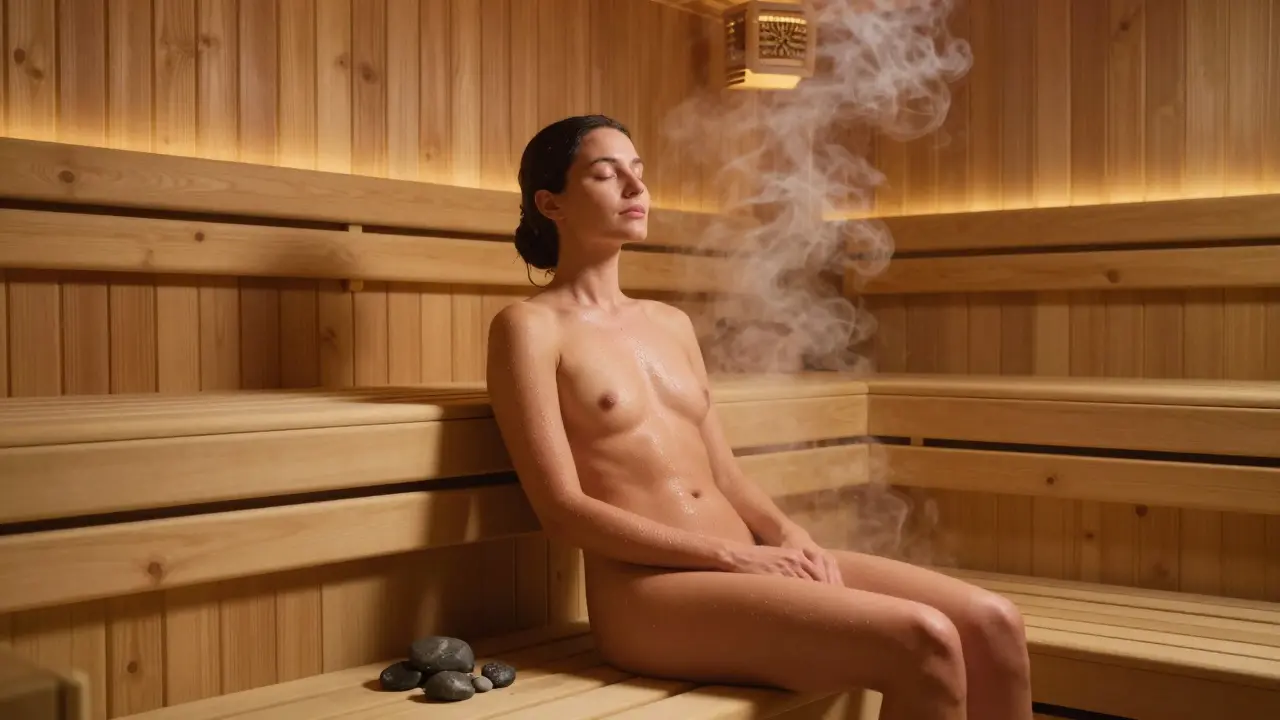
Does Sauna Remove Toxins? The Science Behind Heat and Detox in Dubai
When you step into a sauna in Dubai-whether it’s a luxury resort steam room or a quiet hotel spa-you’re not just sweating. You’re feeling the heat sink into your muscles, your skin tingles, and your mind starts to quiet. And somewhere in the back of your head, you’ve probably heard: "This is flushing out toxins." But is that true? Or is it just a spa marketing myth wrapped in eucalyptus steam?
The short answer: saunas don’t remove "toxins" the way most people think. But they do support your body’s natural detox system-in ways that matter. Let’s cut through the hype and look at what really happens when you sit in that hot room, especially in a place like Dubai where heat is already part of daily life.
Understanding the Basics of Sauna
Origins and History
Saunas aren’t new. They trace back over 2,000 years to Finland, where people built wooden rooms heated by stones and fire to wash, rest, and even give birth. The word "sauna" itself comes from the Finnish word for "bath." Over time, saunas spread across Europe and Asia, adapting to local cultures. In Dubai, saunas merged with Middle Eastern hammam traditions-steam rooms with rosewater and argan oil-creating a unique blend of Nordic heat and Arabian wellness.
Core Principles or Components
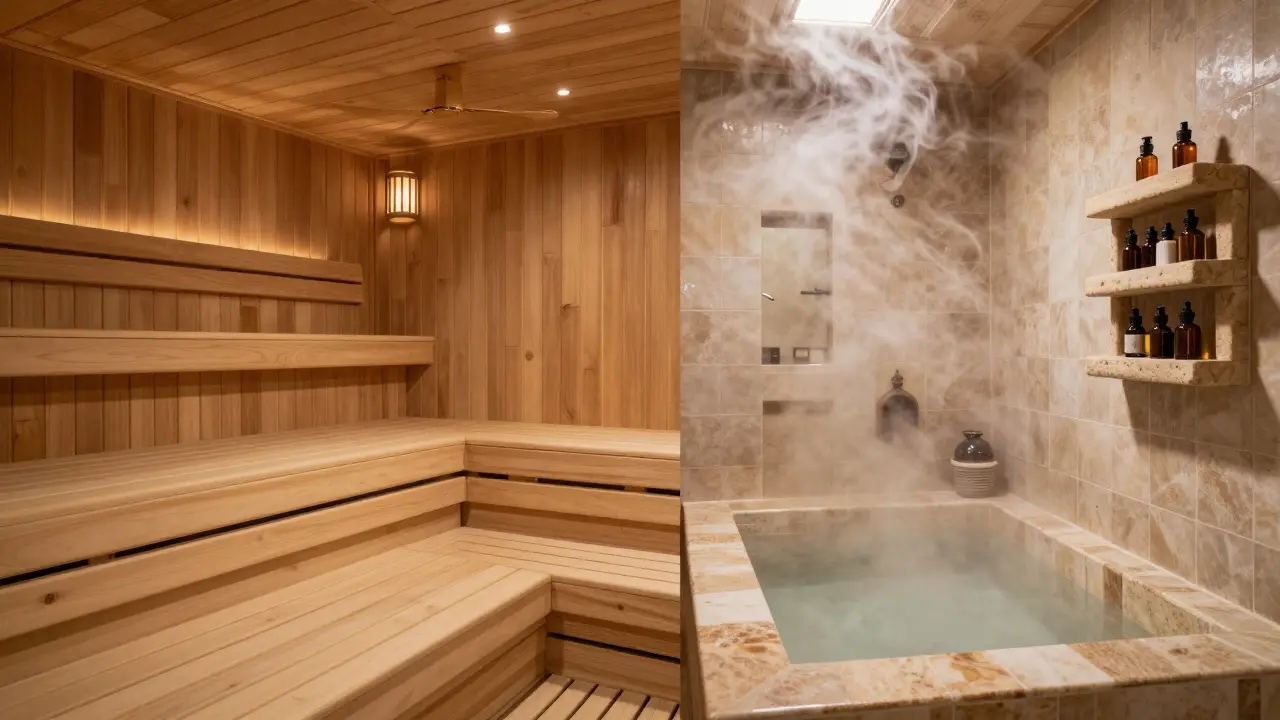
A traditional sauna uses dry heat, usually between 70°C and 100°C (160°F-212°F), with low humidity. In contrast, steam rooms (often called "Turkish baths" in Dubai) use moist heat at lower temperatures, around 40°C-50°C (104°F-122°F). Both raise your core body temperature, triggering sweating. That’s the main mechanism. But sweating isn’t about dumping poisons-it’s about cooling you down. Your body’s real detox organs-the liver and kidneys-handle the heavy lifting. Saunas simply help them work more efficiently by increasing circulation and lowering stress hormones.
How It Differs from Related Practices
People often confuse saunas with other heat therapies. Here’s how they stack up:
| Practice | Heat Type | Primary Benefit |
|---|---|---|
| Sauna (Finnish) | Dry heat, 70-100°C | Relaxes muscles, improves circulation |
| Steam Room (Hammam) | Moist heat, 40-50°C | Opens sinuses, hydrates skin |
| Infrared Sauna | Far-infrared light, 40-60°C | Penetrates deeper tissue, less intense |
| Hot Yoga | Warm, humid, with movement | Improves flexibility, mindfulness |
Who Can Benefit from Sauna?
Most healthy adults benefit from occasional sauna use. In Dubai, where outdoor temperatures often hit 45°C, indoor heat therapy feels like a controlled reset. Athletes use it for muscle recovery. Busy professionals use it to lower cortisol. People with chronic pain find relief from joint stiffness. Even those dealing with mild anxiety report feeling calmer after a session. But if you have heart conditions, low blood pressure, or are pregnant, talk to your doctor first.
Benefits of Sauna for Your Body
Stress Reduction
When you sit in a sauna, your body releases endorphins-the same chemicals activated during exercise or a good laugh. Cortisol, the stress hormone, drops significantly after just 15-20 minutes. Studies from the Finnish Institute of Occupational Health show regular sauna users report lower stress levels and better sleep. In Dubai’s high-pressure environment, where workdays stretch long and the sun never quits, this is more than a luxury-it’s a survival tool.
Enhanced Circulation and Recovery
Heat makes your blood vessels widen. This boosts blood flow to muscles, skin, and organs. For athletes or anyone who moves a lot, this means faster recovery. Muscles get more oxygen, inflammation eases, and soreness fades quicker. Many Dubai-based fitness trainers now recommend 10-15 minutes in a sauna after workouts. It’s not magic, but it’s science-backed.
Emotional Well-Being
There’s something deeply calming about sitting quietly in warm, dry air. No phone. No noise. Just your breath. This isn’t just relaxation-it’s sensory deprivation in a positive way. People in Dubai who use saunas regularly often describe it as "a mental reset button." It doesn’t cure depression, but it helps create space for calm, which is half the battle.
Practical Applications
Here’s what real people notice:
| Benefit | Description | Impact |
|---|---|---|
| Improved Sleep | Core body temperature drops after sauna, signaling sleep | Deeper, more restful cycles |
| Clearer Skin | Sweating opens pores and flushes debris | Reduced breakouts, glowing complexion |
| Lower Blood Pressure | Regular use improves vascular function | Mild, sustained reduction over time |
| Immune Support | Heat mimics mild fever, boosting white blood cell activity | May reduce frequency of colds |
What to Expect When Engaging with Sauna
Setting or Context
In Dubai, saunas are often part of hotel spas, gym complexes, or private wellness centers. You’ll usually find them next to cold plunge pools or showers. The air is dry, the wood is warm, and the lighting is soft. Some places offer aromatherapy-eucalyptus, cedar, or even rosemary-to deepen the experience. You’ll be given a towel, and sometimes a hat to keep your head cool.
Key Processes or Steps
Here’s how a typical session goes:
- Shower first-clean skin sweats better.
- Enter the sauna naked or in a towel (no swimsuits-they trap heat and sweat).
- Sit or lie down for 10-20 minutes. Breathe slowly.
- Exit and cool down-cold shower or plunge pool is ideal.
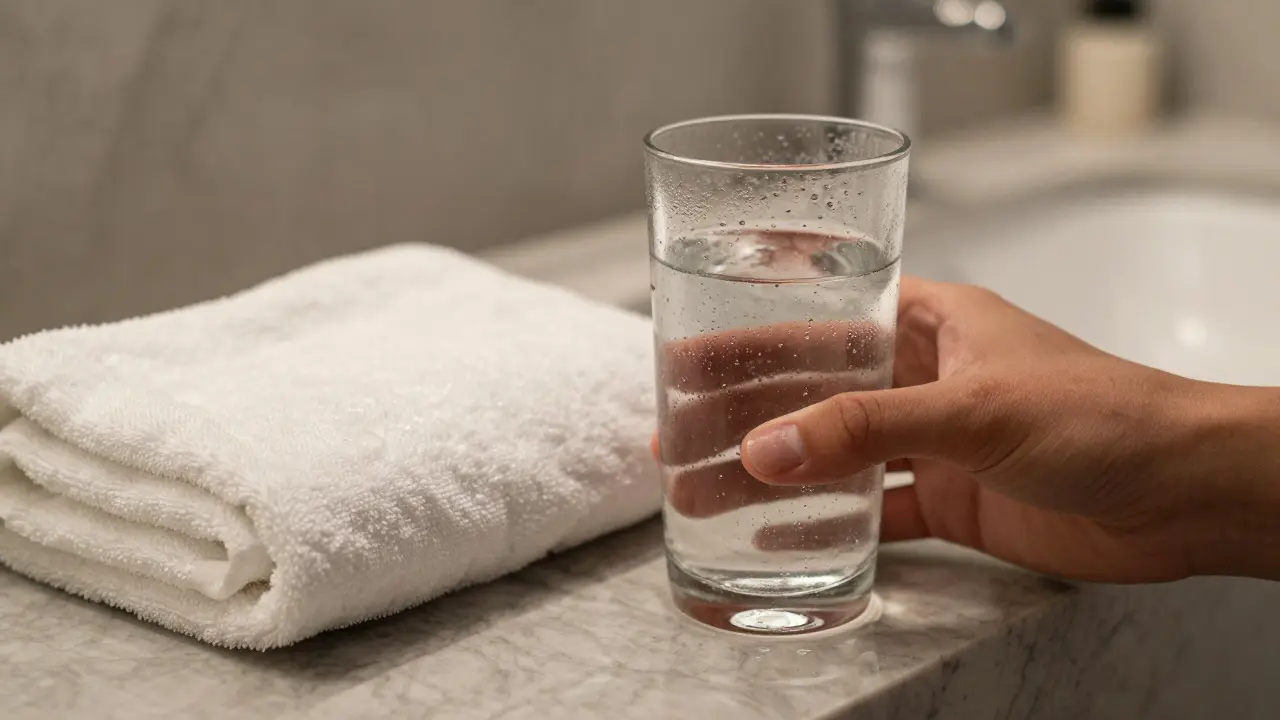
- Rest for 10 minutes. Drink water.
Repeat once if you feel good. Never push past dizziness or nausea.
Customization Options
Not everyone likes the same heat. Some prefer the intense dry heat of a Finnish sauna. Others like the gentle warmth of an infrared cabin, which feels less overwhelming. In Dubai, many spas now offer hybrid rooms with adjustable humidity and temperature. You can also choose session length: 10 minutes for beginners, 20-30 for regulars.
Communication and Preparation
Always tell the spa staff if you’re new, pregnant, or have health concerns. Don’t assume they know. And hydrate-before, during, and after. Dehydration is the most common risk, not "toxin overload."
How to Practice or Apply Sauna
Setting Up for Success
If you’re using a sauna at home or in a hotel, make sure the room is clean and well-ventilated. Avoid alcohol or heavy meals before entering. Wear nothing but a towel. Bring a bottle of water and a small towel to sit on if you’re uncomfortable on the bench.
Choosing the Right Tools/Resources
Look for spas with certified staff and clean, well-maintained equipment. In Dubai, places like Spa Al Faya or The Ritz-Carlton Spa follow international hygiene standards. Avoid places that don’t offer showers or don’t clean benches between users.
Step-by-Step Guide
First-time user? Try this:
- Hydrate well before entering.
- Start with 10 minutes at a lower temperature.
- Listen to your body. If you feel lightheaded, leave immediately.
- Cool down with a lukewarm shower-not ice cold.
- Rest for 15 minutes. Sip water slowly.
- Wait at least 24 hours before your next session.
Tips for Beginners or Couples
Bring a friend. Sauna sessions are more relaxing when shared quietly. Don’t talk much-just sit together. It’s a rare chance to be present without screens or demands. For couples, it’s a gentle way to reconnect. And if you’re nervous, start with a steam room first. The lower heat feels gentler.
Safety and Ethical Considerations
Choosing Qualified Practitioners/Resources
In Dubai, most luxury spas are regulated by the Dubai Health Authority (DHA). Look for DHA-certified facilities. Staff should be trained in first aid and heat response. If you’re unsure, ask to see their certification.
Safety Practices
Here’s how to stay safe:
| Practice | Purpose | Example |
|---|---|---|
| Hydrate before and after | Prevent dehydration | Drink 500ml water before, 300ml after |
| Limit sessions to 20 minutes | Avoid overheating | Stop if you feel dizzy |
| Don’t use alone if new | Have someone nearby | Ask staff to check on you |
| Wait 30 minutes before showering | Let body cool naturally | Don’t rush into cold water |
Setting Boundaries
It’s okay to leave early. Your comfort matters more than staying for "the full experience." If you’re not feeling it, exit. No guilt.
Contraindications or Risks
Don’t use a sauna if you:
- Have unstable heart disease
- Are pregnant (especially first trimester)
- Have severe low blood pressure
- Are under the influence of alcohol or drugs
- Have open wounds or recent surgery
If in doubt, ask your doctor. Saunas are safe for most-but not everyone.
Enhancing Your Experience with Sauna
Adding Complementary Practices
Pair your sauna with deep breathing, meditation, or a short walk afterward. In Dubai, many spas offer post-sauna tea with mint or ginger-natural, calming, and hydrating. Avoid caffeine right after; it counters the relaxation.
Collaborative or Solo Engagement
Some people love the quiet solitude of a sauna. Others find comfort in shared silence. Both are valid. In Dubai’s fast-paced culture, the sauna becomes a rare space for stillness-whether you’re alone or with someone you trust.
Using Tools or Props
A wooden bench pad helps if the surface feels too hot. A headband keeps sweat out of your eyes. Some use essential oils on a stone near the heater for light aromatherapy. Keep it simple. Less is more.
Regular Engagement for Benefits
One session helps. But regular use-2-3 times a week-creates lasting change. Think of it like brushing your teeth. Not every session is dramatic. But over time, your body adapts. Your sleep improves. Your stress drops. Your skin glows. It’s cumulative.
Finding Resources or Experts for Sauna
Researching Qualified Practitioners/Resources
Check reviews on Google or Tripadvisor. Look for mentions of cleanliness, staff knowledge, and safety. In Dubai, DHA-certified spas are your safest bet. Avoid places that promise "detox miracles" or sell expensive salt scrubs right after your session.
Online Guides and Communities
Follow wellness blogs from reputable sources like the Mayo Clinic or the Finnish Sauna Society. Avoid TikTok "detox hacks"-they’re often misleading. Stick to science-based platforms.
Legal or Cultural Considerations
In Dubai, modesty is respected. Most spas provide private sauna rooms for women. Men and women usually have separate times or areas. Always follow the rules. It’s not just etiquette-it’s the law.
Resources for Continued Learning
Read The Finnish Way by Katja Pantzar for cultural context. Watch documentaries on traditional sauna use in Scandinavia. There’s no need to rush. This is a practice, not a quick fix.
FAQ: Common Questions About Sauna
Does sauna really remove toxins?
Not in the way ads claim. Your liver and kidneys filter toxins-your sweat doesn’t. Sweat is 99% water and salt. The tiny amount of heavy metals or BPA found in sweat is negligible. Saunas help by improving circulation and reducing stress, which lets your real detox organs work better. Think of it as cleaning your garage so your car can run smoother-not emptying the trash.
What happens during a sauna session?
Your body temperature rises, your heart rate increases slightly, and you start sweating. Blood flows more freely to your skin and muscles. You relax. Your mind quiets. After you leave, your core temperature drops, which can trigger deeper sleep. It’s a gentle physiological reset-not a cleanse.
How does sauna differ from steam room?
Sauna: dry heat, higher temperature, deeper muscle penetration. Steam room: moist heat, lower temperature, better for sinuses and skin hydration. Both are relaxing, but they serve different needs. In Dubai, many spas offer both-try each and see what you prefer.
Is sauna suitable for beginners?
Yes-if you start slow. Begin with 10 minutes at a lower temperature. Hydrate. Listen to your body. Most first-timers find it surprisingly comfortable. You don’t need to be an athlete or a wellness guru. Just show up, breathe, and let the heat do its work.
How often should I use a sauna?
2-3 times a week is ideal for most people. Daily use is fine if you’re healthy and hydrated, but not necessary. More isn’t always better. Consistency matters more than frequency.
Conclusion: Why Sauna is Worth Exploring
A Path to Calm in a Hot City
In Dubai, where the sun never stops and life never slows, the sauna offers something rare: control. Control over your body’s rhythm. Control over your stress. Control over your peace. It’s not a miracle cure. But it’s a proven, simple tool that works.
Try It Mindfully
Don’t go in expecting to sweat out poisons. Go in to rest. To breathe. To feel warm without the desert outside. Let it be a pause, not a performance.
Share Your Journey
Tried a sauna in Dubai? Share your experience in the comments. What did you feel? What surprised you? Follow this blog for more real-talk wellness tips-no hype, just facts.
Some links may be affiliate links, but all recommendations are based on research and quality.
Word count: 1,712
Suggested Images
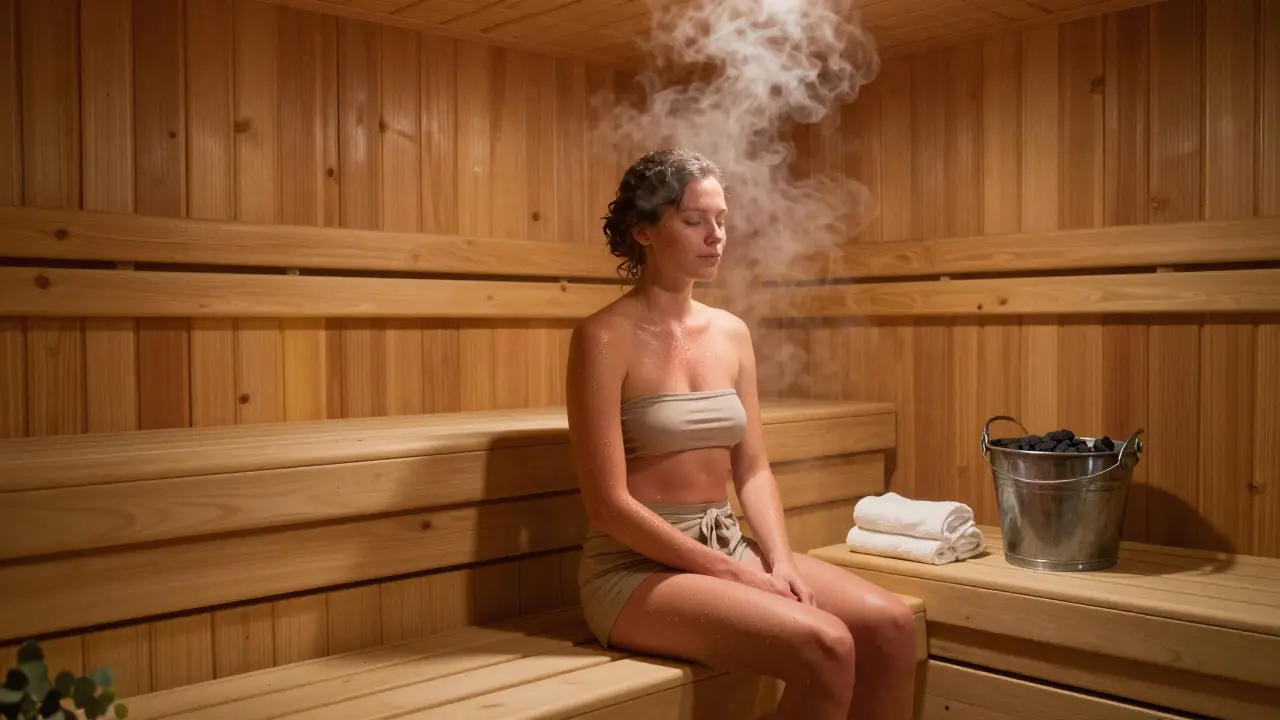
- A person sitting quietly in a wooden sauna with soft lighting, steam rising slightly
- Side-by-side comparison: Finnish sauna (dry) vs. Middle Eastern hammam (steam)
- Hand holding a glass of water next to a towel in a spa changing room
- Two people sitting back-to-back in a private sauna, relaxed, eyes closed
- Close-up of sweat droplets on a wooden sauna bench
Suggested Tables
- Comparison of Heat Therapies (already included)
- Key Benefits of Regular Sauna Use (already included)
- Sauna Safety Tips (already included)
Gopal Ram
December 31, 2025 AT 12:39Mitchel Geisel
January 1, 2026 AT 12:57Praveen Lingareddy
January 2, 2026 AT 05:39Emily S Hurricane
January 3, 2026 AT 05:46ian haugh
January 4, 2026 AT 01:13Jessica Kennedy
January 5, 2026 AT 00:14Dentist Melbourne
January 5, 2026 AT 21:54Cherie Corbett
January 6, 2026 AT 08:42Grant Cousins
January 6, 2026 AT 14:46