Body Scrub Disadvantages: What You Need to Know Before Trying One in Dubai
When you think of a body scrub, a physical exfoliant used to slough off dead skin cells, often with salt, sugar, or ground nuts. Also known as body polish, it’s a staple in luxury spas across Dubai. But while it leaves skin feeling smooth, it’s not harmless. Many people assume more scrubbing means better results—until their skin starts stinging, flaking, or breaking out. The truth? Overuse or improper use can do more harm than good.
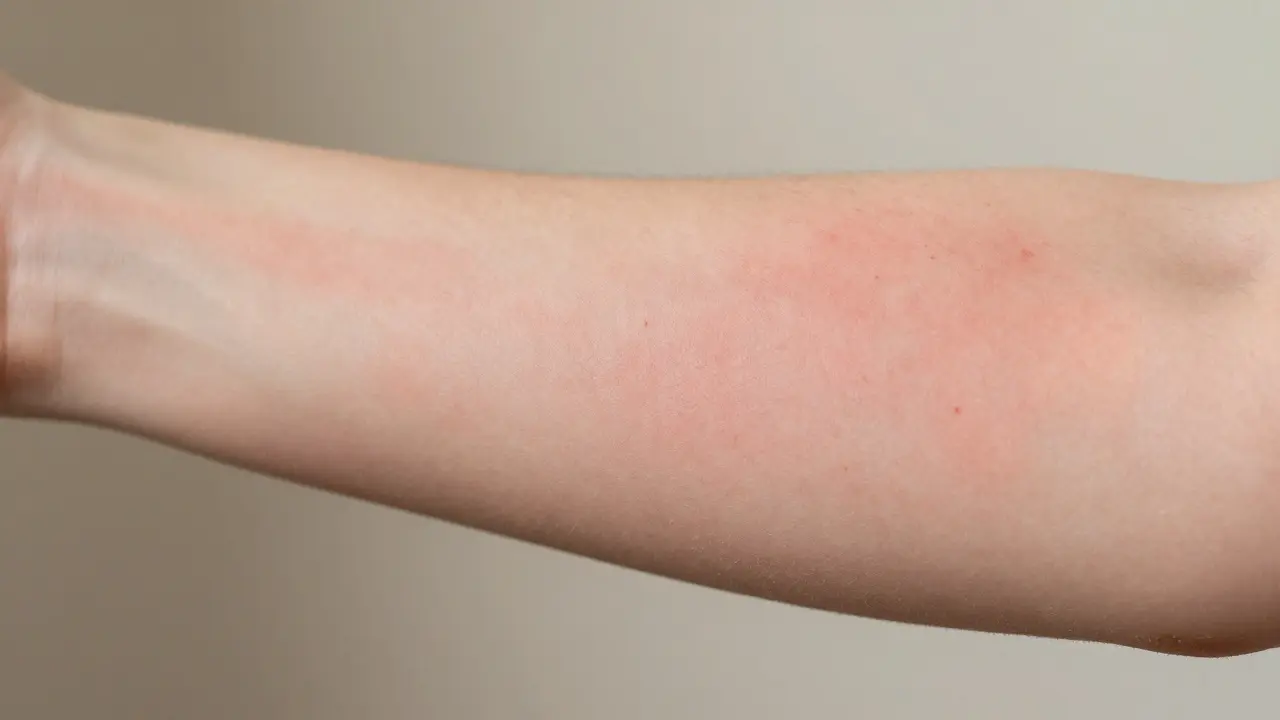
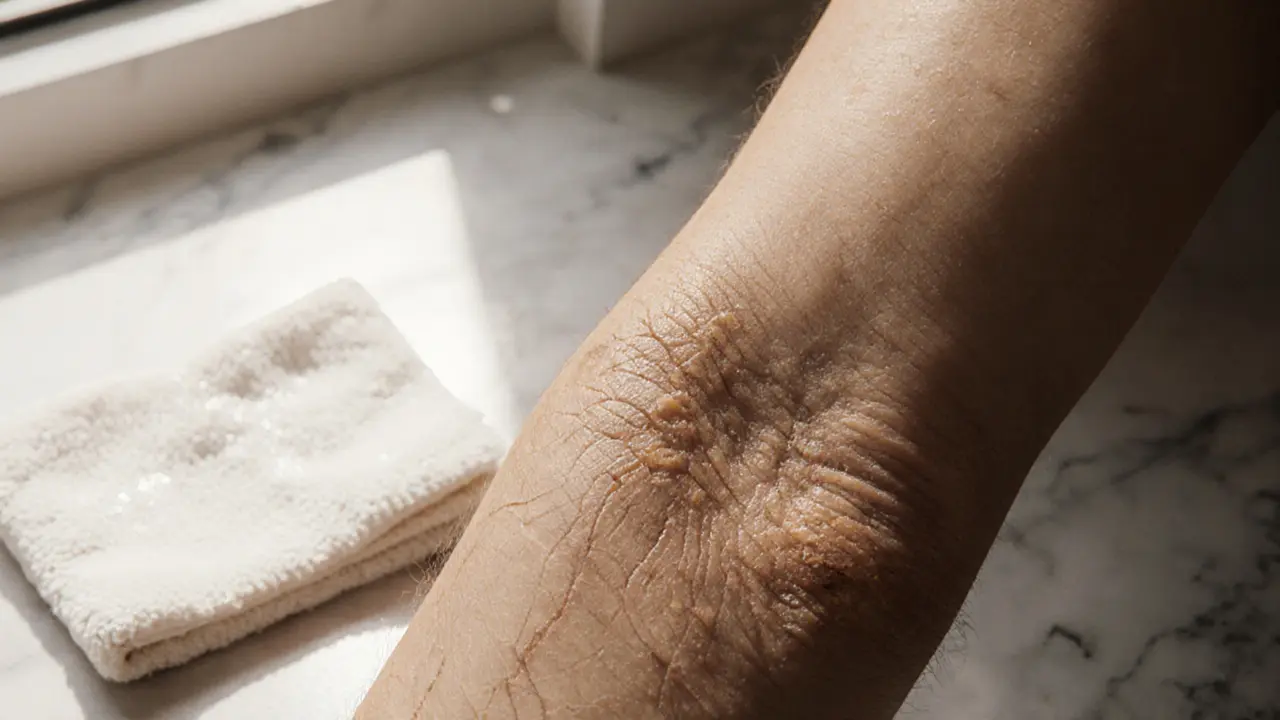
One major skin irritation, redness, burning, or inflammation caused by aggressive exfoliation or harsh ingredients is common, especially in Dubai’s dry, hot climate. If you’re using a scrub with large, jagged particles—like crushed walnut shells or coarse sea salt—you’re not just removing dead skin. You’re creating tiny tears. These micro-wounds let bacteria in, which can lead to breakouts or even infections. People with sensitive skin, eczema, or rosacea are at higher risk. Even if you’re not sensitive, using a scrub more than twice a week can strip your skin’s natural barrier. That leaves you vulnerable to sun damage, dehydration, and increased oil production.
Another hidden issue is cross-contamination, the transfer of bacteria or fungi between clients due to shared tools or unclean surfaces. In busy spas, if a scrub bowl isn’t properly sanitized between guests, you could be exposed to fungi, viruses, or even staph. This isn’t just a theory—there are documented cases of fungal infections linked to unclean spa equipment in tourist-heavy areas like Dubai. And let’s not forget the chemical irritants, synthetic fragrances, dyes, or preservatives added to scrub formulas that trigger allergic reactions. Many spa-grade scrubs smell amazing because they’re loaded with artificial scents. But if your skin reacts badly, that ‘luxury’ experience turns into a rash that lasts days.
Some people think scrubs are a quick fix for ingrown hairs or cellulite. They’re not. Scrubbing won’t dissolve fat or permanently smooth dimpled skin. At best, it gives a temporary glow. At worst, it causes inflammation that makes cellulite look worse. And if you’re using a scrub right after shaving, waxing, or getting a chemical peel? You’re asking for trouble. Your skin is already compromised. Adding friction on top of that is like rubbing sandpaper on a fresh cut.
What’s more, many Dubai spas push body scrubs as part of a ‘detox’ or ‘purifying’ ritual. But your skin doesn’t absorb toxins through scrubbing. That’s a myth. The real benefit? Improved circulation and smoother texture. The real cost? Damaged skin, wasted money, and unnecessary discomfort.
So what’s the alternative? Gentle exfoliation—like chemical exfoliants with lactic or glycolic acid—can be safer and more effective. Or, if you prefer physical scrubs, choose ones with fine, round particles and use them no more than once a week. Always follow up with a moisturizer that rebuilds your skin’s barrier. And never let a therapist scrub you raw just because it’s ‘part of the experience.’ Your comfort and skin health come first.
In the posts below, you’ll find honest takes on what really happens after a body scrub—whether it’s the risks of unclean tools, how to spot a bad scrub formula, or why some spa treatments in Dubai do more harm than good. No fluff. Just what you need to know before your next session.