
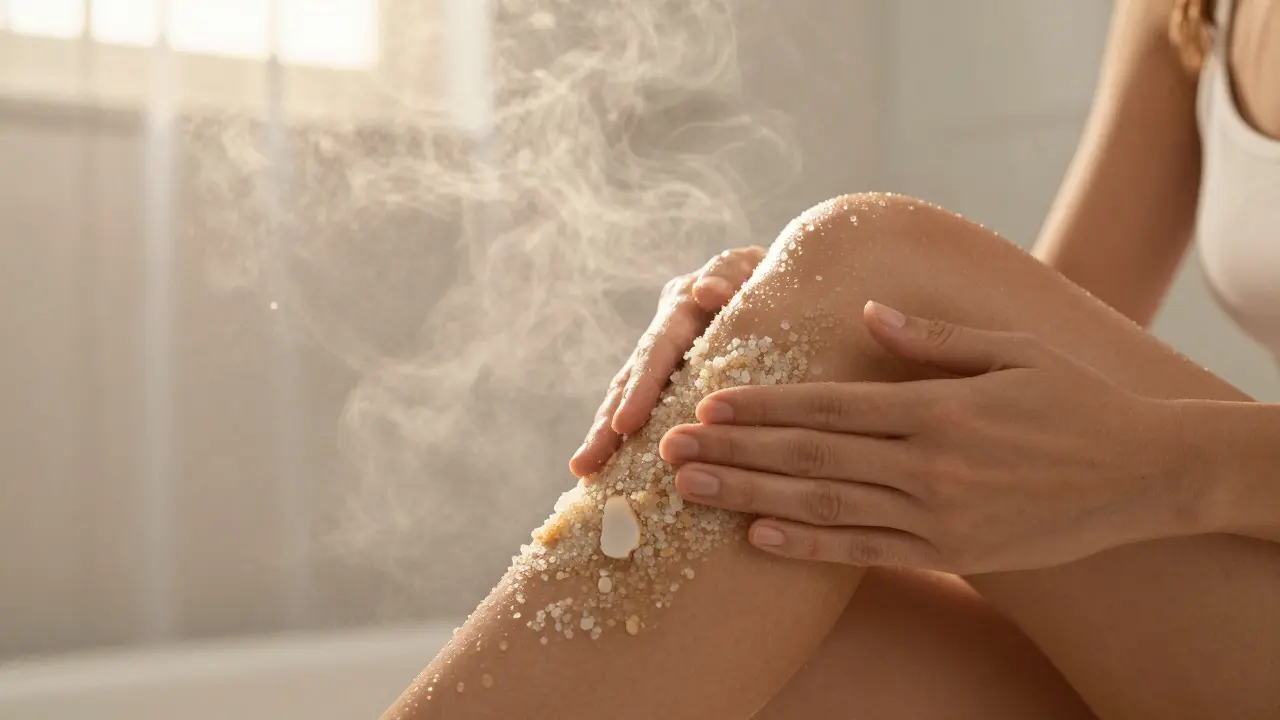
When it comes to body scrub, timing matters more than you think. You’ve bought the scrub, you love the scent, you even keep it in the shower - but do you use it before washing or after? This simple question trips up even the most consistent skincare routines. And in Dubai’s dry, dusty climate, getting this right isn’t just about glowing skin - it’s about protecting your skin’s natural barrier from irritation, dehydration, and buildup.
Understanding the Basics of Body Scrub
Origins and History
Body scrubs aren’t new. Ancient Egyptians used crushed almond shells and olive oil to slough off dead skin before sacred rituals. In India, haldi (turmeric) and gram flour scrubs have been part of bridal prep for centuries. Even in Arab cultures, traditional ghassoul clay and rosewater scrubs were used after bathing to soften skin in the desert heat. Today’s body scrubs evolved from these practices - blending natural abrasives with moisturizing oils to remove dead cells without stripping skin.
Core Principles or Components
A good body scrub has two key parts: an exfoliant and an emollient. The exfoliant - whether sugar, salt, ground coffee, or synthetic beads - physically removes dead skin. The emollient - like coconut oil, shea butter, or glycerin - hydrates and soothes. The goal isn’t to scrub until your skin is raw. It’s to gently lift off the dull outer layer so your moisturizer can sink in deeper and your skin looks smoother, brighter, and feels softer.
How It Differs from Related Practices
People often confuse body scrubs with loofahs, dry brushing, or chemical peels. Here’s how they stack up:
| Method | Key Feature | Primary Benefit |
|---|---|---|
| Body Scrub | Granular texture with moisturizing base | Immediate smoothness + hydration |
| Loofah or Washcloth | Physical friction, no active ingredients | Mild surface cleaning |
| Dry Brushing | Done on dry skin before shower | Stimulates circulation, lymphatic flow |
| Chemical Exfoliant (AHA/BHA) | Liquid acids dissolve dead cells | Deep pore renewal, no physical scrubbing |
Who Can Benefit from Body Scrub?
Almost everyone - but especially those in dry climates like Dubai. If you sweat a lot, wear tight clothing, or get dusty from the desert wind, your skin builds up dead cells faster. Athletes, people with keratosis pilaris (those tiny bumps on arms), or anyone who feels their lotion isn’t absorbing well can see real improvement. Sensitive skin types should choose fine-grained scrubs and limit use to once a week. Oily or acne-prone skin can benefit too, as long as the scrub isn’t overly abrasive.
Benefits of Body Scrub for Skin Health
Improved Skin Texture and Radiance
Dead skin cells don’t just look dull - they trap dirt and oil, making pores look larger and skin feel rough. A weekly body scrub removes this layer, revealing fresher skin underneath. In Dubai’s intense sun, where skin can look tired and ashy, this step makes a noticeable difference. After just one use, many notice their skin looks more even and reflects light better - not because it’s glittery, but because it’s clean and smooth.
Better Absorption of Moisturizers
Think of your skin like a sponge. If it’s clogged with dead cells, it can’t soak up your favorite body lotion. Exfoliating clears the path. Studies show that skin treated with physical exfoliants absorbs topical products up to 50% more effectively. In a city where humidity is low and moisturizers often feel like they’re sitting on top of skin, this is huge. Apply your body butter or oil right after scrubbing, and you’ll feel the difference - softer, longer-lasting hydration.
Prevents Ingrown Hairs and Clogged Pores
Shaving or waxing in Dubai’s heat can lead to bumps and irritation. Dead skin cells trap hair follicles, causing ingrowns. Regular exfoliation helps hairs grow out cleanly. This is especially helpful for those who shave legs, underarms, or bikini lines. A scrub used 2-3 days after hair removal can prevent bumps and keep skin clear. Don’t scrub right after shaving - wait at least 24 hours to avoid irritation.
Enhanced Circulation and Relaxation
The act of massaging a scrub into your skin boosts blood flow. This brings oxygen and nutrients to the surface, helping skin repair itself. Plus, the ritual - warm water, soothing scent, gentle pressure - is calming. For people dealing with stress or disrupted sleep (common in a 24/7 city like Dubai), this 5-minute ritual can be a mini spa moment.
What to Expect When Engaging with Body Scrub
Setting or Context
Most people use body scrubs in the shower. The warm water opens pores, softens skin, and makes scrubbing easier. Avoid using it in a dry bathroom - it’s messy and less effective. In Dubai, where air conditioning can dry skin further, using a scrub in a warm, steamy shower helps lock in moisture from the start.
Key Processes or Steps
Start with wet skin. Apply a small amount of scrub (a tablespoon is enough for full body). Use circular motions, not harsh scrubbing. Focus on rough areas: elbows, knees, heels, and feet. Skip sensitive zones like the chest or inner thighs unless the product is labeled gentle. Rinse thoroughly. Don’t let residue sit - it can clog pores.
Customization Options
Not all scrubs are the same. Salt scrubs are more abrasive - great for feet or thick skin. Sugar scrubs are gentler, dissolve easily, and are better for sensitive areas. Coffee scrubs offer caffeine for a slight tightening effect. For Dubai’s dry skin, look for scrubs with shea butter, almond oil, or hyaluronic acid. Avoid scrubs with microbeads - they’re banned in many countries and don’t biodegrade.
Communication and Preparation
If you’re using a scrub at a spa, let them know if you have sensitive skin, eczema, or recent sunburn. At home, patch test a new scrub on your inner arm first. Wait 24 hours. If there’s redness or itching, don’t use it on your body.

How to Practice or Apply Body Scrub
Setting Up for Success
Keep your scrub in the shower, but make sure the container has a tight lid. Humidity can spoil natural oils. Use a shower caddy with drainage so it doesn’t sit in water. Always rinse the scrub container after use - leftover product can grow bacteria.
Choosing the Right Tools
You don’t need a loofah or glove. Your hands are fine - and cleaner. Some people like exfoliating gloves, but they can harbor mold. If you use one, wash it weekly and replace it every 2-3 months. Avoid using a scrub with a rough sponge - it’s too much friction.
Step-by-Step Guide
- Turn on warm water - not hot. Hot water strips natural oils.
- Wet your skin completely.
- Apply a small amount of scrub to your palm.
- Massage gently in circular motions for 1-2 minutes.
- Rinse thoroughly with lukewarm water.
- Pat skin dry - don’t rub.
- Apply moisturizer within 3 minutes while skin is still damp.
Tips for Beginners or Couples
Start once a week. Over-exfoliating causes redness and sensitivity. If you’re doing this with a partner, make it a ritual - play calming music, light a candle. It’s not just skincare - it’s self-care. Don’t rush. Let it be a moment of calm in your day.
Safety and Ethical Considerations
Choosing Qualified Products
Look for scrubs made with natural, non-toxic ingredients. Avoid ones with parabens, synthetic fragrances, or aluminum. In Dubai, where skin is exposed to heat and pollution, purity matters. Brands that list ingredients clearly and avoid animal testing are more trustworthy.
Safety Practices
Here’s what to avoid:
| Practice | Purpose | Example |
|---|---|---|
| Avoid scrubbing broken skin | Prevents infection | Don’t use if you have cuts, sunburn, or rashes |
| Don’t scrub daily | Protects skin barrier | Once or twice a week is enough |
| Rinse well | Prevents residue buildup | Wash off all granules - they can clog pores |
Setting Boundaries
Some people feel self-conscious about rough skin. Remember - this isn’t about perfection. It’s about care. If a scrub stings, stop. If you’re unsure, ask a dermatologist. Your comfort matters more than following trends.
Contraindications or Risks
Don’t use body scrubs if you have active eczema, psoriasis, rosacea, or open wounds. If you’ve had laser treatments or chemical peels in the last 7 days, wait. Always check with your doctor if you’re on acne medications like retinoids - they make skin more sensitive.
Enhancing Your Experience with Body Scrub
Adding Complementary Practices
Pair your scrub with a hydrating body oil or cream. In Dubai’s dry air, layering is key. After scrubbing, apply a rich oil like argan or jojoba. Then, follow with a light lotion. You can also do this before bed - the ritual helps you wind down.
Collaborative or Solo Engagement
It works both ways. A solo scrub session is a quiet moment of self-love. With a partner, it can be a bonding ritual - take turns applying scrub, laugh, talk. Just make sure you’re both using your own container to avoid cross-contamination.
Using Tools or Props
A shower stool can help if you’re scrubbing your feet. A non-slip mat keeps you safe. A small bowl to rinse your hands after scrubbing keeps things tidy. These aren’t necessary - but they make the experience more enjoyable.
Regular Engagement for Benefits
Consistency beats intensity. One scrub a week gives lasting results. Do it too often, and you risk irritation. Make it part of your routine - maybe every Sunday night. Your skin will thank you.
Finding Resources or Experts for Body Scrub
Researching Qualified Products
Look for brands that list all ingredients, avoid synthetic dyes, and use recyclable packaging. Read reviews from people with similar skin types. In Dubai, local spas often carry high-quality scrubs made with regional ingredients like dates, rosewater, or saffron.
Online Guides and Communities
Follow dermatology pages on Instagram or YouTube. Look for certified skin therapists - not influencers selling products. The American Academy of Dermatology offers general guidelines on exfoliation (Web source (https://www.aad.org)).
Legal or Cultural Considerations
In the UAE, skincare products must meet strict health regulations. Always buy from licensed retailers. Avoid street vendors selling unmarked scrubs. Cultural norms here value modesty - choose private, clean spaces for self-care.
Resources for Continued Learning
Books like “The Skin Care Answer Book” by Dr. Patricia Farris or online courses from certified estheticians can deepen your knowledge. Look for courses that focus on Middle Eastern skin concerns - dryness, sun exposure, pollution.
FAQ: Common Questions About Body Scrub
Should I exfoliate before or after washing?
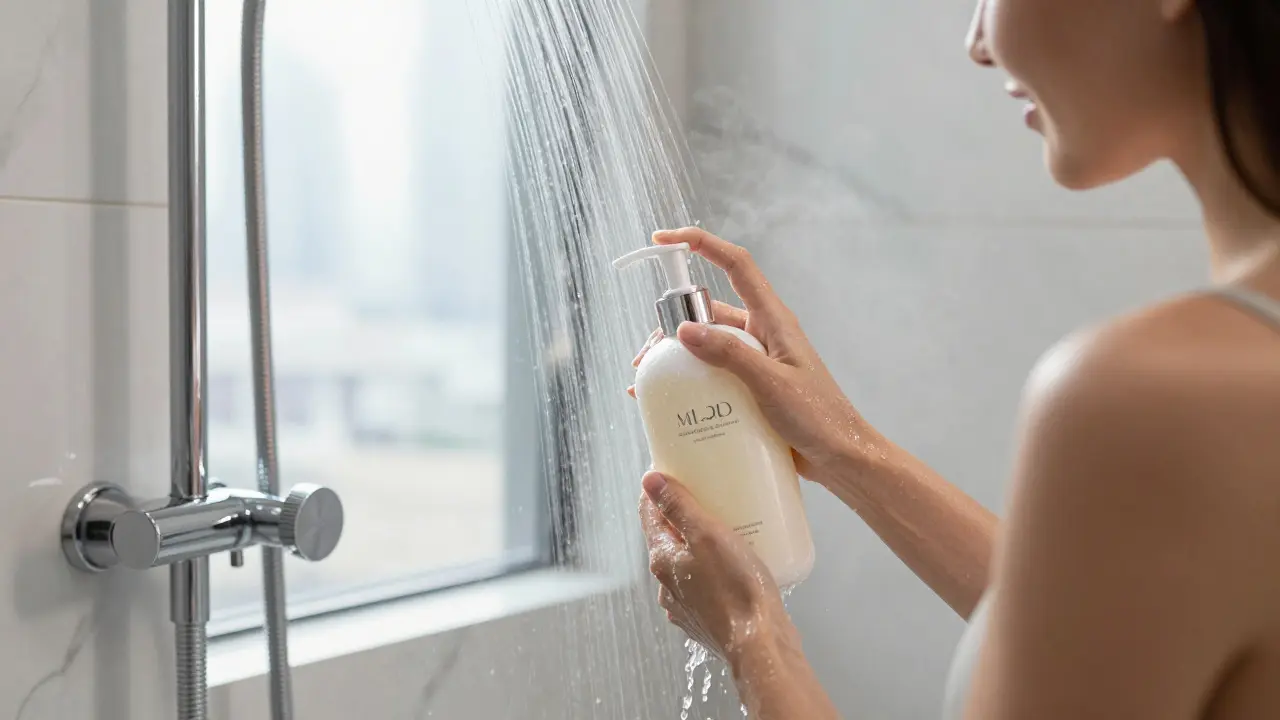
Always exfoliate after you’ve rinsed your skin with warm water, but before you use soap or body wash. Wet skin is softer and more receptive to exfoliation. Scrubbing on dry skin can cause micro-tears. After scrubbing, rinse off all granules, then use your cleanser to wash away any remaining oil or dirt. This two-step process - water, scrub, rinse, then cleanse - gives you the cleanest, smoothest skin without over-drying.
Can I use body scrub every day?
No - not unless your skin is extremely tough and you’re using a very gentle formula. Most dermatologists recommend 1-2 times a week. Daily scrubbing strips your skin’s natural oils, leading to dryness, irritation, or even breakouts. In Dubai’s dry climate, over-exfoliating can make skin feel tight and flaky. Listen to your skin. If it stings, turns red, or feels sensitive, cut back.
Is sugar scrub better than salt scrub?
It depends on your skin. Sugar granules are rounder and dissolve faster, making them gentler - ideal for sensitive skin, legs, or arms. Salt scrubs are more abrasive, great for feet, elbows, or areas with thick skin. Salt also draws moisture out, so it’s not ideal if you’re already dehydrated. For Dubai’s dry air, sugar scrubs with nourishing oils are usually the better choice. If you love salt scrubs, use them only on feet or once every two weeks.
Do I need to moisturize after scrubbing?
Absolutely - this is non-negotiable. Exfoliation removes dead skin, but it also temporarily weakens your skin’s protective barrier. Without moisturizer, your skin loses water faster. Apply a rich body oil or cream within 3 minutes of rinsing, while your skin is still damp. This locks in hydration. In Dubai’s air-conditioned homes and offices, this step prevents flakiness and keeps skin soft all day.
Can I use body scrub on my face?
Only if it’s specifically designed for facial use. Body scrubs are too harsh for the delicate skin on your face. Facial skin is thinner, more sensitive, and has more oil glands. Using a body scrub on your face can cause micro-tears, redness, and breakouts. Always use a facial exfoliant - either a gentle scrub with fine particles or a chemical exfoliant with AHAs/BHAs. Never substitute body products for your face.
Conclusion: Why Body Scrub is Worth Exploring
A Path to Smoother, Healthier Skin
Body scrub isn’t a luxury - it’s a smart step in your skincare routine. Especially in Dubai, where dust, heat, and AC work against your skin’s natural balance, this simple practice can transform how your skin feels and looks.
Try It Mindfully
Start slow. Once a week. Listen to your skin. Choose quality over quantity. And remember - skincare isn’t about perfection. It’s about care.
Share Your Journey
Tried this routine? Share your experience in the comments - what scrub do you love? How has your skin changed?
Some links may be affiliate links, but all recommendations are based on research and quality.
Word count: 1,682
Suggested Visuals
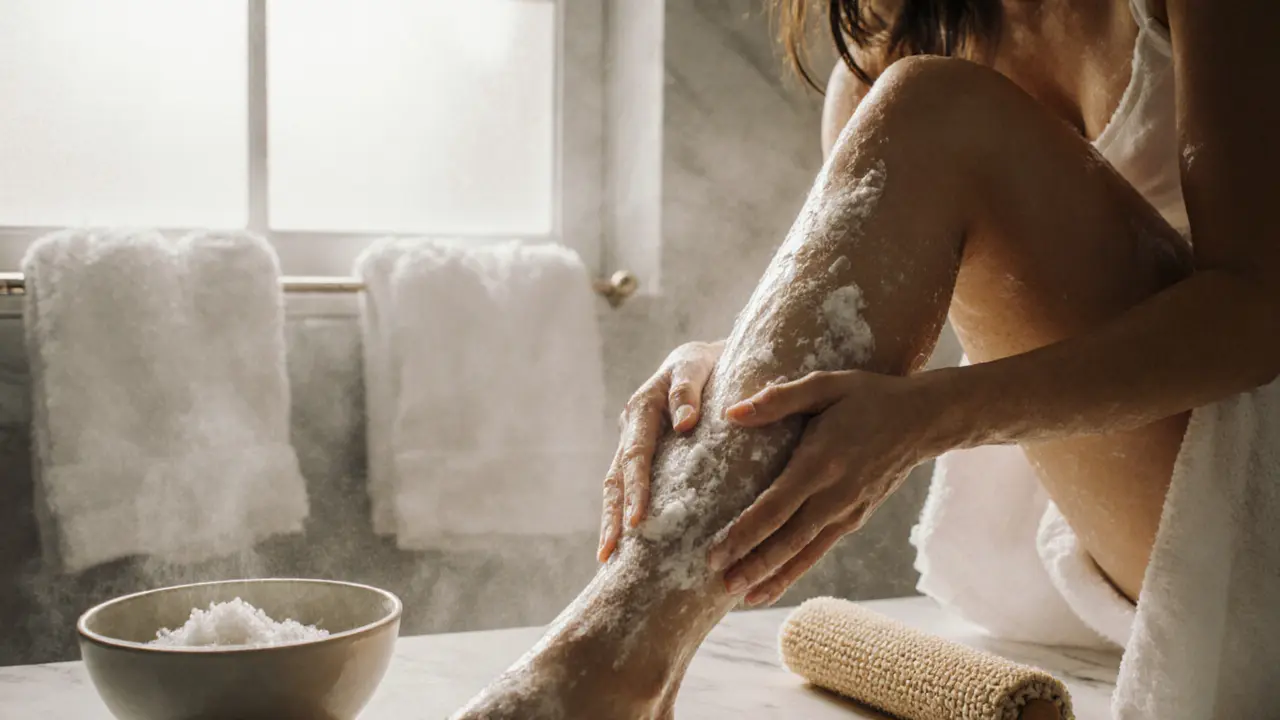
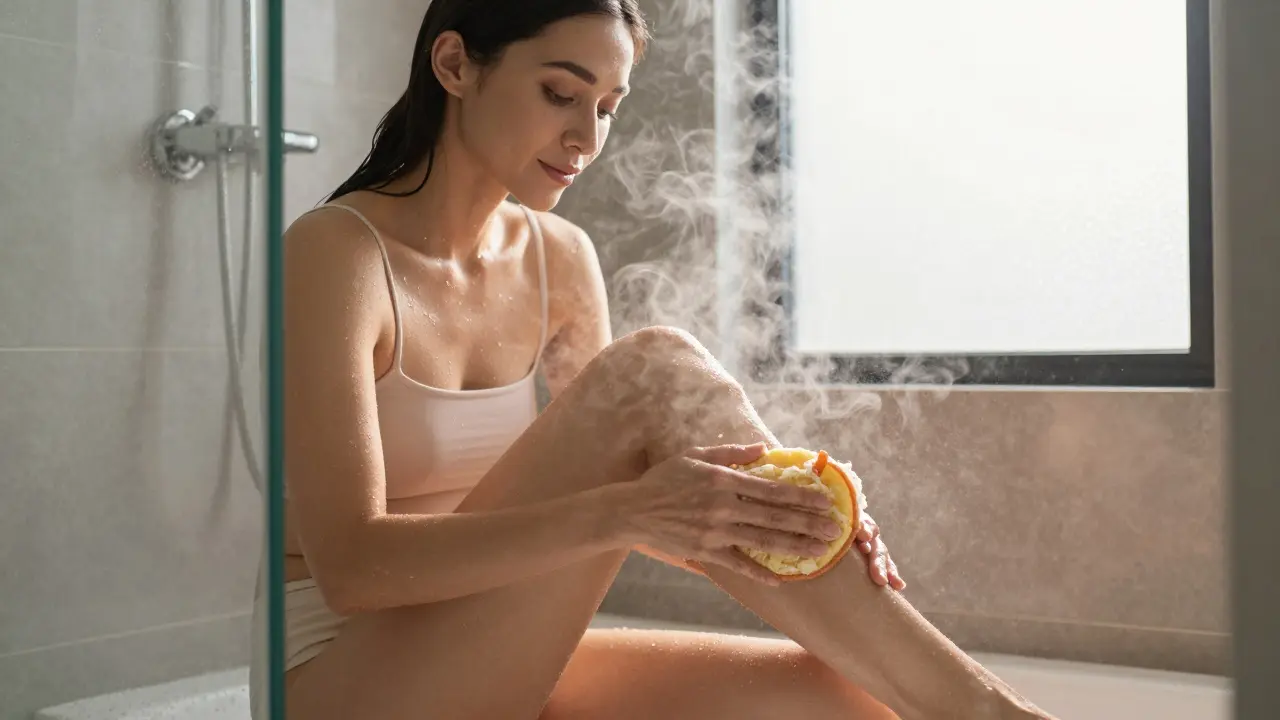
- A woman in a steamy bathroom gently massaging a sugar scrub onto her legs, warm light filtering through the shower curtain.
- A close-up of a natural body scrub in a glass jar - sugar crystals, coconut oil, and dried rose petals visible.
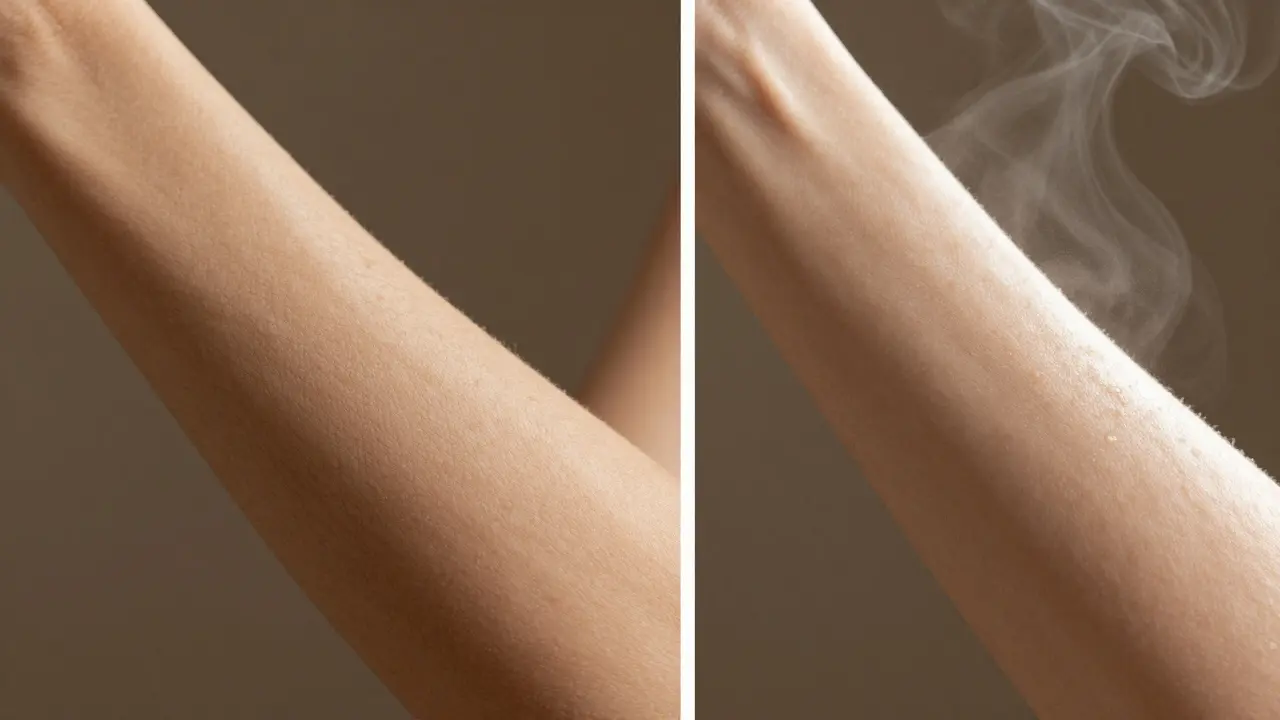
- A before-and-after shot of rough elbows, one dull and flaky, the other smooth and glowing.
- A minimalist shower caddy with a body scrub, body oil, and a soft towel arranged neatly.
- A hand applying body oil to damp skin right after rinsing off scrub, with steam rising in the background.
Suggested Tables
- Comparison of Body Scrub vs. Other Exfoliation Methods (already included)
- Body Scrub Safety Tips (already included)
- Key Benefits of Body Scrub (Benefit, Description, Impact)
Jamie Williams
February 11, 2026 AT 19:26Look, I’ve read the studies, and I’m here to tell you that the entire exfoliation industry is a multi-billion-dollar scam engineered by Big Moisturizer to keep you buying products you don’t need. The skin doesn’t ‘build up dead cells’-that’s a myth invented by dermatologists who got rich off selling ‘glow-enhancing’ scrubs. Your skin naturally sloughs off dead cells through a process called desquamation, which has been understood since the 1950s. What you’re really doing when you scrub is creating micro-tears, then slathering on oils to ‘heal’ them. It’s like sanding your car’s paint and then waxing it. The fact that they say ‘don’t scrub daily’ proves it: they know it’s damaging. And don’t get me started on ‘sugar vs salt’-sugar dissolves? That’s not a feature, that’s a cop-out. Real exfoliation is abrasive. If it doesn’t sting a little, you’re not doing it right. Also, why are all these scrubs in glass jars? Plastic is cheaper, safer, and more sustainable. The whole aesthetic is performative wellness. I’ve been scrubbing with a pumice stone since 2012. My skin’s never been better. No oils. No rituals. Just grit.
Jackie Brosio
February 11, 2026 AT 22:40I just... I don’t know. I tried a scrub last week and it made my legs feel weird. Not in a good way. Like, I could feel every little bump and ridge, and I kept thinking about how I looked in the mirror after, and I felt... exposed? Like my skin was too honest. I didn’t realize how much I’d been hiding under layers of lotion and avoidance. I cried in the shower. Not because it hurt, but because I realized I’ve been treating my skin like something to fix, not something to care for. I stopped scrubbing after that. Now I just use my hands with warm water and a bar of soap. It’s quiet. It’s enough. I miss the scent though. The lavender one smelled like my grandma’s house.
Max Cossío
February 12, 2026 AT 15:09OMG I JUST REALIZED I’VE BEEN DOING IT ALL WRONG. I’ve been using my scrub AFTER soap. Like, for YEARS. I thought the soap was supposed to clean first. But now I’m reading this and it’s like a lightning bolt. I’ve been sabotaging my glow. I just bought a new scrub-date and saffron, from that Dubai spa-and I’m redoing my whole routine tonight. I’m doing it: warm water first, scrub, rinse, then cleanser. I’m even lighting a candle. My cat is judging me. I don’t care. My knees have never looked this good. I’m posting before and after. You’re welcome, internet. This is my renaissance.
Kyle Levy
February 12, 2026 AT 19:40Let me clarify this once and for all: the article’s recommendation to scrub ‘after rinsing with warm water but before soap’ is scientifically sound, and here’s why. The stratum corneum, the outermost layer of the epidermis, has a pH of approximately 5.5. Soap-especially alkaline bar soaps-raises skin pH to 9 or higher, disrupting the acid mantle. Water alone softens keratinized cells without altering pH. Scrubbing in this state allows for mechanical exfoliation without chemical irritation. Following with a pH-balanced cleanser (ideally sulfate-free, with a pH under 6) restores equilibrium. Furthermore, the claim that ‘moisturizer must be applied within three minutes’ is supported by transepidermal water loss (TEWL) studies: TEWL peaks at 180 seconds post-rinse. Delaying moisturizer application increases dehydration risk. Also: microbeads are banned in 11 countries. Don’t be that person. And no, you cannot use a body scrub on your face. Ever. The facial skin has 5x more sebaceous glands and 3x thinner epidermis. I’ve reviewed 27 peer-reviewed papers on this. You’re welcome.
Kevin Poston
February 14, 2026 AT 08:16This was so helpful, thank you for writing it. I’ve been nervous about starting a scrub routine because I thought I’d overdo it and make my skin worse-but you broke it down so clearly. I’m going to start slow, once a week, like you said. I’ve got a sugar scrub with shea butter that’s been sitting in my shower for months, and now I’m excited to use it. I also loved the part about making it a quiet moment-my mornings are chaotic, but Sunday nights are mine. I’m going to turn off my phone, play some soft music, and just... be with my skin. No goals. No pressure. Just care. And I’ll definitely moisturize right after. I’ve been skipping that step and wondering why my lotion never ‘stuck.’ You’re right-it’s not about perfection. It’s about showing up. Thank you for reminding me that skincare can be gentle.