Feel Sick After Cupping? Here’s What Really Happens
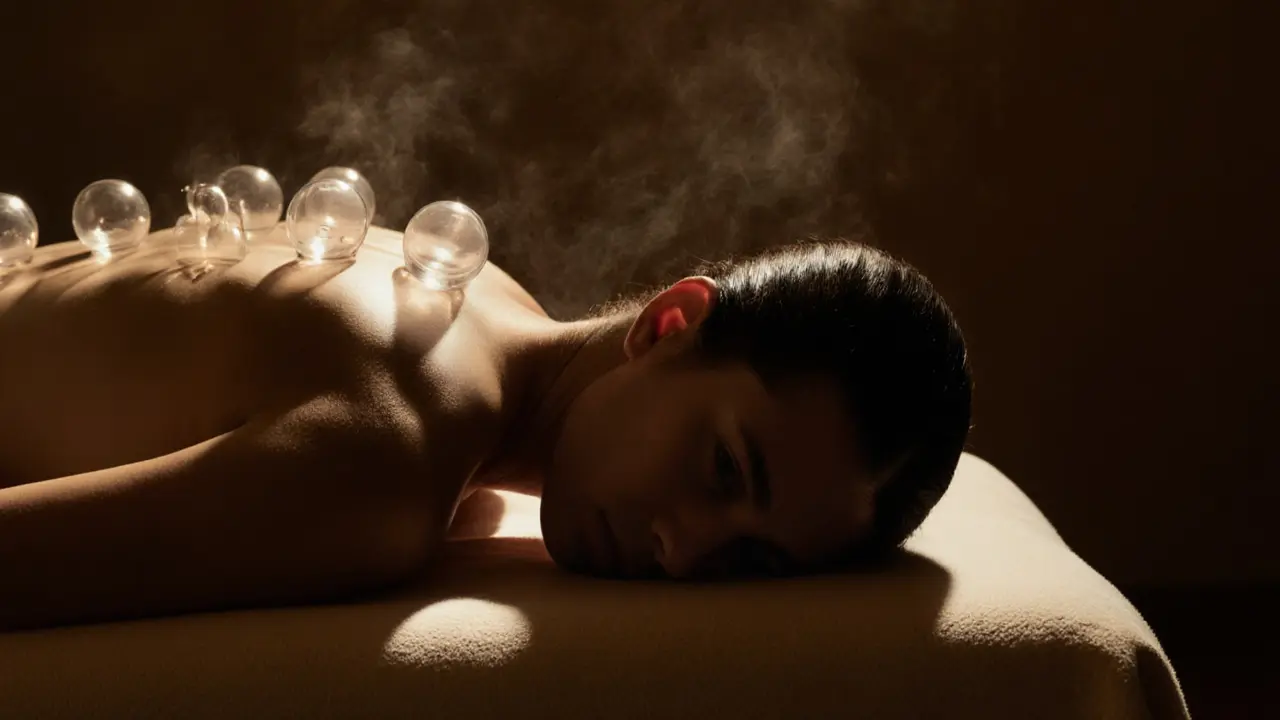
When you feel sick after cupping, a traditional therapy that uses suction to pull blood to the skin’s surface. Also known as cupping therapy, it’s meant to ease muscle pain and improve circulation—but sometimes, your body reacts differently. You might get dizzy, nauseous, or even break out in a cold sweat. It’s not just in your head. This isn’t rare, especially if you’re new to it or your body’s under stress.
Cupping side effects, like nausea or fatigue, often happen when the detox process moves too fast. Your body releases toxins stored in tissues, and if your liver or kidneys aren’t ready, you feel it. This isn’t magic—it’s biology. People in Dubai who do cupping after long flights, high heat, or dehydration are more likely to feel off. It’s not the cupping itself. It’s what’s already inside you. The same goes for cupping recovery, how your body heals after the session. If you skip water, eat heavy food, or jump into the sun right after, you’re asking for trouble. Recovery isn’t passive. It needs planning.
Some clinics push cupping like it’s a cure-all. But if you’re feeling sick, it’s not working. It’s overdoing it. The best results come from gentle, spaced-out sessions—not one intense blast. Think of it like exercise: you don’t run a marathon on day one. Your muscles need time. So do your organs.
What helps? Drink water before, during, and after. Skip caffeine and alcohol. Eat light—something easy like soup or fruit. Rest. Don’t rush back into heat or stress. If you feel sick, it’s your body’s way of saying slow down. Most people feel better in 12 to 24 hours. If you don’t? Talk to a professional. It could be something else.
Below, you’ll find real guides from people who’ve been through this—why they felt sick, what they changed, and how they got back on track. No fluff. Just what works.