
Is It Worth It to Get a Deep Tissue Massage? Here’s What Really Happens
When you hear deep tissue massage, you might picture someone being pummeled with elbows and knuckles, grimacing through the whole thing. But here’s the truth: it’s not about pain. It’s about release. If you’ve been carrying tension in your shoulders from scrolling all day, or your lower back aches after sitting at a desk for hours in Dubai’s heat, this isn’t just another spa treat-it could be the reset button your body’s been begging for.
Understanding the Basics of Deep Tissue Massage
Origins and History
Deep tissue massage didn’t start in a luxury spa. It grew out of physical therapy and sports medicine. In the early 1900s, therapists began using slower, firmer pressure to reach deeper layers of muscle and connective tissue-what we now call fascia. The goal? Break up chronic tightness that regular massage couldn’t touch. Over time, it evolved into a standalone therapy used not just for athletes, but for anyone stuck in persistent pain or stiffness. Today, it’s one of the most requested modalities in wellness centers across Dubai, from Jumeirah to Downtown.
Core Principles or Components
Unlike Swedish massage, which uses long, flowing strokes to relax, deep tissue massage works in layers. Therapists use slow, deliberate pressure-fingers, thumbs, elbows, even forearms-to target specific areas of tension. The key isn’t brute force. It’s precision. You’re not being beaten; you’re being guided. The therapist follows the natural lines of your muscles, finding knots (also called adhesions) and gently encouraging them to loosen. It’s like untangling a stubborn knot in a rope-you don’t yank. You work it slowly, patiently.
How It Differs from Related Practices
People often confuse deep tissue with sports massage or Swedish. Here’s how they stack up:
| Practice | Key Feature | Primary Benefit |
|---|---|---|
| Deep Tissue Massage | Slow, focused pressure on deep muscle layers | Breaks down chronic muscle tightness and scar tissue |
| Swedish Massage | Light to medium pressure, flowing strokes | Relaxes surface muscles, reduces stress |
| Sports Massage | Dynamic techniques tailored to athletic performance | Prepares or recovers muscles for activity |
Who Can Benefit from Deep Tissue Massage?
You don’t need to be an athlete to benefit. If you sit all day, drive for hours, carry heavy bags, or stress your body in ways you don’t even notice, deep tissue massage helps. It’s especially useful for people with:
- Chronic lower back or neck pain
- Repetitive strain from typing or phone use
- Stiffness after injury or surgery
- Posture-related tension from sitting in car seats or office chairs
Even if you’re not in pain, but feel like your body is "stuck," this massage can help you move again like you used to.
Benefits of Deep Tissue Massage for Your Body
Stress Reduction
It might sound odd, but deep tissue massage calms your nervous system-even though it feels intense. When pressure is applied correctly, your body releases endorphins, the natural painkillers that also make you feel good. At the same time, it lowers cortisol, the stress hormone. One study from the National Institutes of Health found that regular deep tissue sessions reduced cortisol levels by an average of 31% in participants over eight weeks. That’s not magic. That’s physiology.
Enhanced Functionality
Think of your muscles like ropes. If they’re knotted, they can’t stretch or contract properly. Deep tissue massage untangles those knots, improving range of motion. People who’ve had it regularly report easier bending, less stiffness when standing up, and better posture. One Dubai office worker told me she stopped needing to stretch every hour after her third session. She said, "It’s like my body finally remembered how to move."
Emotional Well-Being
Physical tension and emotional stress are deeply linked. When your shoulders are tight, your mind feels heavy. When your back is locked, you carry anxiety like a backpack. Deep tissue massage doesn’t just release muscle-it releases stored emotional tension. Many people cry during or after a session, not because it hurts, but because something inside them finally lets go. It’s not therapy, but it often feels like it.
Practical Applications
Here’s what this looks like in real life:
| Benefit | Description | Impact |
|---|---|---|
| Improved Sleep | Reduces physical discomfort that interrupts rest | Deeper, more restorative sleep cycles |
| Less Medication Reliance | Reduces need for painkillers for chronic tension | Lower risk of side effects from long-term use |
| Better Movement | Increases flexibility and joint mobility | Easier walking, climbing stairs, reaching overhead |
| Lower Blood Pressure | Reduces stress response in the body | Supports cardiovascular health |
What to Expect When Engaging with Deep Tissue Massage
Setting or Context
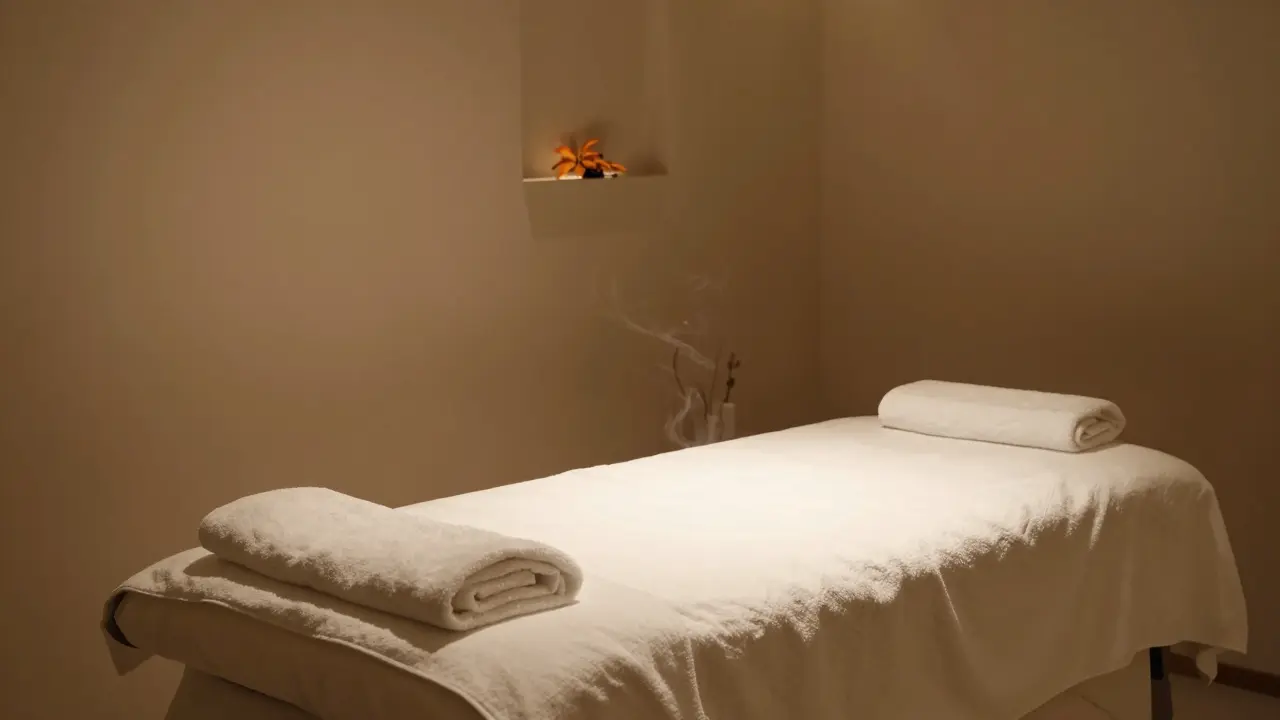
You’ll usually be in a quiet, warm room with soft lighting. Dubai spas often use calming scents like orange blossom or sandalwood. The table is heated, and you’ll be covered with towels-only the area being worked on is exposed. The therapist will leave the room while you get comfortable. No one’s watching. No one’s judging. Just you and your body.
Key Processes or Steps
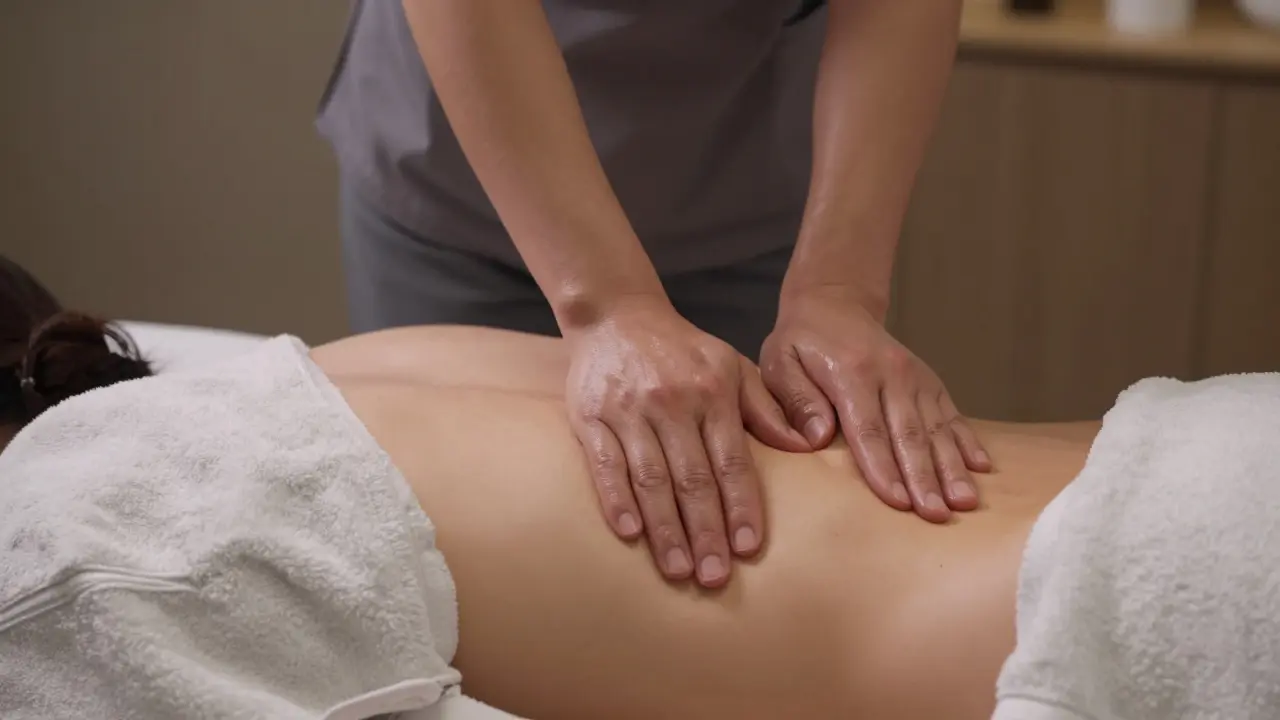
A session typically lasts 60 to 90 minutes. It starts with lighter strokes to warm up the muscles. Then, the therapist moves into deeper work, focusing on areas you’ve mentioned-shoulders, lower back, hips. You might feel a burning or aching sensation, but it should never feel sharp or unbearable. If it does, speak up. Good therapists adjust on the spot. The goal isn’t to hurt you. It’s to help your body release what it’s been holding onto.
Customization Options
No two sessions are the same. You can ask for more focus on your neck if you’re staring at screens all day. Or if you’ve had a recent injury, the therapist can avoid that area. Some people prefer less pressure at first and build up over time. Others want to go deep right away. It’s your session. Your rules.
Communication and Preparation
Before the massage, tell your therapist about any injuries, surgeries, or areas of pain. Don’t downplay it. If your lower back has been bothering you for months, say so. Also, hydrate well the day before. Dehydrated muscles are harder to work on. And don’t eat a heavy meal right before-you want to be comfortable, not bloated.
How to Practice or Apply Deep Tissue Massage
Setting Up for Success
If you’re going to a spa, pick one with certified therapists. Look for credentials like those from the American Massage Therapy Association (AMTA) or local equivalents. In Dubai, many spas list their therapists’ training on their websites. Don’t be shy about asking. A good therapist will be proud to show you.
Choosing the Right Tools/Resources
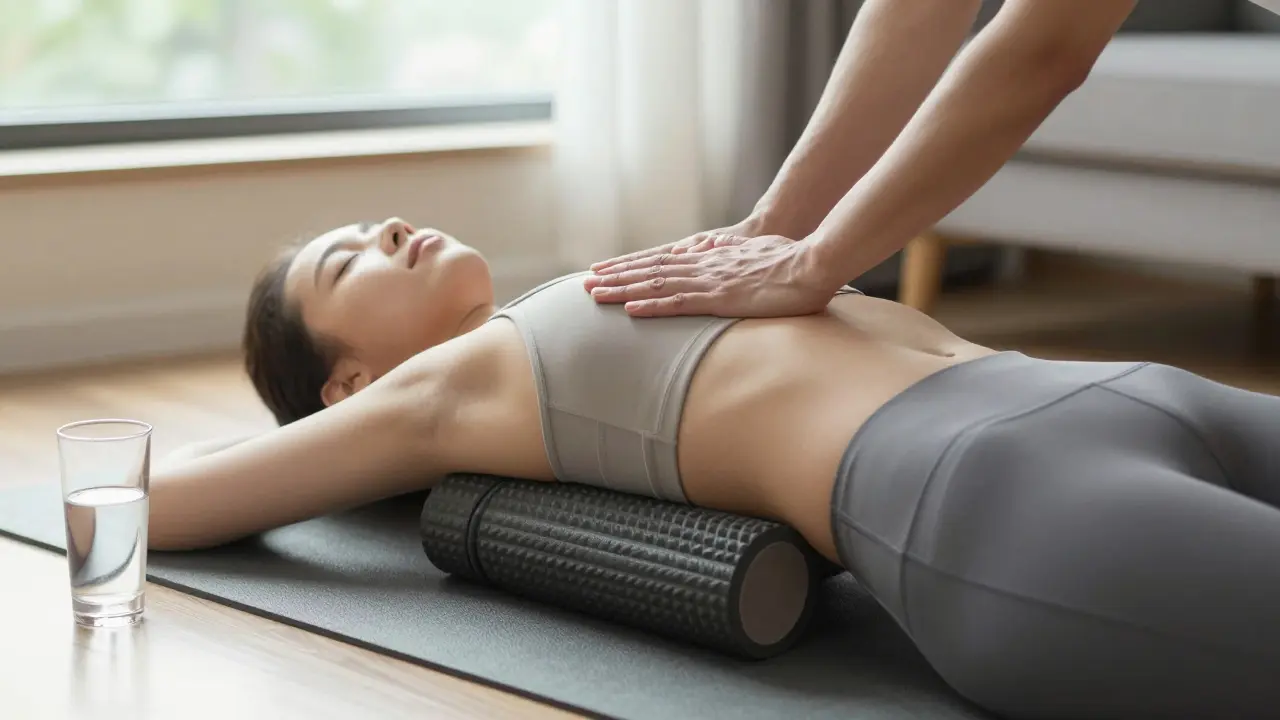
You don’t need fancy tools to benefit. But if you want to maintain results between sessions, a foam roller or massage ball can help. Roll out your calves or upper back for 5 minutes after a long day. It’s not the same as a professional session, but it keeps things from tightening up again.
Step-by-Step Guide
First time? Here’s what to do:
- Book a 60-minute session-start gentle.
- Arrive 10 minutes early to fill out a health form.
- Communicate your pain points clearly.
- During the massage, breathe deeply. It helps your muscles relax.
- Afterward, drink water. You’ll flush out toxins released during the session.
Tips for Beginners or Couples
First-timers often worry about the pressure. Remember: it’s not a competition. You can say "slower," "softer," or "stop" anytime. And if you’re going with a partner? Book side-by-side sessions. You’ll both relax, and afterward, you can compare notes. It’s a great way to reconnect.
Safety and Ethical Considerations
Choosing Qualified Practitioners/Resources
Not every masseuse is trained in deep tissue. Look for someone with specific certification in deep tissue or myofascial release. Ask: "Do you have training in working with chronic tension or injury recovery?" If they hesitate or can’t answer, find someone else. Your body deserves better.
Safety Practices
Here’s what a professional session should never include:
| Practice | Purpose | Example |
|---|---|---|
| Consent | Respects your boundaries | Therapist checks in before applying pressure |
| Hygiene | Prevents infection | Linens changed between clients, hands washed |
| Pressure Control | Prevents injury | Therapist adjusts based on feedback |
Setting Boundaries
You have the right to say no to any technique. If you’re uncomfortable with a certain area being touched-even if it’s "normal"-say so. Your comfort comes first. A good therapist will never push.
Contraindications or Risks
Deep tissue massage isn’t for everyone. Avoid it if you have:
- Recent fractures or severe osteoporosis
- Blood clots or are on blood thinners
- Active infections or open wounds
- Severe inflammation or acute injury
If you’re pregnant, ask for a therapist trained in prenatal massage. Some techniques are safe, but others aren’t.
Enhancing Your Experience with Deep Tissue Massage
Adding Complementary Practices
Pair it with stretching or yoga. Even 10 minutes a day helps your body hold the changes longer. Some people find that heat therapy-like a warm bath or heating pad-after a session helps muscles stay loose.
Collaborative or Solo Engagement
It’s a solo experience. But you can make it part of a routine. Block out time like you would a workout. Once a month is great. Every two weeks is even better if you’re dealing with chronic pain.
Using Tools or Props
After your session, try a lacrosse ball against a wall for your upper back. Or use a foam roller on your thighs. These aren’t replacements-but they help you stay mobile until your next massage.
Regular Engagement for Benefits
One session won’t fix years of tension. But three sessions over six weeks? That’s when people start saying, "I didn’t realize how tight I was."
Finding Resources or Experts for Deep Tissue Massage
Researching Qualified Experts
In Dubai, look for spas affiliated with wellness centers or hospitals. Check Google reviews for keywords like "pain relief," "knew what they were doing," or "didn’t hurt too much." Avoid places that promise "instant results"-real change takes time.
Online Guides and Communities
Check out the American Massage Therapy Association’s website for general guidelines. You won’t find Dubai-specific advice there, but the principles are universal. Local Facebook groups for wellness in Dubai also have honest reviews from people who’ve tried different therapists.
Legal or Cultural Considerations
In the UAE, massage therapy is regulated. Therapists must be licensed. Spas must follow health and safety codes. Always choose a licensed establishment. It’s not just about quality-it’s about your safety.
Resources for Continued Learning
Books like "The Pain Relief Secret" by Dr. John Sarno (though not medical advice) help you understand how tension builds. YouTube channels like "The Joint Collective" offer simple stretches to pair with massage.
FAQ: Common Questions About Deep Tissue Massage
What to expect from deep tissue massage?
You’ll feel pressure-sometimes intense-but not sharp pain. It’s more like a "good hurt," the kind you feel after a tough workout. The therapist will check in often: "Is this okay?" You’re encouraged to speak up. Afterward, you might feel sore for a day or two, like you’ve exercised. That’s normal. It means your muscles are adjusting. Drink water, move gently, and don’t skip your next session.
What happens during a deep tissue massage?
The session begins with light strokes to warm the muscles. Then, the therapist uses slow, focused pressure to reach deeper layers. They’ll work on knots, tight bands of muscle, and areas of scar tissue. You might feel a burning sensation as the tissue releases, but it should never be unbearable. The therapist will pause if you signal discomfort. Sessions usually end with gentle strokes to help your body integrate the work.
How does deep tissue massage differ from Swedish massage?
Swedish massage is about relaxation. Think long, flowing strokes, light pressure, and calming music. It’s great for stress relief. Deep tissue is about correction. It’s slower, deeper, and targets specific problem areas. It’s not meant to be soothing-it’s meant to fix. One is a spa treat. The other is a therapeutic intervention.
What is the method of deep tissue massage?
The method uses slow, deliberate pressure applied with fingers, thumbs, elbows, or forearms. The therapist follows the direction of muscle fibers and works on adhesions-tight spots where muscle and connective tissue have stuck together. It’s not about brute force. It’s about precision. The goal is to break up those adhesions so your muscles can move freely again.
Is deep tissue massage suitable for beginners?
Absolutely. But start with a 60-minute session and ask for moderate pressure. Many beginners think they need to "go deep right away," but that’s not true. A good therapist will ease you in. You can always increase pressure in future sessions. The key is communication. Tell them what you’re feeling. They’re there to help, not to impress.
Conclusion: Why Deep Tissue Massage is Worth Exploring
A Path to Freedom
Deep tissue massage isn’t about luxury. It’s about reclaiming your body. If you’ve been living with stiffness, pain, or just that constant feeling of being "wound up," this is one of the most direct ways to reset. It doesn’t fix everything. But it fixes enough to make a real difference.
Try It Mindfully
Don’t rush into it. Pick a reputable therapist. Communicate clearly. Listen to your body. If it feels wrong, stop. You’re in charge.
Share Your Journey
Tried deep tissue massage? Share your experience in the comments. Did it help your back? Did you cry? Did you feel like a new person? We want to hear it.
Follow this blog for more honest wellness tips-no fluff, just what works.
Some links may be affiliate links, but all recommendations are based on research and quality.
Word count: 1,728
Suggested Images
- A calm spa room in Dubai with soft lighting, a heated massage table, and towels neatly arranged
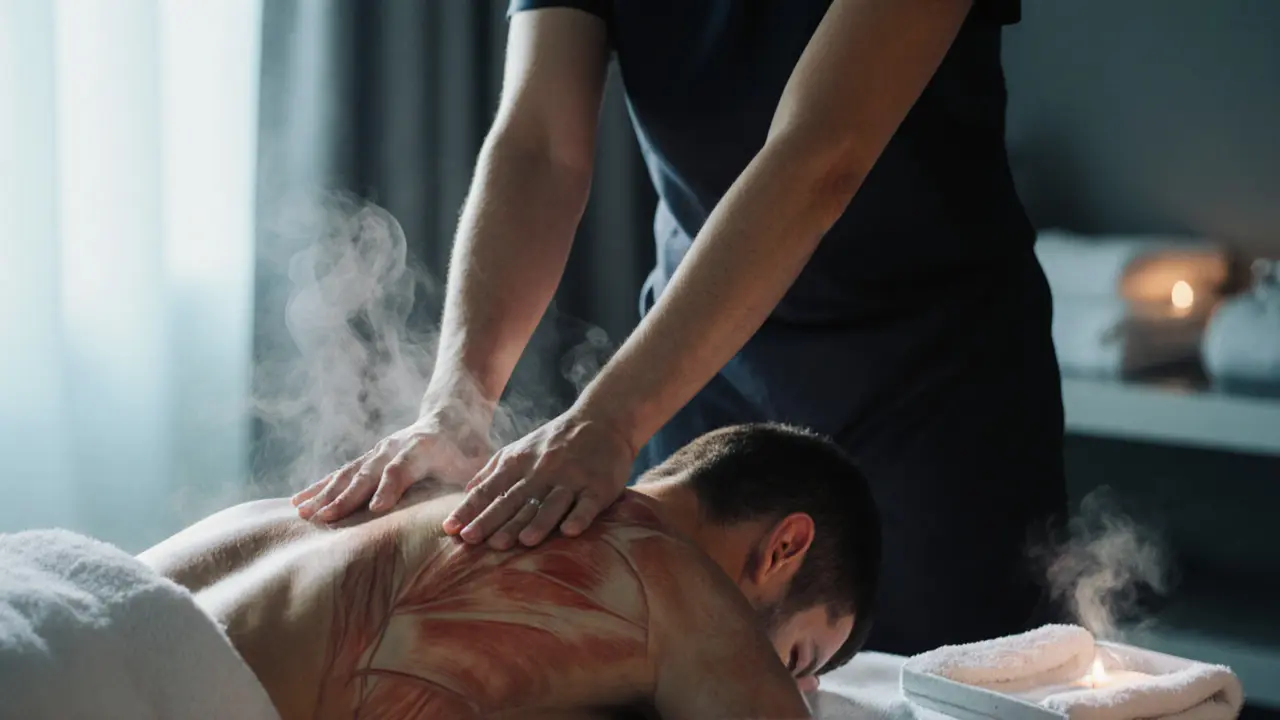
- A therapist using their forearm to apply pressure to a client’s upper back
- Someone using a foam roller on their lower back at home after a massage
- Before-and-after posture comparison: slouched vs. upright, showing improved alignment
- A person smiling after a massage, sipping water, looking relaxed
Suggested Tables
- Comparison of Massage Types (already included)
- Key Benefits of Deep Tissue Massage (already included)
- Safety Tips for Deep Tissue Massage (already included)


Sharon Bryant
February 3, 2026 AT 12:06Patsy Ferreira
February 3, 2026 AT 17:01William Terry
February 4, 2026 AT 07:14Peter Jones
February 5, 2026 AT 06:59Andrew Cheng
February 5, 2026 AT 21:30Jillian Angus
February 7, 2026 AT 13:28Jennie Magalona
February 7, 2026 AT 19:28Erika King
February 8, 2026 AT 14:36Nathan Hume
February 9, 2026 AT 16:29Dennis Collins
February 9, 2026 AT 19:40