
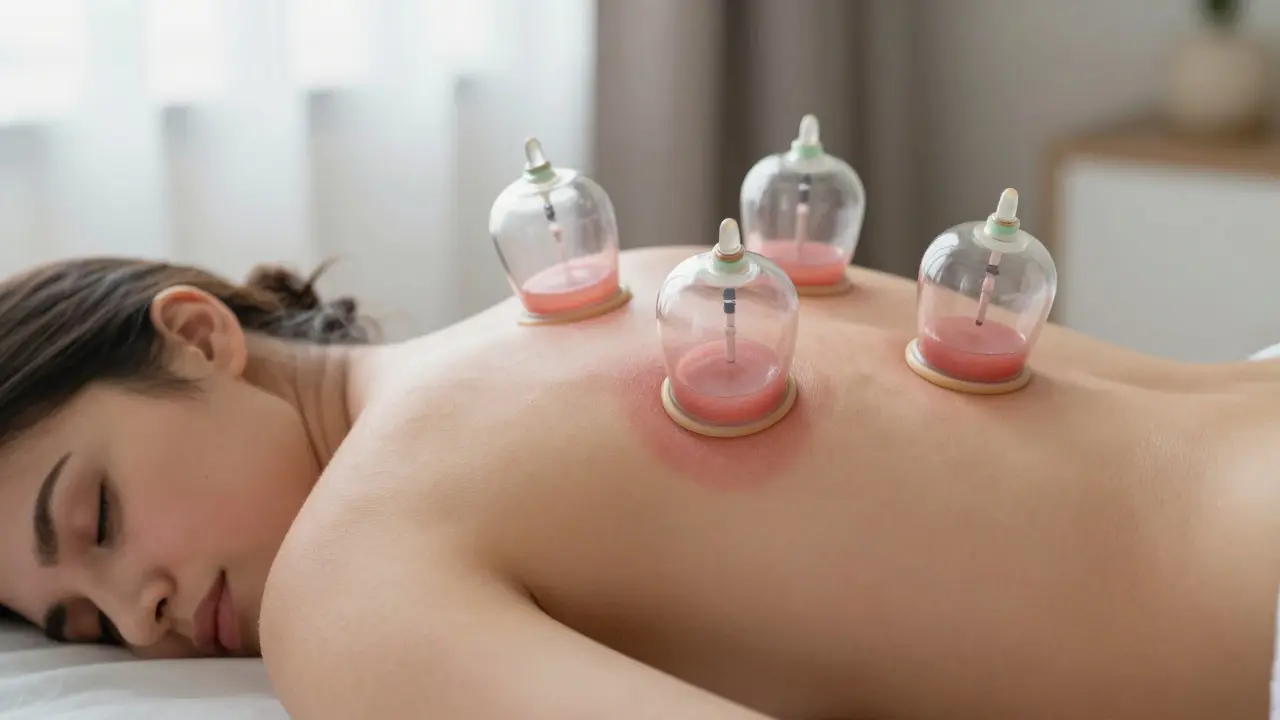
When you get cupping therapy, a traditional healing practice where suction is applied to the skin using cups, it aims to improve circulation, reduce pain, and promote healing. But after the session, many people wonder: rest days after cupping-how many do you need? The answer isn't one-size-fits-all-it depends on several factors like the type of cupping and your body's response. Let's break it down.
Understanding Cupping Therapy Basics
Cupping therapy has roots in ancient Chinese medicine, dating back over 3,000 years. Originally using animal horns or bamboo cups, it evolved into today's glass or silicone cups. The process creates suction on the skin, drawing blood to the area to stimulate healing. In Dubai's spas, this practice is popular for pain relief and relaxation.
How It Works
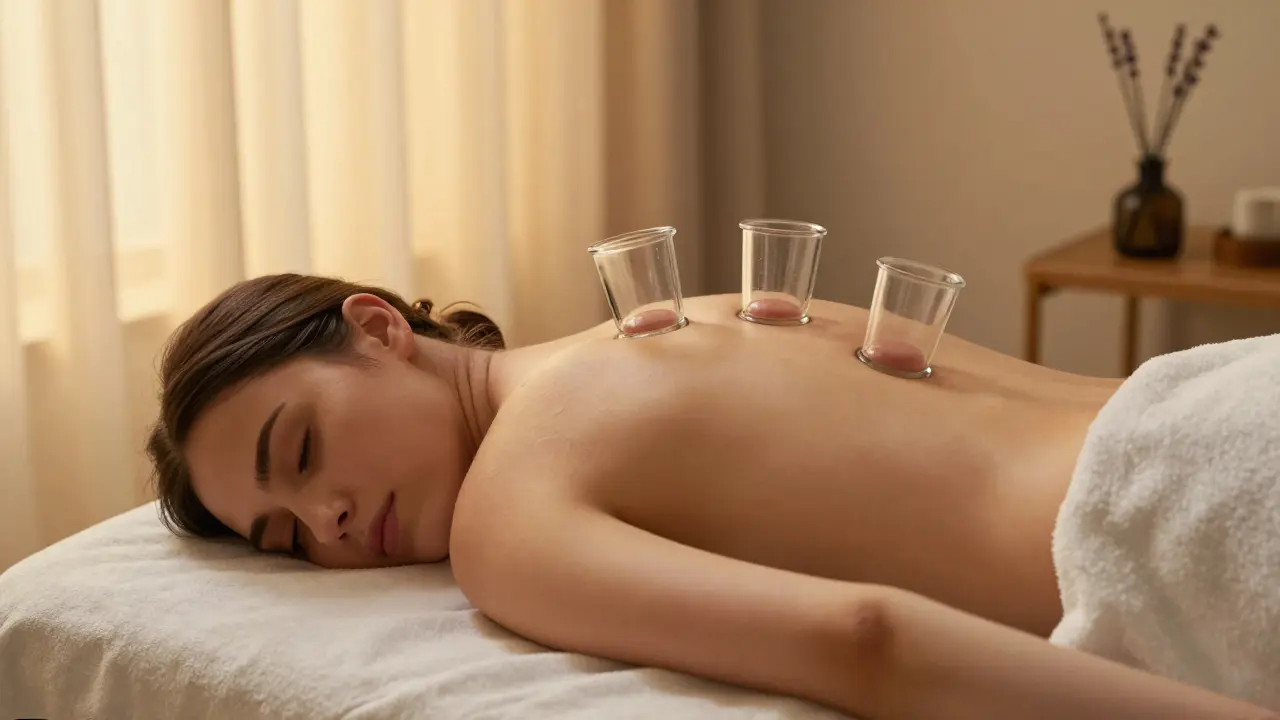
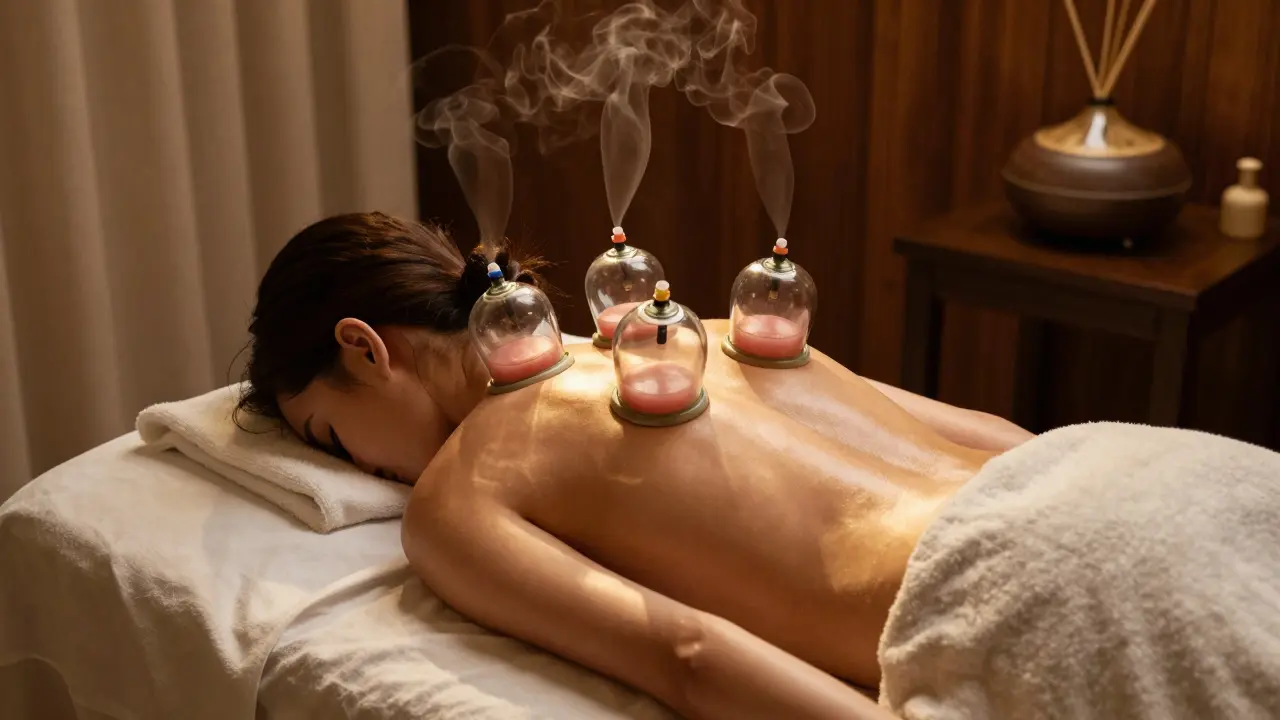
During cupping, a cup is placed on the skin and air is removed to create suction. This pulls the skin upward, increasing blood flow to the area. It's not about breaking the skin (unless it's wet cupping), but rather gently lifting the tissue. Think of it like a reverse massage-instead of pressing down, the cups lift the muscles and connective tissue. This helps release tension and improve circulation.
Dry vs. Wet Cupping
There are two main types: dry and wet cupping. Dry cupping uses only suction, while wet cupping involves making tiny punctures in the skin before applying the cups to draw out a small amount of blood. Wet cupping is less common and requires a licensed practitioner. In Dubai, most spas offer dry cupping for general wellness, while wet cupping is typically reserved for specific medical conditions under professional supervision.
Who Should Avoid Cupping?
Cupping isn't for everyone. People with bleeding disorders, open wounds, or pregnant women should avoid it. Also, those with severe skin conditions or taking blood thinners should consult a doctor first. If you're unsure, always talk to a healthcare provider before trying cupping.
Why Rest Matters After Cupping
Skin Reactions and Healing
After cupping, you'll likely see circular marks on your skin. These aren't bruises but temporary discoloration from the suction pulling blood to the surface. The marks usually fade within 3 to 7 days. During this time, your skin is healing, so it's important to avoid harsh treatments like hot showers or tight clothing that could irritate the area. Let your skin breathe and recover naturally.
Body's Recovery Process
Your body works to repair the micro-trauma caused by the suction. This process requires energy, so resting helps your system focus on healing. If you jump into intense exercise or stress right after, you might delay recovery or even cause more discomfort. Think of it like a workout-you wouldn't run a marathon the day after lifting weights, right? Give your body time to adjust.
How Many Days to Rest? Key Factors
Type of Cupping
Dry cupping generally requires less rest than wet cupping. For dry cupping, most people can resume light activities the same day or next day. Wet cupping involves minor skin punctures, so you'll need at least 24 to 48 hours of rest to prevent infection and allow the tiny wounds to heal. Always follow your practitioner's advice based on the type you received.
Intensity of Treatment
How hard the cups were suctioned matters. Light suction might only need a day of rest, while deeper suction could require 2 to 3 days. If you feel soreness or fatigue after the session, that's a sign your body needs more recovery time. Listen to your body-it's the best guide.
Individual Health Factors
Your overall health affects recovery. If you're young and fit, you might bounce back quickly. But if you have chronic conditions like diabetes or poor circulation, healing could take longer. Also, age plays a role-older adults often need more rest. Always consider your personal health when deciding how long to rest.
Activity Level
Your usual activity level matters too. Athletes or people with physically demanding jobs might need more rest than someone with a desk job. If you're used to heavy lifting or intense exercise, give yourself at least 48 hours before returning to those activities. Light walking or stretching is usually fine sooner.

Signs You Need More Rest
Persistent Pain or Swelling
If pain or swelling lasts more than a few days, it's a sign you need to rest longer. Mild soreness is normal, but sharp or worsening pain could indicate overstimulation or injury. Stop any strenuous activity and consult your practitioner if symptoms don't improve.
Excessive Bruising or Skin Changes
While some discoloration is expected, excessive bruising, blistering, or skin irritation means you need more rest. This could be a sign that the suction was too intense or your skin is sensitive. Avoid touching the area and let it heal completely before any further treatments.
Fatigue or Dizziness
Feeling unusually tired or dizzy after cupping is a signal your body is stressed. This might mean you need more rest to recover. Drink plenty of water and avoid caffeine or alcohol. If symptoms persist, seek medical advice.
Practical Aftercare Tips
Stay Hydrated
Hydration is key after cupping. Drink plenty of water to help flush out toxins released during the session. Aim for at least 8 glasses a day. Avoid alcohol and caffeine, as they can dehydrate you and slow healing.
Gentle Movement
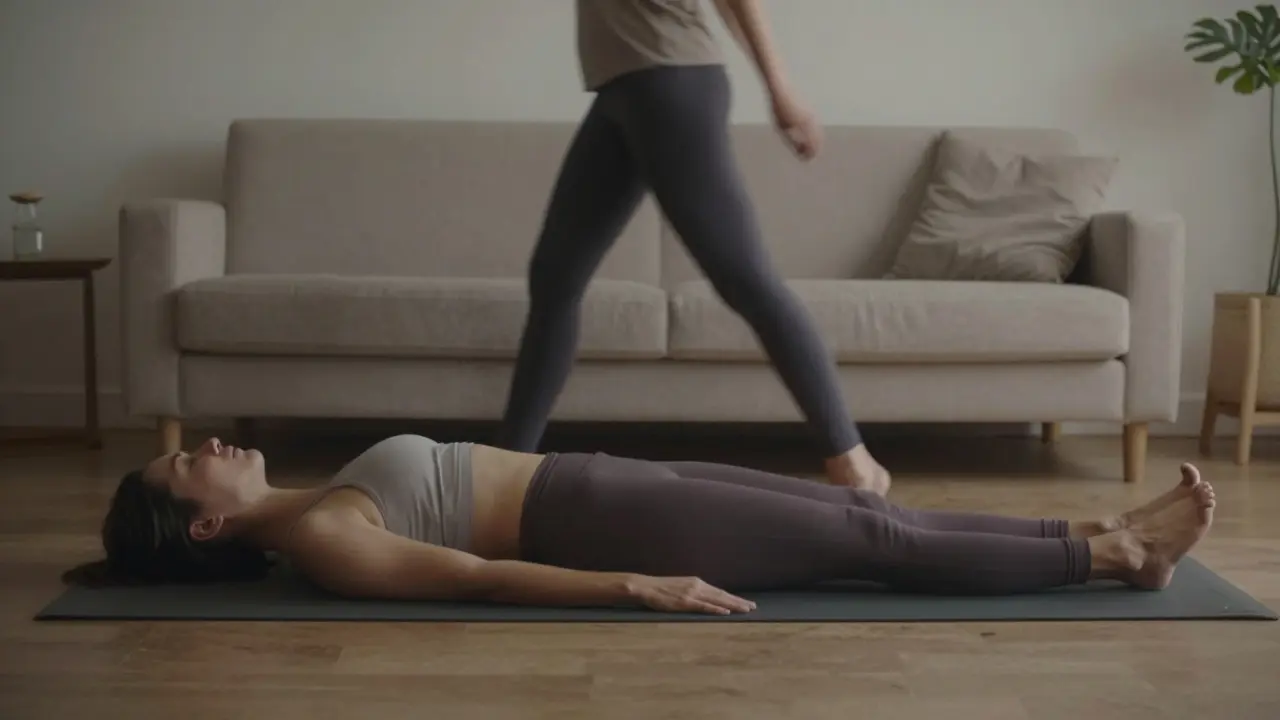
Light stretching or walking can improve circulation without straining your body. Try gentle yoga poses or a short walk around the block. But avoid heavy lifting, running, or intense workouts for at least 24 to 48 hours. Your body needs time to heal, so keep movement light and slow.
Avoid Heat and Strenuous Activity
For the first 24 hours, skip hot baths, saunas, or steam rooms. Heat can increase blood flow too much and worsen marks or swelling. Also, avoid sun exposure on the treated areas. If you must go outside, cover the cupping marks with loose clothing to protect them.
Listen to Your Body
Everyone's different. Some feel fine the next day; others need a few days off. Pay attention to how you feel. If you're tired, rest. If you're sore, take it easy. Trust your instincts-your body knows what it needs.
Common Misconceptions
Marks Mean It Worked
Many think darker cupping marks mean the treatment was more effective. But that's not true. Marks are just a reaction to suction intensity and skin sensitivity. A light mark doesn't mean it didn't work. The real benefit comes from improved circulation and tension release, not the appearance of the marks.
You Must Rest a Full Week
Some believe you need a full week off after cupping. In reality, most people can return to normal activities within 1 to 3 days. Only wet cupping or intense sessions might require more rest. Always follow your practitioner's specific advice rather than generic myths.
FAQ: Common Questions About Cupping Recovery
How long do cupping marks last?
Cupping marks typically fade within 3 to 7 days. These marks are not bruises but temporary discoloration from the suction pulling blood to the surface. Factors like skin sensitivity and cupping intensity affect how long they stay. Most people see the marks disappear within a week, but if they persist longer than 10 days, consult a healthcare provider.
Can I exercise after cupping?
Light exercise like walking or gentle stretching is usually fine the same day. However, avoid intense workouts, heavy lifting, or high-impact activities for at least 24 to 48 hours. This gives your body time to recover and prevents strain on the treated areas. Always check with your practitioner for personalized advice based on your session.
Is it normal to feel sore after cupping?
Yes, mild soreness is common, especially if the suction was deep. It's similar to the feeling after a workout. This usually goes away in a day or two. If the soreness is severe or lasts longer than 3 days, it might indicate overstimulation. In that case, contact your practitioner to discuss adjustments for future sessions.
Should I avoid alcohol after cupping?
Yes, it's best to avoid alcohol for at least 24 hours after cupping. Alcohol can dehydrate your body and interfere with the healing process. It may also increase blood flow, which could worsen bruising or swelling. Stick to water and hydrating drinks to support recovery.
How long before I can get another cupping session?
Most practitioners recommend waiting at least 7 to 10 days between sessions to allow full recovery. However, this depends on your skin's response and the intensity of the previous session. If you had wet cupping or experienced significant bruising, you might need up to 2 weeks. Always follow your practitioner's guidance for the safest schedule.
Conclusion: Listen to Your Body
There's no universal rule for rest days after cupping. Your recovery time depends on the type of cupping, your health, and how your body responds. The key is to pay attention to your signals-soreness, fatigue, or skin reactions. When in doubt, consult a qualified practitioner. In Dubai, many spas offer follow-up advice to ensure you heal safely. Remember, the goal is to support your body's natural healing, not rush it.
Jessica Kennedy
February 6, 2026 AT 14:36There's a typo: 'one-size-fits-all-it' should be 'one-size-fits-all-it' with an em dash.
Dry cupping typically needs only 24 hours rest.
Wet cupping requires 48 hours.
Don't ignore your body's signals - listen to it.
Rest is crucial for healing.
Many people think the marks indicate effectiveness, but that's a misconception.
The real benefit comes from improved circulation.
Proper rest ensures the body heals without complications.
You should avoid heat and strenuous activity for at least a day.
Hydration is key.
Drink plenty of water.
Avoid alcohol and caffeine.
Your body needs time to recover.
Trust me, I've done this many times.
The advice is too vague and could lead to mistakes.
Dentist Melbourne
February 8, 2026 AT 05:33Oh Jessica, you're such a Grammar Nazi! I've been doing cupping for 20 years in Melbourne and I can tell you - rest for a full week is non-negotiable.
Your '24 hours' advice is dangerous nonsense.
You're not a medical professional!
How dare you give advice like that?!
Cherie Corbett
February 9, 2026 AT 09:26Rest for a week.
Grant Cousins
February 9, 2026 AT 19:17After cupping, prioritize hydration and avoid strenuous activity for 24 hours.
Your body needs time to recover.
Follow medical guidelines for optimal results.
Zac C
February 10, 2026 AT 02:26Grant, your advice is too vague.
'Strenuous activity' includes even light walking.
Rest for 48 hours minimum.
No exceptions.
Also, 'hydrated' is not a word; it's 'hydration'.
Owolabi Joseph
February 10, 2026 AT 04:04Cupping induces microtrauma.
Hematoma formation is expected.
Rest period is 48-72 hours.
No hydration necessary.
Blood flow regulation is key.
Brian Barrington
February 10, 2026 AT 09:53Owolabi, you're oversimplifying.
Microtrauma isn't just about blood flow.
It's about the body's holistic response.
Rest isn't just time; it's about aligning with natural rhythms.
Also, 'hydration' is a noun - the correct phrase is 'stay hydrated'.