Islamic Bath Rules: What You Need to Know Before Trying a Hammam in Dubai
When you step into a Islamic bath, a ritual cleansing practice rooted in Islamic teachings that combines water, steam, and scrubbing for physical and spiritual purity. Also known as hammam, it’s more than a spa treatment—it’s a tradition tied to cleanliness, prayer, and community. In Dubai, where Islamic customs shape daily life, knowing the Islamic bath rules isn’t just polite—it’s essential to respect the culture and get the most out of your experience.
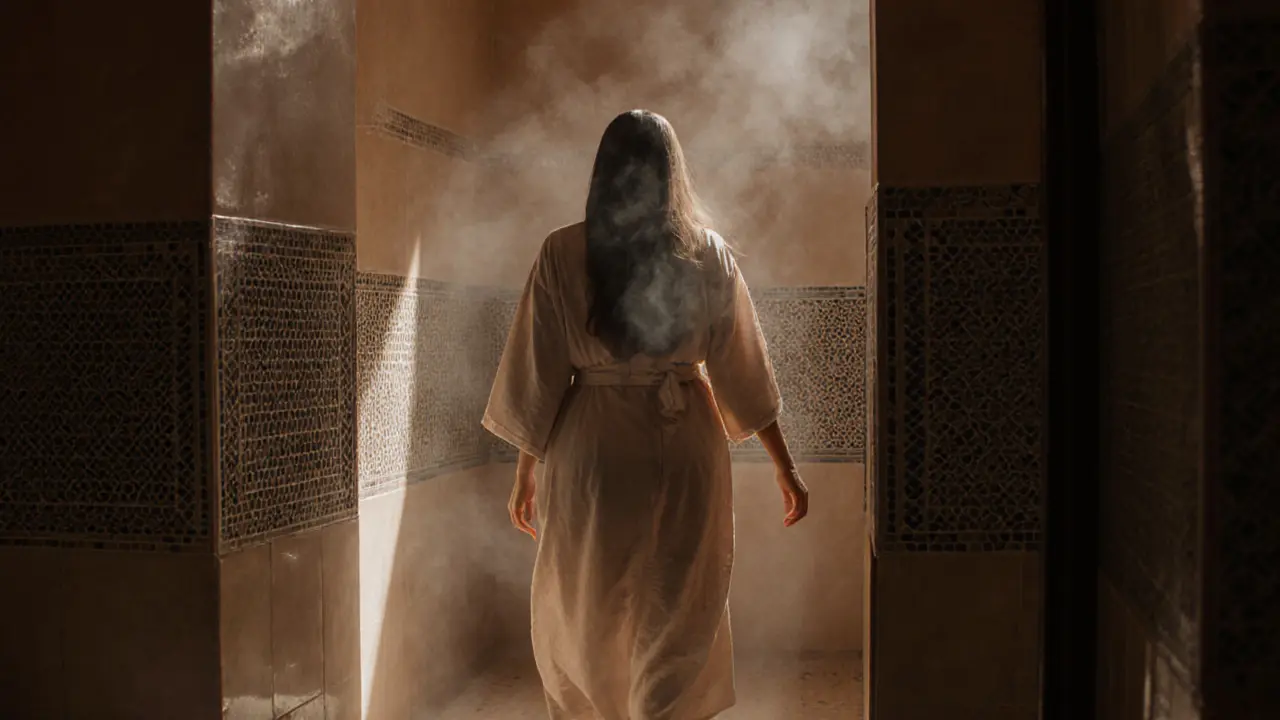
These rules aren’t arbitrary. They come from centuries-old practices around wudu, the Islamic ritual washing performed before prayer, which emphasizes clean skin and focused intention and ghusl, the full-body wash required after certain states like sexual activity or menstruation. In a hammam, you’re not just relaxing—you’re following a spiritual rhythm. That means modesty matters: women and men usually use separate areas or different hours, and covering your body with a towel or loincloth is standard. You won’t see people walking around uncovered, even in private sections. It’s not about restriction—it’s about dignity.
Timing also follows tradition. Many locals prefer visiting the hammam before Friday prayers or after a long day’s work, aligning the cleanse with spiritual reset. You’ll find that the water temperature, the use of black soap, and the scrubbing process all serve a purpose beyond beauty—they prepare the body for prayer and reflection. Even the way you rinse off, the order you move through rooms, and how you dry yourself quietly are all part of the unwritten code. This isn’t a luxury resort experience—it’s a living ritual, preserved in Dubai’s top spas by practitioners who understand its roots.
Some visitors think hammams are just steam rooms with extra steps. They’re wrong. The Moroccan hammam, a variation of the Islamic bath that uses argan oil, rhassoul clay, and vigorous exfoliation, is popular here—but it still follows the same core principles. Whether you’re in a luxury spa or a neighborhood bathhouse, the rules stay the same: no loud talking, no alcohol, no inappropriate touching, and always respect the space as sacred. Even chewing gum, which is frowned upon in public spaces, is a no-go in the steam room. These aren’t just spa rules—they’re cultural boundaries.
Understanding these practices helps you avoid awkward moments, stay safe, and truly connect with the experience. You’ll notice how locals move through the ritual with calm focus—no selfies, no rushing. That’s the point. The heat softens your skin, the scrub removes dead cells, and the quiet lets your mind settle. It’s not just about glowing skin. It’s about starting fresh.
Below, you’ll find real guides from people who’ve been there—on what to wear, when to shower, how to tip, and how to handle gender rules in mixed-use spaces. Whether you’re a first-timer or a regular, these posts cut through the noise and give you the facts you need to respect the tradition while enjoying it fully.