Thai Massage Tips: What Works, What to Expect, and How to Get the Most Out of It
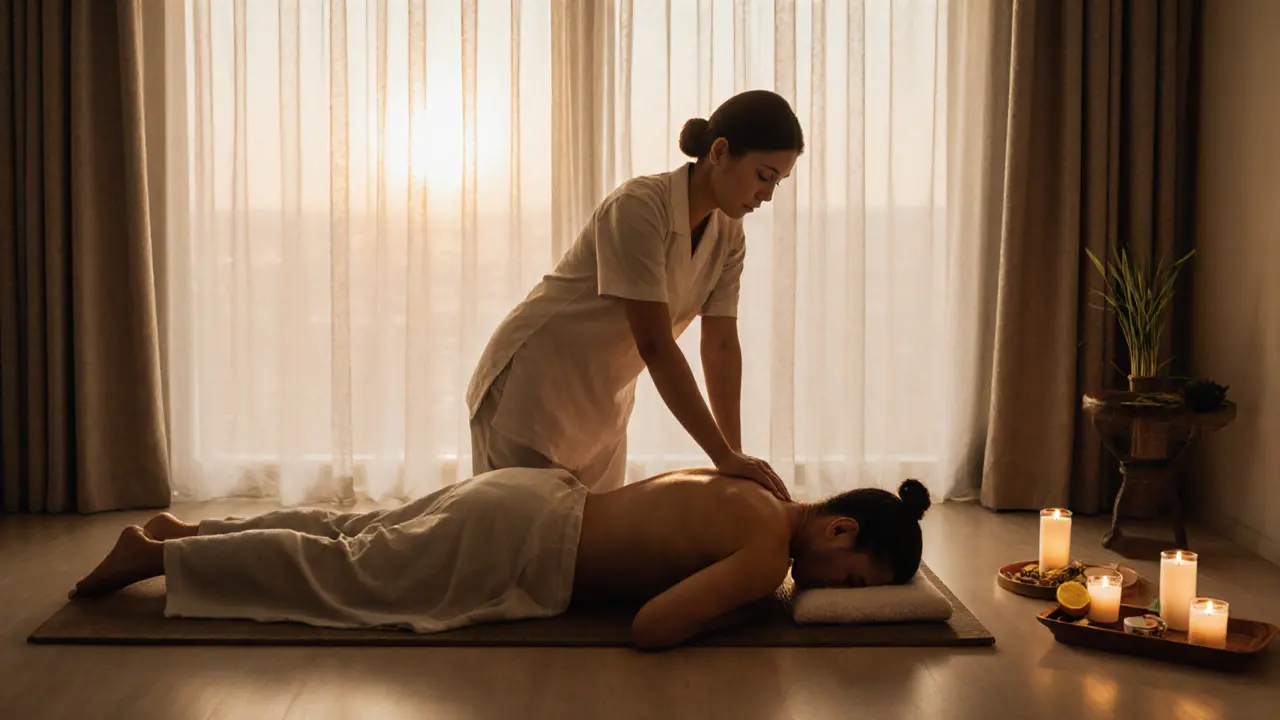
When you think of Thai massage, a dynamic form of bodywork combining acupressure, assisted yoga postures, and deep stretching. Also known as Ancient Thai Yoga Massage, it’s not just about relaxation—it’s about resetting your body’s alignment and releasing deep tension without oils or tables. Unlike Swedish or deep tissue massage, Thai massage happens on a mat, you stay fully clothed, and the therapist uses their hands, elbows, knees, and even feet to guide your body through stretches. It’s intense, it’s personal, and if you’ve never tried it, you might be wondering: Is this really for me?
Many people in Dubai come to Thai massage after trying other therapies and still feeling tight or stiff. The difference? Thai massage doesn’t just work on muscles—it moves joints, opens energy lines (called sen lines), and rewires how your body holds stress. If you sit at a desk all day, travel often, or carry tension in your shoulders and hips, this isn’t just another massage—it’s a full-body reset. You don’t need to be flexible. You don’t need to wear anything special. You just need to breathe and let go. And yes, it can feel strange at first. That’s normal. The therapist isn’t trying to hurt you—they’re trying to help your body release what it’s been holding onto for years.
One thing you’ll notice in Dubai spas is how much emphasis is placed on massage technique, the specific pressure, rhythm, and sequence used by trained therapists. Not all Thai massage is the same. Some places go heavy on stretching; others focus more on pressure points. The best therapists adjust based on your body, not a script. That’s why reading reviews and asking about the therapist’s training matters. Look for someone who’s certified by a Thai institution, not just someone who took a weekend course. Also, don’t be afraid to speak up. If something feels too sharp, say so. A good therapist will adjust instantly. This isn’t a test of pain tolerance—it’s a collaboration.
Another thing people get wrong? Expecting to feel instant relief after one session. Thai massage is like a good workout—you might be sore the next day, and that’s okay. Real change builds over time. Think of it as cleaning out a clogged drain. One session might loosen the gunk, but three or four? That’s when you start to feel the flow return. Most regulars in Dubai do it every two to four weeks, especially during busy seasons or after long flights.
And let’s talk about clothing. You wear loose, comfortable clothes—no tight leggings or skinny jeans. Cotton is best. No need to shave, no need to shower beforehand. Just show up. The therapist will guide you through positions you’ve never tried. You might end up in a seated twist, a forward fold, or even a leg stretch that makes you laugh. That’s part of the process. It’s not sexy, it’s not sensual—it’s therapeutic. And in a city like Dubai, where luxury often means luxury noise, Thai massage is the quiet antidote.
You’ll find posts below that answer the real questions: Does Thai massage include the buttocks? How do you prepare for your first session? What’s the difference between Thai and other types? How do you know if you’re getting a real Thai massage—or just a massage with some stretching added in? These aren’t just FAQs—they’re the things that make or break your experience. And the answers here aren’t guesswork. They come from what actually works for people in Dubai’s spas, not what’s written on a website brochure.
Ready to stop guessing and start feeling better? The next few posts give you the exact details you need—no fluff, no marketing. Just what to expect, what to ask, and how to make sure you walk out of your session feeling like a new person.