
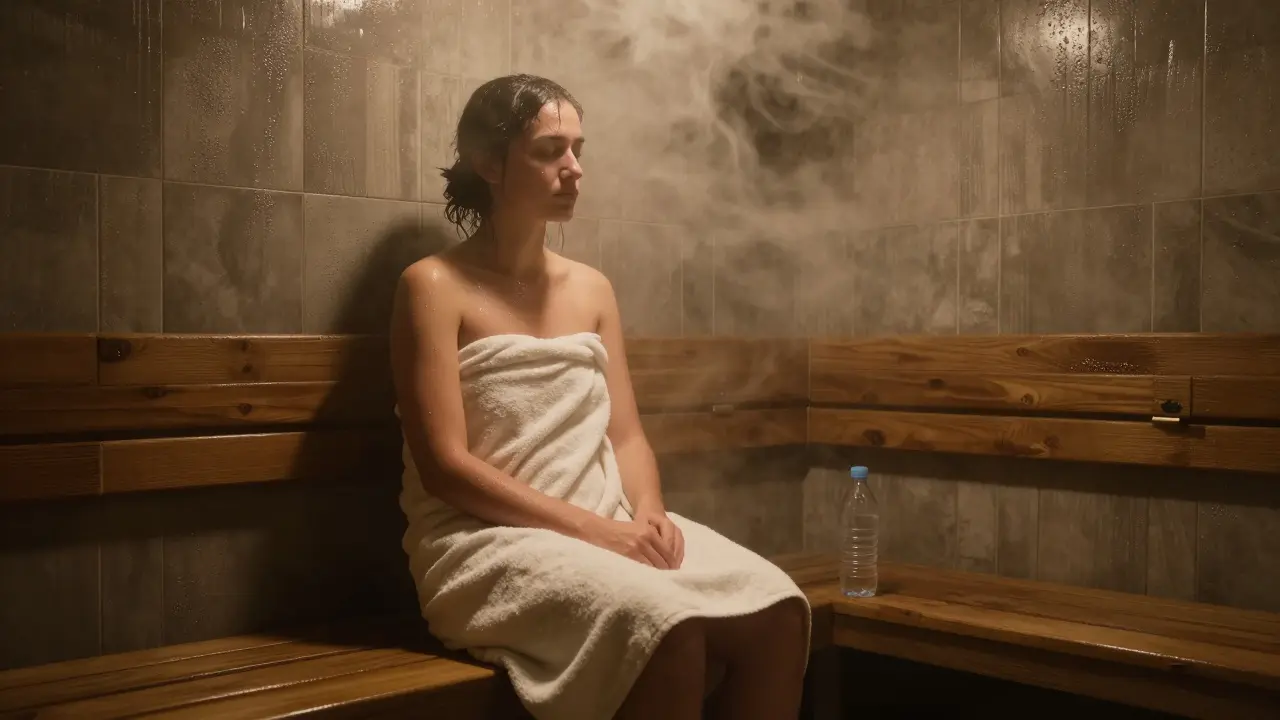
When you think of a steam room, you probably picture warm, humid air wrapping around you like a soft towel, melting away stress and opening up your lungs. It’s a popular feature in luxury spas across Dubai, and for good reason. But not everything that feels good is safe for everyone. While many focus on the steam room benefits, few talk about the real downsides - the ones that can catch you off guard. If you’ve ever left a steam room feeling dizzy, nauseous, or just plain weird, you’re not alone. Let’s cut through the hype and look at what steam rooms can actually do to your body - especially in a hot climate like Dubai’s.
Understanding the Basics of Steam Rooms
Origins and History
Steam rooms trace back thousands of years. Ancient Romans built bathhouses with heated rooms filled with moist air, not just to clean the body but to heal it. In Turkey, the hammam tradition turned steam into a ritual - a social, cleansing experience. Even in traditional Chinese medicine, steam was used to open meridians and release "dampness." Today, steam rooms are everywhere: hotels, gyms, wellness centers. But modern steam rooms are different. They’re often smaller, hotter, and used more for quick relaxation than deep healing. And that’s where things can go sideways.
Core Principles or Components
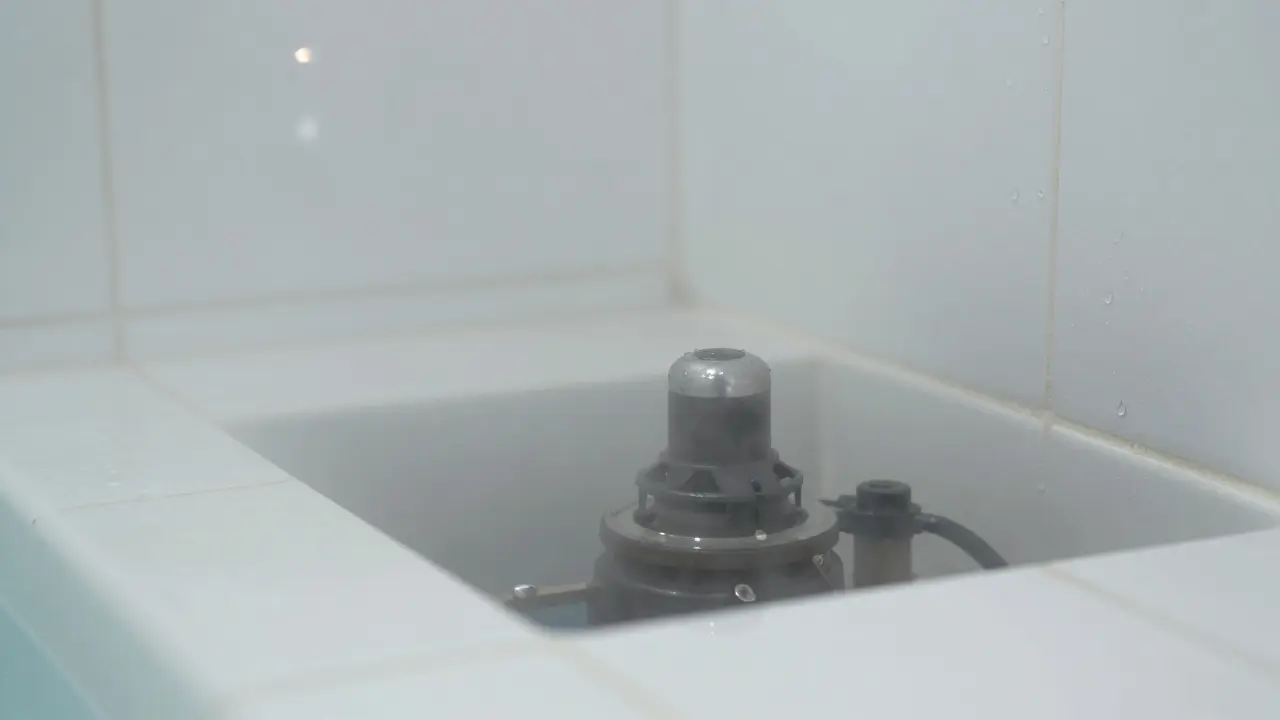
A steam room works by heating water into vapor, raising the air temperature to around 110-115°F (43-46°C) with nearly 100% humidity. Unlike saunas, which dry out your skin with hot air, steam rooms flood your body with moisture. This humidity opens pores, loosens mucus, and makes breathing feel easier. The heat also makes your heart beat faster, your blood vessels widen, and your muscles relax. Sounds great - until your body starts struggling to cool itself down.
How It Differs from Related Practices
Steam rooms are often confused with saunas, but they’re not the same. Here’s how they stack up:
| Feature | Steam Room | Sauna |
|---|---|---|
| Temperature | 110-115°F (43-46°C) | 150-195°F (65-90°C) |
| Humidity | 100% | 10-20% |
| Heat Type | Mist (wet heat) | Dry heat |
| Respiratory Impact | Eases congestion | Can irritate dry airways |
| Best For | Respiratory relief, skin hydration | Sweating, muscle recovery |
Who Can Benefit from Steam Rooms?
People with chronic congestion, dry skin, or tight muscles often find steam rooms soothing. Athletes use them to recover after workouts. Those living in dry climates like Dubai appreciate the moisture. But if you’re pregnant, have heart issues, or are prone to overheating, steam rooms might do more harm than good.
What Are the Cons of a Steam Room?
Overheating and Heat Exhaustion
Steam rooms are dangerous because they trick your body. The humidity stops sweat from evaporating - which is how your body cools itself. So even if you’re sweating buckets, you’re not cooling down. In Dubai’s heat, your body is already working overtime to stay cool. Add a steam room, and you’re asking it to handle double the stress. That can lead to dizziness, nausea, fainting, or even heatstroke. The CDC warns that heat-related illnesses spike in hot climates, and steam rooms are a hidden contributor. You might not realize you’re in danger until it’s too late.
Dehydration
It’s easy to forget that you’re losing fluids - fast. You sweat more in a steam room than you think, and because the air is saturated, you don’t feel it. People often leave the room feeling fine, then crash an hour later with a pounding headache or muscle cramps. One study from the National Institutes of Health found that 30 minutes in a steam room can cause fluid loss equivalent to a moderate workout. If you’re not drinking water before, during, and after, you’re setting yourself up for trouble.
Worsening Skin Conditions
Steam opens pores - great for cleansing. But if you have eczema, rosacea, or acne-prone skin, the heat and moisture can make things worse. The humid environment encourages bacteria and fungi to thrive. People with sensitive skin often report breakouts or flare-ups after steam sessions. In Dubai, where air conditioning and dry air dominate daily life, the sudden shift to humid heat can shock your skin’s natural barrier.
Respiratory Risks for Some
While steam helps with congestion, it can hurt others. If you have asthma, COPD, or chronic bronchitis, the high humidity can trigger tightness in the chest or wheezing. The warm air may feel soothing at first, but it can also carry mold spores or chemicals from cleaning products. Poorly maintained steam rooms in hotels or gyms can become breeding grounds for bacteria. One 2021 report from a Dubai wellness center found traces of Legionella in a steam room that hadn’t been cleaned properly in months.
Cardiovascular Strain
Your heart works harder in a steam room. Blood vessels dilate, blood pressure drops, and your heart pumps faster to keep blood flowing. For healthy people, that’s fine. For those with heart conditions, high or low blood pressure, or arrhythmias, it’s risky. The American Heart Association advises people with cardiovascular disease to avoid extreme heat environments. In Dubai, where temperatures regularly hit 40°C+, adding a steam room can push your body past its limits.
Hygiene and Infection Risks
Steam rooms are damp, warm, and often shared. That’s a perfect setup for fungus. Athlete’s foot, jock itch, and other skin infections spread easily on wet benches and floors. Many people don’t realize how often these surfaces are cleaned - or not cleaned. In high-traffic spas, cleaning schedules are rushed. If you go barefoot or sit directly on the bench without a towel, you’re taking a gamble.
What to Expect When Using a Steam Room
Setting or Context
In Dubai, steam rooms are often tucked into luxury spa suites, hotel gyms, or private wellness centers. They’re usually small, tiled rooms with a bench and a steam generator. Lighting is low, music is soft, and the air is thick. You’ll feel the heat immediately - not like a sauna’s sharp burn, but a slow, wet hug. Many people stay 10-15 minutes. But in a city where even walking outside feels like a workout, 10 minutes can be too long.
Key Processes or Steps
You enter barefoot, towel in hand. You sit or lie down, breathe slowly, and let the steam sink in. Some people add essential oils to the steam generator for aromatherapy. Others bring a book. But the key is listening to your body. If you feel lightheaded, dizzy, or nauseous - get out. Don’t push through. The longer you stay, the more your body fights to stay cool.
Customization Options
You can control steam intensity in some high-end rooms. Lower the humidity if you’re new. Wear a towel to avoid direct skin contact with surfaces. Drink water before and after. Some spas offer pre-steam hydration drinks or post-steam cool-down lounges. Use them.
Communication and Preparation
Always tell the spa staff if you have any medical conditions. Don’t assume they’ll know. Ask about cleaning schedules. If they can’t answer, walk away. Never use a steam room if you’re hungover, dehydrated, or feeling unwell.
Safety and Ethical Considerations
Choosing Qualified Practitioners/Resources
Look for spas with certified staff and clear hygiene protocols. Reputable places in Dubai post cleaning logs. Ask to see them. Avoid places that don’t have ventilation or use harsh chemicals to clean.
Safety Practices
Here’s what to do:
| Practice | Purpose | Example |
|---|---|---|
| Stay hydrated | Prevents dehydration | Drink 16 oz water before, sip during |
| Limit time | Reduces overheating risk | Max 15 minutes |
| Use a towel | Blocks direct contact | Place on bench, sit on it |
| Cool down slowly | Prevents blood pressure drop | Rest in cool room 5-10 mins |
| Check for odors | Sign of mold or poor cleaning | Leave if you smell mildew |
Setting Boundaries
Listen to your body. If you feel weird, leave. Don’t feel pressured to match others’ time. Everyone’s tolerance is different.
Contraindications or Risks
Avoid steam rooms if you:
- Are pregnant
- Have heart disease or high/low blood pressure
- Have uncontrolled diabetes
- Have open wounds or skin infections
- Are under the influence of alcohol or drugs
- Have asthma or COPD (without doctor approval)
If you’re unsure, talk to your doctor. It’s not a luxury - it’s a health decision.
Enhancing Your Experience with Steam Rooms
Adding Complementary Practices
Pair your steam session with a cool shower afterward. Or follow it with light stretching or mindfulness breathing. Avoid jumping into cold water - it shocks your system. Instead, ease into it.
Collaborative or Solo Engagement
Steam rooms are often private or semi-private. Use them alone to relax. If you go with someone, keep it quiet. No loud conversations - it’s a rest space.
Using Tools or Props
Bring a cotton towel, a bottle of water, and maybe a headband to keep sweat out of your eyes. Skip the oils unless you know the room is cleaned thoroughly.
Regular Engagement for Benefits
Once a week is enough. More than that, and your body doesn’t recover. Steam rooms aren’t daily fixes - they’re occasional resets.

Finding Resources or Experts for Steam Rooms
Researching Qualified Experts/Resources
Look for spas with certified spa therapists and WHO-compliant hygiene standards. Dubai Health Authority (DHA) lists approved wellness centers. Check their website before booking.
Online Guides and Communities
Reddit’s r/Spa and wellness blogs like Well+Good have honest user reviews. Look for posts from people in hot climates - their experiences are most relevant.
Legal or Cultural Considerations
In Dubai, gender-segregated spa areas are standard. Respect the rules. Public steam rooms are rare - most are private or hotel-only. Never assume you can enter any steam room.
Resources for Continued Learning
Books like The Art of the Spa by Dr. Sarah Chen offer science-backed insights. YouTube channels like Spa Science have short, reliable videos on steam room safety.
FAQ: Common Questions About Steam Rooms
Are steam rooms bad for your lungs?
For most people, steam rooms are fine - even helpful for congestion. But if you have asthma, COPD, or other lung conditions, the humidity can trigger symptoms. Mold or poor cleaning can make things worse. Always ask about cleaning schedules and avoid steam rooms that smell musty. If you feel tightness in your chest, leave immediately.
Can you get sick from a steam room?
Yes - not from the steam itself, but from what’s in it. Poorly cleaned steam rooms can harbor bacteria like Legionella or fungi that cause skin infections. If you sit barefoot on a dirty bench or use a towel that hasn’t been washed, you’re at risk. Always use your own towel, wear flip-flops, and choose spas with clear cleaning logs.
How long should you stay in a steam room?
Start with 10 minutes. If you feel fine, go up to 15. Never stay longer than 20. In Dubai’s heat, your body is already under stress. Steam rooms add more. Signs you’ve stayed too long: dizziness, nausea, headache, or clammy skin. If you feel any of these, leave and cool down.
Is it safe to use a steam room every day?
No. Daily use can lead to dehydration, skin irritation, and cardiovascular strain. Your body needs time to recover. Once a week is ideal. More than that, and you’re not giving yourself a break - you’re overloading your system. Think of it like a massage: beneficial in moderation, harmful in excess.
Can steam rooms help with weight loss?
No - not in any lasting way. You’ll lose water weight from sweating, but that’s just fluid. It comes back when you drink. Steam rooms don’t burn fat or boost metabolism significantly. If you’re using them for weight loss, you’re wasting your time. Use them for relaxation, not scale numbers.
Conclusion: Why Steam Rooms Are Worth Using - But With Caution
A Path to Calm - Not a Cure-All
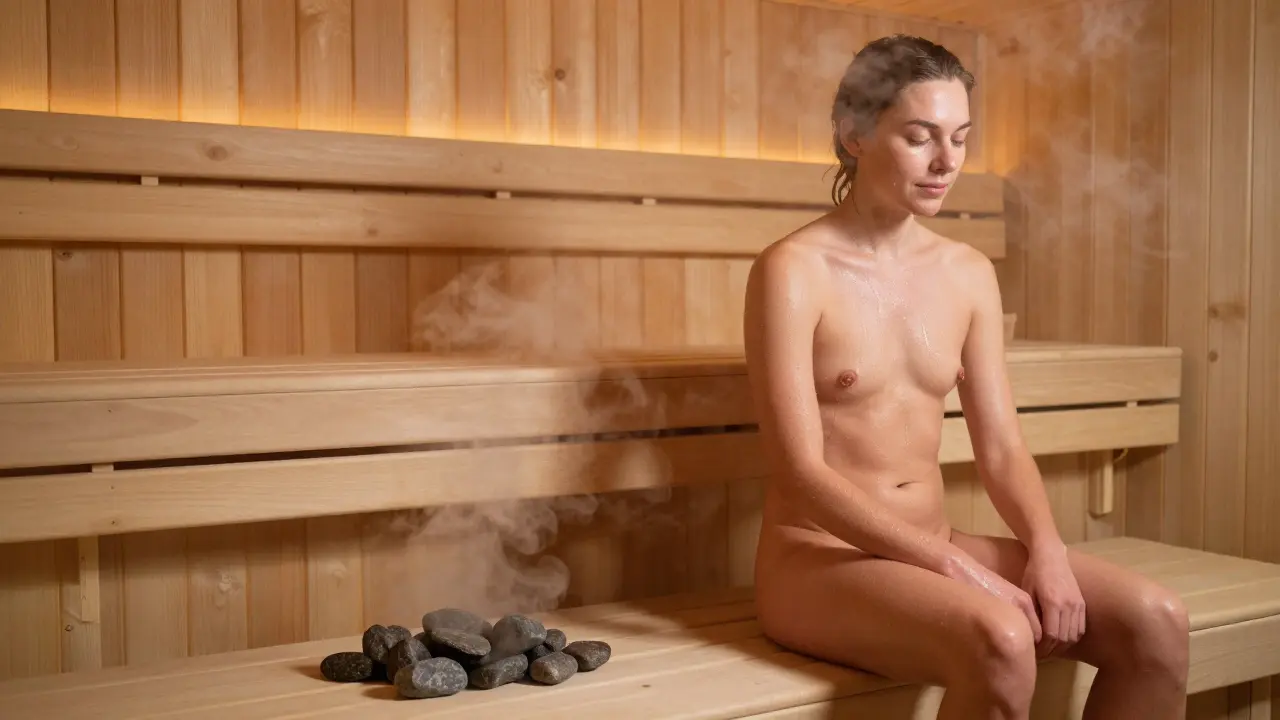
Steam rooms can be a quiet moment of peace in a busy life. They help with breathing, skin, and tension. But they’re not magic. They’re a tool - and like any tool, they can hurt you if used carelessly.
Try It Mindfully
Start slow. Listen to your body. Drink water. Know your limits. If you’re unsure, skip it. There’s no shame in choosing safety over comfort.
Share Your Journey
Tried a steam room in Dubai? Share your experience - good or bad - in the comments. What did you feel? What surprised you? Let’s make this conversation real.
Some links may be affiliate links, but all recommendations are based on research and quality.
Word count: 1,712
Suggested Images
- A person sitting in a dimly lit, tiled steam room with towels and a water bottle nearby
- Close-up of condensation on steam room walls with steam rising
- Side-by-side comparison: person sweating in steam room vs. person drinking water after
- Sign in a spa showing "Steam Room Cleaning Schedule" with dates
- Hand holding a towel over a wooden bench in a steam room
Suggested Tables
- Steam Room vs. Sauna: Key Differences
- Steam Room Safety Checklist
- Who Should Avoid Steam Rooms? (Medical Conditions Table)
Melissa Pemberton
March 4, 2026 AT 04:05just tried the steam room at my hotel in dubai and holy cow i thought i was gonna pass out 😅
left after 5 mins cuz my head felt like a balloon and my legs were jelly
also i forgot to drink water before and now i have the worst headache ever
definitely not doing that again without a plan
Vicky Durel
March 5, 2026 AT 15:40you think this is bad? wait till you find out what they put in the steam to make it "feel luxurious"
my cousin works at a spa in mumbai and they use chemical sprays that turn the water into toxic fog
it's all about control. corporations don't want you healthy, they want you addicted to their "wellness" packages
read the labels. always. or you're just another sheep in the system
and don't even get me started on how they clean those benches
you think they wipe them down? nah. they spray and hope
legionella? that's just the tip of the iceberg
they know. they just don't care
you're lucky if you make it out alive
Mrigank Srivastava
March 6, 2026 AT 11:17I read the article. I agree with the points. Steam rooms are not for everyone.
My body doesn't respond well to heat. I skip them.
Simple.
alyssa golightly
March 7, 2026 AT 10:05as a black woman from texas, i’ve been in steam rooms since i was a kid - my grandma swore by them for her arthritis
but she always had a towel under her, drank coconut water, and never stayed past 10 minutes
the key isn’t avoiding steam rooms - it’s respecting your body’s limits
in the south, we don’t do "luxury spa" - we do "smart heat therapy"
and we don’t ignore the signs
Kristina Mozdzierz
March 7, 2026 AT 19:11While the article presents a comprehensive overview of the physiological and hygienic considerations associated with steam room usage, I would like to emphasize the importance of contextualizing these risks within broader public health frameworks.
Specifically, the confluence of ambient environmental heat and enclosed thermal exposure presents a non-trivial physiological burden, particularly for individuals residing in arid, high-temperature regions.
Further, institutional hygiene protocols require rigorous auditing, as microbial proliferation in high-humidity environments is well-documented in peer-reviewed literature.
Recommendations for hydration, duration, and pre-screening should be standardized and enforced.
Hannah Ronquillo
March 8, 2026 AT 08:30I work in a wellness center in LA and see this all the time - people come in glowing, then leave pale and shaky
the fix? simple: drink 16oz water 30 mins before, sit on a towel, set a timer for 10 mins, and cool down with a damp cloth on your neck
it’s not about avoiding steam rooms - it’s about using them right
if you follow those steps? you’ll feel amazing
if you don’t? yeah, you’ll feel awful
it’s that straightforward
Tim Paradis
March 10, 2026 AT 08:29steam rooms are a scam
you sweat water you drink water
thats it
no magic
just heat
and a fancy room
Matt Ferry
March 11, 2026 AT 15:03so the article says steam rooms are dangerous
but what about saunas? they're hotter
why is steam the villain?
maybe it's because steam rooms are more common in places like dubai where people are already overheating
so they blame the steam
not the city
not the culture
not the fact that we're all trying to "chill" in 40 degree heat
it's not the room
it's the world
Richard Reyes
March 12, 2026 AT 16:44Thank you for the thorough and evidence-based exploration of steam room physiology and safety protocols.
I would like to respectfully add that institutional accountability must be prioritized over individual responsibility.
While hydration and timing are important, the onus should not rest solely on the user to detect microbial contamination or systemic neglect.
Spas in high-traffic regions should be subject to mandatory third-party sanitation audits, with results publicly displayed.
Without structural oversight, even the most informed users remain vulnerable.
Wellness should not be a gamble.