
Who Should Not Use a Sauna? Essential Safety Guidelines for Sauna Use
When done right, a sauna can feel like a warm hug for your whole body-melting away tension, loosening stiff muscles, and giving your mind a much-needed reset. But sauna safety isn’t one-size-fits-all. For some people, stepping into that steamy room isn’t just uncomfortable-it could be dangerous. If you’re wondering who should skip the sauna, you’re asking the right question. Not everyone benefits from heat therapy, and ignoring the risks can lead to real health problems. This guide breaks down exactly who should avoid saunas and why, so you can make smart choices for your body.
Understanding the Basics of Sauna Use
Origins and History
Saunas trace back over 2,000 years to Finland, where they were more than just a place to get clean-they were a ritual for healing, childbirth, and even funerals. The word "sauna" itself comes from the Finnish language. Traditional saunas used wood-burning stoves to heat stones, creating dry heat that could reach up to 194°F (90°C). Over time, the practice spread across Europe and North America, evolving into electric saunas, infrared models, and steam rooms. Today, saunas are common in gyms, spas, and even homes. But no matter the style, the core principle stays the same: controlled heat exposure to trigger physiological responses like sweating, increased circulation, and relaxation.
Core Principles or Components
The science behind saunas is simple: heat makes your body work harder. Your heart pumps faster to move blood to the skin’s surface, helping you cool down. Your sweat glands kick into high gear to release moisture and toxins. Blood vessels widen, improving circulation. These changes can ease muscle soreness, reduce stress hormones, and even improve sleep. But this same response can be risky if your body can’t handle the strain. Saunas don’t just warm you up-they challenge your cardiovascular system, nervous system, and temperature regulation. That’s why understanding your limits matters more than ever.
How It Differs from Related Practices
People often confuse saunas with steam rooms, hot tubs, and infrared cabins. While they all involve heat, they’re not the same.
| Practice | Heat Type | Humidity | Primary Effect |
|---|---|---|---|
| Sauna | Dry heat | Low (10-20%) | Deep tissue warmth, heavy sweating |
| Steam Room | Moist heat | High (100%) | Respiratory relief, skin hydration |
| Hot Tub | Immersion heat | Very high | Muscle relaxation, buoyancy |
Steam rooms are great for people with congestion, but they’re harder on the lungs. Hot tubs are soothing for joints, but the water pressure can affect blood pressure differently than dry heat. Saunas give you the most intense heat exposure, which is why they require more caution.
Who Can Benefit from Sauna Use?
Most healthy adults can enjoy saunas safely with proper hydration and time limits. Athletes use them for recovery. People with chronic muscle pain find relief. Those dealing with stress report better sleep after regular sessions. Even older adults can benefit-if they go slow and listen to their bodies. The key is moderation and awareness. But not everyone falls into this group. Some conditions make sauna use unsafe, no matter how mild the session.
Who Should Avoid the Sauna? Contraindications You Can’t Ignore
People with Uncontrolled High Blood Pressure
Heat causes your blood vessels to expand, which can drop your blood pressure. For someone with uncontrolled hypertension, this can trigger a dangerous rebound effect-your body overcompensates by spiking blood pressure even higher. The result? Increased risk of stroke or heart attack. If your doctor hasn’t stabilized your blood pressure with medication and lifestyle changes, skip the sauna. It’s not worth the gamble. The American Heart Association warns against heat exposure in individuals with uncontrolled hypertension, especially during peak heat hours or in poorly ventilated spaces Web source (https://www.heart.org).
Those with Heart Conditions
If you’ve had a heart attack, heart failure, unstable angina, or severe arrhythmias, your heart is already working harder than normal. Adding the stress of a sauna forces it to pump even faster. That extra demand can trigger dangerous rhythms or worsen existing damage. Even if you feel fine, your heart might not be able to handle the strain. Always talk to your cardiologist before stepping in. Many cardiac rehab programs now include supervised heat therapy-but only after careful evaluation. Never assume you’re safe just because you’ve used saunas before your diagnosis.
Pregnant Women, Especially in the First Trimester
Core body temperature rises during pregnancy, and overheating-especially above 102°F (39°C)-has been linked to neural tube defects in early fetal development. The CDC and the American College of Obstetricians and Gynecologists advise against prolonged heat exposure during pregnancy, particularly in the first 12 weeks. Saunas can easily push your core temperature past safe levels, even if you don’t feel overheated. If you’re pregnant, opt for a warm bath instead. Keep it under 100°F and limit it to 10 minutes. Saunas aren’t worth the risk when safer alternatives exist.
Children Under 12
Kids’ bodies regulate heat less efficiently than adults’. Their sweat glands aren’t fully developed, and they’re more likely to overheat quickly. A 10-minute sauna session that feels fine to you could be dangerous for a child. The European Sauna Society recommends no sauna use for children under 6, and even older kids should only use low-heat, short sessions under adult supervision. Never leave a child alone in a sauna. The risk of dehydration and heat exhaustion is real-and fast.
People with Certain Neurological Conditions
If you have multiple sclerosis, Parkinson’s disease, or other conditions that affect temperature regulation, heat can make symptoms worse. For people with MS, even a slight rise in body temperature can trigger "Uhthoff’s phenomenon," where muscle weakness, blurred vision, or fatigue suddenly flare up. This isn’t permanent, but it can be scary and disruptive. If your condition makes you sensitive to heat, saunas are not for you. The same goes for anyone taking medications that interfere with sweating or heat tolerance.
Individuals Under the Influence of Alcohol or Drugs
Alcohol dilates blood vessels and impairs your judgment. Combine that with a sauna, and you’re asking for trouble. You might not realize you’re dehydrating, overheating, or fainting until it’s too late. Alcohol also increases the risk of sudden cardiac events under heat stress. The same applies to recreational drugs like marijuana or stimulants, which can interfere with your body’s ability to cool down. Never use a sauna after drinking-even one drink. Wait at least 24 hours after heavy alcohol use before stepping in.
People with Recent Injuries or Open Wounds
Heat increases blood flow, which sounds good-but if you’ve recently had surgery, a sprain, or an open wound, that extra circulation can cause swelling and delay healing. Saunas can also irritate fresh scars or increase the risk of infection in open skin areas. Wait until your doctor says it’s safe. For most minor injuries, that means waiting at least 48-72 hours. For surgeries, it could be weeks. Don’t rush it. Your body needs time to repair, not steam.
Those Taking Certain Medications
Some medications make your body less able to handle heat. Diuretics (water pills) increase dehydration risk. Beta-blockers can blunt your heart’s ability to respond to stress. Anticholinergics (used for depression, allergies, or overactive bladder) reduce sweating. Medications for Parkinson’s, epilepsy, or high blood pressure may also interfere with your body’s heat response. Always check with your pharmacist or doctor. If your meds say "avoid excessive heat," take it seriously.
What to Expect When Using a Sauna Safely
Setting or Context
A good sauna environment is clean, quiet, and well-ventilated. Most public saunas have temperature controls and timers. You should never feel claustrophobic or suffocated. If you’re using a home sauna, make sure it has a reliable thermometer and a way to cool down quickly-like a nearby shower or a window you can open. Always sit on a towel to avoid direct contact with hot wood. Keep a water bottle nearby. And if you’re sharing the space, be respectful-some people prefer silence, others enjoy light conversation.
Key Processes or Steps
Start with 10-15 minutes at a moderate temperature (150-170°F). Listen to your body. If you feel dizzy, nauseous, or your heart races, get out immediately. Cool down gradually-don’t jump into cold water right away. A lukewarm shower is enough. Drink water before, during, and after. Wait at least 30 minutes before re-entering. Most people do 2-3 rounds with cooling breaks in between. Don’t push for longer sessions just because others are staying in.
Customization Options
Not all saunas are the same. If you’re sensitive to heat, try a lower-temperature infrared sauna. If you have joint pain, a steam room might be gentler. Some people add essential oils to the stones for aromatherapy-lavender for calm, eucalyptus for breathing. But avoid strong scents if you have asthma or allergies. Always ask before adding anything to a public sauna.
Communication and Preparation
Tell someone if you’re going in-especially if you’re alone. Let the spa staff know if you have any health concerns. If you’re using a home sauna, have a buddy nearby. Don’t lock the door. Always hydrate well before entering. Avoid heavy meals or caffeine right before. And if you’ve never used a sauna before, start with just 5 minutes.
How to Practice Sauna Use Safely
Setting Up for Success
Keep your sauna clean. Wipe down benches after use. Use a towel to sit on. Have a water bottle and a timer ready. If you’re using a home unit, install a thermometer and a fan for air circulation. Make sure the space is well-ventilated. Never use a sauna in a closed, unventilated room.
Choosing the Right Tools or Resources
Stick with reputable brands for home saunas. Look for models with automatic shut-off timers and temperature controls. Avoid cheap, uncertified units. For public saunas, choose places with clear hygiene standards and staff trained in safety. If you’re unsure, ask if they follow guidelines from the International Sauna Association.
Step-by-Step Guide for Beginners
- Hydrate well before entering.
- Take a quick shower to clean your skin.
- Wear a towel or light clothing-no synthetic fabrics.
- Enter the sauna and sit or lie down comfortably.
- Stay for 10-15 minutes max on your first try.
- Exit slowly. Sit down if you feel lightheaded.
- Drink water. Cool down with a lukewarm shower.
- Wait 30 minutes before going back in.
Tips for Beginners or Couples
If you’re going with someone, don’t assume they have the same tolerance. One person might need to leave after 8 minutes; the other might handle 20. Respect each other’s limits. Use the time to relax, not to compete. Bring a book or just breathe. The goal isn’t to last longer than anyone else-it’s to feel better when you walk out.
Safety and Ethical Considerations
Safety Practices
| Practice | Purpose | Example |
|---|---|---|
| Hydrate before and after | Prevent dehydration | Drink 16 oz of water 30 minutes before |
| Limit sessions to 15-20 minutes | Avoid overheating | Use a timer |
| Never use alone if you have health risks | Ensure help is nearby | Have someone in the building |
| Exit immediately if dizzy or nauseous | Prevent fainting or injury | Don’t ignore warning signs |
Setting Boundaries
It’s okay to say no. If you’re not feeling well, leave. If the heat feels too intense, step out. If someone pressures you to stay longer, walk away. Your comfort and safety come first. No one gets to decide that for you.
Contraindications or Risks
Here’s the short list: avoid saunas if you have uncontrolled high blood pressure, heart disease, are pregnant, are under 12, have MS or heat-sensitive neurological conditions, are under the influence of alcohol or drugs, have recent injuries, or take medications that affect heat tolerance. When in doubt, talk to your doctor. Saunas aren’t a substitute for medical care.
Enhancing Your Experience with Sauna Use
Adding Complementary Practices
Pair your sauna with light stretching, deep breathing, or meditation afterward. Many people find that journaling or listening to calming music enhances the relaxation effect. Cold plunges can be great after a sauna-but only if you’re healthy and acclimated. Don’t force it.
Collaborative or Solo Engagement
Saunas can be peaceful alone or social with friends. It’s your call. Some people use it as a quiet space to decompress after work. Others enjoy chatting with a partner. Both are valid. Just make sure the space stays respectful and clean.
Using Tools or Props
A good towel, a water bottle, and a timer are all you really need. Some like wooden benches with back support. Others use aromatherapy stones with a few drops of essential oil. Avoid plastic or synthetic materials-they trap heat and can melt.
Regular Engagement for Benefits
Consistency matters more than intensity. One 10-minute session twice a week is better than one 45-minute marathon once a month. Aim for regular, gentle use. Over time, you’ll notice better sleep, less muscle soreness, and a calmer mind.

Finding Resources or Experts for Sauna Use
Researching Qualified Experts
If you’re using a spa or wellness center, look for staff trained in heat therapy safety. Ask if they follow guidelines from the International Sauna Association or similar organizations. Check reviews for mentions of cleanliness and staff responsiveness.
Online Guides and Communities
Reputable sources like the Mayo Clinic, WebMD, and the American Heart Association offer free, evidence-based advice on heat therapy. Avoid blogs that promise miracle cures. Stick to medical institutions and licensed wellness professionals.
Legal or Cultural Considerations
In some cultures, saunas are mixed-gender spaces. In others, they’re segregated. Always follow local norms. In public facilities, respect posted rules about attire and behavior. Never assume what’s acceptable-ask if unsure.
Resources for Continued Learning
Books like The Sauna: A Complete Guide by Dr. Mark Sircus and documentaries from health-focused channels offer deeper insights. Podcasts on holistic wellness often cover heat therapy too. Keep learning-but always prioritize safety over trends.
FAQ: Common Questions About Sauna Use
Can you use a sauna if you have high blood pressure?
Only if your blood pressure is well-controlled with medication and lifestyle changes. Uncontrolled high blood pressure makes sauna use risky because heat can cause dangerous spikes or drops in pressure. Always consult your doctor before trying a sauna. If your last reading was above 180/110, skip it.
Is it safe to use a sauna every day?
For healthy adults, daily use is generally safe if sessions are short (10-15 minutes) and you stay hydrated. But daily use isn’t necessary for benefits. Two to three times a week is enough for most people. Listen to your body-if you feel drained, take a break. Overdoing it can lead to dehydration or fatigue.
What’s the difference between a sauna and a steam room?
A sauna uses dry heat (10-20% humidity) at higher temperatures (150-195°F), while a steam room uses moist heat (100% humidity) at lower temperatures (110-120°F). Saunas are better for deep muscle relaxation and heavy sweating. Steam rooms are gentler on the lungs and better for sinus relief. Neither is inherently better-it depends on your goals and health.
Can children use a sauna?
Children under 6 should not use saunas. Older children (ages 6-12) can use low-heat saunas for short periods (5-7 minutes) only under direct adult supervision. Kids’ bodies can’t regulate heat as well as adults’, so they overheat faster. Always err on the side of caution.
Do saunas help with weight loss?
Saunas cause water loss through sweat, which leads to temporary weight drop-but it’s not fat loss. You’ll regain the weight as soon as you rehydrate. Saunas are not a weight-loss tool. They can support recovery and reduce stress, which may indirectly help with healthy habits. But don’t rely on them to burn calories or shed pounds.
Conclusion: Why Sauna Use is Worth Exploring-If Done Right
A Path to Better Recovery and Calm
Saunas offer real benefits: deeper sleep, less muscle soreness, and a quiet space to reset. But those benefits only come when you use them wisely. The key isn’t how long you stay-it’s how well you listen to your body.
Try It Mindfully
If you’re healthy and cleared by your doctor, give it a try. Start small. Stay hydrated. Pay attention to how you feel. If something doesn’t feel right, get out. Saunas aren’t a test of endurance-they’re a tool for well-being.
Share Your Journey
Tried a sauna? Share your experience in the comments-what worked, what didn’t, and what surprised you. Follow this blog for more practical wellness tips that actually work. And if you’re unsure whether a sauna is right for you, talk to your doctor before you go in.
Some links may be affiliate links, but all recommendations are based on research and quality.
Word count: 1,687
Suggested Images
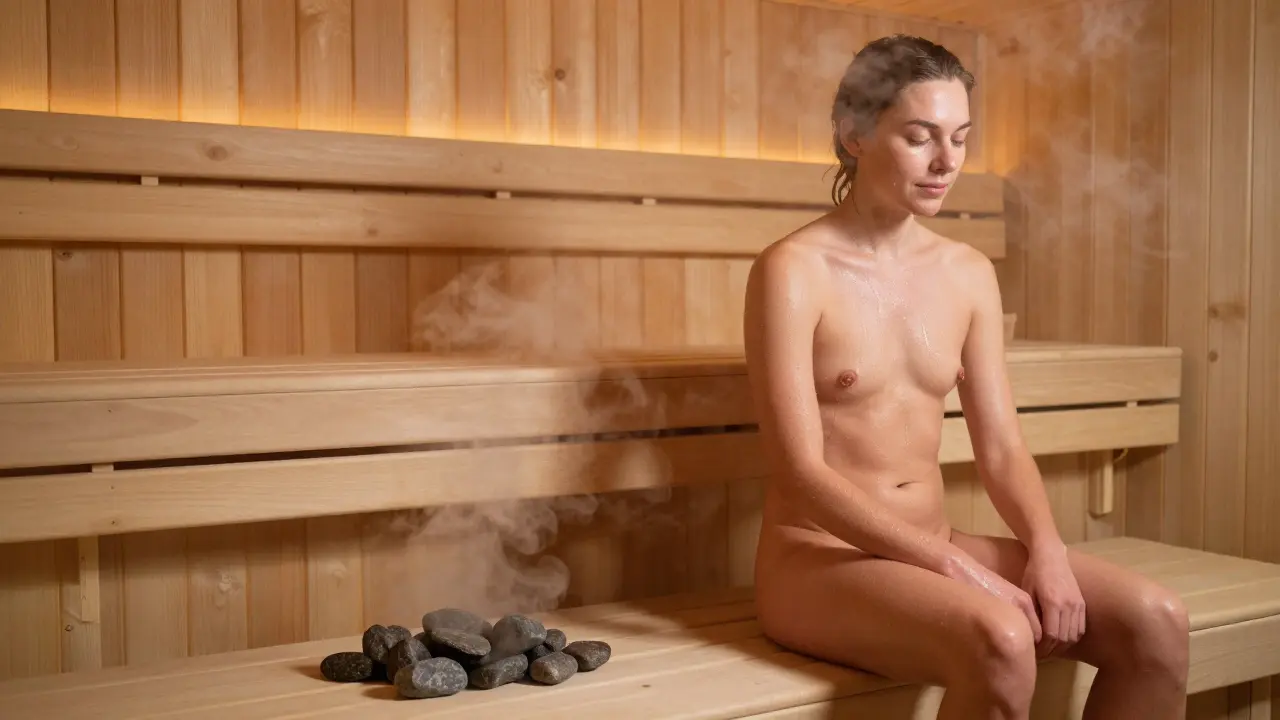
- A person sitting calmly in a wooden sauna with steam rising from hot stones
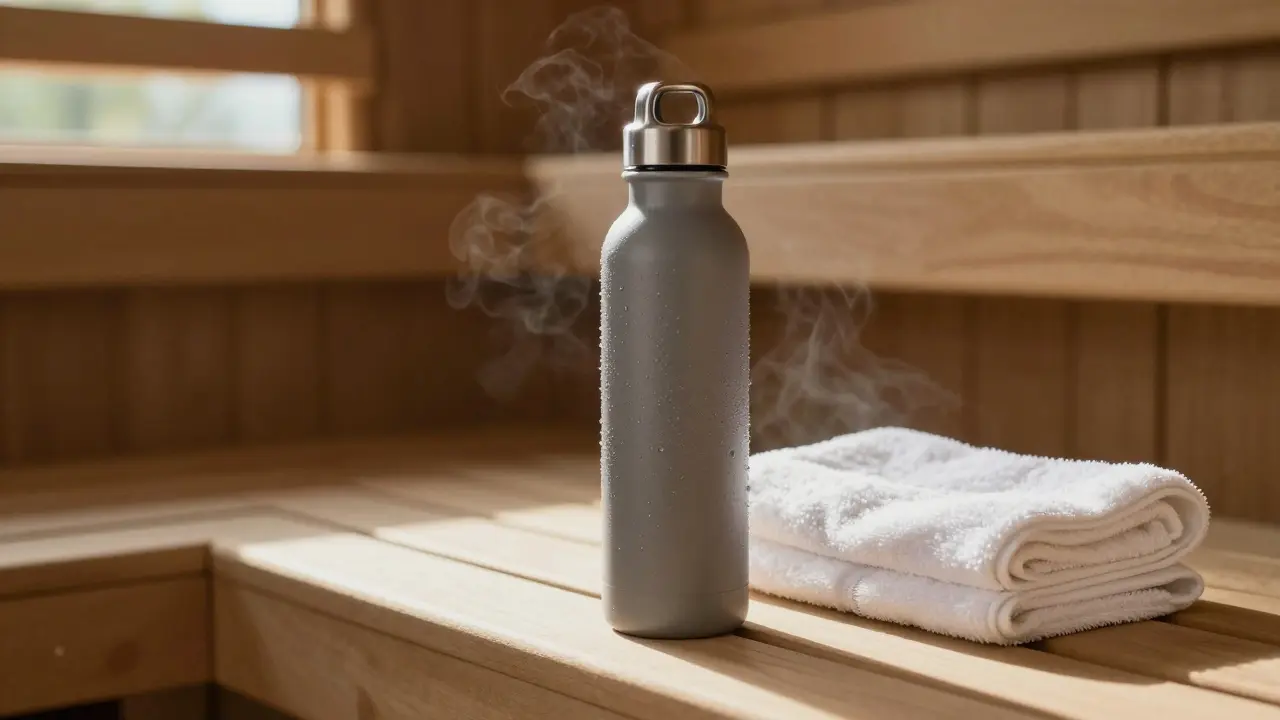
- A close-up of a water bottle and towel on a sauna bench
- A pregnant woman taking a warm bath instead of using a sauna
- A family with children outside a sauna, smiling and dressed in robes
- A doctor and patient having a conversation in a clinic about heat therapy safety
Suggested Tables
- Comparison of Sauna vs. Steam Room vs. Hot Tub
- Sauna Safety Tips
- Medications That Interfere with Sauna Use

Michael Allerby
January 23, 2026 AT 03:55Man, I used to think saunas were just for gym bros sweating out their last beer, but after my doc told me to try one for my chronic back pain? Game changer. Started with 8 minutes at 150°F, now I do three rounds a week like clockwork. Just keep water nearby and don’t be a hero-listen to your body. Also, skip the精油 stones if you’ve got asthma. I learned that the hard way after coughing for 20 minutes. Worth it though.
PS: If you’re new, go after a workout, not before. Your muscles will thank you.
Devin Tankersley
January 24, 2026 AT 11:18Wow. So let me get this straight-you’re telling me people with actual medical conditions can’t just ‘tough it out’ like normal humans? Shocking. Next you’ll say diabetics shouldn’t eat sugar or smokers shouldn’t light up. This article reads like a liability waiver written by a yoga instructor who’s terrified of lawsuits. If you’re that fragile, maybe don’t leave your house. Saunas have been around for 2,000 years. Your body’s not a damn porcelain doll.
Mathew Thomas
January 24, 2026 AT 20:12Heat doesn’t heal. It reveals.
What’s broken gets louder in the steam.
That’s why the warnings matter.
Not to scare you.
To tell you the truth before your body screams it.
Kristen O.
January 26, 2026 AT 11:31IMO the contraindications section is underwhelming. You’re missing key pharmacokinetic interactions-especially with SSRIs and anticholinergics. Also, the CDC’s stance on pregnancy is based on core temp thresholds, not anecdotal ‘feelings.’ And FYI-many modern infrared saunas don’t even raise core temp above 38.5°C if used correctly. Just saying. 🤷♀️🔥
Heather Conover
January 27, 2026 AT 23:54Let’s be clear-this article is riddled with passive voice and inconsistent capitalization. 'Sauna vs. Steam Room vs. Hot Tub' should be italicized if used as a heading. Also, 'Uhthoff’s phenomenon' is misspelled. It's Uhthoff, not Uhthoff's. And why is there no citation for the European Sauna Society? This reads like a blog post written by someone who googled 'heat therapy' and took the first five results. The content is useful, but the presentation is amateurish. Fix the punctuation. Fix the grammar. Then we can talk about safety.
Triston Foo
January 29, 2026 AT 17:17So basically if you’re not a 25-year-old athlete with no meds and perfect blood pressure, you’re banned from warmth?
Got it.
Thanks for the list of reasons not to feel good, guys.
Parker Mullins
January 30, 2026 AT 12:24Heather’s right about the grammar-but she’s also missing the point. This isn’t a thesis, it’s a guide for regular people trying to stay healthy. The real win here is how it frames safety as self-awareness, not restriction. I’ve seen people push through pain in saunas because they think it’s ‘detoxing.’ It’s not. It’s stress. And that’s fine if you’re cleared-but this article doesn’t just say ‘don’t do it.’ It says ‘know yourself.’ That’s rare. And valuable.
Also, if you’re on beta-blockers and think you’re fine because you ‘feel okay’-you’re not. Trust the science, not the vibe.