
What Do You Do During a Spa? Your Comprehensive Guide
What do you actually do during a spa? It’s not just lying around in a robe eating grapes-though that’s part of it. A spa visit is a structured, sensory-rich experience designed to reset your body and mind. Whether you’re in Dubai’s luxury resorts or a quiet neighborhood studio, the goal is the same: to help you step out of daily stress and into calm. Most people walk in feeling tired, overwhelmed, or just stuck in their heads. They leave feeling lighter, quieter, and more present. This isn’t magic. It’s a mix of science, tradition, and thoughtful design.
Spas aren’t just about massages. They’re about rhythm-slowing down, tuning in, and letting go. You’ll sweat, stretch, soak, and sometimes even cry. That’s normal. The real question isn’t what you do, but what you allow yourself to feel.
Understanding the Basics of Spa
Origins and History
Spas have been around for thousands of years. Ancient Romans built grand bathhouses where people gathered to clean, socialize, and heal. The word "spa" itself likely comes from the Belgian town of Spa, famous for its mineral springs since Roman times. In Japan, onsen (hot spring baths) were sacred spaces tied to purification rituals. In the Middle East, hammams blended steam, scrubbing, and communal washing as both hygiene and ritual. Today’s spas take these traditions and layer them with modern wellness science-think aromatherapy, chromotherapy, and evidence-based massage techniques. The core hasn’t changed: water, heat, touch, and stillness are universal tools for restoration.
Core Principles or Components
Every good spa follows three simple rules: cleanse, relax, restore. Cleansing isn’t just physical-it’s mental. You’re encouraged to leave your phone, your to-do list, even your worries at the door. Relaxation comes through controlled environments: dim lighting, soft music, warm temperatures, and calming scents. Restoration happens through targeted treatments: heat therapy to loosen muscles, massage to release tension, hydrotherapy to flush toxins. The body responds to safety. When you feel safe, your nervous system shifts from "fight or flight" to "rest and digest." That’s when healing begins.
How It Differs from Related Practices
People often confuse spas with salons, gyms, or meditation centers. Here’s how they stack up:
| Practice | Key Feature | Primary Benefit |
|---|---|---|
| Spa | Multi-sensory, passive experience | Deep relaxation and sensory reset |
| Salon | Focus on appearance (hair, nails) | Aesthetic enhancement |
| Yoga Studio | Active participation, movement | Strength and mindfulness |
| Meditation Center | Quiet, mental focus | Emotional clarity |
Spas are unique because they don’t ask you to do anything. You’re not stretching, chanting, or sweating on a bike. You’re being taken care of. That’s the gift.
Who Can Benefit from a Spa?
Everyone. Seriously. Busy parents, stressed-out entrepreneurs, shift workers, athletes, retirees-anyone carrying physical or emotional weight. You don’t need to be "well" to benefit from a spa. In fact, that’s when you need it most. The Dubai climate, with its long, hot days and high humidity, makes spa visits especially valuable. Your body is constantly working to cool itself. A spa gives it a break. Even if you think you’re "not the spa type," you might just need the right setting. Start small: a 30-minute foot soak. You might be surprised.
Benefits of Spa for Body and Mind
Stress Reduction
When your muscles relax, your brain follows. Massage therapy has been shown to lower cortisol-the main stress hormone-by up to 30% in a single session (Web source (https://www.ncbi.nlm.nih.gov/pmc/articles/PMC3158273/)). Heat from saunas or hot stone treatments dilates blood vessels, improving circulation and signaling safety to your nervous system. In Dubai, where life moves fast and temperatures soar, this reset is non-negotiable. You don’t need to quit your job. You just need 90 minutes to let your body remember what calm feels like.
Enhanced Functionality
Chronic tension hides in your shoulders, neck, and lower back. Over time, that tightness affects posture, breathing, and even sleep. A good spa treatment doesn’t just feel good-it improves how you move. Deep tissue work releases adhesions in connective tissue. Hydrotherapy reduces joint stiffness. Even a simple steam session can clear sinuses and improve lung capacity. People who visit spas regularly report better sleep, fewer headaches, and more energy for daily tasks. It’s not a cure, but it’s a powerful support system.
Emotional Well-Being
Spas aren’t just physical. They’re emotional. The quiet, the warmth, the absence of demands-it creates space for feelings you’ve been ignoring. Some people cry during a massage. Others feel a strange sense of peace they haven’t felt in years. That’s not weakness. It’s release. When you stop fighting your own body, you start listening to it. And that’s where healing begins. Many clients say spa visits help them process grief, anxiety, or burnout-not by fixing it, but by giving them the stillness to breathe through it.
Practical Applications
Think of a spa visit as a mental software update. You’re not deleting your problems-you’re rebooting your system. After a session, you might notice you’re less reactive at work. You sleep deeper. You notice the smell of rain or the taste of your coffee again. These aren’t side effects. They’re the point. Regular spa visits help you stay grounded in a world that pulls you in too many directions. In Dubai’s fast-paced culture, this is survival, not luxury.
| Benefit | Description | Impact |
|---|---|---|
| Stress Reduction | Lower cortisol levels, slower heart rate | Improved mood, better sleep |
| Improved Circulation | Heat and massage boost blood flow | Faster muscle recovery, glowing skin |
| Mental Clarity | Quiet environment reduces mental noise | Better focus, decision-making |
| Emotional Release | Safe space to feel without judgment | Reduced anxiety, increased self-awareness |
What to Expect When Engaging with a Spa
Setting or Context
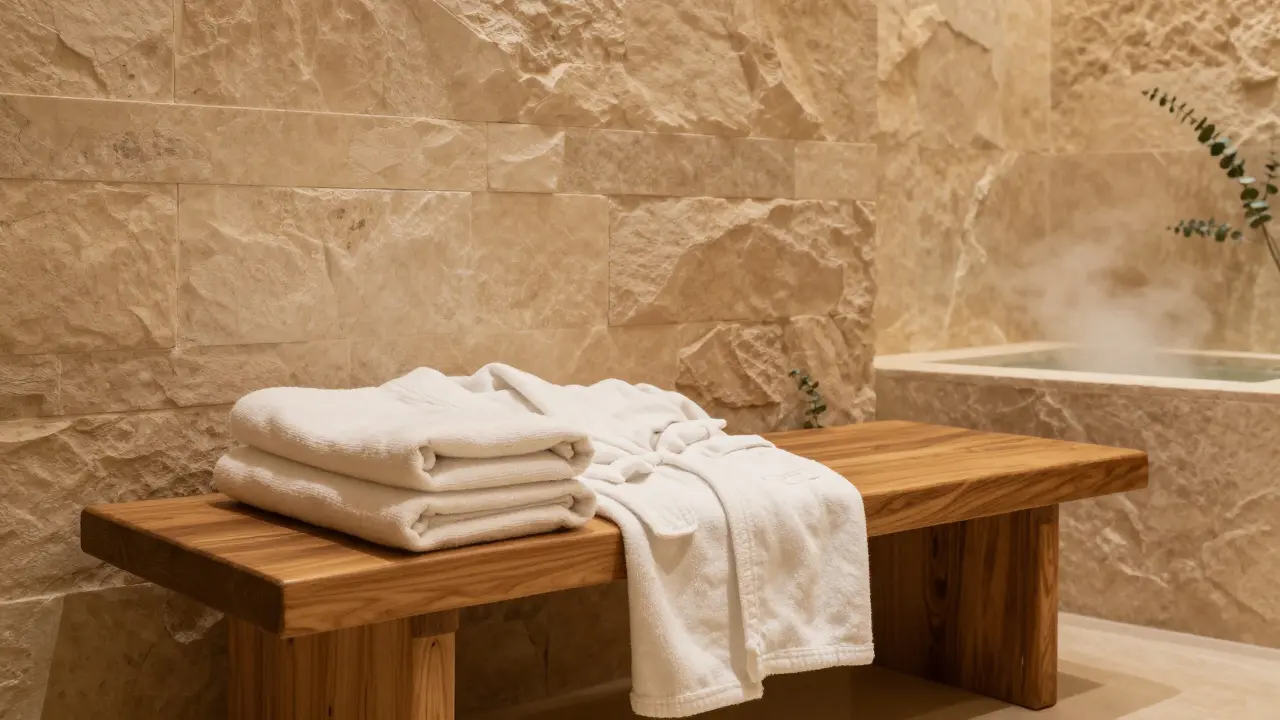
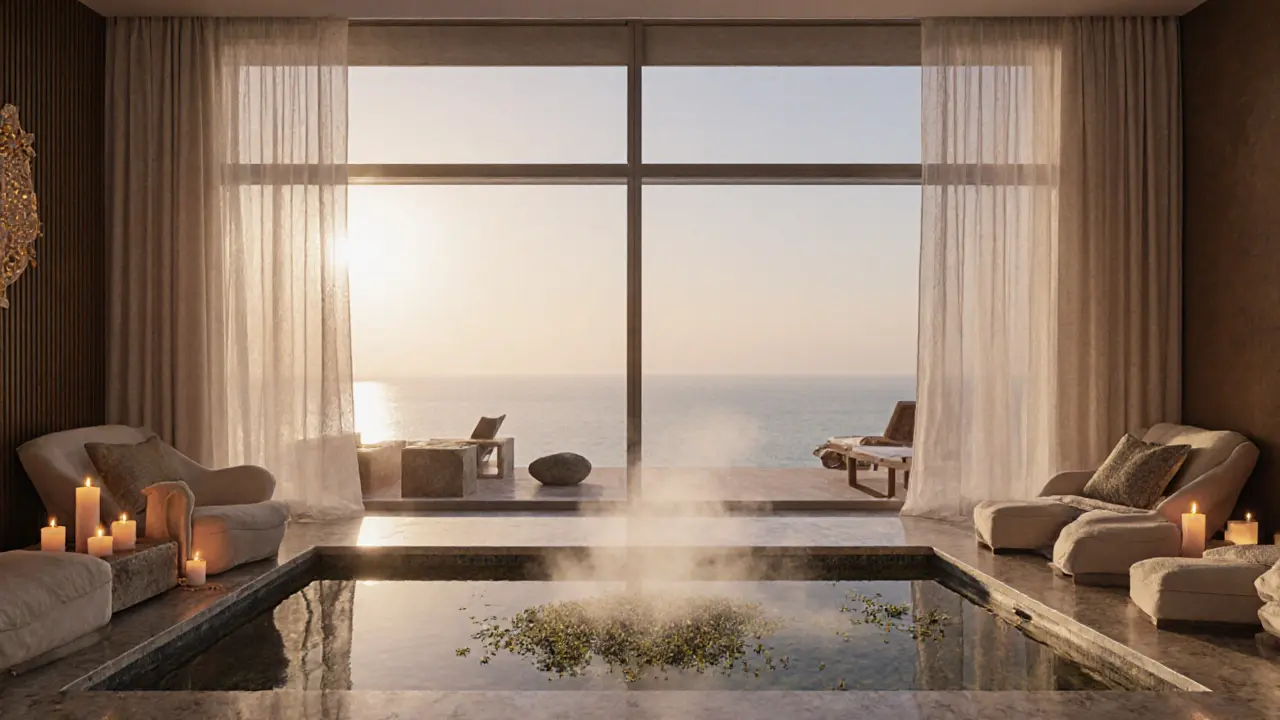
A good spa feels like stepping into another world. Think low lighting, the sound of water, the scent of eucalyptus or sandalwood. In Dubai, many spas use natural materials-stone, wood, linen-to ground the experience. You’ll be given a robe, slippers, and a towel. Your phone will be stored securely. The staff won’t rush you. There’s no clock. You’re in a time-free zone. Even the temperature is controlled: warm enough to relax, cool enough to breathe. The environment is designed to say one thing: you’re safe here.
Key Processes or Steps
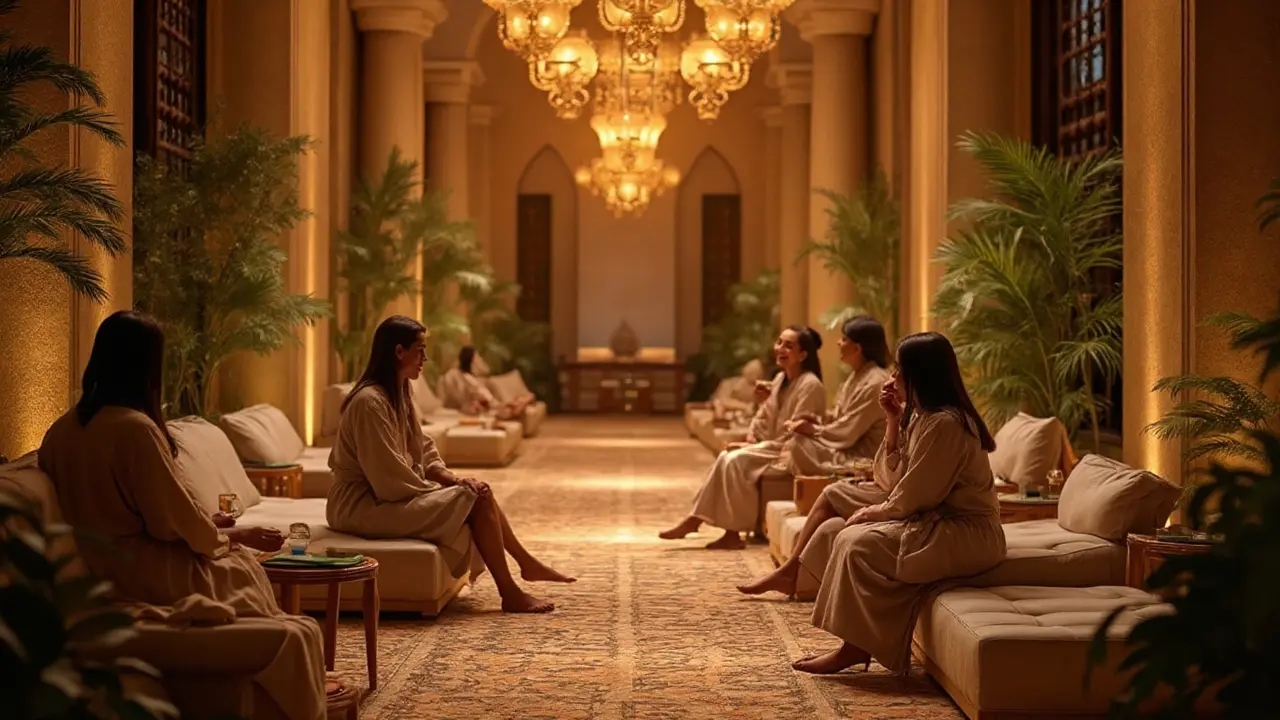
Most spa visits follow a simple flow: arrival, preparation, treatment, recovery. You’ll check in, fill out a quick form (allergies, injuries, preferences), and change into your robe. Then you’ll be guided to a relaxation lounge-often with herbal tea and fruit. Before your treatment, you’ll have a quick chat with your therapist to set your goals. After the treatment, you’ll rest for 10-15 minutes with warm water and maybe a light snack. The whole process takes 60-120 minutes. It’s not about ticking boxes. It’s about letting the experience unfold.
Customization Options
No two spa visits are the same. You can choose the pressure of your massage-light, medium, or deep. You can ask for extra heat in the steam room or skip the scrub entirely. Some people want silence. Others want soothing music. If you’re sensitive to scents, say so. If you’re uncomfortable being touched in certain areas, say that too. Good spas don’t have a one-size-fits-all menu. They have conversations.
Communication and Preparation
Speak up. That’s the golden rule. If you’re too hot, too cold, or the music is too loud, tell someone. If you’re nervous, say it. Therapists hear it all. They’re trained to adjust. Arrive 15 minutes early. Don’t eat a heavy meal right before. Drink water. And leave your expectations at the door. You don’t need to "achieve" relaxation. You just need to show up.
How to Practice or Apply a Spa Experience
Setting Up for Success
If you can’t make it to a luxury spa, create a mini-spa at home. Dim the lights. Light a candle. Fill the tub with warm water and Epsom salts. Play nature sounds. Put on a soft robe. Sip chamomile tea. Do this for 30 minutes once a week. It’s not the same as a professional treatment-but it’s a start. The goal isn’t perfection. It’s presence.
Choosing the Right Tools or Professionals
In Dubai, look for spas with certified therapists-look for credentials from organizations like the International Spa Association or local health authorities. Read reviews that mention hygiene and professionalism, not just "amazing views." Avoid places that pressure you into add-ons. A good spa offers options, not upsells.
Step-by-Step Guide for First-Timers
- Book a 60-minute massage or body wrap-don’t overcommit on your first visit.
- Arrive 15 minutes early. Use the restroom. Drink water.
- Fill out the intake form honestly.
- Chat with your therapist: "I’m tense in my shoulders," or "I’d like light pressure."
- Relax. Breathe. Let go.
- After your treatment, rest for 10 minutes. Don’t rush out.
- Drink water. Go slow for the rest of the day.
Tips for Beginners or Couples
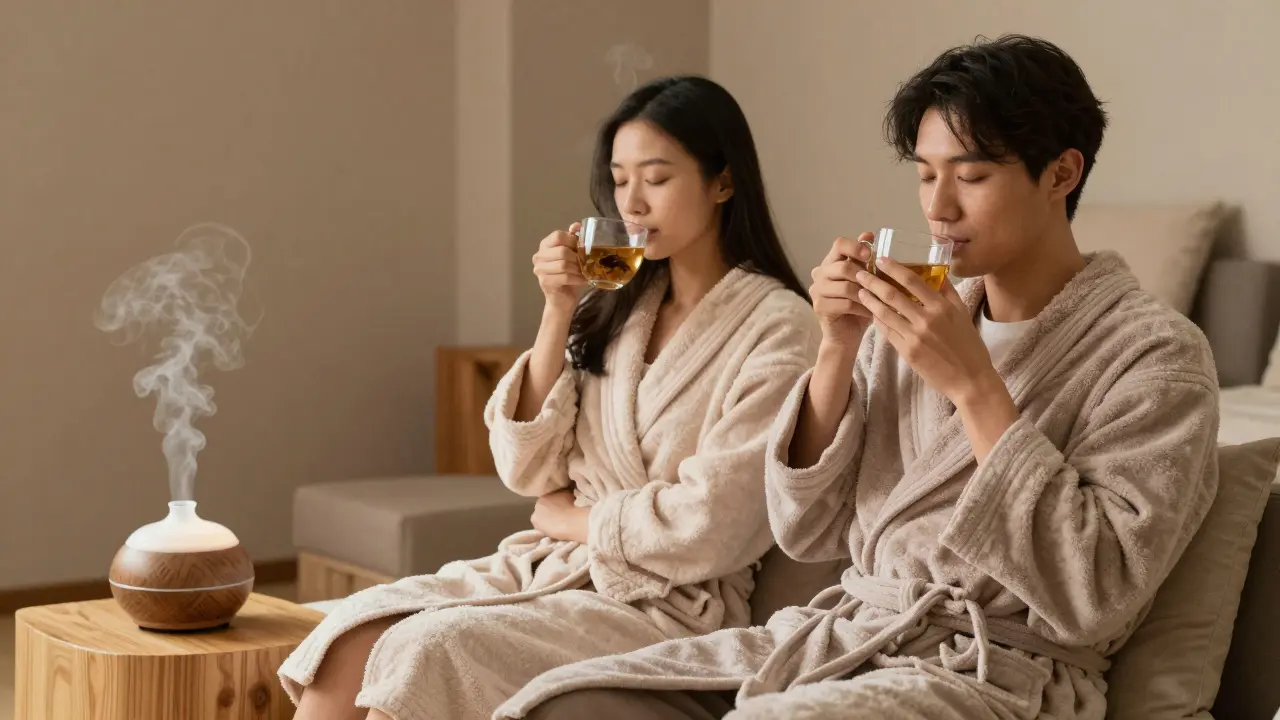
If you’re nervous, go alone first. It’s easier to tune into your body without distractions. If you’re going with a partner, don’t expect to talk. Most couples spend the time in quiet. That’s okay. In fact, it’s the point. You’re not there to catch up-you’re there to unwind.
Safety and Ethical Considerations
Choosing Qualified Practitioners
Always check credentials. In Dubai, licensed spas display their certifications. Ask about the therapist’s training. Are they certified in massage therapy? Do they understand anatomy? Avoid places where the staff seems rushed or untrained. Your safety matters more than the price tag.
Safety Practices
Hygiene is non-negotiable. Towels should be fresh. Sheets should be changed between clients. Tools should be sterilized. Here’s what to watch for:
| Practice | Purpose | Example |
|---|---|---|
| Change linens between clients | Prevent skin infections | Therapist brings fresh sheet before massage |
| Use clean gloves for scrubs | Avoid cross-contamination | Therapist changes gloves before applying oil |
| Ask about allergies | Prevent reactions | Therapist asks if you’re sensitive to lavender |
Setting Boundaries
You own your body. Always. If you don’t want your back touched, say so. If you want music turned off, say so. If you feel uncomfortable at any point, speak up. A good therapist will stop immediately. No excuses. No guilt.
Contraindications or Risks
Spas aren’t for everyone. Avoid treatments if you have open wounds, infections, fever, or are pregnant without clearance from your doctor. People with severe heart conditions or uncontrolled high blood pressure should avoid hot saunas or steam rooms. Always disclose medical conditions before your treatment.
Enhancing Your Experience with a Spa
Adding Complementary Practices
Pair your spa visit with mindfulness. Sit quietly for 5 minutes after your treatment. Breathe. Notice how your body feels. Or take a short walk afterward-no phone, just your senses. These small habits double the benefits.
Collaborative or Solo Engagement
Spas are deeply personal. You can go alone to reconnect with yourself. Or go with a partner to share quiet time. Neither is better. Just different. Solo visits build self-awareness. Shared visits build intimacy-without words.
Using Tools or Props
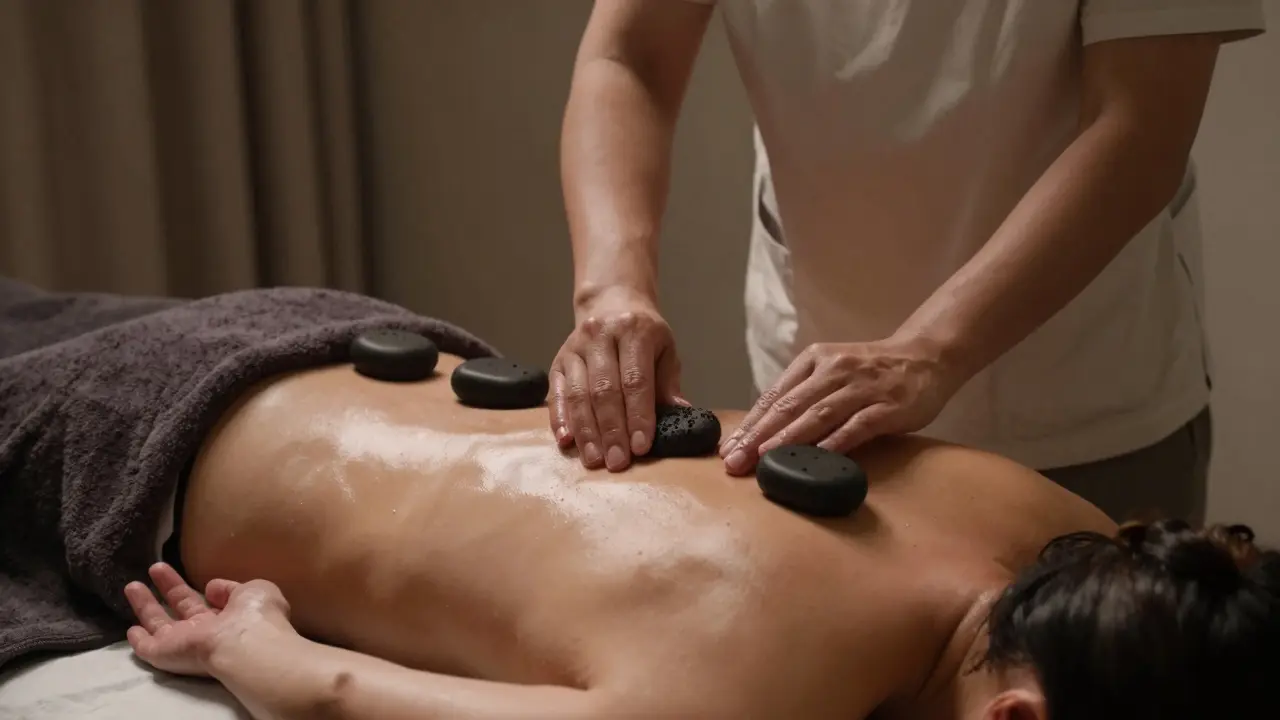
At home, use a foam roller, a warm compress, or a Himalayan salt lamp. In the spa, they might use heated stones, aromatherapy diffusers, or weighted blankets. These aren’t gimmicks-they’re tools to deepen relaxation.
Regular Engagement for Benefits
One spa visit won’t fix a lifetime of stress. But one a month? That’s a game-changer. Think of it like brushing your teeth. You don’t do it once and expect clean teeth forever. You do it regularly. Same with your nervous system.
Finding Resources or Experts for a Spa Experience
Researching Qualified Practitioners
In Dubai, check the Dubai Health Authority’s list of licensed wellness centers. Look for spas with trained therapists, not just receptionists selling packages. Read reviews for mentions of cleanliness, professionalism, and respect for boundaries.
Online Guides and Communities
Follow wellness blogs focused on Middle Eastern spa culture. Join forums like Dubai Wellness Group on Facebook. These spaces share honest experiences-not ads.
Legal or Cultural Considerations
In Dubai, spas are gender-segregated in many locations. Some offer private rooms for couples. Respect local norms. Dress modestly in common areas. Most spas are very accommodating, but it helps to know the rules ahead of time.
Resources for Continued Learning
Read "The Art of Relaxation" by Dr. Andrew Weil or watch documentaries on traditional hammam rituals. Knowledge deepens the experience.
FAQ: Common Questions About Spa
What to expect from a spa visit?
You’ll arrive, change into a robe, and be guided to a quiet space. You’ll have a brief chat with your therapist about your needs. Then you’ll receive your treatment-massage, steam, scrub, or soak. Afterward, you’ll rest for 10-15 minutes with tea or water. You won’t be rushed. You’ll leave feeling calm, lighter, and more centered. It’s not a quick fix-it’s a reset.
What happens during a spa session?
It depends on your treatment. A massage involves lying on a table while the therapist uses oil and pressure to release tension. A body scrub uses exfoliating granules to remove dead skin, followed by a rinse and moisturizing. A steam room heats your body to open pores and relax muscles. Each step is designed to calm your nervous system. You’re not doing anything-you’re being guided.
How does a spa differ from a massage?
A massage is one part of a spa experience. A spa includes multiple elements: heat, water, scent, silence, and time. You might get a massage, then a steam, then a foot soak. It’s a full sensory reset. A massage alone is targeted. A spa is holistic. One fixes your muscles. The other restores your whole system.
What is the method of a spa treatment?
There’s no single method. Spas combine ancient techniques-like hammam scrubbing or Roman bathing-with modern science, like aromatherapy and myofascial release. The method is always tailored: pressure, temperature, duration, and scent are adjusted to your needs. The goal is always the same: to help your body shift from stress mode to rest mode.
Is a spa suitable for beginners?
Absolutely. Most spas cater to first-timers. Start with a simple 60-minute massage or a 30-minute foot soak. Tell your therapist you’re new. They’ll guide you. There’s no pressure to try everything. The most important thing is showing up. The rest will follow.
Conclusion: Why Spa is Worth Exploring
A Path to Stillness
In a world that never stops talking, a spa is one of the few places where silence is the point. It’s not about looking good. It’s about feeling whole. Whether you’re in Dubai, Delhi, or Detroit, the need to rest is universal. A spa doesn’t fix your life-it gives you the space to breathe through it.
Try It Mindfully
Don’t go expecting miracles. Go expecting peace. Let the experience unfold. If you feel awkward at first, that’s okay. You’re not failing-you’re learning. And if you’re unsure, start small. A foot soak. A steam. One hour. You’ll be surprised how much it changes your week.
Share Your Journey
Tried a spa lately? Share your experience in the comments. What surprised you? What did you feel? Your story might be the nudge someone else needs to try it.
Follow this blog for more tips on wellness in Dubai’s unique environment.
Some links may be affiliate links, but all recommendations are based on research and quality.
Word count: 1,682
Suggested Visuals
- A serene spa room in Dubai with stone walls, soft lighting, and a towel draped over a wooden bench
- A therapist using warm stones on a client’s back during a massage
- Someone relaxing in a private steam room with eucalyptus leaves floating in water
- A close-up of hands being treated with a warm herbal scrub
- A couple sitting quietly in a relaxation lounge, each sipping tea, eyes closed
Suggested Tables
- Comparison of Spa vs. Similar Wellness Practices
- Key Benefits of a Spa Visit
- Spa Safety Tips

Natalie Norman
February 1, 2026 AT 18:52I cried during my first massage. Like, full-on ugly sobbing. No joke. I didn’t even know I was holding that much in. The therapist just handed me a tissue and kept going. No big deal. No questions. Just… presence. That’s what spa’s really for.
Nithin Kumar
February 2, 2026 AT 01:25Spa is just another capitalist trap to sell you $200 candles and overpriced oils. Real relaxation? Take a cold shower. Meditate. Stop wasting money on fancy steam rooms that don’t fix your 9-to-5 burnout. 🌿
Helene Gagnon
February 2, 2026 AT 09:35Did you know most spas use phthalates in their scents? They’re endocrine disruptors. And the ‘organic’ oils? Often fake. The whole thing’s a placebo wrapped in linen and sold to rich people who think they’re healing themselves while the system keeps grinding. You’re being manipulated. Wake up.
Sarah Fleming
February 3, 2026 AT 02:01It’s not about the massage, or the steam, or even the silence-it’s about the surrender. The radical, terrifying, beautiful act of letting go of control. We live in a world that demands productivity, achievement, performance-yet here, in this warm, quiet room, we are allowed to simply be. And that, my friends, is the most revolutionary act of self-love there is.
Grace Shiach
February 3, 2026 AT 19:19Spa visits are medically beneficial. Studies confirm reduced cortisol and improved sleep. Always choose licensed facilities. Avoid unregulated providers. Hygiene standards matter. Your health is not negotiable.
Rob Schmidt
February 5, 2026 AT 10:16Spas? In America, we work hard. We don’t lie around in robes eating grapes. That’s for people who can’t handle real life. If you’re tired, get more sleep. Stop buying into this fluffy wellness nonsense.
Dan Helmick
February 7, 2026 AT 04:20Let’s be honest: the spa is the last refuge of the overworked middle class pretending they’re enlightened. You pay $150 to be told to breathe while someone else massages your shoulders-because capitalism won’t let you just stop. The real spa is quitting your job, moving to a cabin, and never checking your email again. Everything else is just retail therapy with a side of lavender.
Juhi Edwin
February 8, 2026 AT 00:35I used to think spas were for rich people. Then I tried a 30-minute foot soak at my local community center for $15. It changed my week. You don’t need marble floors or Himalayan salt. You just need to let yourself be cared for-even if it’s for half an hour. Start small. It’s not about luxury. It’s about listening.
jasmine zeindler
February 9, 2026 AT 18:32I went to a spa in Dubai that used 24-karat gold-infused serum. Honestly, if you’re not going to splurge on the finest, why bother? It’s not a spa-it’s a spiritual experience. And if you can’t afford to feel like a goddess, you’re not trying hard enough. ✨
Michelle Avendano
February 9, 2026 AT 20:30I cried again today after my massage. I don’t even know why. I just feel so… empty. Like I’ve been screaming inside for years and no one heard me. The therapist didn’t say anything. She just held my hand. I wish I could stay there forever. I wish I could stay.