
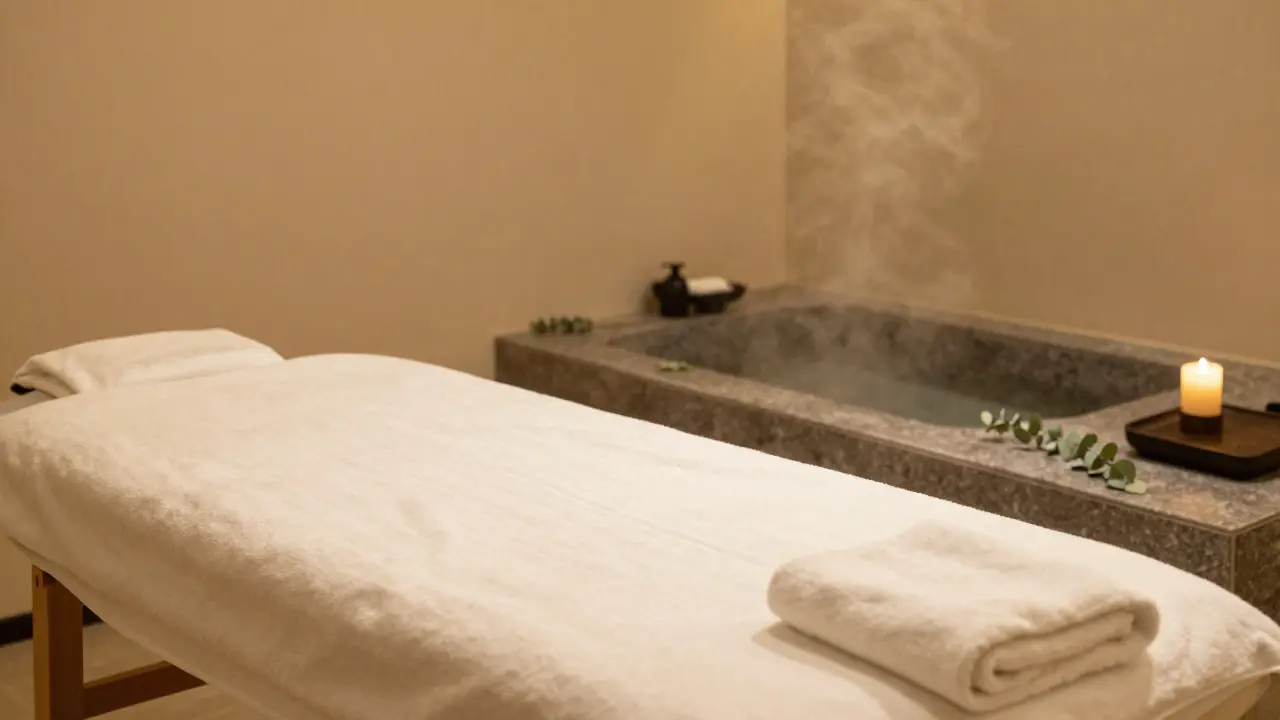
What exactly happens in a spa? It’s not just a massage and a cucumber slice. If you’ve ever walked into a spa wondering what’s really going on behind the incense and soft music, you’re not alone. Many people assume spas are luxury gimmicks - expensive rooms with fancy labels. But the truth? A real spa is a carefully designed experience built around your body, mind, and nervous system. It’s science wrapped in serenity. And if you’ve never tried one, you might be missing out on something that could reset your whole week.
Understanding the Basics of a Spa
Origins and History
Spas didn’t start in Dubai’s five-star resorts. Their roots go back thousands of years. Ancient Romans built grand bathhouses where people soaked, socialized, and healed. The Greeks used hot springs for joint pain. In Japan, onsen bathing became a spiritual ritual. Even in ancient Egypt, queens used milk baths for skin. The word "spa" itself comes from the Belgian town of Spa, known since Roman times for its mineral springs. Today’s spas blend these traditions with modern wellness science - no magic, just biology.
Core Principles or Components
A modern spa isn’t random. It follows three core principles: relaxation, restoration, and sensory reset. Relaxation means lowering your heart rate and quieting your mind. Restoration is about helping your body recover - whether from stress, poor sleep, or physical strain. Sensory reset? That’s the deliberate removal of overstimulation. No phones, no loud music, no bright lights. Just calm air, gentle touch, and quiet. Most spa treatments are designed around these three pillars, whether it’s a steam room, a hot stone massage, or a scalp treatment with essential oils.
How It Differs from Related Practices
Spas aren’t the same as salons or gyms. A salon focuses on appearance - haircuts, nails, makeup. A gym focuses on movement and muscle. A spa? It’s about internal balance. Here’s how it stacks up:
| Practice | Key Feature | Primary Benefit |
|---|---|---|
| Spa | Sensory calm + therapeutic touch | Reduces cortisol, improves sleep |
| Salon | Aesthetic enhancement | Boosts confidence through appearance |
| Gym | Physical exertion | Builds strength, endurance |
| Yoga Studio | Mind-body movement | Improves flexibility, mental focus |
Who Can Benefit from a Spa?
Almost everyone. Busy professionals? Spas help reset a frazzled nervous system. New parents? A few hours of quiet can restore emotional balance. Athletes? Recovery treatments reduce muscle inflammation. Even people with chronic stress or poor sleep find relief. You don’t need to be "sick" or "stressed out" to benefit. A spa is like a tune-up for your human operating system - no diagnosis required.
Benefits of a Spa for Body and Mind
Stress Reduction
When you’re in a spa, your body starts to shift out of "fight-or-flight" mode. Studies show that even a 60-minute massage can lower cortisol - the main stress hormone - by up to 30%. The warmth of heated stones, the rhythm of slow strokes, the scent of lavender - all these cues tell your brain: "You’re safe." That’s not just nice. It’s biological. Over time, regular spa visits can help reduce anxiety, lower blood pressure, and even improve immune function. The NIH says chronic stress is linked to 60% of all illnesses. A spa isn’t a luxury - it’s a preventive tool.
Enhanced Circulation and Detoxification
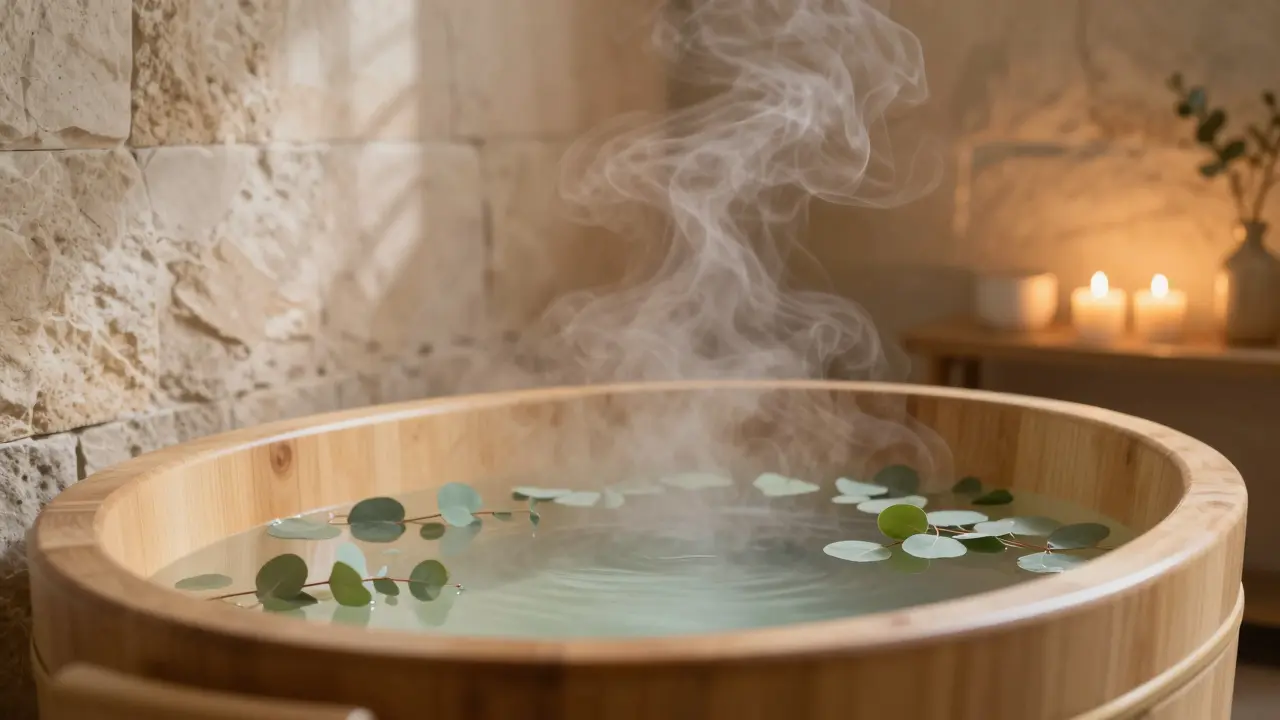
Hot tubs, steam rooms, and infrared saunas don’t just feel good - they get your blood moving. Heat dilates blood vessels, which helps deliver oxygen and nutrients to tired muscles and skin. Sweating in a steam room helps flush out toxins through your skin - your body’s largest organ. It’s not a magic cleanse, but it does support your liver and kidneys by taking some of the load off. Think of it like giving your body a gentle wash from the inside out.
Emotional Well-Being
Touch is powerful. A skilled therapist’s hands can trigger the release of oxytocin - the "bonding hormone" - even if you’re alone. That’s why many people cry during their first massage. Not because they’re sad. Because they’re finally allowed to relax. Spas create space for emotional release. For people who spend their days glued to screens or managing high-pressure jobs, that moment of being cared for without having to do anything in return? It’s rare. And deeply healing.
Practical Applications
Spa benefits don’t stay in the treatment room. Better sleep? You’ll wake up more alert. Reduced muscle tension? Your posture improves. Lower stress? You handle traffic, meetings, and kids with more patience. One woman in Dubai told me she started going once a month after her divorce. "I didn’t realize how much I was holding in my shoulders," she said. "Now I sleep through the night. My work performance doubled."
Benefit
Description
Impact
Improved Sleep
Reduced cortisol and increased melatonin
Deeper, more restorative rest
Reduced Muscle Pain
Heat and massage loosen tight tissue
Better mobility, less stiffness
Mood Lift
Oxytocin and serotonin release
Less anxiety, more calm
Clearer Skin
Steam opens pores, exfoliation removes buildup
Dullness fades, glow returns
What to Expect When Engaging with a Spa
Setting or Context
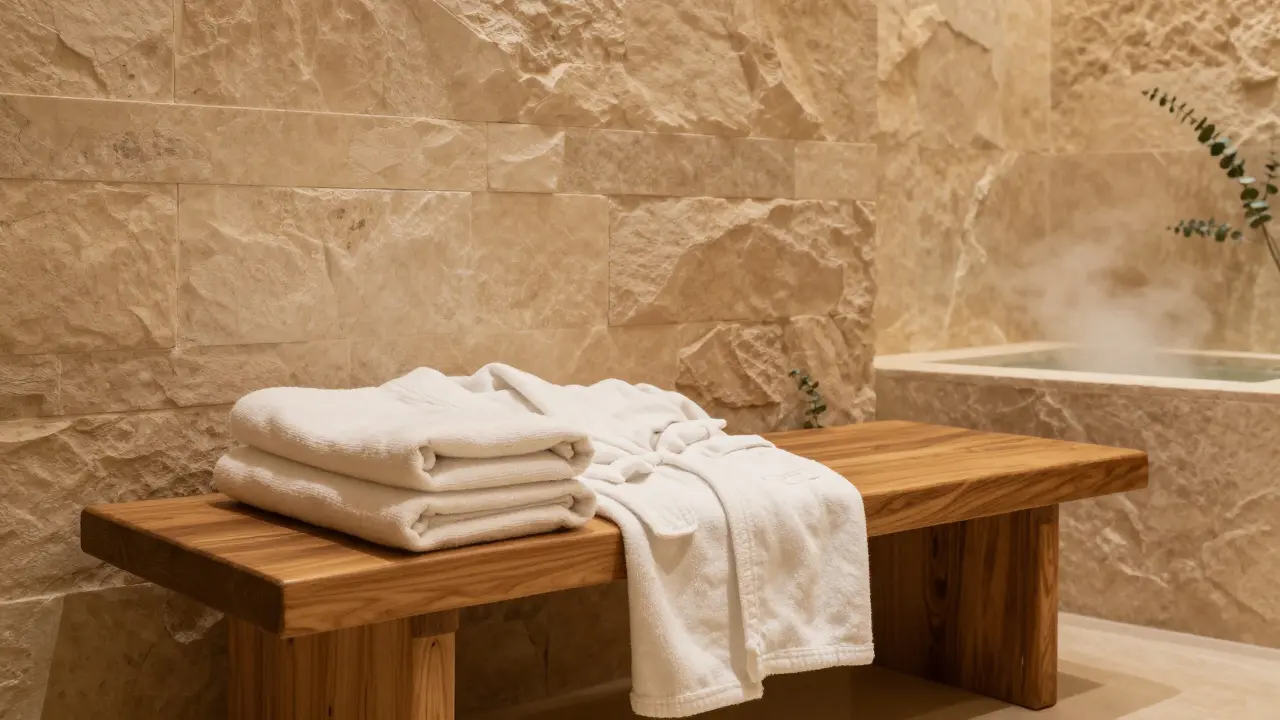
Walk into a quality spa in Dubai, and you’ll notice the silence. No loud music. No chatter. Just low lighting, warm stone floors, and the faint scent of eucalyptus or sandalwood. You’ll be given a robe, slippers, and a towel. The waiting area is quiet - no phones allowed. You might sip herbal tea while you wait. Everything is designed to signal: "You’re not in the real world anymore."
Key Processes or Steps
A typical spa visit follows a rhythm:
- Consultation: You’ll talk briefly with a therapist about your goals - "I need to relax," "My back is tight," or "I want glowing skin."
- Preparation: You shower to cleanse your skin. This helps treatments absorb better.
- Treatment: This could be a massage, facial, body wrap, or hydrotherapy. Duration: 60-90 minutes.
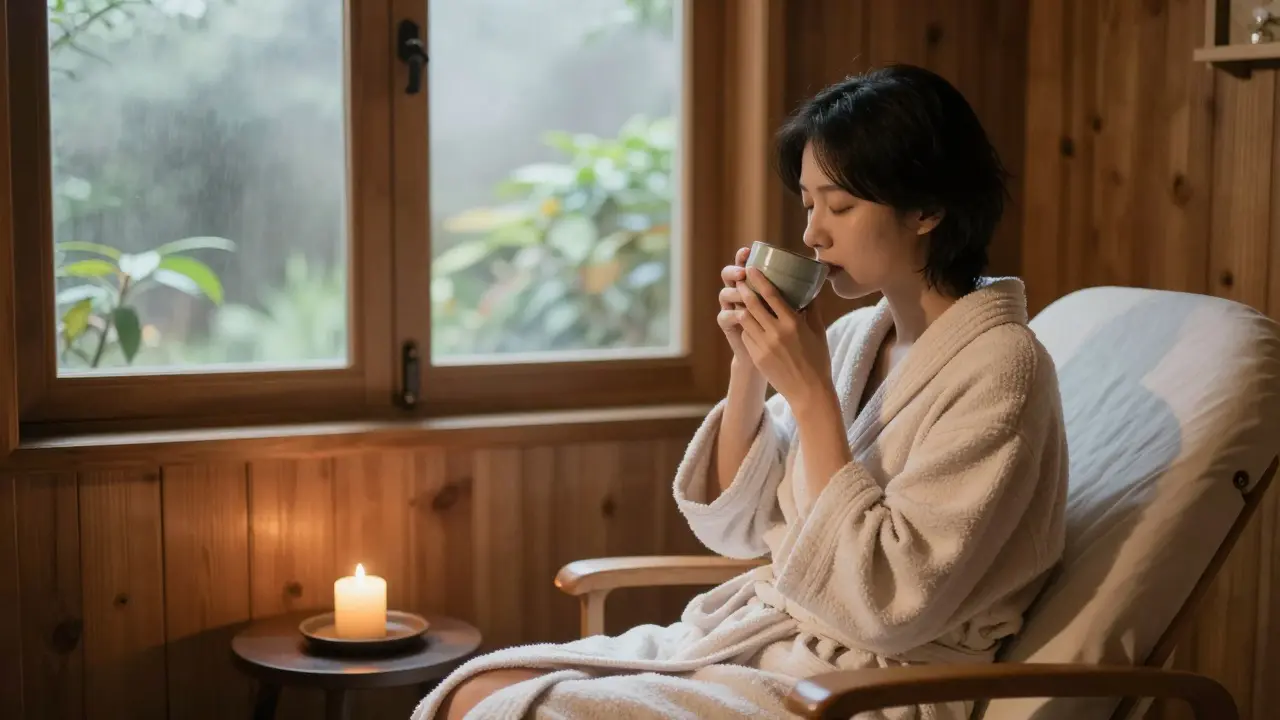
- Recovery: You rest in a quiet room with warm tea or infused water. No rushing.
- Aftercare: You’re given tips - drink water, avoid caffeine, don’t jump straight into work.
Customization Options
Spas aren’t one-size-fits-all. You can choose:
- Pressure level (light, medium, deep)
- Essential oils (lavender for calm, peppermint for energy)
- Temperature (hot stones, cool masks)
- Focus area (shoulders, feet, full body)
Some spas even offer gender-specific treatments or culturally adapted rituals - like a traditional Emirati hammam, which uses natural oils and exfoliating mitts.
Communication and Preparation
Speak up. Tell your therapist if something hurts. If you’re uncomfortable with nudity, ask for extra draping. If you’re sensitive to scents, say so. Most therapists are trained to adjust on the fly. Also - don’t eat a heavy meal right before. Don’t arrive with makeup on if you’re getting a facial. And skip alcohol. You want to be calm, not buzzed.
How to Practice or Apply a Spa Experience
Setting Up for Success
You don’t need a spa to get its benefits. At home, try this: dim the lights, light a candle, fill the tub with warm water and Epsom salts, play nature sounds, and soak for 20 minutes. No phone. No thinking about tomorrow. Just breathe. It’s not a replacement for a professional spa - but it’s a powerful start.
Choosing the Right Tools/Resources
Look for licensed therapists. Ask if they’re certified by a recognized body like the International Spa Association. Check reviews that mention cleanliness, professionalism, and attention to detail. In Dubai, top spas often have therapists trained in Europe or Asia. Don’t be afraid to ask about their training.
Step-by-Step Guide
Here’s how to have your first spa day:
- Book a 60-minute massage - Swedish or deep tissue.
- Arrive 15 minutes early.
- Shower before your treatment.
- Communicate your needs clearly.
- Let yourself drift during the massage.
- Rest afterward. Don’t rush out.
- Drink water when you leave.
Tips for Beginners or Couples
If you’re nervous, start with a 30-minute express facial. It’s less intimidating. If you’re going with a partner, try a side-by-side massage. It’s not romantic - it’s bonding. You’ll both be silent, relaxed, and present. No talking needed. Just breathing together.
Safety and Ethical Considerations
Choosing Qualified Practitioners/Resources
Always ask: "Are you licensed?" In Dubai, spas must follow strict health codes. Look for clean linens, sealed products, and therapists who wash their hands before each session. Avoid places that don’t offer a consultation. A good spa cares about your health - not just your wallet.
Safety Practices
Here’s how to stay safe:
| Practice | Purpose | Example |
|---|---|---|
| Hygiene | Prevents infection | Single-use towels, sanitized tables |
| Consent | Respects boundaries | Therapist asks before adjusting draping |
| Temperature Control | Prevents burns or shock | Hot stones checked for heat |
Setting Boundaries
You own your body. If a therapist touches you in a way that feels off - even if it’s "standard" - say something. You can ask for adjustments. You can stop. You can leave. No apology needed.
Contraindications or Risks
Don’t go to a spa if you have:
- Open wounds or recent surgery
- Severe skin infections
- High fever or contagious illness
- Uncontrolled high blood pressure
- Pregnancy (unless you’re in a prenatal spa)
If you’re unsure, check with your doctor first.
Enhancing Your Experience with a Spa
Adding Complementary Practices
Pair your spa day with journaling, meditation, or a quiet walk. Avoid jumping back into work right after. Give yourself at least an hour to transition. Many people find that a spa session is the perfect prelude to a weekend of rest.
Collaborative or Solo Engagement
Spas are deeply personal. Solo visits are powerful - you’re not performing for anyone. But going with a friend or partner can deepen connection. The key? Don’t talk during the treatment. Just be.
Using Tools or Props
At home, try:
- Epsom salt baths
- Heated eye masks
- Massage rollers for feet
- Essential oil diffusers
These won’t replace a professional spa - but they’ll stretch the calm.
Regular Engagement for Benefits
One spa visit a month is enough to make a difference. Not every week. Just enough to interrupt the stress cycle. Think of it like brushing your teeth - not because you’re dirty, but because you’re maintaining balance.
Finding Resources or Experts for a Spa Experience
Researching Qualified Practitioners/Resources
Check Google Reviews for keywords like "clean," "professional," "listened to me." Avoid places with 100+ reviews but 3.5 stars. Look for spas with certified therapists - their credentials are often listed on their website. In Dubai, top spas like Spa at Burj Al Arab or Anantara Spa are known for high standards.
Online Guides and Communities
Follow wellness blogs focused on Middle Eastern spa culture. Look for content from licensed therapists, not influencers selling detox teas. The International Spa Association offers general guidelines for what to expect.
Legal or Cultural Considerations
In Dubai, spas are gender-segregated in some areas. Always confirm policies before booking. Private treatments are available for all genders. Respect local norms - modesty is valued. Don’t wear revealing clothing in common areas.
Resources for Continued Learning
Read "The Spa Book" by Dr. Linda S. Hsu for science-backed insights. Watch documentaries on traditional bathing rituals from Japan and Turkey. Knowledge deepens appreciation.
FAQ: Common Questions About a Spa
What to expect from a spa visit?
You’ll be greeted calmly, asked about your needs, and guided through a clean, quiet process. You’ll shower, receive treatment in a private room, rest afterward, and leave feeling lighter. No surprises. No pressure. Just calm. Most people describe it as a reset - like hitting pause on their busy life.
What happens during a spa treatment?
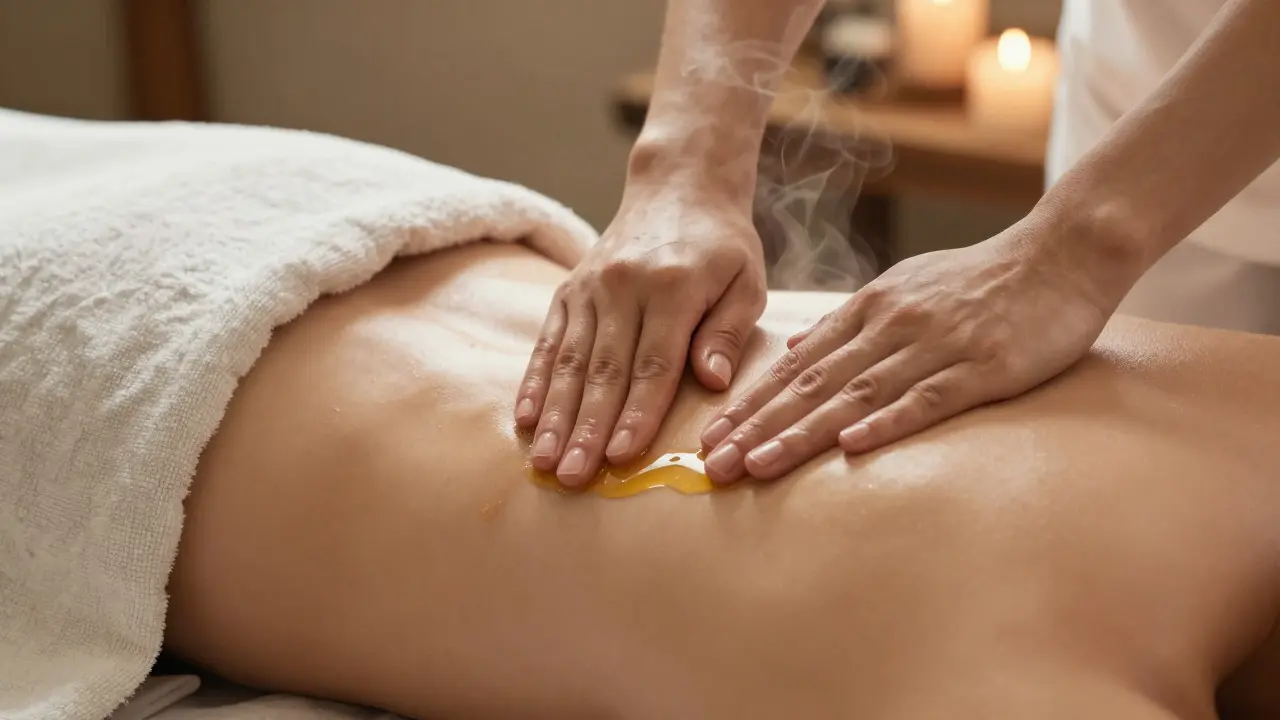
It depends on the service. A massage involves slow strokes, pressure adjustments, and draping for comfort. A facial includes cleansing, steaming, exfoliation, mask application, and moisturizing. A body wrap uses warm oils and wraps to hydrate skin. All are done with care, silence, and attention to your comfort. You’re not a customer - you’re the focus.
How does a spa differ from a massage parlor?
A spa is holistic. It includes ambiance, aftercare, hydration, and sensory calm. A massage parlor often focuses only on the physical manipulation. Spas have trained therapists who understand nervous system response. They don’t just move muscles - they restore balance. In Dubai, reputable spas are regulated. Parlor services may not be.
What is the method of a spa treatment?
The method is science-based relaxation. Heat opens pores and relaxes muscles. Touch triggers calming hormones. Silence lowers stress. Aromatherapy activates brain regions linked to peace. It’s not mystical - it’s neurobiology. A good spa uses these principles in sequence: prepare, treat, rest, recover. Every step matters.
Is a spa suitable for beginners?
Absolutely. Start with a 30-minute express facial or a 60-minute Swedish massage. Therapists are trained to guide first-timers. No experience needed. Just show up. Tell them if you’re nervous. They’ve seen it all. Most people leave their first spa feeling like they’ve discovered something they didn’t know they needed.
Conclusion: Why a Spa is Worth Exploring
A Path to Calm
A spa isn’t about luxury. It’s about returning to yourself. In a world that demands constant output, a spa offers quiet input. It’s where your body gets to say: "I’m tired. I need rest. I’m worth it."
Try It Mindfully
Book one session. Not as a treat. As a reset. Let yourself be cared for. No guilt. No hurry. Just breathe.
Share Your Journey
Tried a spa? Share your experience in the comments. What surprised you? What did you feel? Your story might be the nudge someone else needs.
Some links may be affiliate links, but all recommendations are based on research and quality.
Word count: 1,738
Suggested Images
- A serene spa treatment room with soft lighting, a massage table, and a towel draped neatly
- Close-up of hands applying warm oil during a body wrap
- A person relaxing in a quiet post-treatment lounge with herbal tea
- A steam room with wooden benches and mist rising
- Two people side-by-side on massage tables, both at peace
Suggested Tables
- Comparison of Spa vs. Related Practices
- Key Benefits of a Spa Experience
- Spa Safety Tips
Daniel Seurer
March 21, 2026 AT 08:02Spas are this weird blend of ancient ritual and modern corporate wellness branding, you know? I mean, yeah, Romans had bathhouses, but they didn’t have $200 aromatherapy candles made in a warehouse in Ohio. The whole thing’s a performance - soft lighting, silence, that one guy in a robe who says ‘welcome to your sanctuary’ like he’s reciting a script from a 2012 spa marketing seminar. But honestly? It works. My shoulders haven’t been this loose since college. I used to think it was all hype until I went after a breakup and just cried through a 90-minute massage. No explanation. No talking. Just warm oil and a blanket. Turns out, your body remembers stress even when your mind tries to forget it.
And don’t get me started on the tea. That herbal nonsense they serve after? Not magic. But it’s the first time in months I didn’t check my phone while sipping something warm. That’s the real win. Not the massage. Not the salt scrubs. Just the silence. The world doesn’t let you sit still anymore. A spa forces you to. Even if it costs a paycheck.
And yeah, I know it’s a luxury. But so is sleeping eight hours. Or eating real food. Or not yelling at your kid because you’re too tired to speak. We’ve normalized exhaustion. Spas just make you feel what you’ve been ignoring.
Also, the robe. The robe is the MVP. No zipper. No buttons. Just… cloth. You feel like a baby again. In a good way.
Go once. Not for the glow. Not for the ‘gram. Go because your body is begging you to stop.
Ashley Bonbrake
March 22, 2026 AT 02:47They’re using essential oils to manipulate your limbic system. That’s not wellness - it’s behavioral conditioning. The lavender? It’s been chemically tweaked to trigger dopamine release. The dim lighting? Flicker-free LEDs designed to slow your brainwaves. Even the silence is engineered - white noise machines mask your own thoughts so you don’t realize how much you’ve been numbing yourself with screens and caffeine.
And don’t tell me it’s ‘science.’ The same companies that sell you $150 facials also sell you detox teas and Fitbits. This isn’t healing. It’s a subscription model for emotional dependency. You think you’re resetting? You’re just being trained to need more of their products.
They’re selling you back your own nervous system - at a premium.
Next thing you know, they’ll be charging you to breathe naturally.
Bianca Santos Giacomini
March 23, 2026 AT 01:57Spas are just corporate wellness with a spa robe. They don’t fix anything. They just make you feel temporarily numb so you go back to your 80-hour workweek and think you’re doing okay. Real rest doesn’t cost $300. Real rest is silence. No candles. No oils. No robes. Just not doing anything. That’s the thing they don’t want you to know - you don’t need a spa. You need to quit your job.
Also, the ‘detox’ is nonsense. Your liver handles toxins. Sweating doesn’t cleanse your blood. That’s a myth sold by people who sell salt scrubs.
Stop spending money on placebo. Start saying no.
Shane Wilson
March 24, 2026 AT 08:38While the preceding comments present compelling perspectives - both in their enthusiastic endorsement and their skeptical deconstruction - I find myself compelled to offer a measured, evidence-based clarification. The therapeutic efficacy of spa practices is not contingent upon commercialization, nor is it invalidated by corporate branding. The physiological mechanisms underlying relaxation responses - including parasympathetic activation, cortisol reduction, and oxytocin release - are well-documented in peer-reviewed literature, including studies published by the National Institutes of Health and the Journal of Clinical Psychology.
The historical lineage of spa traditions, from Roman thermae to Japanese onsen, demonstrates a cross-cultural recognition of the somatic and psychological benefits of thermal immersion and tactile therapy. Modern spas, despite their commercial trappings, serve as institutionalized continuations of these traditions - not distortions.
Moreover, the assertion that ‘real rest’ requires economic withdrawal is a philosophical position, not a clinical one. For the vast majority of individuals who cannot disengage from professional obligations, structured, scheduled periods of sensory recalibration are not luxuries - they are necessary counterbalances to chronic stress exposure.
I would respectfully urge a shift in perspective: not away from spas, but toward ethical, accessible, and regulated spa experiences - ones that prioritize therapeutic integrity over commodification.
And yes - the robe is profoundly important. It is a symbolic and somatic boundary between duty and repose.
kamala amor,luz y expansion
March 24, 2026 AT 14:27You Americans think you invented calm. We had Ayurveda for 5,000 years before your spas had even heard of lavender. You pay $200 to sit in a room with incense while your therapist massages you - we had village healers using turmeric paste and coconut oil for free. Your ‘science’? We had yoga sages meditating in Himalayan caves while you were still figuring out how to light a candle.
And now you call it ‘wellness’ like it’s new? You take our ancient practices, wrap them in silk robes, charge for parking, and call it innovation.
Stop pretending you discovered peace. You just packaged it.
Also, your ‘steam rooms’ are just humid bathrooms with better lighting.
Matt Morgan
March 26, 2026 AT 02:22I cried during my first massage. Not because I was sad. Not because I was hurt. Because for the first time in seven years, someone touched me without expecting something back. No text. No email. No meeting. No deadline. Just hands. Warm. Slow. Present.
I didn’t know I was holding my breath until I stopped.
It wasn’t the oil. It wasn’t the music. It was the quiet permission to be broken without having to fix it.
I went back last week. Sat there. Didn’t say a word. Just let myself be held - not by a person, but by the space. The silence. The warmth.
Spas don’t fix you.
They remind you that you’re worth being held.
And that? That’s the most radical thing you can do in this world.