Spa sessions are more than just a luxury-they’re a reset button for your body, mind, and spirit. Whether you’re in Dubai’s desert heat or dealing with a packed workweek, a spa session offers a quiet space to breathe, unwind, and reconnect with yourself. But what exactly happens during one? Who is it for? And why do so many people say it changed their routine? Let’s break it down, step by step, without the fluff.
Understanding the Basics of Spa Sessions
Origins and History
Spa sessions didn’t start in a five-star hotel in Dubai. Their roots go back thousands of years. Ancient Romans built public bathhouses as social hubs, where people soaked in warm water to heal injuries and relax after a long day. The Greeks used hot springs for healing, and in Japan, onsen (hot spring baths) became sacred rituals tied to nature and mindfulness. The word "spa" itself comes from the Belgian town of Spa, famous for its mineral-rich waters since the 14th century. Today, modern spa sessions blend these ancient traditions with contemporary wellness science-think aromatherapy, targeted massage, and hydrotherapy-all designed to help you recover from daily stress.
Core Principles or Components
A typical spa session rests on three pillars: touch, temperature, and stillness. Touch-through massage, body wraps, or reflexology-stimulates circulation and helps release muscle tension. Temperature plays a big role too: warm water relaxes muscles, steam opens pores, and cool elements like chilled stones or mint-infused oils bring alertness. And stillness? That’s the quiet part. No phones. No emails. Just you, soft lighting, and calming sounds. Together, these elements trigger your parasympathetic nervous system-the part of your body that says, "It’s safe to relax."
How It Differs from Related Practices
Spa sessions aren’t the same as a massage at a gym or a quick facial at a salon. Here’s how they stack up:
| Practice | Key Feature | Primary Benefit |
|---|---|---|
| Spa Session | Full-body, multi-sensory experience | Deep relaxation and holistic renewal |
| Massage Therapy | Focused on muscles and pain relief | Targeted physical recovery |
| Facial Treatment | Skincare-focused, usually 30-60 minutes | Improved skin texture and glow |
| Yoga Class | Active movement and breathwork | Mind-body connection and flexibility |
Spa sessions are the only one that combines all three: physical touch, environmental control, and mental space. You don’t just get a service-you get an experience.
Who Can Benefit from Spa Sessions?
Anyone who feels overwhelmed, stiff, or emotionally drained. That’s not just stressed professionals-it’s new parents, shift workers, athletes recovering from training, or even people just starting to prioritize self-care. You don’t need to be rich or have a perfect routine. Even one session can reset your stress levels. In Dubai, where the pace is fast and the climate is intense, spa sessions offer a necessary pause. People from all walks of life here use them-not as a treat, but as a tool for staying balanced.
Benefits of Spa Sessions for Body, Mind, and Emotions
Stress Reduction
When you’re in a spa environment, your cortisol (the stress hormone) drops. Studies from the National Institutes of Health show that even one 60-minute massage can reduce cortisol by up to 30% Web source (https://www.nih.gov). The warmth, quiet, and rhythmic touch signal your brain to switch from "fight or flight" to "rest and digest." You might not realize how tense you are until you feel your shoulders drop for the first time in weeks. That’s the power of a spa session-it doesn’t just mask stress; it helps your body release it.
Enhanced Functionality
Stiff shoulders? Tight hips? Chronic headaches? These aren’t just annoyances-they’re signs your body is overworked. Spa sessions, especially those with deep tissue work or hydrotherapy, improve blood flow and lymphatic drainage. That means better oxygen delivery to muscles, faster recovery, and less inflammation. Many athletes and desk workers in Dubai swear by weekly sessions to stay mobile and pain-free. It’s not magic-it’s physiology.
Emotional Well-Being
Spa sessions often leave people feeling lighter emotionally, not just physically. Why? Because when you’re in a calm space, your mind gets a break from constant thinking. Many report feeling more patient, less reactive, and even more creative afterward. It’s like hitting pause on mental noise. You don’t need to talk about your problems. Just being in that space-warm, safe, and quiet-can shift your emotional baseline.
Practical Applications
Think of spa sessions as preventive care. Just like you brush your teeth to avoid cavities, regular spa sessions help prevent burnout, chronic tension, and emotional fatigue. In Dubai’s high-pressure environment, people who schedule monthly sessions report better sleep, improved focus at work, and even stronger relationships. It’s not a luxury-it’s maintenance for your nervous system.
| Benefit | Description | Impact |
|---|---|---|
| Stress Reduction | Lowers cortisol and calms the nervous system | Improved sleep, fewer headaches |
| Improved Circulation | Enhances blood and lymph flow | Faster muscle recovery, glowing skin |
| Emotional Clarity | Reduces mental chatter and anxiety | Better decision-making, less reactivity |
| Consistency Boost | Regular sessions build a self-care habit | Sustainable energy and mood |
What to Expect When Engaging with Spa Sessions
Setting or Context
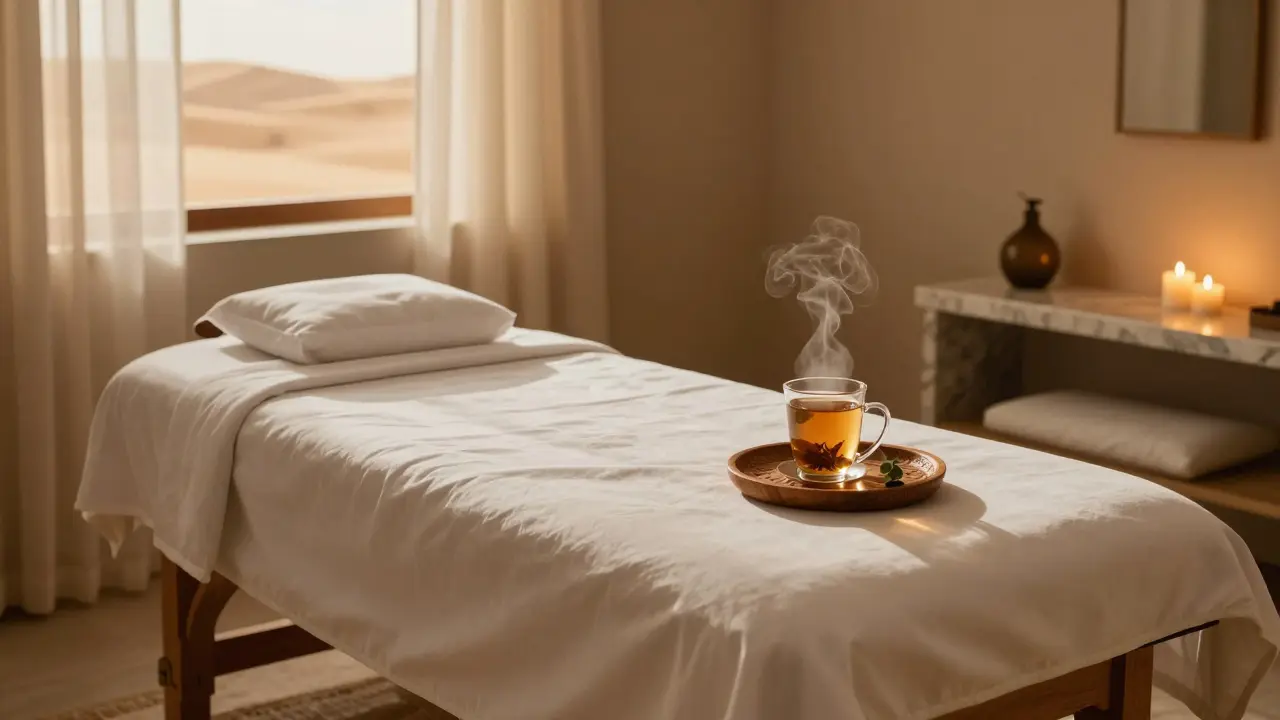
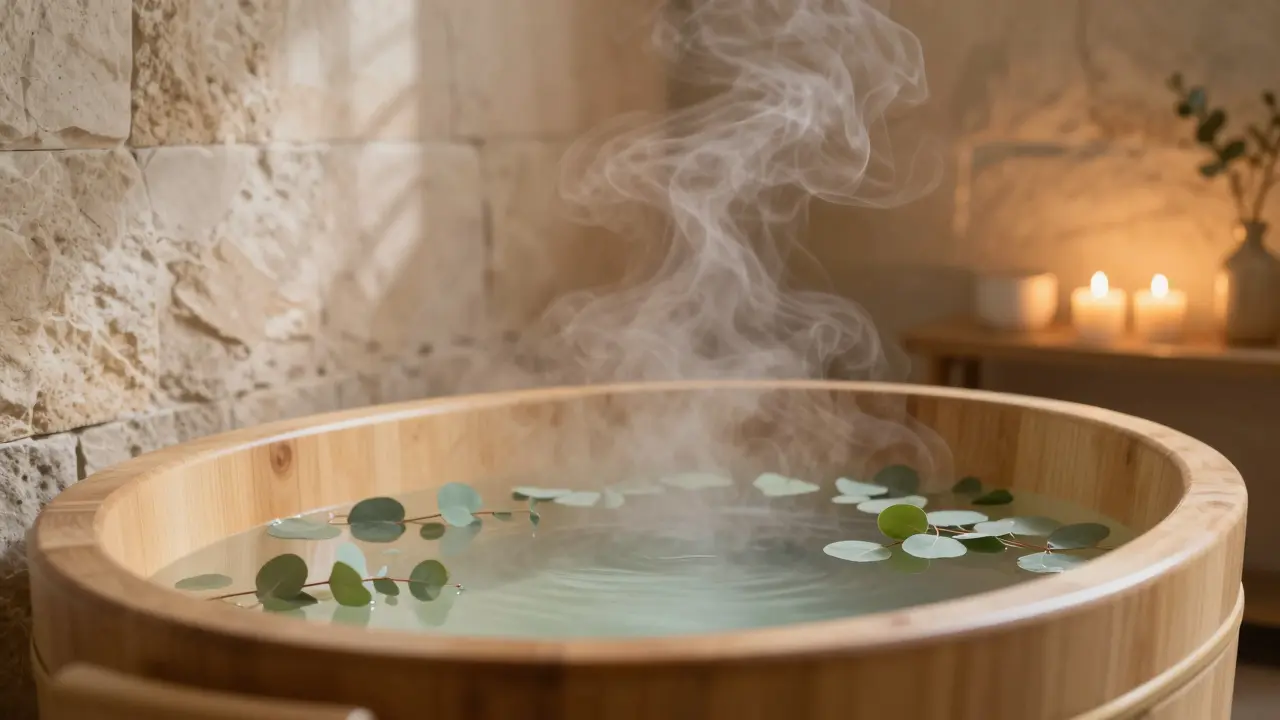
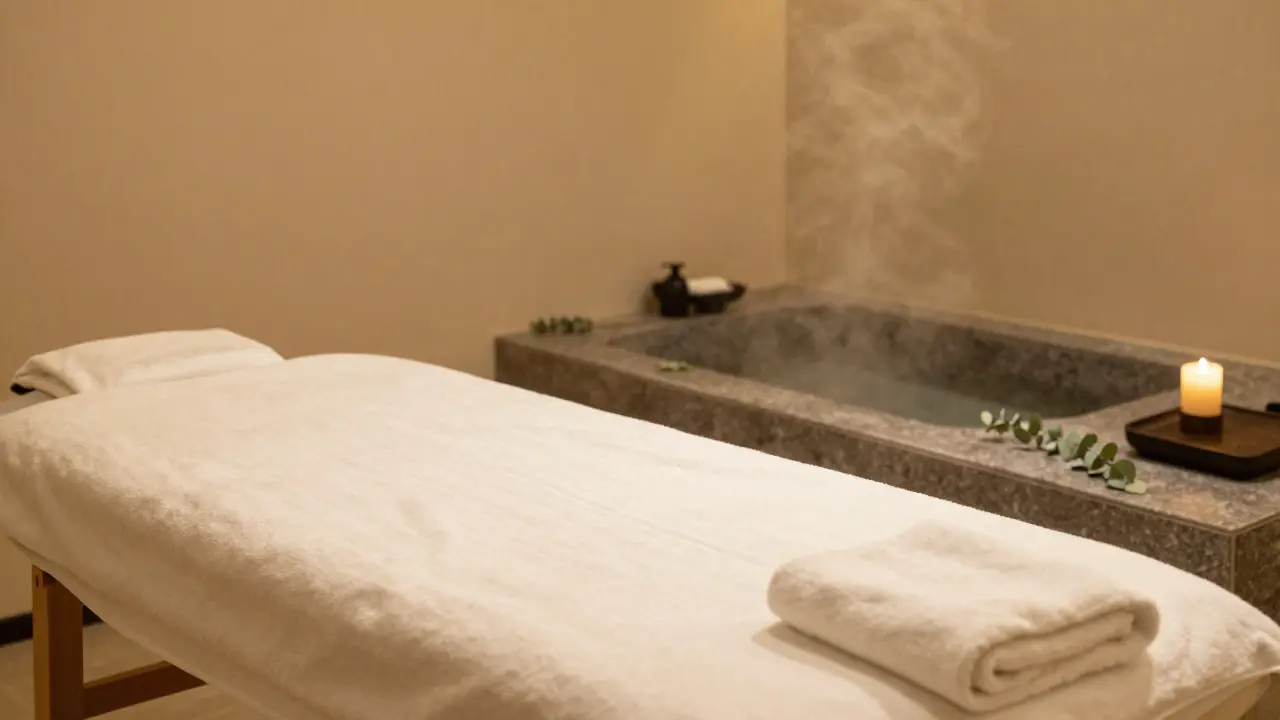
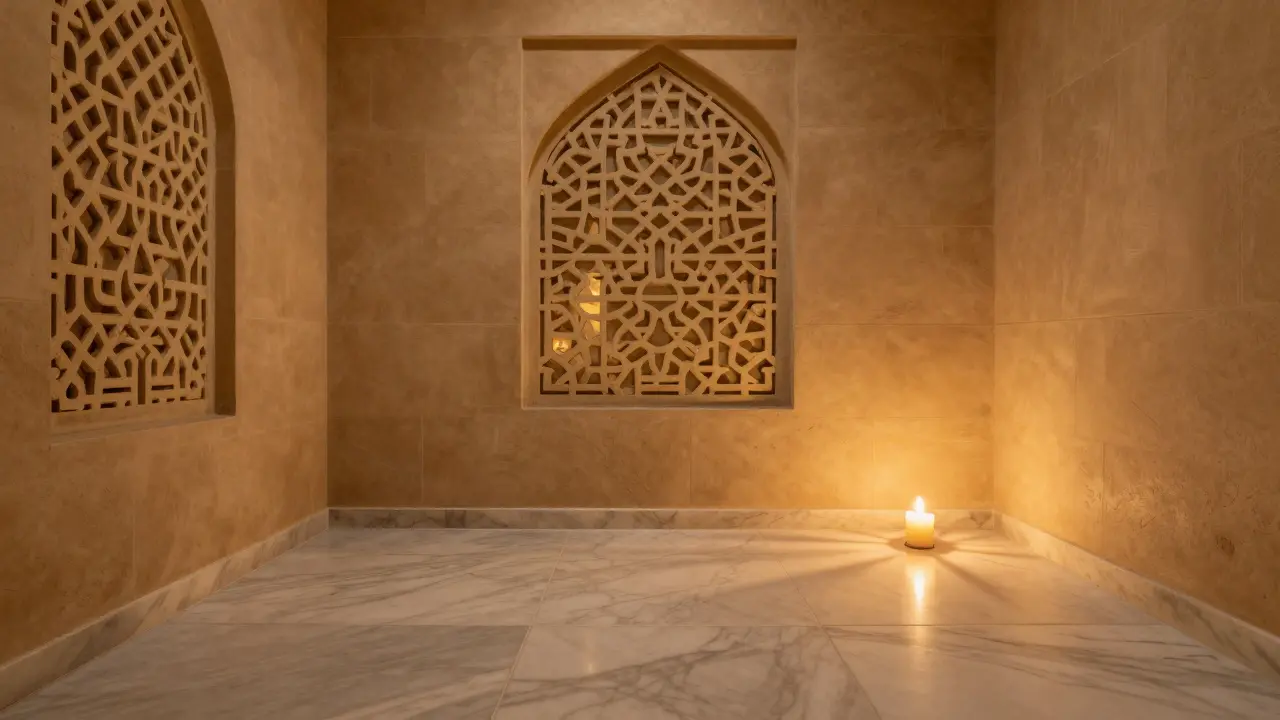
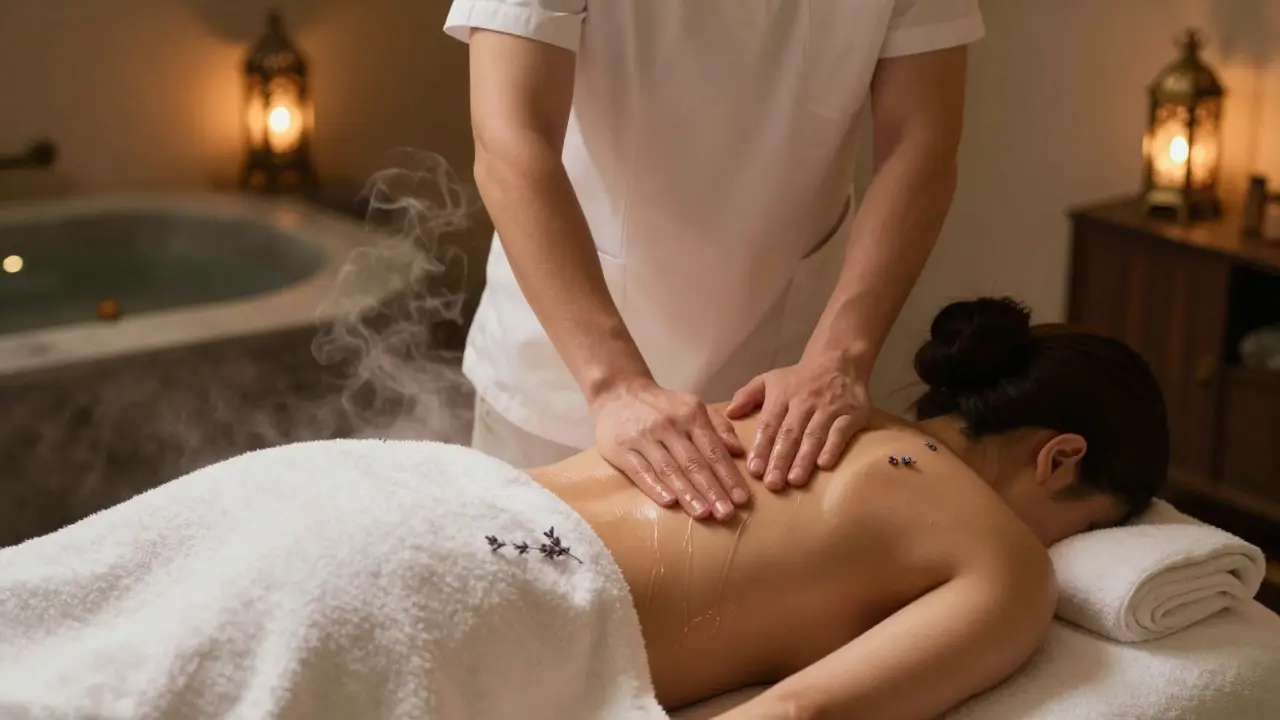
Forget loud music and bright lights. A good spa session starts with the environment: dim lighting, gentle music, the scent of lavender or eucalyptus, and the soft sound of flowing water. In Dubai, many spas use local design elements-sandstone walls, Arabic patterns, and cool marble-to ground you in the space. The temperature is always just right: warm enough to relax, cool enough to feel refreshed. You’ll be given a robe, slippers, and a towel. No rush. No pressure. Just the quiet promise of peace.
Key Processes or Steps
Most full spa sessions follow a simple flow:
- Consultation: You’ll chat briefly with your therapist about your goals-tension points, preferences, or any health concerns.
- Preparation: You’ll change into a robe and head to the treatment room. Often, you’ll have a few minutes alone to breathe and settle in.
- Treatment: This could be a massage, body scrub, steam, or wrap. Duration varies: 60 to 90 minutes is standard.
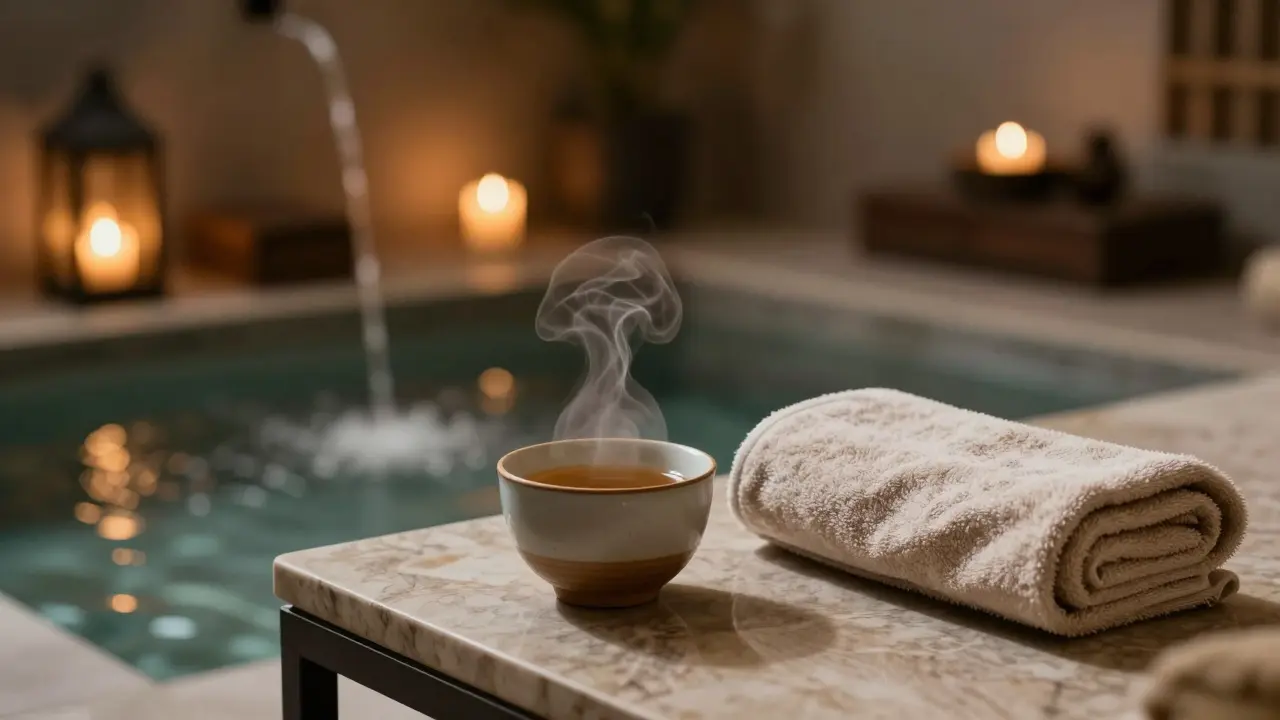
- Recovery: Afterward, you’ll relax in a quiet lounge with herbal tea or infused water. This part is crucial-it lets your body integrate the experience.
Customization Options
Spa sessions aren’t one-size-fits-all. You can choose:
- Oil type (lavender for calm, citrus for energy)
- Pressure level (light, medium, deep)
- Focus areas (back, neck, feet)
- Add-ons (hot stones, aromatherapy, scalp massage)
Some spas even offer gender-specific treatments or culturally tailored rituals-like traditional Emirati henna wraps or Indian Ayurvedic therapies. Tell them what you need. They’re there to adapt.
Communication and Preparation
Be honest. If you’re sensitive to smells, have an injury, or feel anxious about being touched, say so. Most therapists are trained to adjust. Arrive 15 minutes early to fill out a form and settle in. Skip heavy meals or caffeine right before. Hydrate. And leave your phone in the locker. The best part of a spa session? The silence.
How to Practice or Apply Spa Sessions
Setting Up for Success
You don’t need a spa to start. At home, create a mini-spa: dim the lights, light a candle, play nature sounds, and soak in a warm bath with Epsom salts. Add a few drops of lavender oil. Even 20 minutes can help. The goal isn’t perfection-it’s presence.
Choosing the Right Tools/Resources
If you’re looking for a professional spa, check reviews for cleanliness, therapist training, and hygiene standards. In Dubai, licensed spas must meet strict health codes. Look for certifications from organizations like the International Spa Association. Ask if therapists are trained in anatomy and pressure techniques. Don’t be afraid to ask questions.
Step-by-Step Guide
Here’s how to make your first spa session work:
- Book a 60-minute massage or full-body treatment.
- Arrive early-no rush.
- Drink water before and after.
- Communicate your needs clearly.
- Let yourself sink into the experience-no thinking about work.
- Stay in the relaxation area for 10-15 minutes after.
Tips for Beginners or Couples
First-timers often worry about what to wear. You’ll be covered with towels the whole time-no awkwardness. Couples can book side-by-side treatments, which many find bonding. Just don’t try to talk during the session. Let the silence do its work.
Safety and Ethical Considerations
Choosing Qualified Practitioners/Resources
In Dubai, licensed spas employ certified therapists. Ask to see their credentials. Reputable places display them. Avoid places that don’t mention training or use untrained staff.
Safety Practices
Hygiene is non-negotiable. Here’s what to look for:
| Practice | Purpose | Example |
|---|---|---|
| Disinfect tools after each use | Prevent infection | Massage stones cleaned with hospital-grade sanitizer |
| Use fresh linens | Prevent skin irritation | One-time-use towels and robes |
| Ask for consent before touch | Respect boundaries | Therapist checks in: "Is this pressure okay?" |
Setting Boundaries
You own your body. If something feels off-too much pressure, an uncomfortable comment, a rushed session-speak up. Good spas encourage feedback. No one should make you feel guilty for saying "no."
Contraindications or Risks
Spa sessions aren’t for everyone. Avoid them if you have:
- Open wounds or recent surgery
- Severe skin infections
- High fever or contagious illness
- Uncontrolled high blood pressure
If you’re pregnant, diabetic, or on blood thinners, talk to your doctor first. Most spas offer prenatal or modified treatments-but only if they’re trained for it.
Enhancing Your Experience with Spa Sessions
Adding Complementary Practices
Pair your spa session with light stretching, journaling, or a short walk afterward. Avoid screens for at least an hour. The calm you feel is fragile-protect it.
Collaborative or Solo Engagement
Spa sessions work beautifully alone or with a partner. Solo sessions help you reconnect with yourself. Couple sessions deepen intimacy without words. Both are valid. Choose what feels right.
Using Tools or Props
At home, try a foam roller, heated blanket, or Himalayan salt lamp. In spas, heated tables, warm stones, and aromatherapy diffusers make a big difference. Don’t overdo it-simple tools work best.
Regular Engagement for Benefits
One session helps. Weekly or biweekly sessions transform. Think of it like brushing your teeth. Your body remembers the calm. The more you return, the easier it is to slip into relaxation.
Finding Resources or Experts for Spa Sessions
Researching Qualified Experts
In Dubai, check spa websites for therapist bios and certifications. Look for terms like "licensed massage therapist," "certified in Swedish or deep tissue," or "trained in aromatherapy." Read reviews-not just ratings, but comments about cleanliness and communication.
Online Guides and Communities
Follow wellness blogs focused on Middle Eastern spa culture. Join forums like Dubai Wellness Network for local tips. YouTube has great guided relaxation videos if you can’t get to a spa.
Legal or Cultural Considerations
Dubai has strict regulations on spa hygiene and gender-separated spaces. Most high-end spas offer private rooms and same-gender therapists by default. Respect these norms-they’re part of the experience.
Resources for Continued Learning
Books like "The Art of Spa" by Dr. Laura L. Brown or "Holistic Wellness in the Middle East" offer deeper insights. Workshops on aromatherapy or reflexology are available at Dubai’s wellness centers.
FAQ: Common Questions About Spa Sessions
What to expect from a spa session?
You’ll arrive, check in, and be guided to a quiet room. You’ll change into a robe, and your therapist will explain the treatment. You’ll be covered with towels the whole time. The room will be warm, quiet, and softly lit. You might feel warmth from oils, steam, or heated stones. Afterward, you’ll relax with tea and time to breathe. Most people leave feeling lighter, calmer, and more centered. No talking required-just presence.
What happens during a spa session?
It starts with a short chat about your needs. Then, you’ll be left alone to relax before the treatment begins. Depending on the type, you might get a massage, body scrub, or wrap. The therapist will use slow, rhythmic movements to release tension. You’ll be covered at all times. After, you’ll rest in a quiet lounge. The whole experience is designed to slow your nervous system down-not speed it up.
How does a spa session differ from a massage?
A massage focuses on muscles-often to relieve pain or improve movement. A spa session is broader. It includes massage, but also adds elements like steam, aromatherapy, hydrotherapy, and environmental design. It’s not just about the body-it’s about the whole experience. Think of massage as a tool, and a spa session as the full ritual around it.
What is the method of a spa session?
The method is sensory regulation. It uses touch, temperature, scent, and sound to calm the nervous system. Therapists use slow, flowing strokes, warm temperatures, calming scents like lavender, and quiet environments. The goal isn’t to fix something-it’s to help your body return to its natural state of balance. It’s science, not magic.
Is a spa session suitable for beginners?
Absolutely. Most spas cater to first-timers. Therapists are trained to explain each step and adjust pressure. You don’t need to know anything. Just show up, breathe, and let them guide you. Many beginners say their first session was the most relaxing they’ve ever felt.
Conclusion: Why Spa Sessions Are Worth Exploring
A Path to Calm
Spa sessions aren’t about vanity or status. They’re about survival. In a world that never stops asking for more, they offer a quiet space to just be. You don’t need to spend hours or thousands of dirhams. One session can change your week.
Try It Mindfully
Start small. Book a 60-minute massage. Leave your phone behind. Let yourself feel the warmth. Don’t expect miracles-just peace.
Share Your Journey
Tried a spa session? Share your experience in the comments. Follow this blog for more tips on wellness in Dubai. And remember: self-care isn’t selfish. It’s essential.
Some links may be affiliate links, but all recommendations are based on research and quality.
Word count: 1,724
Suggested Images
- A serene Dubai spa room with soft lighting, marble floors, and a single candle
- A therapist giving a massage with towels covering the client, warm steam rising
- Herbal tea and a towel in a quiet relaxation lounge after a session
- Close-up of essential oils and heated stones used in a treatment
- A diverse group of people smiling in a spa’s communal relaxation area
Suggested Tables
- Comparison of Spa Sessions vs. Related Practices
- Key Benefits of Spa Sessions
- Tips for Safe Spa Practices