
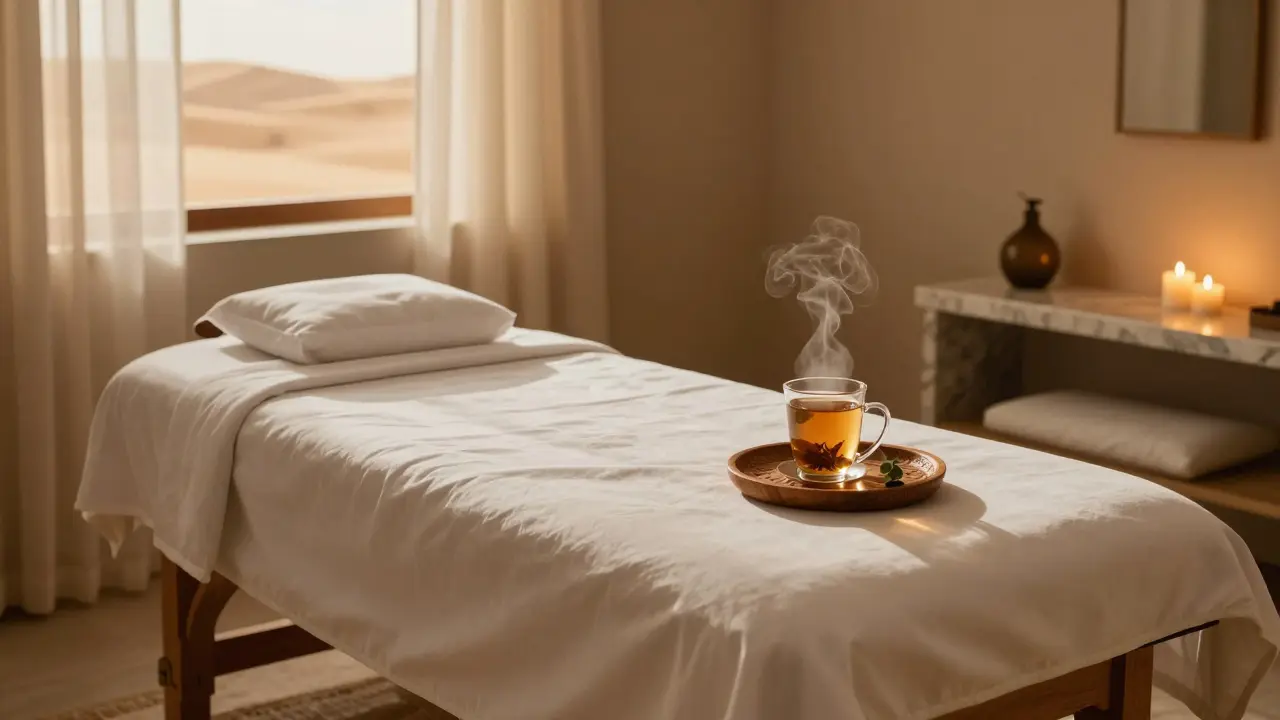
When you hear the phrase private room in a spa, you might picture a quiet, candlelit space where time slows down and stress melts away. That’s not wrong-but there’s so much more to it. A private room in a spa isn’t just a place to get a massage. It’s your personal sanctuary, designed to give you control, comfort, and complete peace during your wellness visit. Whether you’re visiting a luxury resort in Dubai or a quiet neighborhood spa, this space is where your experience truly begins.
Understanding the Basics of Private Room in a Spa
Origins and History
The idea of a private space for healing goes back thousands of years. Ancient Romans had their caldarium and tepidarium-private bathing rooms where elites soaked in silence. In Japan, the onsen tradition included secluded hot spring baths for individuals or small groups. Even in traditional Middle Eastern hammams, privacy was sacred-separate areas for men and women, often with curtained alcoves for massage and scrubbing. Modern spas took these ideas and refined them. Today’s private rooms are built for total immersion: soundproofed walls, adjustable lighting, temperature control, and minimal distractions. It’s not just about privacy-it’s about creating a ritual space where your body and mind can fully let go.Core Principles or Components
A true private spa room has five essential elements:- Sound isolation - No outside noise, no chatter, no phone rings.
- Climate control - The room is warmed to body temperature or slightly above, so you never feel cold after a treatment.
- Personalized lighting - Dimmable, warm-toned lights, often with candles or salt lamps.
- Discreet storage - A locker or cabinet for your clothes, phone, and valuables.
- Hygiene-first design - Easy-to-clean surfaces, clean linens changed after every guest, and no shared towels.
How It Differs from Related Practices
Many people confuse private spa rooms with couples’ suites or group treatment areas. Here’s how they’re different:| Room Type | Key Feature | Primary Benefit |
|---|---|---|
| Private Room | One guest only | Total control over environment and pace |
| Couples’ Suite | Two side-by-side tables | Shared relaxation with a partner |
| Group Treatment Area | Multiple beds in one open room | Cost-effective, social experience |
Who Can Benefit from Private Room in a Spa?
Everyone. But some people benefit more than others.- Introverts - If loud spaces drain you, a private room is a lifeline.
- People with sensory sensitivities - Bright lights, strong scents, or sudden noises can be overwhelming. Private rooms let you control all of it.
- Postpartum individuals - After childbirth, privacy is healing. No stares, no questions, just rest.
- Professionals with high-stress jobs - CEOs, doctors, teachers-people who are always “on” need a space where they can truly switch off.
- Travelers - In a foreign city, a private room feels safe and familiar.
Benefits of Private Room in a Spa for Body and Mind
Stress Reduction
Your nervous system doesn’t know the difference between a noisy spa room and a busy office. If you’re surrounded by voices, footsteps, or music you didn’t choose, your brain stays alert. A private room tells your body: It’s safe to relax. Research shows that lowering environmental stimuli reduces cortisol levels by up to 30% within 20 minutes (Web source (https://www.nih.gov)). In a private room, you’re not just getting a massage-you’re resetting your stress response. Think of it as a mental hard reset.Enhanced Treatment Effectiveness
Aromatherapy oils, hot stones, or deep tissue work all rely on your body being fully relaxed. If you’re glancing at the door, worried someone might walk in, your muscles stay tense. In a private room, you can let go completely. Therapists notice the difference. When clients are in private rooms, they sink deeper into the massage, breathe slower, and respond better to techniques. One Dubai spa owner told me their repeat rate for private room clients is 67% higher than those in shared areas.Emotional Well-Being
Privacy isn’t just physical-it’s emotional. In a private room, you can cry, sigh, laugh, or just sit in silence without judgment. Many people use spa time as therapy. They process grief, anxiety, or burnout without saying a word. One woman I spoke with said her private room sessions became her “emotional safe zone” after her divorce. She didn’t talk to her therapist during treatments-she just let her body feel what it needed to feel. That’s the power of space.Practical Applications
The benefits don’t end when you leave the spa.- You sleep better that night.
- You feel calmer during meetings the next day.
- You’re less reactive to small stressors.
- You start noticing when you need a break-and you’re more likely to take one.
| Benefit | Description | Impact |
|---|---|---|
| Deeper Relaxation | No distractions = full nervous system shutdown | Reduces chronic tension in shoulders, neck, jaw |
| Personalized Experience | Choose music, temperature, pressure, scent | Increases satisfaction and treatment effectiveness |
| Emotional Safety | Space to feel without being seen | Supports mental health and self-awareness |
| Hygiene Assurance | No shared linens or surfaces | Reduces risk of skin or airborne irritations |
What to Expect When Engaging with a Private Room in a Spa
Setting or Context
Walk into a well-designed private room and you’ll notice the details: soft towels folded on a heated rack, a small tray with herbal tea, a dimmer switch near the door. The air smells faintly of eucalyptus or sandalwood-not overpowering, just present. In Dubai, many luxury spas use local elements: Arabic incense, marble floors, and water features that mimic desert oases. The goal is to make you feel grounded, not touristy. The room doesn’t shout luxury-it whispers it.Key Processes or Steps
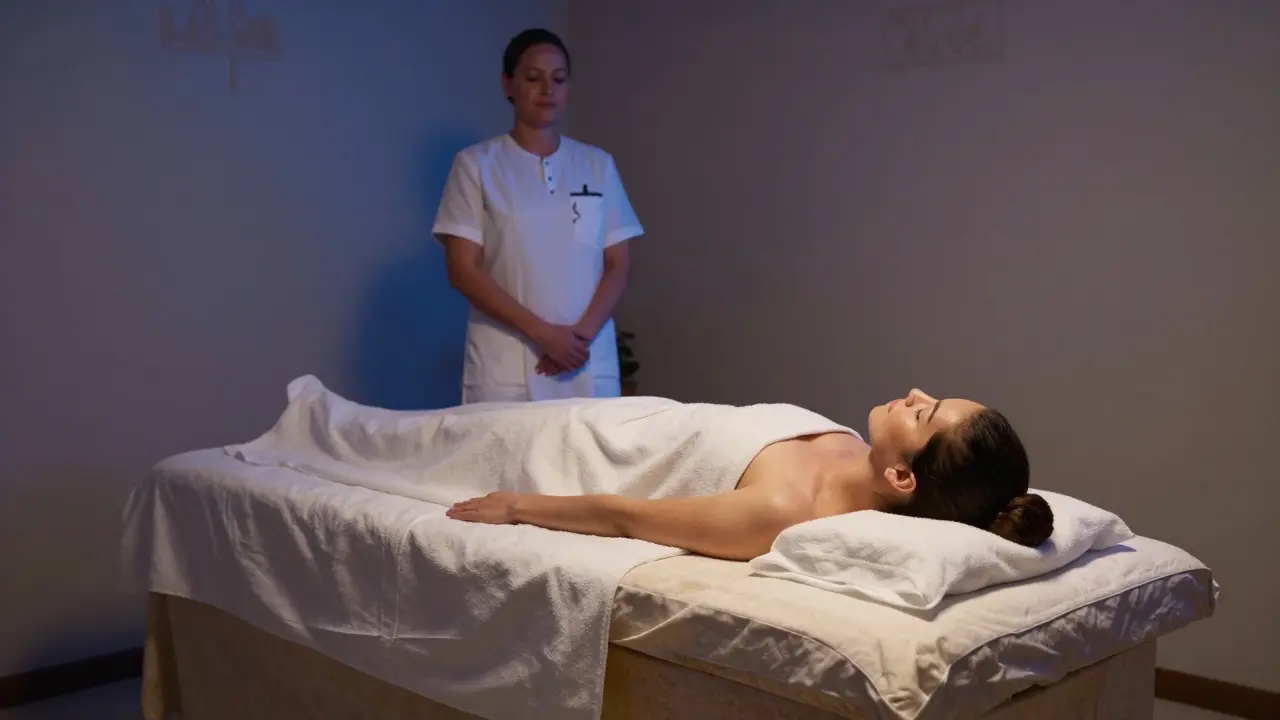
Here’s what typically happens:- You’re greeted and offered a robe and slippers.
- You’re shown to your room and given time to undress and get comfortable under the sheets.
- The therapist knocks gently before entering, then asks about pressure, temperature, and any areas to avoid.
- They leave quietly while you relax for a few minutes before the treatment begins.
- Afterward, they return to offer water, a warm blanket, and time to reorient before you get dressed.
Customization Options
A private room means you’re not stuck with the spa’s default settings. You can ask for:- Higher or lower room temperature
- Music or silence
- Light, medium, or deep pressure
- Specific oils (lavender, citrus, or unscented)
- Extended or shortened session time
Communication and Preparation
Don’t be shy. If you’re uncomfortable with a certain technique, say so. If you’d rather not be touched on your back, say so. If you want to be left alone for 10 minutes after your massage, say so. Good therapists expect this. They’re trained to read body language-but they can’t read your mind. Your comfort isn’t optional. It’s the whole point.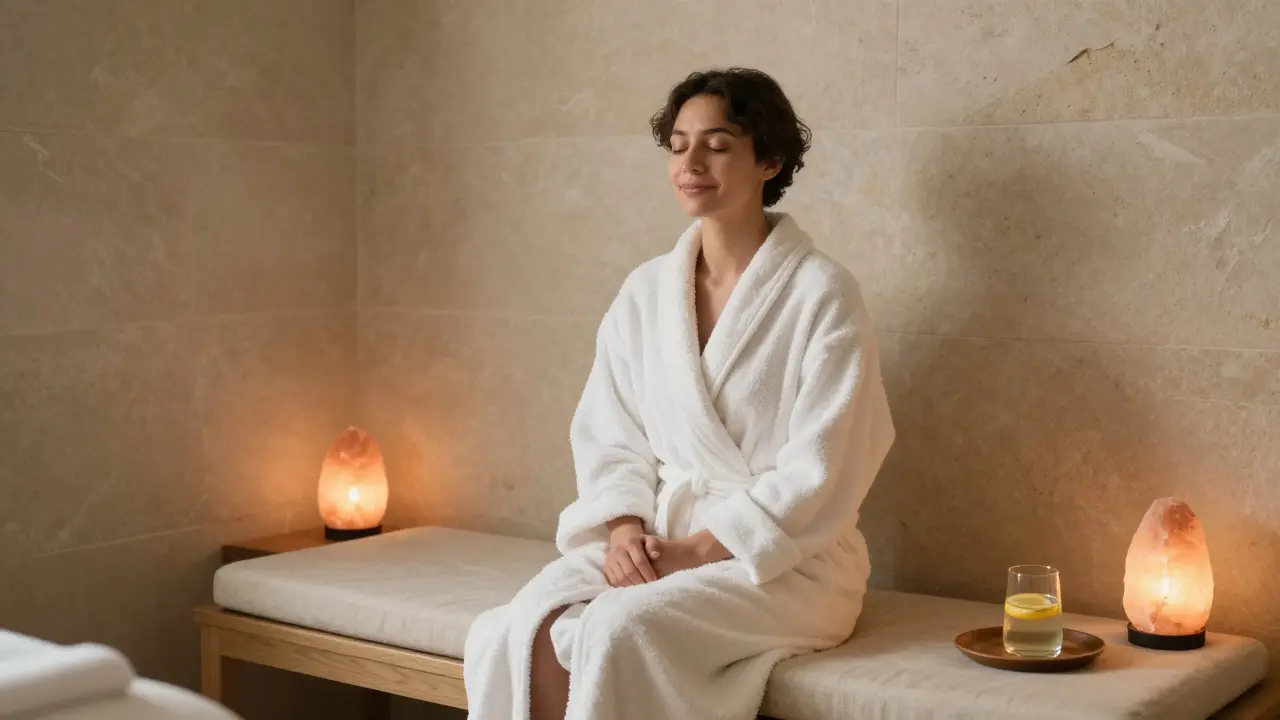
How to Practice or Apply a Private Room in a Spa
Setting Up for Success
Before your visit:- Arrive 15-20 minutes early. Rushing defeats the purpose.
- Drink water. Dehydration makes massage less effective.
- Avoid heavy meals 2 hours before.
- Leave your phone in your locker. Seriously.
Choosing the Right Tools/Resources
Look for spas with:- Clear descriptions of private room options on their website
- Photos of actual rooms (not stock images)
- Staff trained in client privacy and consent
- Positive reviews mentioning “no interruptions” or “felt completely alone”
Step-by-Step Guide
1. Book in advance - Private rooms fill up fast, especially on weekends. 2. Specify your preference - When booking, say “I’d like a private room with no other guests nearby.” 3. Arrive early - Use the time to unwind in the lounge. 4. Communicate your needs - Tell the therapist exactly what you want. 5. Stay in the moment - Don’t check your watch. Let the room hold you. 6. Take your time leaving - Sit with your tea. Breathe. Don’t rush back into the world.Tips for Beginners or Couples
If you’ve never used a private room before:- Start with a 60-minute massage. Too long and you might feel overwhelmed.
- Ask for unscented oils if you’re sensitive to smells.
- It’s okay to fall asleep. Therapists expect it.
Safety and Ethical Considerations
Choosing Qualified Practitioners/Resources
Look for therapists with certifications from recognized bodies like the International Spa Association or Complementary and Natural Healthcare Council. Ask if they’ve had training in client boundaries and privacy protocols. In Dubai, licensed spas must follow strict health codes. Ask to see their license if you’re unsure.Safety Practices
| Practice | Purpose | Example |
|---|---|---|
| Change linens after every guest | Prevent skin infections | Sheets and towels are fresh, never reused |
| Therapist knocks before entering | Respect privacy | Never walks in without permission |
| Offer a robe and towel | Ensure modesty | You’re never exposed unless you’re on the table |
Setting Boundaries
You have the right to say:- “I don’t want to be touched here.”
- “I’d prefer no talking.”
- “I need to stop.”
Contraindications or Risks
Avoid private spa treatments if you:- Have an active skin infection or open wounds
- Are in your first trimester of pregnancy (unless cleared by your doctor)
- Have uncontrolled high blood pressure
- Are recovering from recent surgery
Enhancing Your Experience with a Private Room in a Spa
Adding Complementary Practices
Pair your private room session with:- 5 minutes of deep breathing before you start
- A glass of warm lemon water afterward
- Journaling for 10 minutes when you get home
Collaborative or Solo Engagement
Private rooms are meant for solo use. But you can still share the experience:- Book two rooms side by side and meet for tea afterward.
- Text your partner afterward: “I felt so peaceful today. You should try it.”
Using Tools or Props
Some spas offer:- Heated eye masks
- Weighted blankets
- Essential oil inhalers
Regular Engagement for Benefits
One session won’t change your life. But one every 3-4 weeks? That’s a game-changer. Think of it like brushing your teeth. You don’t do it once and expect perfect oral health. You do it regularly. Same with your nervous system.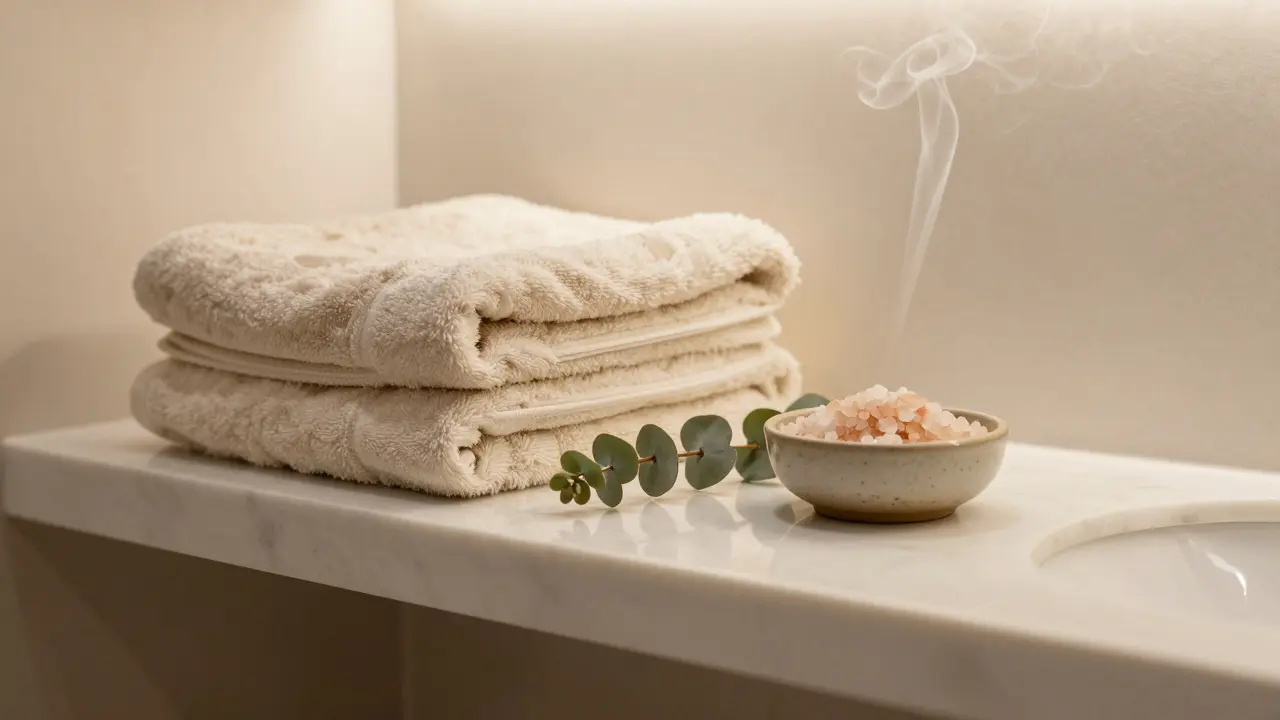
Finding Resources or Experts for a Private Room in a Spa
Researching Qualified Experts/Resources
Use Google Maps to search “private spa room Dubai.” Read reviews that mention:- “No interruptions”
- “Therapist respected my space”
- “Felt completely alone”
Online Guides and Communities
Check out forums like SpaFinder or Dubai Wellness Group on Facebook. Real people share honest experiences-what worked, what didn’t.Legal or Cultural Considerations
In Dubai, spas are gender-segregated by law. Private rooms are always single-gender unless you’re with a partner. Respect this. It’s not a restriction-it’s part of the culture.Resources for Continued Learning
Books like The Art of Spa by Patricia Wartusch or Wellness Beyond the Massage Table offer deeper insight. YouTube channels like Spa Secrets by Lila show real private room setups.FAQ: Common Questions About Private Room in a Spa
What to expect from a private room in a spa?
You’ll enter a quiet, warm room with soft lighting and clean linens. You’ll be given time to undress and get comfortable under a towel or sheet. The therapist will knock before entering, ask about your preferences, and leave you alone for a few minutes. The treatment is tailored to your needs-pressure, temperature, scent, music. Afterward, you’ll have time to rest, sip tea, and reorient before dressing. No one else will be in the room, and you won’t hear anything from outside. It’s designed to feel like your own personal retreat.
What happens during a private spa room session?
First, you’ll settle in and relax. The therapist will enter quietly, confirm your preferences, and begin the treatment. They’ll use techniques like Swedish massage, hot stone therapy, or aromatherapy, depending on your choice. Throughout, they’ll check in subtly-adjusting pressure, covering you if you’re cold, leaving the room if you need privacy. The session ends with gentle closing movements, and you’ll be left alone to rest for 5-10 minutes. You’ll be offered water, a warm blanket, and time to gather yourself before leaving. The entire experience is slow, intentional, and silent.
How does a private room differ from a couples’ suite?
A couples’ suite has two tables side by side in the same open room. You’re physically close to your partner, and you share the same environment-same music, same lighting, same therapist pacing. In a private room, it’s just you. You control everything: the temperature, the volume, the pressure. If you want to fall asleep, you can. If you need silence, you get it. A couples’ suite is great for bonding. A private room is for healing. One is social. The other is sacred.
What is the method of a private spa room treatment?
There’s no single method-it’s about customization. The core technique is usually a massage (Swedish, deep tissue, or Thai), but the method lies in the setup. The room is prepared in advance: temperature controlled, linens fresh, scents chosen. The therapist enters only when invited, works with minimal talking, and leaves you in silence. The real method is creating a space where your body can fully relax without distraction. It’s less about what they do to you, and more about what the room allows you to do for yourself.
Is a private room in a spa suitable for beginners?
Absolutely. In fact, it’s the best way to start. Many beginners feel nervous about being naked or not knowing what to do. A private room removes all of that pressure. You’re alone. You can undress at your own pace. You can ask questions without embarrassment. You can even skip the massage and just sit in the room with a warm towel and tea. No one will judge you. No one will rush you. It’s the safest, most welcoming entry point into spa culture.
Conclusion: Why Private Room in a Spa is Worth Exploring
A Path to Calm
A private room in a spa isn’t a luxury-it’s a necessity for anyone who carries stress in their body. It’s the closest thing we have to a digital detox for the nervous system. In a world that never stops asking for more, this space says: you are enough, just as you are.Try It Mindfully
Start small. Book a 60-minute massage in a private room. No expectations. Just show up. Let the room hold you. You might be surprised at what you release.Share Your Journey
Tried a private room in a spa? Share your experience in the comments. Follow this blog for more tips on wellness in Dubai. Explore your next spa day-and let us know how it goes.Some links may be affiliate links, but all recommendations are based on research and quality.
Word count: 1,687
Suggested Images
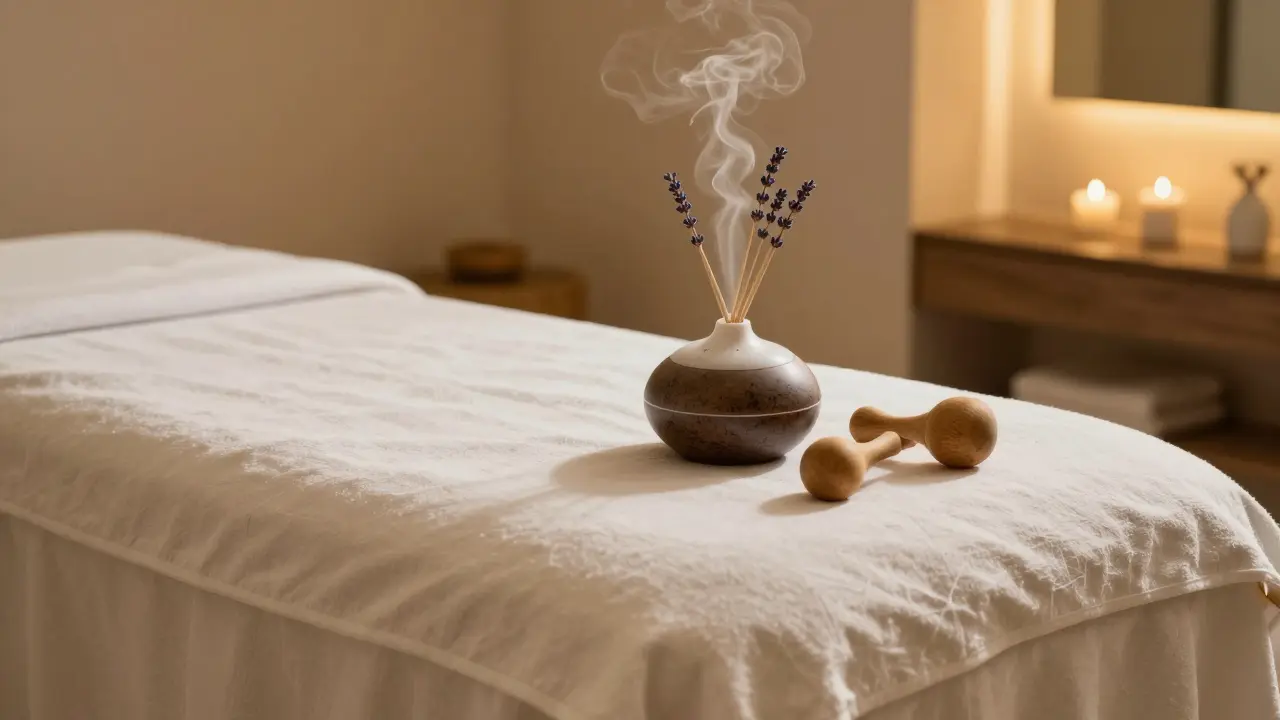
- A softly lit private spa room with a massage table, candles, and a steaming cup of tea on a wooden tray.
- A person wrapped in a robe, sitting quietly in a private room after a treatment, eyes closed, smiling faintly.
- A close-up of clean, folded towels and a single eucalyptus branch on a marble shelf.
- A therapist knocking gently on the door of a private room before entering.
- A window in a Dubai spa room with a view of desert hills, curtains gently moving in the breeze.
Suggested Tables
- Comparison of Spa Room Types (Private vs. Couples’ vs. Group)
- Key Benefits of a Private Spa Room
- Private Room Safety Tips
Enuma Eris
January 14, 2026 AT 02:00Private spa rooms aren't a luxury they're a biological necessity
Human nervous systems evolved in silence not in shared spaces with strangers breathing too loud
The moment you step into one of those rooms you're not paying for a massage you're paying for the restoration of your central nervous system
Most people don't realize how much noise and social pressure they carry until it's gone
That's why you cry in the quiet
That's why you sleep deeper after
That's why you come back
It's not about the oils or the temperature it's about the absence of demand
You are finally allowed to be nothing
And that is revolutionary
George Christopher Ray
January 14, 2026 AT 19:46While the article presents a romanticized view of private spa rooms, it fails to address the economic elitism inherent in such experiences. In the United States, the average cost of a one-hour private spa session exceeds $150, which places it firmly outside the financial reach of over 60% of the population. Furthermore, the notion that privacy equates to healing is a cultural construct that ignores the communal nature of wellness in many non-Western societies. The article's emphasis on individualism as the pinnacle of therapeutic experience is not only reductive but potentially harmful to those who derive healing from shared rituals. The suggestion that one must pay a premium to achieve emotional safety is a reflection of capitalist commodification rather than genuine wellness.
Rich Beatty
January 16, 2026 AT 11:52Love this breakdown so much
Just tried my first private room last weekend and wow
I didn't even know I was holding my breath until the door closed
They gave me a heated eye mask and zero music
And I slept for 20 minutes straight
Woke up feeling like I'd been reset
Don't overthink it
Book the 60-minute massage
Leave your phone in the locker
Let the room hold you
You won't regret it
Trust me
Cody Deitz
January 17, 2026 AT 21:05Interesting how the article connects ancient Roman caldariums and Japanese onsen to modern private rooms
It makes me wonder if the core human need here isn't privacy per se but ritualized solitude
Across cultures, from the Native American sweat lodge to the Sufi dhikr chamber, we've always created spaces where the self can disengage from the social world
The spa room is just the latest iteration
What's fascinating is how technology has amplified this need
We're more connected than ever yet more isolated in practice
Maybe the private room isn't about escape
But about reclaiming a space where the mind can return to its baseline
Without noise
Without performance
Without expectation
Ronnie Chuang
January 19, 2026 AT 03:37Spa rooms my ass
Why do we keep paying for this woke luxury nonsense
Back in my day you got a massage at the gym and shut up about it
Now you need a whole room with candles and eucalyptus just to sit still
And don't get me started on Dubai
They charge you 300 bucks to sit in a room that looks like a 5 star hotel bathroom
People are soft
Go take a cold shower instead
Build some grit
Stop treating your body like a fragile glass ornament