
What happens at the spa? It’s not just a massage and a cucumber slice. If you’ve ever walked into a spa wondering what’s really going on behind those dim lights and lavender scents, you’re not alone. Many people picture a luxurious escape, but the truth is more personal, more grounding, and surprisingly simple. A spa visit is a structured experience designed to reset your body and mind - not to cure everything, but to give you space to breathe again. Here’s what actually happens when you show up, what you can expect, and why so many people keep coming back.
Understanding the Basics of What Happens at the Spa
Origins and History
Spas have been around for thousands of years. Ancient Romans built grand bathhouses as social hubs. The Greeks used hot springs for healing. In Japan, onsen traditions emphasized purification through natural mineral waters. Even in medieval Europe, thermal baths were common healing spaces. Today’s modern spa blends these traditions with contemporary wellness science. It’s not magic - it’s biology. Heat relaxes muscles, water reduces pressure on joints, and quiet environments lower cortisol levels. The spa is a return to ancient human needs: warmth, stillness, and care.
Core Principles or Components
Every spa experience, no matter how fancy, rests on three pillars: environment, touch, and rhythm. The environment is carefully controlled - low lighting, soft sounds, clean air, and calming scents. This isn’t decoration; it’s neurology. Your nervous system picks up on these cues and shifts from "fight-or-flight" to "rest-and-digest." Touch comes next - whether it’s a massage, body wrap, or hydrotherapy. Skin is your largest organ, and gentle pressure signals safety to your brain. Finally, rhythm matters. Spas move slowly. There’s no rush. No phones. No deadlines. That pause is the real treatment.
How It Differs from Related Practices
People often confuse spas with salons, gyms, or medical clinics. Here’s how they differ:
| Practice | Key Feature | Primary Benefit |
|---|---|---|
| Spa | Non-medical, sensory-focused relaxation | Stress reduction and mental reset |
| Salon | Aesthetic services (hair, nails) | Appearance enhancement |
| Gym | Physical exertion and strength training | Fitness and endurance |
| Clinic | Diagnosis and medical treatment | Health correction |
Spas don’t fix injuries or change your body shape. They help you feel like yourself again.
Who Can Benefit from What Happens at the Spa?
Anyone who’s ever felt overwhelmed, tense, or emotionally drained. That’s most of us. Busy parents, shift workers, remote employees, caregivers - all of them benefit. You don’t need to be wealthy or fit. Even a 30-minute foot soak can reset your nervous system. Spas aren’t just for luxury seekers; they’re for people who need to recharge. Research from the National Institutes of Health suggests that regular relaxation practices reduce stress hormones by up to 30% Web source (https://www.nih.gov). That’s not hype - it’s measurable.
Benefits of What Happens at the Spa for Body and Mind
Stress Reduction
When your body is under constant pressure - deadlines, traffic, screens - your muscles stay tight, your breathing gets shallow, and your mind races. A spa session interrupts that cycle. Warmth from a hot stone massage or soaking in Epsom salts signals your brain: "You’re safe now." This triggers the parasympathetic nervous system, which slows your heart rate and lowers blood pressure. Many people report feeling lighter, calmer, even a little dazed - in a good way - after their first session. It’s not just relaxation. It’s recalibration.
Enhanced Functionality
Spa treatments aren’t just about feeling good in the moment. Regular visits improve how your body functions. Massage therapy increases circulation, helping deliver oxygen and nutrients to tired tissues. Hydrotherapy reduces inflammation in joints. Even simple steam rooms can clear sinuses and improve lung capacity. People with chronic tension headaches often find relief after consistent bodywork. It’s not a miracle cure, but it’s a powerful support tool.
Emotional Well-Being
There’s a reason people cry during massages. It’s not weakness - it’s release. When you’re physically relaxed, emotional blocks can surface. Many spa clients describe feeling unexpectedly emotional, then deeply peaceful afterward. This isn’t coincidence. Touch releases oxytocin, the bonding hormone, and reduces cortisol. For people dealing with anxiety, grief, or burnout, the spa becomes a quiet container for healing. You don’t need to talk. You just need to be held - literally and emotionally.
Practical Applications
What happens at the spa doesn’t stay at the spa. People report better sleep, improved focus at work, and fewer arguments at home after regular visits. One client, a nurse working 12-hour shifts, started doing weekly foot baths after her shifts. She said she stopped dreading bedtime because she finally felt physically settled. That’s the real win: small changes that ripple into daily life.
| Benefit | Description | Impact |
|---|---|---|
| Lower Stress | Reduction in cortisol levels after 60 minutes of treatment | Improved mood, fewer headaches |
| Better Sleep | Deeper, more restful sleep the night after a session | Increased energy next day |
| Improved Mobility | Looser muscles and reduced stiffness after massage | Easier movement, less pain |
| Emotional Clarity | Feeling more centered, less reactive | Better relationships, calmer decisions |
What to Expect When Engaging with What Happens at the Spa
Setting or Context
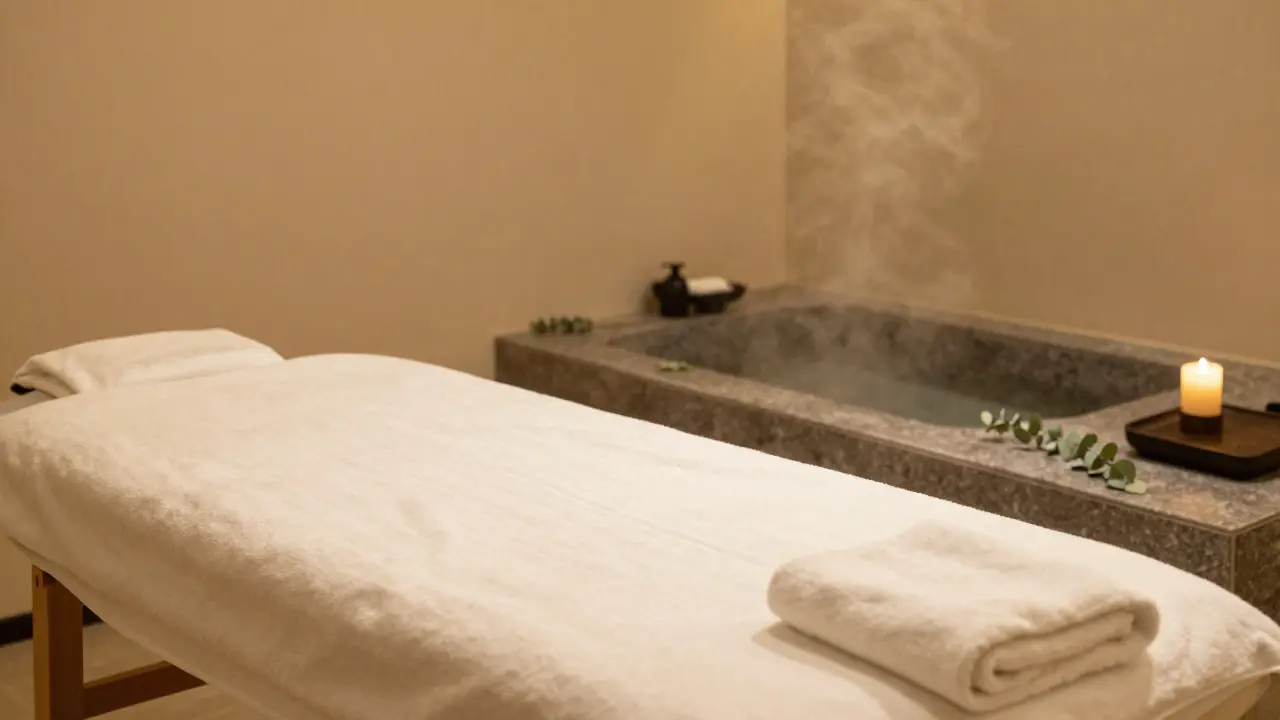
Walk into most modern spas, and you’ll notice the quiet. No loud music. No fluorescent lights. You’ll likely be offered herbal tea or infused water. Your robe is warm. The air smells like eucalyptus or sandalwood. You’re handed a list of treatments - no pressure to choose. You can take your time. The space is designed to feel like a sanctuary, not a business. Even the staff move slowly. They don’t rush you. They don’t talk over you. They wait.
Key Processes or Steps
A typical visit follows a rhythm: arrival, consultation, treatment, recovery. First, you check in. You fill out a brief form - allergies, injuries, preferences. Then, you meet your therapist. They ask how you’re feeling, where you carry tension, and what you’d like to focus on. This isn’t just small talk - it’s essential. The treatment itself varies: massage, body scrub, facial, or soak. Most last 60-90 minutes. Afterward, you’re given time to rest - often in a quiet room with warm blankets. You sip tea. You breathe. You don’t check your phone. This recovery time is just as important as the treatment.
Customization Options
Spas aren’t one-size-fits-all. You can choose pressure levels, scents, temperatures, and even music. Want deep tissue? Say so. Sensitive skin? They’ll use gentle products. Hate lavender? They’ll swap it for citrus or chamomile. Some spas offer add-ons: hot stones, scalp massage, or reflexology. The goal isn’t to sell you everything - it’s to tailor the experience to you. Your comfort is the priority.
Communication and Preparation
Speak up. If you’re cold, say so. If the pressure is too hard, ask for less. If you don’t like the scent, mention it. Therapists expect this. They’re trained to adjust. You don’t need to be polite to the point of discomfort. The best spa experiences happen when you’re honest. Arrive 15 minutes early. Skip heavy meals. Turn off your phone. Let go of expectations. You’re not there to be fixed - you’re there to rest.
How to Practice or Apply What Happens at the Spa
Setting Up for Success
If you’re doing a home spa day, create the same calm. Dim the lights. Light a candle. Play nature sounds. Use a warm towel. You don’t need expensive products - just intention. A warm bath with Epsom salts and a few drops of essential oil can mimic a professional soak. The key is time. Don’t rush. Block out two hours. No emails. No chores. Just you.
Choosing the Right Tools/Resources
Look for spas with licensed therapists. Ask if they’re certified by organizations like the American Massage Therapy Association. Read reviews that mention cleanliness and professionalism, not just "best massage ever." Avoid places that pressure you into packages or upsell aggressively. A good spa offers options - not demands.
Step-by-Step Guide
1. Book a session in advance - don’t walk in unless it’s a walk-in friendly spa.
2. Arrive 15 minutes early.
3. Fill out the intake form honestly.
4. Communicate your needs to the therapist.
5. Relax during the treatment - let your body sink in.
6. Take 10-15 minutes to rest afterward.
7. Drink water.
8. Avoid screens for the next hour if possible.
Tips for Beginners or Couples
First-timers often feel awkward. That’s normal. Everyone was new once. Bring a friend if it helps. Many spas offer side-by-side massages - it’s a great way to share calm. Don’t compare your experience to someone else’s. Your body responds differently. And remember: you don’t need to talk. Silence is part of the therapy.
Safety and Ethical Considerations
Choosing Qualified Practitioners/Resources
Look for therapists with certifications - LMT (Licensed Massage Therapist) or similar. Ask about their training. Reputable spas display credentials. If they can’t or won’t tell you, walk away. Cleanliness matters. Towels should be fresh. Sheets should be changed between clients. The facility should smell clean, not like old sweat or chemicals.
Safety Practices
| Practice | Purpose | Example |
|---|---|---|
| Hygiene | Prevent infection | Single-use linens, sanitized tools |
| Consent | Respect boundaries | Therapist asks before adjusting pressure |
| Hydration | Help flush toxins | Drinking water before and after |
Setting Boundaries
You own your body. If something feels off - too hot, too cold, too personal - speak up. You have the right to stop any treatment at any time. No therapist will judge you. In fact, they’ll appreciate your honesty. This isn’t just about comfort - it’s about trust.
Contraindications or Risks
Spas aren’t for everyone. Avoid treatments if you have open wounds, infections, or recent surgery. Pregnant individuals should avoid deep pressure or hot stones in the first trimester. Those with high blood pressure or heart conditions should consult a doctor before hot tubs or saunas. If you’re unsure, ask your provider. They’re trained to know what’s safe.
Enhancing Your Experience with What Happens at the Spa
Adding Complementary Practices
Pair your spa visit with mindfulness. Try five minutes of deep breathing before or after. Journaling helps too - write down how you felt before and after. Some people start yoga or take walks in nature afterward. These habits deepen the effect. The spa gives you space. Your daily habits keep it.
Collaborative or Solo Engagement
Spas can be deeply personal or shared. Solo visits help you reconnect with yourself. Couples’ treatments can strengthen intimacy - but only if both are relaxed. Don’t force it. If one person is stressed, it won’t work. Choose what feels right for you.
Using Tools or Props
At home, try a foam roller, warm compress, or Himalayan salt lamp. A good bath soak costs less than $10. You don’t need a full spa - just intention. Even 20 minutes of quiet with warm water and a candle counts.
Regular Engagement for Benefits
One visit won’t change your life. But one visit a month? That’s a habit. Think of it like brushing your teeth - not for looks, but for health. Regular spa time builds resilience. It trains your body to recover faster from stress. Start small: one session a quarter. Then monthly. Let it become part of your rhythm.
Finding Resources or Experts for What Happens at the Spa
Researching Qualified Practitioners/Resources
Check therapist reviews on trusted platforms. Look for consistent mentions of professionalism, cleanliness, and listening skills. Avoid places with only five-star reviews - they’re often fake. Real reviews mention small details: "The therapist remembered my shoulder pain," or "They adjusted the heat without me asking." That’s expertise.
Online Guides and Communities
Follow reputable wellness blogs that focus on evidence-based relaxation. Join forums where people share real experiences - not sponsored ads. Look for content from organizations like the American Holistic Health Association or the International Spa Association.
Legal or Cultural Considerations
In some cultures, nudity is expected during treatments. In others, full coverage is standard. Always ask about local norms. In Dubai, modesty is respected - most spas offer robes and coverings. Be mindful of cultural context. What’s relaxing in one place might feel invasive in another.
Resources for Continued Learning
Books like "The Spa Book" by Karen B. H. Lee or "The Art of Relaxation" by Dr. Andrew Weil offer thoughtful insights. YouTube channels from licensed therapists show proper techniques. Don’t follow influencers who sell miracle cures. Stick to trusted sources.
FAQ: Common Questions About What Happens at the Spa
What to expect from a spa visit?
You’ll arrive, fill out a short form, and meet your therapist. They’ll ask about your needs - tension points, preferences, health concerns. Then, you’ll be guided to a quiet room. You’ll undress to your comfort level and cover yourself with a towel. The treatment begins - whether it’s massage, scrub, or soak. You’ll be left alone to relax. Afterward, you’ll rest in a quiet space with tea. You’ll leave feeling softer, slower, and calmer. No dramatic changes - just a reset.
What happens during a typical spa session?
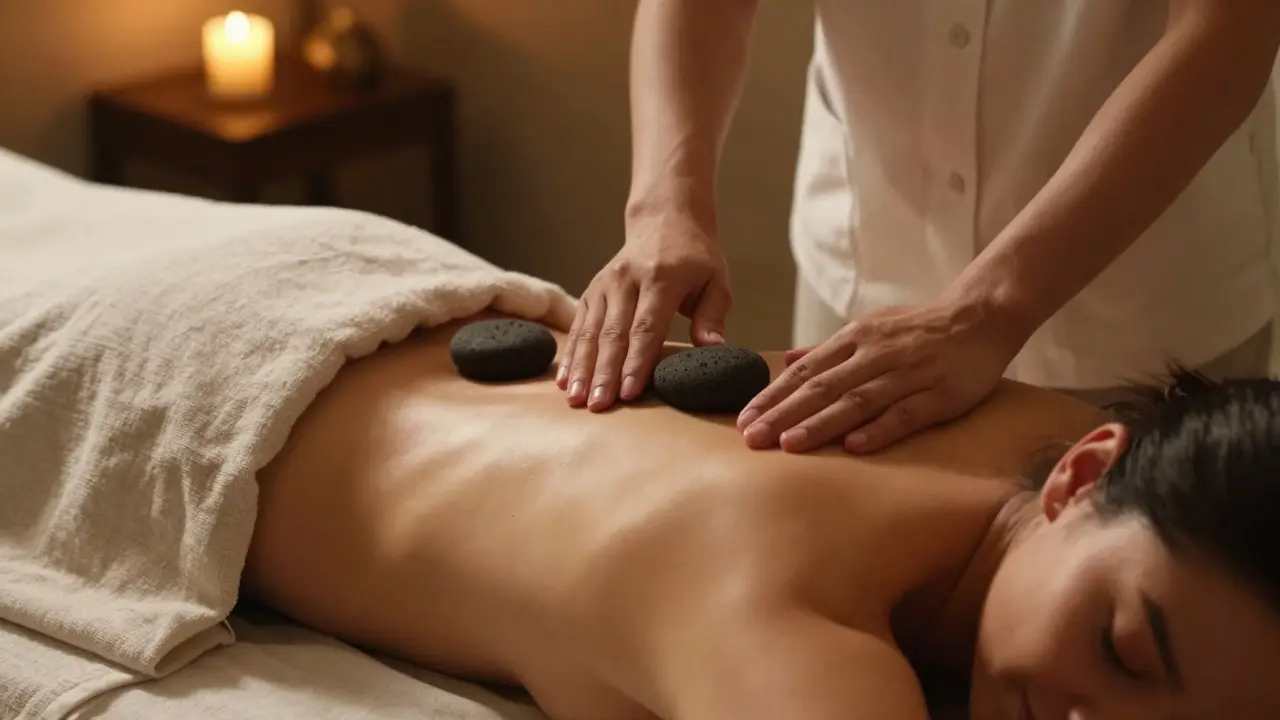
A typical session lasts 60-90 minutes. It starts with gentle touch - perhaps warm stones on your back or a scalp massage. Then comes the main treatment: deep tissue, Swedish massage, or a body wrap. Therapists use slow, rhythmic motions. You’ll feel warmth, pressure, and release. They’ll check in quietly - "Is this pressure okay?" - but mostly, you’ll be left in peace. After, you’ll have time to lie still, sip tea, and let the effects settle. No rush. No interruptions.
How does a spa differ from a massage clinic?
A massage clinic focuses on physical relief - tight muscles, injuries, pain. A spa focuses on holistic relaxation. Spas include ambiance: lighting, scent, sound, temperature. Treatments often include extras like scrubs, steam, or aromatherapy. The goal isn’t just to fix a problem - it’s to create calm. Spas are about restoring balance. Clinics are about correcting function. Both are valuable - but they serve different needs.
What is the method of spa treatments?
The method is sensory regulation. Heat opens blood vessels. Touch signals safety. Quiet reduces mental noise. Slow movements lower heart rate. Essential oils trigger emotional responses. All of it works together to shift your nervous system from stress mode to rest mode. It’s not complicated - it’s biology. Spas use proven techniques: hydrotherapy, massage, aromatherapy - all timed and paced to help your body relax naturally.
Is a spa suitable for beginners?
Absolutely. Most spas cater to first-timers. You don’t need to know anything. Therapists are trained to guide you. Start with a 30-minute foot soak or a simple massage. You don’t need to spend a lot. Many places offer introductory packages. The key is to show up, breathe, and let yourself be cared for. No experience required - just willingness.
Conclusion: Why What Happens at the Spa is Worth Exploring
A Path to Calm
What happens at the spa isn’t about luxury. It’s about returning to a basic human need: to be held, to be quiet, to be safe. In a world that never stops demanding, the spa offers a pause - a real one. Not a vacation. Not a distraction. A reset.
Try It Mindfully
You don’t need to go every week. But try it once. Book a simple massage. Sit in the steam. Let the warmth sink in. Don’t overthink it. Just feel. If it helps, great. If not, you tried. Either way, you gave yourself permission to rest.
Share Your Journey
Tried a spa recently? Share your experience in the comments. What surprised you? What did you feel? Your story might help someone else take that first step.
Some links may be affiliate links, but all recommendations are based on research and quality.
Word count: 1,724
Suggested Visuals
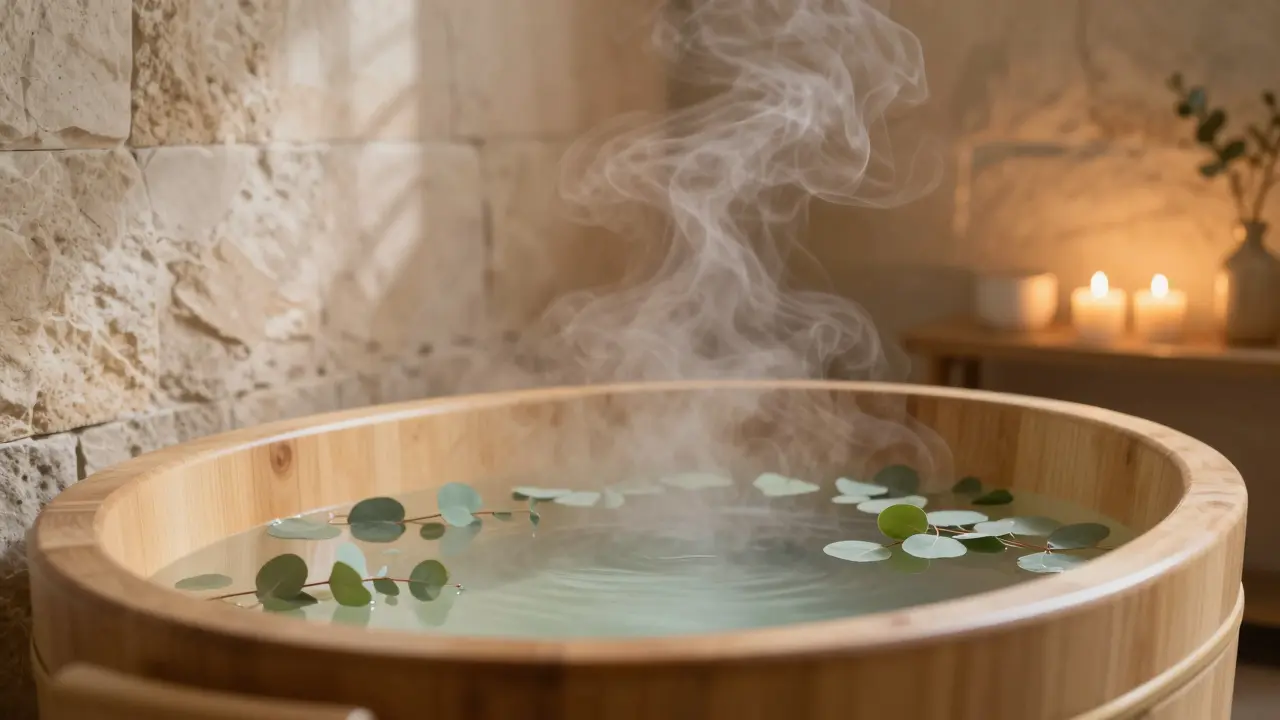
- A serene spa room with soft lighting, a wooden tub, and steam rising
- A therapist gently massaging a client’s back with warm stones
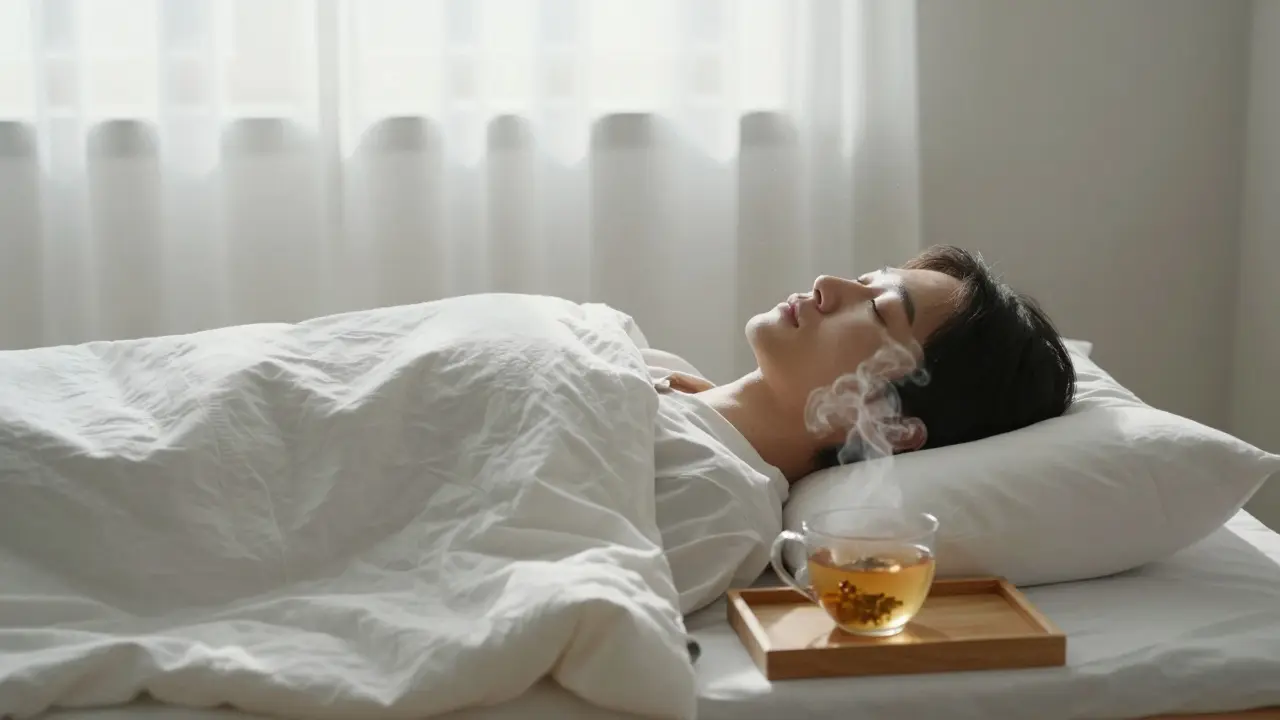
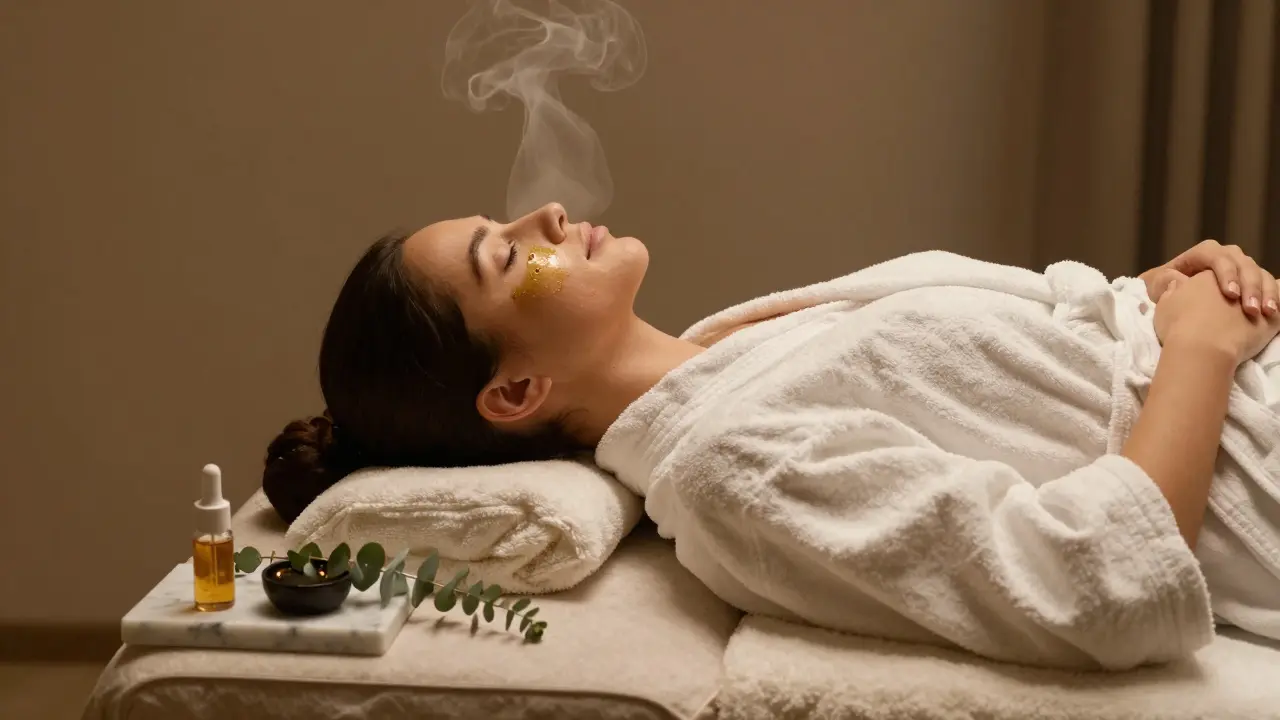
- A person lying under a warm blanket after a treatment, eyes closed, smiling softly
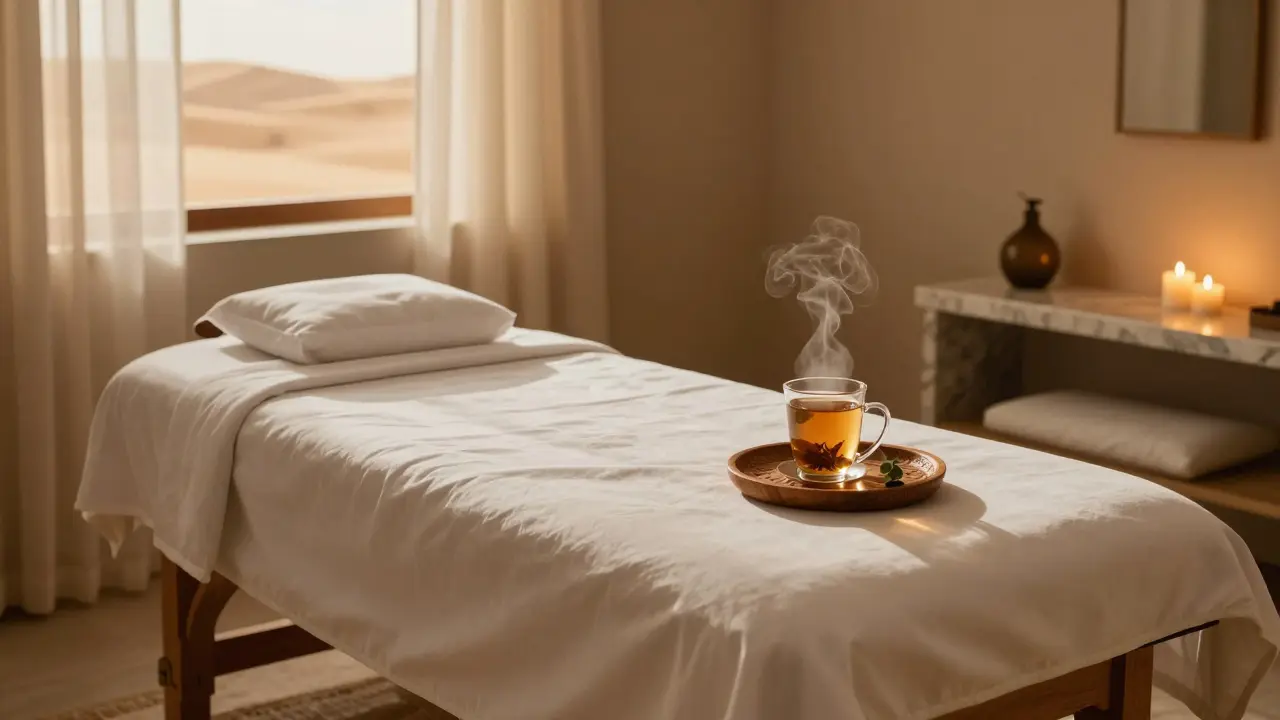
- A close-up of herbal tea and a towel on a wooden tray
- Two people side-by-side on massage tables, both relaxed, in a quiet room
Suggested Tables
- Comparison of Spa vs. Related Practices
- Key Benefits of a Spa Visit
- Spa Safety Tips
James Foster
March 24, 2026 AT 02:50Man, I love how this breaks it down. I used to think spas were just for rich people sipping cucumber water, but now I get it-it’s not about the fancy stuff. It’s about letting your nervous system chill out. I started doing 20-minute foot soaks after work with Epsom salts, and wow. My wife says I stopped yelling at the TV. Not a joke. I’m not the same guy.
Jacqueline Arnold
March 24, 2026 AT 15:18Ohhh so THAT’S why I cry during massages?? I thought I was just weak. No wonder I feel like a deflated balloon after a session. Also, who named this article 'What Happens at the Spa?'? It sounds like a government manual for robots. 🤭
Amber Oravecz
March 26, 2026 AT 13:51You don’t need a spa. You need stillness. And silence. And five minutes without a screen.
Will Sophia
March 27, 2026 AT 19:37I appreciate how this article emphasizes consent and communication. Too many people feel pressured to 'go all in'-but the real magic is in saying, 'Could you make it lighter?' or 'I’m a little cold.' That’s self-respect, not indulgence.
Alex Alcantar
March 28, 2026 AT 18:50So true about the recovery time after a treatment. I used to jump up and check my phone right after. Big mistake. Now I just lie there like a potato. Feels like my body finally caught up with my brain
Stephen Park
March 29, 2026 AT 22:26Let’s be clear: this is a luxury industry selling serotonin as a commodity. You don’t need a spa to lower cortisol. You need to quit your job, move to a cabin, and stop scrolling. The spa is a Band-Aid on a broken spine. And don’t get me started on the $150 aromatherapy candles that smell like regret.
Jamie Lane
March 31, 2026 AT 15:36While I appreciate the empirical grounding of this piece, I must respectfully observe that the cultural relativism regarding nudity and modesty is underdeveloped. In Japan, for instance, the concept of "shame" in communal bathing is not absence of clothing, but presence of mindfulness. The Western commodification of relaxation risks eroding these deeper traditions.
Chris Ybarra
April 1, 2026 AT 10:39Y’all be treating spas like some sacred temple while your life is on fire. I got a cousin who did a $400 detox wrap and then went right back to working 80-hour weeks and eating fried chicken outta the bag. That’s not wellness. That’s performance art. You want peace? Stop pretending you’re a spiritual person while you scroll TikTok at 2 a.m. with a vape in one hand and a burrito in the other. 🤡
Nadya Gadberry
April 2, 2026 AT 00:25So… you’re telling me I don’t need to pay $200 to feel better? I could just… sit? In silence? With a warm towel? And not take a photo? 🤔 I think I might need a therapist to help me unlearn this.
Ayush Pandey
April 2, 2026 AT 17:21You speak of biology, but you ignore the soul. A spa is not about cortisol or parasympathetic response. It is about the ancient human ritual of surrender. The Romans knew. The Hindus knew. The Zen monks knew. You cannot buy peace. You can only receive it, when you stop trying to control everything. The massage is not the cure. The stillness is. And stillness is the rarest currency in this age of noise.