
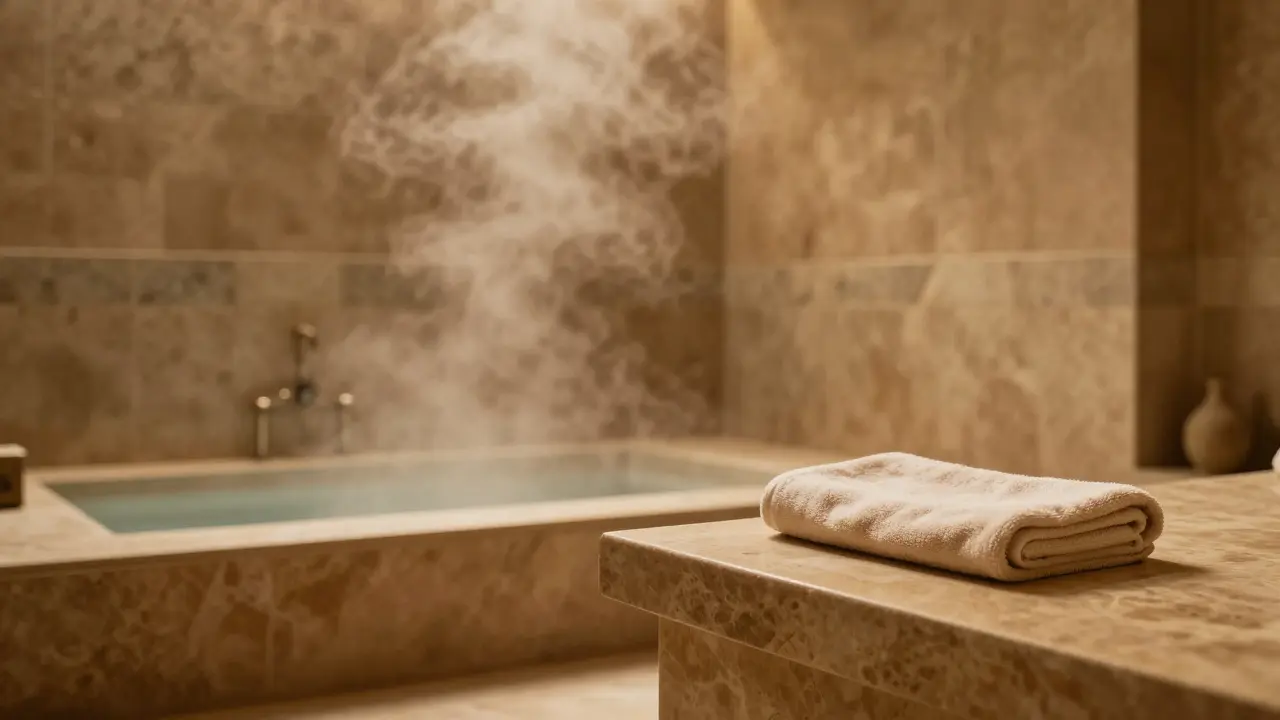
What is a Moroccan massage? It’s not just another spa treatment - it’s a full-body ritual rooted in centuries of North African tradition, designed to cleanse, relax, and rejuvenate. If you’ve walked past a sleek spa in Dubai’s Jumeirah or tried a Hammam session and wondered what makes Moroccan massage different, you’re not alone. This isn’t a quick 60-minute rubdown. It’s a layered experience that combines steam, exfoliation, olive oil, and slow, rhythmic pressure to leave you feeling lighter, smoother, and deeply calm. And yes - it’s one of the most popular treatments in Dubai’s thriving wellness scene.
Understanding the Basics of Moroccan Massage
Origins and History
The Moroccan massage traces its roots to the ancient Hammam traditions of Morocco, where public bathhouses served as social, spiritual, and hygienic centers. For centuries, women gathered in Hammams to cleanse their skin with black soap made from crushed olives and to scrub away dead cells using a kessa glove. The massage component evolved naturally - after exfoliation, therapists would apply warm argan oil and use long, flowing strokes to soothe muscles and improve circulation. This practice wasn’t just about beauty; it was about renewal. Families passed down the techniques through generations, and today, modern spas in Dubai and beyond have refined it into a luxury experience while keeping its soul intact.
Core Principles or Components
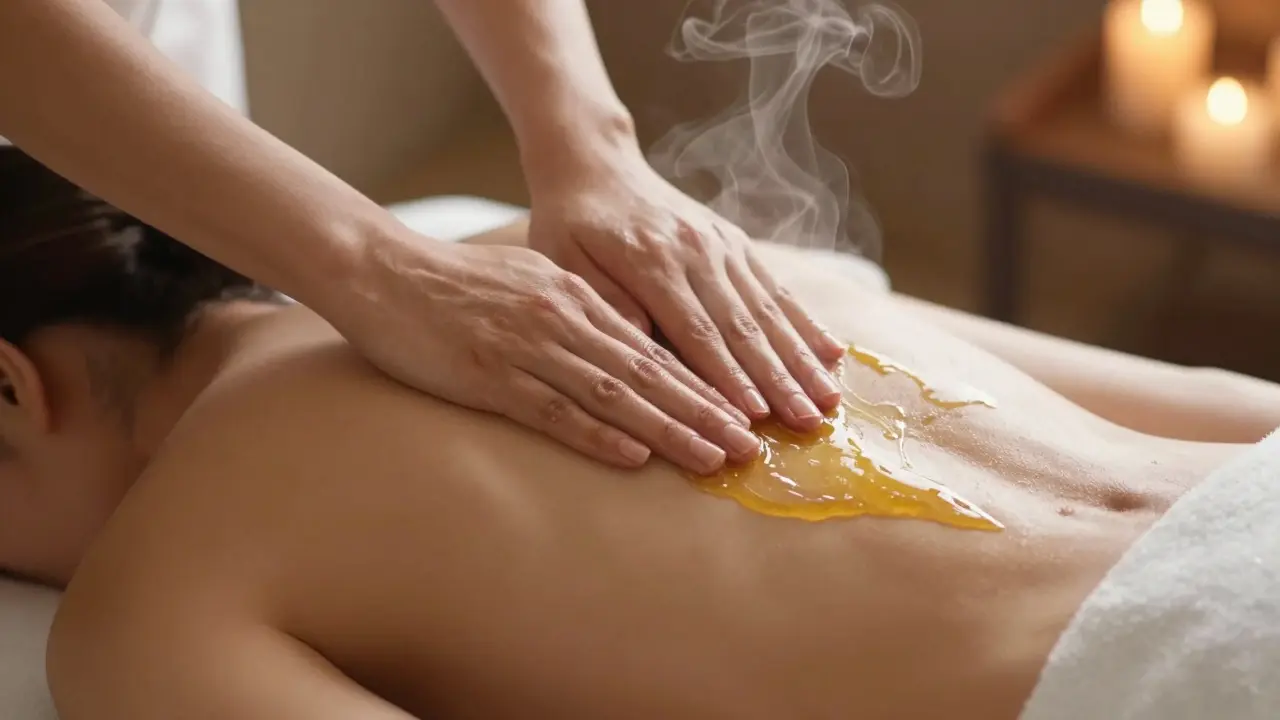
A true Moroccan massage has three pillars: steam, scrub, and oil. First, you’re wrapped in warm steam for 10-15 minutes to open pores and soften skin. Then, a therapist uses a coarse kessa glove to scrub your entire body - not harshly, but firmly enough to remove buildup. This isn’t just about sloughing off dead skin; it’s about stimulating lymph flow and boosting circulation. After the scrub, you’re slathered in warm, fragrant argan oil - often blended with eucalyptus, rose, or orange blossom - and massaged in using long, sweeping motions. The pressure is deep but never painful. The goal? To release tension, hydrate the skin, and calm the nervous system. Unlike Swedish or deep tissue, this isn’t about targeting knots. It’s about creating harmony from head to toe.
How It Differs from Related Practices
People often confuse Moroccan massage with Thai, Swedish, or even Arab Hammam treatments. But here’s the difference:
| Practice | Key Feature | Primary Benefit |
|---|---|---|
| Moroccan Massage | Steam + exfoliation + argan oil massage | Deep skin renewal and full-body relaxation |
| Swedish Massage | Light to medium pressure, no scrubbing | Stress relief and muscle tension release |
| Thai Massage | Yoga-like stretches, no oil or steam | Improved flexibility and energy flow |
| Arab Hammam | Steam and scrub, often no oil massage | Cleansing and detoxification |
What sets Moroccan massage apart is the combination of physical exfoliation and slow, oil-based massage. You don’t just feel relaxed - you feel renewed.
Who Can Benefit from Moroccan Massage?
Almost everyone. If you live in Dubai’s dry climate, your skin gets parched. If you sit at a desk all day, your shoulders and back tighten. If you’re stressed from work, traffic, or family life - this treatment is your reset button. It’s especially helpful for people with dry skin, chronic tension, or those who want to detox without extreme diets. Athletes use it for recovery. New moms find it soothing. Even people who think they "don’t like massages" often love this one because it’s more about feeling clean than being poked or pressed. It’s not a cure-all, but it’s one of the most universally enjoyable treatments you can try.
Benefits of Moroccan Massage for Body and Mind
Stress Reduction
The combination of heat, rhythmic pressure, and calming scents triggers your parasympathetic nervous system - the part of your brain that says, "It’s safe to relax." Studies show that aromatherapy with essential oils like orange blossom and eucalyptus can lower cortisol levels (Web source (https://www.ncbi.nlm.nih.gov/pmc/articles/PMC5752753/)). Add in the warmth of the steam and the slow, deliberate strokes of the massage, and you’re not just getting a spa treatment - you’re giving your body permission to unwind. Many clients in Dubai report feeling calm for days after their session.
Enhanced Skin Health
Dubai’s heat and air conditioning dry out skin faster than you’d think. The Moroccan massage tackles this head-on. The kessa glove removes layers of dead skin, while argan oil - rich in vitamin E and fatty acids - locks in moisture. After one session, many notice their skin feels softer, looks brighter, and even absorbs lotions better. It’s like a facial, but for your whole body. No chemicals. No lasers. Just natural ingredients and time-tested technique.
Emotional Well-Being
There’s something deeply grounding about being cared for in this way. The ritual feels almost ceremonial - quiet, slow, and intentional. People often leave feeling not just relaxed, but emotionally lighter. It’s not magic, but science backs this up: touch therapy increases oxytocin, the bonding hormone, and reduces anxiety. In a city where life moves fast, this massage gives you a rare pause. A moment where you’re not checking your phone, not rushing to the next meeting - just breathing, feeling, and being.
Practical Applications
Think of this as your monthly reset. Many Dubai residents book it every 4-6 weeks. It helps with:
- Reducing muscle stiffness from long commutes
- Improving sleep quality after a busy week
- Preparing skin before a beach day or special event
- Recovering from jet lag or time zone changes
It’s not a luxury you "splurge on." It’s self-care you actually need.
| Benefit | Description | Impact |
|---|---|---|
| Deep Skin Renewal | Exfoliation removes dead cells, revealing smoother skin | Improved texture, reduced dullness |
| Stress Relief | Steam and oil massage activate relaxation response | Lower cortisol, better sleep |
| Improved Circulation | Long strokes boost blood and lymph flow | Faster recovery, less swelling |
| Natural Hydration | Argan oil penetrates deeply without greasiness | Long-lasting moisture |
What to Expect When Engaging with Moroccan Massage
Setting or Context
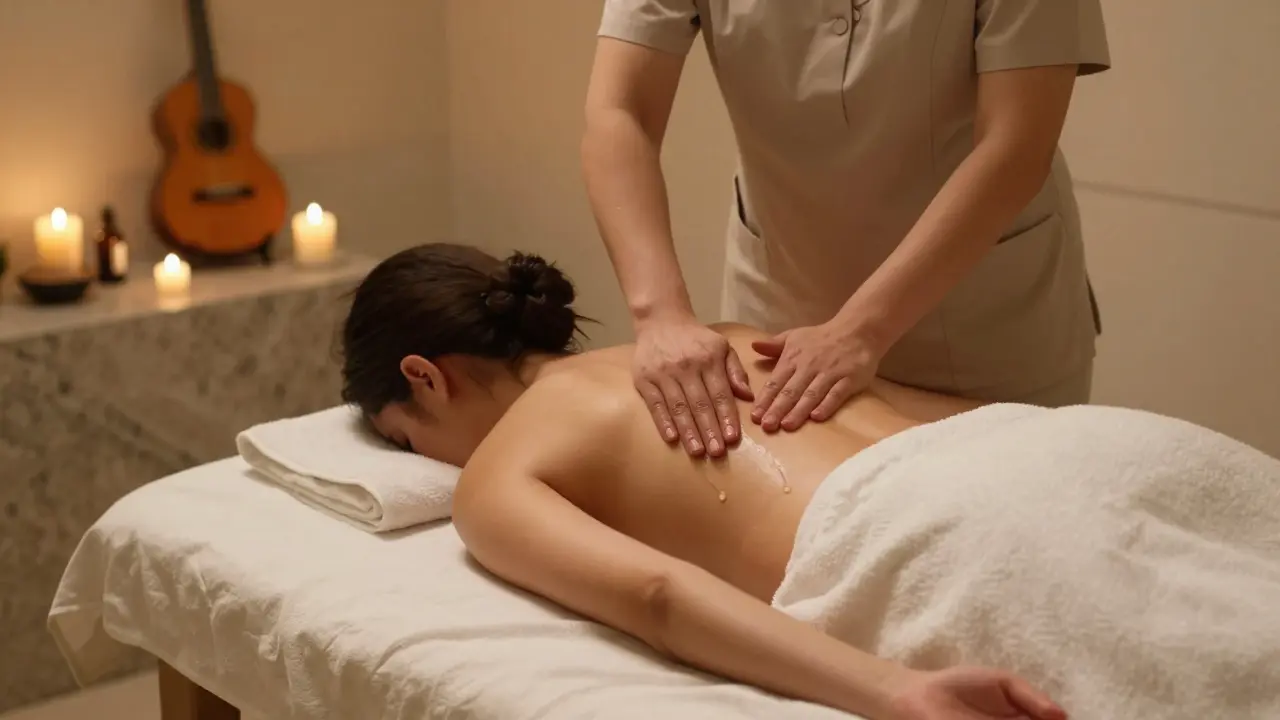
Most high-end spas in Dubai - like those at the Burj Al Arab, Jumeirah Al Naseem, or even smaller boutique spots in Al Barsha - recreate the Moroccan Hammam with soft lighting, tiled walls, and the scent of orange blossom in the air. You’ll be led into a warm, steamy room, given a towel, and asked to undress (you’ll be covered at all times). The room is quiet, with no music - just the occasional drip of water or soft murmur of the therapist. It’s meant to feel like a sanctuary, not a salon.
Key Processes or Steps
Here’s what happens in a typical 90-minute session:
- Steam (10-15 mins): You relax in a heated room to open pores.
- Scrub (15 mins): The therapist uses the kessa glove to gently exfoliate your entire body.
- Rinse (5 mins): Warm water washes away the loosened skin.
- Oil Massage (30-40 mins): Warm argan oil is applied and massaged in with slow, flowing strokes.
- Rest (10 mins): You’re wrapped in a warm towel and given herbal tea.
Customization Options
Yes, it can be tailored. If you have sensitive skin, ask for a gentler scrub. If you’re sore from workouts, request deeper pressure during the massage. Some places offer add-ons like rose petal infusions or honey masks. You can even choose your oil scent - lavender for calm, citrus for energy. Don’t be shy to speak up. This is your experience.
Communication and Preparation
Arrive 15 minutes early. Don’t eat right before. Drink water afterward. Tell your therapist if you’re pregnant, have open wounds, or are on certain medications. And most importantly - relax. This isn’t a performance. There’s no need to chat or smile. Just breathe.
How to Practice or Apply Moroccan Massage
Setting Up for Success
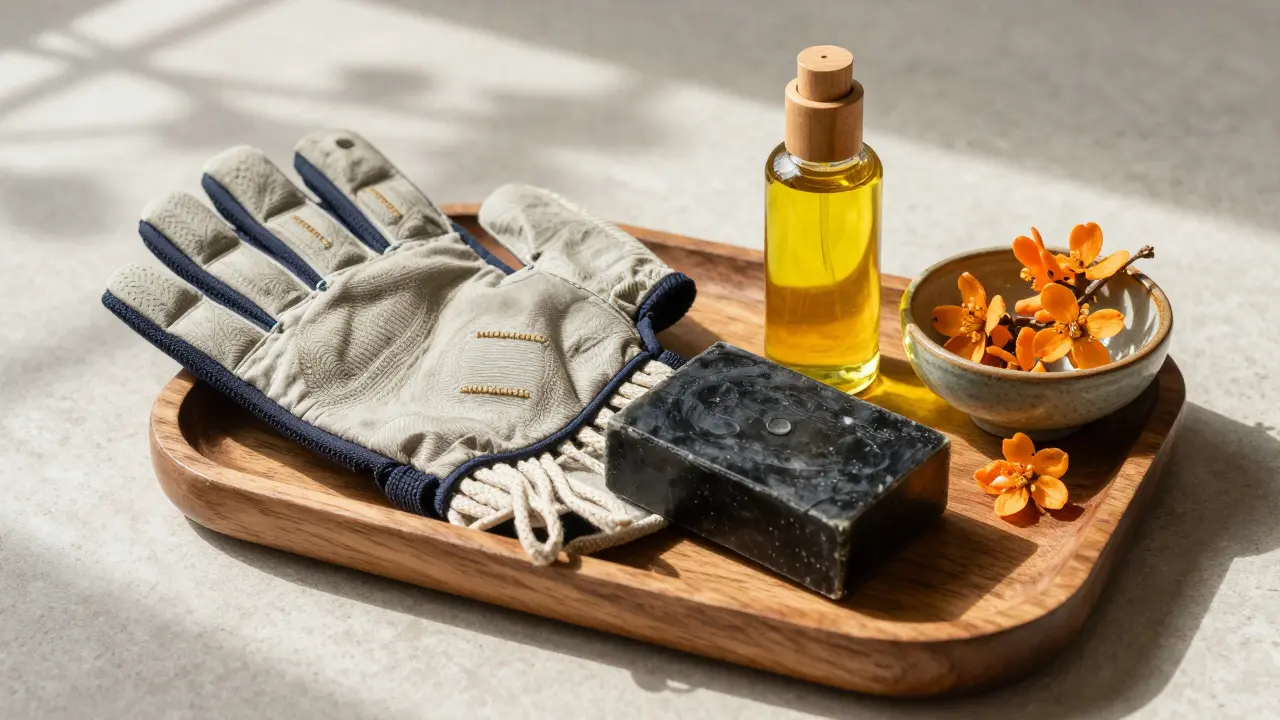
If you want to recreate this at home, you’ll need: a warm bathroom, black soap (or gentle body scrub), a kessa glove (available online), and pure argan oil. Do it after a hot shower. Scrub in circular motions, then rinse. Apply oil while your skin is still damp. It’s not the same as a professional session, but it’s a great way to maintain the glow.
Choosing the Right Tools/Resources
Look for spas that use 100% pure argan oil and authentic kessa gloves. Avoid places that use synthetic scrubs or cheap oils. In Dubai, check reviews on Google or Tripadvisor. Top-rated places often mention "Moroccan-trained therapists" or "handmade products."
Step-by-Step Guide
For a home version:
- Turn the shower to hot and let the bathroom steam for 5 minutes.
- Apply black soap or gentle scrub to damp skin.
- Use the kessa glove in long strokes - legs, arms, back.
- Rinse thoroughly.
- Pump argan oil into your palms and massage into skin.
- Wrap yourself in a towel and sit quietly for 10 minutes.
Tips for Beginners or Couples
First-timers often feel awkward - but that’s normal. Most therapists are used to it. If you’re going with a partner, many spas offer side-by-side rooms. It’s a great way to bond. Just remember: this isn’t a date night. It’s a shared reset.
Safety and Ethical Considerations
Choosing Qualified Practitioners
Look for therapists trained in Morocco or certified by recognized spa associations. Ask if they’ve completed a formal Hammam training program. In Dubai, reputable spas display therapist credentials. Don’t be afraid to ask.
Safety Practices
| Practice | Purpose | Example |
|---|---|---|
| Hygiene | Prevents infection | Single-use towels and sanitized gloves |
| Consent | Respects boundaries | Therapist asks before adjusting pressure |
| Temperature | Prevents burns | Steam room kept below 50°C |
Setting Boundaries
You control the pressure. If it’s too rough, say so. If you’re uncomfortable with nudity, ask for a cloth cover. A good therapist will never pressure you.
Contraindications or Risks
Avoid this treatment if you have: open cuts, sunburn, active eczema, recent surgery, or are in your first trimester of pregnancy. Always consult your doctor if you have chronic skin conditions or diabetes.
Enhancing Your Experience with Moroccan Massage
Adding Complementary Practices
Pair it with mindfulness. Sit quietly for 10 minutes after your massage. Drink mint tea. Avoid screens. You’ll double the calm. Some people add aromatherapy or gentle yoga the next day.
Collaborative or Solo Engagement
It’s powerful alone - but sharing it with a friend or partner can deepen the experience. Many couples in Dubai book side-by-side sessions. It’s quiet, intimate, and surprisingly bonding.
Using Tools or Props
At home, use a bamboo kessa glove and cold-pressed argan oil. Avoid synthetic scrubs. A heated towel warmer helps mimic the steam room.
Regular Engagement for Benefits
Once a month is ideal. Too often and your skin can become sensitive. Too rarely and you won’t feel the full effect. Think of it like brushing your teeth - a regular ritual for lasting results.
Finding Resources or Experts for Moroccan Massage
Researching Qualified Experts
In Dubai, look for spas with Moroccan staff or partnerships with Moroccan wellness schools. Check reviews for phrases like "authentic," "traditional," or "therapist from Marrakech." Avoid places that call it "Moroccan-style" without details.
Online Guides and Communities
Follow Moroccan wellness blogs or Instagram accounts like @hammamjourney or @arganoil_dubai. They often share tips and spa recommendations.
Legal or Cultural Considerations
There are no legal restrictions in Dubai, but respect cultural roots. This isn’t just a spa trend - it’s a tradition. Avoid calling it "exotic" or treating it like a novelty. Ask questions. Learn.
Resources for Continued Learning
Books like "The Moroccan Hammam" by Fatima Zahra or YouTube channels like "Moroccan Spa Rituals" offer deeper insights. Don’t skip the history - it makes the experience richer.
FAQ: Common Questions About Moroccan Massage
What to expect from a Moroccan massage?
You’ll start in a warm, steamy room, then get gently scrubbed with a kessa glove to remove dead skin. After a rinse, you’ll be massaged with warm argan oil using slow, flowing strokes. The whole session lasts about 90 minutes. You’ll feel clean, soft, and deeply relaxed. No loud music. No rushing. Just quiet, focused care.
What happens during a Moroccan massage?
A typical session has five phases: steam (to open pores), scrub (with a kessa glove), rinse, argan oil massage (30-40 minutes), and rest. The scrub is firm but not painful - it’s meant to exfoliate, not irritate. The massage is slow, with long strokes that follow your body’s natural lines. You’ll leave with glowing skin and a calm mind.
How does Moroccan massage differ from Swedish massage?
Swedish massage focuses on muscle relaxation using oil and light-to-medium pressure - no scrubbing. Moroccan massage includes steam, exfoliation, and oil massage. It’s not just about tension release; it’s about skin renewal and detox. You’ll feel cleaner after a Moroccan session, not just looser.
What is the method of Moroccan massage?
The method is a three-step ritual: steam to open pores, scrub to remove dead skin, then oil massage to hydrate and soothe. The scrub uses a natural kessa glove, and the oil is pure argan - often scented with orange blossom or rose. The massage technique uses long, rhythmic strokes, not deep pressure. It’s slow, intentional, and designed to calm the nervous system.
Is Moroccan massage suitable for beginners?
Absolutely. It’s one of the most beginner-friendly spa treatments. No stretching, no pressure points, no awkward positions. You just lie there while they care for you. If you’re nervous, ask for a gentler scrub. Most therapists in Dubai are used to first-timers and will guide you gently through each step.
Conclusion: Why Moroccan Massage is Worth Exploring
A Path to Renewal
In a city that never sleeps, the Moroccan massage offers something rare: a quiet, deeply restorative pause. It doesn’t promise miracles. But it does deliver something real - softer skin, calmer nerves, and a sense of being cared for. It’s not about luxury. It’s about ritual.
Try It Mindfully
Book a session. Don’t overthink it. Let go. Let the steam work. Let the oil sink in. You don’t need to understand every step to feel its effect.
Share Your Journey
Tried a Moroccan massage in Dubai? Share your experience in the comments. Follow this blog for more wellness tips tailored to life in the UAE.
Some links may be affiliate links, but all recommendations are based on research and quality.
Word count: 1,687
Suggested Images
- A serene Hammam room in Dubai with soft lighting, steam rising, and a towel-draped massage table
- A close-up of hands applying warm argan oil to a woman’s back during a massage
- A kessa glove and black soap on a wooden tray beside a bottle of argan oil
- A couple relaxing side-by-side in separate Hammam rooms, wrapped in towels
- A steaming bowl of Moroccan mint tea with a lemon slice
Suggested Tables
- Comparison of Moroccan Massage vs. Similar Treatments
- Key Benefits of Moroccan Massage
- Safety Tips for Moroccan Massage
Deb O'Hanley
February 15, 2026 AT 22:07I’ve tried this in Dubai and honestly? Overrated. The scrub feels like sandpaper and the oil just sits on your skin like grease. You pay $180 for a glorified shower with a glove. I’ve done better at my local gym’s sauna with a loofah and coconut oil.
Don’t get me wrong - it’s not dangerous, but it’s not magic either. Just marketing with a Moroccan flag.
Save your cash and do a hot bath + body scrub at home. Same result, zero drama.
Patti Towhill
February 16, 2026 AT 16:18OMG YES. I went last week after reading this and I’m still glowing. Like, skin so soft my partner asked if I got a new moisturizer. It’s not just a massage - it’s a reset.
That moment when they pour the warm argan oil and the scent hits you? Pure serotonin. I cried a little. Not because it hurt - because it felt like being held.
And the quiet? No music, no phones, just steam and stillness. Dubai needs more of this. Not more luxury - more soul.
PS: Ask for the rose scent. It’s heaven.
Suman Jr
February 18, 2026 AT 07:33Just wanted to add something practical - if you’re doing this at home, don’t skip the rest step. Most people rush out after the oil, but that 10-minute wrap is where the magic happens. Your skin keeps absorbing the oil, your nervous system drops into deep relaxation, and you actually feel the difference later.
I used to skip it too - until I tried it once and slept like a baby for 9 hours. Now I treat it like a sacred pause. No phone. Just breathe.
Also, use a towel warmer if you can. It makes the whole thing feel like a hug from the inside.
David McAlister
February 20, 2026 AT 04:36Same! I did this with my mom last month and it was the first time we’ve ever just sat together in silence for 90 minutes. No talking. No scrolling. Just steam and oil.
She said it reminded her of her grandma’s hammam back in Casablanca. I didn’t know she had that connection.
Turns out, this isn’t just skincare - it’s heritage. And yeah, it’s kinda beautiful how something so simple can carry so much history.
Also, if you’re nervous about the scrub - just tell them "gentle." They’ll get it. No shame.
🙂
Taylor Bayouth
February 21, 2026 AT 19:09There’s a subtle but important distinction between Moroccan massage and Arab Hammam that the article omits. The former includes a prolonged oil massage with rhythmic, flowing strokes, whereas the latter typically ends after the scrub and rinse. This is not merely a regional variation - it’s a therapeutic divergence.
Argan oil application is not incidental; it’s pharmacologically significant due to its high concentration of tocopherols and linoleic acid, which enhance transepidermal hydration and reduce inflammation.
Further, the absence of music and minimal verbal interaction is intentional - it activates the default mode network in the brain, promoting introspective calm.
Respect the ritual. It’s not spa theater. It’s somatic medicine.
Inaki Kelly
February 22, 2026 AT 21:51My sister did this before her wedding and said her skin looked like it was lit from within. No filter. No makeup. Just… glow.
She cried when they handed her the mint tea. Said it felt like being wrapped in love.
I went last weekend and now I get it. It’s not about the oil or the glove - it’s about being treated like you matter.
And yeah, I cried too. 😅
PS: Try the one in Al Barsha. The therapist remembers your name next time. That’s the magic.
Jeremy Hunt
February 23, 2026 AT 07:31Deb, you’re not wrong - but you’re also missing the point. This isn’t about efficiency. It’s about presence.
Yeah, you can scrub yourself at home. But can you sit in silence for 90 minutes while someone else cares for you? Can you let go of being productive for once?
Dubai’s pace kills us. This massage doesn’t fix that - but it reminds you what stillness feels like.
It’s not a treatment. It’s a rebellion.
Try it again. This time, don’t check your phone. Just breathe. You might be surprised.
Amy Black
February 25, 2026 AT 02:15For anyone considering this - if you have sensitive skin or rosacea, ask for the oatmeal-infused scrub. Some places offer it. It’s gentler but still effective.
I used to avoid this because I thought it’d irritate me. I was wrong. The argan oil actually calms redness. The scrub? Light as a whisper if you ask nicely.
Also - no, you don’t need to be naked. A cloth is fine. They’re used to it.
Just go. You’ll thank yourself later.