
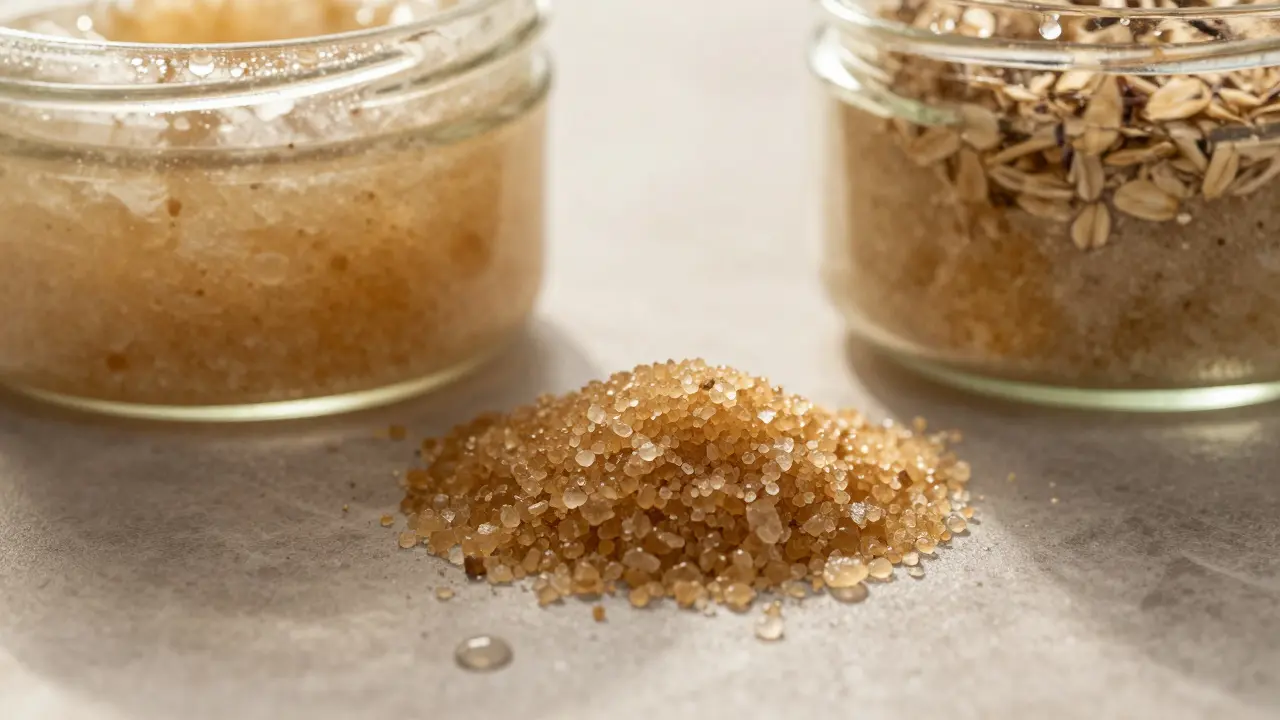
When it comes to body scrub, more isn’t always better. Many people think that scrubbing harder or using coarser ingredients means smoother skin - but that’s a myth that can actually damage your skin. In Dubai’s dry, hot climate, your skin is already under stress from sun, AC, and wind. Using the wrong body scrub can turn a relaxing ritual into a painful mistake. So what should you avoid in a body scrub? Let’s cut through the noise and give you the real, no-fluff guide to keeping your skin healthy - not irritated.
Understanding the Basics of Body Scrub
Origins and History
Body scrubs aren’t a new trend. Ancient Egyptians used salt and olive oil to cleanse and soften skin. Traditional Indian Ayurvedic practices included herbal scrubs with turmeric and gram flour. Even in Arab cultures, natural ingredients like crushed dates, rosewater, and sea salt were used for purification rituals. These traditions understood something modern skincare often forgets: the skin is a living organ that needs balance, not punishment. Today’s commercial scrubs have strayed from these roots, packing in synthetic fragrances, microplastics, and harsh abrasives that do more harm than good.
Core Principles or Components
A good body scrub has three key parts: a gentle exfoliant, a nourishing base, and a soothing agent. The exfoliant removes dead skin - not by scraping, but by gently sloughing. The base (like coconut oil, shea butter, or almond oil) hydrates while you scrub. The soothing agent - think aloe, chamomile, or calendula - calms any friction-induced redness. The goal isn’t to leave your skin raw, but radiant. If your scrub leaves you stinging or red, it’s not working - it’s attacking.
How It Differs from Related Practices
Many confuse body scrubs with dry brushing or chemical peels. Dry brushing uses a stiff brush on dry skin to stimulate lymph flow - it’s about circulation, not removal. Chemical peels use acids like glycolic or salicylic to dissolve dead cells - they’re precise, not abrasive. A body scrub is mechanical: physical particles rub the surface. That’s why ingredients matter so much. A sugar scrub is gentle; crushed walnut shells? Not so much.
| Method | Primary Mechanism | Best For |
|---|---|---|
| Body Scrub | Physical abrasion with granules | Smooth, hydrated skin |
| Dry Brushing | Stimulation via brush strokes | Circulation, lymphatic flow |
| Chemical Peel | Enzymatic or acid dissolution | Acne, pigmentation, texture |
Who Can Benefit from Body Scrub?
Almost everyone - except those with sensitive skin, eczema, active acne, or recent sunburn. If you live in Dubai, you’re likely exposed to harsh UV rays and dry air. Regular, gentle exfoliation helps your moisturizers penetrate better. But if you’re using a scrub with jagged particles or strong fragrances, you’re undoing all the hydration you’ve worked for.
What to Avoid in a Body Scrub
Avoid Synthetic Fragrances and Essential Oils in High Concentrations
That vanilla or coconut scent? It might be synthetic - and irritating. Even natural essential oils like citrus, peppermint, or eucalyptus can be too strong for daily use. In Dubai’s heat, your skin is already more reactive. A scrub with 5% peppermint oil might feel refreshing at first, but it can trigger stinging, redness, or even contact dermatitis. Look for products labeled “fragrance-free” or those using only trace amounts of calming oils like lavender or chamomile.
Avoid Large, Jagged Exfoliants Like Crushed Walnut Shells or Salt Crystals
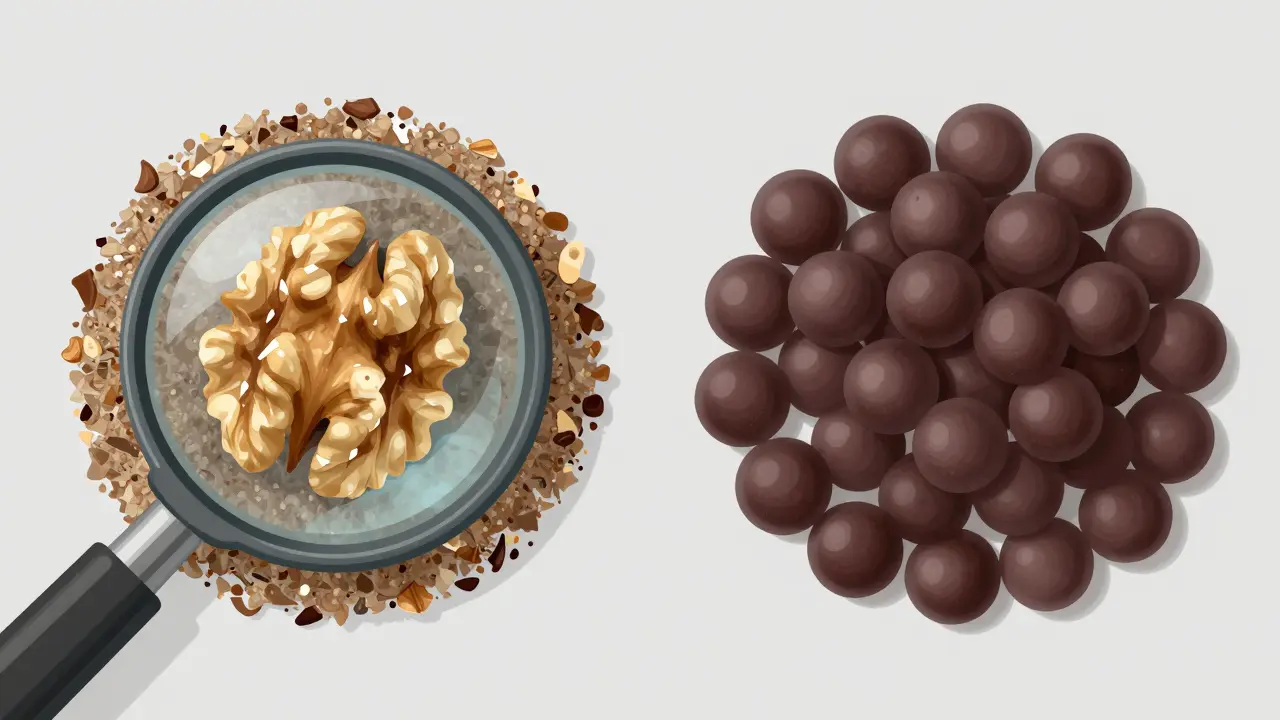
Walnut shells sound natural - and they are. But their sharp edges? They’re like tiny glass shards on your skin. Studies show these particles can cause micro-tears, especially on thinner skin areas like arms, thighs, or chest. Same goes for coarse sea salt. While fine sugar dissolves gently, coarse salt digs in. If you can see individual chunks, skip it. Opt for finely ground sugar, jojoba beads, or rice powder instead - they’re round, smooth, and safe.
Avoid Alcohol-Based Formulas
Some scrubs use alcohol to “dry out” oil or preserve the product. But alcohol strips natural oils, leaving skin tight and parched. In Dubai’s low-humidity environment, that’s a disaster. You’ll feel smooth right after, but within hours, your skin will overproduce oil to compensate - leading to clogged pores and breakouts. Always check the ingredient list. If “alcohol denat.” or “ethanol” is in the top five, walk away.
Avoid Scrubs with Microplastics
Those tiny, shiny beads? They’re likely polyethylene - a plastic that doesn’t biodegrade. The EU and US have banned them in rinse-off cosmetics. But they’re still in some brands sold online. Microplastics don’t just pollute oceans - they sit in your pores, causing inflammation. Look for “plastic-free” labels or choose scrubs with natural exfoliants. Your skin and the planet will thank you.
Avoid Using Scrubs on Broken or Sunburned Skin
If you’ve been out in the Dubai sun and your skin is peeling? Don’t scrub it. Exfoliating sunburned or irritated skin is like rubbing sandpaper on a wound. It delays healing, increases risk of infection, and can leave dark marks. Wait until the redness and peeling are gone - usually 3-5 days. Then, start with a super gentle scrub once a week.
What to Look for Instead
Choose Natural Oils as Bases
Coconut, sweet almond, grapeseed, and jojoba oils are ideal. They’re non-comedogenic (won’t clog pores), rich in fatty acids, and help lock in moisture. In Dubai’s dry climate, this is non-negotiable. A scrub with 10-20% oil base will leave your skin soft, not squeaky-clean.
Opt for Fine, Round Exfoliants
Finely ground brown sugar, rice flour, or jojoba beads are your friends. They’re spherical, so they roll over skin instead of cutting into it. Jojoba beads are especially great - they’re biodegradable, gentle, and melt slightly with body heat.
Look for Soothing Additives
Ingredients like aloe vera, oatmeal, or calendula extract calm inflammation. Oatmeal is particularly powerful - it’s been used for centuries to treat eczema and rashes. A scrub with 1-2% colloidal oatmeal can reduce redness and itching after just one use.
How Often Should You Use a Body Scrub?
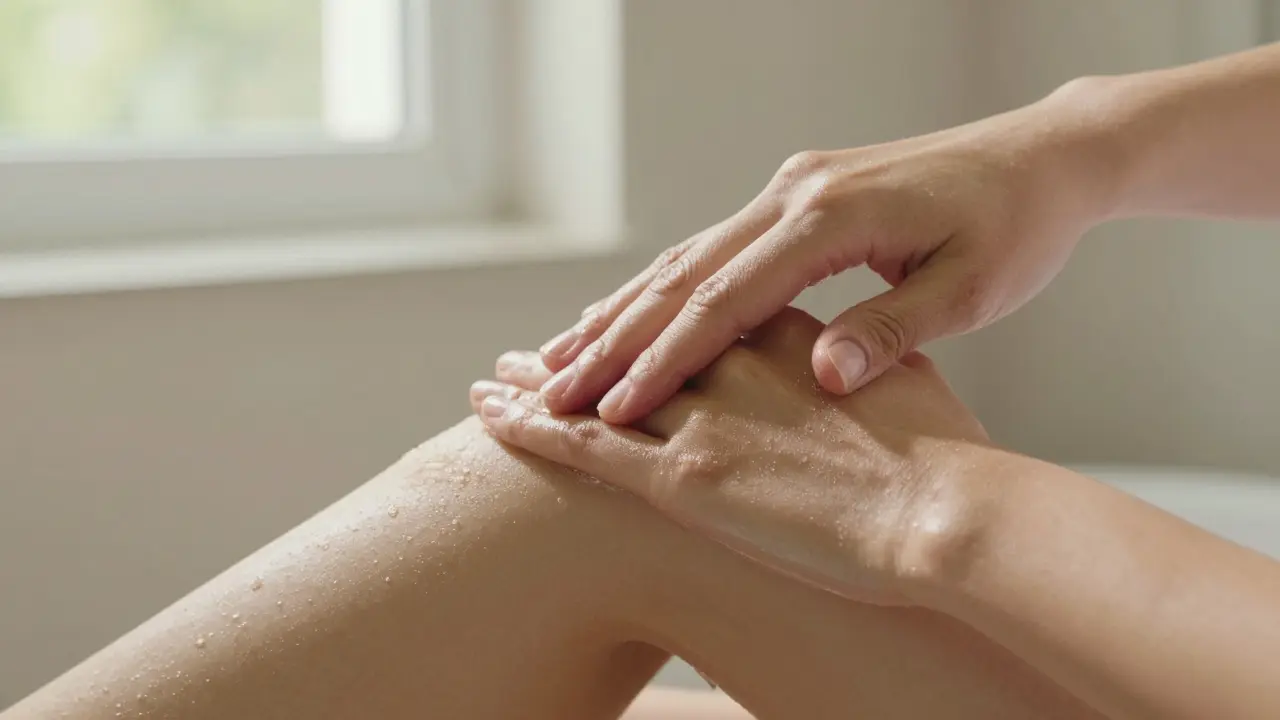
Once a week is enough for most skin types. If your skin is sensitive or you have conditions like rosacea or psoriasis, go every 10-14 days. Over-scrubbing strips your skin’s natural barrier, making it more vulnerable to Dubai’s environmental stressors. Think of your skin like a wall - the barrier is the mortar. Scrub too often, and the mortar crumbles.
Safety and Ethical Considerations
Always Patch Test
Before slathering a new scrub all over, test it on your inner forearm. Wait 24 hours. If you see redness, itching, or burning, don’t use it. This simple step saves you from a week of discomfort.
Use Gentle Pressure
Let the scrub do the work. Rubbing hard won’t make your skin smoother - it’ll make it sore. Use circular motions with light pressure. Think of it like massaging lotion in, not sanding wood.
Follow With Moisturizer
Scrubbing opens up your skin’s surface. If you don’t follow up with a rich body butter or oil, you’ll lose moisture faster. In Dubai, this is critical. Apply moisturizer within 3 minutes of showering, while skin is still damp.
| Practice | Purpose | Example |
|---|---|---|
| Patch test new products | Prevent allergic reactions | Apply on inner arm for 24h |
| Use lukewarm water | Prevent heat irritation | Avoid hot showers before scrubbing |
| Don’t scrub daily | Preserve skin barrier | Limit to once a week |
FAQ: Common Questions About Body Scrub
What should you avoid in a body scrub?
Avoid synthetic fragrances, large jagged exfoliants (like walnut shells), alcohol, microplastics, and scrubbing sunburned or broken skin. These ingredients and practices can cause irritation, micro-tears, and long-term damage. Instead, choose scrubs with fine, round particles like sugar or jojoba beads, natural oils, and calming additives like aloe or oatmeal.
Is sugar or salt better for body scrub?
Sugar is gentler. Its granules are rounder and dissolve more easily in water, making it ideal for sensitive or dry skin - especially in arid climates like Dubai. Salt is more abrasive and can sting if you have cuts or dry patches. It’s better for rough areas like feet, but not for arms, legs, or torso. Always opt for fine-grain sugar over coarse salt for full-body use.
Can body scrubs cause breakouts?
Yes - if they’re too harsh or contain pore-clogging ingredients. Over-scrubbing damages the skin barrier, triggering excess oil. Also, scrubs with heavy oils (like coconut oil for some) or synthetic fragrances can irritate follicles. Stick to non-comedogenic oils and avoid scrubbing more than once a week. Always rinse thoroughly and moisturize after.
Should I use a body scrub before or after shaving?
Use it before. Exfoliating removes dead skin cells that can trap hairs and cause ingrown hairs. This gives you a smoother shave with less irritation. Wait at least 24 hours after shaving to scrub - fresh skin is too sensitive. Always use a gentle scrub and follow with a soothing lotion.
Are DIY body scrubs safe?
They can be - if you keep it simple. A mix of fine sugar and coconut oil is safe. But avoid using lemon juice, vinegar, or baking soda - they disrupt skin pH. Homemade scrubs also lack preservatives, so use within a week and store in the fridge. If you have sensitive skin, stick to professionally formulated products with tested ingredients.
Conclusion: Why Choosing the Right Body Scrub Matters
A Path to Healthier Skin
A body scrub isn’t just a luxury - it’s a tool for skin health. When used correctly, it boosts circulation, helps moisturizers work better, and leaves skin glowing. But when misused, it can cause lasting damage. In Dubai’s demanding climate, your skin needs care, not aggression.
Try It Mindfully
Start slow. Pick a scrub with simple, clean ingredients. Test it. Use it once a week. Listen to your skin. If it feels tight, red, or stings - stop. Your skin knows what it needs better than any trend.
Share Your Journey
Tried a new body scrub? Tell us what worked - or what didn’t. What ingredients made your skin glow? What made it flare up? Share your experience in the comments - your story might help someone else avoid a painful mistake.
Some links may be affiliate links, but all recommendations are based on research and quality.
Word count: 1,687
Suggested Images
- A close-up of fine sugar crystals dissolving in water next to a jar of natural body scrub
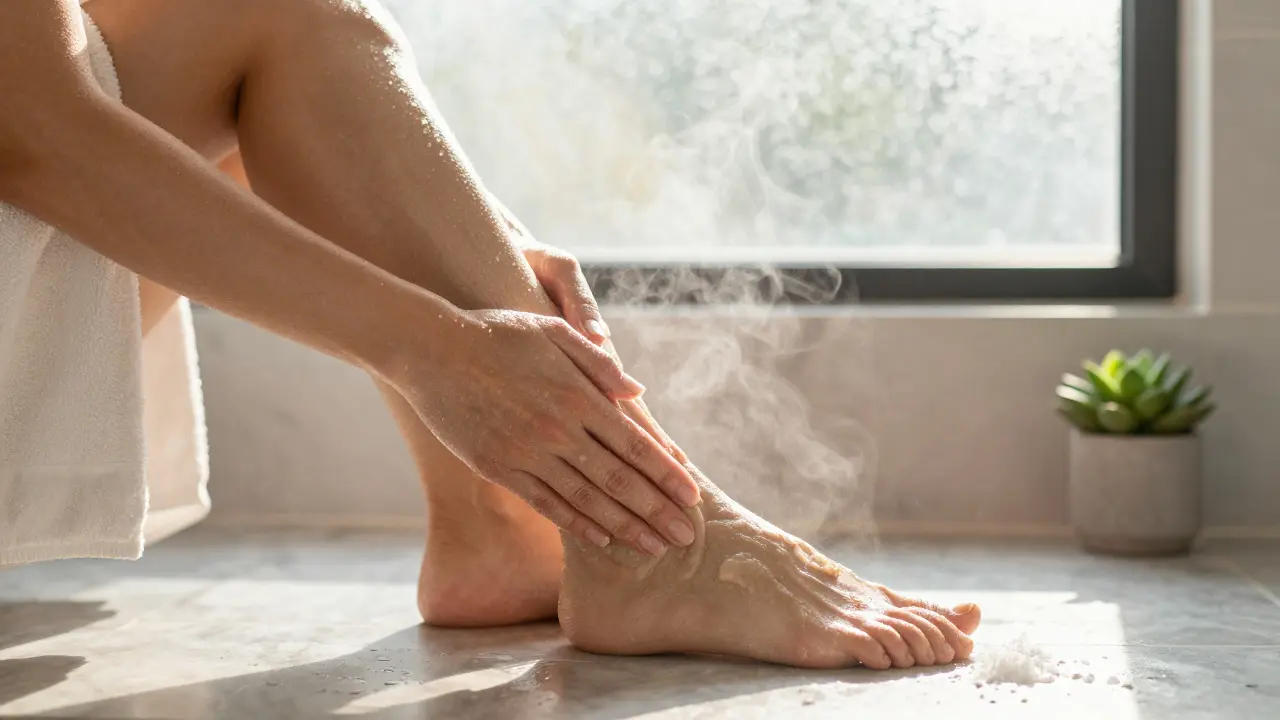
- A hand gently massaging a body scrub onto arm with soft, natural lighting
- A comparison of two scrubs: one with jagged walnut shells, one with smooth jojoba beads
- A woman applying moisturizer immediately after showering, with steam rising
- A shelf of body scrubs with labels highlighting “fragrance-free,” “plastic-free,” and “oatmeal”
Suggested Tables
- Comparison of Exfoliation Methods
- Safety Tips for Body Scrub Use
kamal redha
February 13, 2026 AT 01:43I've been using a homemade sugar scrub with coconut oil for months now, and my skin in Dubai has never felt better. I used to go for the fancy stuff with all the fancy fragrances, but after one too many red patches, I switched. The key is simplicity: sugar, oil, and maybe a drop of lavender. No salt, no walnut shells, no alcohol. I scrub once a week, right after my shower when my skin's still damp, then slap on a thick shea butter. It's not glamorous, but it works. My wife even started using it after seeing how soft my arms got. Funny how the oldest remedies are often the best.
connor dalton
February 13, 2026 AT 04:38The part about microplastics really hit home. I had no idea so many commercial scrubs still use polyethylene. I checked the label on my last scrub-yep, there it was. I switched to a brand that uses ground apricot kernels instead, and while it's pricier, I feel better about it. Also, the note about jojoba beads melting with body heat? That’s genius. I never thought about how temperature affects exfoliation. This post didn’t just inform me-it changed my routine. Thank you.
Kari Watkins
February 15, 2026 AT 02:18OMG I’ve been using a salt scrub with citrus oil because it ‘smells like vacation’ 😭 and now my arms look like I got sunburned… twice. I’m crying. I literally thought it was ‘detoxing’ my skin. Now I’m panicking because I’ve been doing it twice a week. Can someone send me a link to a safe scrub? I’ll pay for it. I need my glow back. 🥺✨
Amit krishna Dhawan
February 15, 2026 AT 17:53You mentioned Ayurvedic practices-great point. But you missed one crucial detail: the order matters. In traditional practice, you don’t just slap on a scrub and rinse. You warm the oil first, massage it into dry skin for 5 minutes, then apply the scrub. Only then do you rinse with lukewarm water. This two-step method prevents micro-tears and enhances absorption. I’ve been doing this for 12 years, and my skin is still smooth at 45. Also, never use a scrub in the morning-your skin’s too vulnerable after sleep. Nighttime only. Trust me.
Abhishek Gowda
February 16, 2026 AT 04:56I tried a DIY scrub with brown sugar and olive oil last week… and I cried. Not because it hurt, but because my skin felt like a baby’s butt. I didn’t even know this was possible. I’ve been using that same scrub every 10 days since. My girlfriend said I look ‘less like a desert lizard.’ I don’t know what that means but I’ll take it. Also, I stopped using my cheap shower gel. Now I just use water and the scrub. My body feels like it’s breathing again. 🙏
Nidhi Gupta
February 17, 2026 AT 19:07Ugh I hate how Americans think they invented skincare. Sugar scrubs? We’ve been doing that in India for centuries. You think coconut oil is new? It’s in every temple offering. And you call walnut shells bad? My grandma used crushed almond shells and her skin was like silk. You people overthink everything. Just use what works. Also, why are you all scared of salt? Salt is natural. Stop being so sensitive.
Stephen Park
February 17, 2026 AT 19:28While the article presents a reasonable framework, it lacks empirical rigor. The assertion that 'fine sugar dissolves gently' is anecdotal; peer-reviewed studies on particle morphology and skin barrier disruption are sparse. Furthermore, the claim that jojoba beads 'melt with body heat' is physiologically implausible-jojoba esters have a melting point of approximately 36–45°C, which exceeds normal skin temperature (32–34°C). The recommendation to use moisturizer within three minutes post-shower is also unsubstantiated by dermatological literature. This piece reads more like influencer content than evidence-based guidance.