What Is a Thai Massage? A Clear Guide for Dubai Residents
When you hear Thai massage, you might picture someone stretching you like a pretzel while you lie on a mat. But that’s just the surface. In Dubai, where wellness is part of daily life, Thai massage isn’t just another spa treatment-it’s a full-body reset rooted in centuries of tradition. Unlike a Swedish or deep tissue massage that focuses on muscles with oils and pressure, Thai massage works on energy lines, joints, and posture using rhythmic compression, acupressure, and assisted yoga-like stretches. It’s not just relaxing-it’s recalibrating.
Understanding the Basics of Thai Massage
Origins and History
Thai massage traces back over 2,500 years to India, where it was developed by Buddhist monks who blended Ayurvedic principles with yoga and traditional Chinese medicine. Legend says it was created by Jivaka Kumar Bhaccha, a physician and contemporary of the Buddha. As Buddhism spread through Southeast Asia, the practice took root in Thailand, where it evolved into what we now call Nuad Boran-‘ancient massage.’ In Thailand, it’s not just a spa service; it’s a healing art taught in temples and formal schools. Today, in Dubai’s bustling wellness scene, authentic Thai massage studios still follow these traditional methods, often with Thai-trained therapists who bring the culture and technique with them.
Core Principles or Components
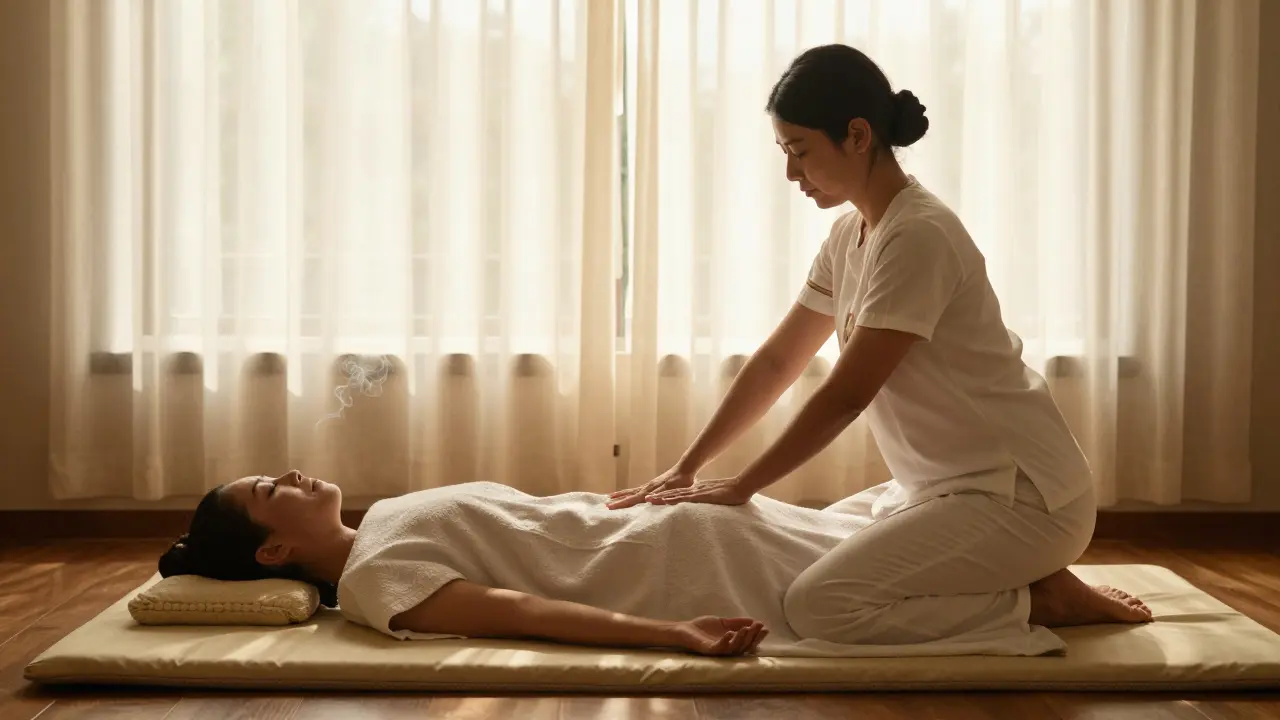
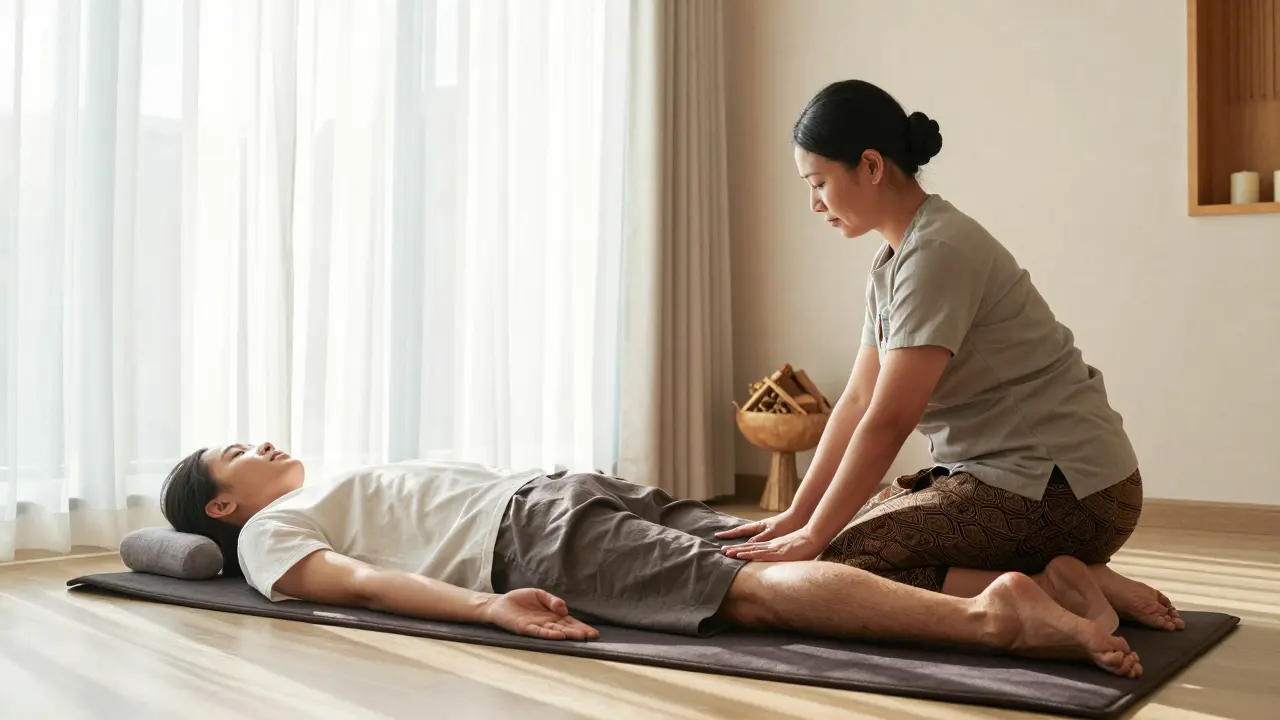
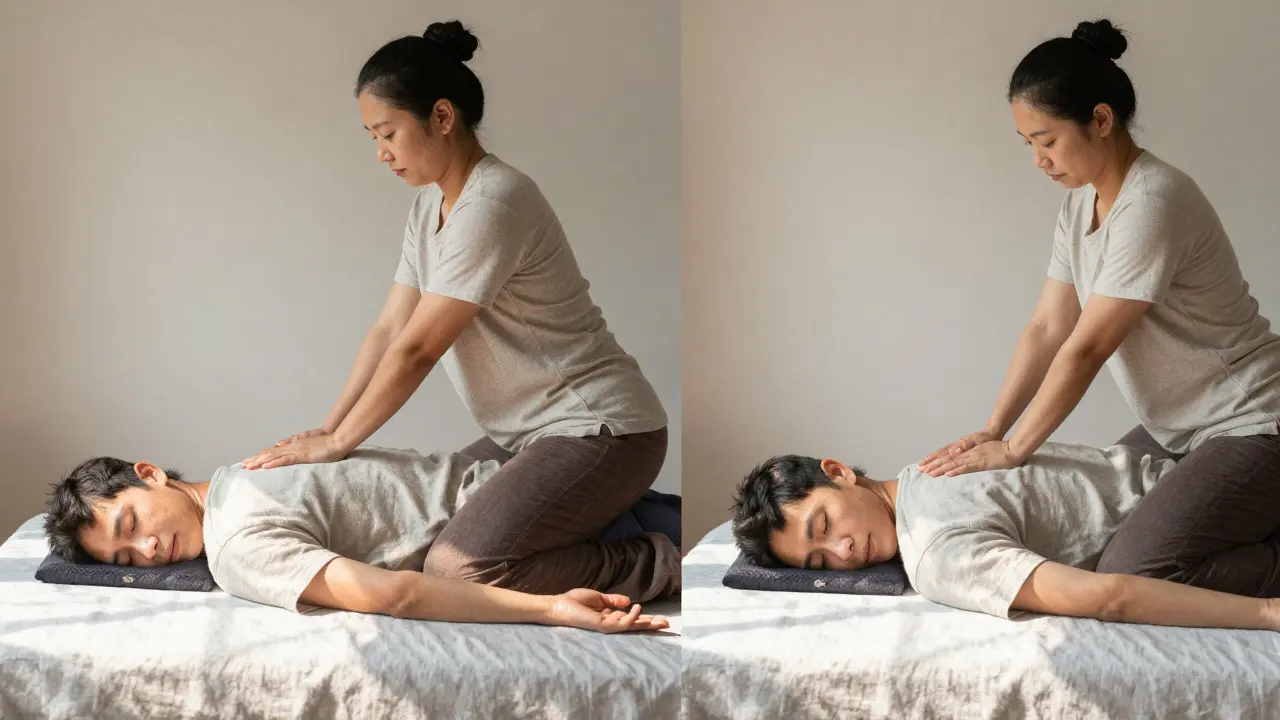
Thai massage doesn’t use oils or require you to undress. You stay clothed in loose, comfortable clothing while lying on a padded mat on the floor. The therapist uses their hands, thumbs, elbows, knees, and even feet to apply pressure along ten key energy lines-called sen lines-similar to meridians in acupuncture. The session combines rhythmic pressing with passive stretching: imagine being gently guided through yoga poses you couldn’t do on your own. This isn’t about relaxation alone-it’s about releasing blockages, improving flexibility, and restoring energy flow. Sessions typically last 60 to 90 minutes and are performed without music or aromatherapy, letting you focus inward.
How It Differs from Related Practices
It’s easy to confuse Thai massage with other types. Here’s how it stands apart:
| Practice | Key Feature | Primary Benefit |
|---|---|---|
| Thai Massage | Assisted stretching, pressure on energy lines, no oils | Improved flexibility and energy flow |
| Swedish Massage | Long strokes, kneading, oils, relaxation focus | Stress relief and muscle relaxation |
| Deep Tissue Massage | Intense pressure on deep muscle layers | Chronic pain relief |
| Shiatsu | Finger pressure on acupuncture points | Energy balancing |
Who Can Benefit from Thai Massage?
Almost anyone can benefit-especially if you sit at a desk all day, have stiff hips from commuting, or feel constantly tense. Athletes use it to maintain mobility. Office workers in Dubai’s high-rises find relief from back and shoulder tension. Seniors enjoy improved circulation and joint movement. Even if you’re not flexible, Thai massage meets you where you are. It’s not about how far you can stretch-it’s about what your body releases. People with chronic stress, mild back pain, or poor posture often report feeling lighter and more grounded after just one session.
Benefits of Thai Massage for Body and Mind
Stress Reduction
Thai massage activates the parasympathetic nervous system-the part of your body that says, “It’s safe to relax.” The rhythmic pressure and slow, deliberate movements lower cortisol levels and slow your heart rate. In Dubai’s fast-paced environment, where work hours are long and stress is high, this isn’t a luxury-it’s a necessity. Many clients say they leave feeling like they’ve hit a reset button, not just physically, but mentally. You don’t need to meditate afterward; the massage does it for you.
Enhanced Functionality
Unlike massages that only soothe, Thai massage improves how your body moves. The stretches gently realign joints and loosen tight fascia-the connective tissue that wraps around muscles. Over time, this can reduce stiffness in the neck, hips, and spine. People who sit for hours at desks or drive long distances notice they can turn their heads more easily, bend without pain, or stand taller. It’s like giving your body a tune-up without needing tools or machines.
Emotional Well-Being
There’s a quiet, almost meditative quality to Thai massage. Because you’re fully supported and guided through movement, your mind has no choice but to slow down. Many people report feeling emotionally lighter afterward-not because they cried, but because they stopped holding their breath. For those dealing with anxiety or emotional fatigue, this isn’t just physical relief-it’s a mental pause button. It’s not therapy, but it creates space for clarity.
Practical Applications
Think of Thai massage as preventive care. You don’t wait until your back locks up to try it. Regular sessions-every 2-4 weeks-can help you avoid injury, improve posture, and maintain mobility as you age. In Dubai, where heat and air conditioning can tighten muscles, keeping your body limber is key. Many expats and locals schedule it as part of their weekly routine, just like drinking water or walking.
| Benefit | Description | Impact |
|---|---|---|
| Improved Flexibility | Passive stretching opens joints and lengthens muscles | Reduces risk of injury, increases range of motion |
| Reduced Muscle Tension | Pressure on sen lines releases chronic tightness | Relieves headaches, neck pain, and shoulder stiffness |
| Enhanced Circulation | Compression boosts blood and lymph flow | Speeds recovery, reduces swelling, improves skin tone |
| Mental Clarity | Calms the nervous system, reduces mental chatter | Improves focus, reduces anxiety, promotes sleep |
What to Expect When Engaging with Thai Massage
Setting or Context
Most authentic Thai massage studios in Dubai are quiet, clean, and simple. You’ll step onto a low, cushioned mat on the floor-no table, no music, no candles. The room is warm but not hot, with soft lighting. You’ll be given loose cotton pants and a top to wear. The therapist will greet you with a slight bow and ask about any injuries or areas of concern. There’s no rush. This isn’t a 30-minute add-on; it’s an hour-long ritual.
Key Processes or Steps
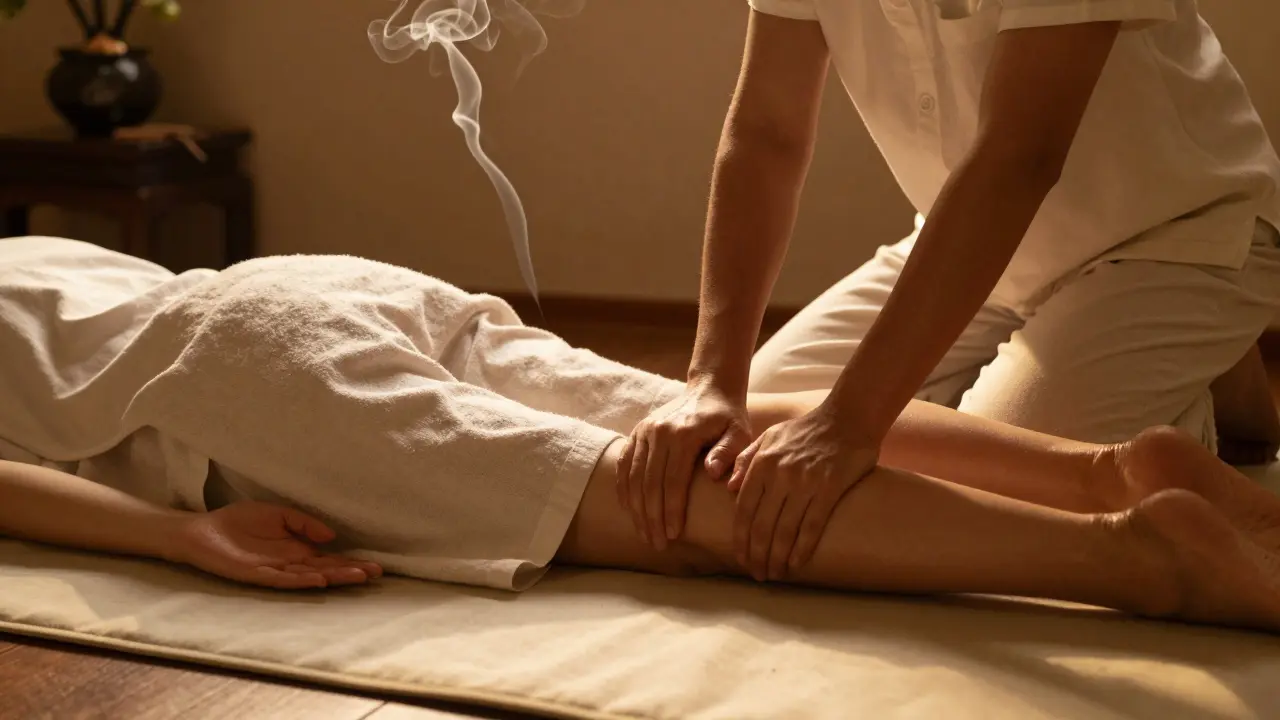
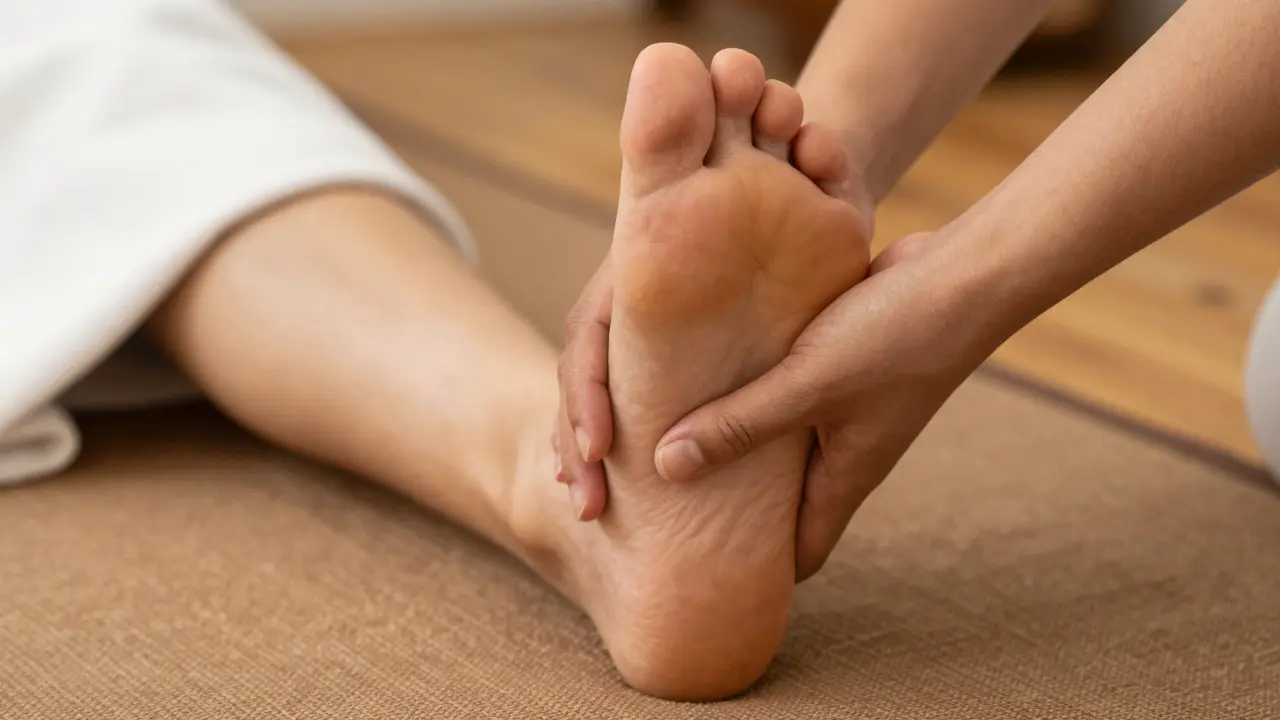
The session begins with gentle pressure on your feet and legs, moving upward. You’ll be guided into stretches like a seated forward fold, hip openers, and shoulder rotations-all done for you. The therapist uses their body weight, not just hands, to apply pressure. You might feel a deep ache in your hip or lower back-it’s not painful, but it’s intense. That’s the energy block releasing. Around the 45-minute mark, you’ll be turned onto your back for more stretching and compression along your spine. The session ends with a few minutes of stillness, often with hands placed gently on your chest or abdomen.
Customization Options
While traditional Thai massage follows a set sequence, skilled therapists adapt based on your body. If you have a knee injury, they’ll avoid deep hip work. If you’re pregnant, they’ll use lighter pressure and skip certain stretches. Most studios in Dubai offer options: 60-minute for beginners, 90-minute for deeper work, or even 120-minute for full-body restoration. You can also request more focus on your neck, back, or feet.
Communication and Preparation
Speak up. If something hurts too much, say so. Thai massage shouldn’t be painful-just intense. Drink water before and after to help flush out toxins. Avoid heavy meals two hours before. Arrive 10 minutes early to settle in. And don’t expect to be pampered with rose petals or scented oils-that’s not the point. This is bodywork, not luxury.
How to Practice or Apply Thai Massage
Setting Up for Success
If you’re trying Thai massage for the first time in Dubai, choose a studio with certified Thai therapists. Look for places that mention training from Bangkok or Chiang Mai. Avoid places that offer “Thai-style massage” but use oils and tables-that’s not authentic. Ask if the therapist completed a formal program at a Thai massage school. Authentic studios often display diplomas or photos of their training.
Choosing the Right Tools/Resources
You don’t need tools for a session, but if you want to try self-massage at home, a foam roller and resistance band can mimic some stretches. YouTube has good beginner guides, but nothing replaces hands-on work. For ongoing care, consider booking monthly sessions with a trusted therapist. Many Dubai spas offer loyalty programs or packages for regular clients.
Step-by-Step Guide
1. Book a 60-minute session at a reputable spa.
2. Wear loose, comfortable clothing (no jewelry).
3. Arrive early and hydrate.
4. Tell your therapist about any injuries or pain.
5. Relax and breathe during the session-don’t fight the stretches.
6. Afterward, drink water and avoid strenuous activity for a few hours.
Tips for Beginners or Couples
First-timers often feel awkward or unsure what to do. Just breathe. Let your body go limp. You’re not performing-you’re receiving. If you’re coming with a partner, many studios offer side-by-side sessions. It’s a great way to bond while relaxing. Just don’t talk during the massage. The silence is part of the healing.
Safety and Ethical Considerations
Choosing Qualified Practitioners/Resources
Not all “Thai massage” in Dubai is real. Some spas use the term to justify higher prices for regular Swedish massage. Ask: “Where did your therapist train?” Look for schools like Wat Pho in Bangkok, which is the most respected. Check Google reviews for mentions of “authentic,” “traditional,” or “Thai-trained.” Avoid places that don’t list therapist credentials.
Safety Practices
| Practice | Purpose | Example |
|---|---|---|
| Hygiene | Prevent skin or infection risks | Therapist washes hands, uses clean linens |
| Consent | Respect boundaries | Therapist asks before each stretch |
| Pressure Control | Avoid injury | Therapist adjusts based on feedback |
Setting Boundaries
You own your body. If a stretch feels wrong, say “stop.” If the therapist uses too much force, ask them to ease up. A good therapist will welcome feedback. If they get defensive, leave. Your comfort is non-negotiable.
Contraindications or Risks
Thai massage isn’t for everyone. Avoid it if you have: recent fractures, severe osteoporosis, blood clots, acute inflammation, or are in the first trimester of pregnancy. If you have high blood pressure, diabetes, or nerve damage, talk to your doctor first. Always disclose your full medical history.
Enhancing Your Experience with Thai Massage
Adding Complementary Practices
Pair Thai massage with yoga, meditation, or even a cold plunge after your session. Many Dubai wellness centers offer Thai massage followed by a guided breathwork session. This doubles the calming effect. Avoid caffeine or alcohol right after-it can interfere with the body’s natural reset.
Collaborative or Solo Engagement
Thai massage is best experienced alone. It’s not a social activity. But if you’re curious, try a couple’s session-side by side, in silence. It’s surprisingly intimate. You’ll both feel the calm, even if you don’t talk about it.
Using Tools or Props
At home, try a foam roller for your back or a tennis ball under your foot. These mimic the pressure points used in Thai massage. You can’t replicate the stretches, but you can maintain mobility between sessions.
Regular Engagement for Benefits
One session feels great. Four sessions a month? That’s life-changing. Think of it like brushing your teeth-small, consistent care prevents bigger problems. Dubai’s heat, long commutes, and desk jobs make regular body maintenance essential. Monthly Thai massage isn’t indulgent-it’s smart self-care.
Finding Resources or Experts for Thai Massage
Researching Qualified Experts
Look for therapists trained at Wat Pho or Chiang Mai’s Thai Massage School. In Dubai, studios like Thai Touch in Jumeirah or Nuad Boran in Al Wasl have certified staff. Check their Instagram pages-authentic places show real sessions, not stock photos. Read reviews for phrases like “felt like I was in Thailand” or “therapist knew exactly where I was tight.”
Online Guides and Communities
YouTube channels like “Thai Massage with Somchai” offer free tutorials. Reddit’s r/ThaiMassage has real user stories. Avoid blogs that sell products-they’re not neutral. Stick to forums where people share honest experiences.
Legal or Cultural Considerations
In Dubai, massage is regulated under health and wellness licensing. Always choose licensed studios. Avoid unlicensed home services-they’re risky. Respect cultural norms: no touching the therapist, no inappropriate comments. Thai massage is sacred in its origin-treat it with quiet respect.
Resources for Continued Learning
Books like Thai Yoga Massage by Boon Teng Tan or The Art of Traditional Thai Massage by Chaiyapat are excellent. Online courses from the Thai Healing Alliance offer certification paths if you’re serious. But for most people, regular sessions with a good therapist are all you need.
FAQ: Common Questions About Thai Massage
What to expect from Thai massage?
You’ll lie fully clothed on a mat while the therapist uses their hands, elbows, and feet to press along energy lines and guide you through stretches. No oils. No music. Just quiet focus. You might feel deep pressure in your hips, back, or shoulders-it’s not painful, but it’s intense. Afterward, you’ll feel loose, calm, and surprisingly light. Many people say they sleep better that night.
What happens during Thai massage?
The session starts at your feet and moves upward. The therapist applies rhythmic pressure using thumbs and palms, then moves into stretches like knee-to-chest, spinal twists, and shoulder rotations-all done for you. You’ll be turned onto your back for more work on your spine and neck. The entire process is slow and intentional, lasting 60-90 minutes. There’s no talking, no distractions-just movement and breath.
How does Thai massage differ from regular massage?
Regular massage, like Swedish or deep tissue, uses oils and focuses on muscles with kneading and pressure. Thai massage works on energy lines and joints without oils. It’s more like assisted yoga-you’re passively stretched. It’s not about relaxation alone; it’s about restoring movement and energy flow. You leave feeling flexible, not just sleepy.
What is the method of Thai massage?
The method combines acupressure on ten sen energy lines with passive stretching. The therapist uses their body weight-not just hands-to apply pressure. Movements are rhythmic and flowing, guided by breath. No tools, no oils. The goal is to release blockages, improve circulation, and restore natural alignment. It’s a full-body technique, not spot treatment.
Is Thai massage suitable for beginners?
Absolutely. You don’t need to be flexible. In fact, beginners benefit most because their bodies are tightest. Therapists adjust pressure and stretches to your comfort level. Tell them if something hurts. Most first-timers are surprised by how gentle it can feel-even when it’s intense. Start with a 60-minute session. You’ll leave feeling like you’ve been reset, not wrecked.
Conclusion: Why Thai Massage is Worth Exploring
A Path to Better Movement
Thai massage isn’t about luxury-it’s about function. In a city like Dubai, where movement is limited by heat, screens, and traffic, keeping your body alive matters. This isn’t a one-time treat. It’s a way to stay mobile, calm, and resilient.
Try It Mindfully
Don’t go in expecting a spa day. Go in to feel your body again. Let the therapist guide you. Breathe. Don’t fight the stretches. You’ll be surprised how much tension you’ve been holding.
Share Your Journey
Tried Thai massage in Dubai? Share your experience in the comments. Follow this blog for more wellness tips that actually work. Explore Thai massage-and let us know how it changes your week.
Some links may be affiliate links, but all recommendations are based on research and quality.
Word count: 1,728
Suggested Images
- A serene Thai massage studio in Dubai with natural lighting, a therapist working on a client on a floor mat, clothed in loose cotton.
- Close-up of hands applying pressure to a foot during a Thai massage session.
- Side-by-side view of two clients receiving Thai massage in the same room, both calm and relaxed.
- Therapist using their knee to gently stretch a client’s hip in a traditional Thai massage pose.
- Before-and-after visual: one image of a person slumped at a desk, another of them standing tall after a session.
Suggested Tables
- Comparison of Thai Massage vs. Other Massage Types
- Key Benefits of Thai Massage
- Thai Massage Safety Tips