
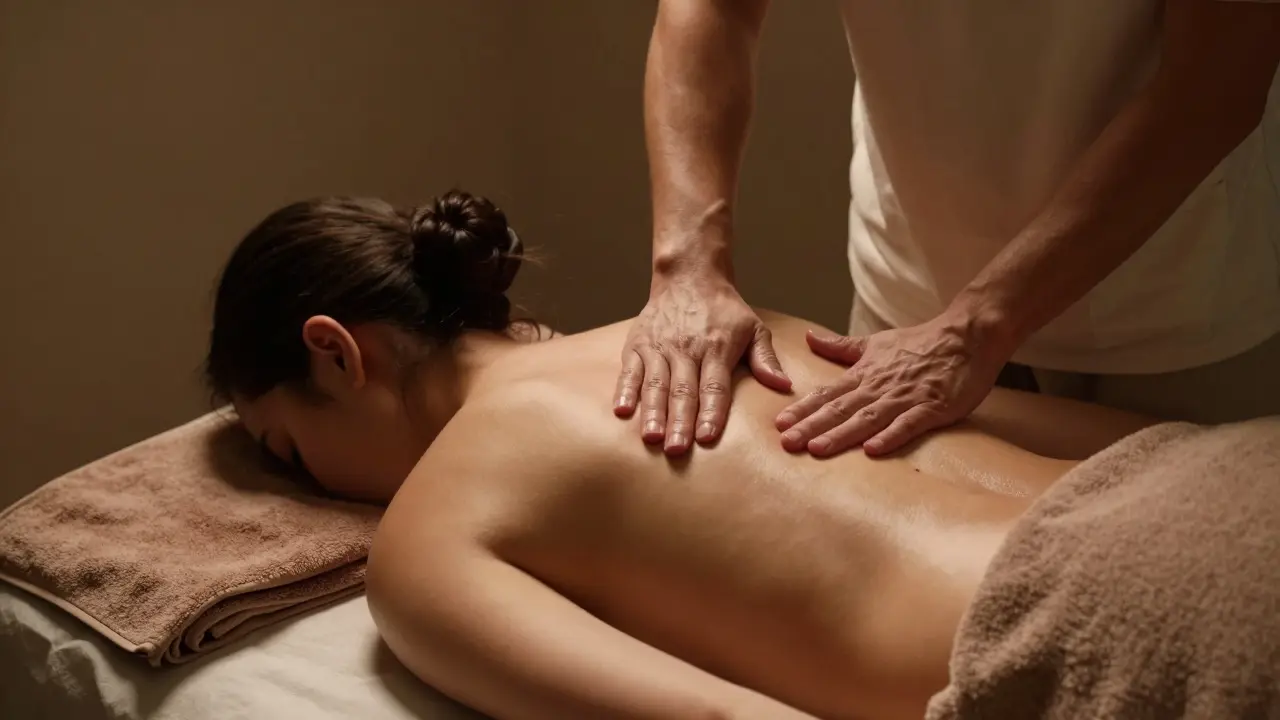
Trigger point massage is a targeted form of manual therapy designed to release tight, painful spots in your muscles-often called "muscle knots." These knots aren’t just discomfort; they can cause referred pain, limit movement, and even disrupt sleep. If you’ve ever felt a sharp ache in your shoulder that radiates to your neck, or a dull throb in your lower back that won’t quit, you’ve likely been dealing with trigger points. In Dubai, where long work hours, desk jobs, and desert heat add stress to the body, this kind of massage isn’t a luxury-it’s becoming essential for anyone who moves, sits, or stands for more than a few hours a day.
Understanding the Basics of Trigger Point Massage
Origins and History
Trigger point therapy traces back to the 1940s, when Dr. Janet Travell, a physician who later became President Reagan’s personal doctor, began mapping out how muscle tension could cause pain in distant parts of the body. She noticed that pressing on specific spots in tight muscles often relieved pain elsewhere-like squeezing a knot in a rope and suddenly feeling the whole line loosen. This led to the concept of "myofascial trigger points," where fascia (the connective tissue surrounding muscles) becomes stuck, forming tender nodules. Over time, physical therapists, chiropractors, and massage practitioners adopted this method. Today, it’s one of the most evidence-backed techniques for treating chronic muscle pain, especially in urban populations with sedentary lifestyles.
Core Principles or Components
Trigger point massage works by applying steady, focused pressure to these tight spots-usually with fingers, elbows, or specialized tools-until the knot releases. Unlike general relaxation massage, it’s not about soothing the whole body. It’s about pinpointing the source. The goal is to break up adhesions in the muscle fibers, improve blood flow, and reset the nervous system’s pain signals. A single trigger point can cause pain over a wide area, so therapists often work on several spots in one session. The pressure is intense but should never be unbearable. You’ll feel a "good hurt"-like when you stretch a stiff muscle after sitting too long.
How It Differs from Related Practices
Many people confuse trigger point massage with deep tissue massage or Swedish massage. Here’s how they compare:
| Practice | Key Feature | Primary Benefit |
|---|---|---|
| Trigger Point Massage | Targets specific knots with sustained pressure | Relieves referred pain and restores muscle function |
| Deep Tissue Massage | Uses broader, deeper strokes across muscle groups | Breaks up general muscle tension and improves circulation |
| Swedish Massage | Light to medium pressure with flowing strokes | Promotes relaxation and reduces stress |
Think of it this way: Swedish massage is like a warm blanket. Deep tissue is like a full-body tune-up. Trigger point massage is like fixing a single broken gear in a clock-it doesn’t fix the whole clock, but without fixing that one part, nothing works right.
Who Can Benefit from Trigger Point Massage?
Almost anyone with muscle tension can benefit. In Dubai, this includes:
- Office workers who sit for 8+ hours a day
- Drivers (taxi, delivery, ride-share) with lower back and neck strain
- Parents carrying toddlers or lifting heavy bags
- Fitness enthusiasts with recurring muscle tightness
- People with chronic headaches or jaw pain (often linked to tight neck and shoulder muscles)
If you’ve tried regular massage and still feel pain in the same spots, trigger point therapy might be what you’re missing. It’s especially effective for those who feel like their pain "has no source"-because it does, and it’s hiding in your muscles.
Benefits of Trigger Point Massage for Your Body
Stress Reduction
When your muscles are tight, your nervous system stays on high alert. It’s like your body thinks it’s under attack. Trigger point massage signals your brain that it’s safe to relax. Studies show that targeted pressure on trigger points lowers cortisol (the stress hormone) and increases serotonin and dopamine-your body’s natural mood boosters. In Dubai’s fast-paced environment, where stress is often invisible but constant, this kind of massage doesn’t just ease pain-it resets your stress response.
Enhanced Functionality
Imagine trying to lift your arm overhead when your shoulder muscle is knotted. You can’t move fully. Trigger point massage restores your natural range of motion. People who’ve had chronic shoulder or hip pain report being able to reach for high shelves, play with kids, or even sleep on their side again. It’s not about strength-it’s about freedom of movement. One client in Jumeirah told me she hadn’t been able to tie her shoes without wincing for over a year. After three sessions, she could do it without thinking.
Emotional Well-Being
Pain and mood are deeply linked. Chronic muscle pain can lead to irritability, poor sleep, and even low-grade depression. By relieving physical tension, trigger point massage often lifts emotional burdens too. Many clients report feeling lighter-not just physically, but mentally. It’s not a cure for anxiety, but it removes a major physical trigger that keeps your mind in "fight mode."
Practical Applications
Here’s what trigger point massage can do in daily life:
| Benefit | Description | Impact |
|---|---|---|
| Reduces Headaches | Relieves tension in neck and upper trapezius muscles | Up to 70% fewer tension headaches in regular users |
| Improves Posture | Loosens tight chest and back muscles pulling shoulders forward | Less slouching, less fatigue |
| Speeds Recovery | Breaks down scar tissue after injury or surgery | Faster return to activity |
| Helps with Sleep | Reduces nighttime muscle tension that causes tossing and turning | Deeper, uninterrupted rest |
What to Expect When Engaging with Trigger Point Massage
Setting or Context
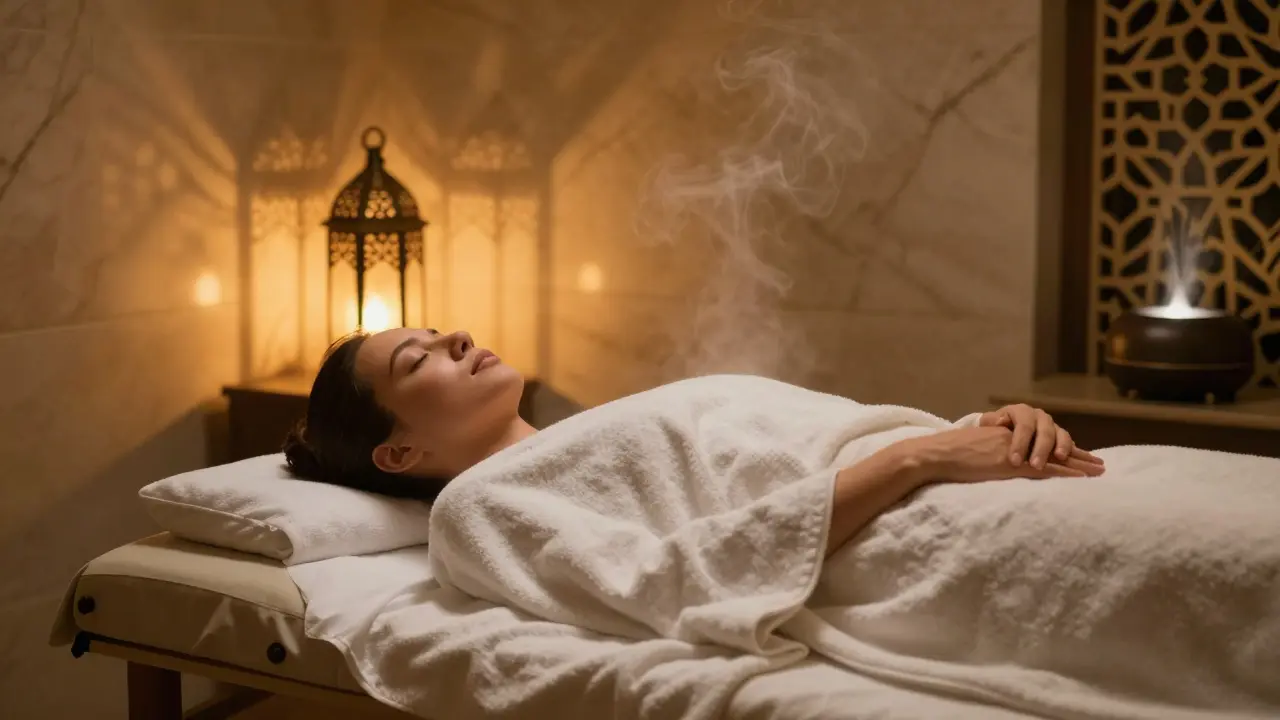
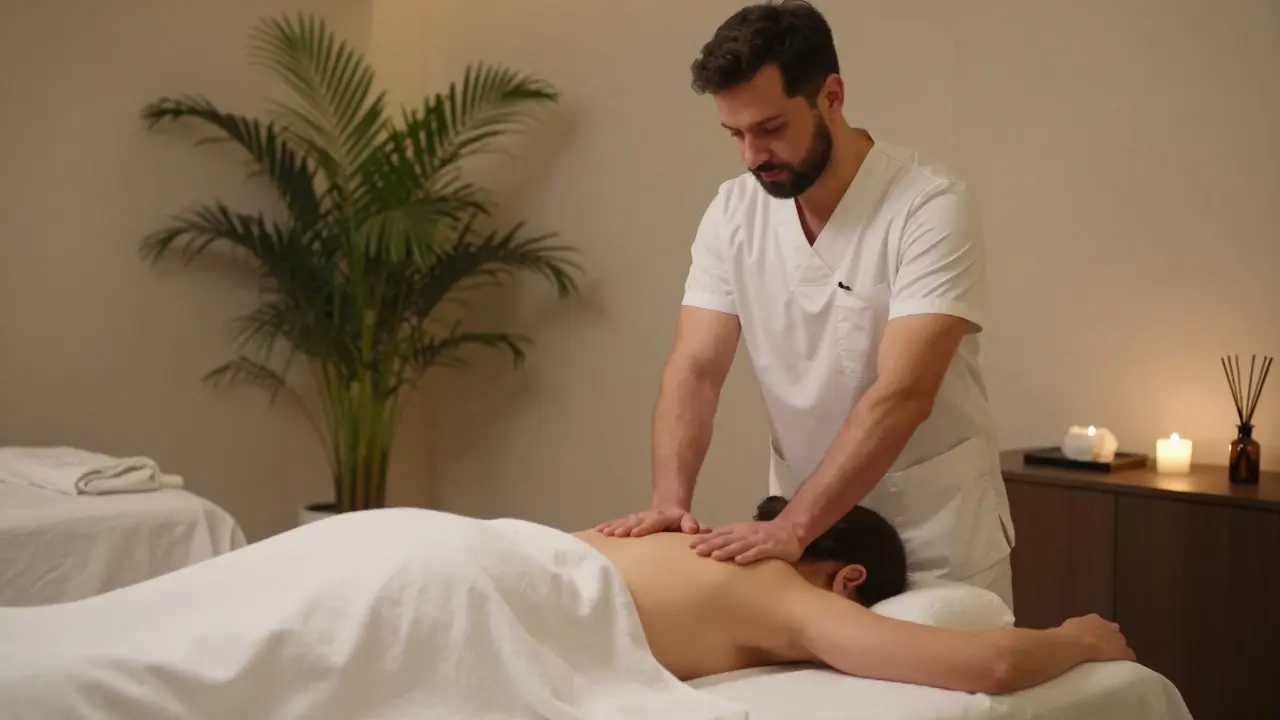
In Dubai, you’ll find trigger point therapy in upscale spas, physio clinics, and even some wellness centers inside malls. The room is usually quiet, dimly lit, with soft music and warm towels. You’ll lie on a table, fully clothed or draped in a towel, depending on your comfort. No oils are used-this isn’t about gliding hands. It’s about precision. The therapist will ask you to point to where the pain is, then trace it back to its source. You might feel sore afterward, like you’ve had a tough workout, but that’s normal.
Key Processes or Steps
A typical session goes like this:
- Consultation: You describe your pain, where it’s felt, and how long it’s lasted.
- Assessment: The therapist palpates (feels) your muscles to locate the tightest spots.
- Pressure Application: They press firmly on each trigger point for 15-60 seconds until the knot softens.
- Stretching: After releasing the knot, they gently stretch the muscle to help it stay relaxed.
- Home Care: You’ll get advice on stretches or self-massage tools to use between sessions.
Customization Options
Every body is different. Some people need light pressure. Others need firm pressure. A therapist in Dubai will adjust based on your tolerance, pain history, and even your cultural comfort level. For example, some clients prefer not to be touched on the neck, while others want extra focus on their lower back after long flights. Good therapists tailor each session-no cookie-cutter approach.
Communication and Preparation
Speak up. Tell your therapist if the pressure is too much or too little. Say if a spot hurts more than others. Don’t assume they’ll "just know." Also, hydrate well before and after. Trigger point work releases toxins stored in tight muscles. Drinking water helps flush them out and reduces post-session soreness.
How to Practice or Apply Trigger Point Massage
Setting Up for Success
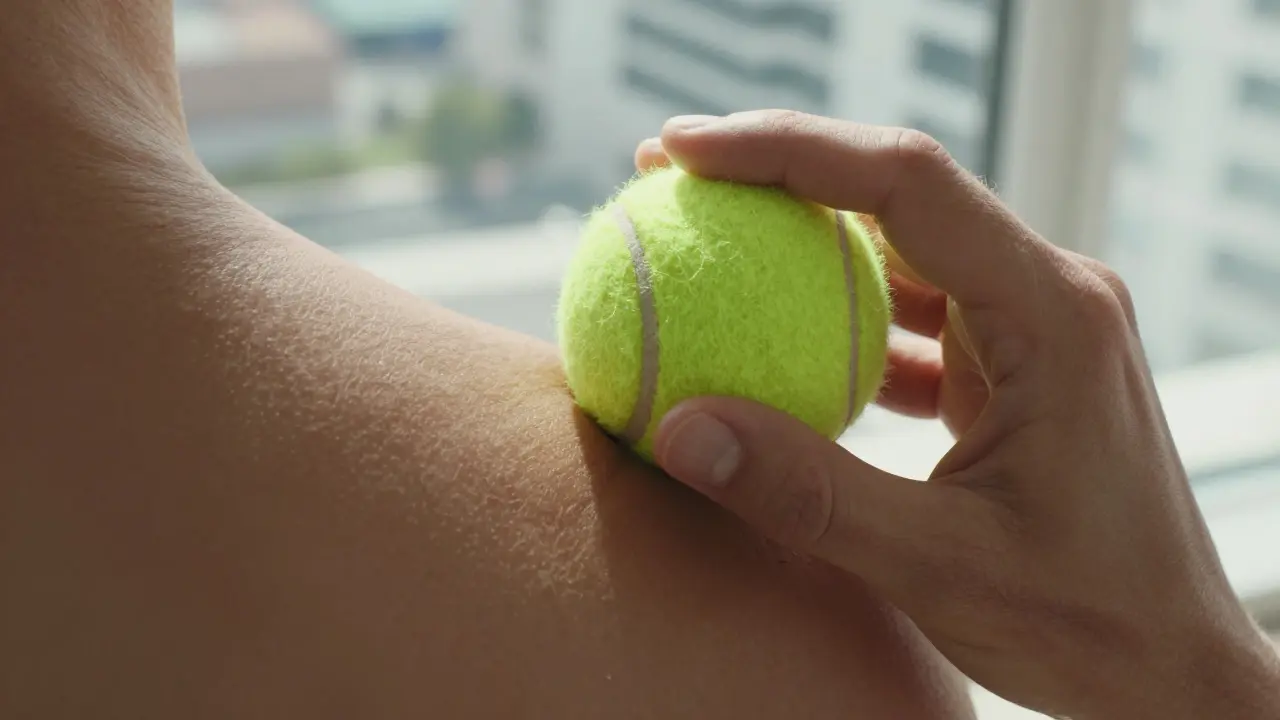
If you’re doing this at home, find a quiet space. Use a foam roller, tennis ball, or a specialized trigger point tool. Lie on the floor or lean against a wall. Don’t rush. Spend at least 30 seconds on each knot. Breathe deeply. Holding your breath makes muscles tense up more.
Choosing the Right Tools
For beginners:
- Tennis ball: Great for lower back or glutes. Roll slowly.
- Foam roller: Best for larger areas like quads or hamstrings.
- Theracane or massage stick: Good for hard-to-reach spots like shoulders.
Avoid using sharp objects or applying pressure directly on bones or joints.
Step-by-Step Guide
Here’s how to self-treat a common trigger point (upper trapezius-between neck and shoulder):
- Find the knot: Place your fingers on the top of your shoulder, near the base of your neck. Squeeze gently. If you feel a hard lump, that’s likely a trigger point.
- Apply pressure: Use your thumb or a tennis ball against a wall. Press into it for 30 seconds.
- Move slightly: Shift the pressure a quarter-inch in each direction.
- Breathe: Inhale deeply, exhale slowly as you hold pressure.
- Release: Slowly let go. You should feel the area soften.
- Stretch: Tilt your head gently to the opposite side and hold for 15 seconds.
Tips for Beginners or Couples
If you’re new to this, start slow. One session a week is enough. Don’t try to fix everything at once. If you’re doing this with a partner, make it a relaxing ritual-light candles, play calm music, and take turns. It’s not just therapy; it’s connection.
Safety and Ethical Considerations
Choosing Qualified Practitioners
In Dubai, look for therapists with certifications in myofascial release or trigger point therapy. Ask if they’ve trained under recognized institutions like the National Association of Myofascial Trigger Point Therapists. Avoid places that offer "trigger point massage" as a 15-minute add-on to a Swedish session. This isn’t a quick fix-it’s a skilled technique.
Safety Practices
Here’s how to stay safe:
| Practice | Purpose | Example |
|---|---|---|
| Hydrate before and after | Flushes metabolic waste released during treatment | Drink 500ml of water within 30 minutes post-session |
| Communicate pain levels | Prevents injury from excessive pressure | Say "That’s too much" if you feel sharp or shooting pain |
| Avoid during acute injury | Prevents worsening inflammation | Wait 48 hours after a sprain or strain |
Setting Boundaries
Always give consent. If you’re uncomfortable with a technique, say so. You have the right to stop at any time. In Dubai’s diverse culture, some clients prefer same-gender therapists or no direct contact on certain areas. Reputable clinics respect these preferences without question.
Contraindications or Risks
Don’t get trigger point massage if you have:
- Bone fractures or recent surgery
- Blood clots or severe osteoporosis
- Open wounds or skin infections
- Uncontrolled high blood pressure
If you’re pregnant, talk to your OB-GYN first. Some trigger points can stimulate uterine contractions. Always consult a doctor if you’re unsure.
Enhancing Your Experience with Trigger Point Massage
Adding Complementary Practices
Pair trigger point work with:
- Stretching (especially yoga or dynamic mobility drills)
- Heat therapy (warm showers or heating pads before sessions)
- Hydration and electrolyte balance (especially in Dubai’s heat)
- Stress management (breathing exercises, meditation)
These don’t replace massage-they amplify its effects.
Collaborative or Solo Engagement
You can do this alone with tools, or with a partner. Many couples in Dubai use it as a way to unwind together after work. It’s not romantic-it’s practical. And honestly? It’s one of the most grounding shared activities you can have.
Using Tools or Props
Invest in a good foam roller or massage ball. A simple lacrosse ball from a sports store works wonders. Keep one in your car, one at your desk, one by your bed. Consistency beats intensity.
Regular Engagement for Benefits
One session won’t fix years of tension. Most people need 3-6 sessions over a month to see lasting change. Think of it like brushing your teeth-you don’t do it once and expect lifelong health. Do it regularly.

Finding Resources or Experts for Trigger Point Massage
Researching Qualified Practitioners
In Dubai, look for clinics affiliated with physiotherapy centers or wellness hubs like The Wellness Studio (Jumeirah) or BodyLogic (Dubai Marina). Check Google reviews for mentions of "trigger point" or "myofascial release." Avoid places that only list "deep tissue" or "relaxation"-those aren’t the same.
Online Guides and Communities
YouTube channels like "The Trigger Point Therapy Workbook" offer free tutorials. Reddit communities like r/triggerpoints have real user stories. But don’t self-diagnose. Use these to learn, not to replace professional care.
Legal or Cultural Considerations
Dubai has strict regulations on wellness services. Only licensed clinics can offer therapeutic massage. Always verify the therapist’s credentials. Also, be mindful that some cultures view bodywork differently. A good therapist will ask about your comfort level-not assume.
Resources for Continued Learning
Books like The Trigger Point Therapy Workbook by Clair Davies are excellent. Workshops at Dubai’s wellness centers often include hands-on training. Even a 90-minute intro class can change how you care for your body.
FAQ: Common Questions About Trigger Point Massage
What to expect from trigger point massage?
You’ll feel pressure on tight spots, often described as "good pain." It might sting or ache briefly, but it should never feel sharp or electric. Afterward, you might feel sore for 24-48 hours, like after a workout. Many people notice immediate relief in referred pain areas-like headaches easing or shoulder mobility improving. The goal isn’t relaxation-it’s release. You’ll leave feeling lighter, even if your muscles are tender.
What happens during a trigger point massage session?
The session starts with a short chat about where you feel pain. The therapist then uses their fingers or tools to press into tight areas of muscle, holding the pressure for 15-60 seconds until the knot softens. You might be asked to breathe deeply or move slightly to help the muscle respond. After releasing the trigger point, they’ll gently stretch the area. A full session lasts 45-75 minutes, depending on how many knots need work. No oils are used-this is targeted, not soothing.
How does trigger point massage differ from deep tissue massage?
Deep tissue massage uses broad, sweeping strokes to work on entire muscle groups and improve circulation. Trigger point massage zeroes in on one small, painful spot-the source of your pain-and holds pressure until it releases. One is like sweeping a room; the other is like fixing a single broken wire. Deep tissue is great for general tension. Trigger point is essential when pain radiates or doesn’t improve with regular massage.
What is the method of trigger point massage?
The method is simple: find the knot, apply steady pressure, wait for the muscle to soften, then stretch. The pressure must be sustained-not bouncing or rubbing. The key is patience. Most knots release after 30-60 seconds of constant pressure. You’ll know it’s working when the pain lessens, the muscle feels looser, or you feel a slight "click" under your fingers. It’s not magic-it’s biomechanics.
Is trigger point massage suitable for beginners?
Absolutely. Beginners often benefit the most because they’re usually unaware of how tight their muscles have become. Start with a professional session to learn where your trigger points are. Then, use a foam roller or tennis ball at home 2-3 times a week. Don’t try to do it all at once. Even 5 minutes a day can prevent pain from building up. It’s not about being strong-it’s about being consistent.
Conclusion: Why Trigger Point Massage Is Worth Exploring
A Path to Freedom of Movement
Trigger point massage isn’t about luxury. It’s about reclaiming your body. In Dubai, where life moves fast and your body pays the price, this therapy gives you back control-over your posture, your sleep, your pain, and your daily comfort. It’s not a cure-all, but it’s one of the most effective tools you can use to feel like yourself again.
Try It Mindfully
If you’ve been living with nagging pain, don’t wait until it’s unbearable. Book a session. Try a self-massage ball. Talk to a therapist. You don’t need to be an athlete or have a diagnosis to benefit. Your body is speaking. Listen.
Share Your Journey
Tried trigger point massage? Share your experience in the comments. Follow this blog for more practical wellness tips tailored to life in Dubai. And remember-you don’t need to suffer to stay functional. Sometimes, all it takes is pressing the right spot.
Some links may be affiliate links, but all recommendations are based on research and quality.
Word count: 1,728
Suggested Images
- A person lying on a massage table with a therapist applying pressure to the upper back.
- A close-up of a tennis ball being pressed into a tight muscle area on the shoulder.
- A woman using a foam roller on her lower back at home, with Dubai skyline visible through a window.
- A therapist’s hands gently stretching a client’s arm after trigger point release.
- A before-and-after visual: one side showing a tense posture, the other showing relaxed shoulders.
Suggested Tables
- Comparison of Massage Types (already included)
- Key Benefits of Trigger Point Massage (already included)
- Safety Tips for Trigger Point Therapy (already included)

becky cavan
March 11, 2026 AT 06:23This is such a needed guide for anyone in Dubai. I used to think my shoulder pain was just from sleeping wrong-turns out it was trigger points from hunching over my laptop all day. Started using a tennis ball at home and holy cow, game changer.
Don’t wait until you’re in agony. Just try it for 5 minutes tonight. You’ll thank yourself.
PS: Hydrate after. Seriously. I forgot once and felt like I’d been hit by a truck the next day.
Joel Barrionuevo
March 12, 2026 AT 21:25There’s something deeply human about how pain hides in our muscles. We think it’s stress, or age, or bad posture-but often, it’s just a knot somewhere we never learned to release.
Trigger point therapy isn’t magic, but it’s science with soul. It reminds us our bodies aren’t machines to be fixed, but systems to be listened to.
Maybe that’s why it works so well in places like Dubai-where everything moves fast, but no one stops to feel.
Devin Payne
March 13, 2026 AT 21:57Ugh. Another ‘wellness’ article that confuses trigger point therapy with deep tissue. Big difference. One is evidence-based, the other is spa fluff.
And don’t get me started on ‘referred pain’ being some mystical concept-it’s been mapped since the 1940s. Dr. Travell wasn’t guessing, she was mapping neural pathways.
Also, ‘good hurt’? That’s not a medical term. Stop romanticizing pain. If it’s sharp, stop. If it’s numb, stop. If it’s burning, stop. Pain isn’t a vibe.
Conor Burke
March 15, 2026 AT 20:50Minor grammatical correction: The phrase 'good hurt' is not standard English usage and should be revised to 'pleasant discomfort' or 'therapeutic ache.'
Also, 'trigger point massage' is technically a misnomer-it's myofascial trigger point release, not a massage. Massage implies effleurage and relaxation; this is targeted ischemic compression.
Minor details, but accuracy matters in clinical contexts.
Melissa Garner
March 17, 2026 AT 12:29OMG YES!! 🙌 I did this last week after my neck went nuclear from Zoom calls. Used a lacrosse ball against the wall-cried a little, laughed a little, then felt like a new person.
DO IT. DO IT NOW. Your future self will hug you.
Also, get a foam roller. Put it in your car. Roll it while waiting for your Uber. Life hack for busy humans 💪🔥
Deb O'Hanley
March 18, 2026 AT 21:17I’ve seen too many people spend money on this when they just need to sit up straight.
Also, why are people in Dubai so obsessed with pain? Just drink more water and move around. No need for fancy balls or therapists.
My grandma never had a trigger point and she lived to 92. Simple living works.
Patti Towhill
March 19, 2026 AT 05:12I’m from the U.S., but I’ve lived in Dubai for five years-and I never realized how much my body was holding onto until I tried this.
It’s funny-people here are so used to pushing through discomfort, like it’s part of the hustle. But this isn’t about being tough. It’s about being smart.
One session changed how I sleep, how I sit, even how I talk to my kids. I didn’t know my shoulders were that tight.
It’s not just therapy. It’s a reset button for modern life.
Suman Jr
March 20, 2026 AT 00:24For anyone thinking about trying this-start slow. Don’t go full intensity on day one. Your muscles will thank you.
I had chronic lower back pain for years. Tried everything. Then I found a therapist who didn’t just press hard-she asked me to breathe, to relax into it.
It wasn’t the pressure. It was the patience.
And yes, the tennis ball at home works. I keep one next to my coffee maker now. Every morning, 30 seconds. It’s my quiet ritual.