
When it comes to body scrub, less is often more. You might think that scrubbing harder or using the most abrasive product will give you smoother skin, but that’s not how it works. In fact, the wrong approach can damage your skin barrier, trigger irritation, or even lead to long-term sensitivity. Many people use body scrubs expecting glowing skin, only to walk away with redness, dry patches, or breakouts. The problem isn’t the scrub itself-it’s how it’s used. Let’s cut through the noise and lay out exactly what to avoid when using a body scrub, so you get the results you want without the side effects.
Understanding the Basics of Body Scrub
What Is a Body Scrub, Really?
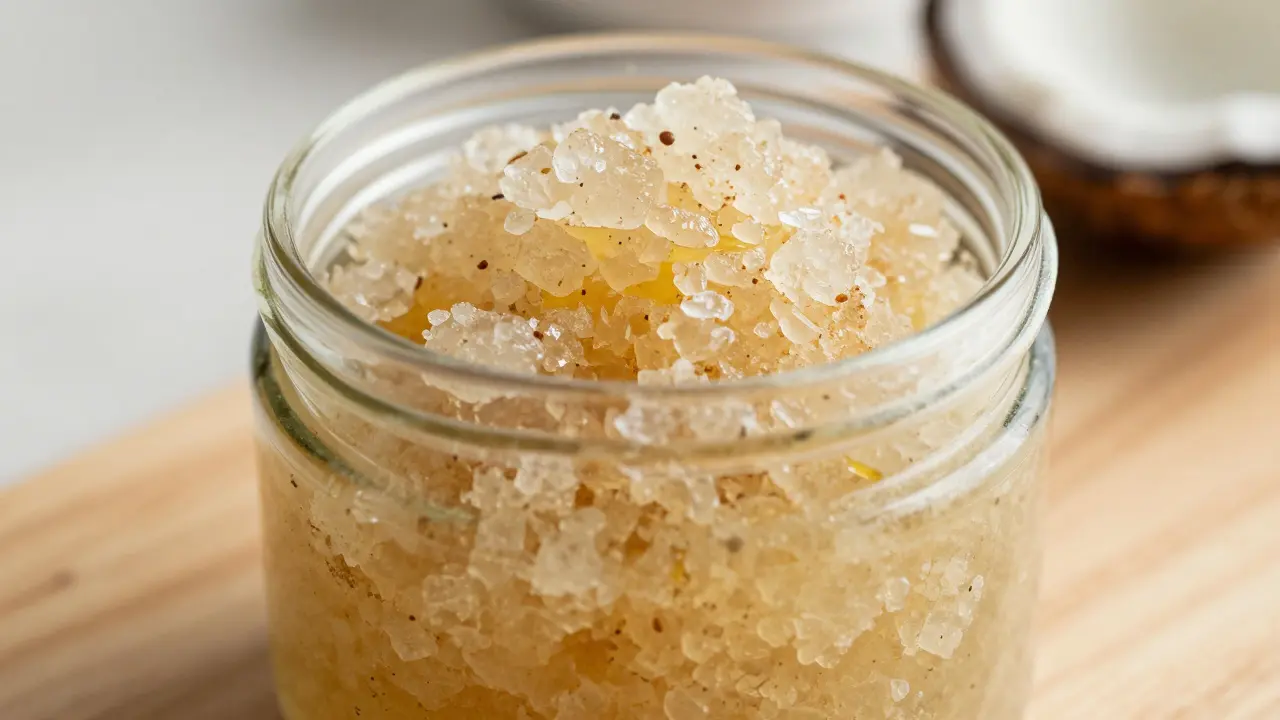
A body scrub is a topical exfoliant designed to remove dead skin cells from the surface of your skin. It typically combines physical abrasives-like sugar, salt, or ground nuts-with oils, moisturizers, or botanicals. The goal isn’t to sand your skin raw, but to gently slough off the dull outer layer so your skin can better absorb moisture and appear brighter. Think of it like brushing your teeth: you’re not trying to scrape off enamel, just remove buildup.
How It Differs from Other Exfoliants
Not all exfoliation is the same. Chemical exfoliants like AHAs (alpha hydroxy acids) and BHAs (beta hydroxy acids) dissolve dead cells using ingredients like glycolic or salicylic acid. They work on a molecular level and are often gentler for sensitive skin. Physical scrubs, on the other hand, rely on texture to manually buff away flakes. That means particle size, shape, and how often you use them matter a lot. Using a scrub meant for feet on your arms? That’s like using a toothbrush with bristles the size of broomsticks.
Who Can Benefit from Body Scrub?
Most skin types can benefit from occasional body scrubbing-especially those with dry, rough, or dull skin. People with keratosis pilaris (those little bumps on arms and thighs) often see improvement. Athletes who sweat heavily or wear tight clothing can also find relief from clogged pores. But if you have eczema, psoriasis, active acne, or recently sunburned skin, you need to be extra cautious. Scrubbing inflamed or broken skin can make things worse, not better.
What to Avoid in a Body Scrub
Avoid Over-Scrubbing
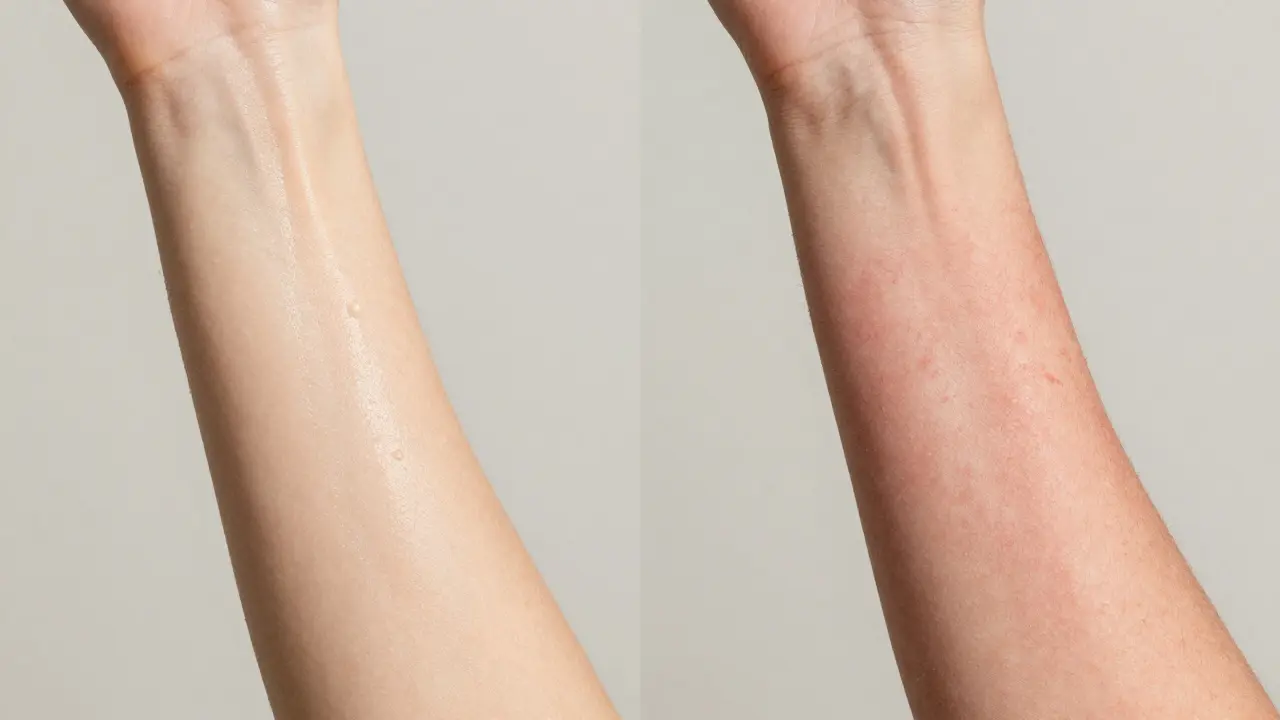
More scrubbing doesn’t mean better results. In fact, scrubbing more than twice a week can strip your skin of its natural oils and damage the protective barrier. Your skin renews itself every 28 days or so. That means you’re removing cells that haven’t finished their job yet. Over-exfoliation leads to tightness, flaking, and increased sensitivity to products you once tolerated just fine. One study from the Journal of Clinical and Aesthetic Dermatology found that daily physical exfoliation in sensitive individuals led to increased transepidermal water loss-basically, your skin can’t hold onto moisture anymore. Stick to once or twice a week. If your skin stings after scrubbing, you’re going too hard.
Don’t Use Scrubs with Sharp or Irregular Particles
Not all granules are created equal. Scrubs made with crushed walnut shells, apricot pits, or jagged salt crystals can create micro-tears in your skin. These tiny injuries heal, but they leave your skin vulnerable to irritation and infection. Look for scrubs with rounded, uniform particles-like fine sugar, ground oatmeal, or spherical beads. These glide smoothly without catching. The American Academy of Dermatology warns against scrubs with irregular, angular exfoliants, especially on the face, but the same logic applies to the body. If it feels rough or crunchy in a way that makes you wince, skip it.
Never Use a Body Scrub on Wet or Soaked Skin
It might seem logical to scrub right after a hot shower, but that’s when your skin is most vulnerable. Hot water opens your pores and softens your skin’s surface, making it easier to over-scrub. You’re essentially exfoliating while your skin is in a weakened state. Wait until you’ve stepped out of the shower, patted dry lightly, and let your skin cool down. Then apply the scrub on slightly damp-not dripping-skin. This gives you better control and reduces friction.
Don’t Skip Moisturizing Afterward
Exfoliation removes the top layer of skin. That’s great-but now your skin needs help rebuilding its protective shield. If you scrub and walk away without moisturizing, you’re leaving your skin exposed. Oils, creams, or body butters applied within five minutes of scrubbing lock in hydration and soothe any minor irritation. Skipping this step is like sanding wood and never applying finish. Your skin will feel tight, look dull, and may even flake more than before.
Avoid Scrubbing Over Cuts, Rashes, or Sunburn
This one seems obvious, but people do it anyway. If you’ve got a scrape, an itchy rash, or a sunburn, leave the scrub in the cabinet. Exfoliating over broken skin can cause pain, infection, or scarring. Even a small pimple or ingrown hair can become inflamed if rubbed. Think of your skin like a wound dressing: if it’s not healed, don’t disturb it. Wait until the area is fully recovered before reintroducing scrubbing.
Don’t Use Body Scrub on Your Face
Just because it says "body scrub" doesn’t mean it’s safe for your face. Facial skin is up to 30 times thinner than skin on your legs or back. Scrubs formulated for the body often contain larger particles and stronger oils that clog pores or trigger breakouts on the face. If you want to exfoliate your face, use a product specifically labeled for facial use. Even then, choose a gentle chemical exfoliant over a gritty scrub unless your dermatologist says otherwise.
What to Do Instead
Choose the Right Formula for Your Skin Type
If you have dry skin, look for scrubs with hydrating oils like coconut, almond, or jojoba. Oily or acne-prone skin? Try one with tea tree oil or salicylic acid (but still avoid harsh granules). Sensitive skin? Stick to sugar-based scrubs with chamomile or aloe. Always patch-test a new product on your inner arm first. Wait 24 hours. If there’s no redness or itching, it’s likely safe.
Use Gentle Pressure
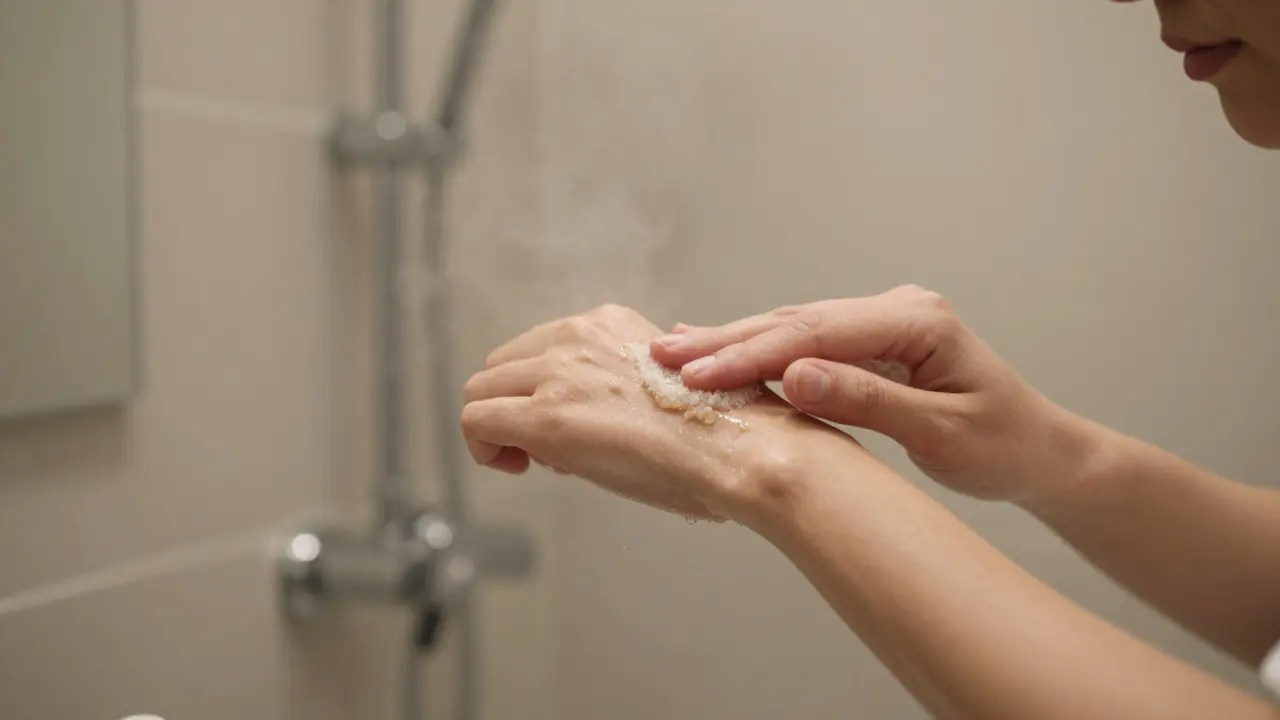
Let the scrub do the work. Use light, circular motions-not vigorous scrubbing. You don’t need to press hard. Imagine you’re polishing a delicate vase, not cleaning a grill. If you feel resistance or discomfort, you’re applying too much force. Five minutes of gentle exfoliation is enough.
Hydrate From Within
Drinking enough water helps your skin stay plump and resilient. When you’re well-hydrated, your skin doesn’t need as much external help to stay smooth. Combine internal hydration with smart scrubbing habits for the best results.
Safety and Ethical Considerations
Check for Allergens and Irritants
Some scrubs contain essential oils, fragrances, or preservatives that can irritate sensitive skin. If you’ve had reactions to lotions or perfumes before, read the ingredient list. Avoid scrub formulas with parabens, synthetic dyes, or "fragrance" listed without specifics. Opt for fragrance-free or naturally scented options.
Use Clean Tools
Never use a loofah or washcloth that’s been sitting damp in the shower. Bacteria thrive in moist environments. Rinse your scrubber after each use and let it air dry completely. Replace it every few weeks. A dirty tool can introduce bacteria to freshly exfoliated skin-leading to breakouts or infection.
Enhancing Your Experience
Pair Scrubbing with a Body Oil
After scrubbing, apply a lightweight body oil like argan or rosehip. These nourish without clogging pores and leave skin with a healthy glow. You’ll notice the difference in softness within days.
Make It a Ritual
Turn scrubbing into a calming routine. Light a candle, play soft music, and take your time. It’s not just about skin-it’s about self-care. When you slow down, you’re less likely to over-scrub.
FAQ: Common Questions About Body Scrub
Can I use a body scrub every day?
No, daily body scrubbing is not recommended for most people. Exfoliating more than twice a week can damage your skin’s natural barrier, leading to dryness, redness, and increased sensitivity. Skin naturally renews itself every 28 days, so you don’t need to remove dead cells daily. Stick to once or twice a week, and only if your skin feels rough or dull. If you experience stinging or flaking, reduce frequency immediately.
Is sugar or salt better for body scrub?
Sugar is generally gentler than salt. Sugar granules are rounder and dissolve more easily on the skin, making them ideal for sensitive or dry skin. Salt scrubs are more abrasive and better suited for tougher areas like heels or elbows, especially if you have oily skin. However, salt can sting if you have cuts or recently shaved skin. For full-body use, sugar-based scrubs are safer and more hydrating. Always check the oil base-some salt scrubs are too drying without enough emollients.
Why does my skin feel tight after scrubbing?
Tightness after scrubbing usually means you’ve stripped away too much of your skin’s natural oils. This can happen if you scrub too hard, too often, or use a formula with drying ingredients like alcohol or harsh salts. Always follow up with a moisturizer within five minutes. If tightness persists, switch to a gentler scrub and reduce frequency. If it’s accompanied by flaking or redness, stop using scrubs for a few weeks and focus on barrier repair with ceramide-rich creams.
Can body scrub cause breakouts?
Yes, if used incorrectly. Using a scrub with large, jagged particles can create micro-tears that trap bacteria. Also, if you use a body scrub on your face or don’t rinse thoroughly, leftover particles can clog pores. Dirty loofahs or washcloths can also spread bacteria. Breakouts from scrubbing are usually on the back, chest, or shoulders-areas where you apply the scrub. Switch to a finer scrub, clean your tools regularly, and avoid using body scrubs on acne-prone zones.
Is body scrub safe during pregnancy?
Most body scrubs are safe during pregnancy, but avoid those with strong essential oils like rosemary, eucalyptus, or cinnamon bark, which can be irritating or potentially stimulating. Stick to simple formulas with sugar, coconut oil, or shea butter. Always patch-test first. If you’re unsure, consult your OB-GYN. Many pregnant women find that gentle scrubbing helps reduce itching from stretching skin-just keep it mild and moisturizing.
Conclusion: Why Getting It Right Matters
A Path to Healthier Skin
A well-used body scrub can transform rough, dull skin into something soft and radiant. But it’s not a magic fix. The key is consistency with care. When you avoid the common mistakes-over-scrubbing, harsh particles, skipping moisturizer-you unlock real, lasting results.
Try It Mindfully
Start slow. Listen to your skin. If it feels good, keep going. If it stings or tightens, pause and reassess. Your skin knows what it needs better than any trend or advertisement.
Share Your Journey
Tried a body scrub and noticed a difference? Share your experience in the comments. What’s your go-to formula? What mistakes did you learn the hard way? Let’s build a community that values smart skincare over aggressive routines.
Some links may be affiliate links, but all recommendations are based on research and quality.
Word count: 1,648
Suggested Images
- A close-up of a sugar-based body scrub in a glass jar with natural ingredients visible
- A person gently scrubbing their arm with circular motions in a soft-lit bathroom
- Side-by-side comparison: one arm smooth after scrubbing, one arm rough and dry
- A clean, dry loofah hanging to air-dry versus a moldy one
- A hand applying body oil right after scrubbing, with dewy skin glow
Suggested Tables
- Comparison of Scrub Types: Sugar vs. Salt vs. Ground Oatmeal - particle size, best skin type, drying effect
- Body Scrub Mistakes vs. Better Alternatives: Common error (e.g., scrubbing daily) vs. recommended fix (e.g., twice weekly)
- When to Avoid Body Scrub: Conditions (sunburn, eczema, open cuts) + why it’s risky

Jennie Magalona
March 6, 2026 AT 08:41It’s wild how we treat our skin like it’s a car we can just power-wash every weekend. I used to scrub daily because I thought ‘more is better’-turns out I was just stripping my barrier into oblivion. Now I do it once a week, only with sugar-based scrubs, and I swear my skin’s never looked softer. The moisturizer step? Non-negotiable. I slather on jojoba oil like it’s liquid gold. My skin doesn’t just glow-it feels alive.
Also, never scrub after a hot shower. That’s like sanding wood while it’s soaked in water. Let it cool. Let it breathe. Let your skin recover before you start buffing.
And yeah, body scrub on the face? No. Just no. My dermatologist laughed when I asked if I could use my coconut sugar scrub on my chin. Said I’d be lucky if I didn’t scar.
It’s not about aggression. It’s about respect.
Aashish Kshattriya
March 8, 2026 AT 07:01They’re lying. Scrubs are a Big Skincare ploy to sell you more product. Your skin regenerates fine without sugar. They just want you hooked on ‘rituals’ and ‘oils’ and ‘glow.’
leslie levin
March 10, 2026 AT 01:39OMG YES I DID THIS AND IT WAS A MESS 😭 I used a salt scrub on my legs after a hot shower and then didn’t moisturize… like, I just dried off and put on pants?? My skin looked like a dried-out potato for a week. I cried. Then I bought a body oil and now I’m obsessed. Also, I use a loofah but I hang it on the shower caddy to dry-no more moldy death sponge. #SkinWin #NoMoreTightness
Gordon Kahl
March 10, 2026 AT 11:49So… you’re telling me the whole ‘exfoliate daily for glow’ thing was just corporate brainwashing? And I spent $80 on a walnut shell scrub because the bottle said ‘artisanal’? Wow. I feel like I’ve been scammed by a spa influencer with a PhD in marketing.
Also, ‘patch test’? Who has time for that? I just slapped it on and prayed. Turns out, prayer doesn’t fix micro-tears. Who knew?
Laura Fox
March 11, 2026 AT 09:05While I appreciate the sentiment behind this article, I must take issue with the assertion that ‘skin renews itself every 28 days.’ This is an oversimplification rooted in outdated dermatological models. The epidermal turnover rate varies significantly across anatomical regions, age cohorts, and ethnicities-ranging from 14 to 40 days depending on the study. Furthermore, the notion that ‘once or twice weekly’ is universally optimal ignores individual variation in sebum production, keratinocyte cohesion, and environmental exposure. A prescriptive guideline of this nature lacks empirical nuance and may inadvertently harm those with naturally slower turnover, such as older adults or individuals with hypothyroidism.
Additionally, the conflation of ‘sugar’ and ‘salt’ as binary categories ignores the morphological and solubility profiles of granular exfoliants. Sodium chloride crystals, when properly ground and hydrated, can be less abrasive than irregularly shaped sucrose particles. The recommendation to avoid salt scrubs entirely is therefore scientifically unsound.
Olivia Pang
March 11, 2026 AT 09:09Oh, for heaven’s sake. You can’t just ‘slather on jojoba oil’ and call it a day. That’s not skincare-it’s a DIY spa fantasy. If you’re going to exfoliate, you must consider the stratified squamous epithelium’s lipid matrix integrity, the role of ceramide 3 in barrier restoration, and the osmotic pressure differential induced by hygroscopic exfoliants. And for pity’s sake, if you’re using a loofah, it must be sterilized with UV-C at 254nm for 90 seconds post-use. Anything less is a biohazard. Also, ‘body oil’? That’s not a term recognized in cosmetic science. It’s a ‘non-comedogenic occlusive emollient.’ Please. We’re not in a yoga studio.