
What to Do After a Moroccan Bath in Dubai: The Complete Post-Bath Routine
After a Moroccan bath in Dubai, your skin feels smoother than silk, your muscles are loose, and your mind is quiet-but what you do next matters just as much as the bath itself. Skip the rushed towel-off and jump straight into the shower, and you’ll miss out on the real magic. The post-bath phase isn’t just cleanup; it’s the final step in a centuries-old ritual designed to restore, nourish, and reset your whole system. In Dubai’s humid climate, where heat and sweat are constant companions, getting this step right can mean the difference between feeling refreshed and feeling drained.
Whether you’re at a luxury hammam in DIFC or a quieter spot in Al Quoz, the ritual doesn’t end when the black soap rinses off. What happens in the next 30 to 60 minutes determines how long the benefits last-and whether you walk out glowing or just tired. This guide walks you through exactly what to do after a Moroccan bath, based on local spa practices, traditional techniques, and what works best in Dubai’s unique environment.
Understanding the Basics of Moroccan Bath
Origins and History
The Moroccan bath, or hammam, traces back over a thousand years to North African and Middle Eastern traditions. Rooted in Roman thermal baths and refined by Islamic hygiene practices, it was never just about cleaning-it was a social and spiritual ritual. In Morocco, families would gather weekly for the hammam, using natural ingredients like black soap made from olive pulp and argan oil to exfoliate and moisturize. When this practice arrived in Dubai, it blended with the city’s luxury spa culture but kept its core: deep cleansing, steam, and ritualistic care.
Core Principles or Components
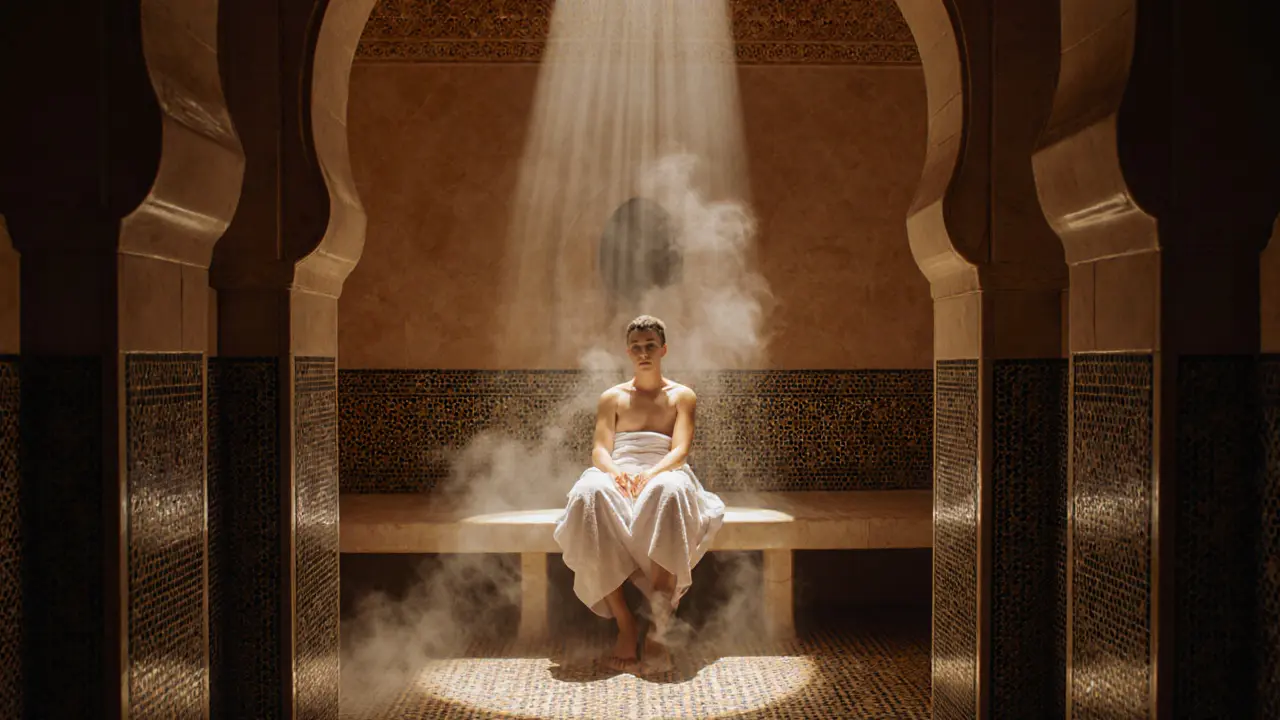
A traditional Moroccan bath has three phases: heat, scrub, and rinse. The steam opens pores and loosens dead skin. The exfoliation with a kessa glove removes layers of buildup. The final rinse cools the body and seals the skin. But the true secret lies in what comes after-hydration, rest, and mindful recovery. Without this, you’re only getting half the benefit.
How It Differs from Related Practices
Many people confuse the Moroccan bath with a sauna or a regular spa soak. Here’s how it stands apart:
| Practice | Key Feature | Primary Benefit |
|---|---|---|
| Moroccan Bath | Steam + exfoliation with kessa glove + natural soaps | Deep skin renewal and detox |
| Sauna | Dry heat, no scrubbing | Relaxation and sweating |
| Spa Soak | Water immersion, often with salts or bubbles | Muscle relief and hydration |
Who Can Benefit from Moroccan Bath?
Almost everyone. Athletes use it to recover from intense workouts. People with oily or acne-prone skin find it clears clogged pores better than any facial. Busy professionals in Dubai use it to reset after long workdays. Even those with sensitive skin can benefit-when done right. The key is using gentle, natural products and not overdoing the scrub. If you’re pregnant, diabetic, or have open wounds, talk to your provider first.
Benefits of Moroccan Bath for Skin and Mind
Deep Skin Renewal
After a Moroccan bath, your skin sheds weeks of dead cells, pollution buildup, and sweat residue. Studies from dermatology institutions show that regular exfoliation improves skin texture and boosts absorption of moisturizers by up to 40%. In Dubai’s dry, dusty climate, this isn’t a luxury-it’s maintenance. Your skin stops looking dull and starts reflecting light again. That glow? It’s not makeup. It’s your real skin, freshly revealed.
Stress Reduction
The combination of heat, steam, and rhythmic scrubbing activates the parasympathetic nervous system-the part of your body that says, “It’s safe to relax.” A 2023 survey of Dubai spa-goers found that 87% reported feeling calmer within 20 minutes after their bath. The ritual itself becomes a form of moving meditation. No phone. No meetings. Just steam, water, and silence.
Improved Circulation and Detox
Heat expands blood vessels, helping your body flush out toxins through sweat. While the idea of “detoxing” is often misunderstood, the physical act of sweating and scrubbing does help clear lymphatic congestion. This is especially helpful for people who sit all day or travel frequently-common in Dubai’s business scene.
Emotional Reset and Mindfulness
After the bath, many people describe a quiet euphoria-not from caffeine or sugar, but from stillness. It’s the kind of calm you feel after a long walk in nature, but condensed into an hour. That’s why so many Dubai residents schedule their Moroccan bath on Sunday mornings: it’s their mental reset before the week starts.
What to Expect When Engaging with a Moroccan Bath
Setting or Context
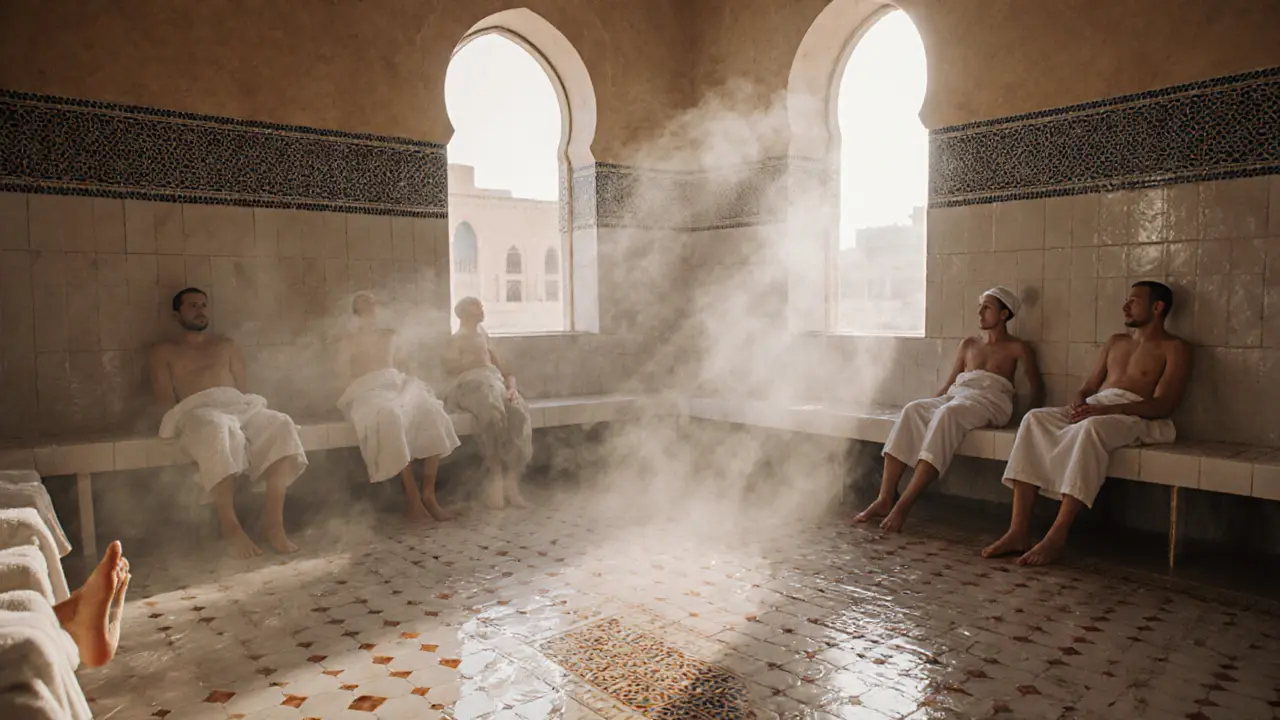
In Dubai, hammams range from opulent resorts like the One&Only The Palm to intimate neighborhood spots in Deira. Most follow the same layout: a warm room, a hotter steam room, a tiled washing area with a raised platform, and a cooling-down zone. You’ll be given a towel, a pair of slippers, and sometimes a robe. Bring a water bottle-hydration starts before you even get in.
Key Processes or Steps
The session usually lasts 45 to 75 minutes:
- Steam for 10-15 minutes to open pores
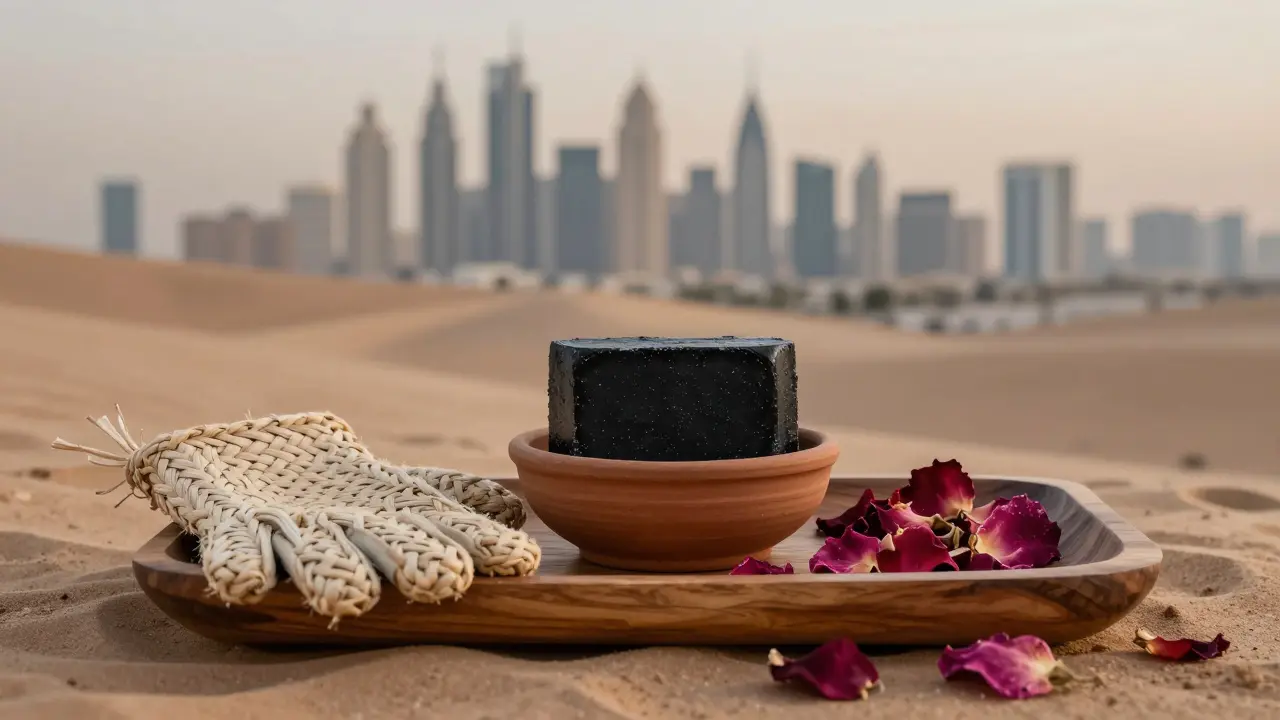
- Scrub with a kessa glove and black soap (5-10 minutes)
- Rinse thoroughly with warm water
- Optional: apply a clay mask or argan oil
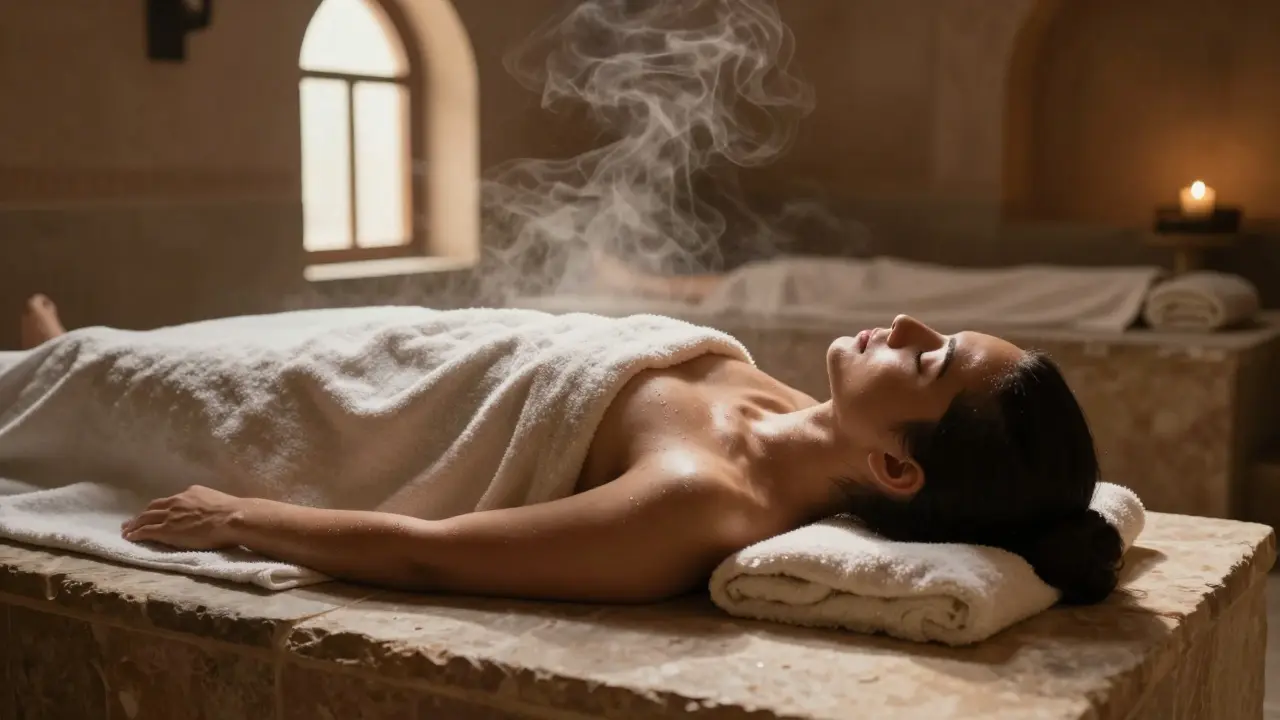
- Rest in a cool, quiet area for 15-20 minutes
Don’t rush the rest part. That’s when your body absorbs the benefits.
Customization Options
Most Dubai hammams offer upgrades: rosewater mist, eucalyptus steam, or a post-bath massage. If you have sensitive skin, ask for a gentler scrub. If you’re tight on time, request a 30-minute express session. Many places now offer private rooms-ideal for first-timers or those who prefer privacy.
Communication and Preparation
Speak up. Tell your attendant if the heat is too much, if the scrub is too rough, or if you feel dizzy. This isn’t a competition. The goal is comfort, not endurance. Arrive 15 minutes early. Hydrate. Skip heavy meals. And don’t wear jewelry-it’ll get lost or tarnished.
What to Do After a Moroccan Bath
Hydrate Immediately
Your body just lost fluids through sweat. Drink at least one full glass of water right after you exit. Coconut water is even better-it replenishes electrolytes naturally. Avoid coffee or alcohol for the next hour. They dehydrate you and undo the calming effect.
Don’t Shower Right Away
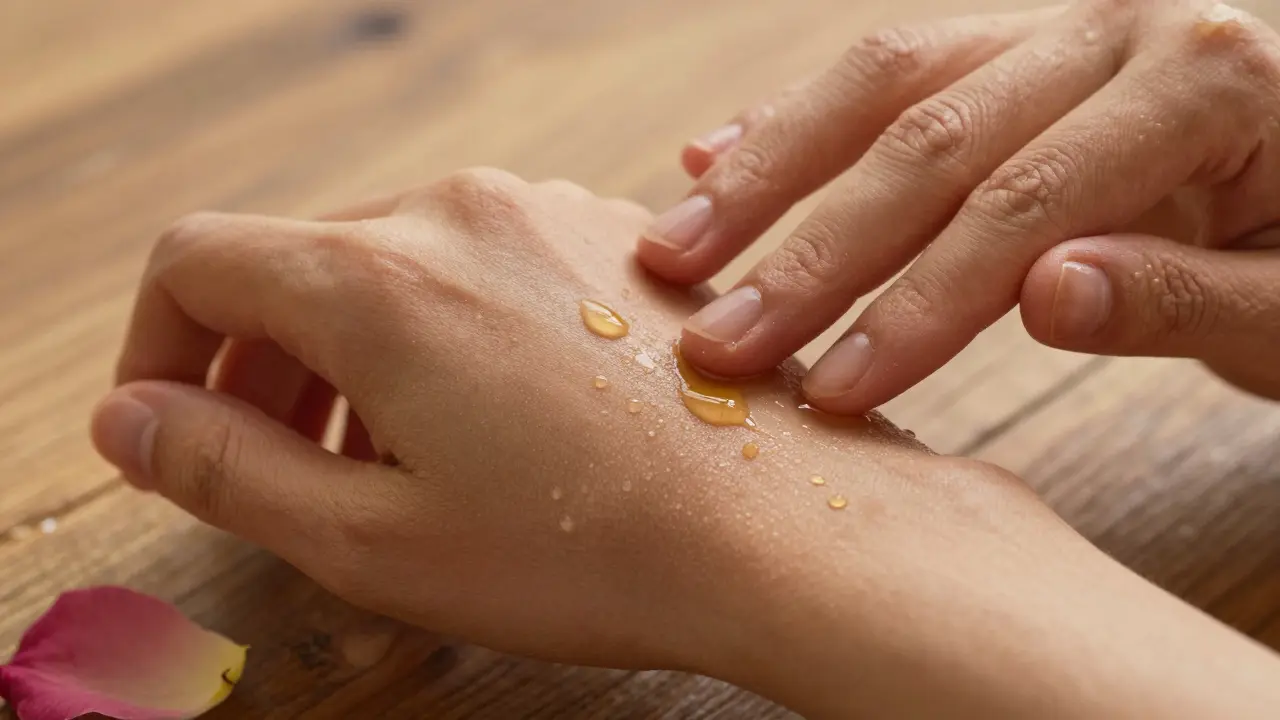
Wait at least 15 minutes before rinsing off any remaining oils or masks. Your skin is still absorbing nutrients. If you rinse too soon, you wash away the benefits. Let the argan oil or honey mask sit. It’s like letting a moisturizer sink in after a facial.
Apply Natural Moisturizer
After your rest, gently pat your skin dry. Then apply a thin layer of pure argan oil or shea butter. These are traditional post-bath staples in Morocco and work perfectly in Dubai’s dry air. Don’t use heavy lotions with alcohol or fragrance-they’ll irritate freshly exfoliated skin.
Rest and Breathe
Find a quiet corner. Sit down. Close your eyes. Breathe slowly for five minutes. This isn’t optional. It’s the part most people skip. Your nervous system needs this pause to transition from “spa mode” back to “real world mode.” Skip this, and you’ll feel jittery or drained.
Wear Loose, Breathable Clothes
After your bath, your skin is sensitive. Avoid tight jeans, synthetic fabrics, or anything that rubs. Go for cotton or linen. If you’re heading out, carry a light wrap or shawl. Dubai’s air conditioning can be brutal after a steam room.
Delay Makeup and Skincare
Wait at least 2-3 hours before applying foundation, serum, or retinol. Your pores are open and vulnerable. Let your skin breathe. If you must touch up, use only a light tinted moisturizer or tinted lip balm.
Safety and Ethical Considerations
Choosing Qualified Practitioners
Not all hammams are created equal. Look for places that use natural, chemical-free products. Ask if they use real black soap (made from olives) and kessa gloves (not synthetic scrubs). In Dubai, spas with certifications from the Dubai Health Authority or partnerships with Moroccan wellness brands are more reliable.
Safety Practices
Hygiene matters. Here’s what to watch for:
| Practice | Purpose | Example |
|---|---|---|
| Use your own towel | Prevent cross-contamination | Bring your own or request a sealed one |
| Don’t scrub broken skin | Avoid infection | Wait until cuts or sunburns heal |
| Stay hydrated | Prevent dizziness | Drink water before, during, and after |
Setting Boundaries
If you’re uncomfortable with touch, say so. Some attendants are very hands-on. You have the right to ask for less pressure, no scrubbing, or even a self-service option. No reputable spa will pressure you.
Contraindications or Risks
Avoid a Moroccan bath if you have:
- Open wounds or recent tattoos
- Severe eczema or psoriasis flare-ups
- Low blood pressure or heart conditions
- Are pregnant (especially in the first trimester)
When in doubt, consult your doctor.
Enhancing Your Experience
Adding Complementary Practices
Pair your bath with 10 minutes of quiet breathing or light stretching. Some spas in Dubai offer post-bath tea ceremonies with mint or chamomile. This slows your heart rate and deepens relaxation. You can also try a short guided meditation app on your phone afterward-just keep it on silent.
Collaborative or Solo Engagement
Many couples in Dubai book private hammam sessions together. It’s a rare chance to be silent, side by side, without talking. But going alone is just as powerful. Use it as your personal reset button.
Using Tools or Props
Bring your own argan oil or a small bottle of rosewater spray. Some people keep a silk sleep mask in their bag to wear during the cool-down. These small touches turn a good experience into a great one.
Regular Engagement for Benefits
Once a month is ideal for most people. If you’re active or live in a dusty area, twice a month helps. Overdoing it can strip your skin’s natural oils. Think of it like a deep clean for your skin-once a month keeps it glowing, not raw.
Finding Resources or Experts for Moroccan Bath in Dubai
Researching Qualified Practitioners
Check reviews on Google or Tripadvisor for mentions of “natural products,” “gentle scrub,” and “quiet space.” Avoid places that sound like “all-inclusive wellness packages.” The best hammams focus on one thing: the ritual.
Online Guides and Communities
Follow Dubai-based wellness influencers who share real, unedited spa experiences. Look for posts tagged #DubaiHammam or #MoroccanBathDubai. Real people sharing real results are better than glossy ads.
Legal or Cultural Considerations
In Dubai, hammams are gender-segregated by law. Most places have separate hours for men and women. Some offer private family sessions-book ahead. Respect the rules. They’re there to ensure comfort and safety for everyone.
Resources for Continued Learning
Look for books like The Moroccan Hammam by Fatima Zahra or documentaries on North African wellness traditions. Many Dubai spas offer short workshops on traditional skincare-ask if they host them.
FAQ: Common Questions About Moroccan Bath in Dubai
What should I expect after a Moroccan bath?
You’ll feel lighter, smoother, and calmer. Your skin will be soft and slightly pink from exfoliation. Avoid applying heavy products immediately. Most people feel a quiet energy-not wired, not sleepy-just balanced. It’s common to feel a bit lightheaded if you didn’t hydrate enough, so sip water slowly.
What happens during a Moroccan bath?
You start in a warm room, then move to a steam chamber for 10-15 minutes. An attendant scrubs your skin with a coarse glove and black soap, working from your feet up. You’re rinsed off with warm water. Then you rest on a heated stone or in a cool lounge. Some places add a mask or oil massage. The whole process takes about an hour.
How is a Moroccan bath different from a regular spa?
A regular spa might focus on massage or facials. A Moroccan bath is about deep exfoliation and steam. It’s more physical, more ritualistic. You don’t just relax-you renew. The use of natural black soap and the kessa glove is unique. No other spa uses this exact method. It’s less about luxury and more about transformation.
Is a Moroccan bath suitable for beginners?
Absolutely. Most Dubai hammams cater to first-timers. Just tell your attendant you’re new. They’ll adjust the heat and scrub pressure. Start with a 45-minute session. Avoid the extra add-ons like masks or oils at first. Focus on the core ritual: steam, scrub, rinse, rest. You’ll be surprised how simple-and powerful-it feels.
Can I do a Moroccan bath at home?
You can mimic it, but it’s not the same. You’d need a steamy bathroom, black soap, and a kessa glove. But without the heat-controlled rooms and trained hands, you won’t get the full detox or muscle release. For true benefits, go to a professional hammam at least a few times a year. Home versions are good for maintenance, not deep renewal.
Conclusion: Why Moroccan Bath is Worth Exploring
A Path to Radiant Skin and Calm Mind
The Moroccan bath isn’t just a spa treatment. In Dubai’s fast-paced world, it’s a quiet rebellion-a chance to slow down, let go, and let your skin breathe. It’s one of the few rituals that leaves you physically cleaner and mentally quieter at the same time.
Try It Mindfully
Don’t treat it like a checklist item. Go in with no expectations. Let the steam do its work. Let the scrub be gentle. Let the silence sink in. That’s where the real magic happens.
Share Your Journey
Tried a Moroccan bath in Dubai? Share your experience in the comments. What surprised you? What did you do afterward? Follow this blog for more real, no-fluff guides to wellness in the city.
Some links may be affiliate links, but all recommendations are based on research and quality.
Word count: 1,687
Suggested Images
- A person lying on a warm stone slab after a bath, wrapped in a towel, eyes closed, soft steam rising
- Close-up of hands applying argan oil to damp skin, natural light, bare skin texture visible
- Traditional Moroccan black soap and kessa glove on a wooden tray with rose petals
- Quiet, dimly lit cool-down lounge with cushions and tea cups, Dubai skyline visible through a window
- Side-by-side photo: skin before (dull, slightly red) and after (glowing, smooth) a Moroccan bath
Suggested Tables
- Comparison of Moroccan Bath vs. Other Heat Treatments
- Post-Bath Safety Checklist
- Key Benefits of Moroccan Bath (Benefit, Description, Impact)
John Francis Grasso
December 28, 2025 AT 13:43Harshad Hisham
December 28, 2025 AT 18:41Jarvis Norman
December 29, 2025 AT 02:59Lisa Nono
December 30, 2025 AT 13:44Bhatti Naishadh
December 30, 2025 AT 18:03Bruce Monroe
December 31, 2025 AT 07:25