
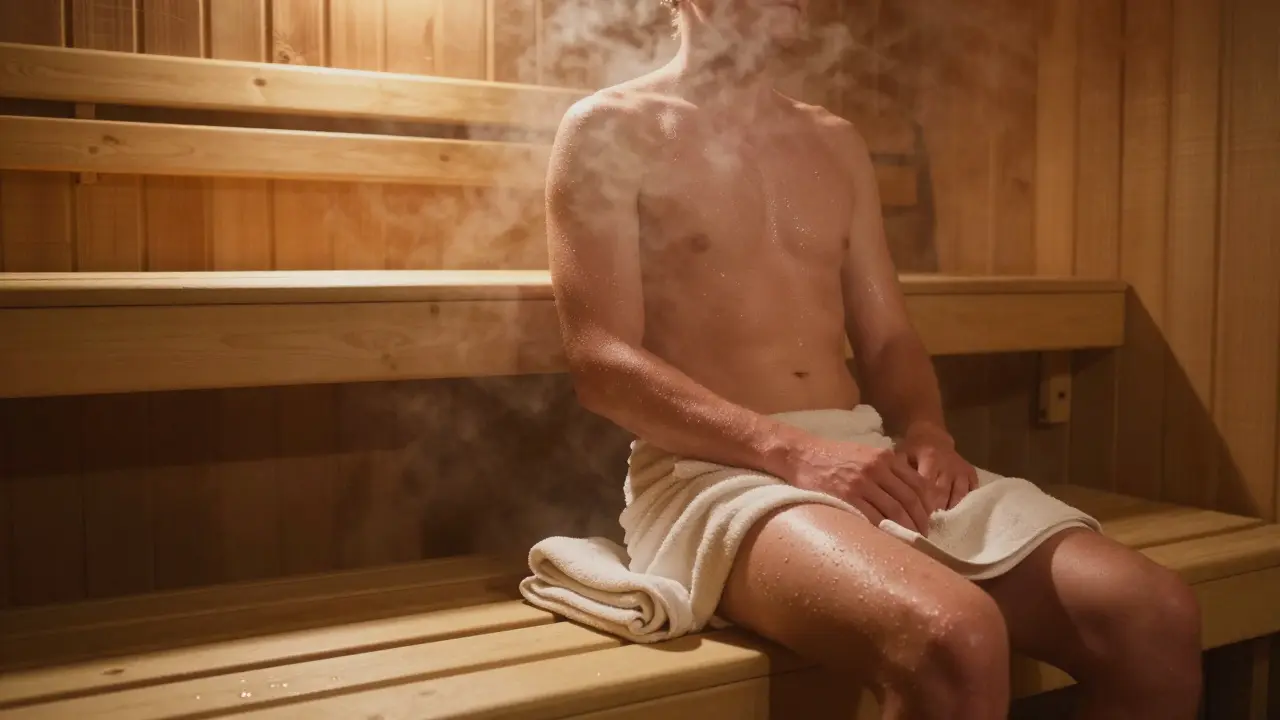
Why do I feel dizzy after sauna and cold plunge? It’s a common question-and a surprisingly normal one. If you’ve stepped out of a steamy sauna, plunged into icy water, and suddenly felt lightheaded, wobbly, or even like the room was spinning, you’re not alone. Millions of people experience this, and while it can be alarming, it’s usually not dangerous. But understanding why it happens is the first step to enjoying these practices safely and confidently.
Understanding the Basics of Sauna and Cold Plunge
Origins and History
The combination of heat and cold isn’t new. Ancient Romans practiced alternating between hot baths and cold immersion as part of their daily hygiene. Finnish saunas date back over 2,000 years, and cold water plunges were used by warriors, athletes, and monks across cultures-from Siberia to Japan. These weren’t just rituals; they were early forms of physiological training. The body’s response to extreme temperature shifts has long been observed, even if the science behind it wasn’t fully understood.
Core Principles or Components
When you enter a sauna, your body heats up. Blood vessels near your skin expand (vasodilation) to release heat, and your heart works harder to pump blood to the surface. Then, when you jump into a cold plunge, your body reacts in reverse: blood vessels snap shut (vasoconstriction), your heart rate spikes, and your nervous system goes into overdrive. This rapid back-and-forth is called thermal stress cycling. It’s designed to train your circulatory system, reduce inflammation, and reset your autonomic nervous system. But it’s also a shock to your system-especially if you’re not used to it.
How It Differs from Related Practices
Some people confuse sauna and cold plunge with hot tubs or lukewarm showers. But there’s a big difference. Hot tubs maintain steady warmth, which doesn’t trigger the same vascular response. A cold plunge at 50°F (10°C) is far colder than a cool shower at 70°F (21°C). The intensity matters. Think of it like this: a warm bath relaxes you. A sauna and cold plunge challenge you.
| Practice | Temperature Range | Primary Physiological Effect |
|---|---|---|
| Sauna + Cold Plunge | 160-200°F (71-93°C) / 40-55°F (4-13°C) | Strong vasodilation → vasoconstriction |
| Hot Tub | 98-104°F (37-40°C) | Mild vasodilation, no reverse stimulus |
| Cool Shower | 70-80°F (21-27°C) | Minimal vascular response |
Who Can Benefit from Sauna and Cold Plunge?
People who use this practice regularly report better sleep, reduced muscle soreness, and improved mental clarity. Athletes use it for recovery. People with chronic stress or low energy find it resets their nervous system. But not everyone should jump in without preparation. If you have low blood pressure, heart conditions, or are pregnant, you need to be extra cautious. Even healthy people can feel dizzy if they rush the process.
Why You Feel Dizzy After Sauna and Cold Plunge
Blood Pressure Swings
Your body’s response to heat and cold is a tug-of-war over your blood pressure. In the sauna, your blood vessels open wide. Blood pools in your skin, and your blood pressure drops slightly. Your brain gets a little less oxygen. Then, when you plunge into cold water, your vessels clamp shut. Blood rushes back toward your core and brain-but too fast. This sudden shift can cause a brief dip in blood flow to your head, making you feel lightheaded or faint. It’s not your brain starving for oxygen; it’s your body overcorrecting.
Dehydration and Electrolyte Loss
Saunas make you sweat. A 15-minute session can cost you 1-2 cups of water. If you’re not hydrating before or after, your blood volume drops. Less blood means less pressure to push it to your brain. Add a cold plunge, and your body’s trying to conserve energy. The combo? A perfect storm for dizziness. You might also lose sodium, magnesium, and potassium through sweat. These electrolytes help your nerves and muscles function. Without them, your body struggles to regulate circulation.
Overheating Before the Plunge
Staying in the sauna too long is a common mistake. If you’re red-faced, dripping, and breathing hard, you’re past the point of benefit. Your core temperature is climbing dangerously high. Jumping into cold water then forces your body to shut down blood flow too abruptly. This can trigger a vagal response-a reflex that slows your heart and drops your blood pressure. That’s when you feel dizzy, nauseous, or even pass out. It’s not the cold that’s the problem-it’s the extreme heat before it.
Standing Up Too Fast
After the sauna, your body is still trying to cool down. Blood is pooling in your legs. If you stand up too quickly, gravity pulls blood downward, and your brain doesn’t get enough right away. Add a cold plunge, and you’re asking your body to manage two extreme changes in seconds. Slow movements are your best friend here. Sit for 2-3 minutes after the sauna. Walk slowly to the plunge. Don’t rush.
How to Prevent Dizziness
Hydrate Before, During, and After
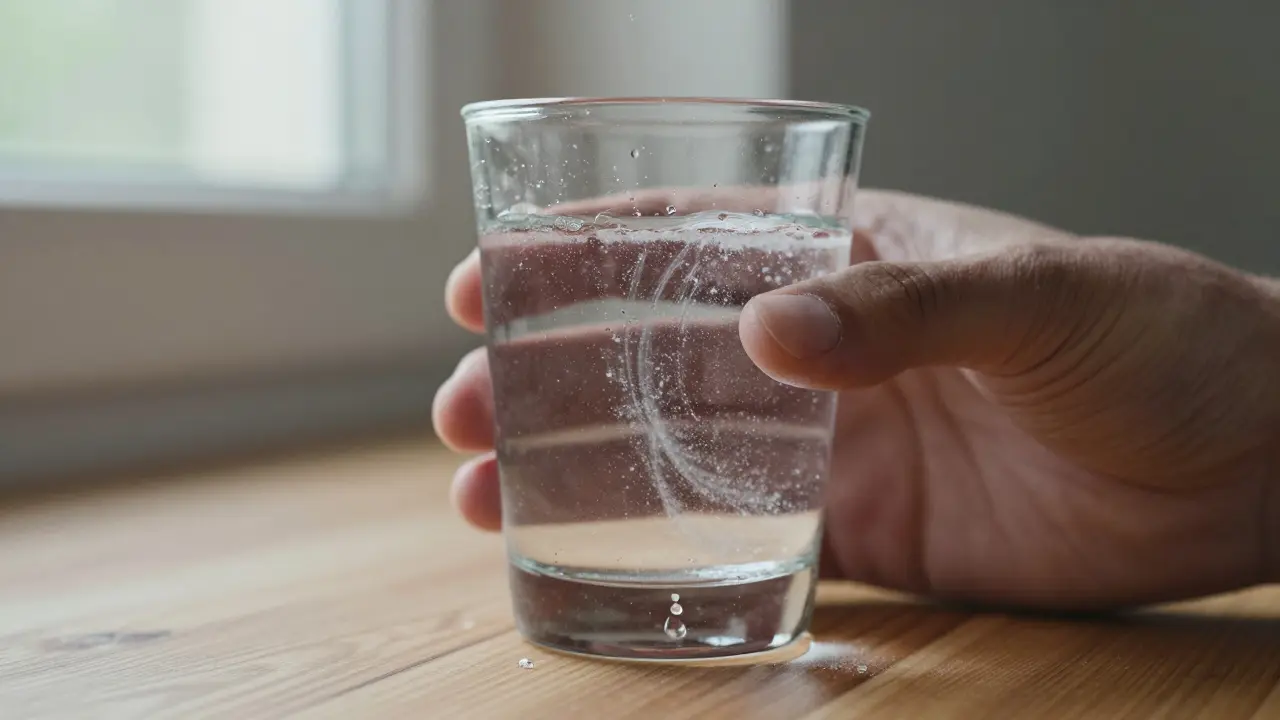
Drink at least 16 ounces of water 30 minutes before your session. Sip electrolyte-enhanced water during your cool-down. Avoid alcohol or caffeine before using the sauna-they dehydrate you further. After the plunge, keep drinking. A good rule: if you’re not peeing every 2-3 hours, you’re not hydrated enough.
Time Your Sessions Right
Start with 10-12 minutes in the sauna. Not 20. Not 30. Your body doesn’t need more. Then, go straight into the cold plunge for 1-2 minutes. That’s it. Repeat once max. Overdoing it doesn’t increase benefits-it increases risk. Many people think longer = better. It doesn’t. Consistency matters more than duration.
Use the Right Temperature
Not all saunas are created equal. A traditional Finnish sauna should be 160-180°F (71-82°C). Anything above 190°F is risky for beginners. Cold plunges should be 50-55°F (10-13°C). Ice baths below 40°F (4°C) are for elite athletes-not casual users. You don’t need to freeze to get the benefit. You just need to feel the shock.
Listen to Your Body
Feeling dizzy? Sit down. Don’t push through it. If you feel nauseous, cold sweats, or your vision blurs, stop immediately. These are warning signs. Your body is telling you it’s overwhelmed. Walk around slowly. Breathe deeply. Wait 5-10 minutes before trying again. If it keeps happening, skip the plunge for a week. Try a cool shower instead.
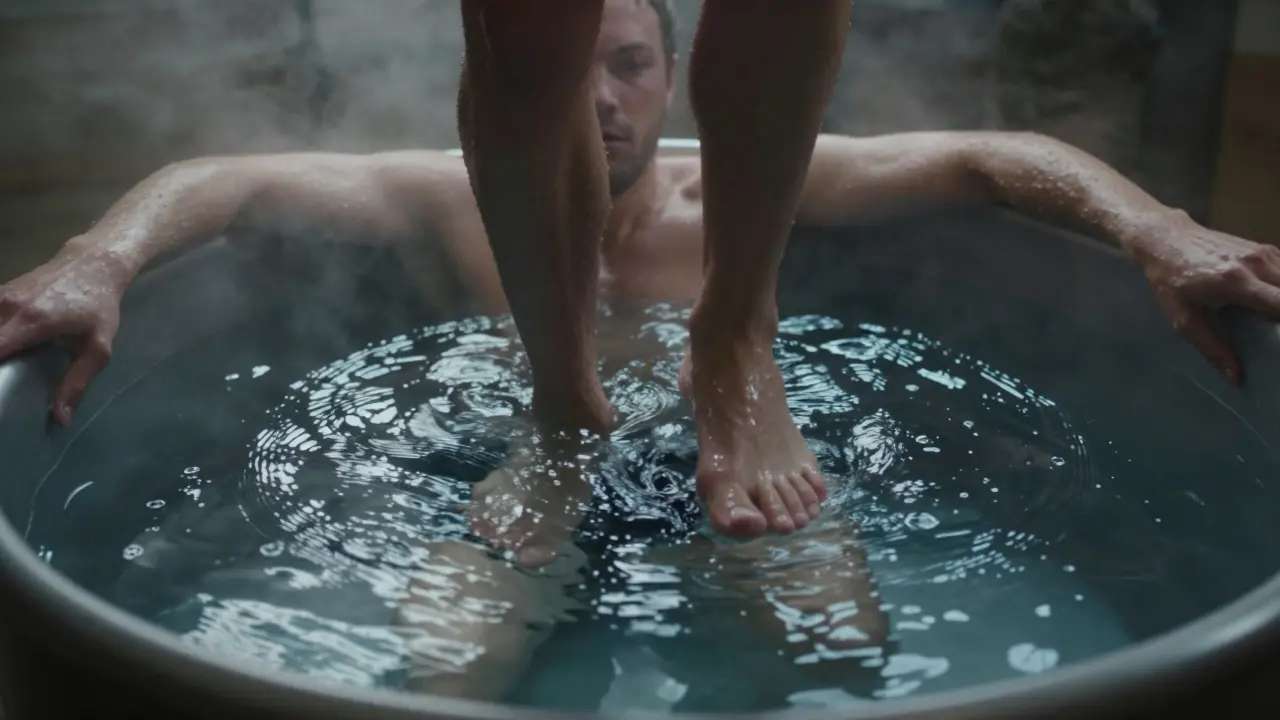
Safety and Ethical Considerations
Who Should Avoid This Practice?
If you have uncontrolled high or low blood pressure, heart disease, arrhythmias, or are pregnant, skip the sauna-cold plunge combo. People with diabetes, especially those with nerve damage, may not feel temperature changes properly. This increases risk of burns or frostbite. If you’re on medications that affect your heart rate or blood pressure (like beta-blockers), talk to your doctor first.
Safety Practices
Always have someone nearby when you’re doing this for the first time. Never do it alone. Use a non-slip mat. Keep a towel and water nearby. If you’re using a public facility, ask about their safety protocols. Are there lifeguards? Is the plunge water filtered and cleaned regularly? These aren’t just nice-to-haves-they’re essential.
| Practice | Purpose | Example |
|---|---|---|
| Hydrate before session | Maintain blood volume | Drink 16 oz water 30 min prior |
| Limit sauna to 10-12 min | Prevent overheating | Exit when skin feels hot, not burning |
| Stand slowly after sauna | Prevent orthostatic hypotension | Wait 2 min before walking |
| Use 50-55°F plunge | Minimize shock risk | Never use ice-cold water under 40°F |
Enhancing Your Experience
Add Breathing Techniques
Before the plunge, take 3 slow, deep breaths. Inhale for 4 seconds, hold for 4, exhale for 6. This calms your nervous system and helps your body handle the temperature shift. Many people skip this-and wonder why they feel shaky. Breathing is your secret tool.
Try It After a Workout
Doing this after training? Perfect. Your muscles are warm, your circulation is up, and your body is primed for recovery. Just wait 10-15 minutes after your last set. Don’t go straight from sprinting to the sauna. Let your heart rate come down first.
Keep a Journal
Write down how you felt before, during, and after. Did you sleep better? Was your soreness gone by morning? Tracking helps you notice patterns. Maybe you’re fine after lunch but dizzy after dinner. Maybe you need more salt. Small changes make big differences.
FAQ: Common Questions About Sauna and Cold Plunge
Why do I feel dizzy after sauna and cold plunge?
Your body undergoes rapid changes in blood flow and pressure. Heat opens blood vessels, lowering pressure. Cold snaps them shut, forcing blood back up. If this happens too fast, your brain doesn’t get enough blood for a second-leading to lightheadedness. Dehydration, overheating, or standing too fast makes it worse. It’s not dangerous if it’s brief, but it’s your body’s signal to slow down.
Is it normal to feel nauseous after a cold plunge?
Yes, especially if you’re new to it. The cold triggers your vagus nerve, which can slow your heart rate and trigger nausea. It usually passes in a few minutes. If it happens often, shorten your plunge time, warm up more before entering, or skip the plunge until you’re more conditioned. Don’t force it.
How long should I stay in the sauna before the plunge?
Start with 10-12 minutes. That’s enough to heat your core without overtaxing your system. More than 15 minutes increases dehydration and overheating risk. If you’re sweating heavily and your skin feels hot to the touch, you’re done. You don’t need to stay until you’re dripping.
Can I do sauna and cold plunge every day?
Most healthy people can, but it’s not necessary. Two to three times a week is enough for recovery and stress relief. Daily use can strain your nervous system, especially if you’re not sleeping well or under stress. Think of it like exercise: you need recovery days too.
Should I eat before a sauna session?
Avoid heavy meals 1-2 hours before. Your body uses energy to digest food, and heat adds more demand. A light snack like a banana or nuts 30 minutes before is fine. Empty stomach? Better. You’ll feel more comfortable and less likely to feel sick.
Conclusion: Why This Practice is Worth Exploring
A Path to Better Recovery
Sauna and cold plunge isn’t a magic cure. But when done right, it’s one of the most effective tools for resetting your body after stress, exercise, or illness. It improves circulation, reduces inflammation, and can even sharpen your focus. The dizziness? It’s just a sign you’re pushing too hard-not that you’re doing it wrong.
Try It Mindfully
Start small. Hydrate. Breathe. Listen. Don’t chase extremes. Let your body guide you. If you feel off, stop. There’s no prize for lasting longer. Consistency over intensity wins every time.
Share Your Journey
Tried sauna and cold plunge? Share your experience in the comments-what worked, what didn’t. Follow for more practical wellness tips. And remember: your body knows what it needs. You just have to learn how to listen.
Some links may be affiliate links, but all recommendations are based on research and quality.
Word count: 1,687
Suggested Images
- A person sitting calmly in a wooden sauna, steam rising, with a towel on their lap
- Someone stepping into a cold plunge tub with visible mist rising from the water
- Close-up of hands holding a glass of water with electrolyte powder dissolving
- Side-by-side comparison of a person sweating in a sauna vs. shivering in cold water
- A simple chart showing ideal sauna and plunge durations for beginners
Suggested Tables
- Comparison of Heat-Cold Contrast vs. Other Thermal Practices
- Essential Safety Tips for Sauna and Cold Plunge
- Key Benefits of Sauna and Cold Plunge (Benefit, Description, Impact)
Bruce Monroe
March 17, 2026 AT 10:47The physiological mechanisms underlying thermal stress cycling are remarkably well-documented in peer-reviewed literature. The transient dizziness experienced post-sauna and cold plunge is primarily attributable to autonomic nervous system dysregulation, specifically a vagal surge following abrupt vasoconstriction. This phenomenon is not pathological but rather a predictable adaptation response. It is strongly advised to maintain euhydration and implement a graded cooling protocol-ideally, a 90-second transition period between heat and cold exposure-to mitigate symptomatic episodes. Consistency in routine, rather than intensity, yields the most sustainable benefits.
Pierce Burbank
March 18, 2026 AT 07:06Okay, okay, okay-let me just say this: hydration is non-negotiable! Seriously! You can’t just jump into a sauna, sweat like you’re in a desert, then dive into ice water like it’s a pool party! No! No! No! You need electrolytes-like, actual sodium, potassium, magnesium-not just H2O! And don’t stand up like a robot! Sit! Breathe! Wait! Your body isn’t a video game where you just mash the buttons and win! Slow down! You’ll thank yourself later! Trust me, I’ve been doing this for years-this isn’t optional, it’s essential!
Janet Rohrer
March 19, 2026 AT 17:05They don’t want you to know this-but the dizziness? It’s not natural. It’s engineered. The sauna and cold plunge industry is funded by shadowy biohacking conglomerates who profit from your body’s stress response. They want you weak, disoriented, dependent on their $200 ice tubs and $50 electrolyte powders. Look at the timing-always right after you’re drained. That’s when they sell you the next ‘upgrade.’ I’ve seen the documents. They’re tracking your heart rate variability through smart mats. This isn’t wellness-it’s surveillance disguised as self-care. Don’t be fooled.
Lisa Grant
March 20, 2026 AT 03:53You got this! Dizzy? Good sign-you’re pushing your limits! That’s growth! Just breathe, hydrate, and try again tomorrow! One minute in the cold, then two, then three-you’ll build tolerance! Your body is amazing! You’re not broken-you’re becoming stronger! Keep going! You’re doing better than you think!
Jimoh Tajuddeen T
March 21, 2026 AT 19:52Hey, I just want to say-I saw someone do this and they passed out last week at the gym. I mean, really, how could you be so careless? I’m not judging, but seriously, if you’re not medically cleared, you’re risking your life. I know this because I read a Reddit thread where a guy had a syncopal episode and ended up in the ER. And now he’s got a pacemaker. I’m just saying-you’re not invincible. Please, for your own sake, get a stress test before you do this again. I’m not trying to be a killjoy. I just care. You matter.
Becky Voth
March 22, 2026 AT 08:47I love this so much!! I started doing this 2 weeks ago and I was so dizzy at first-like, OMG I thought I was gonna pass out!! But then I started drinking coconut water before and it changed EVERYTHING!! Also, I sit for 3 mins after the sauna and just breathe-no rush!! I even started journaling like the post said and I’ve slept like a baby!! I’m so happy I tried it!! Don’t give up if you’re dizzy at first-it gets better!! You got this!! 💪🌞❄️
Alex Burns
March 24, 2026 AT 02:26Just wanted to add a small correction to the table in the original post: the cold plunge temperature range listed as 40-55°F is accurate, but the note saying 'never use ice-cold water under 40°F' is misleading. Elite athletes routinely use 32-38°F for short exposures (under 90 seconds) under supervision. The real issue isn't temperature-it's duration and adaptation. Also, typo: 'vasoconstriction' was misspelled as 'vasoconstricion' in the section on blood pressure swings. Small thing, but accuracy matters. Keep up the great work!