
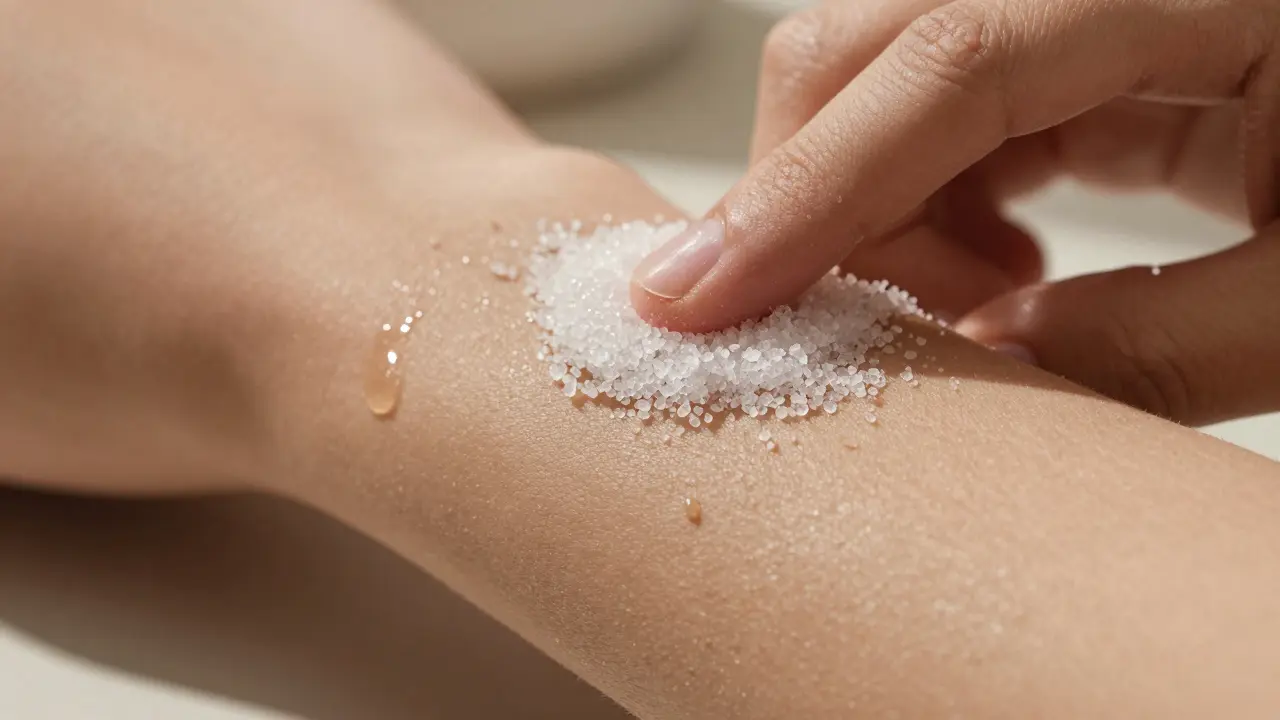
When it comes to body scrub, you’ve probably seen it everywhere - from luxury spa menus in Dubai to Instagram ads promising glowing skin in seven days. But here’s the real question: Do dermatologists actually recommend body scrub? The answer isn’t a simple yes or no. It’s more like, ‘It depends.’
Understanding the Basics of Body Scrub
Origins and History
Body scrubs aren’t a modern beauty trend invented by influencers. People have been exfoliating their skin for thousands of years. Ancient Egyptians used sand and salt to cleanse and soften skin. In India, gram flour and turmeric were mixed into pastes for weekly body treatments. Even in traditional Japanese onsen culture, rough towels were used to gently slough off dead skin before soaking. These practices weren’t just about looks - they were about hygiene, circulation, and ritual. Today’s commercial body scrubs are just evolved versions of those ancient methods, now packed with oils, fragrances, and scientifically tested ingredients.
Core Principles or Components
A body scrub works by physically removing dead skin cells from the surface using granular particles. These can be natural - like sugar, salt, coffee grounds, or ground nut shells - or synthetic, like microbeads (now banned in many countries). Most good scrubs also include moisturizing agents like shea butter, coconut oil, or hyaluronic acid to prevent the skin from drying out after exfoliation. The goal isn’t to scrub until your skin bleeds. It’s to gently refresh the skin’s texture, unclog pores, and improve product absorption. Think of it like cleaning a chalkboard before writing again - you’re not erasing the board, you’re making it ready for something new.
How It Differs from Related Practices
People often confuse body scrubs with chemical exfoliants like AHAs and BHAs. They’re not the same. Body scrubs are mechanical - they work by friction. Chemical exfoliants dissolve dead skin with acids. One isn’t better than the other; they just do different things. A scrub gives instant smoothness. Chemical exfoliants work deeper over time and are better for acne-prone or uneven skin. Here’s how they compare:
| Feature | Body Scrub | Chemical Exfoliant (AHA/BHA) |
|---|---|---|
| How It Works | Physical abrasion | Dissolves dead skin with acids |
| Best For | Smooth texture, dry patches | Acne, dark spots, roughness |
| Frequency | 1-2 times per week | 2-4 times per week (depending on strength) |
| Immediate Sensation | Tingly, polished feel | Mild stinging, no visible particles |
| Best for Sensitive Skin? | Only if granules are fine and gentle | Yes, if low concentration and pH-balanced |
Who Can Benefit from Body Scrub?
Most adults can benefit from occasional body scrubbing - especially those with dry, flaky skin, keratosis pilaris (those tiny bumps on arms and thighs), or dull-looking skin. People who live in hot, humid climates like Dubai often notice their skin gets clogged with sweat, salt, and pollution. A weekly scrub helps clear that buildup. But if you have eczema, psoriasis, active acne, or recently sunburned skin, scrubbing can make things worse. Dermatologists don’t say no to body scrub - they say, ‘Use the right kind, at the right time.’
Benefits of Body Scrub for Skin Health
Improved Skin Texture
Dead skin cells pile up naturally. Left alone, they make skin look rough and feel uneven. A gentle scrub removes them, revealing smoother, brighter skin underneath. This isn’t magic - it’s biology. The top layer of skin renews every 28-40 days. Scrubbing just helps speed up the process. Many users report their skin feels softer after just one use. In Dubai’s dry climate, where air conditioning and heat strip moisture, this effect is especially noticeable.
Enhanced Product Absorption
Think of your skin like a sponge. If it’s covered in dead cells, moisturizers and serums can’t sink in properly. After a scrub, your body lotion or oil penetrates deeper. That’s why dermatologists often recommend scrubbing before applying self-tanner or hydrating creams. The result? More even tan, better hydration, and longer-lasting results. One study from the Journal of Clinical and Aesthetic Dermatology found that exfoliated skin absorbed topical treatments up to 20% more effectively than unexfoliated skin Web source (https://www.ncbi.nlm.nih.gov/pmc/articles/PMC6888122/).
Reduced Ingrown Hairs
If you shave or wax, you know the frustration of bumps and razor burn. Dead skin can trap hairs beneath the surface, leading to painful ingrowns. Regular scrubbing - especially in areas like legs, underarms, and bikini line - keeps pores clear and reduces this issue. Many dermatologists in Dubai clinics recommend a gentle sugar scrub twice a week for patients with recurring ingrowns.
Stress Relief and Sensory Benefits
Let’s be honest - a warm, fragrant body scrub feels amazing. The ritual of massaging it into skin, the scent of citrus or lavender, the warmth of the water - it’s a mini-spa moment. This sensory experience lowers cortisol levels and activates the parasympathetic nervous system. It’s not just skin-deep. For busy professionals in Dubai, this 10-minute routine can be a non-negotiable reset button.
What to Expect When Engaging with Body Scrub
Setting or Context
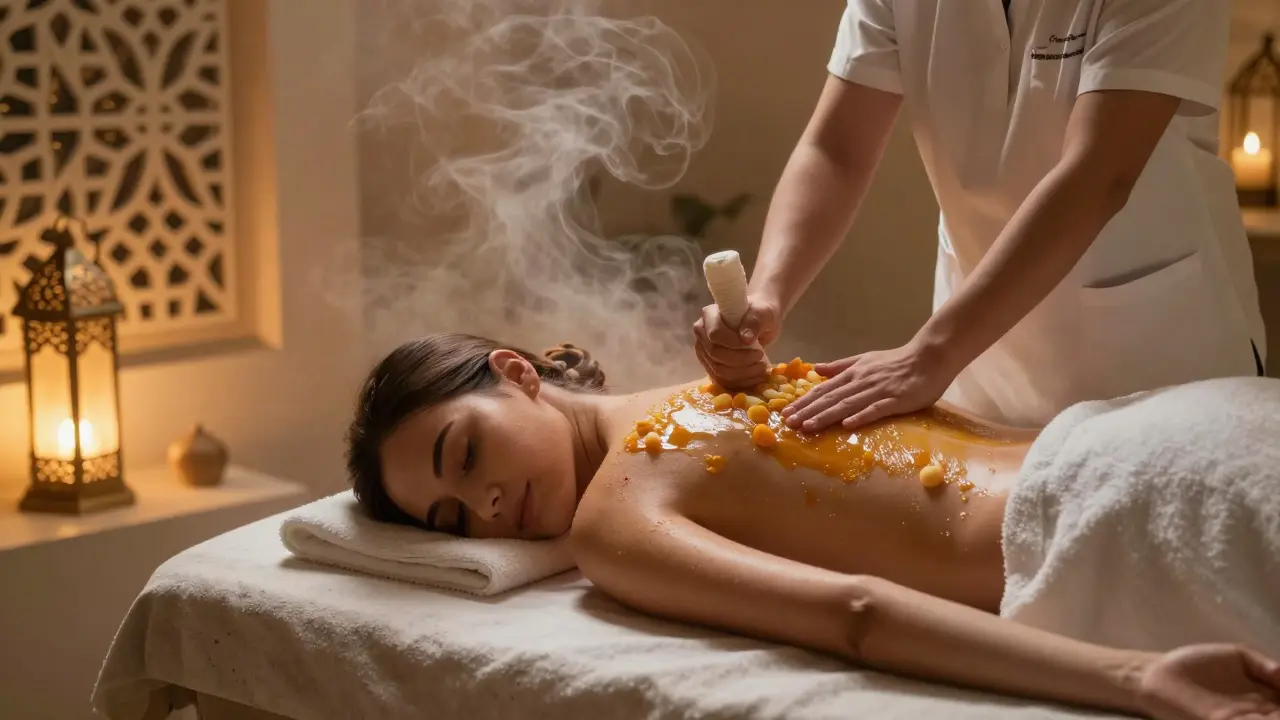
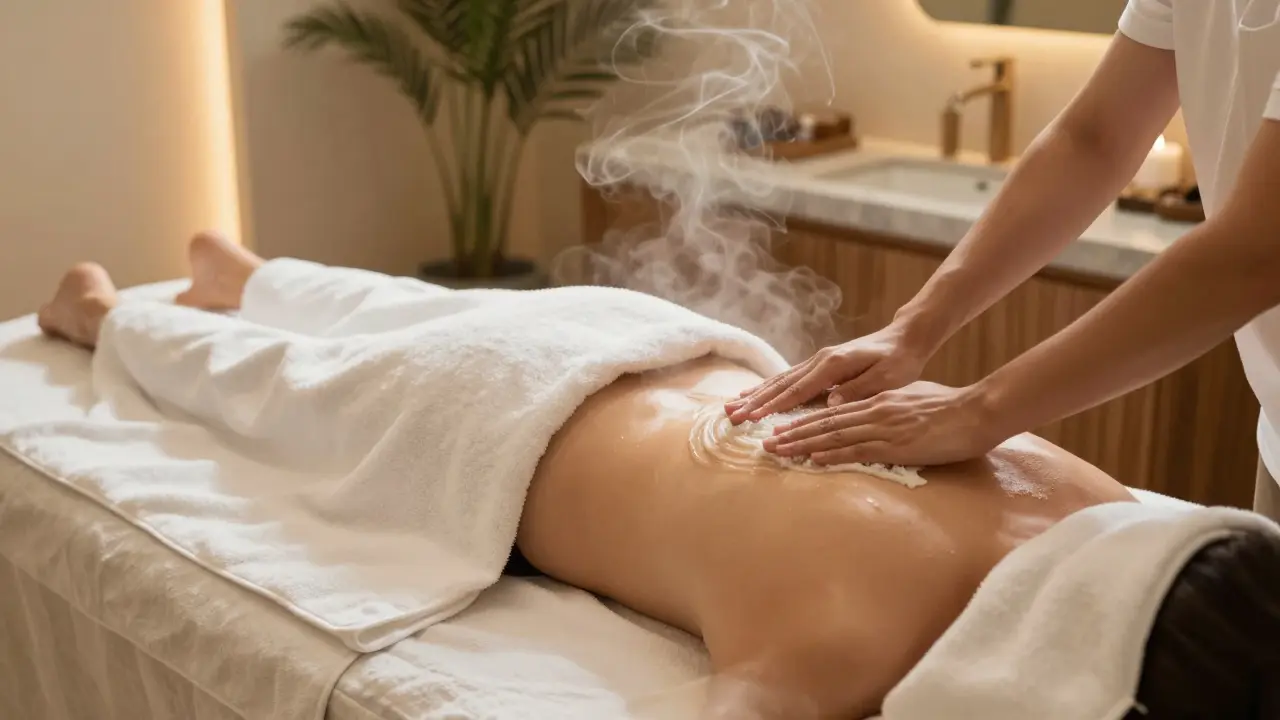
You can use a body scrub in the shower or bath. Most people prefer the shower - it’s easier to rinse off the granules and control water temperature. Avoid using it in a dry environment or on dry skin. Always wet your skin first. In Dubai’s hot climate, a cool or lukewarm shower after scrubbing helps soothe the skin and prevent irritation. Many luxury spas here use heated stone tables and aromatic oils to elevate the experience, but at home, a clean loofah or your hands work just fine.
Key Processes or Steps
Here’s the simple routine:
- Wet your skin with warm water for 1-2 minutes to soften it.
- Apply a small amount of scrub (about a tablespoon) to your hands or a soft cloth.
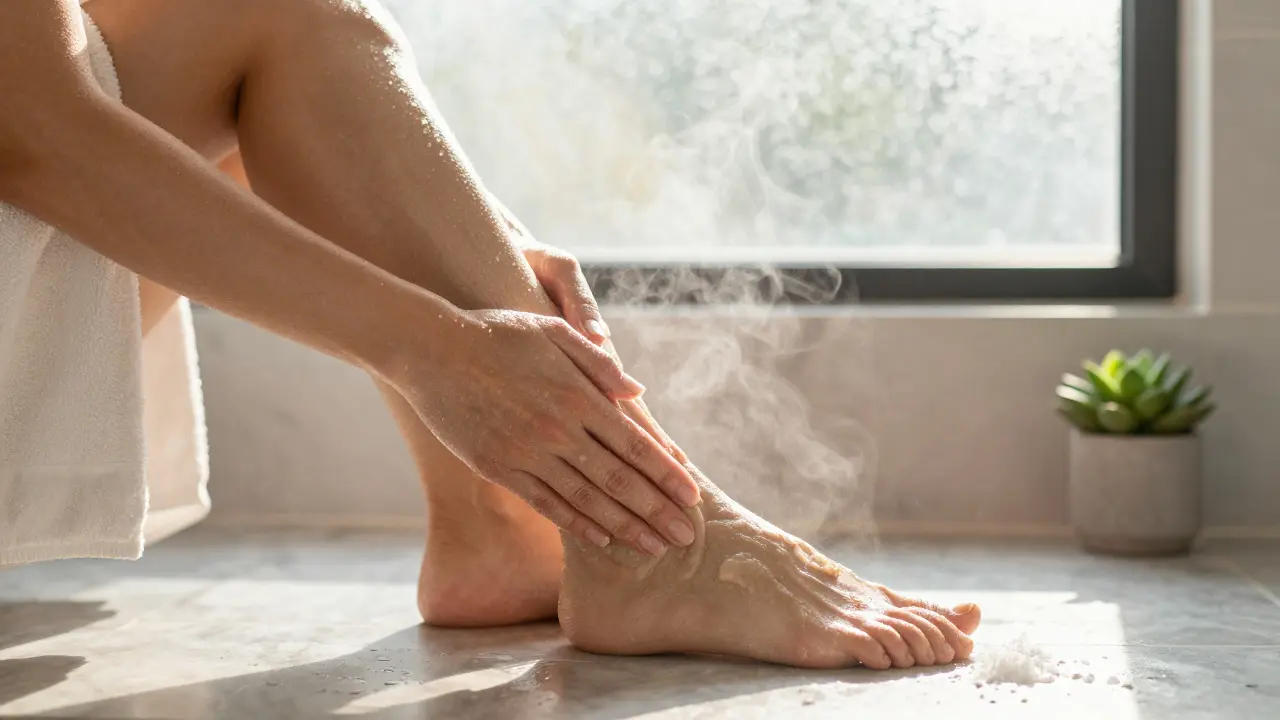
- Use gentle, circular motions - don’t scrub hard. Focus on rough areas: elbows, knees, heels, and feet.
- Rinse thoroughly with warm water.
- Pat dry and immediately apply moisturizer.
That’s it. No need to scrub for five minutes. Ten seconds per body part is enough.
Customization Options
Not all scrubs are made equal. If you have sensitive skin, choose fine-grained scrubs like sugar or rice powder. Avoid walnut shells or apricot pits - they have jagged edges that can tear skin. For oily skin, look for scrubs with tea tree oil or salicylic acid. For dry skin, go for ones with shea butter or jojoba oil. In Dubai, where humidity drops in winter, richer scrubs with oils are preferred. In summer, lighter, water-based scrubs work better.
Communication and Preparation
If you’re getting a professional scrub at a spa, tell your therapist about any skin conditions, allergies, or recent treatments (like laser or peels). Don’t assume they know. And never use a scrub right after waxing or chemical peels - wait at least 48 hours. Your skin needs time to heal.
How to Practice or Apply Body Scrub
Setting Up for Success
Keep your scrub in a dry container - moisture breeds bacteria. Store it away from the shower stream. Use a clean loofah or washcloth each time, and let it dry completely between uses. Replace it every 2-3 weeks. Dirty tools can cause breakouts or infections, especially in humid climates like Dubai.
Choosing the Right Tools/Resources
Look for scrubs with short ingredient lists. Avoid ones with microplastics, synthetic fragrances, or alcohol as the first ingredient. Brands endorsed by dermatologists often list their ingredients transparently. In Dubai, local brands like Al Haramain and Arabian Oud offer natural, fragrance-forward options that work well with the climate. You don’t need to spend a fortune - a $15 sugar scrub from a reputable brand beats a $60 one with glitter and hype.
Step-by-Step Guide
Here’s a foolproof weekly routine:
- Monday evening: Use body scrub after showering.
- Apply moisturizer while skin is still slightly damp.
- Wednesday: Skip scrubbing - just moisturize.
- Saturday: Scrub again if your skin feels rough.
- Sunday: Apply body oil for extra hydration.
That’s it. Two times a week is enough for most people. More than that? You risk damaging your skin barrier.
Tips for Beginners or Couples
First-timers often scrub too hard. Start slow. Use less product. Listen to your skin - if it stings or turns red, stop. Couples can make it a ritual: take turns massaging each other’s back or feet. It’s bonding, relaxing, and surprisingly intimate. Just make sure you’re both using clean tools and don’t share scrubs.
Safety and Ethical Considerations
Choosing Qualified Practitioners/Resources
If you’re booking a spa treatment, check reviews and ask if the therapist is certified in skin care. In Dubai, many spas are run by trained estheticians with diplomas from recognized schools. Avoid places that don’t list staff credentials. A good spa will ask about your skin type before starting.
Safety Practices
Here’s what to keep in mind:
| Practice | Purpose | Example |
|---|---|---|
| Don’t scrub face with body scrub | Face skin is thinner | Use a facial exfoliant instead |
| Avoid scrubbing broken skin | Prevent infection | Wait until cuts or sunburn heal |
| Use sunscreen after scrubbing | Exfoliated skin is more sun-sensitive | Apply SPF 30+ daily |
| Don’t share scrubs | Prevent bacterial transfer | Use personal containers |
Setting Boundaries
Whether you’re doing this alone or with someone else, your comfort matters. If a scrub feels too rough, say so. If the scent makes you dizzy, ask for a different one. Your skin, your rules.
Contraindications or Risks
Don’t use body scrub if you have:
- Active eczema or psoriasis flare-ups
- Open wounds, cuts, or recent laser treatments
- Severe acne or cystic breakouts
- Allergies to ingredients like nuts, coconut, or essential oils
If you’re unsure, consult a dermatologist before starting. In Dubai, many clinics offer free skin consultations.
Enhancing Your Experience with Body Scrub
Adding Complementary Practices
Pair your scrub with a hydrating body oil or cream. For extra relaxation, light a candle, play calming music, or use a heated towel afterward. In Dubai, many people follow a scrub with a cool mist spray - it feels like a desert oasis on your skin.
Collaborative or Solo Engagement
Scrubbing alone is a mindful ritual. Doing it with a partner can be a form of touch-based connection. Neither is better - just choose what fits your lifestyle.
Using Tools or Props
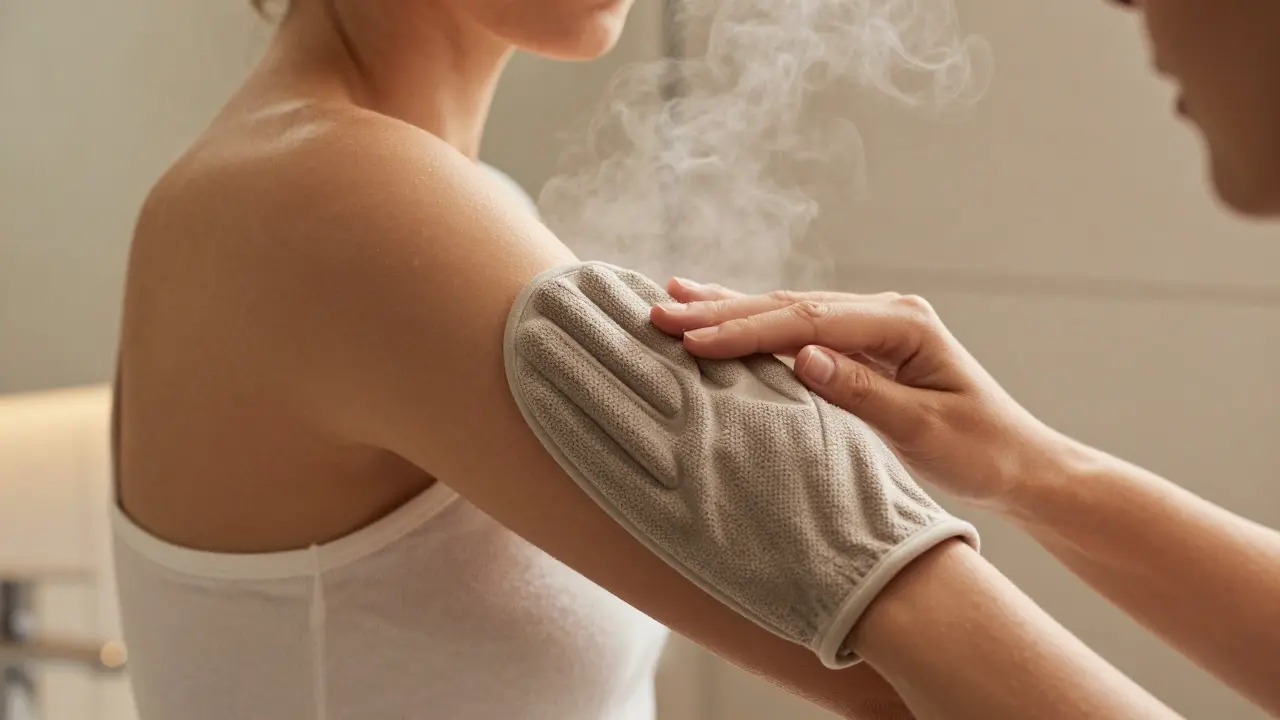
A soft silicone brush or konjac sponge works better than a rough loofah. They’re gentler, easier to clean, and last longer. Avoid natural sea sponges - they harbor bacteria.
Regular Engagement for Benefits
Consistency beats intensity. One powerful scrub won’t fix years of dry skin. But doing it once a week for three months? That’s when you start noticing real changes - smoother skin, fewer bumps, better lotion absorption. Think of it like brushing your teeth. You don’t do it once and expect perfect gums. You do it regularly.
Finding Resources or Experts for Body Scrub
Researching Qualified Practitioners/Resources
Look for spas with certified skin therapists. Check if they’re affiliated with organizations like the International Dermal Institute or the American Society of Dermatology. In Dubai, many high-end spas list their staff qualifications on their websites.
Online Guides and Communities
Follow dermatologists on Instagram who focus on skin science - not just beauty filters. Accounts like @dr.shereene_ or @derm.dr.ahmed offer real, evidence-based advice. Reddit threads like r/SkincareAddiction have honest user reviews on scrub brands.
Legal or Cultural Considerations
In the UAE, skincare products must meet strict health standards set by the Dubai Health Authority. Look for the DHA approval label. Avoid importing scrubs from unregulated markets - they may contain banned ingredients like hydroquinone or mercury.
Resources for Continued Learning
Books like The Beauty of Skin by Dr. Rachel Nazarian or online courses from the Skin Cancer Foundation offer solid, science-backed info. No fluff, no trends - just facts.
FAQ: Common Questions About Body Scrub
Do dermatologists recommend body scrub?
Yes - but with conditions. Dermatologists recommend gentle, non-abrasive scrubs used 1-2 times a week for most skin types. They caution against harsh scrubs with jagged particles, especially for sensitive or acne-prone skin. The key is matching the scrub to your skin’s needs. In Dubai, where heat and pollution affect skin, many dermatologists suggest sugar-based scrubs over salt or walnut scrubs for daily commuters and office workers.
Can I use body scrub every day?
No. Daily scrubbing strips your skin’s natural barrier, leading to dryness, redness, and increased sensitivity. Your skin needs time to repair. Over-exfoliation can even trigger breakouts or worsen conditions like rosacea. Stick to 1-2 times a week. If your skin feels tight or looks shiny after scrubbing, you’re doing too much.
Is body scrub better than chemical exfoliants?
It depends on your skin goals. Body scrub gives instant smoothness and is great for dry, rough patches. Chemical exfoliants (like lactic or salicylic acid) work deeper to fade dark spots and unclog pores - better for acne or uneven tone. Many dermatologists suggest using both: scrub once a week, chemical exfoliant twice. But never use them on the same day.
What’s the best body scrub for sensitive skin?
Look for scrubs with fine, round particles like sugar or rice powder. Avoid anything with crushed shells, salt crystals, or plastic beads. Choose fragrance-free or naturally scented options (like chamomile or oat). Brands like CeraVe, Aveeno, or local Dubai brands with dermatologist testing are safe bets. Always patch-test on your inner arm first.
Should I scrub before or after shaving?
Scrub before shaving. It clears dead skin and lifts hairs, giving you a closer, smoother shave with less irritation. Never scrub after - freshly shaved skin is tender and prone to redness. Wait at least 24 hours after shaving before exfoliating again.
Conclusion: Why Body Scrub is Worth Exploring
A Path to Healthier Skin
Body scrub isn’t a luxury - it’s a simple, effective way to keep your skin functioning at its best. When used correctly, it improves texture, boosts hydration, and even helps with ingrown hairs. In a city like Dubai, where environmental stressors are high, this small habit can make a big difference.
Try It Mindfully
Start slow. Pick a gentle scrub. Use it once a week. Listen to your skin. If it feels better, keep going. If it doesn’t, stop. There’s no one-size-fits-all in skincare.
Share Your Journey
Tried a body scrub that changed your skin? Share your experience in the comments. Follow this blog for more no-nonsense skincare tips tailored to life in the UAE. And remember - glowing skin isn’t about spending more. It’s about using less, wisely.
Some links may be affiliate links, but all recommendations are based on research and quality.
Word count: 1,672
Suggested Images
- A close-up of sugar-based body scrub being massaged onto dry elbows.
- A woman in a Dubai spa receiving a body scrub with natural oils, steam rising in the background.
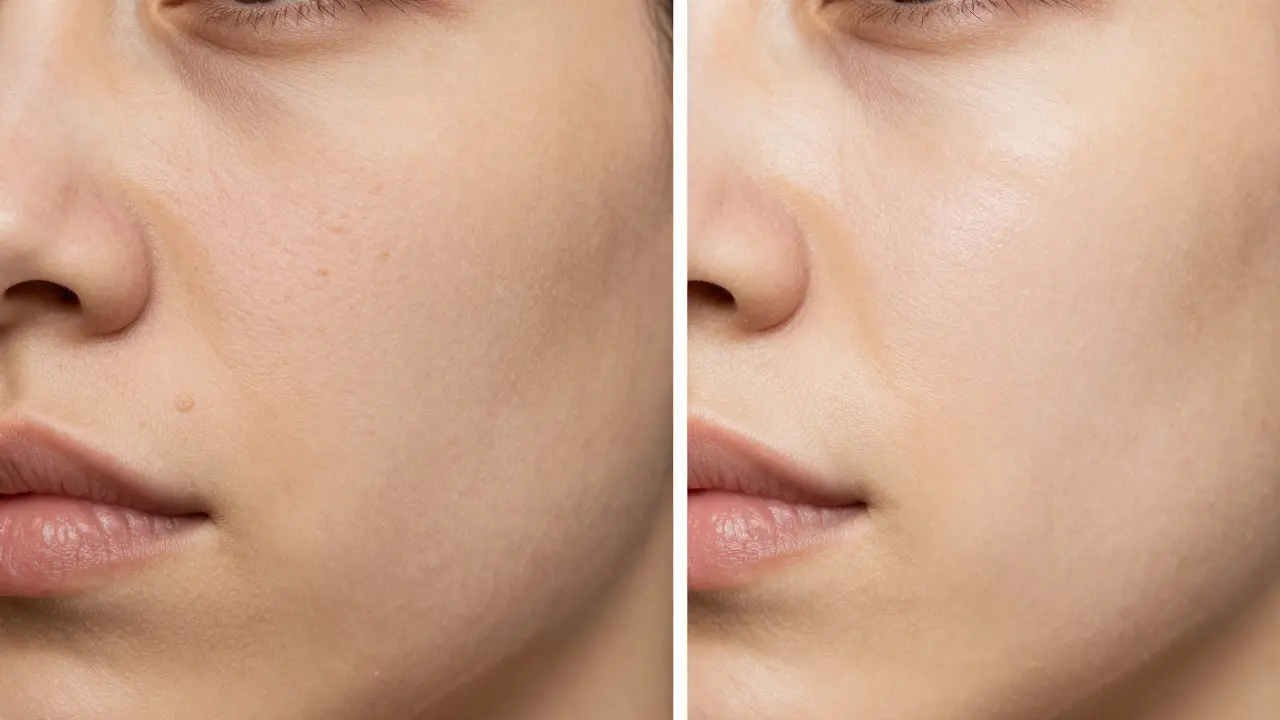
- Side-by-side comparison: rough skin vs. smooth skin after 4 weeks of weekly scrubbing.
- A minimalist bathroom shelf with a body scrub, moisturizer, and loofah arranged neatly.
- Hands holding a jar of natural body scrub with ingredients listed clearly.
Suggested Tables
- Comparison of Body Scrub vs. Chemical Exfoliants (already included).
- Body Scrub Safety Tips (already included).
- Best Body Scrub Ingredients by Skin Type (sugar for sensitive, coffee for circulation, salt for detox - with examples).
Jenn Davenport
January 13, 2026 AT 16:19I tried a sugar scrub last weekend and my legs have never felt this smooth 😍 Like, I didn’t even need lotion afterward. My roommate thought I’d gotten a massage or something. Worth every penny.
Vikram Sinha
January 14, 2026 AT 14:41There’s something almost meditative about body scrubbing. It’s not just about skin-it’s about ritual. Ancient cultures knew this. The friction, the scent, the warmth… it’s a quiet rebellion against the rush of modern life. We scrub to feel alive, not just to look good. And yet, most people treat it like a chore. Sad.
True exfoliation isn’t about force. It’s about presence. You don’t scrub your skin-you converse with it. Listen to how it resists, where it tightens, where it sighs. That’s when you know you’re doing it right.
Dan Mihai
January 15, 2026 AT 02:00Bro, if you’re still using sugar scrubs you’re stuck in 2018. Real skin science is all about enzymatic exfoliation + lipid-replenishing peptides. Sugar? That’s just glorified granular filler. I use this $120 French clinical-grade scrub with 3% PHA + ceramide complex. My stratum corneum is basically a damn fortress now. You guys are still using sandpaper on your epidermis lmao.
Also, coconut oil? Toxic for acne-prone skin. Don’t @ me.
gangadhar balina
January 16, 2026 AT 18:49Westerners have no idea what real skincare is. In India, we’ve been using turmeric and gram flour for 5000 years. You think some fancy jar from Dubai or California is better? Pathetic. Your skin is weak because you’ve forgotten tradition. Sugar scrub? That’s for people who can’t even grind their own spices. Real exfoliation is done with a wooden kasa and neem water-before sunrise, facing east. No fragrance. No plastic. No nonsense.
Stop buying corporate lies. Go back to your roots. Or keep letting Big Skincare rape your barrier.
Michelle Yu
January 17, 2026 AT 17:11Okay but can we talk about how the best body scrub is the one that smells like a tropical vacation? Like if it doesn’t make me feel like I’m on a beach in Bali, is it even worth it? I’ll sacrifice efficacy for scent every time. Also, I use mine right after my shower when I’m still half-asleep. It’s my 10-minute escape from adulting.
Also also-why do all the ‘clinical’ scrubs smell like hospital soap? I’m not here for a dermatology appointment, I’m here for joy.
Dustin Lauck
January 18, 2026 AT 05:41Let me guess-you scrub because you think your skin is a chalkboard and you’re the teacher. Newsflash: your skin isn’t a classroom. It’s a living, breathing ecosystem. You don’t ‘clean’ it-you nurture it. Scrubbing once a week? Fine. Scrubbing because you saw an Instagram ad? That’s not skincare, that’s performance art.
And yes, I’ve seen the 1000+ comment threads where people brag about their ‘glow.’ You don’t glow because you scrubbed. You glow because you hydrated, slept, drank water, and stopped using 12 products that all fight each other. But sure, keep blaming your dull skin on not scrubbing hard enough.
sarah young
January 19, 2026 AT 05:51i just started using a coffee scrub and my cellulite looks way less bumpy?? idk if its real or just my brain tricking me but i feel so much more confident in shorts now. also i use a loofah i got from target for $3 and it lasts forever. dont overthink it. just do it gently and then slather on that body butter. your skin will thank you. ps i always forget to moisturize after and then regret it. dont be me.
John Bothman
January 19, 2026 AT 16:57The real question isn’t whether dermatologists recommend body scrub-it’s whether we’ve lost the ability to distinguish between ritual and routine. Exfoliation has been repackaged as a product category, stripped of its cultural weight, and sold back to us as a quick fix. We scrub not because we need to, but because we’ve been taught that transformation requires external intervention.
But the skin remembers. It remembers the sand of the Ganges, the salt of the Mediterranean, the steam of the hammam. It remembers when care was slow, sacred, and communal. Now we buy it in a jar with a 10-second video of a woman laughing in slow motion.
Maybe the problem isn’t your skin. Maybe it’s the myth that you need to fix it at all.
Yvonne LaRose
January 21, 2026 AT 05:10Everyone’s so focused on the ‘right’ scrub, the ‘right’ frequency, the ‘right’ ingredients… but the most important thing? Consistency with kindness. You don’t need a $200 jar. You don’t need a 12-step routine. You just need to show up for your skin, gently, regularly, without shame. And if you miss a week? That’s okay. Skin doesn’t keep score.
Also-please, for the love of all that is holy, don’t share scrubs. Even if it’s your partner. Even if you’re ‘clean.’ Bacteria doesn’t care about your relationship status. Use your own. It’s not gross-it’s science.
And if you’re in Dubai? Yes, humidity and AC are brutal. But your skin isn’t broken-it’s adapting. Meet it where it is. Not where your Instagram feed says it should be.